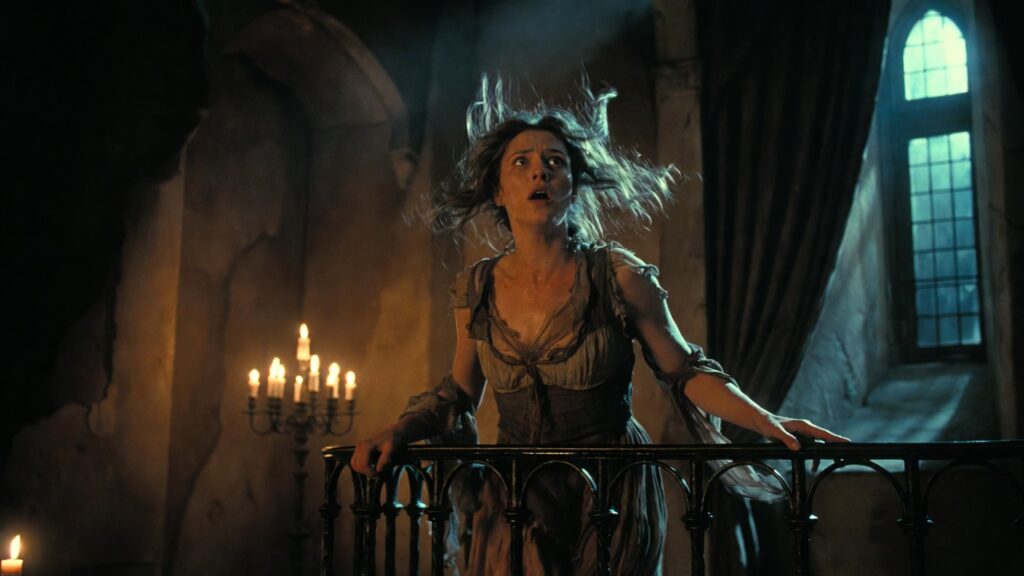
Imagine a fourteen-year-old girl, cornered by family expectations, societal pressures, and an impossible love. She stands on the brink of a decision that could save her or doom her forever. In William Shakespeare’s Romeo and Juliet, this moment arrives not in the heat of a duel or the passion of a balcony scene, but in the quiet desperation of Act 4. Often shorthand-referenced in discussions as “Romeo 4” (focusing on the tragic arc tied to Romeo’s fate through Juliet’s actions), this act transforms the play from hopeful romance into irreversible tragedy. The lovers’ secret marriage, Romeo’s banishment, and Tybalt’s death have built unbearable tension—but Act 4 is where human choices lock the doors to escape. Here, Juliet drinks a sleeping potion to fake her death, setting off a chain of events that no one can stop.
As a long-time student of Shakespeare’s tragedies, drawing from editions like the Folger Shakespeare Library and Arden Shakespeare, along with centuries of critical analysis, I see Act 4 as the structural and emotional fulcrum. It shifts the tone decisively toward catastrophe, emphasizing themes of fate, free will, deception, and youthful desperation. This comprehensive exploration—deeper than standard summaries on sites like SparkNotes or LitCharts—breaks down scenes, quotes, themes, and insights to help students, teachers, literature lovers, and anyone grappling with the play’s enduring power understand why this act seals the lovers’ doom. Whether preparing for exams or seeking fresh perspective on Shakespeare’s genius, you’ll find actionable analysis here.
Overview of Act 4 – The Structure and Pivotal Shift
Act 4 consists of five concise yet intense scenes, all centered on Juliet while Romeo remains conspicuously absent in Mantua. This structural choice spotlights Juliet’s agency—she evolves from a girl swept up in love to a decisive figure willing to risk everything.
The act opens with preparations for Juliet’s forced marriage to Paris and ends with her “corpse” discovered, propelling the story toward the tomb in Act 5. Unlike earlier acts blending comedy and romance, Act 4 accelerates relentlessly toward tragedy. The rising action of Acts 1–3 (the meeting, secret wedding, banishment) reaches its climax here: Juliet’s fake death plan, born of desperation, becomes the point of no return because once the potion is drunk, reversal depends on perfect timing, communication, and luck—elements Shakespeare cruelly denies.
Dramatic irony permeates every moment: the audience knows Juliet lives, but the characters grieve her as dead. This heightens suspense and underscores the tragedy’s core—human error and haste, not just fate, drive the catastrophe.
Scene-by-Scene Deep Dive and Analysis
Act 4, Scene 1 – The Desperate Plan is Born (Friar Lawrence’s Cell)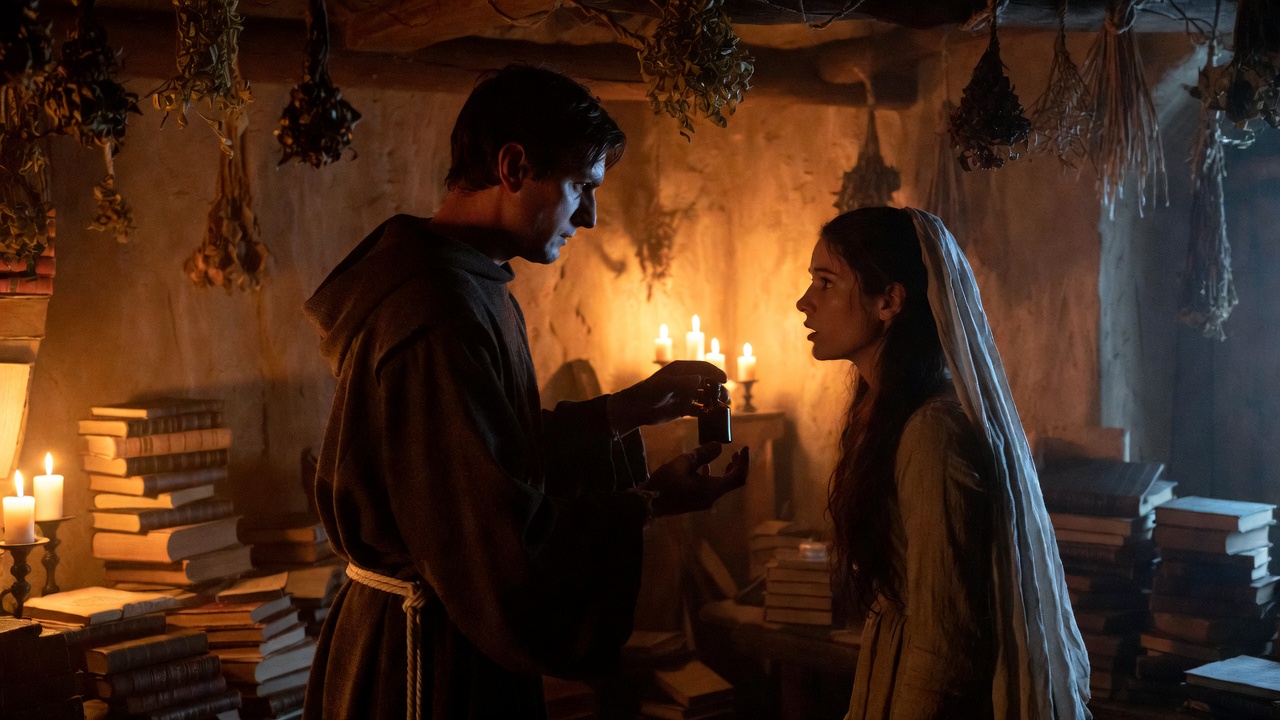
The act begins in Friar Lawrence’s cell, where Paris discusses his upcoming wedding to Juliet. He notes her “unbalanced” grief over Tybalt (unaware it’s really for Romeo). Juliet enters, and Paris greets her lovingly; she responds with cool indifference, masking her turmoil.
Once Paris leaves, Juliet confronts the Friar with raw emotion. Threatening suicide with a knife, she declares she’d rather leap from battlements or live in a crypt than marry Paris: “O, bid me leap, rather than marry Paris, / From off the battlements of any tower” (4.1.77–78). This reveals her fierce loyalty to Romeo and maturity—she prioritizes love over life.
Friar Lawrence, panicked by her resolve, proposes the risky plan: consent to marry Paris, then drink a sleeping potion the night before the wedding. It will simulate death for 42 hours, allowing her family to place her in the Capulet tomb. Romeo (notified by letter) will retrieve her upon waking, and they’ll flee to Mantua.
Analysis: This scene highlights the Friar’s hubris—he plays God to “fix” the situation, underestimating risks like failed delivery or misinterpretation. Juliet’s courage shines; she accepts a “thing like death” to escape shame. Themes of deception as survival emerge, but the plan’s desperation foreshadows disaster.
Act 4, Scene 2 – Deception Succeeds (Capulet’s House)
Juliet returns home, where wedding preparations buzz. She kneels before Capulet, feigning repentance: “Henceforward I am ever ruled by you” (4.2.36). Overjoyed, Capulet advances the wedding to Wednesday—hastening the timeline disastrously.
Analysis: Dramatic irony peaks—Capulet’s joy at Juliet’s “obedience” contrasts the impending horror. His shift from authoritarian to affectionate father exposes shallow understanding of his daughter. The haste theme intensifies: good intentions accelerate tragedy.

Alone, Juliet dismisses the Nurse and Lady Capulet. In one of Shakespeare’s most powerful soliloquies, she confronts fears: What if the potion is poison? What if she wakes too early in the tomb, suffocating or going mad among ancestors and Tybalt’s corpse?
Key lines capture her terror: “I have a faint cold fear thrills through my veins, / That almost freezes up the heat of life” (4.3.15–16). She imagines horrors: “How if, when I am laid into the tomb, / I wake before the time that Romeo / Come to redeem me? … Or, if I live, is it not very like / The horrible conceit of death and night” (4.3.29–37). Yet she drinks: “Romeo, Romeo, Romeo! Here’s drink. I drink to thee” (4.3.58).
Analysis: This monologue rivals Hamlet’s “To be or not to be” in existential depth—Juliet faces isolation, madness, and death. Her bravery cements her as the play’s true tragic hero: proactive, resolute. The scene builds unbearable tension; her choice is irreversible.
Act 4, Scene 4 – Hasty Preparations (Capulet Household)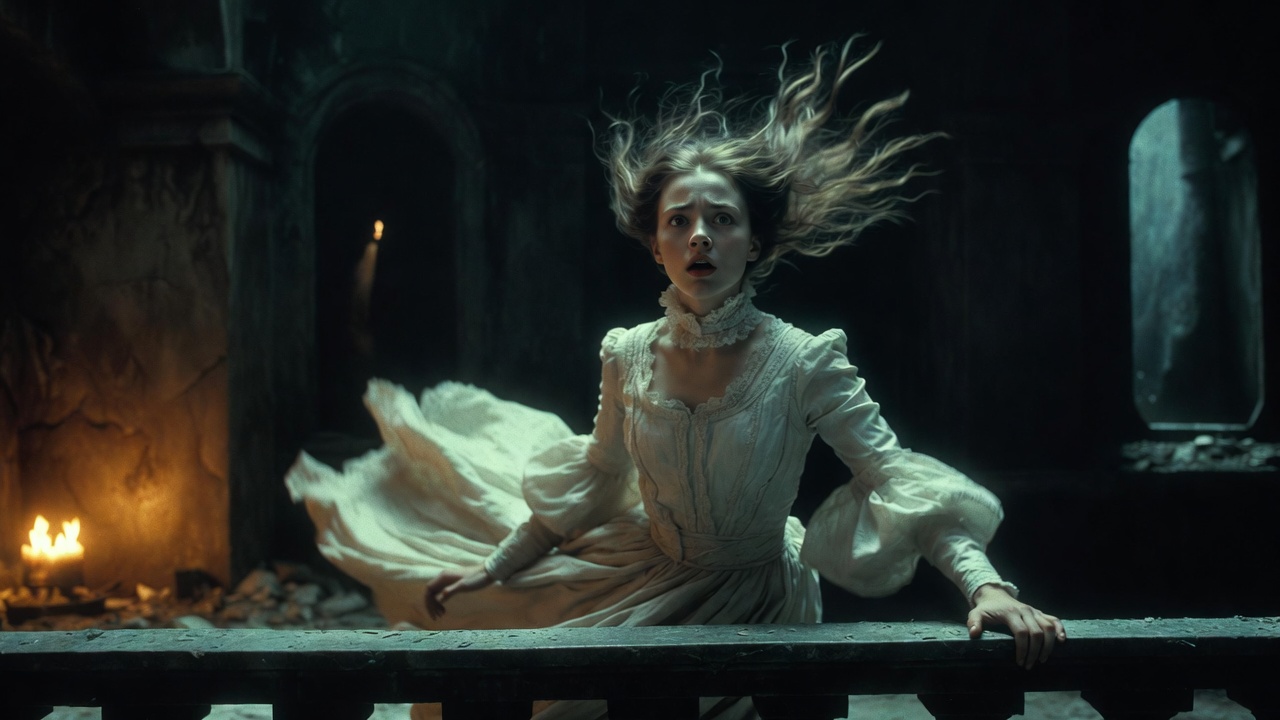
A brief, comic interlude: Capulet, Lady Capulet, and servants rush wedding preparations at dawn. Capulet jokes about sleeplessness, ordering spices and logs.
Analysis: This light tone contrasts impending grief, heightening irony. It humanizes the Capulets—their love is genuine, but misguided haste blinds them.
Act 4, Scene 5 – Discovery of “Death” (Juliet’s Chamber)
The Nurse discovers Juliet “dead,” wailing dramatically. Lady Capulet, Capulet, and Paris join in lamentation. Capulet’s grief is poignant: his daughter was his “joy.” Friar Lawrence arrives (as planned), consoling hypocritically and urging burial.
Analysis: Over-the-top mourning reveals parental superficiality—they never truly knew Juliet. Paris’s sorrow feels genuine, adding pathos. The “body” to the tomb sets Act 5’s catastrophe in motion—no turning back.
Why Act 4 is the True Point of No Return – Core Reasons
Act 4 is not merely a transitional chapter; it is the fulcrum upon which the entire tragedy balances and then tips irreversibly toward catastrophe. Several interlocking elements make this act the definitive point of no return: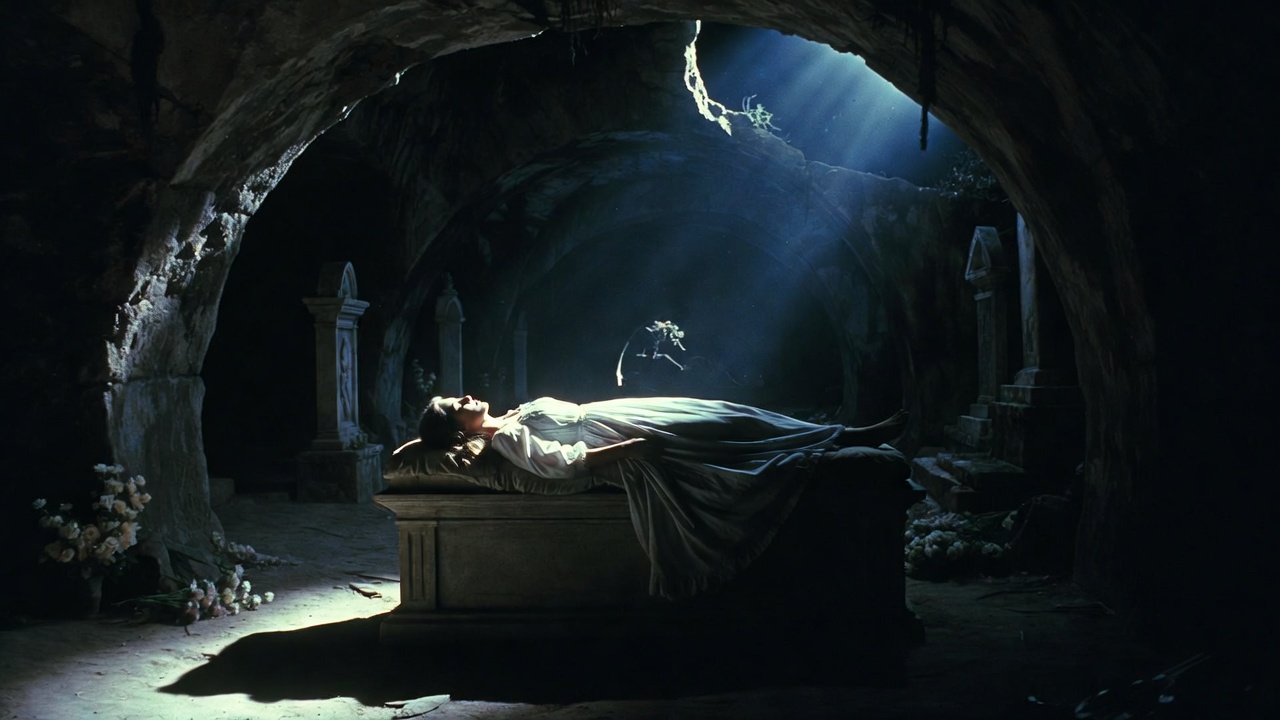
- Irreversible Human Action Juliet’s decision to drink the potion is a deliberate, conscious choice made after full consideration of its risks. Unlike earlier impulsive acts (the instant marriage, Romeo’s killing of Tybalt in rage), this is calculated. Once swallowed, the potion cannot be undone. There is no antidote, no reversal clause. From this moment, the plot becomes dependent on external variables—Friar John’s successful delivery of the letter, Romeo’s prompt arrival, the timing of the tomb opening—that Shakespeare deliberately sabotages.
- The Chain Reaction of Miscommunication Begins The Friar’s plan hinges on one critical piece of paper: the explanatory letter to Romeo in Mantua. In Act 5 we learn that Friar John is quarantined due to plague fears and never delivers it. That failure is born in Act 4. The moment Juliet drinks, the tragedy becomes mechanically unstoppable unless perfect coordination occurs—and Shakespeare’s dramatic universe rarely permits perfection.
- Structural Peripeteia (Reversal of Fortune) According to Aristotle’s Poetics, a tragedy reaches its highest point of tension at the moment of peripeteia—the sudden reversal from good to bad fortune. In Romeo and Juliet, Act 3 ends with Romeo’s banishment and the announcement of Juliet’s betrothal to Paris—bad news, but still reversible through flight or negotiation. Act 4, however, replaces possibility with finality. Juliet’s “death” removes any remaining path for escape short of resurrection, which the audience knows is impossible.
- Tone and Genre Shift Up to Act 3 the play retains strong comic elements: witty banter, the Nurse’s earthy humor, the lovers’ ecstatic language. Act 4 strips away comedy almost entirely. The only remaining lightness—the Capulets’ wedding preparations in Scene 4—serves as cruel irony rather than relief. From here the play enters pure tragic territory.
- Juliet’s Transformation into Tragic Protagonist Romeo is physically absent throughout Act 4, symbolically ceding the dramatic center to Juliet. She becomes the active agent, making the decisive move that seals both their fates. This shift underscores one of Shakespeare’s most profound insights: tragedy often arises not from villainy, but from the courageous yet flawed decisions of good people under extreme pressure.
In short, Act 4 is where hope dies—not because fate decrees it, but because human beings, trying desperately to outmaneuver fate, lock themselves into a course from which there is no escape.
Key Themes Explored in Act 4
Shakespeare weaves several major themes tightly into this act, giving it extraordinary thematic density.
- Fate vs. Free Will The potion is Juliet’s attempt to wrest control from destiny. Ironically, this very act of agency accelerates the fated outcome. The play repeatedly asks: Are the lovers doomed by stars, or by their (and others’) choices?
- Youthful Desperation and Premature Maturity At fourteen, Juliet confronts adult dilemmas—forced marriage, suicide, simulated death—with startling maturity. Her soliloquy reveals a mind capable of profound self-reflection, yet still trapped by adolescent impulsivity and limited life experience.
- Deception as Survival Tool—and Its Cost Layers of lies accumulate: Juliet lies to her parents, the Friar lies to everyone, Paris is deceived about Juliet’s feelings. Each deception buys time but compounds the eventual disaster.
- Parental Blindness and Haste The Capulets love Juliet, yet they never truly see her. Their haste to marry her off (accelerated even further in Scene 2) and their theatrical grief in Scene 5 reveal how little they understood her inner life.
- Death as Both Literal and Metaphorical Death imagery saturates Act 4—fake death, fear of real death, the tomb, Tybalt’s ghost. Shakespeare blurs the line between living death (forced marriage, social isolation) and literal death, making Juliet’s choice feel tragically inevitable.
Character Development Spotlight
Juliet Act 4 is Juliet’s act. She moves from reactive lover to proactive heroine. Her soliloquy is one of the most psychologically complex passages Shakespeare ever wrote for a female character—fear, courage, love, and existential dread all collide.
Friar Lawrence The well-intentioned meddler becomes a tragic enabler. His plan is rational on paper but disastrously naive in practice. He underestimates human unpredictability and overestimates his own cleverness.
Lord Capulet His sudden tenderness after Juliet’s “obedience” exposes a loving but controlling father who only values his daughter when he believes he has lost her. The irony is devastating.
Paris Often dismissed as a bland suitor, Paris shows genuine grief in Scene 5. His pain humanizes him and underscores the collateral damage of the lovers’ choices.
Literary Devices and Language Mastery in Act 4
- Dramatic Irony — The audience’s knowledge of Juliet’s plan makes every lament excruciating.
- Soliloquy — Juliet’s speech in 4.3 is a masterclass in psychological realism.
- Foreshadowing — Her fears (waking too early, suffocating, madness) all come horrifyingly true for Romeo in the next act.
- Imagery of Confinement and Cold — Tombs, vaults, cold fear, frozen blood—death is portrayed as claustrophobic and chilling.
- Wordplay in Grief — Even in Scene 5 the musicians’ punning banter provides a final, bitter echo of earlier comedy.
Historical and Performance Context
In Elizabethan England, potions that induced death-like sleep were part of folklore and early pharmacology (opium derivatives, mandrake). Suicide and arranged marriage carried heavy moral and social weight. Shakespeare exploits these anxieties to create visceral tension.
On stage and screen, Act 4 often becomes visually stark: dim lighting, claustrophobic sets, Juliet’s solitary terror. Baz Luhrmann’s 1996 film compresses the act into a haunting sequence of Juliet alone with the vial, emphasizing psychological horror over plot mechanics.
Today the act resonates powerfully with themes of mental health crisis, coercive family pressure, and the desperate measures young people take under unbearable strain.
Practical Insights for Students and Readers
- Key Quotes to Memorize (especially useful for GCSE, A-Level, AP Literature):
- “O bid me leap…” (4.1.77–92) – Juliet’s courage
- “I have a faint cold fear…” (4.3.15–58) – psychological depth
- “Romeo, Romeo, Romeo! Here’s drink. I drink to thee.” (4.3.58) – tragic toast
- Essay Prompts
- “To what extent is Act 4 the true turning point of Romeo and Juliet?”
- “How does Shakespeare use dramatic irony in Act 4 to heighten tragedy?”
- “Discuss Juliet’s development as a tragic heroine in Act 4.”
- Comparison Opportunity Contrast Juliet’s soliloquy with Hamlet’s “To be or not to be” or Macbeth’s “Tomorrow and tomorrow” speech—each explores existential dread differently.
Frequently Asked Questions (FAQs)
What happens in Romeo and Juliet Act 4? Juliet agrees to a fake-death plan proposed by Friar Lawrence, drinks a sleeping potion, and is discovered “dead” by her family, who prepare to entomb her.
Why doesn’t Romeo appear in Act 4? Shakespeare deliberately removes Romeo to shift focus to Juliet’s agency and to build suspense around whether he will receive the crucial message.
Is the Friar’s plan ethical? No. While well-intentioned, it involves deception, risks Juliet’s life and sanity, and places enormous faith in chance. It exemplifies hubris.
How does Act 4 build suspense? Through dramatic irony, Juliet’s terrifying soliloquy, the accelerated wedding timeline, and the knowledge that one small failure will destroy everything.
What is the significance of Juliet’s soliloquy? It reveals her inner strength, psychological complexity, and full awareness of the stakes—making her one of Shakespeare’s most compelling tragic figures.
Act 4 of Romeo and Juliet is where the lovers’ dream of escape dies—not through cosmic decree alone, but through a cascade of desperate, human decisions. Juliet’s choice to drink the potion is both heroic and heartbreaking: the ultimate attempt to seize control, only to hand fate the final victory.
Shakespeare’s genius lies in making the tragedy feel earned rather than arbitrary. The point of no return arrives not with swords or poison, but with a quiet sip from a vial in a candlelit chamber. That moment—small, private, courageous—changes everything.
Reread Act 4 with fresh eyes. Notice how every line tightens the noose. Then ask yourself: in a world of haste, misunderstanding, and good intentions gone wrong, how close are any of us to our own point of no return?