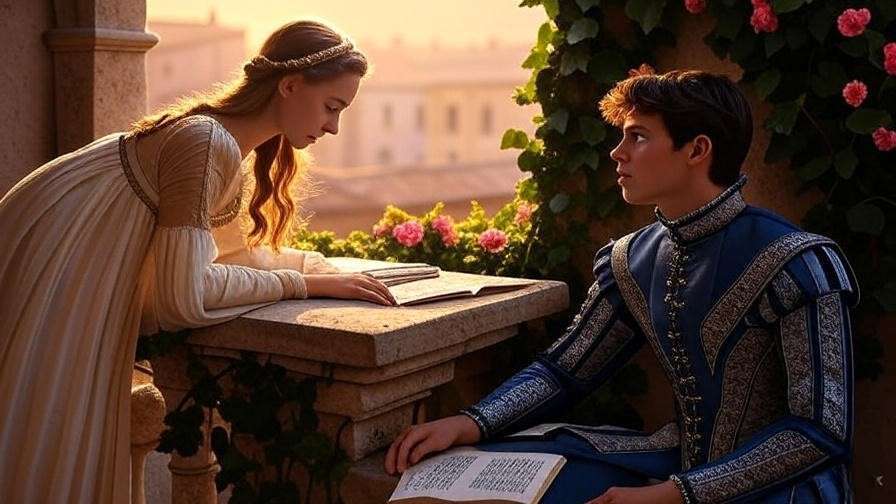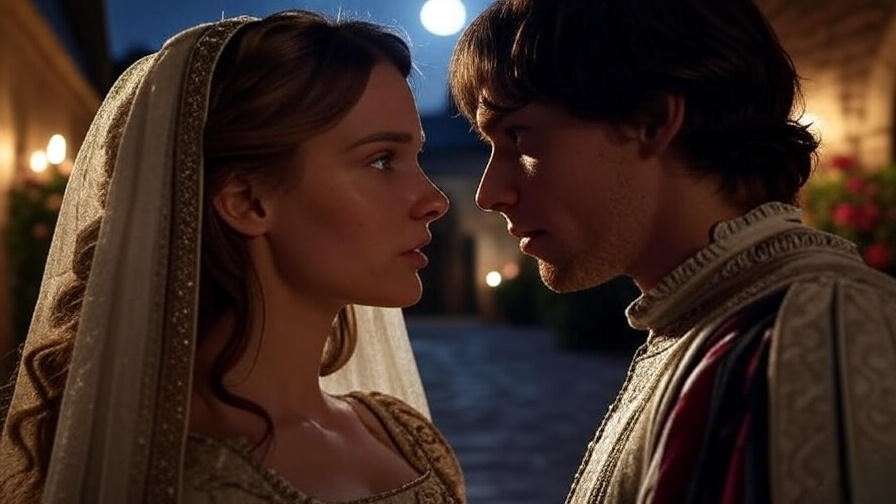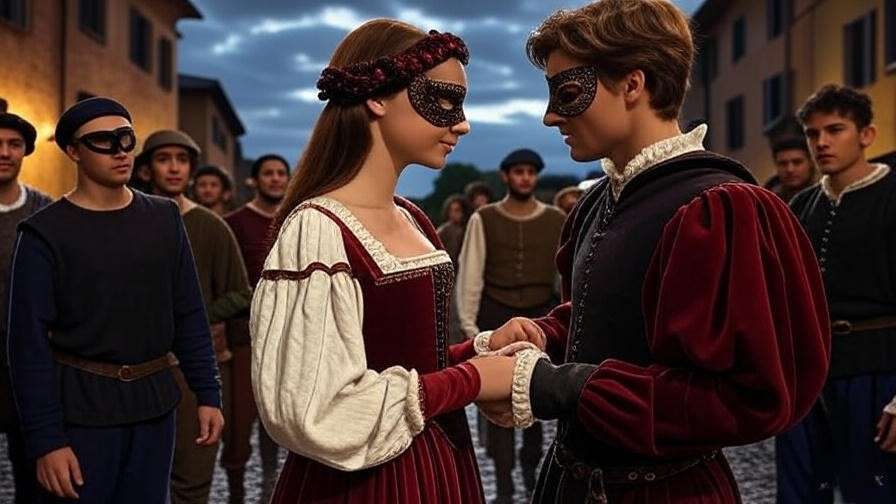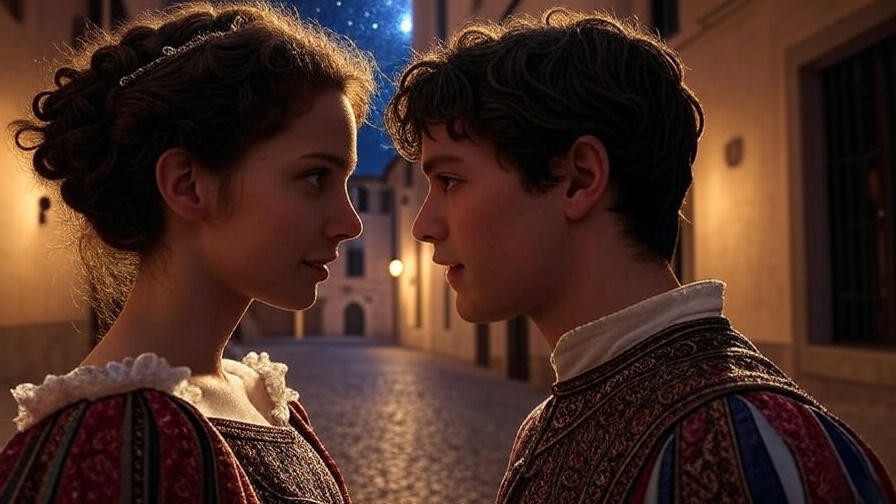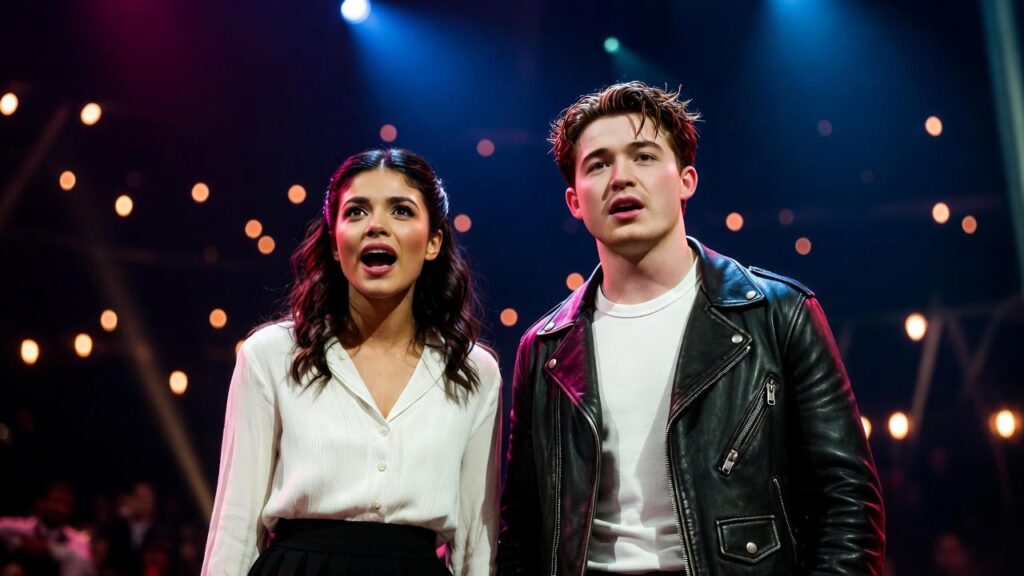
Imagine the Circle in the Square Theatre erupting in screams as Kit Connor, dangling from a suspended bed high above the stage, performs a flawless pull-up and pulls Rachel Zegler in for an upside-down kiss during the iconic balcony scene. This electrifying moment went viral on TikTok almost instantly, capturing the raw, youthful energy that defined Sam Gold’s 2024-2025 Broadway revival. If you’re searching for a Romeo and Juliet Broadway review that dives deep into whether this Gen Z-infused production—complete with Jack Antonoff’s pulsing indie-pop score and contemporary streetwear—honors Shakespeare’s tragic masterpiece or overwhelms it with spectacle, you’ve found it.
Directed by Tony Award winner Sam Gold, this limited-run revival (previews began September 26, 2024; opened October 24, 2024; closed February 16, 2025 after a demand-driven extension) starred Emmy winner Kit Connor (Heartstopper) and Golden Globe winner Rachel Zegler (West Side Story) in their Broadway debuts. It shattered box office records, attracted the youngest average Broadway audience ever (median age around 27-30), and sparked heated debates among critics and fans alike. As a Shakespeare scholar with over two decades of experience teaching, directing, and analyzing his works—including multiple viewings of past Broadway revivals—this production stands out as a daring attempt to reclaim the play for a new generation. Does it succeed in balancing raw adolescent passion with the poetry’s profound heartbreak? Let’s explore in detail.
Production Overview and Creative Vision
Background and Key Details
Sam Gold’s Romeo + Juliet (styled with a plus sign, echoing Baz Luhrmann’s 1996 film) transformed the intimate, in-the-round Circle in the Square Theatre into a throbbing underground rave. The show recouped its investment quickly, becoming one of the highest-grossing limited runs in Broadway history, largely due to the star power of Connor and Zegler drawing in fans from Heartstopper and West Side Story.
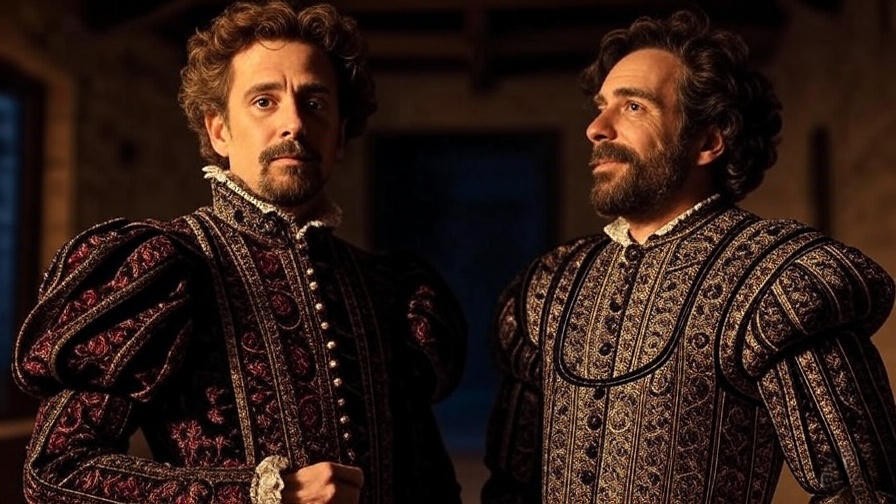
Gold described his vision as a “brutal, horny, hilarious tragedy for a generation on the edge,” emphasizing the play’s themes of impulsive youth amid adult-caused chaos. The production retained nearly all of Shakespeare’s text (with intelligent minor cuts for pacing), but infused it with modern flair: gender-fluid doubling, diverse casting, and a lean ensemble of just 12 actors handling multiple roles.
Casting and Ensemble
- Leads: Kit Connor as Romeo, Rachel Zegler as Juliet.
- Key Supporting: Gabby Beans (Mercutio/The Friar/Prince), Tommy Dorfman (Tybalt/The Nurse), Sola Fadiran (Capulet/Lady Capulet), Taheen Modak (Benvolio), Gían Pérez (Paris/Samson/Peter), and others including Daniel Bravo Hernández, Jasai Chase-Owens, Nihar Duvvuri.
The doubling added layers—e.g., Dorfman’s campy Nurse contrasting her swaggering Tybalt highlighted the play’s humor and violence.
Creative highlights:
- Original music by Jack Antonoff (Bleachers, frequent Taylor Swift collaborator).
- Choreography/movement by Sonya Tayeh (Hadestown, Moulin Rouge!).
- Minimalist scenic design by dots (inflatable furniture, teddy bears, a descending bed, and a final flower-field tomb reveal).
- Costumes by Enver Chakartash (track pants, crop tops, sequins, and blood-soaked finales).
Standout Performances: Connor and Zegler’s Star Power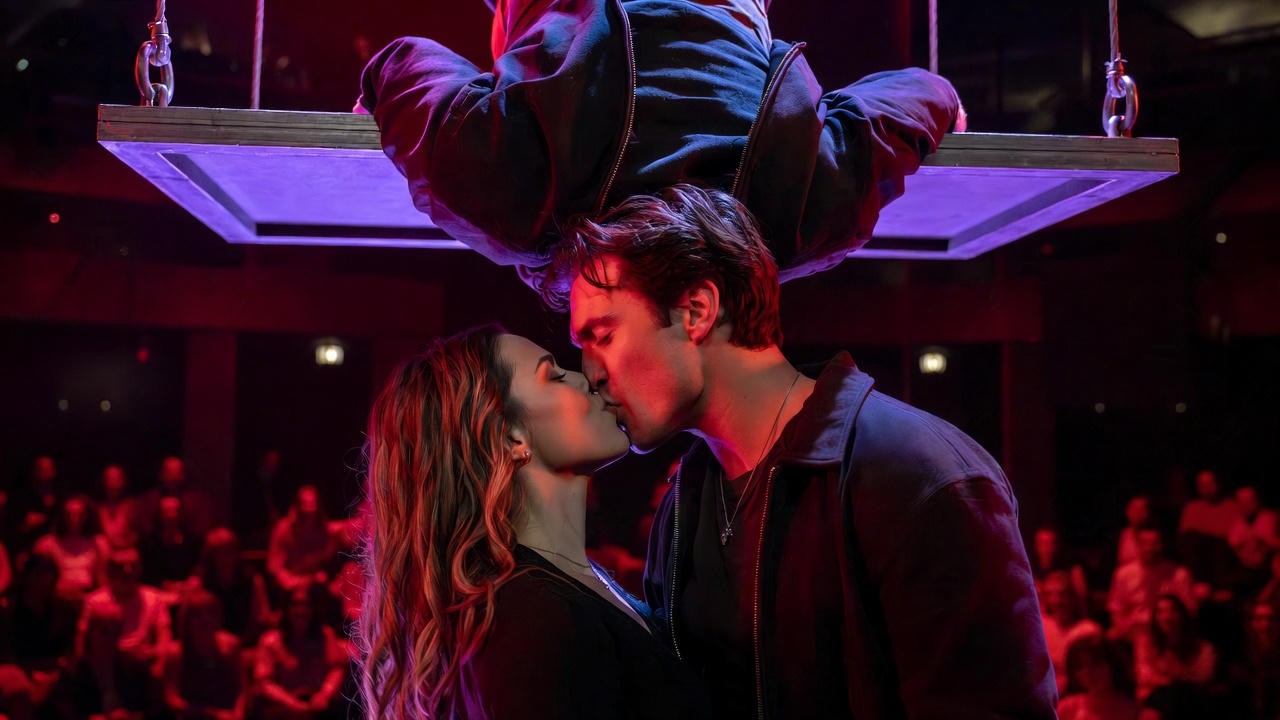
Kit Connor as Romeo
Connor delivers the production’s most consistently praised performance. His Romeo feels authentically teenage—impulsive, charismatic, and physically commanding. Speaking Shakespeare’s verse with natural urgency (like modern dialogue), he excels in physical scenes: the pull-up kiss drew nightly gasps, while his grief-stricken collapse in the tomb conveyed raw devastation.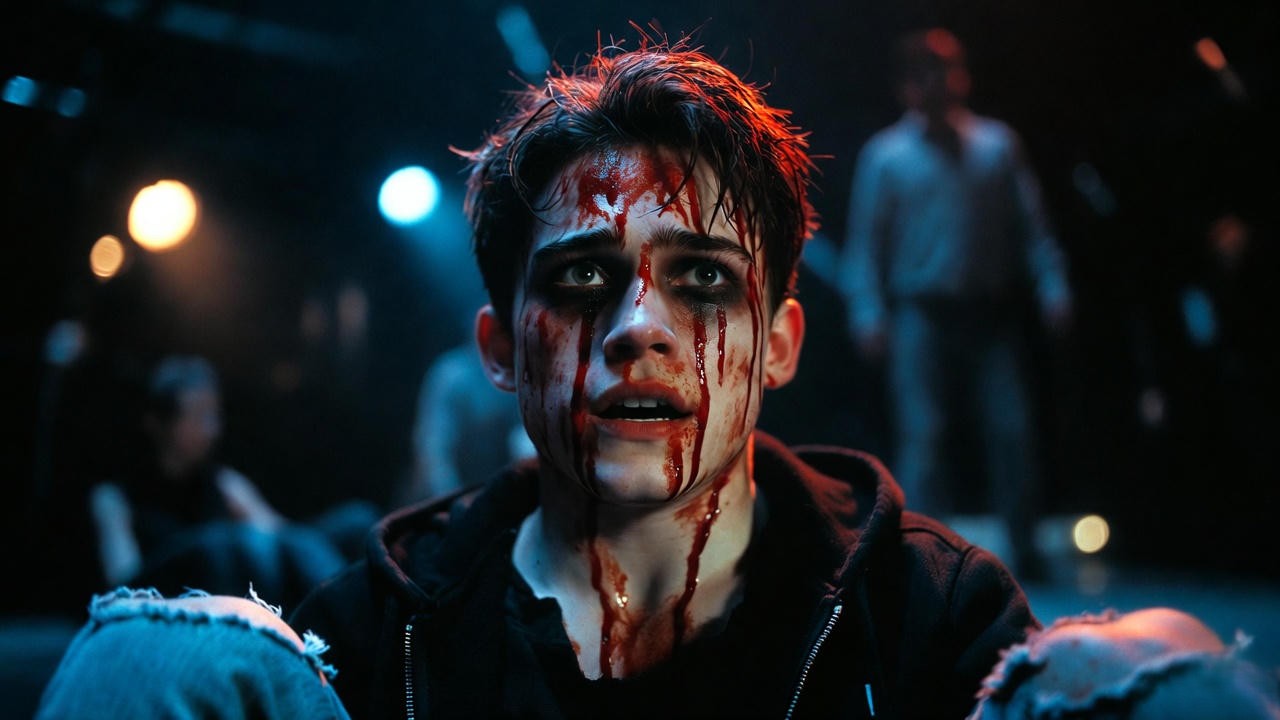
As an expert in Shakespearean characterization, I appreciate how Connor traces Romeo’s arc from lovesick dreamer (“But soft, what light through yonder window breaks?”) to vengeful fighter (“O, I am fortune’s fool!”) with emotional precision. His Heartstopper charm translates perfectly, making Romeo relatable for younger audiences without diminishing the tragedy.
Rachel Zegler as Juliet
Zegler’s Juliet is radiant, witty, and fiercely adolescent. Her vocal prowess shines in Antonoff’s original songs (more on those below), and she commands soliloquies like “Gallop apace, you fiery-footed steeds” with frustrated longing. Petite and expressive, she convincingly portrays a 13-year-old navigating first love and rebellion.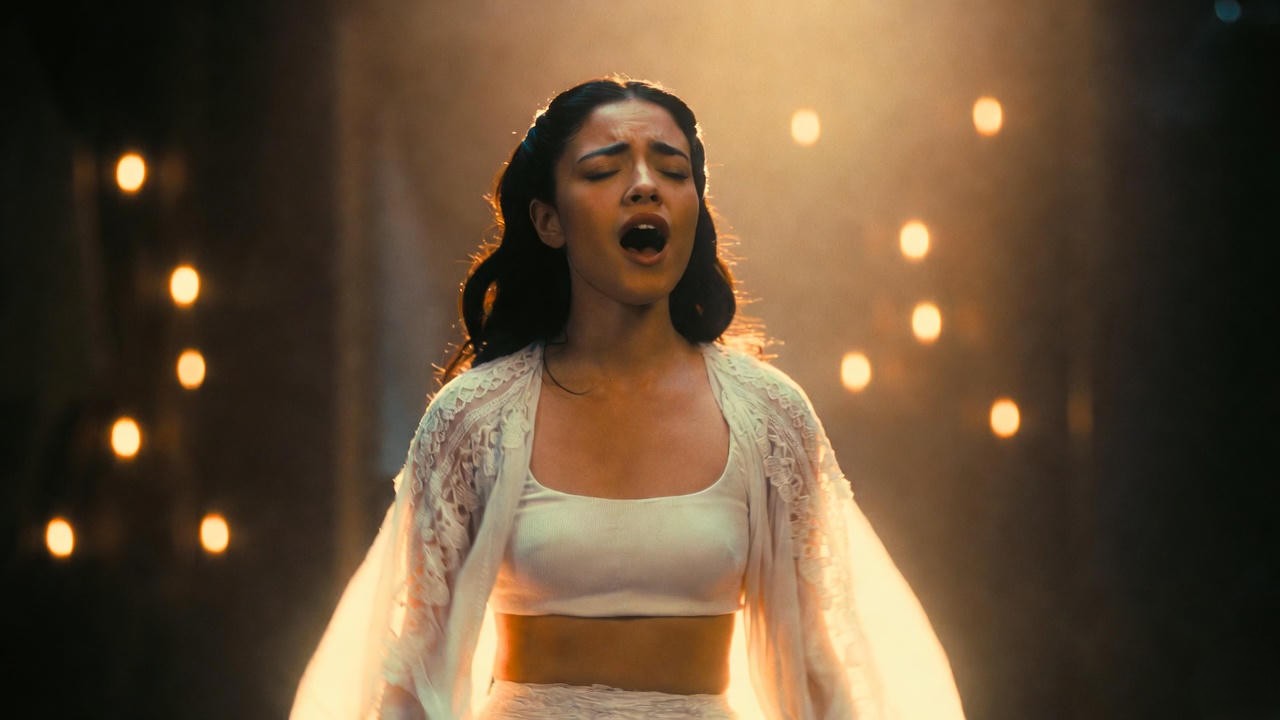
Critics noted occasional unevenness with iambic pentameter early in the run, but her emotional authenticity—especially in confrontations with parents (both played by Fadiran)—grows increasingly powerful. The chemistry with Connor feels genuine and electric, fueling the production’s swoon-worthy romance.
Supporting Cast Highlights
- Gabby Beans’ Mercutio is a standout: queer-coded, swaggering, and delivering the Queen Mab speech like a hypnotic rap.
- Tommy Dorfman’s dual roles bring camp humor (Nurse) and menace (Tybalt).
- The ensemble’s energy in fights and dances (choreographed erotically by Tayeh) blurs violence and passion.
Directorial Choices and Modern Interpretations
Staging and Design Elements
The in-the-round configuration immerses audiences—actors weave through aisles, confetti flies, and silly string sprays. Minimal sets (shopping carts of teddy bears, rave strobes by Isabella Byrd) create chaos mirroring Verona’s feuds. The descending bed for the balcony/wedding night and flower-field tomb are ingenious reveals.
Fights are brutal and sensual, with real blood packets amplifying Shakespeare’s sudden shifts from humor to horror.
Music and Contemporary Updates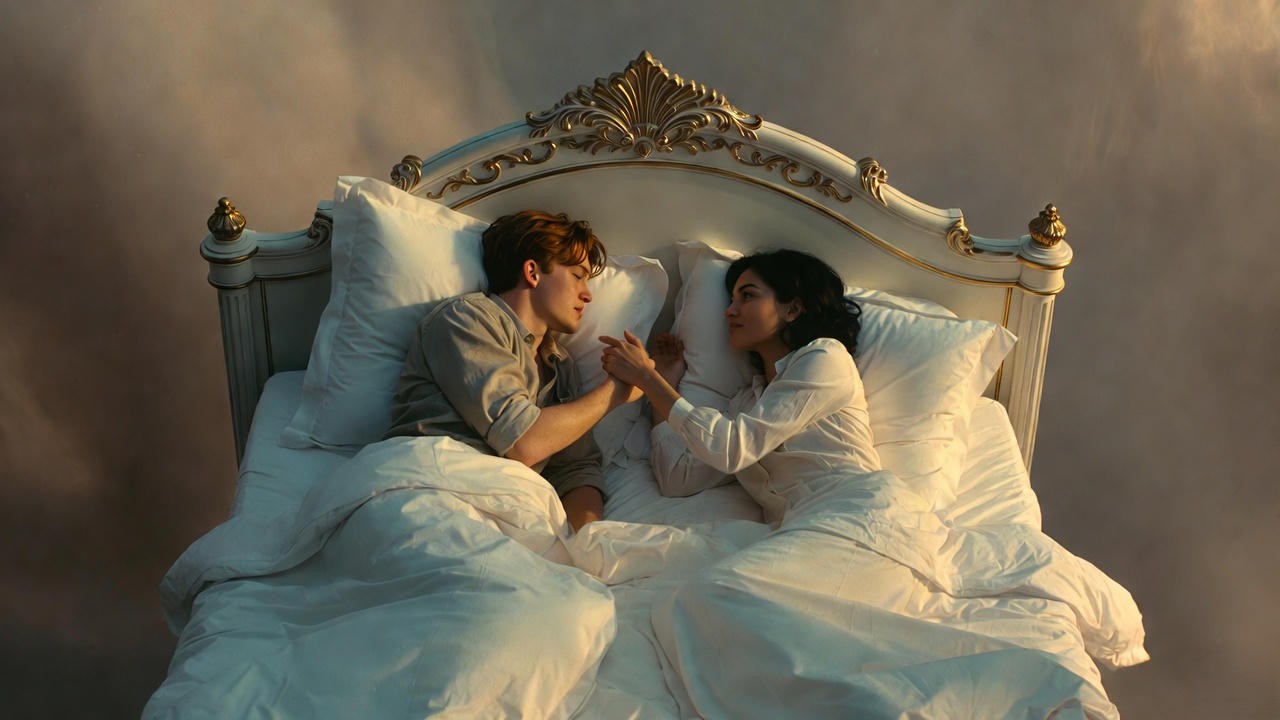
Jack Antonoff’s score—thumping synths and indie-pop underscoring—elevates emotional beats without overshadowing text. Zegler sings several originals, including the released single “Man of the House” (co-written with Ryan Beatty), a haunting ballad performed live.
Gender fluidity, queer subtext, and Gen Z aesthetics (crop tops, track pants) make the production inclusive and timely.
Textual Fidelity vs. Innovation
Gold preserves Shakespeare’s language (consulted by scholars Michael Sexton and Ayanna Thompson) while cutting judiciously. The focus on humor, sexuality, and inevitable tragedy feels fresh yet faithful.
Thematic Analysis: Shakespeare’s Tragedy in a Modern Lens
Youth, Impulse, and Rebellion
This revival sharply critiques adult failures: parents fuel feuds, the Friar recklessly schemes, leaving teens to impulsive doom. Gold amplifies adolescent rage and passion, resonating with today’s youth navigating intolerance and mental health crises.
Violence, Love, and Reconciliation
Brutal choreography contrasts tender romance, underscoring tribalism’s cost. The queer-inclusive lens highlights forbidden love’s universality.
Expert Shakespearean Insights
Compared to classics like Zeffirelli’s 1968 film (romantic idealism) or Luhrmann’s 1996 (visual excess), Gold’s version blends both—energetic like Luhrmann, intimate like traditional stagings. It succeeds in accessibility but sometimes sacrifices poetic depth for spectacle.
Critical Reception and Audience Impact
What the Critics Said
Reviews were mixed but passionate (Metacritic-like average ~80/100):
- Positive: Variety praised the “thrilling energy” and leads; Deadline called it “compelling”; Hollywood Reporter noted “breathless and swoony.”
- Mixed/Negative: NYT found it “TikTok-friendly” but lacking heartbreak; Guardian said “maximalist to a fault”; some felt style over substance.
Balanced view: Energetic and accessible, but tragedy occasionally flattened.
Audience Reactions and Cultural Phenomenon
Screaming teens, stage-door frenzies, and millions of TikTok views (#RomeoJulietBroadway) marked it as a phenomenon. It doubled under-30 Shakespeare attendance, proving classics can thrive with modern hooks.
Strengths, Weaknesses, and Overall Verdict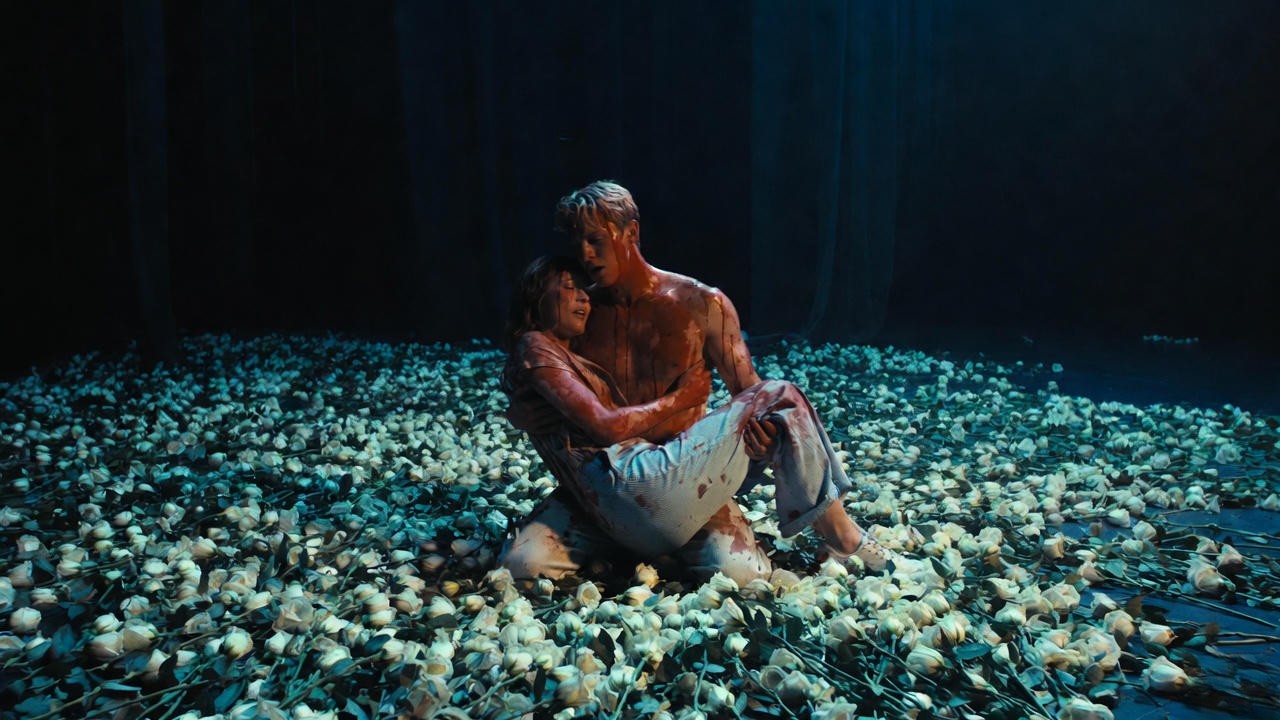
What Works Brilliantly
- Sizzling lead chemistry and iconic reimagined scenes.
- Bringing new, diverse audiences to Shakespeare.
- Physicality and music enhancing urgency.
Areas for Critique
- Overwhelming visuals sometimes distract from emotional depth.
- Final tragedy lacks crushing weight in some moments.
Final Rating and Recommendation
4.3/5 stars. A bold, vital revival—essential for young theatergoers and Shakespeare fans seeking relevance. Though closed, seek bootlegs, the “Man of the House” single, or future tours.
Why This Production Matters for Shakespeare Fans Today
In an era of division, this Romeo + Juliet bridges generations, proving Shakespeare’s warnings about hate and haste endure. It inspired comparisons to other modern takes (e.g., Jamie Lloyd’s stark 2024 West End version with Tom Holland).
Tips:
- Pair with Luhrmann’s film for visual parallels.
- Read the play aloud—lines hit differently post-viewing.
- Explore adaptations like West Side Story.
Frequently Asked Questions (FAQs)
Was the 2024 Broadway Romeo + Juliet worth seeing? Absolutely—a cultural milestone blending accessibility and intensity.
How does this version compare to the original text or Baz Luhrmann’s film? Textually faithful like traditional productions, visually energetic like Luhrmann.
What songs did Rachel Zegler sing? Primarily “Man of the House” and a few others; Antonoff’s score underscores throughout.
Why did it attract such a young audience? Stars’ fandoms, TikTok moments, queer-inclusive casting, and relatable teen energy.
Is there a cast recording or pro-shot available? “Man of the House” single released October 2024; no full cast album or pro-shot as of December 2025.
Best ways to explore Romeo and Juliet after this production? Read Arden Shakespeare edition, watch 1968 Zeffirelli or 1996 Luhrmann films, attend local productions.
Sam Gold’s Romeo + Juliet didn’t just stage a play—it ignited a movement, reminding us why Shakespeare’s tale of doomed love resonates 400+ years later. Kit Connor and Rachel Zegler’s performances captured youthful fire, while the production’s boldness ensured theater’s future.