Did you know that one of the most enduring love stories in literary history—William Shakespeare’s Romeo and Juliet—unfolds in just four to five frantic days? In a world where relationships often develop over months or years, Shakespeare compresses passion, feud, marriage, banishment, and double suicide into a whirlwind that heightens the tragedy’s intensity. This Romeo and Juliet timeline will guide you through every key moment, helping you understand the play’s rapid pace and why it feels so inevitable.
Whether you’re a student preparing for exams, a teacher planning lessons, or a literature enthusiast revisiting this classic, grasping the chronology is crucial. The compressed timeline underscores themes of youthful impulsiveness, fate, and the destructive power of family vendettas. Drawing from scholarly editions like the Arden Shakespeare, Oxford, and Folger, as well as analyses from the Royal Shakespeare Company and Shakespeare Navigator, this detailed scene-by-scene breakdown provides clarity amid the play’s emotional chaos.
The play opens with a Prologue announcing “star-crossed lovers” and spans five acts across approximately four to five days (Sunday to early Thursday). Here’s a quick overview table for immediate reference:
| Day | Approximate Time Period | Major Events Summary |
|---|---|---|
| Day 1: Sunday | Morning to late night | Street brawl; Romeo pines for Rosaline; Capulet ball; Romeo and Juliet meet and fall in love; balcony vows. |
| Day 2: Monday | Dawn to afternoon | Secret marriage; Tybalt kills Mercutio; Romeo kills Tybalt; banishment; consummation night. |
| Day 3: Tuesday | Morning to evening | Romeo flees; Capulets plan Juliet-Paris wedding; Friar’s potion plot. |
| Day 4: Wednesday | All day | Wedding preparations advanced; Juliet takes potion; “death” discovered. |
| Day 5: Thursday | Early morning | Miscommunications; suicides in tomb; families reconcile. |
This structure not only solves common confusion about the play’s sequence but also reveals Shakespeare’s masterful dramatic compression. Let’s dive deeper.
Historical and Textual Context of the Timeline
Shakespeare’s Romeo and Juliet, written around 1594–1596, draws primarily from Arthur Brooke’s 1562 narrative poem The Tragical History of Romeus and Juliet, which itself adapts Italian sources like Matteo Bandello’s novella (1554) and Luigi da Porto’s earlier tale. In Brooke’s version, the lovers’ story stretches over several months, allowing for more measured courtship and parental involvement. Shakespeare radically shortens this to four or five days—a deliberate artistic choice that transforms the narrative.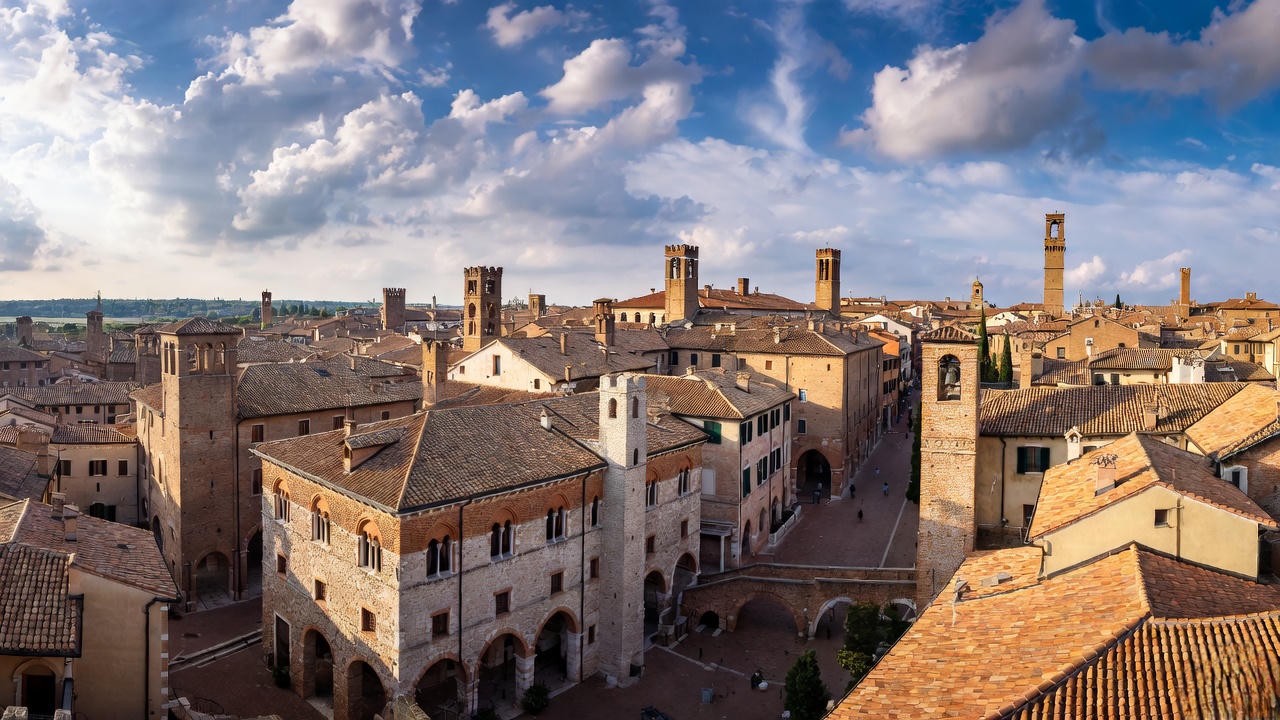
Why this compression? Prominent scholars such as Stephen Greenblatt (in Will in the World) and Jill Levenson (editor of the Oxford Shakespeare edition) argue that the accelerated timeline intensifies the tragedy. It emphasizes the recklessness of youth—Romeo and Juliet are adolescents acting on impulse—and mirrors the explosive nature of the Montague-Capulet feud. Friar Laurence himself warns of the danger: “These violent delights have violent ends / And in their triumph die” (2.6.9–10).
The play is unusually precise with time markers for Shakespeare, who often left chronology vague in other works. References to specific hours (“new struck nine,” 1.1.160) and days anchor the action in hot July Verona, where tempers flare quickly. The First Folio (1623) and early Quartos provide the textual foundation, with modern editions resolving minor inconsistencies through careful annotation.
Understanding this context helps us appreciate how the timeline serves dramatic purpose rather than strict realism, making the lovers’ doom feel both fated and preventable.
Overall Timeline at a Glance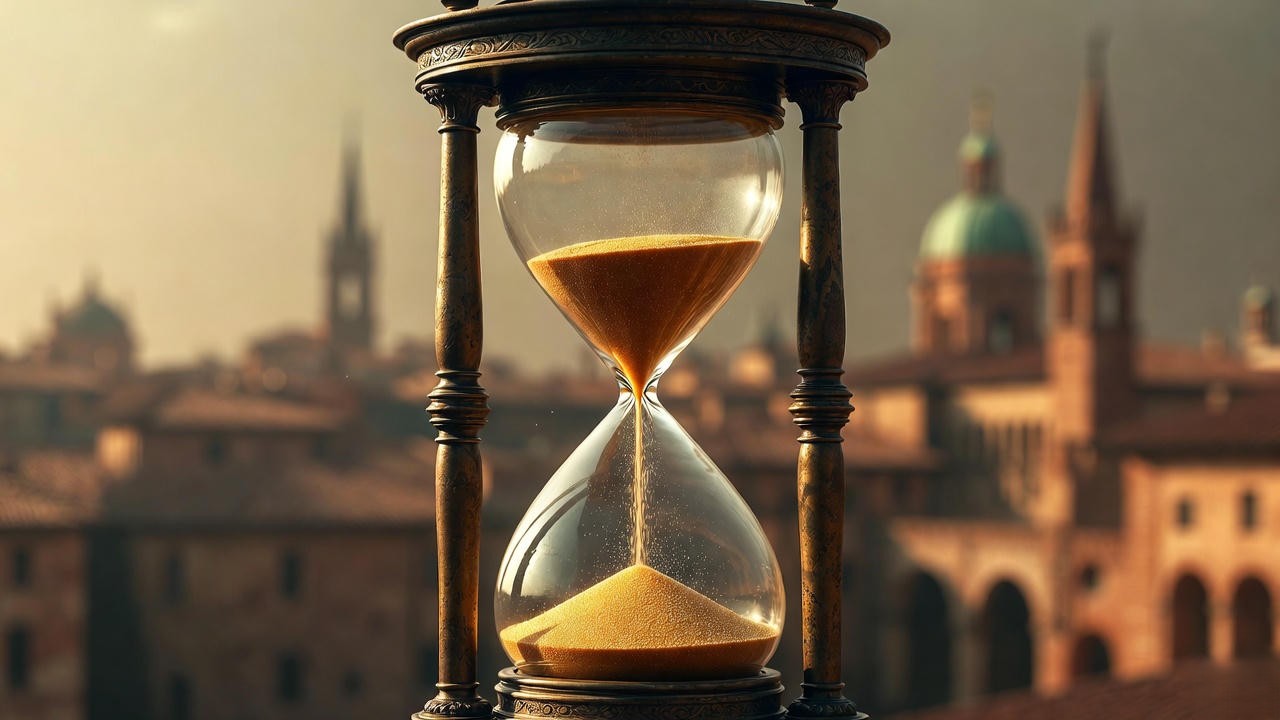
Before the detailed scene-by-scene analysis, here is a high-level day-by-day summary based on textual evidence and scholarly consensus:
- Sunday (Day 1): Begins mid-morning with the street brawl. By evening, Romeo attends the Capulet feast, meets Juliet, and they exchange vows on the balcony late at night.
- Monday (Day 2): The lovers marry secretly at dawn. In the afternoon, the fatal duel occurs, leading to Mercutio’s and Tybalt’s deaths and Romeo’s banishment. That night, Romeo and Juliet consummate their marriage.
- Tuesday (Day 3): Romeo departs at dawn. Lord Capulet, grieving Tybalt, hastily arranges Juliet’s marriage to Paris for Thursday (later moved to Wednesday). Juliet seeks Friar Laurence’s help and agrees to the sleeping potion plan.
- Wednesday (Day 4): Household prepares for the rushed wedding. Juliet takes the potion that night and is discovered “dead” on Thursday morning.
- Thursday (Day 5): False news reaches Romeo in Mantua. The tragic tomb scene unfolds early Thursday, ending with the lovers’ suicides and the families’ reconciliation.
A minor textual note: The potion is designed to last “two and forty hours” (42 hours), but dramatic necessity aligns events more tightly. Scholars generally accept the five-day span as intentional.
Detailed Scene-by-Scene Timeline Breakdown
This core section walks through every scene chronologically, noting approximate timing, key events, significant quotes, and brief analytical insights.
Act 1: The Spark – Sunday Morning to Evening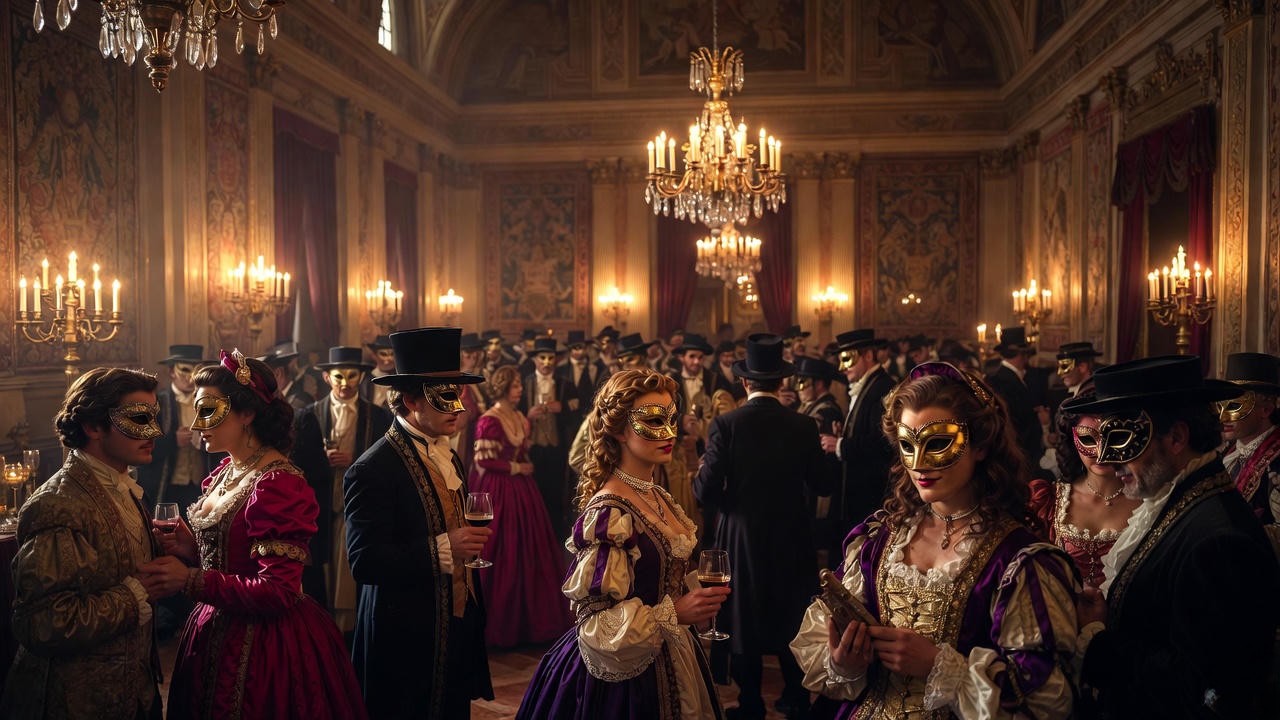
Act 1 establishes the feud and ignites the central romance, all within one day.
- Prologue (Chorus): Sets the stage in Verona, introducing the “ancient grudge” and “star-crossed lovers” whose deaths end the feud. Time frame: Outside the action, but foreshadows the brief span (“two hours’ traffic of our stage”).
- Scene 1 (Sunday morning, around 9 a.m.): Sampson and Gregory (Capulet servants) provoke a brawl with Montague servants. Benvolio tries to keep peace; Tybalt escalates. Prince Escalus intervenes, threatening death for further violence. Montagues discuss Romeo’s melancholy over Rosaline. Key quote: “What, drawn, and talk of peace? I hate the word” (Tybalt, 1.1.68–69).
- Scene 2 (Sunday afternoon): Paris asks Capulet for Juliet’s hand; Capulet invites him to that evening’s feast but urges patience (Juliet is not yet 14). Capulet gives a servant a guest list; the illiterate servant encounters Romeo and Benvolio, inadvertently inviting them.
- Scene 3 (Late Sunday afternoon): Lady Capulet, with the garrulous Nurse, urges Juliet to consider Paris at the feast. The Nurse’s earthy reminiscences contrast with Lady Capulet’s formality.
- Scene 4 (Sunday evening, streets en route to the feast): Romeo, Mercutio, and friends approach in masks. Romeo feels foreboding (“Some consequence yet hanging in the stars”). Mercutio delivers the famous Queen Mab speech, mocking romantic dreams.
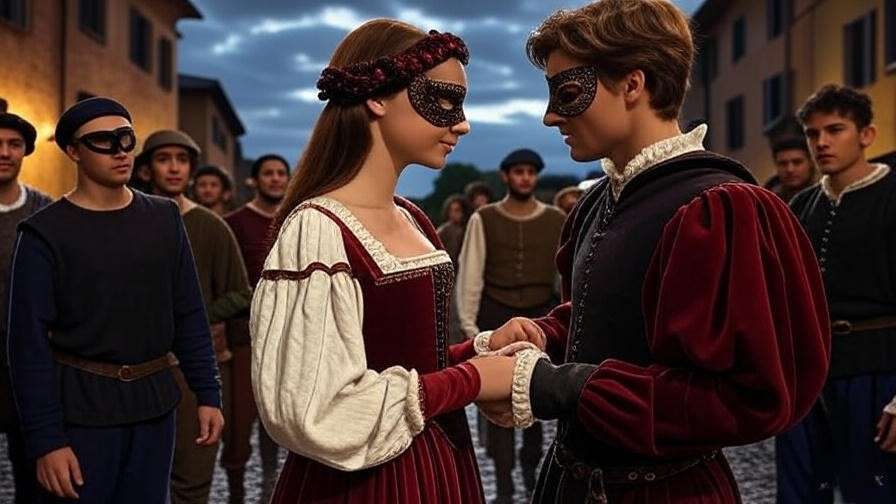
- Scene 5 (Sunday night, Capulet’s house): The masquerade ball. Romeo first sees Juliet: “O, she doth teach the torches to burn bright!” (1.5.44). Their meeting forms a shared sonnet, culminating in a kiss. Tybalt recognizes Romeo and vows revenge, but Capulet restrains him. Romeo and Juliet each learn the other’s identity from the Nurse—dramatic irony at its peak.
Analysis: In mere hours, Shakespeare shifts Romeo from pining for unreachable Rosaline to instant, all-consuming love for Juliet, underscoring the theme of hasty passion.
Act 2: Love Declared – Late Sunday Night to Monday Morning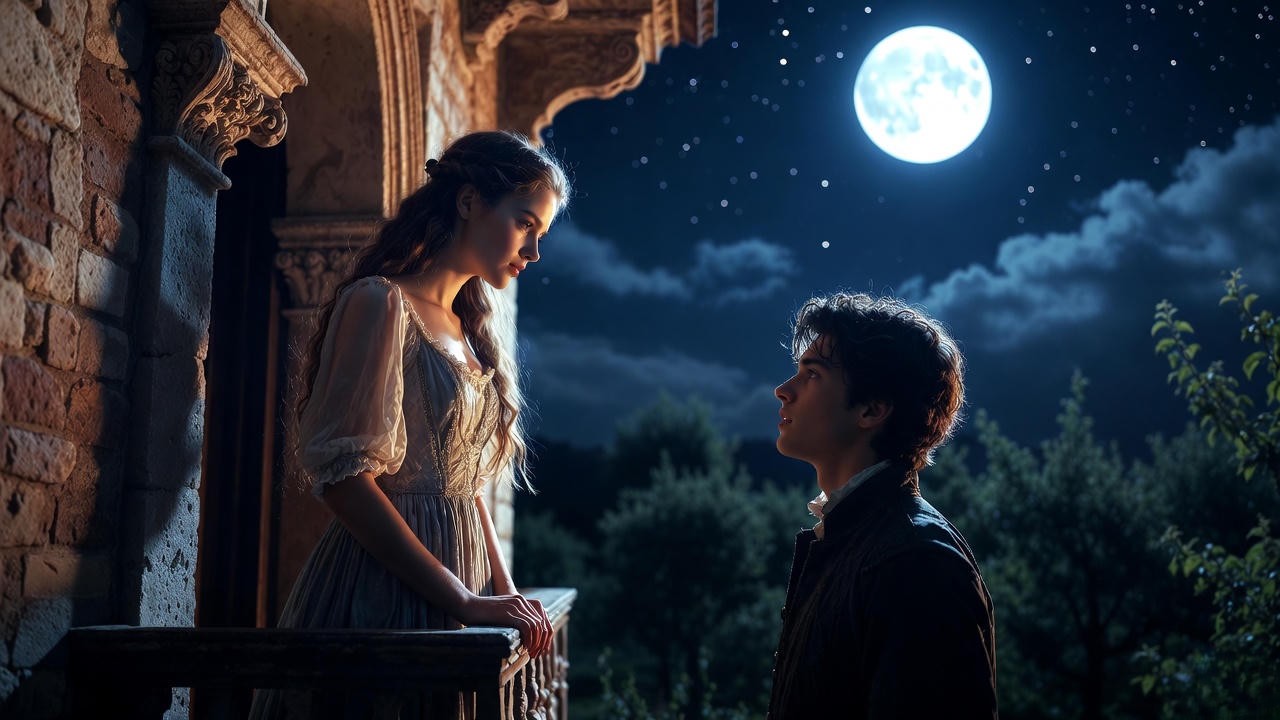
The second act bridges Sunday night into Monday, focusing on the lovers’ commitment.
- Chorus (Act 2 Prologue): Notes Romeo’s shift from Rosaline to Juliet, invoking “young affection” that “gapes to be his heir.”
- Scene 1 (Late Sunday night): Romeo leaps the orchard wall to avoid Mercutio and Benvolio’s bawdy teasing.
- Scene 2 (Late Sunday night/early Monday): The iconic balcony scene. Juliet speaks unknowingly of Romeo above; they exchange vows of love and plan marriage. Key quotes: “Romeo, Romeo, wherefore art thou Romeo?” (2.2.33); “Parting is such sweet sorrow” (2.2.185).
- Scene 3 (Monday early morning): Romeo visits Friar Laurence at dawn. The Friar, initially skeptical, agrees to marry them secretly, hoping to reconcile the families: “In one respect I’ll thy assistant be” (2.3.90).
- Scene 4 (Monday mid-morning): Mercutio and Benvolio jest about Romeo’s absence. Tybalt has challenged Romeo. The Nurse arrives seeking Romeo, enduring Mercutio’s ribaldry before Romeo arranges the marriage for that afternoon.
- Scene 5 (Monday noon): Juliet anxiously awaits the Nurse’s return. The Nurse teases before delivering the news.
- Scene 6 (Monday afternoon): Romeo and Juliet marry in Friar Laurence’s cell. The Friar cautions haste again.
Act 3: Tragedy Unfolds – Monday Afternoon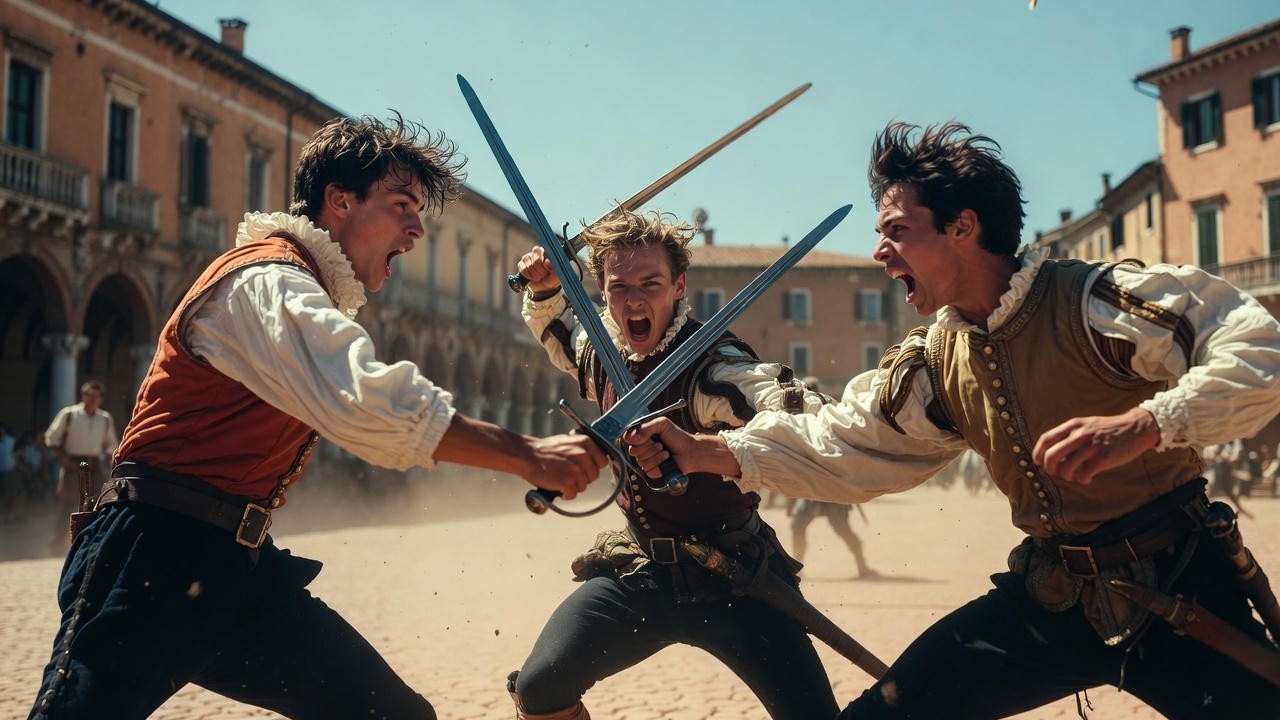
Act 3 is the pivotal turning point, where comedy flips to tragedy in a single hot afternoon, accelerating the timeline toward catastrophe.
- Scene 1 (Monday afternoon, public square): Benvolio and Mercutio encounter Tybalt, who seeks Romeo for crashing the feast. Romeo arrives, freshly married and pacifistic (“I do protest I never injured thee” – 3.1.65). Tybalt provokes; Mercutio draws and is fatally wounded under Romeo’s arm. Mercutio curses “A plague o’ both your houses!” (3.1.90). Enraged, Romeo kills Tybalt. The Prince banishes Romeo on pain of death. Key quote: “O, I am fortune’s fool!” (3.1.136) – Romeo recognizes his impulsive act has sealed his fate.
- Scene 2 (Monday afternoon, Capulet orchard): Juliet eagerly awaits night and her husband. The Nurse brings news of Tybalt’s death and Romeo’s banishment. Juliet’s grief shifts from cousin to husband: “I’ll to my wedding bed / And death, not Romeo, take my maidenhead” (3.2.136–137).
- Scene 3 (Monday afternoon, Friar Laurence’s cell): Romeo, hiding, learns of banishment and despairs (“There is no world without Verona walls” – 3.3.17). The Friar counsels patience; the Nurse arrives with Juliet’s ring, restoring hope. Plan: Romeo spends the night with Juliet, then flees to Mantua.
- Scene 4 (Monday late evening, Capulet house): Grieving Tybalt, Lord Capulet decides to cheer Juliet by advancing her wedding to Paris from Thursday to Wednesday morning.
- Scene 5 (Monday night into Tuesday dawn, Juliet’s chamber): The lovers’ consummation night. Dawn parting (“It is the lark that sings so out of tune” – 3.5.27). Lady Capulet informs Juliet of the Paris marriage; Juliet refuses. Capulet rages, threatening disownment. The Nurse surprisingly advises marrying Paris. Juliet, feeling betrayed, resolves to seek Friar’s help.
Analysis: All of Act 3 occurs within roughly 24 hours of the marriage. The afternoon duel cascades into irreversible consequences, illustrating how quickly fortune turns in Shakespeare’s compressed chronology.
Act 4: Desperate Measures – Tuesday to Wednesday
With Romeo banished, the pressure on Juliet intensifies over the next two days.
- Scene 1 (Tuesday morning, Friar’s cell): Paris visits the Friar to arrange the wedding. Juliet arrives, evading Paris cleverly. Alone with the Friar, she threatens suicide; he proposes the sleeping potion: “Take thou this vial… and this distempered semblance of death shall remain upon thee for two and forty hours” (4.1.98–105). Juliet agrees.
- Scene 2 (Tuesday afternoon, Capulet house): Juliet pretends obedience; Capulet, delighted, moves the wedding forward again to Wednesday morning.
- Scene 3 (Tuesday night, Juliet’s chamber): Juliet’s soliloquy reveals terror of the potion (“What if it be a poison?” – 4.3.24). She drinks and falls “dead.”
- Scene 4 (Late Tuesday night/early Wednesday, Capulet house): The household bustles with wedding preparations. Capulet stays up late overseeing.
- Scene 5 (Wednesday morning): The Nurse discovers Juliet “dead.” Mourning erupts; the wedding turns to funeral. Friar arrives to “comfort” and arranges burial in the Capulet tomb.
Analysis: The potion plan hinges on precise timing—42 hours until revival on Thursday evening. Yet miscommunication will derail everything, a direct result of the rushed schedule imposed by the adults.
Act 5: Catastrophe – Early Thursday Morning
The final act resolves in Mantua and Verona on Thursday, sealing the tragedy.
- Scene 1 (Thursday morning, Mantua streets): Romeo dreams Juliet appeared dead but revived him with kisses—a cruel foreshadowing. His servant Balthasar brings false news of Juliet’s death. Romeo buys poison from an apothecary (“There is thy gold—worse poison to men’s souls” – 5.1.80), vowing to join her.
- Scene 2 (Thursday, Friar’s cell): Friar John returns, quarantined and unable to deliver the letter explaining the plan to Romeo. Friar Laurence rushes to the tomb with tools to free Juliet that night.
- Scene 3 (Early Thursday morning, Capulet tomb): Paris mourns at the tomb; Romeo arrives, fights and kills Paris. Romeo drinks poison beside Juliet: “Thus with a kiss I die” (5.3.120). Juliet awakens, finds Romeo dead, and stabs herself. The watch arrives; Prince, Capulets, and Montagues learn the full story. The Prince rebukes: “All are punished” (5.3.295). The fathers reconcile over the bodies.
Analysis: The final convergence in the tomb happens mere hours after Juliet takes the potion. A single delayed letter dooms them—Shakespeare’s timeline leaves no margin for error.
Key Themes Reinforced by the Compressed Timeline
Shakespeare’s radical compression of time is not mere convenience; it actively shapes the play’s deepest themes.
- Haste and Impulsiveness: Every major decision—marriage, duel, potion, suicide—occurs on impulse. The Friar’s warning (“Wisely and slow. They stumble that run fast” – 2.3.94) goes unheeded.
- Fate vs. Free Will: The Prologue calls them “star-crossed,” yet human choices (Tybalt’s challenge, Capulet’s rushed wedding) drive events. The tight timeline makes accidents feel fated.
- Youth vs. Authority: Adolescents act instantly; adults impose arbitrary deadlines (Capulet’s accelerated wedding). Generational clash fuels tragedy.
- Miscommunication and Chance: In a longer timeline, letters might arrive, plans adjust. Compression ensures small delays become fatal.
As Harold Bloom observed, “The play’s speed is its essence; it hurtles toward death with the velocity of adolescent passion.”
Common Misconceptions and FAQs About the Timeline
Here are answers to frequent questions that confuse readers and students:
How many days does Romeo and Juliet actually span? Scholarly consensus (Arden, Oxford, Folger editions) agrees on four to five days: Sunday through early Thursday. Some count the prologue and epilogue separately, but the action itself fits this frame.
Why does Juliet mention “three weeks” in Act 1? In 1.3.12, the Nurse recalls weaning Juliet “three weeks” before an earthquake. This is not plot time but backstory—Shakespeare occasionally inserts such details for character depth.
Is the timeline realistic? No, and that’s intentional. Real Verona feuds and marriages involved longer processes. Shakespeare uses dramatic license to heighten urgency, as he did in many plays (The Comedy of Errors occurs in one day).
How do film adaptations handle the timeline?
- Franco Zeffirelli’s 1968 version keeps the rapid pace visually explicit.
- Baz Luhrmann’s 1996 Romeo + Juliet accelerates it further with modern montage.
- Some stage productions insert pauses, but the text demands speed.
What about the “two weeks” reference? A few lines (e.g., 4.1 Paris saying “Thursday is near”) cause minor confusion, but close reading aligns with the five-day structure.
Expert Insights and Further Reading
Prominent Shakespeareans consistently praise the timeline’s brilliance:
- Stephen Greenblatt: “The play’s brevity of time is its tragic force.”
- Jill Levenson (Oxford editor): “Shakespeare transformed Brooke’s leisurely narrative into a tragedy of velocity.”
- The Royal Shakespeare Company notes in production guides that directors must maintain momentum to honor the text.
Recommended Resources:
- Folger Shakespeare Library digital text (free, annotated).
- Arden Shakespeare Romeo and Juliet (3rd series) for detailed timeline notes.
- Shakespeare Birthplace Trust essays on sources.
- British Library’s “Discovering Literature: Shakespeare” online collection.
Study Tip: Create your own timeline chart while reading—mark scenes by day and hour. It transforms confusion into clarity.
Shakespeare’s Romeo and Juliet endures because its compressed timeline captures the terrifying speed of young love colliding with ancient hate. In just four to five days, two teenagers meet, marry, and die—yet their story has shaped centuries of art, language, and thought.
This scene-by-scene Romeo and Juliet timeline reveals how every hour counts, how small delays doom, and how haste destroys. Revisit the play with this chronology in mind, and you’ll feel the relentless tragic momentum anew.