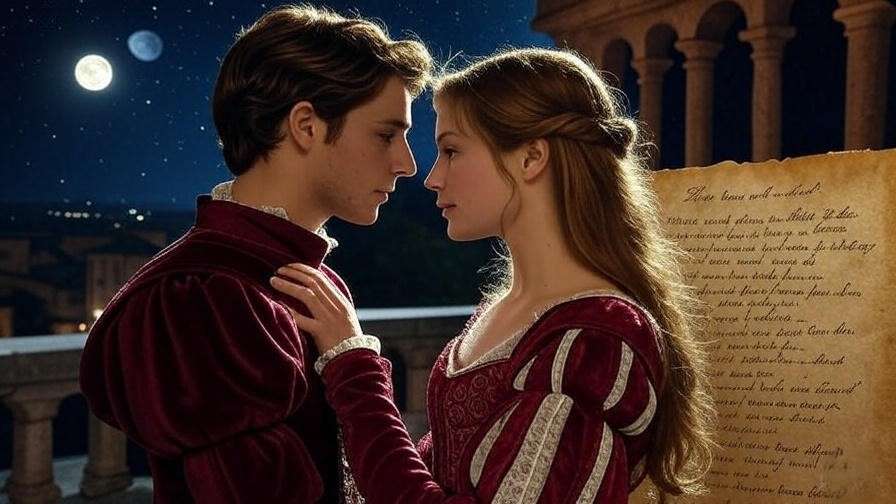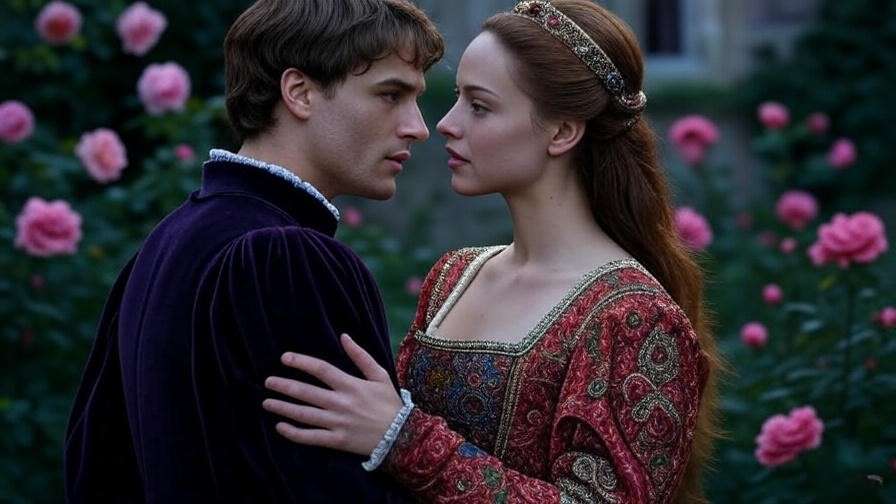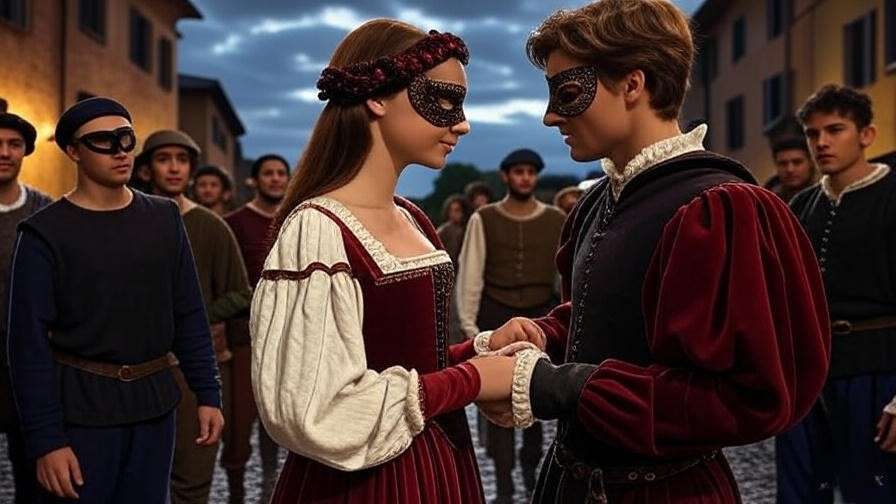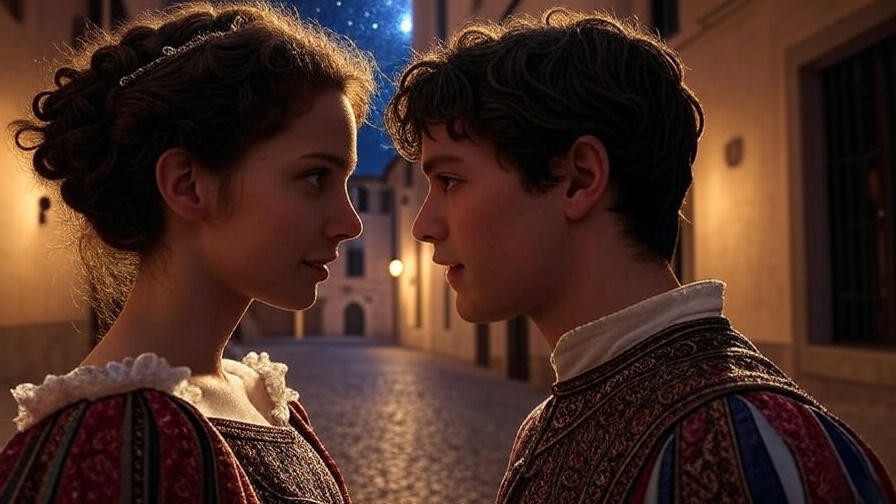
Imagine the most iconic love story in literature—two young lovers torn apart by family hatred, societal expectations, and fate itself—reimagined with a profound twist: the star-crossed pair are both men, their passion defying not just feuds but the very norms that once doomed them to tragedy. What if Romeo and Juliet didn’t end in suicide, but in hope, acceptance, and a hard-won happily ever after? This is the allure of the Romeo and Julius gay romance book phenomenon: modern queer retellings that transform Shakespeare’s tragedy into stories of affirming, passionate LGBTQ+ love.
For readers searching for gay romance inspired by Shakespeare’s classic, these works offer more than escapism. They provide validation, emotional catharsis, and a reimagining where queer identities take center stage. Whether you’re drawn to direct titles like Romeo and Julius or broader queer adaptations of Romeo and Juliet, these stories address a deep need: seeing forbidden love triumph rather than perish, especially in a world where LGBTQ+ representation in classic literature remixes continues to grow.
As a longtime enthusiast of Shakespearean studies and queer literature, I’ve explored how these retellings subvert heteronormative narratives while honoring the Bard’s themes of passion, conflict, and destiny. In this comprehensive guide, we’ll dive into key books, analyze recurring themes, compare them to the original play, and offer recommendations to help you discover stories that resonate with your own experiences or curiosities.
Understanding the “Romeo and Julius” Phenomenon in Gay Romance
Shakespeare’s Romeo and Juliet has long been queer-coded in subtle ways. The intense bonds between male characters, the fluidity of gender in Elizabethan theater (where boys played female roles), and the play’s emphasis on love defying societal barriers have invited queer interpretations for centuries. Modern readers often see parallels between the Montague-Capulet feud and real-world homophobia, rejection by family, or cultural taboos against same-sex relationships.
The rise of explicit queer retellings accelerated in the 2010s and beyond, fueled by greater LGBTQ+ visibility in publishing. These stories flip the tragic ending—where love leads to death—into narratives of resilience and joy. Titles incorporating “Romeo and Julius” directly nod to the original while signaling gay male romance, appealing to readers seeking m/m (male/male) stories with forbidden-love tropes. This subgenre thrives in contemporary romance, paranormal fantasy, historical fiction, and YA, blending Shakespeare’s poetic intensity with modern sensibilities like coming-out arcs, self-acceptance, and chosen family.
Spotlight on Key “Romeo and Julius” Gay Romance Books
Several works stand out for their direct engagement with the focus keyword or close thematic ties.
Romeo and Julius by A.J. Llewellyn (Contemporary/Paranormal Romance) Published originally in 2011 (with editions available today), this novella follows Romeo Quiles, who arrives in sunny Kauai for what he believes is a legitimate job—only to discover it’s a scam. Stranded in paradise, he encounters Julius, a captivating Hawaiian fire dancer (known as Kumi), who takes on the role Romeo wanted. What begins as rivalry blossoms into intense attraction amid ancient chants, fire knife dancing traditions, and a mysterious curse that threatens to keep them apart.
Llewellyn masterfully weaves Hawaiian cultural elements with m/m romance, creating a sweet, escapist tale. The characters are endearing—Romeo as the earnest newcomer, Julius as the confident, hotter-than-hot local—and their chemistry sparks from the start. Themes of instant connection and overcoming obstacles shine, culminating in a happy resolution that contrasts sharply with Shakespeare’s doom. This book is ideal for readers wanting light paranormal touches (curse elements symbolizing external barriers) in a tropical setting.
Romeo and Julius by A.P. Morgan (Fantasy/Paranormal – Vampire/Werewolf) In this enemies-to-lovers fantasy, Romeo is the youngest son of the vampire king, while Julius is the crown prince of werewolves—species locked in a 200-year war. They meet at college, discover they’re fated soulmates, and grapple with rejection, denial, and the mate bond that defies their worlds. Coming-out elements add depth: both have faced familial disappointment for being gay, complicating alliances.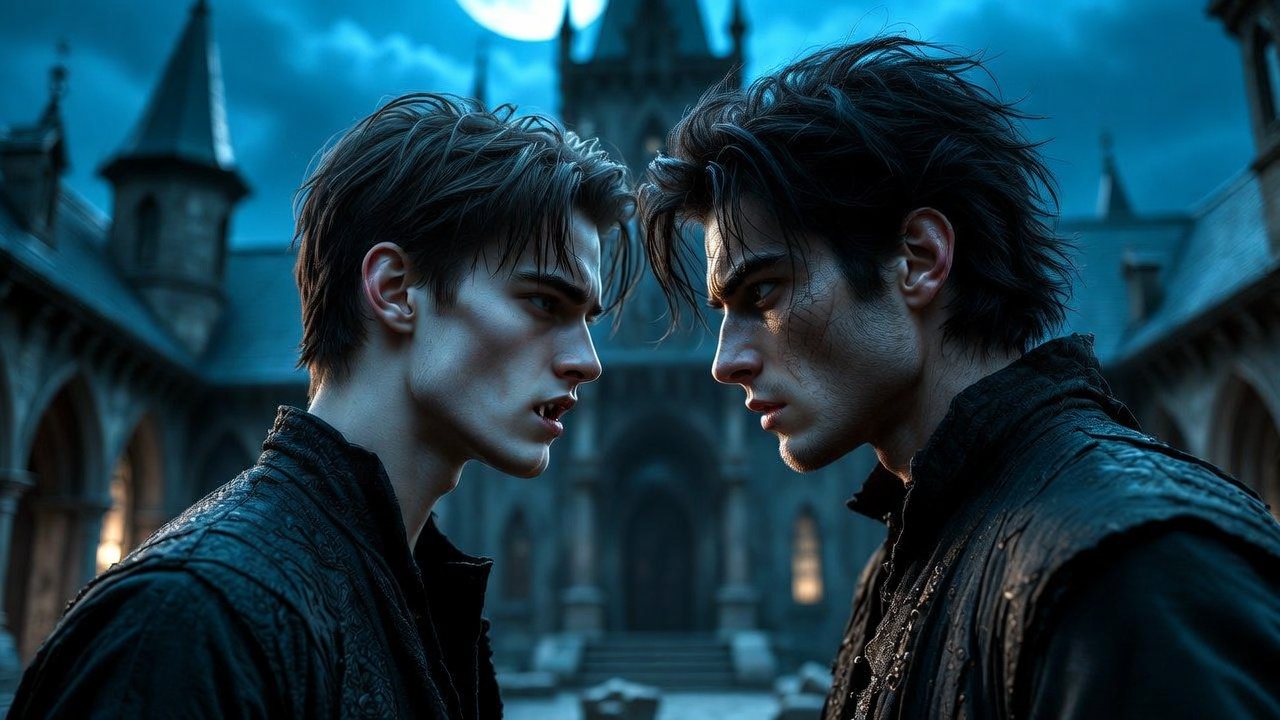
This take amplifies forbidden love through supernatural stakes, turning the family feud into inter-species hatred. It’s a classic m/m paranormal romance with high drama, potential for tragedy averted through love’s power.
Broader Queer Retellings Inspired by the Play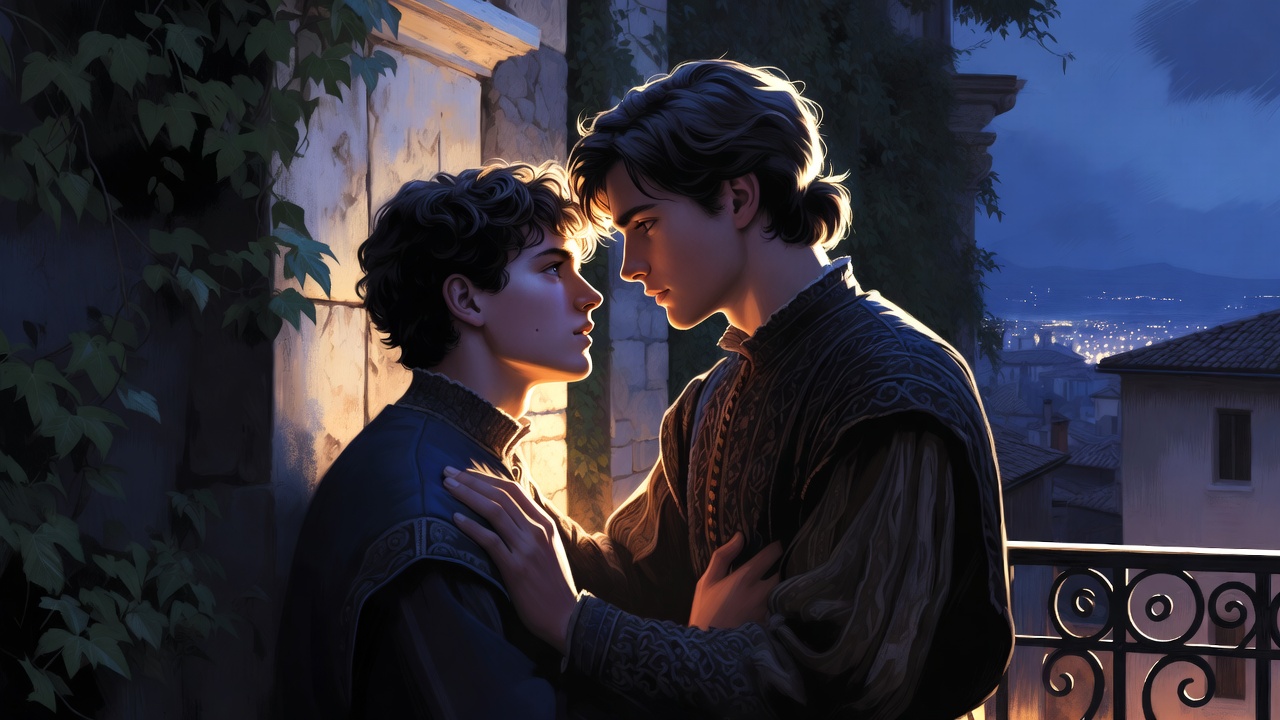
- Teach the Torches to Burn by Caleb Roehrig (Historical YA, Remixed Classics series, 2023): Romeo, heir to the Montagues, hides his attraction to boys while navigating the feud. At a Capulet party, he meets Valentine (Mercutio’s brother), sparking a tender, secret romance. The story explores identity, societal pressure, and the danger of discovery, but emphasizes hope over inevitable doom. Praised for its gentle romance and chemistry, it’s a standout YA entry.
- Rabi and Matthew by L.A. Witt (Contemporary): A direct gay retelling with rival families, focusing on modern obstacles and a more optimistic outcome.
- Romeo and Julian by Ian Jenkins (Modern): A crime/family feud twist where two boys from rival drug families meet at a masquerade, leading to dangerous, passionate love.
Niche mentions include post-apocalyptic takes like Rom and Yuli by Amara Lynn (m/non-binary pairing), showcasing genre diversity.
Common Themes in Queer Romeo and Julius Stories
Forbidden Love and Family/Societal Conflict The core draws from Shakespeare’s feuding houses, mirrored in queer contexts as parental rejection, cultural stigma, or internalized homophobia. These stories validate real experiences of love hidden from disapproving families.
Identity, Coming Out, and Self-Acceptance Many protagonists wrestle with secrecy—Romeo in Teach the Torches to Burn hides his orientation amid expectations to marry—before finding courage through love. This arc provides empowerment for readers navigating similar journeys.
Tragic vs. Hopeful Endings: Why Happy Endings Matter Shakespeare’s tragedy underscores love’s fragility; queer retellings often reject this, offering HEAs (happily ever afters) as acts of resistance. In a genre historically plagued by “bury your gays” tropes, these hopeful conclusions affirm that queer love can endure and thrive.
Cultural and Genre Twists Fantasy adds curses or soul bonds symbolizing homophobia; historical settings highlight period-specific dangers; contemporary ones ground stories in everyday realities like coming out or navigating rival communities.
Why These Books Resonate with Readers Today
In an era of ongoing LGBTQ+ rights battles, these retellings offer catharsis: seeing star-crossed lovers overcome barriers provides hope. They foster representation in romance, where queer joy is celebrated. Readers gain emotional validation, escapism, and inspiration—proving love conquers societal odds.
Recommendations and Where to Start
If you’re new to queer Romeo and Juliet retellings or specifically hunting for “Romeo and Julius gay romance book” stories, here’s a curated starting point designed to match different tastes and reading levels. These recommendations prioritize accessibility, emotional payoff, and alignment with the affirming spirit that draws most readers to this subgenre.
- Best Overall Starter – Romeo and Julius by A.J. Llewellyn Why start here: Light, fun, and steamy without being overwhelming. The Hawaiian setting feels fresh, the paranormal curse adds just enough tension, and the happy ending delivers instant satisfaction. Perfect if you want m/m romance with cultural flavor and zero tragedy. Heat level: Moderate (explicit but not extreme). Length: Novella (~100 pages). Where to find: Amazon Kindle, often in Kindle Unlimited; also available in paperback via some retailers.
- Best for Fantasy Lovers – Romeo and Julius by A.P. Morgan Why it fits: Classic enemies-to-lovers with vampire/werewolf stakes that heighten the forbidden-love drama. Great if you enjoy paranormal m/m series with fated-mates tropes. Heat level: High. Where to find: Primarily digital platforms like Amazon and Smashwords.
- Best YA/Coming-of-Age Pick – Teach the Torches to Burn by Caleb Roehrig Why it resonates: Beautifully written, historically grounded, and emotionally rich. It keeps many of Shakespeare’s key beats while centering Romeo’s queerness and giving him a tender romance with Valentine. Ideal for teens, young adults, or anyone who wants a thoughtful remix rather than pure escapism. Heat level: Mild to moderate (focuses more on romance than explicit scenes). Where to find: Major bookstores, libraries, Amazon, Bookshop.org.
- Best for Contemporary Realism – Rabi and Matthew by L.A. Witt Why choose it: Straightforward modern retelling with relatable family and societal pressures. L.A. Witt excels at emotional depth and realistic relationship dynamics. Heat level: High. Where to find: Amazon, often bundled in collections.
- Best for High-Stakes Drama – Romeo and Julian by Ian Jenkins Why it stands out: The crime-family backdrop adds grit and danger, making the love feel truly perilous. Great for readers who want intensity closer to the original play’s tension. Heat level: Moderate to high. Where to find: Digital-first publishers and indie bookstores.
Reading Tips
- If you’re sensitive to tragedy, start with the lighter contemporary or paranormal options (Llewellyn or Morgan) before tackling historical or darker remixes.
- Many of these are available through Kindle Unlimited, Libby/OverDrive (library apps), or free samples on Amazon—low-risk ways to test the waters.
- Pair your reading with the original Romeo and Juliet for maximum appreciation of how cleverly these authors subvert the text.
Similar Books to Explore Next Once you’ve finished the core “Romeo and Julius” titles, branch out to other queer Shakespeare retellings:
- Something Fabulous by Alexis Hall (gender-flipped, comedic take on As You Like It)
- The Gentleman’s Guide to Vice and Virtue by Mackenzi Lee (historical adventure with queer romance)
- Cemetery Boys by Aiden Thomas (trans and gay Latinx magical realism with family-conflict vibes)
Expert Insights and Literary Analysis
As someone who has studied Shakespeare extensively and followed the evolution of queer romance publishing for over a decade, I see these retellings as both homage and reclamation. Shakespeare’s original play, while brilliant, operates within a heteronormative framework where love’s intensity leads to destruction—a pattern that has, unfortunately, echoed in much early queer literature through tragic endings.
Queer authors reclaim the narrative by refusing that inevitability. They preserve the poetic passion, the balcony scenes (or their modern equivalents), the duels of words and swords, but replace fatalism with agency. Through a queer-theory lens, these stories deconstruct the “tragic queer” stereotype and replace it with narratives of survival and joy—acts of radical optimism.
The cultural twists are particularly noteworthy. In Llewellyn’s Romeo and Julius, Hawaiian fire-dancing traditions become a metaphor for the beauty and danger of queer visibility. In Morgan’s version, the vampire-werewolf divide stands in for entrenched societal divisions that queer people often face. These genre flourishes don’t dilute Shakespeare; they expand his universal themes into contemporary relevance.
Statistically and anecdotally, this subgenre has surged in popularity alongside broader LGBTQ+ romance growth. Goodreads shelves for “queer Romeo and Juliet” and “gay Shakespeare retellings” show thousands of ratings, with many readers citing emotional healing and representation as primary draws.
Frequently Asked Questions (FAQs)
Is there an official or single “Romeo and Julius gay romance book”? No single canonical version exists, but A.J. Llewellyn’s novella is one of the most direct and frequently referenced titles using that exact phrasing. Several others use close variations or full retellings.
How faithful are these to Shakespeare’s original play? It varies. Some (like Teach the Torches to Burn) retain major plot points and dialogue echoes; others use the premise loosely for inspiration. All prioritize queer joy over strict fidelity.
Do these stories always have happy endings? Most do—especially in the romance genre. The hopeful resolution is a deliberate counterpoint to the original tragedy and a major selling point for readers tired of “bury your gays” tropes.
Are any suitable for teens? Yes—Teach the Torches to Burn is YA and marketed to ages 14+, with milder content. Others skew adult due to explicit scenes or mature themes.
Do any include explicit content? Several do (Llewellyn, Morgan, Witt), ranging from sensual to steamy. Check content warnings on retailer pages or sites like DoesTheDogDie for specifics.
Where can I find more queer Shakespeare retellings? Goodreads lists, the “Remixed Classics” series from Macmillan, LGBTQ+ romance blogs, and hashtags like #QueerShakespeare or #MMRomance on social platforms.
The Romeo and Julius gay romance book trend—and the wider universe of queer Romeo and Juliet retellings—represents one of the most beautiful evolutions in modern literature. These stories take a 400-year-old tragedy defined by loss and reforge it into tales of passion, resilience, and triumph. They remind us that love doesn’t have to end in poison and daggers; sometimes it ends in dawn, in embrace, in futures that once seemed impossible.
Whether you’re seeking your first foray into m/m romance, looking to see queer identities reflected in classic literature, or simply craving a fresh take on forbidden love, these books deliver. They solve a very real need: the desire to witness love that endures, that celebrates rather than sacrifices itself.
Pick up one of the titles spotlighted here—perhaps start with the sun-soaked sweetness of Llewellyn’s Romeo and Julius—and let yourself be carried away. Then come back and share in the comments: Which retelling moved you most, and why?