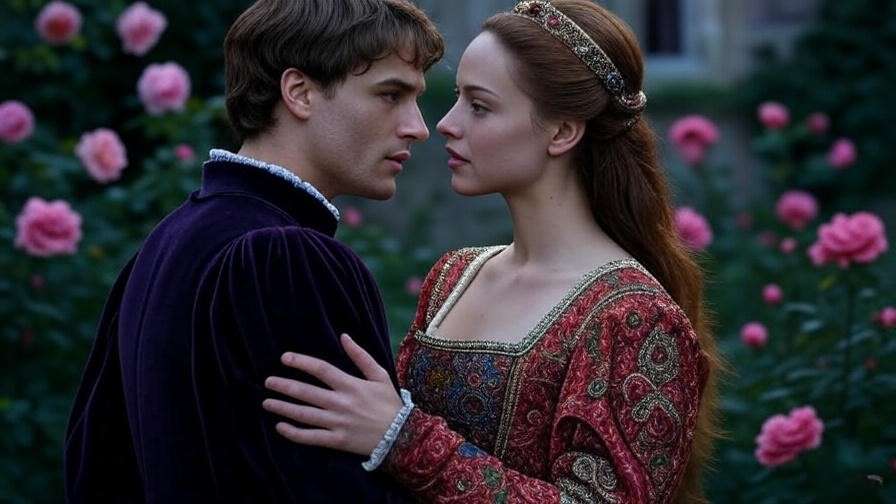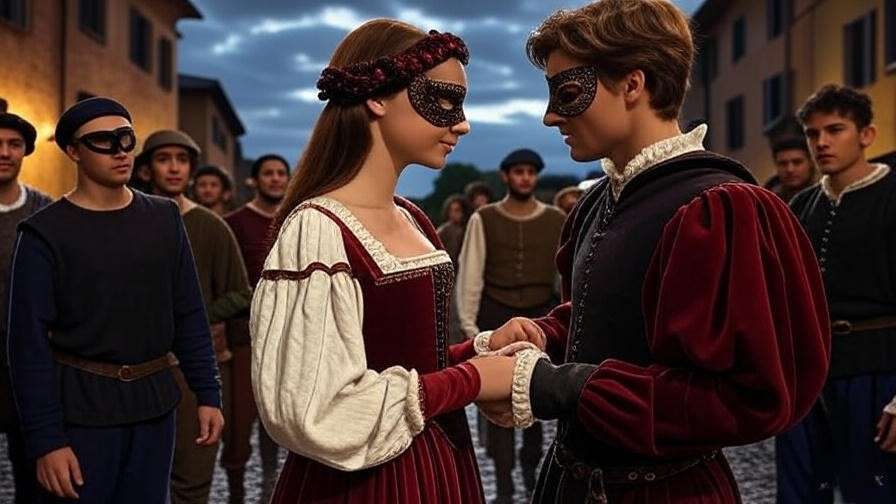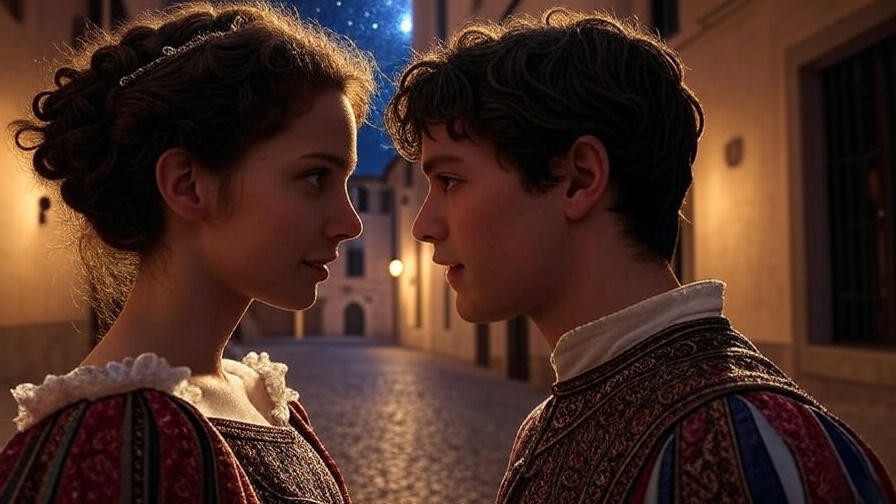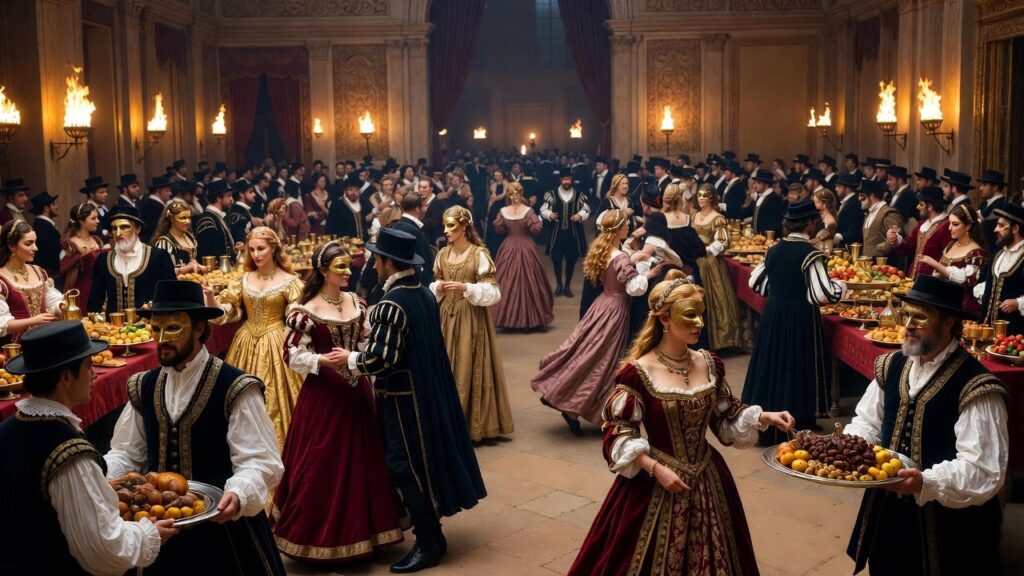
Imagine a grand hall alive with torchlight, the air thick with the scents of roasted meats, spiced wines, and sweet confections. Servants bustle, calling for more plates as masked guests dance and laugh—until a young man spots a radiant girl across the room, and fate ignites. This is the Capulet feast in Act 1, Scene 5 of William Shakespeare’s Romeo and Juliet, the pivotal moment where Romeo first beholds Juliet. But beyond the romance, what if the implied Romeo’s menu—the foods, banquets, and feasts surrounding his tragic journey—holds profound symbolic keys to unlocking the play’s deeper meanings?
As a dedicated scholar of Shakespearean literature with extensive experience analyzing primary texts, historical contexts, and critical interpretations, I invite you to explore this often-overlooked aspect. Though Shakespeare provides sparse direct descriptions of food in Romeo and Juliet, the references to feasts, pastries, and consumption weave a rich tapestry mirroring themes of passionate love, bitter conflict, fate, and mortality. This comprehensive exploration draws from the original text, Renaissance food history, and scholarly insights to offer fresh perspectives for students, educators, theater enthusiasts, and readers seeking a deeper connection to the Bard’s work.
In a play dominated by discussions of star-crossed lovers and family feuds, examining Romeo’s menu reveals Shakespeare’s masterful use of sensory details—the abundance of a banquet or the sweetness of quince—to intensify emotions and foreshadow tragedy. Let’s dive into these hidden layers.
Historical Context: Feasts and Banquets in Elizabethan and Renaissance Italy
Shakespeare sets Romeo and Juliet in Verona, Italy, during the Renaissance, yet he composed it in Elizabethan England around 1594–1597. This cultural fusion creates a vivid backdrop where Italian opulence intersects with English traditions.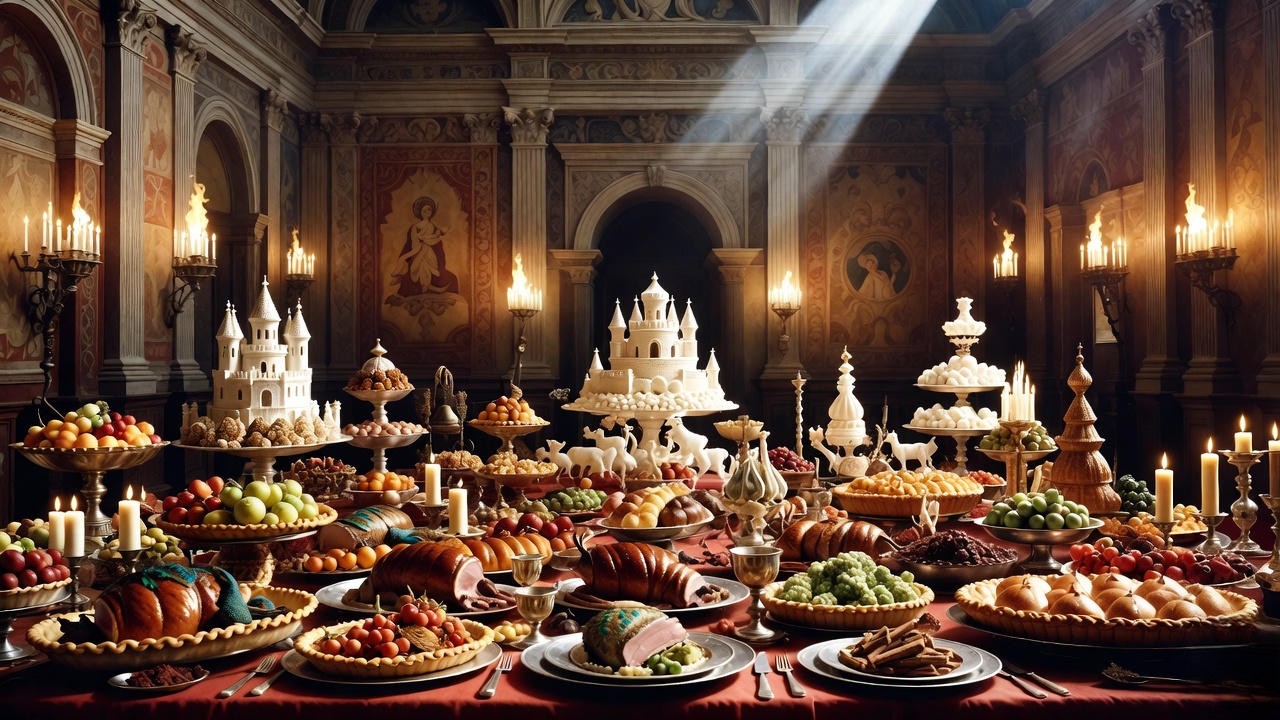
Elizabethan England vs. Verona’s Renaissance Influences
Renaissance Italian banquets were extravagant displays of wealth and artistry. Noble families hosted elaborate multi-course meals featuring imported spices such as cinnamon, nutmeg, cloves, and ginger—commodities so valuable they symbolized status and power. Dishes often included sculpted sugar subtleties, gilded fruits, and dramatic presentations like roasted peacocks refathered for visual spectacle. Historical records from chefs like Bartolomeo Scappi, who served popes in the mid-16th century, describe banquets with up to 50 courses, incorporating pastas, risottos, game meats, and elaborate sweets like marchpane (an early marzipan).
In Elizabethan England, feasts emphasized hearty roasts (venison, beef, swan), pies filled with fruits or meats, and ales or wines. Emerging New World imports like potatoes were rare, but sugar and spices were increasingly accessible to the elite. Shakespeare, influenced by sources like Arthur Brooke’s 1562 poem The Tragicall Historye of Romeus and Juliet, infuses his play with Italian Renaissance grandeur. The Capulets’ “ancient feast” (Act 1, Scene 2) evokes this lavishness, providing a stage for social interaction amid simmering tensions.
The Role of Food in 16th-Century Social Life
Banquets transcended mere sustenance; they were rituals reinforcing social hierarchy, hospitality, and alliances—or exposing underlying fractures. In both Renaissance Italy and Elizabethan England, feasts marked weddings, reconciliations, or celebrations, often accompanied by music, dancing, and masques. Food historians like Ken Albala emphasize how spices and sweets signified wealth, with sugar costing more than gold in some periods. These events were performances of power, where abundance could mask discord. In Romeo and Juliet, the Capulets’ preparations highlight fragile peace, disrupted by Tybalt’s rage, illustrating how feasts reflect societal order and its vulnerabilities.
Key Food and Feast References in Romeo and Juliet
Shakespeare’s sparse but strategic mentions of food center on pivotal moments in Romeo’s arc, enhancing dramatic tension.
The Capulet Feast (Act 1, Scene 5): Where Romeo Meets Juliet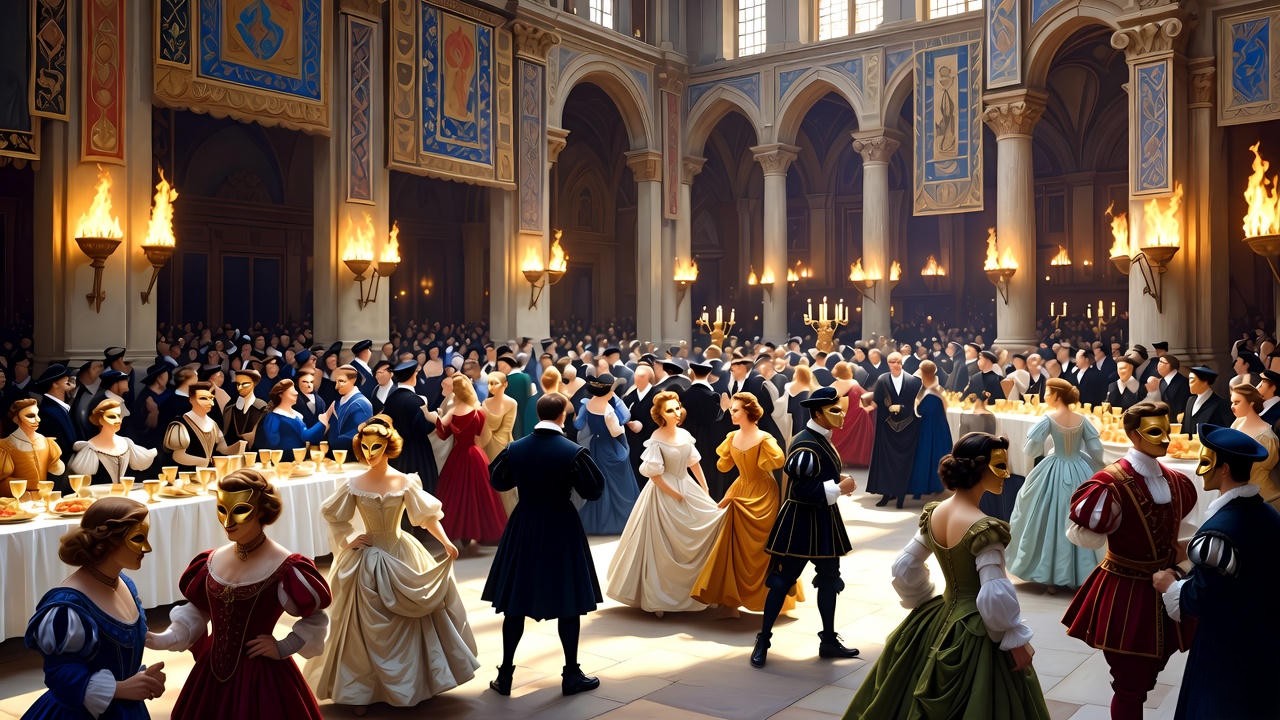
The play’s most famous banquet occurs here. Servants hurriedly prepare: “Away with the joint-stools, remove the court-cupboard, look to the plate” (Act 1, Scene 5). Lord Capulet welcomes guests to his “old accustomed feast,” encouraging merriment and dancing. Though no detailed menu appears, historical context suggests offerings like roasted meats, savory pies, spiced hippocras wine, and sweet subtleties.
Romeo, masked and crashing the event (initially seeking Rosaline), encounters Juliet amid this sensory richness. The feast’s implied aromas and abundance amplify the lovers’ electric first meeting, where Romeo declares Juliet “hangs upon the cheek of night / As a rich jewel” (Act 1, Scene 5).
Wedding Preparations and the Pastry (Act 4, Scene 4)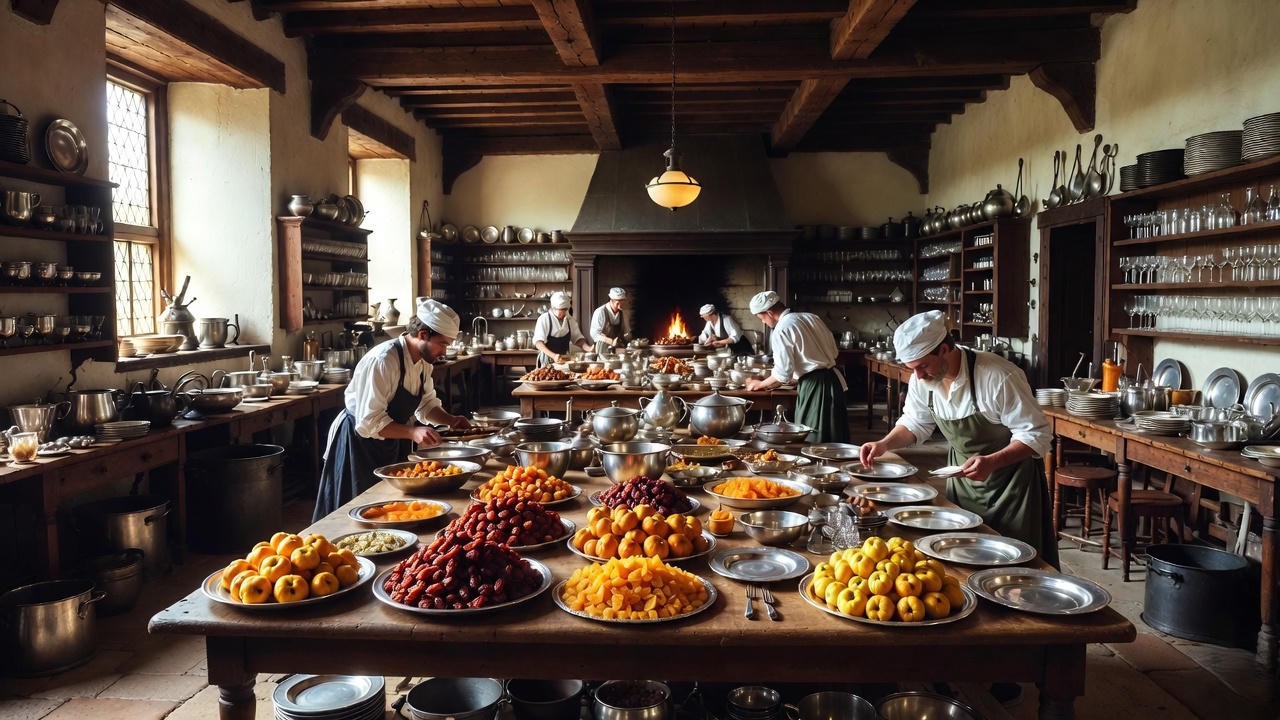
The play’s only explicit food reference arises during rushed preparations for Juliet’s wedding to Paris: “They call for dates and quinces in the pastry” (Act 4, Scene 4). Dates, exotic imports from the Middle East, and quinces, fruits associated with love and fertility in classical mythology, were incorporated into luxurious confections like pies, tarts, or marchpane for celebrations.
This line, amid Capulet household bustle, brims with irony—the joyful wedding feast transforms into funeral “baked meats” after Juliet’s feigned death.
Other Subtle References to Consumption
Metaphorical “consumption” permeates the text: Romeo warns of “feasting with mine enemy” (referring to Tybalt in Act 2, Scene 3), and the apothecary’s poison is a bitter draught. The reversal from wedding cheer to “sad burial feast” (Act 4, Scene 5) echoes darker Shakespearean motifs, as in Hamlet‘s “funeral baked meats” coldly furnishing wedding tables.
Symbolism of Food and Feasts in the Play
Shakespeare employs feasts and food as powerful metaphors, reflecting the play’s core themes.
Feasts as Mirrors of Love and Passion
The Capulet ball embodies youthful exuberance and forbidden desire. Abundance—implied through preparations and merriment—parallels the lovers’ intense, all-consuming passion. Sensory excess heightens Romeo and Juliet’s instant attraction, where love “devours” reason, much like guests indulge at a banquet.
Banquets and Themes of Conflict and Disruption
Feasts represent fragile harmony. Tybalt’s intrusion shatters the Capulets’ truce, foreshadowing violence. The planned wedding banquet’s reversal to mourning underscores how joy curdles into grief, mirroring the feud’s destructive cycle.
Food as Metaphor for Fate and Mortality
Sweet elements like dates and quinces symbolize love’s allure yet foreshadow bitterness—quince’s tartness requires sugar to become palatable, akin to the lovers’ doomed romance. Poison as “food” consumes life, tying consumption to mortality. This motif recurs in Shakespeare’s tragedies, such as Macbeth‘s disrupted banquets signaling chaos or Titus Andronicus‘ horrific feast of revenge.
What Would a Real “Romeo’s Menu” Look Like? Historical Reconstructions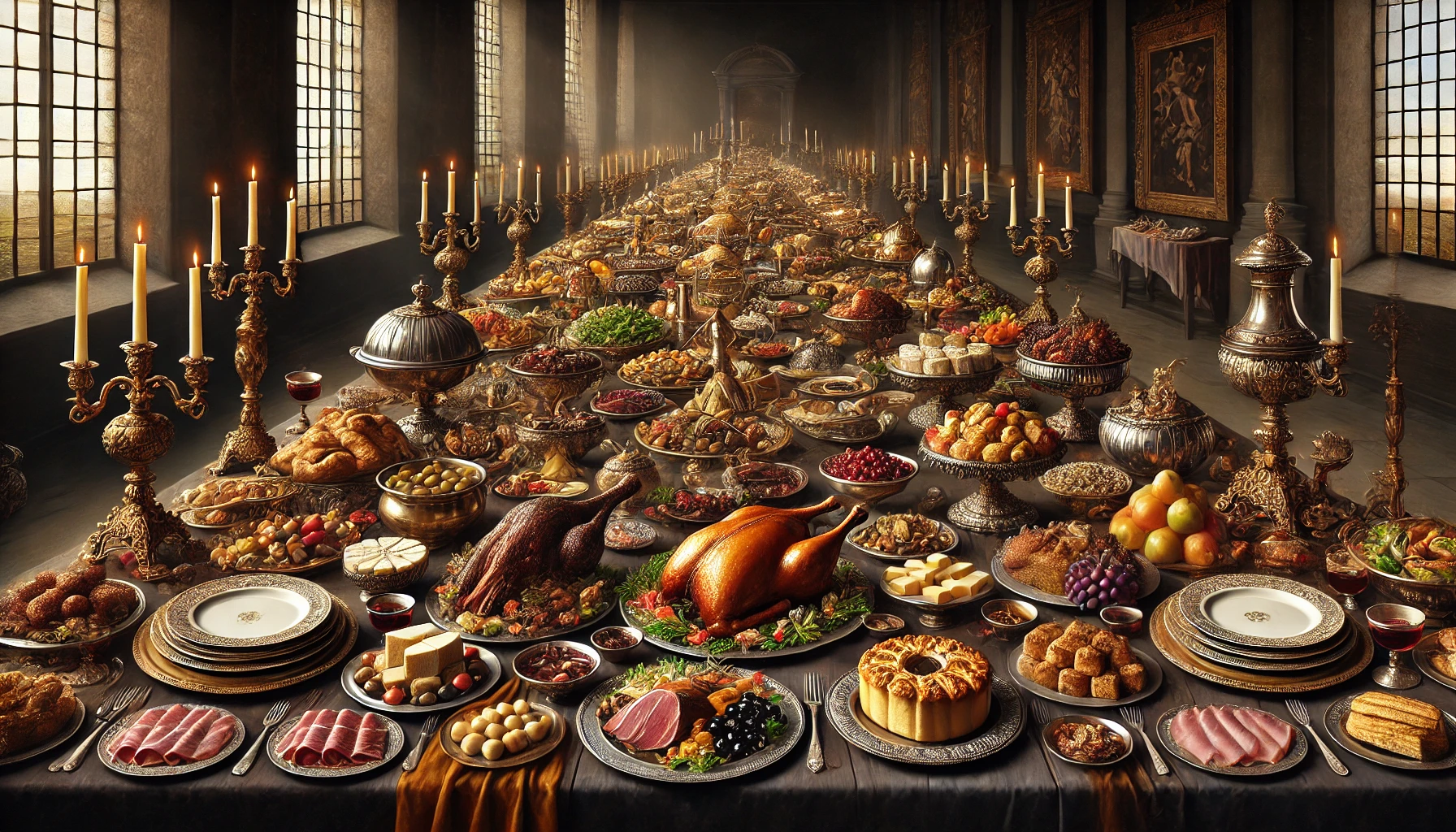
Drawing from Renaissance cookbooks like Scappi’s Opera (1570) and English sources like John Murrell’s recipes, we can reconstruct a plausible Capulet banquet.
Typical Dishes at a Renaissance Italian Banquet
A noble feast might feature:
- First courses (antics/appetizers): Salads, fruits, cold meats.
- Main roasts: Venison, capon, or peacock with sauces spiced with cinnamon and cloves.
- Pies and pasties: Savory (meat-filled) or sweet (fruit).
- Sweets: Marchpane molded into shapes, candied fruits, quince paste (cotognata), and dates stuffed or glazed.
- Drinks: Spiced hippocras or malmsey wine.
Modern Adaptations and Recipes Inspired by the Play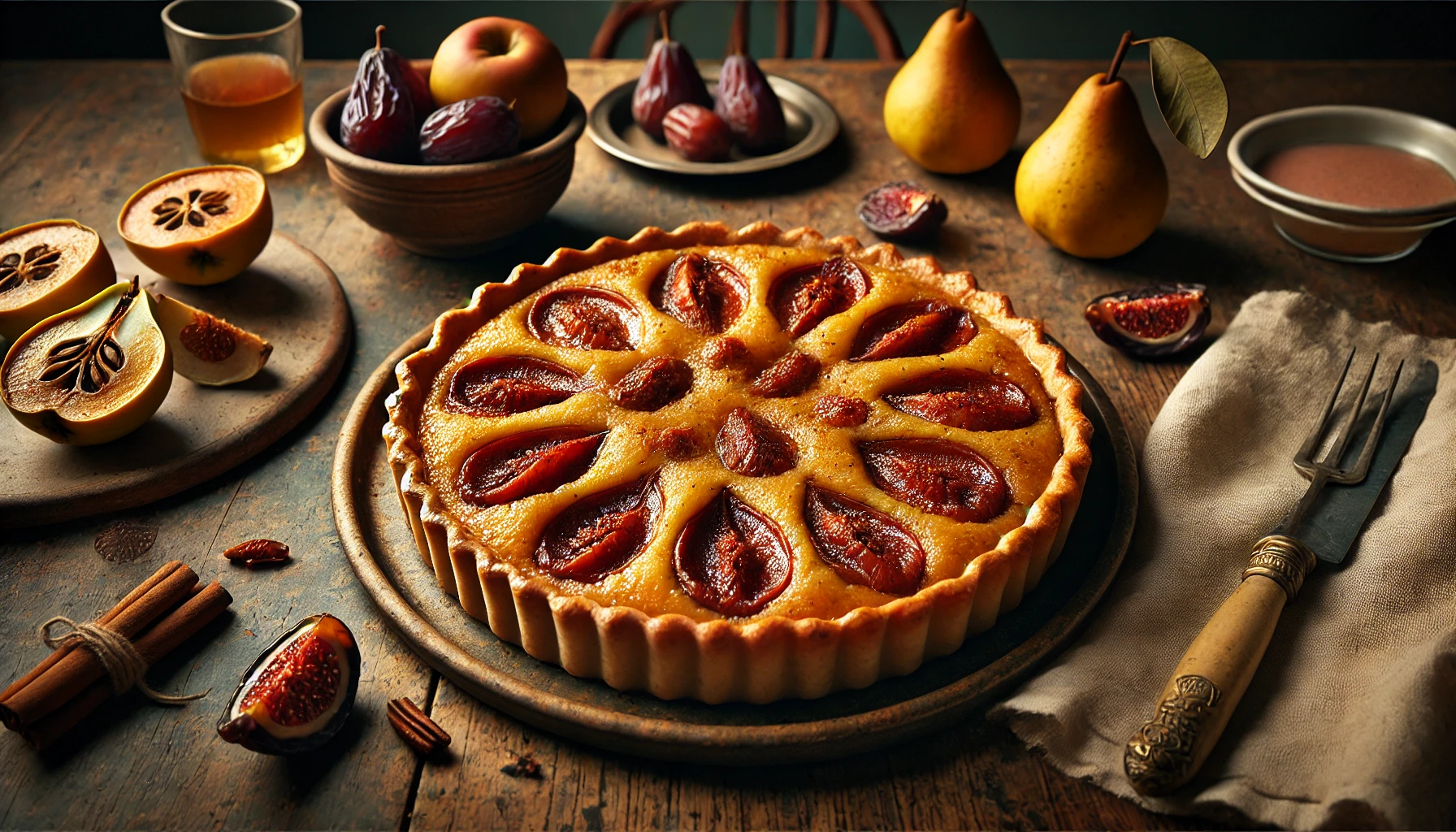
Bring Shakespeare’s world to your table with these authentic-inspired recipes:
- Quince and Date Tart (Inspired by Act 4’s pastry reference)
- Ingredients: 4 quinces, 200g dates, sugar, pastry dough, cinnamon, rosewater.
- Steps: Peel and core quinces, boil until soft, mash with chopped dates and sugar. Line a tart pan with dough, fill, bake at 180°C for 40 minutes. Historical note: Quince symbolized Venus, goddess of love.
- Marchpane (Marzipan) Subtlety
- Ingredients: Almonds ground fine, sugar, rosewater.
- Steps: Mix into paste, shape into figures (e.g., hearts for lovers), gild with edible gold if desired. Dry and serve as a banquet centerpiece.
- Spiced Hippocras Wine
- Ingredients: Red wine, cinnamon sticks, ginger, cloves, sugar.
- Steps: Simmer spices in wine, strain, sweeten. Serve warm—evoking Capulet hospitality.
Tips for a Shakespeare-themed dinner: Dim lights, play lute music, and discuss the play’s themes over courses.
Expert Insights: Scholarly Interpretations of Food in Romeo and Juliet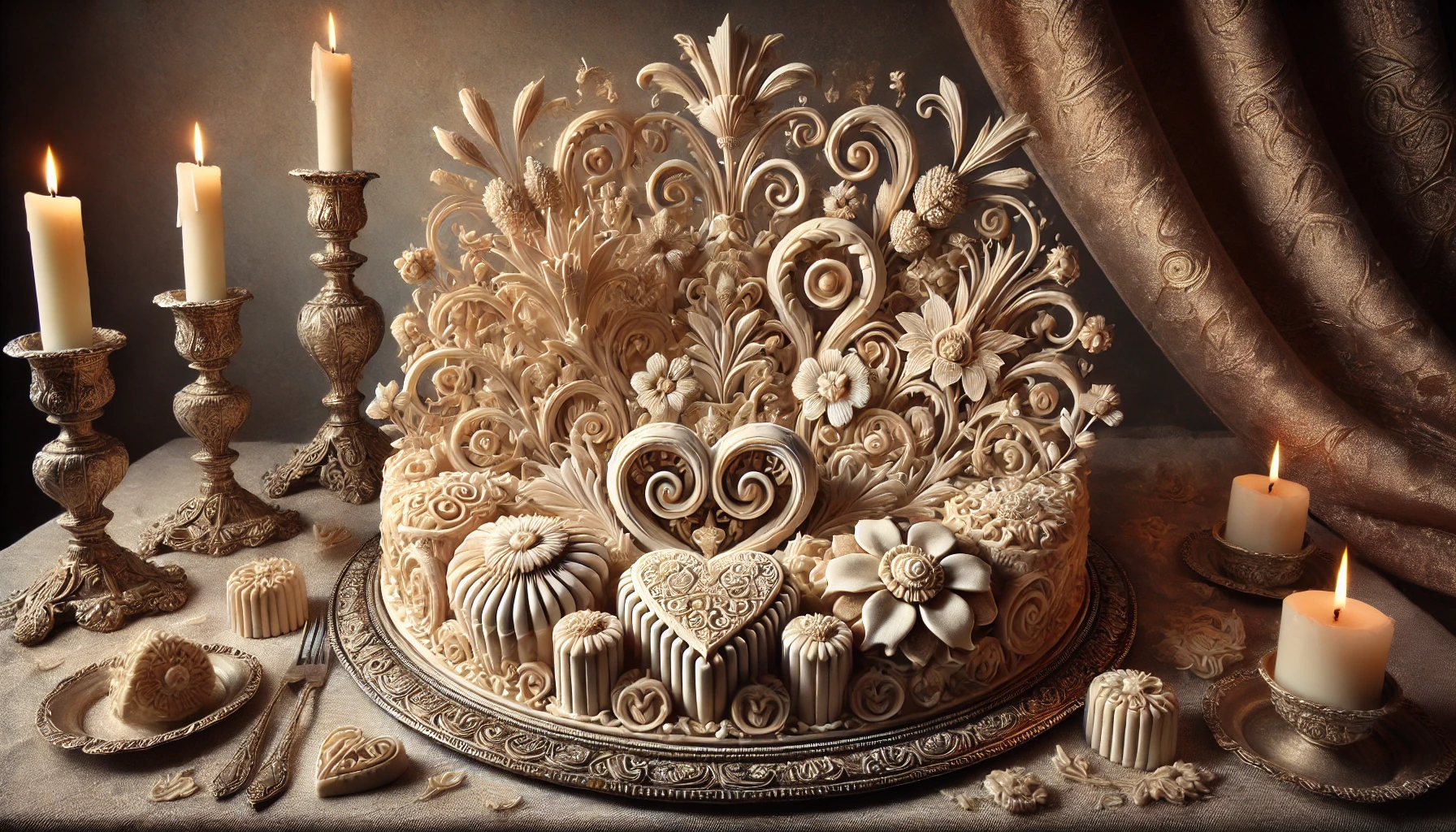
Critics like Bruce Boehrer in The Fury of Men’s Gullets explore how Shakespeare uses food to navigate social tensions. Hospitality rituals in the Capulet feast highlight failed reconciliation, while quince/date symbolism ties to fertility myths (e.g., Aphrodite’s golden apple). Comparisons to Macbeth (banquet ghosts) or The Tempest (magical feasts) reveal Shakespeare’s recurring use of dining for thematic depth. Modern productions often amplify these elements, using lavish sets to underscore excess.
Why Food Matters in Understanding Romeo and Juliet
Attending to Romeo’s menu enriches comprehension of haste, excess, and inevitability. It provides tools for essays (symbolic analysis), teaching (sensory engagement), or performances (stage directions). Ultimately, feasts remind us: love, like a banquet, is indulgent, fleeting, and perilous.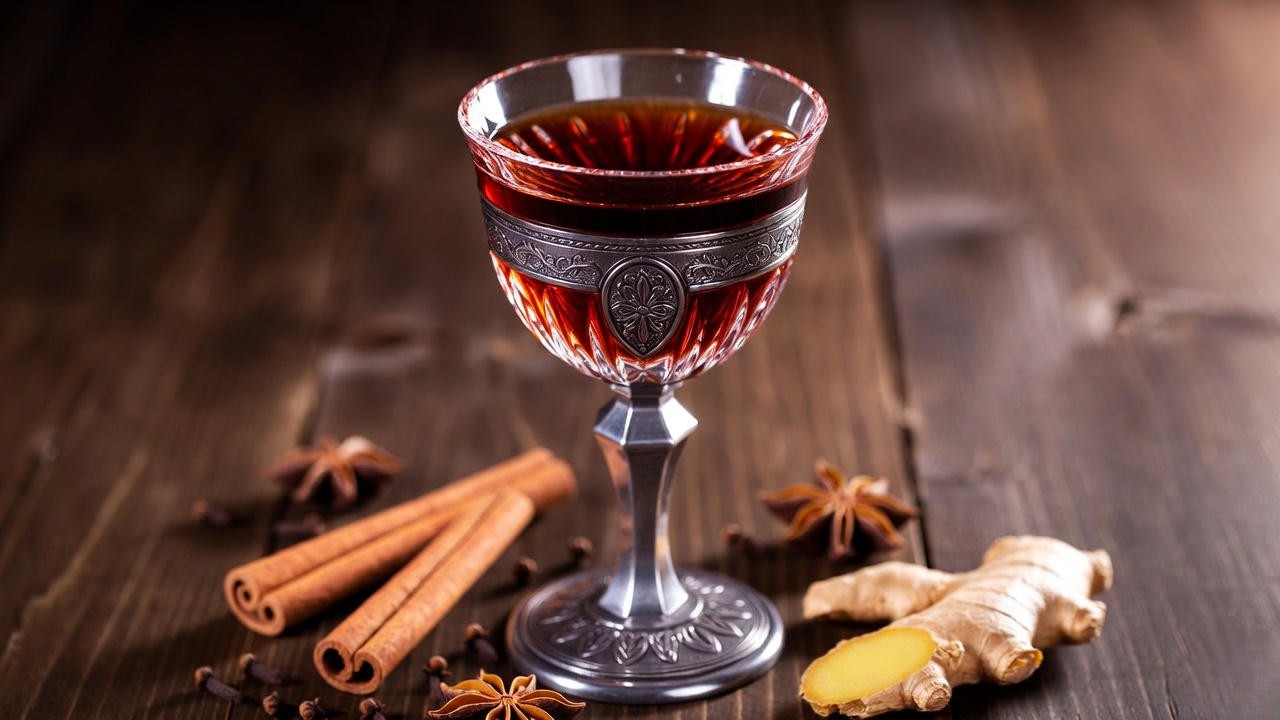
FAQs
What specific foods are mentioned in Romeo and Juliet? Only dates and quinces in the pastry (Act 4, Scene 4); others are implied through preparations.
Did Shakespeare describe a full menu for the Capulet feast? No explicit list, but servant banter and historical context suggest lavish Renaissance fare.
How does food symbolism differ from other tragedies like Macbeth? In Macbeth, banquets signal supernatural disruption; in Romeo and Juliet, they mirror passionate excess and reversal.
Can I recreate a Romeo and Juliet-inspired meal at home? Yes—try quince tarts or marchpane for an authentic touch.
Why is the quince and dates reference significant? They symbolize love’s sweetness and fertility, contrasting the tragic outcome.
Through Romeo’s menu—from the opulent Capulet feast to ironic pastry preparations—Shakespeare layers sensory symbolism atop his tragedy, illuminating love’s fervor, conflict’s fragility, and fate’s bitterness. Reread the play noting these details, or host a themed gathering to experience them firsthand. In the Bard’s world, every feast tells a story of human joy and sorrow.