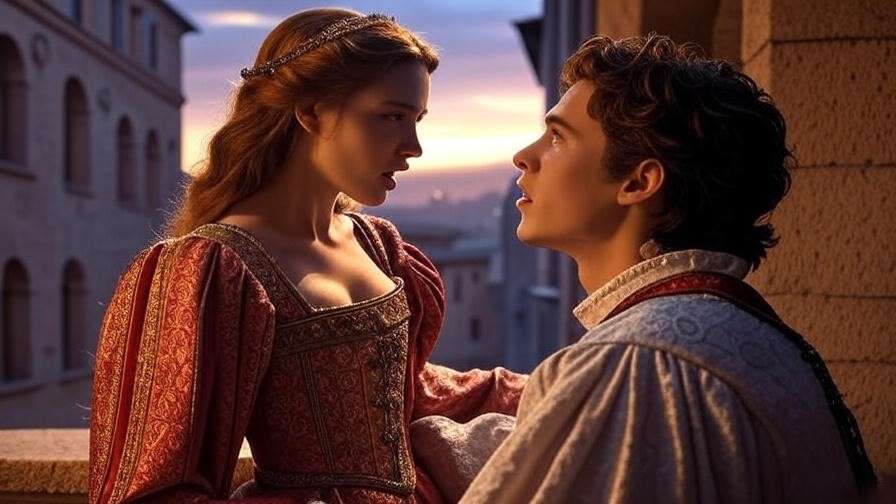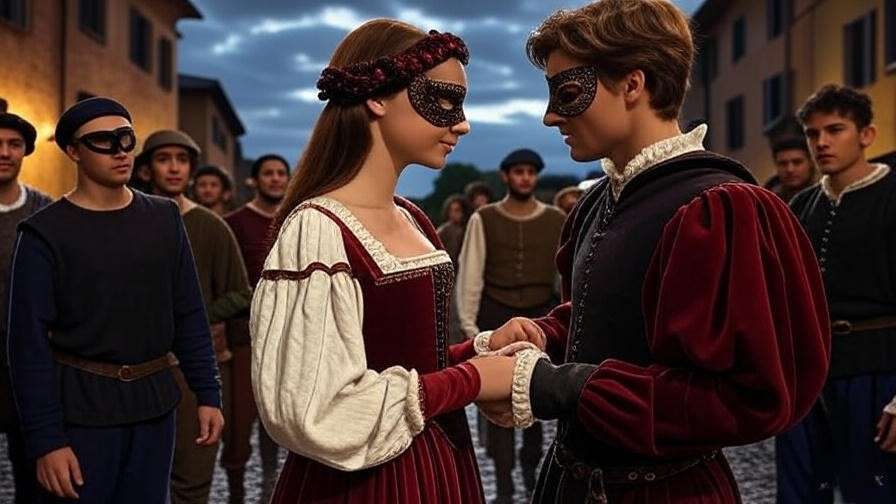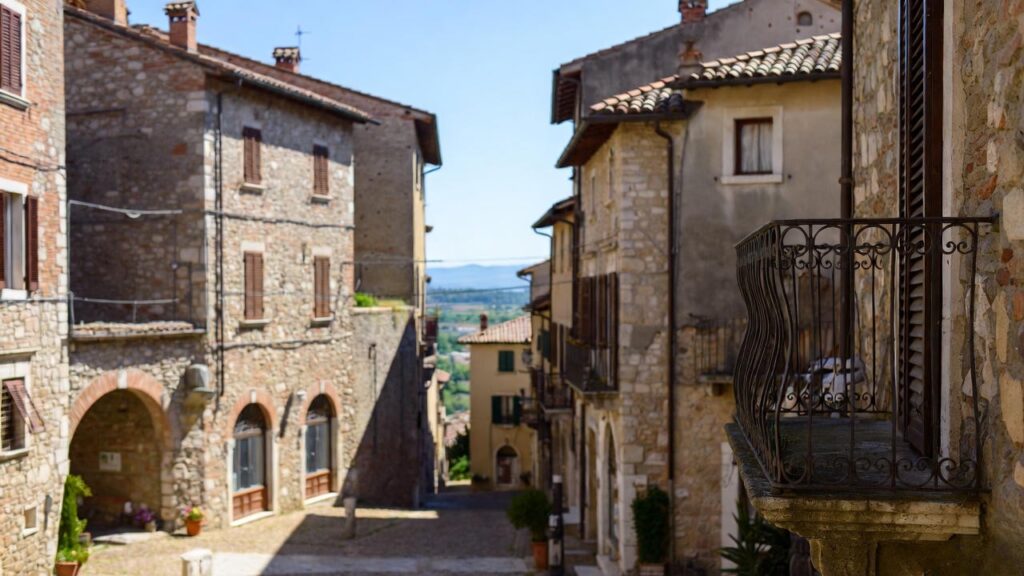
Imagine the scorching summer sun beating down on narrow cobblestone streets, where a whispered declaration of love from a balcony can ignite both passion and peril. In William Shakespeare’s Romeo and Juliet, the setting of Romeo and Juliet—primarily the Italian cities of Verona and Mantua—is far more than a picturesque backdrop. These Renaissance locales actively drive the narrative, intensify the central feud, and underscore the play’s profound themes of love, hate, fate, and youthful rebellion.
Most readers and viewers know the iconic story of the star-crossed lovers, but fewer appreciate how deeply the Italian Renaissance setting influences every major plot turn and character decision. The compact, walled city of Verona creates an atmosphere of inescapable tension, while Mantua serves as a distant refuge that ultimately seals the tragedy. Far from mere scenery, Verona and Mantua are dynamic forces in Romeo and Juliet, shaping character decisions, accelerating the timeline, and embodying the play’s central tensions between passion and societal constraint.
In this comprehensive exploration, we’ll trace the historical origins of Shakespeare’s chosen locations, examine key sites within Verona and Mantua, analyze how the setting amplifies themes and pacing, compare it to real Renaissance Italy, and explore its legacy in modern adaptations. Whether you’re a student dissecting the play for class, a teacher seeking deeper insights, or a literature enthusiast revisiting this masterpiece, understanding the setting unlocks richer layers of meaning in Shakespeare’s enduring tragedy.
The Historical and Literary Origins of the Setting
Shakespeare did not invent the tale of Romeo and Juliet; he masterfully adapted it from earlier sources, retaining the Italian setting that lent authenticity and exotic allure to his Elizabethan audience.
From Italian Novella to Elizabethan Stage
The story originates in Italian literature, first appearing in a 1530 novella by Luigi da Porto, set explicitly in Verona during the rule of Bartolomeo della Scala. It was later expanded by Matteo Bandello in 1554, and then translated into French by Pierre Boaistuau. The most direct influence on Shakespeare was Arthur Brooke’s 1562 English poem The Tragicall Historye of Romeus and Juliet, which closely follows Bandello but condemns the lovers’ haste while preserving the Verona setting.
Shakespeare, writing around 1594–1596, chose to keep the Italian locations intact—unlike many of his history plays set in England or ancient Rome. This decision was deliberate: Italy in the English imagination represented romance, artistry, intrigue, and volatile passions. By retaining Verona and Mantua, Shakespeare tapped into a rich vein of cultural fascination that made the tragedy feel both distant and dangerously relatable.
Why Italy? Shakespeare’s Fascination with the Italian Renaissance
During the Elizabethan era, Italy was viewed as the cradle of the Renaissance—home to art, music, poetry, and sophisticated court life—but also to revenge, dueling, and fiery temperaments. English travelers and writers often portrayed Italians as “hot-blooded,” a stereotype that perfectly suited the impulsive violence and ardent love in the play. Shakespeare set nearly half of his plays in Italy (The Merchant of Venice, Othello, The Two Gentlemen of Verona, among others), using the peninsula as a canvas for exploring human extremes.
By choosing an Italian setting, Shakespeare could depict a society governed by strict family honor and swift justice without directly critiquing English customs. The foreign locale provided a safe dramatic distance while allowing universal themes to resonate.
Verona – The City of Love and Lethal Feuds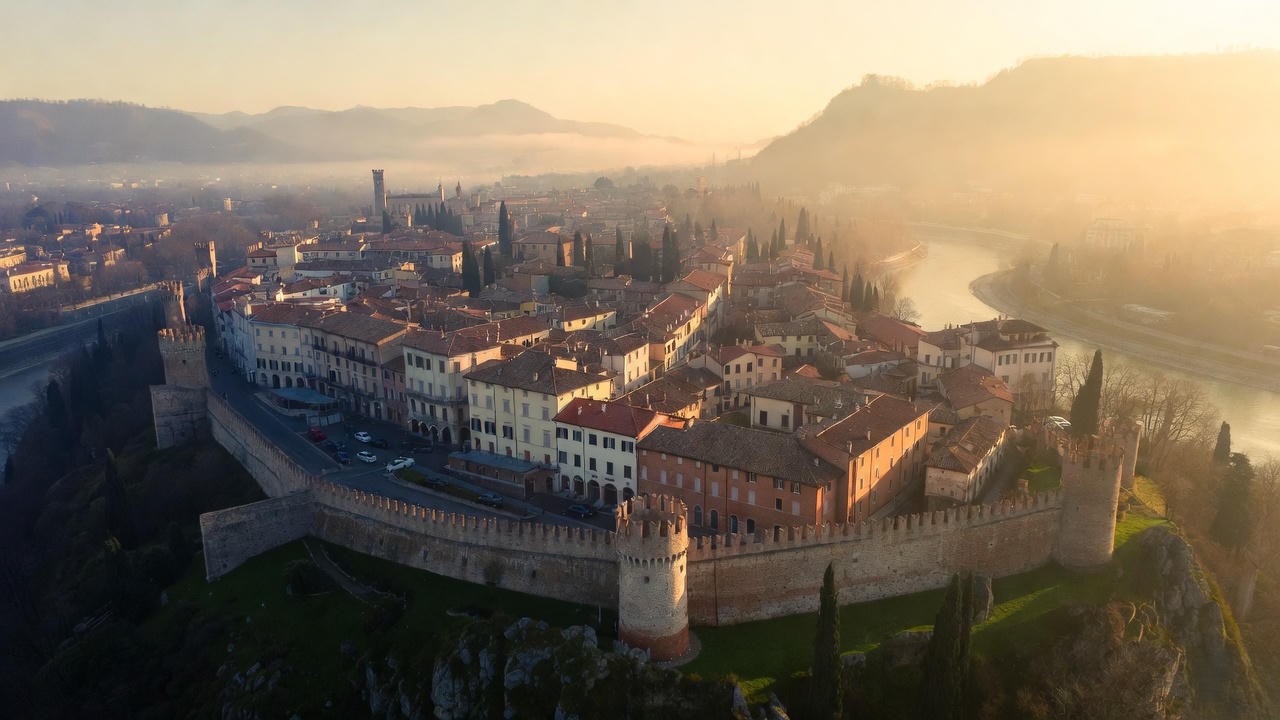
Verona dominates the play, serving as the stage for nearly all major events. Its compact urban structure and vibrant Renaissance culture create a pressure-cooker environment where private passions collide with public violence.
Geographical Layout and Its Dramatic Impact
Renaissance Verona was a walled city on the Adige River, with narrow streets, grand piazzas, and fortified gates. This enclosed layout is crucial: characters constantly encounter one another in public spaces, making secrecy nearly impossible and escalating minor disputes into lethal confrontations. As Mercutio notes in Act 3, Scene 1, “these hot days… mad blood is stirring”—the summer heat of a Mediterranean city mirrors and amplifies the characters’ heated emotions.
The city’s intimacy means the Montague-Capulet feud permeates every corner. There is no neutral ground; even a chance meeting in the street can spark bloodshed.
Key Locations in the Play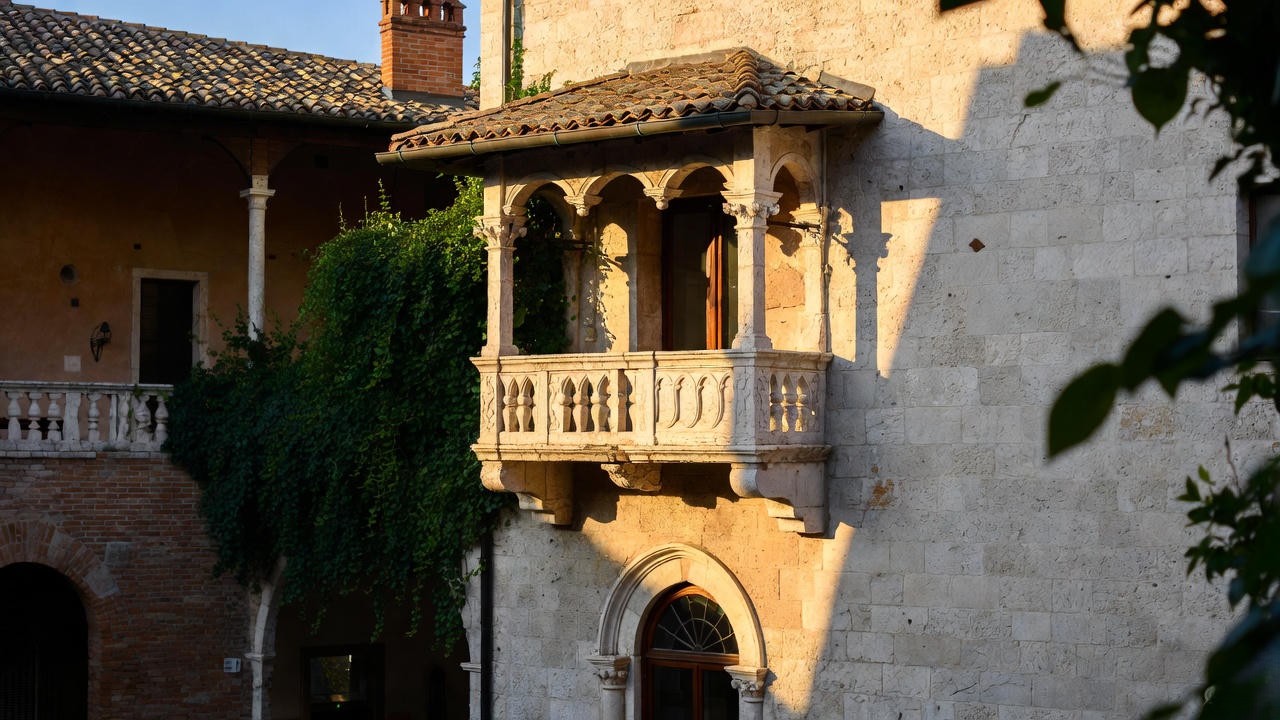
- The Capulet orchard and balcony: A rare private space where Romeo and Juliet can declare their love away from prying eyes. Yet even here, danger lurks—the orchard is surrounded by walls, and discovery would be catastrophic.
- Public streets and squares: Sites of repeated violence (the opening brawl, Tybalt’s challenge, Mercutio’s death). These open areas symbolize the feud’s inescapability.
- Friar Laurence’s cell: Located on the outskirts, this liminal space represents hope and secrecy. It is where the marriage and the sleeping-potion plan are hatched.
- The Capulet tomb: Situated in a churchyard, it brings the tragedy full circle, merging private grief with public spectacle.
Social and Cultural Atmosphere
Verona in the play reflects a mercantile republic ruled by powerful noble families, echoing real Renaissance city-states. The Prince (Escalus) functions as a pragmatic ruler trying to maintain order amid factional strife—a common issue in Italian communes. Patriarchal honor culture demands public displays of masculinity, fueling Tybalt’s aggression and Lord Capulet’s insistence on Juliet’s arranged marriage.
Mantua – Exile, Hope, and Fatal Miscommunication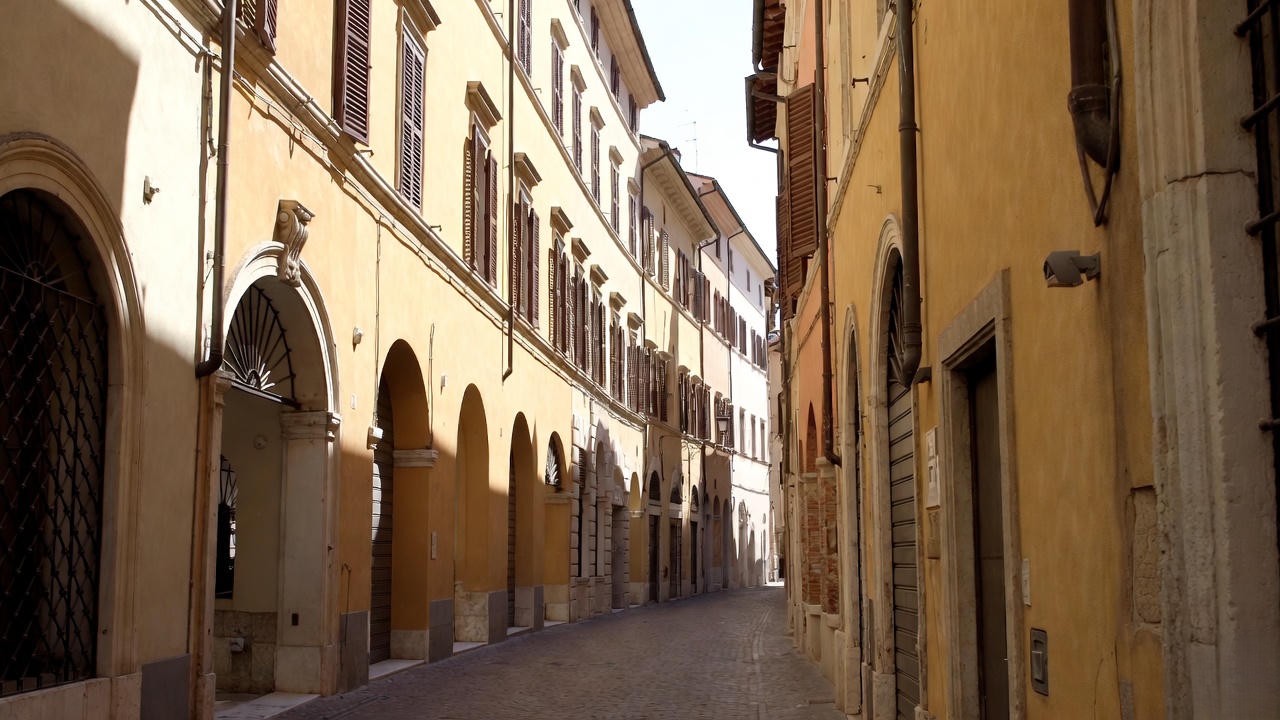
Mantua appears only in the final act, yet its role is pivotal. As Romeo’s place of exile, it represents both temporary salvation and ultimate doom.
Mantua in History and in the Play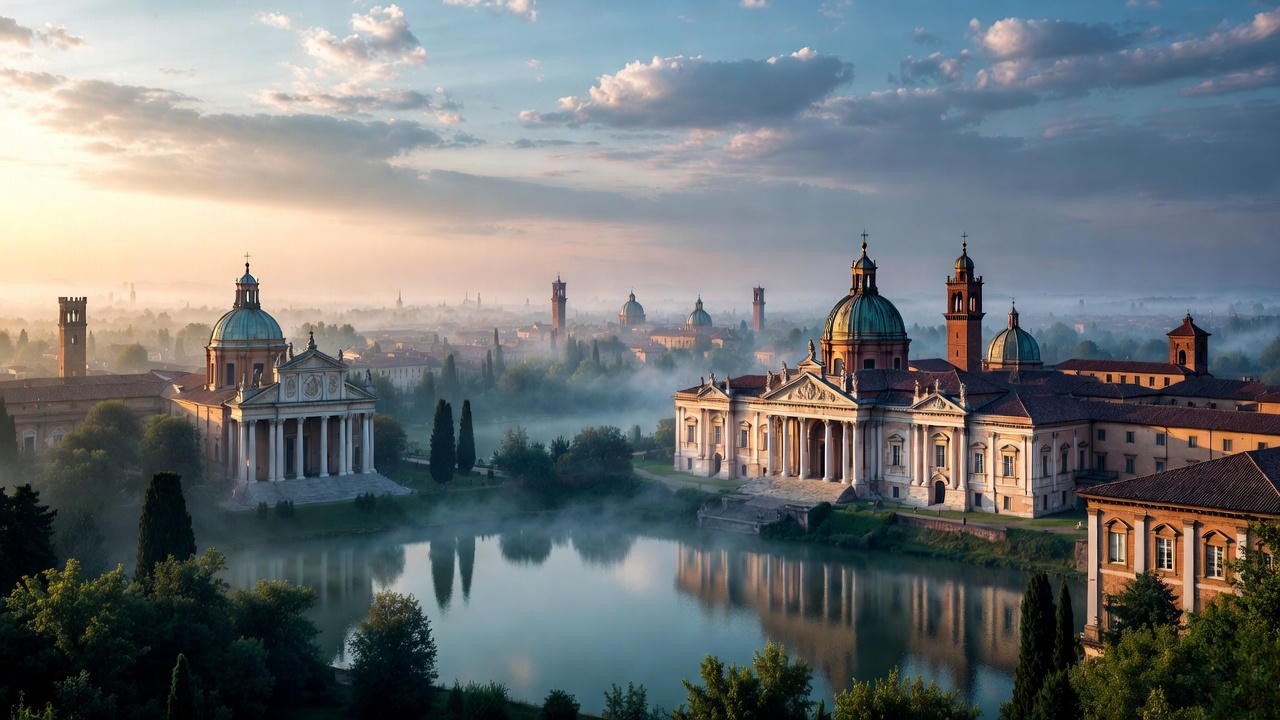
In the Renaissance, Mantua was a refined court city under the Gonzaga dynasty, famous for its art, music, and intellectual life (it was home to the composer Monteverdi and the painter Mantegna). Shakespeare presents it as a peaceful contrast to chaotic Verona—a place where Romeo can briefly imagine a future.
Yet exile isolates Romeo psychologically and geographically. Cut off from news, he becomes vulnerable to misinformation.
Dramatic Function of Mantua
The city’s most crucial contribution is the plague outbreak that quarantines Friar John, preventing the vital letter from reaching Romeo. This detail is historically plausible: Northern Italy suffered repeated plague epidemics in the 16th century, and cities routinely imposed quarantines. Shakespeare uses this real-world mechanism to make fate feel credible rather than contrived.
In Mantua, Romeo purchases poison from an impoverished apothecary—a scene that highlights his desperation and the city’s role as a place of false solutions.
How the Italian Setting Amplifies Key Themes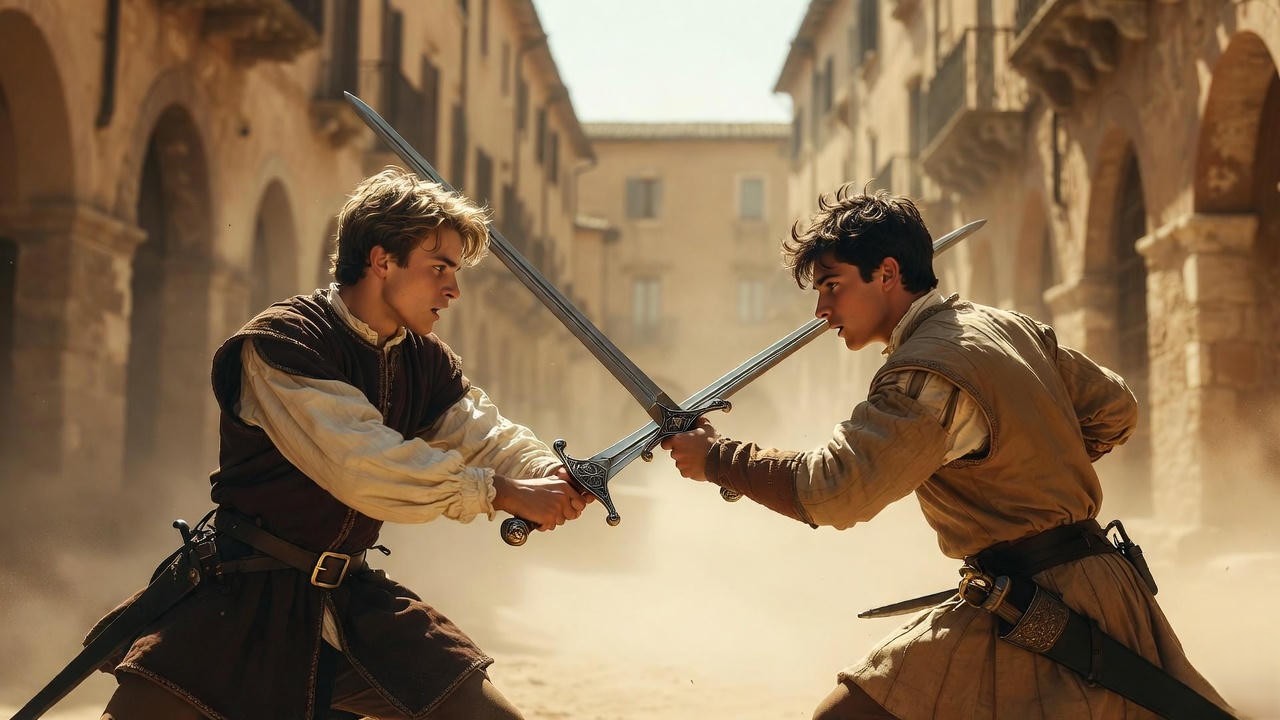
The Italian Renaissance setting is not incidental; it deepens every major theme.
Love vs. Hate in a Passionate Climate
The literal heat of an Italian summer parallels the characters’ emotional intensity. References to fire, sun, and gunpowder abound, linking climate to temperament. Elizabethan audiences associated southern Europeans with greater passion, making the lovers’ rapid infatuation and the families’ explosive hatred feel culturally authentic.
Fate vs. Free Will
The tight urban spaces and swift justice system reinforce a sense of inevitability. Prince Escalus’s repeated decrees carry the weight of Italian civic authority, yet they fail to curb private vendettas—suggesting that larger forces (fate, family loyalty) override individual choice.
Youth vs. Authority
Italian Renaissance society placed enormous emphasis on family honor and arranged marriages. Juliet’s forced betrothal to Paris reflects common practice among noble families, heightening the generational conflict that drives her rebellion.
The Setting’s Role in Plot Structure and Pacing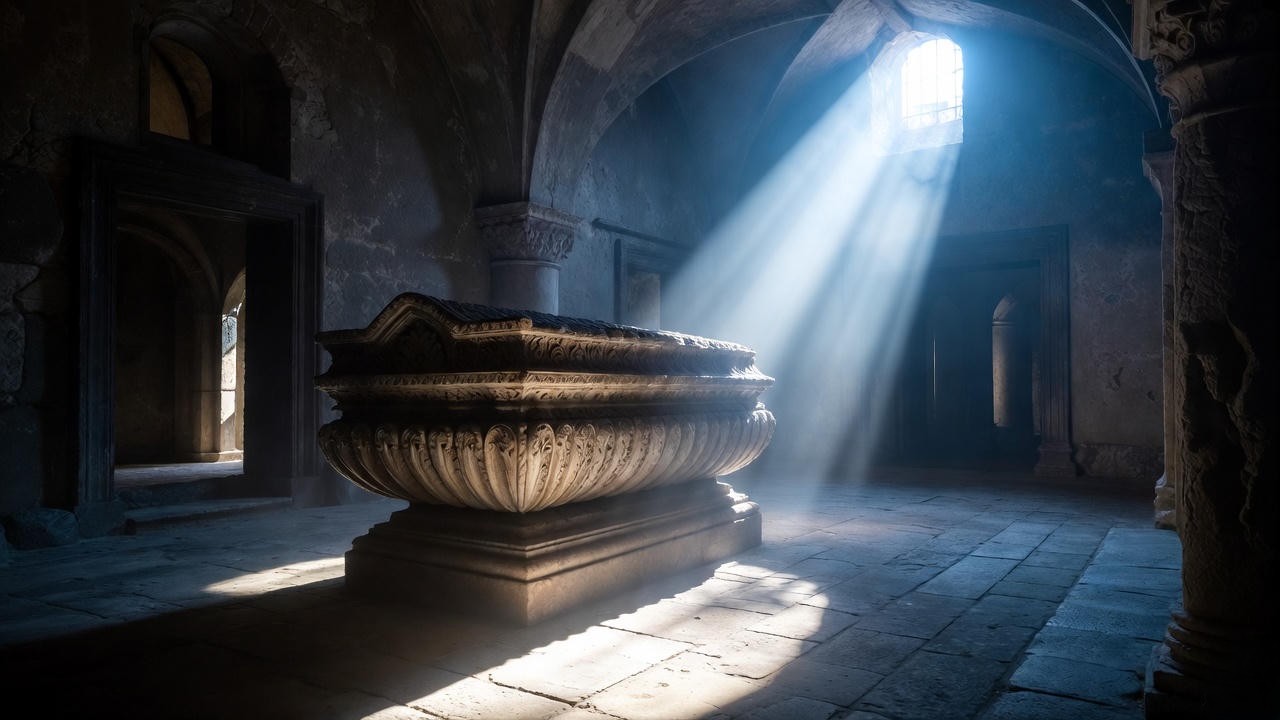
Five Days in Verona: The Compressed Timeline
The entire tragedy unfolds over approximately five days:
- Sunday: Opening brawl, Capulet party, balcony scene.
- Monday: Marriage at Friar Laurence’s cell.
- Tuesday: Tybalt kills Mercutio; Romeo kills Tybalt; exile pronounced.
- Wednesday: Juliet takes the potion.
- Thursday/Friday: Discovery in the tomb.
Verona’s small scale makes this whirlwind pace believable—characters can realistically encounter one another multiple times in a single day.
Secrecy and Surveillance
Walls, balconies, and crowded streets simultaneously enable and endanger secret romance. Romeo scales the orchard wall, but the Nurse must navigate public spaces to carry messages. This constant tension between private desire and public scrutiny is heightened by the city’s architecture.
Journey Motifs: Verona to Mantua and Back
Physical travel mirrors emotional journeys: Romeo’s banishment, the Friar’s messengers, and finally the lovers’ bodies returned to Verona for reconciliation.
Shakespeare’s Verona vs. Real Renaissance Verona
Historical Accuracy and Artistic License
Real feuding families named Montecchi and Capuleti are mentioned in Dante’s Purgatorio (early 14th century), and Verona did experience factional violence under the Scaligeri. However, no historical record links the specific families in a Romeo-and-Juliet story.
Shakespeare takes liberties: anachronistic clocks (“it was the lark…”) and English puns coexist with Italian names. These blendings serve dramatic purpose over strict accuracy.
Visiting Verona Today
Modern Verona embraces its Shakespearean legacy. The 14th-century Casa di Giulietta features a balcony added in the 20th century, along with a bronze statue and walls covered in love notes. Nearby, the Tomba di Giulietta is housed in a former convent. While not historically authentic, these sites testify to the play’s enduring cultural power.
The Setting in Modern Adaptations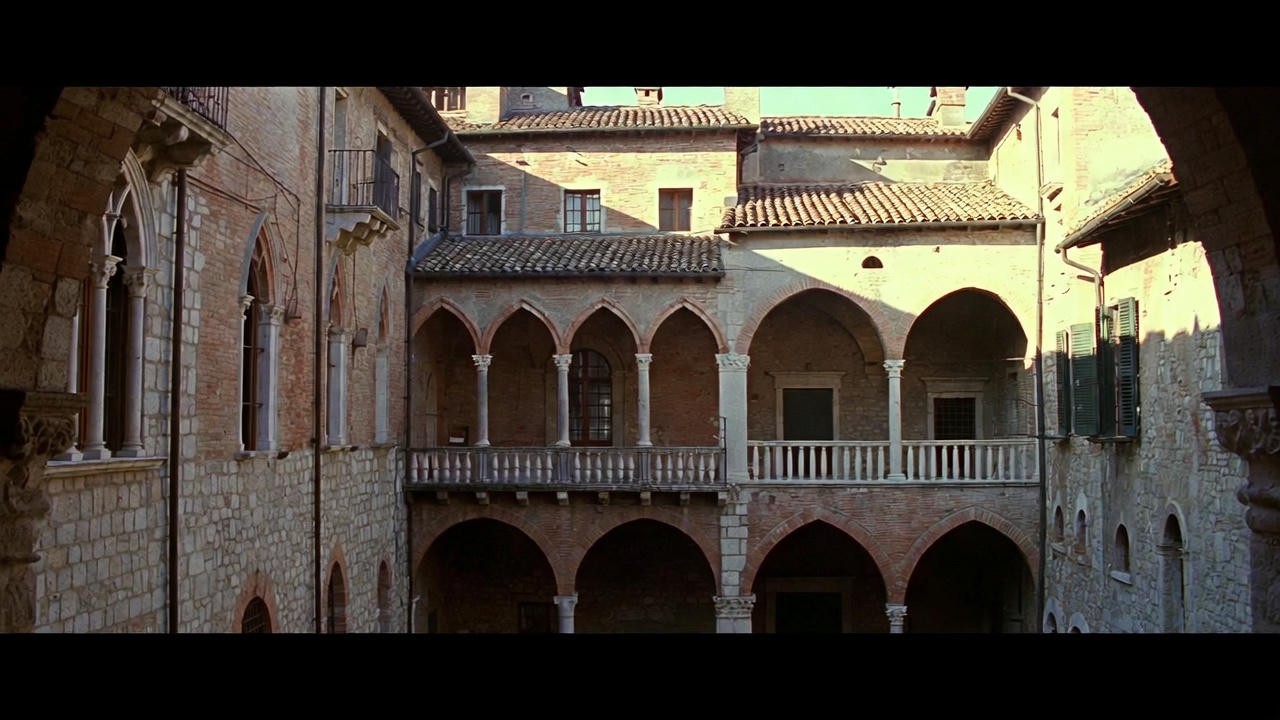
Staying in Verona
Franco Zeffirelli’s 1968 film uses authentic Veronese locations to evoke Renaissance splendor. Baz Luhrmann’s 1996 Romeo + Juliet relocates the action to “Verona Beach” (a stylized Mexico/U.S. hybrid), preserving the urban claustrophobia while updating the visuals.
Relocating the Story
Adaptations like West Side Story (New York gangs) or Warm Bodies (post-apocalyptic) demonstrate the story’s universality—but often lose the specific cultural resonance of Italian honor and Mediterranean passion.
Stage Productions
Directors frequently use minimalist sets to suggest Verona’s confining walls, emphasizing universality over historical detail.
Expert Insights and Teaching Tips
Literary scholar Jill L. Levenson, editor of the Oxford Shakespeare edition, notes that Shakespeare compressed Brooke’s nine-month timeline into days to heighten tragic urgency—a decision enabled by the intimate Italian city setting.
Northrop Frye viewed the play as an archetypal romantic comedy subverted into tragedy; the Italian locale provides the societal rigidity necessary for that subversion.
Classroom Applications
- Map key locations on a diagram of Renaissance Verona to visualize character movements.
- Compare Zeffirelli’s and Luhrmann’s use of setting in film clips.
- Discussion prompt: How might the play change if set in Elizabethan London?
Frequently Asked Questions
What is the exact setting of Romeo and Juliet? The play is primarily set in Verona, Italy, with the final act involving Mantua. All action occurs during a hot Italian summer in the late Renaissance period.
Why did Shakespeare set Romeo and Juliet in Italy and not England? Italy allowed Shakespeare to explore passionate behavior and family honor codes more freely than contemporary English settings would permit, while tapping into Elizabethan fascination with Italian culture.
Is the feud between the Montagues and Capulets based on real families? Families named Montecchi and Capuleti existed in medieval Verona and are referenced by Dante, but no historical evidence supports a specific Romeo-and-Juliet story.
How long do the events of Romeo and Juliet take place over? Approximately five days, from Sunday to early Friday morning.
Does the city of Verona really have a Juliet balcony? The famous balcony at Casa di Giulietta was added in the 1930s for tourism; the house itself dates to the 13th–14th century but has no proven connection to the story.
How do modern adaptations handle the original setting? Some retain Italian locations (Zeffirelli), others modernize or relocate (Luhrmann, West Side Story), but most preserve the sense of a divided, claustrophobic urban environment.
Verona and Mantua are not passive backdrops in Romeo and Juliet; they are active participants in the tragedy. The walled intimacy of Verona traps the lovers in a cycle of passion and violence, while Mantua’s distant promise crumbles under the weight of miscommunication. Shakespeare’s genius lies in using these Italian Renaissance cities to make ancient themes feel immediate and inevitable.
The enduring power of the setting proves its universality: any divided city, any society that prizes honor over empathy, can become Verona. Next time you read or watch the play, notice how every street, wall, and summer breeze contributes to the heartbreak. The tragedy feels timeless precisely because its setting feels so vividly, tragically real.