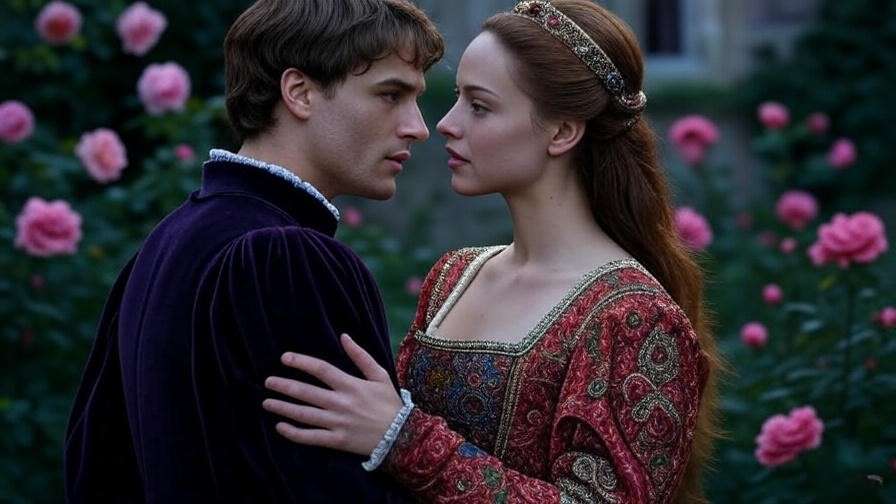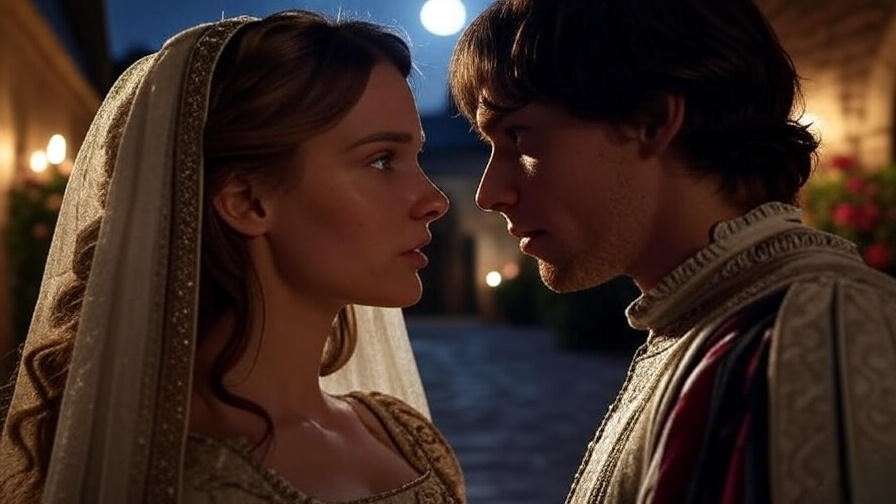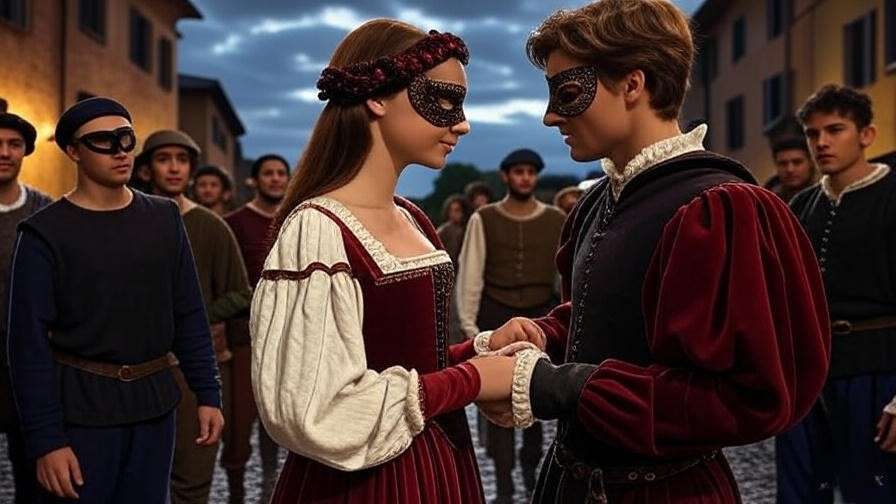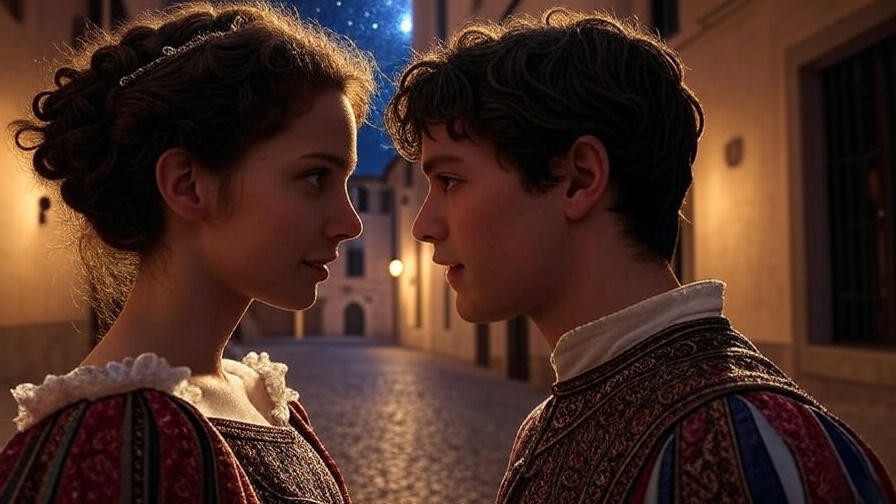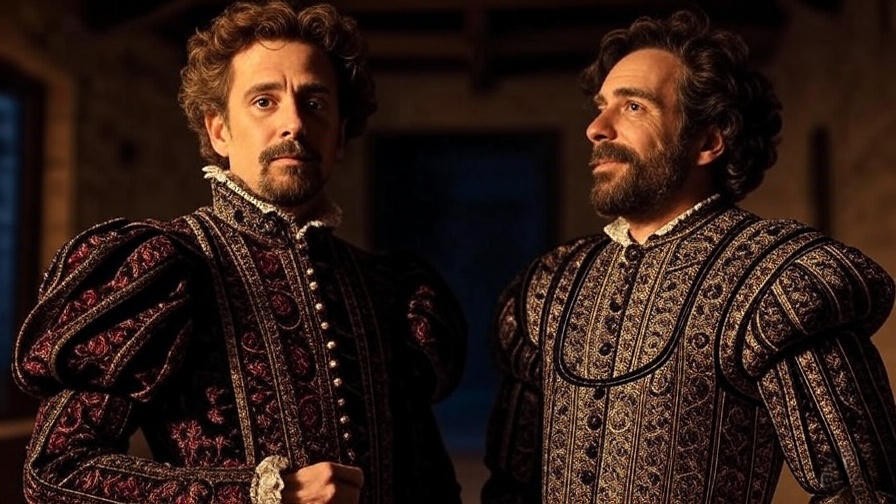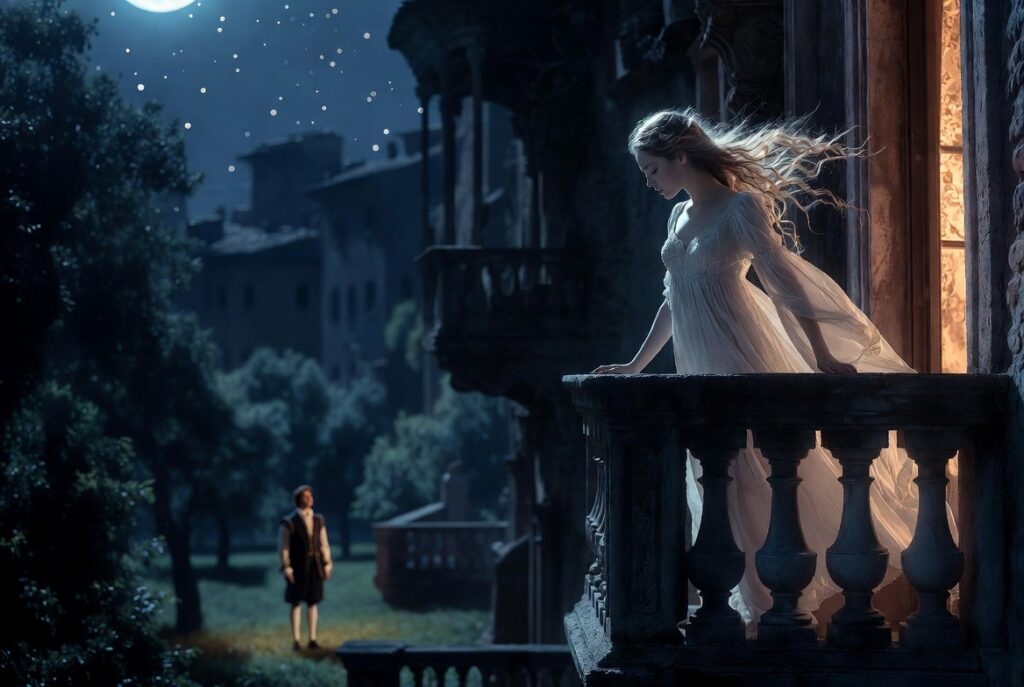
Imagine standing silently in a moonlit Capulet orchard, heart pounding as you overhear the most intimate confessions of forbidden love. In one of William Shakespeare’s most celebrated moments, two young souls bare their deepest longings, unaware—or only partially aware—of each other’s presence. This is the power of the soliloquy of Romeo and Juliet in Act 2, Scene 2, the iconic balcony scene that has defined romantic literature for over four centuries.
The soliloquy of Romeo and Juliet captures raw passion, identity struggles, and the tension between individual desire and family duty. Whether you are a student preparing for an exam, an actor rehearsing lines, a literature enthusiast seeking deeper insight, or simply someone captivated by Shakespeare’s timeless romance, this comprehensive guide delivers exactly what you need: the full original texts, line-by-line analysis, modern translations, literary devices, themes, historical context, and cultural impact.
In this skyscraper resource, we go far beyond surface-level summaries. You will discover why these speeches remain profoundly moving, how Shakespeare’s language techniques create emotional depth, and what lessons these soliloquies offer for understanding love, fate, and society today.
What Is a Soliloquy? Understanding Shakespeare’s Dramatic Device
A soliloquy is a dramatic convention in which a character speaks their thoughts aloud while alone (or believing themselves to be alone) on stage. This device allows the audience direct access to the character’s inner world—their conflicts, desires, fears, and reasoning—without other characters hearing.
In Elizabethan theater, soliloquies served a practical and artistic purpose. Without modern lighting, sound effects, or close-up camera work, playwrights like Shakespeare used them to reveal psychology and advance the plot. Unlike a monologue (a long speech to other characters) or an aside (a brief remark directed at the audience), a true soliloquy creates intimacy and dramatic irony.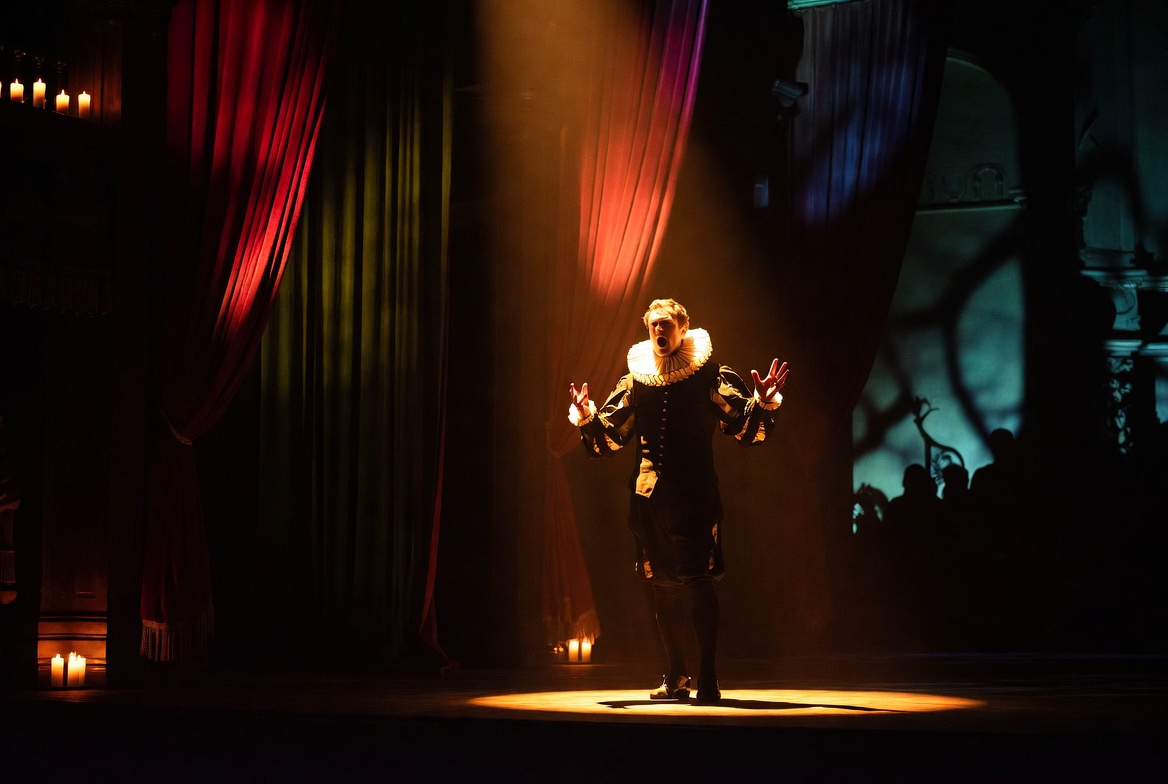
Shakespeare elevated the soliloquy into an art form. From Hamlet’s existential “To be or not to be” to Macbeth’s tormented visions, these speeches expose the complexity of human nature. In Romeo and Juliet, the soliloquies in the balcony scene highlight the contrast between Romeo’s impulsive romanticism and Juliet’s more thoughtful maturity, setting the tragic tone for the entire play.
The Balcony Scene Context: Setting the Stage for the Soliloquies
Act 2, Scene 2 occurs immediately after the Capulet feast where Romeo and Juliet first meet and experience instant attraction. Romeo, having crashed the party despite the deadly Montague-Capulet feud, escapes his friends’ jests and scales the orchard wall. He spots light from Juliet’s chamber (often visualized as a balcony in productions, though the text refers to a window).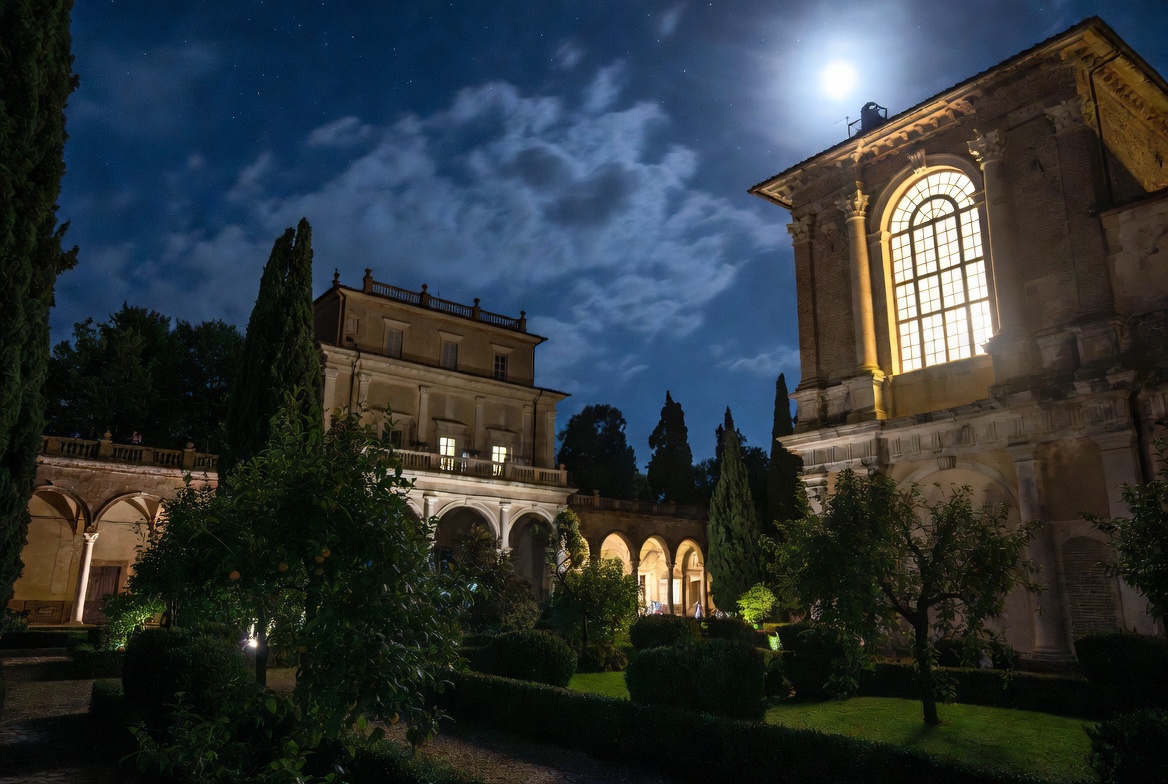
This scene is charged with danger: discovery means death. Yet it becomes the emotional heart of the play. The lovers’ private revelations contrast sharply with the public violence and hatred of earlier acts. Shakespeare masterfully uses the night setting—darkness concealing yet illuminating truth—to explore themes of hidden love and illumination through passion.
Note that while popularly called the “balcony scene,” the First Folio and Quartos mention Juliet appearing “above at a window.” The balcony tradition emerged in later stage adaptations and has since become iconic.
Romeo’s Soliloquy: Full Text and Line-by-Line Analysis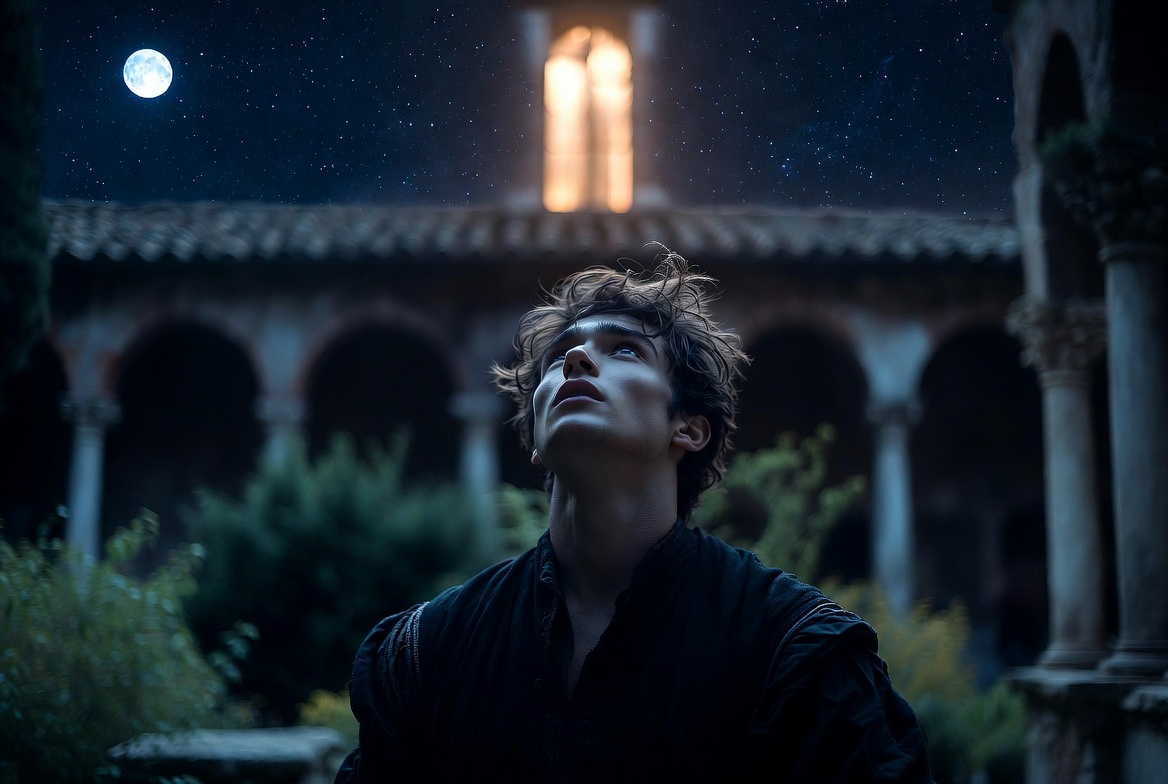
Full Original Text of Romeo’s Soliloquy
ROMEO He jests at scars that never felt a wound.
But, soft! what light through yonder window breaks? It is the east, and Juliet is the sun. Arise, fair sun, and kill the envious moon, Who is already sick and pale with grief, That thou her maid art far more fair than she: Be not her maid, since she is envious; Her vestal livery is but sick and green And none but fools do wear it; cast it off. It is my lady, O, it is my love! O, that she knew she were! She speaks yet she says nothing: what of that? Her eye discourses; I will answer it. I am too bold, ’tis not to me she speaks: Two of the fairest stars in all the heaven, Having some business, do entreat her eyes To twinkle in their spheres till they return. What if her eyes were there, they in her head? The brightness of her cheek would shame those stars, As daylight doth a lamp; her eyes in heaven Would through the airy region stream so bright That birds would sing and think it were not night. See, how she leans her cheek upon her hand! O, that I were a glove upon that hand, That I might touch that cheek!
Modern English Translation and Breakdown
Romeo begins by dismissing his friends’ mockery of love (“He jests at scars…”). Then, seeing Juliet, he launches into one of literature’s most beautiful extended metaphors:
- “But, soft! what light through yonder window breaks? / It is the east, and Juliet is the sun.” — Juliet’s presence transforms night into dawn. She is not just beautiful; she is the source of light and life.
- He urges her to outshine the “envious moon” (associated with Diana, goddess of chastity). Romeo wants Juliet to abandon maidenly reserve.
- He imagines her eyes as stars and wishes to be a glove touching her cheek—revealing his intense physical and emotional longing.
Literary Devices and Close Reading
Shakespeare employs Petrarchan imagery (idealized love) but subverts it with freshness. Key devices include:
- Metaphor and Simile: Juliet as sun, eyes as stars.
- Personification: The moon is jealous and “sick and pale.”
- Classical Allusion: “Vestal livery” references Vestal Virgins and Diana.
- Foreshadowing: Light/darkness imagery recurs throughout the tragedy, culminating in the tomb scene.
- Iambic Pentameter: The rhythmic flow mirrors Romeo’s heartbeat and rising excitement.
This soliloquy reveals Romeo’s character: poetic, impulsive, and quick to transfer his affections from Rosaline to Juliet. His love is idealistic yet sensual.
Juliet’s Soliloquy: Full Text and Line-by-Line Analysis
Full Original Text of Juliet’s Famous Soliloquy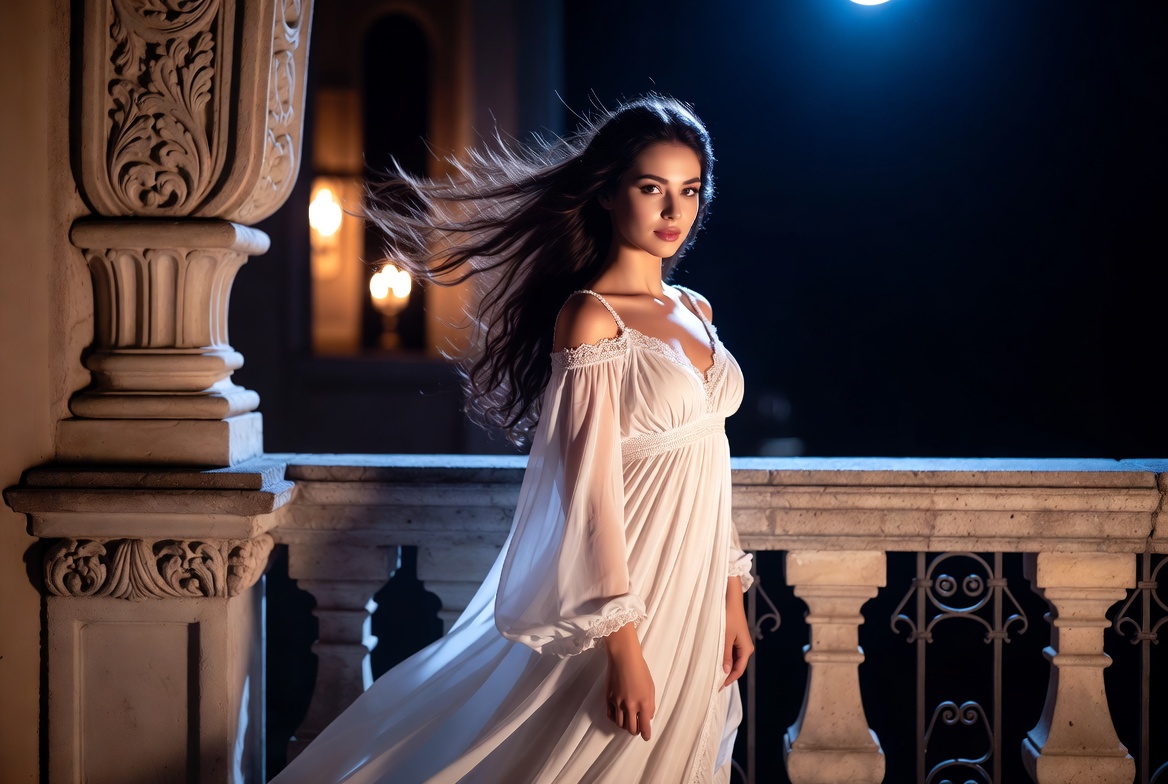
JULIET O Romeo, Romeo! wherefore art thou Romeo? Deny thy father and refuse thy name; Or, if thou wilt not, be but sworn my love, And I’ll no longer be a Capulet. ’Tis but thy name that is my enemy; Thou art thyself, though not a Montague. What’s Montague? it is nor hand, nor foot, Nor arm, nor face, nor any other part Belonging to a man. O, be some other name! What’s in a name? that which we call a rose By any other name would smell as sweet; So Romeo would, were he not Romeo call’d, Retain that dear perfection which he owes Without that title. Romeo, doff thy name, And for that name which is no part of thee Take all myself.
Modern Translation and Key Lines Explained
Juliet wrestles with the core conflict: “Wherefore art thou Romeo?” does not mean “Where are you, Romeo?” but “Why must you be Romeo [a Montague]?”
Her reasoning is logical and philosophical:
- A name is arbitrary, like a label. A rose would smell sweet regardless of its name.
- She offers to abandon her own Capulet identity if he swears his love.
This speech shows Juliet’s intelligence, maturity, and courage. At just 13, she challenges centuries of family hatred with reason and passion.
Deep Analysis: Themes and Literary Techniques
- Rhetorical Questions: Drive her internal debate.
- Logic and Philosophy: Anticipates Enlightenment ideas about identity and essence vs. accident.
- Feminist undertones: Juliet displays remarkable agency, proposing solutions and offering herself fully.
- Dramatic Irony: The audience knows Romeo is listening, heightening tension.
Key Themes Explored Through These Soliloquies
The soliloquy of Romeo and Juliet in the balcony scene functions as a thematic microcosm of the entire tragedy. Through these private outpourings, Shakespeare weaves several profound ideas that elevate a simple love story into a timeless exploration of the human condition.
Love Versus Family Loyalty and Societal Expectations At the heart of both speeches lies the brutal collision between personal passion and inherited hatred. Romeo idealizes Juliet as the sun, willing to reject the darkness of the feud. Juliet goes further, questioning the very foundation of that feud: a name. Her declaration, “What’s in a name? That which we call a rose / By any other name would smell as sweet,” remains one of Shakespeare’s most quoted lines because it challenges the arbitrary social constructs that divide people. The lovers are willing to renounce their families, yet the tragedy proves how difficult true renunciation is in a world defined by tribal conflict.
Light and Darkness Symbolism Romeo’s soliloquy is saturated with celestial imagery—sun, moon, stars, and daylight. Juliet embodies light that can transform night itself. This motif recurs throughout the play: their love is luminous but fragile, constantly threatened by the “dark” forces of hatred, misunderstanding, and fate. The balcony scene’s nocturnal setting reinforces this duality—the lovers find clarity and truth only under the cover of darkness, while daylight brings danger and separation.
Identity and Selfhood Juliet’s soliloquy presents a remarkably modern philosophical inquiry. She separates Romeo’s essential self from his Montague identity. This theme resonates powerfully today in discussions about labels, gender, race, religion, and inherited identities. Shakespeare suggests that true love sees beyond surface markers to the individual’s core perfection.
Youth, Impulsiveness, and the Nature of Passion Romeo’s speech is breathless and sensory. He moves rapidly from observation to fantasy (“O, that I were a glove upon that hand”). Juliet, though equally passionate, shows greater emotional control and foresight. Their youth fuels both the beauty and the doom of their love—intense, absolute, and unwilling to compromise with the adult world of calculated alliances and grudges.
Fate and Free Will Even in this moment of hope, subtle foreshadowing appears. Romeo’s invocation of celestial bodies hints at the astrological fatalism that runs through the play (“star-crossed lovers”). The soliloquies capture the tension between the characters’ belief that they can choose their destiny through love and the larger forces that will ultimately destroy them.
Literary Significance and Shakespeare’s Craftsmanship
The soliloquy of Romeo and Juliet stands as a masterclass in Shakespearean dramaturgy. Written around 1595, the play demonstrates the young playwright’s growing confidence in blending poetic beauty with psychological realism.
Shakespeare’s use of blank verse (unrhymed iambic pentameter) gives the speeches a natural yet elevated rhythm that mirrors thought processes. Romeo’s language is more ornate and Petrarchan, reflecting his bookish romanticism. Juliet’s is more direct and probing, signaling her sharper intellect. This linguistic contrast deepens character development within minutes of stage time.
The scene also showcases Shakespeare’s skill with dramatic irony. Romeo believes he is overhearing a private soliloquy, while the audience knows the lovers will soon interact. This layered awareness heightens emotional stakes. Furthermore, the balcony scene compresses multiple dramatic functions: it advances the central romance, deepens characterization, explores major themes, and foreshadows the tragic conclusion—all within roughly 200 lines.
Literary critics across centuries have praised this scene. Romantic-era readers saw it as the pinnacle of idealized love. Modern scholars often highlight its subversive elements—particularly Juliet’s intellectual agency in a patriarchal society. Feminist and queer interpretations have found rich material in the lovers’ willingness to redefine identity and reject traditional power structures.
Compared to other famous Shakespearean soliloquies, such as Hamlet’s “To be or not to be” (introspective and philosophical) or Macbeth’s “Tomorrow, and tomorrow, and tomorrow” (nihilistic), Romeo and Juliet’s speeches are uniquely hopeful yet tragically innocent. They capture love at its most radiant before experience and circumstance corrupt it.
Cultural Impact and Modern Relevance
Few scenes in literary history have influenced global culture as profoundly as the balcony scene. The image of a young woman on a balcony and her lover below has become shorthand for romantic yearning worldwide.
Theater and Film The scene features prominently in countless stage productions, from lavish Victorian spectacles to minimalist modern interpretations. Franco Zeffirelli’s 1968 film and Baz Luhrmann’s 1996 Romeo + Juliet brought the soliloquies to new generations, with Leonardo DiCaprio’s delivery of Romeo’s speech remaining iconic. West Side Story, The Lion King II, and countless Bollywood adaptations reinterpret the same balcony dynamics in new cultural contexts.
Popular Culture References appear in songs (Taylor Swift, Dire Straits), advertisements, cartoons (The Simpsons, South Park), and literature. The phrase “wherefore art thou Romeo” has entered everyday language, often misused humorously, yet testifying to the scene’s penetration into collective consciousness.
Contemporary Resonance In an age of social media, political polarization, and identity politics, Juliet’s question about names feels strikingly relevant. Young people still fall in love across cultural, religious, or political divides. The soliloquies speak to anyone who has ever felt that society’s labels obstruct genuine human connection. They also caution about the dangers of impulsive passion in a world that remains hostile to certain kinds of love.
For actors, these speeches offer exceptional training material. Romeo’s soliloquy demands breathless wonder and physical longing, while Juliet’s requires intellectual clarity combined with vulnerability. Directors often note that the scene’s success depends on making the audience believe the lovers are truly alone in their thoughts before the dialogue begins.
Common Misconceptions and FAQs
What does “Wherefore art thou Romeo” actually mean? “Wherefore” in Early Modern English means “why,” not “where.” Juliet is asking why Romeo must be a Montague—why fate has made their love so complicated.
Is the balcony scene purely soliloquy? No. It begins with Romeo’s soliloquy, transitions into Juliet’s soliloquy, and then becomes dialogue once Romeo reveals himself. This progression from private thought to shared intimacy is part of its dramatic brilliance.
Why does Romeo compare Juliet to the sun? The comparison emphasizes her transformative power. Just as the sun brings light and life to the world, Juliet brings illumination and hope to Romeo’s previously artificial affections for Rosaline.
How historically accurate is the balcony tradition? The original text mentions a window. The balcony was popularized in 18th- and 19th-century productions for practical and visual reasons. Both versions work effectively in performance.
Do these soliloquies contribute to the tragic ending? Yes. Their absolute commitment and secrecy set the pattern of impulsive, hidden actions that lead to miscommunication and catastrophe later in the play.
Which edition of Romeo and Juliet is best for studying these soliloquies? The Folger Shakespeare Library edition, Arden Shakespeare, or Oxford World’s Classics offer excellent notes. For modern readers, No Fear Shakespeare provides helpful parallel translations.
How long should these soliloquies take to perform? Romeo’s speech typically runs 1.5–2.5 minutes; Juliet’s around 1–2 minutes, depending on pacing and interpretation.
Expert Insights and Study Tips
As a student or performer, approach these texts actively. Read them aloud multiple times. Notice how the meter shifts with emotional intensity. For essay writing, consider comparing Romeo’s and Juliet’s use of imagery or examining how the soliloquies reflect Renaissance humanism.
Teachers can use the scene for engaging lessons on close reading, dramatic conventions, or thematic analysis. Encourage students to rewrite Juliet’s soliloquy in contemporary language to explore which ideas remain universal.
Actors should focus on objective and obstacle: Romeo’s objective is to connect with this light; his obstacle is the physical and social distance. Juliet’s objective is to resolve her internal conflict; her obstacle is the weight of family identity.
For deeper study, consult resources from the Folger Shakespeare Library, the British Library’s Shakespeare collections, or scholarly works by critics such as Stephen Greenblatt and Emma Smith.
The soliloquy of Romeo and Juliet in the balcony scene endures because it captures love in its purest, most vulnerable form—before time, misunderstanding, and hatred corrupt it. Shakespeare gives us not only some of the most beautiful poetry in the English language but also profound insights into identity, passion, and the courage required to defy societal barriers.
These speeches remind us that the greatest loves are often the most dangerous, and the most beautiful words are sometimes spoken in the dark. Whether you return to Romeo and Juliet as a student, a dreamer, a performer, or a lifelong lover of literature, the balcony scene offers fresh revelations with every reading.
We invite you to experience the play anew—read the full text, watch a quality production, or explore other Shakespearean masterpieces. The magic of these soliloquies lies not only in their historical importance but in their continued ability to illuminate our own hearts and conflicts.
What are your thoughts on the balcony scene? Which lines move you most? Share in the comments or explore our other in-depth Shakespeare analyses on this site.