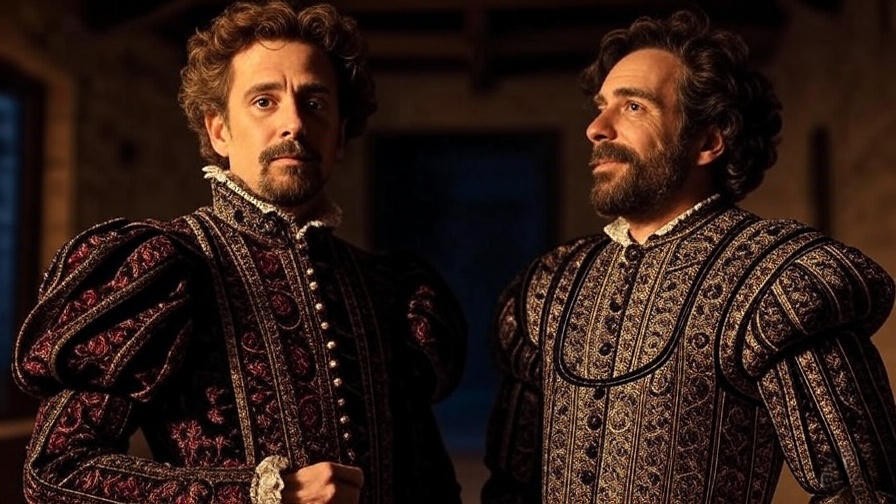
In William Shakespeare’s timeless tragedy Romeo and Juliet, few moments are as devastating as those in Act 3. What begins as the joyful aftermath of a secret marriage spirals into irreversible catastrophe, marking the play’s decisive shift from romantic hope to tragic inevitability. This summary of Act 3 of Romeo and Juliet explores the pivotal events that seal the lovers’ fate: the shocking deaths of Mercutio and Tybalt, Romeo’s banishment from Verona, and the escalating despair that follows. Often hailed as the true turning point of the play, Act 3 transforms the story from one of youthful passion into a relentless march toward doom, driven by feud, impulsivity, and cruel fortune.
As a dedicated explorer of Shakespeare’s works on William Shakespeare Insights, I’ve analyzed countless interpretations of this act—from scholarly commentaries and stage productions to classroom discussions—and consistently found Act 3 to be where the play’s tragic engine truly ignites. If you’re a student preparing for exams, a teacher crafting lessons, or simply a lover of literature seeking deeper understanding, this comprehensive guide provides scene-by-scene breakdowns, key quotes with modern explanations, thematic insights, character development, literary devices, historical context, study tips, and frequently asked questions to help you master this crucial section.
Why Act 3 Is the True Turning Point in Romeo and Juliet
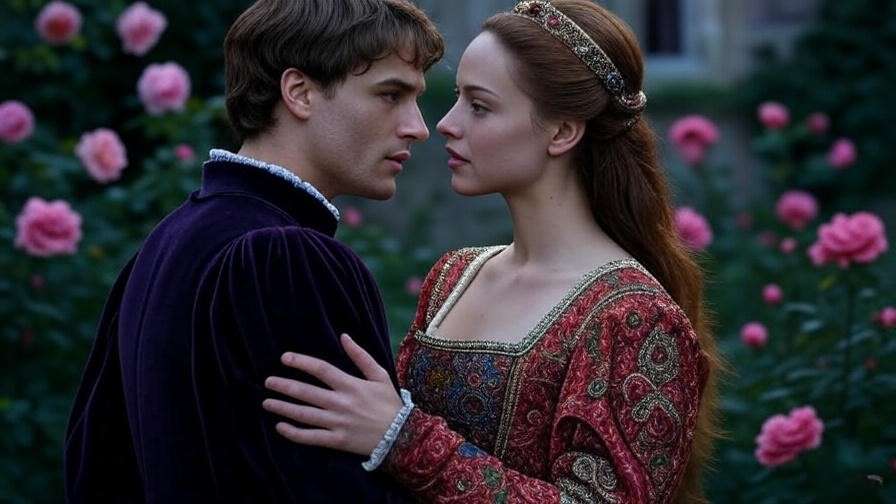
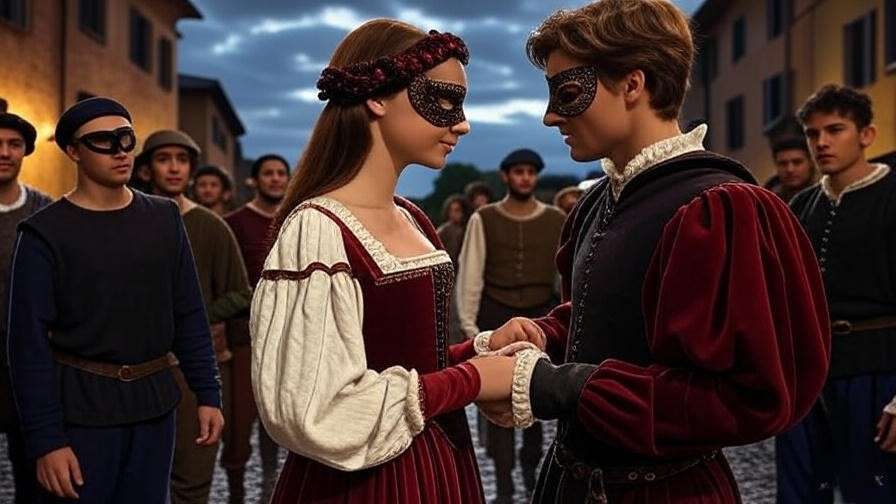
Acts 1 and 2 build romantic tension and comedic lightness: the masked ball, the balcony scene, and the secret wedding offer glimmers of hope that love might conquer the ancient grudge between Montagues and Capulets. Act 3 shatters this illusion in a single afternoon.
The act begins under the scorching Verona sun, symbolizing rising tempers, and ends with dawn’s cold light exposing harsh realities. Key catalysts include:
- Mercutio’s death, which removes the witty, cynical foil who balanced the lovers’ idealism
- Tybalt’s death, forcing Romeo into violence despite his new family ties through marriage
- Romeo’s banishment, physically separating the newlyweds and dashing hopes of reconciliation
- The accelerated marriage proposal to Paris, adding parental pressure and urgency to Juliet’s plight
Scholars frequently describe this act as the pivot where fate overtakes free will. Romeo’s impulsive revenge echoes the feud’s destructive cycle, proving that personal choices, however well-intentioned, cannot escape Verona’s toxic legacy. As literary critic Northrop Frye observed in his analysis of Shakespearean tragedy, Act 3 marks the moment “the wheel of fortune turns downward,” separating the lovers and propelling the tragedy toward its inevitable conclusion.
Scene-by-Scene Detailed Summary and Analysis
Act 3, Scene 1 – The Street Fight: Deaths of Mercutio and Tybalt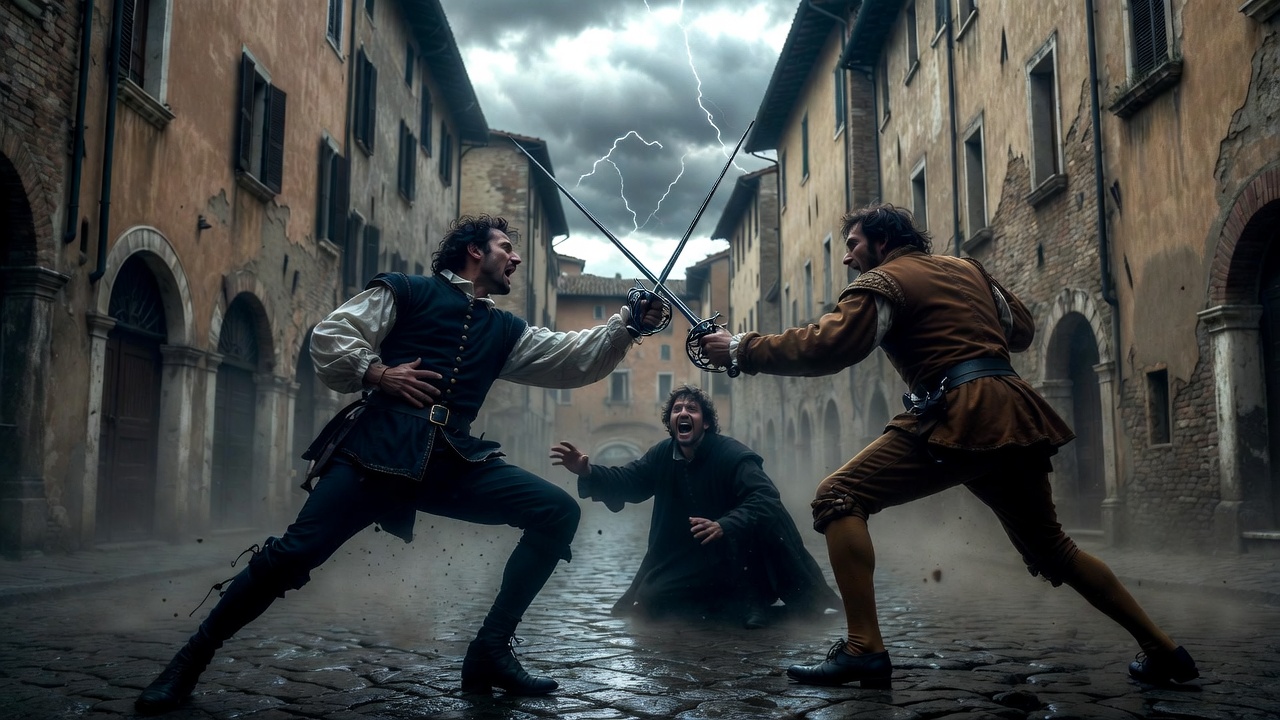
The act opens on a public street in Verona. Benvolio warns Mercutio that the hot weather is stirring “mad blood” and suggests they avoid trouble. Tybalt enters, seeking Romeo to avenge the Montague intrusion at the Capulet feast. When Romeo appears, he refuses to fight—now viewing Tybalt as kin through his secret marriage to Juliet—declaring: “I do protest I never injured thee, / But love thee better than thou canst devise” (3.1.67–68).
Mercutio, disgusted by what he sees as Romeo’s “vile submission,” draws his sword and engages Tybalt in combat. Romeo attempts to stop the duel, stepping between them, but Tybalt stabs Mercutio under Romeo’s arm. Mortally wounded, Mercutio maintains his characteristic wit to the end, cursing both houses: “A plague o’ both your houses!” (3.1.87, repeated twice for emphasis), and quipping, “Ask for me tomorrow, and you shall find me a grave man” (3.1.93–94).
Enraged and guilt-stricken (“This gentleman, the Prince’s near ally, / My very friend, hath got his mortal hurt / In my behalf” – 3.1.110–112), Romeo challenges Tybalt and kills him in a furious duel. Citizens and the Prince arrive; after hearing conflicting accounts, the Prince banishes Romeo from Verona on pain of death: “Immediately we do exile him hence” (3.1.186).
This scene is packed with dramatic irony and foreshadows the tragedy’s acceleration. Mercutio’s curse underscores the feud’s senselessness, while Romeo’s shift from peacemaker to killer demonstrates how love ironically fuels violence.
Act 3, Scene 2 – Juliet’s Chamber: Miscommunication and Emotional Turmoil
Juliet, alone in her chamber and unaware of the street fight, delivers one of the play’s most passionate soliloquies, eagerly anticipating her wedding night: “Gallop apace, you fiery-footed steeds, / Towards Phoebus’ lodging” (3.2.1–2). The Nurse enters in distress, lamenting Tybalt’s death and Romeo’s involvement. In her confusion, she initially makes Juliet believe Romeo is dead. Juliet’s grief explodes into curses against Romeo (“O serpent heart hid with a flowering face!” – 3.2.73), only to reverse course when the Nurse clarifies that Romeo lives but has killed Tybalt. Juliet then defends her husband fiercely: “Shall I speak ill of him that is my husband?” (3.2.97).
The scene ends with the Nurse promising to fetch Romeo from Friar Lawrence’s cell, and Juliet sending her wedding ring as a token of love.
This moment showcases Juliet’s rapid maturation—from naive anticipation to fierce loyalty amid conflicting family and marital allegiances. The dramatic irony (the audience knows the full sequence of events) intensifies her anguish.
Act 3, Scene 3 – Friar Lawrence’s Cell: Romeo’s Despair and Plan
Romeo hides in Friar Lawrence’s cell, consumed by despair over his banishment: “There is no world without Verona walls, / But purgatory, torture, hell itself” (3.3.17–18). The Friar rebukes his suicidal thoughts, reminding him he is fortunate to escape execution. The Nurse arrives with Juliet’s ring, which revives Romeo’s spirits.
Friar Lawrence devises a practical plan: Romeo will spend the wedding night with Juliet, then flee to Mantua at dawn and await news of pardon or reconciliation.
This scene contrasts Romeo’s emotional immaturity with the Friar’s calm reason, portraying banishment as a “living death” worse than execution for the passionate young lover.
Act 3, Scene 4 – Capulet’s House: The Marriage Plot Thickens
Paris visits Lord Capulet to discuss wedding arrangements. Misinterpreting Juliet’s grief as mourning for Tybalt, Capulet impulsively advances the wedding to Thursday (only two days away). Lady Capulet supports the decision.
The dramatic irony is excruciating: the audience knows Juliet is already married to Romeo, making the Capulets’ authoritarian decision tragically misguided.
Act 3, Scene 5 – Juliet’s Chamber: The Lovers’ Farewell and Family Betrayal
Romeo and Juliet share a tender, bittersweet farewell at dawn. They debate whether the bird they hear is a nightingale (symbolizing night and continued safety) or a lark (heralding day and separation): “It was the nightingale, and not the lark” (3.5.2). Romeo eventually departs for Mantua.
Lady Capulet enters and announces the marriage to Paris. Juliet refuses outright. Lord Capulet explodes in rage, calling her a “disobedient wretch” and threatening to disown her: “Hang thee, young baggage! Disobedient wretch!” (3.5.160). Lady Capulet washes her hands of her daughter, and the Nurse—previously Juliet’s confidante—pragmatically advises her to marry Paris: “Romeo’s a dishclout to him” (3.5.219).
Completely isolated, Juliet resolves to seek Friar Lawrence’s counsel, declaring, “If all else fail, myself have power to die” (3.5.242).
This scene masterfully blends poetic romance with brutal family realism, highlighting Juliet’s growing independence and the devastating betrayal by those closest to her.
Major Themes in Act 3
- Fate and Fortune — Romeo’s lament, “O, I am fortune’s fool!” (3.1.135), encapsulates how chance and the stars conspire against the lovers.
- Love vs. Hate / The Feud — The ancient grudge poisons even the purest affection.
- Impulsivity and Consequences — Romeo’s revenge killing accelerates the tragedy.
- Gender Roles and Honor — Masculine codes of honor force violence; Juliet challenges patriarchal obedience.
- Light and Dark Imagery — Night provides safety and intimacy for the lovers; day brings danger, separation, and harsh reality.
Key Characters and Their Development in Act 3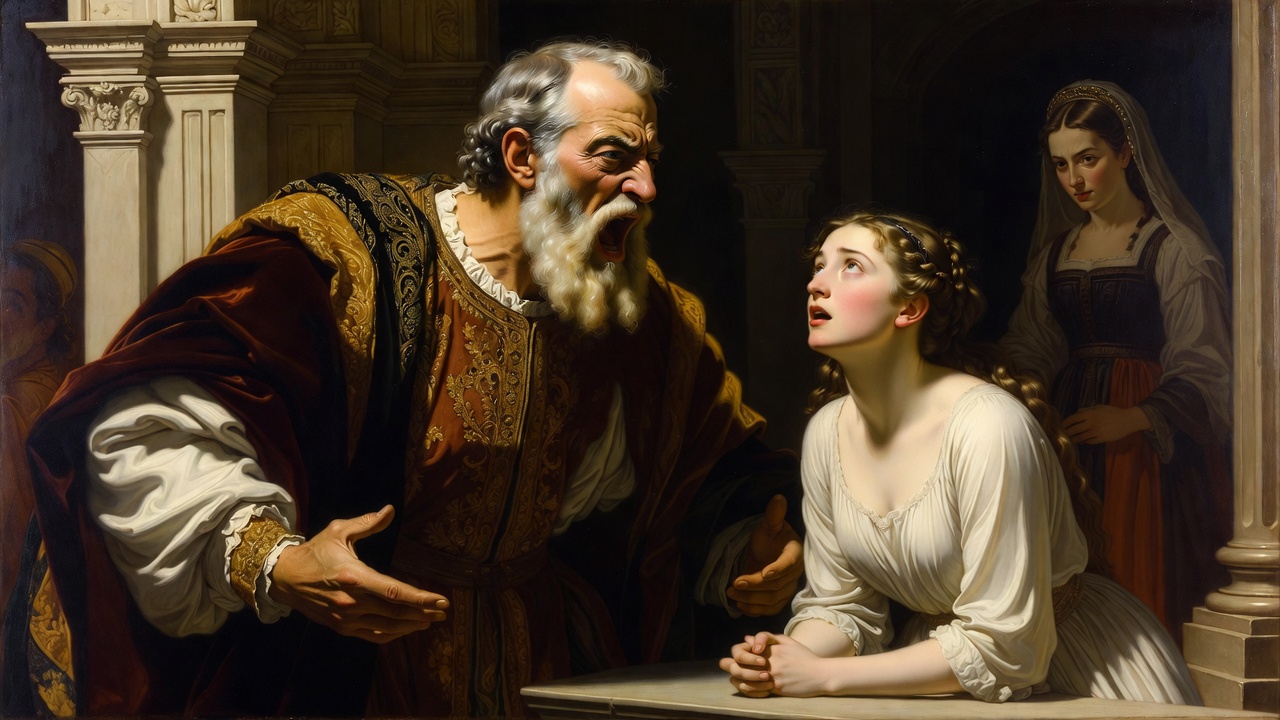
- Romeo — Transitions from peacemaker to avenger, exposing his emotional immaturity.
- Juliet — Evolves from dreamy romantic to resolute wife confronting betrayal and isolation.
- Mercutio — His death removes the play’s comic relief and shifts the tone permanently to tragedy.
- Tybalt — Serves as the aggressive catalyst whose actions ignite chaos.
- Friar Lawrence — Acts as the voice of reason, though his plans begin to falter.
- Nurse — Shifts from supportive confidante to pragmatic betrayer.
- Lord and Lady Capulet — Reveal authoritarian control and lack of empathy.
Important Literary Devices and Language in Act 3
Shakespeare employs:
- Oxymorons and paradoxes (Juliet’s “beautiful tyrant, fiend angelical”)
- Foreshadowing (Mercutio’s curse, Romeo’s banishment)
- Dramatic irony (throughout every scene)
- Soliloquies and asides to reveal inner conflict
- Extended metaphors of light/dark and day/night
Study Tips and Essay Insights for Act 3
- Quote Usage — Always embed quotes smoothly and explain their significance. Example: Romeo’s “O, I am fortune’s fool!” illustrates the theme of fate overriding human agency.
- Common Essay Questions
- “How does Act 3 mark the turning point in Romeo and Juliet?”
- “Discuss the role of impulsivity in Act 3.”
- “Analyze Juliet’s development from Act 2 to Act 3.”
- “To what extent is Mercutio responsible for the tragedy?”
- Revision Checklist
- Memorize 5–7 key quotes per scene
- Track major themes and literary devices
- Compare film adaptations (Zeffirelli’s 1968 realistic duel vs. Luhrmann’s 1996 modern guns)
- Essay Structure Tip — Use PEE (Point, Evidence, Explanation) paragraphs for strong analysis.
Frequently Asked Questions (FAQs)
What happens in Act 3 of Romeo and Juliet? Act 3 is the turning point: Mercutio and Tybalt die in a street fight, Romeo is banished, the lovers spend one final night together, and Juliet’s parents force a marriage to Paris, leaving her isolated and desperate.
Who dies in Act 3 of Romeo and Juliet? Mercutio (killed by Tybalt) and Tybalt (killed by Romeo).
Why is Romeo banished instead of executed? The Prince shows mercy because Tybalt started the fight and killed Mercutio (the Prince’s kinsman), and Romeo was avenging his friend.
What is the significance of Mercutio’s curse “A plague o’ both your houses”? It condemns the senseless feud that destroys innocent lives, serving as a prophetic warning of the tragedy to come.
How does Juliet react to the news of Romeo killing Tybalt? She briefly curses Romeo, then reaffirms her loyalty to her husband, showing her growing maturity.
Why does the Nurse betray Juliet? Faced with Capulet’s rage, she pragmatically advises Juliet to marry Paris for security, prioritizing practicality over loyalty.
What does the nightingale/lark debate symbolize? It represents the lovers’ desperate wish to delay separation—night (nightingale) means safety and love; day (lark) means danger and parting.
How does Act 3 change the tone of the play? It shifts permanently from romantic comedy to unrelenting tragedy by removing hope and comic characters.
Act 3 of Romeo and Juliet is the fulcrum on which the entire tragedy turns. The deaths of Mercutio and Tybalt, Romeo’s banishment, and the Capulets’ ruthless pressure on Juliet create an unstoppable momentum toward catastrophe. After this act, no amount of love, reason, or good intention can halt the march to the tomb. Shakespeare masterfully shows how passion, honor, and fate collide to destroy the innocent.
If you’re studying the play, revisiting Act 3 with this detailed guide will deepen your appreciation of its emotional intensity and structural brilliance. For more Shakespeare insights, explore our other guides on character arcs, key themes across the full play, or comparisons to modern adaptations.