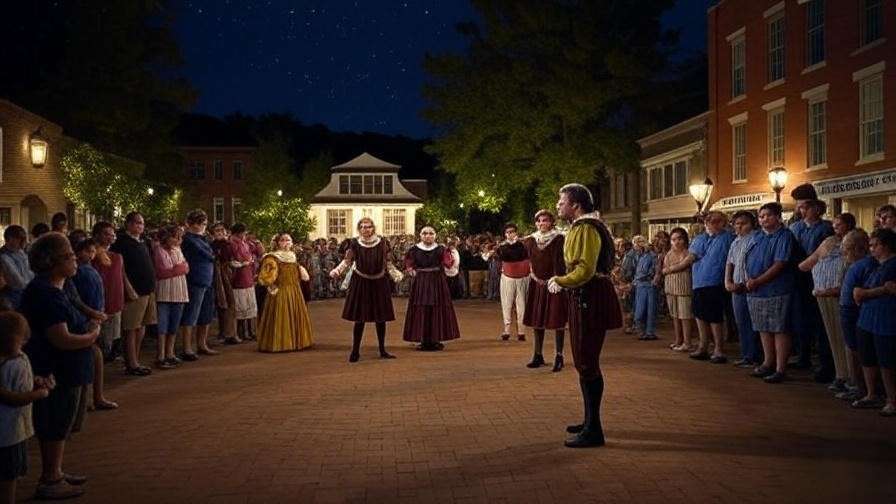
In the dim light of the Globe Theatre in 1601, a gravedigger casually tosses a skull into the air while Prince Hamlet utters the immortal line, “Alas, poor Yorick!” This single moment delivers an emotional gut-punch that still resonates with audiences today. The symbols in Hamlet are not mere decorative flourishes—they function as Shakespeare’s dramatic X-ray, exposing the moral rot, psychological torment, and existential dread at the heart of the play.
If you’ve searched for “symbols in Hamlet,” you’re likely a student, teacher, theater enthusiast, or lifelong reader looking for more than a bullet-point list. You want clear, scene-by-scene meanings, historical context, scholarly insights, and practical takeaways that help you write stronger essays, stage more compelling productions, or simply appreciate why this 400-year-old tragedy feels urgently modern. This comprehensive guide delivers exactly that. Drawing on the First Folio, Arden Shakespeare editions, and major critical voices such as Harold Bloom and Stephen Greenblatt, we will unpack the play’s most potent symbols and show how they interconnect to illuminate its darkest themes: revenge, madness, corruption, and the inescapable reality of death.
By the end, you will possess a deeper, more nuanced understanding that goes far beyond SparkNotes or LitCharts summaries. Let’s begin.
The Role of Symbolism in Shakespeare’s Hamlet
Symbolism vs. Motifs vs. Imagery: Clear Definitions with Hamlet Examples
Shakespeare rarely explains his symbols outright. Instead, he lets objects, actions, and recurring images speak for themselves. A symbol in Hamlet is a concrete thing (a skull, a flower, a ghost) that stands for an abstract idea. A motif is a repeated pattern—such as disease or performance—while imagery creates sensory pictures that reinforce those symbols.
In Hamlet, these elements work together like threads in a tapestry. The skull symbolizes mortality, the motif of “rottenness” echoes through gardens and poisoned ears, and the imagery of black clothing isolates the grieving prince. Understanding this distinction is the first step to mastering Hamlet symbolism.
Why Shakespeare Relied on Symbolism in Elizabethan Theater
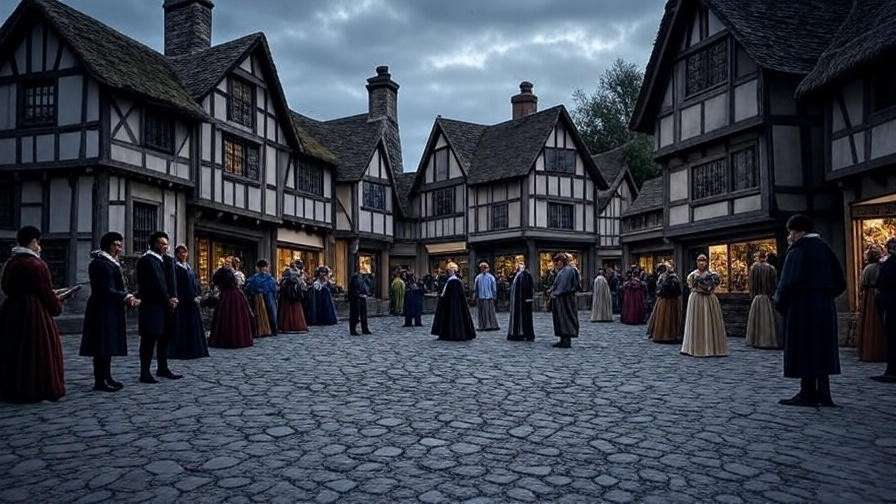
The Globe stage was bare—no elaborate sets, limited lighting, and a diverse audience ranging from groundlings to nobility. Symbols bridged the gap. They bypassed censorship (direct political commentary on kingship was dangerous) and spoke directly to an audience that was largely illiterate yet visually sophisticated. A single prop or costume change could convey volumes.
How Symbols Drive Plot and Character
Every major symbol in Hamlet advances the action while revealing character psychology. The Ghost launches the revenge plot; Yorick’s skull forces Hamlet to confront his own mortality; Ophelia’s flowers expose the consequences of patriarchal control. Far from static, these symbols evolve, mirroring the characters’ inner turmoil and the play’s descent into chaos.
Yorick’s Skull: Mortality, Equality, and Existential Dread
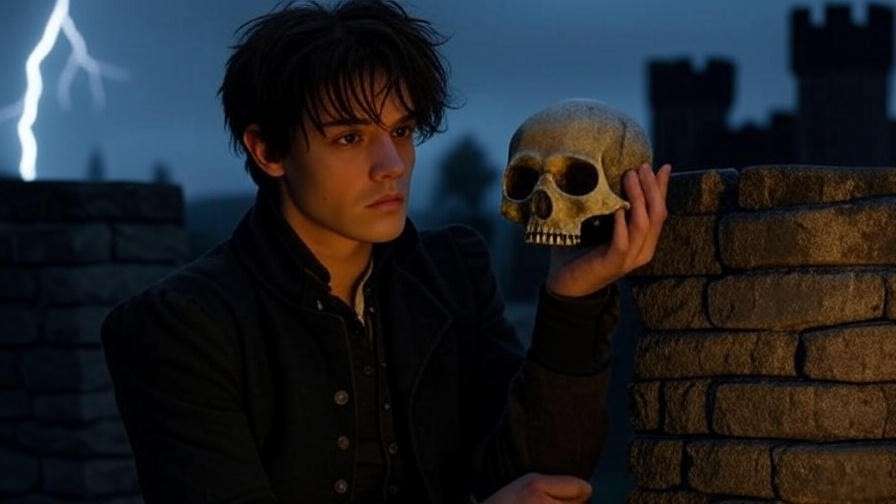
No symbol in Hamlet is more iconic—or more devastating—than the skull of Yorick, the late king’s jester. In Act 5, Scene 1, Hamlet stands in the graveyard with his friend Horatio and the gravediggers, holding the skull and reflecting on the man who once carried him on his back as a child.
Scene Context and Key Quotes
The scene opens with two gravediggers debating whether Ophelia deserves a Christian burial after her apparent suicide. Their macabre humor sets the tone. When Hamlet enters, he picks up a skull and asks, “Whose was it?” The gravedigger replies it belonged to Yorick, “a fellow of infinite jest.” Hamlet’s response is one of the most quoted passages in English literature:
“Alas, poor Yorick! I knew him, Horatio: a fellow of infinite jest, of most excellent fancy… Where be your gibes now? Your gambols? Your songs? Your flashes of merriment that were wont to set the table on a roar?”
Literal and Symbolic Layers
On the surface, the skull is a memento mori—a physical reminder that all humans must die. But Shakespeare layers it with deeper meaning. Yorick was a court entertainer, full of life and wit. Now he is reduced to “chapless” bone, indistinguishable from the skull of a lawyer or a politician that Hamlet also examines. The symbol levels social hierarchy: kings, clowns, and commoners all end up the same.
Thematic Revelations
This moment crystallizes the play’s darkest theme—the futility of ambition and revenge. Hamlet has spent four acts plotting against Claudius, yet here he realizes that death renders all schemes meaningless. The skull also foreshadows Hamlet’s own death just minutes later in the play. By confronting Yorick’s remains, Hamlet moves from intellectual paralysis to a kind of grim acceptance, preparing him for the final duel.
Historical Context: Tudor Skull Imagery and the Dance of Death
Elizabethan audiences would have instantly recognized the skull as part of the medieval “Dance of Death” tradition, in which skeletons lead people of all ranks to the grave. Holbein’s famous woodcuts and church wall paintings popularized this imagery. Shakespeare transforms a familiar visual trope into something intensely personal and philosophical, making Yorick’s skull one of the most powerful symbols in Hamlet.
The Ghost of King Hamlet: Unresolved Guilt and the Supernatural Catalyst
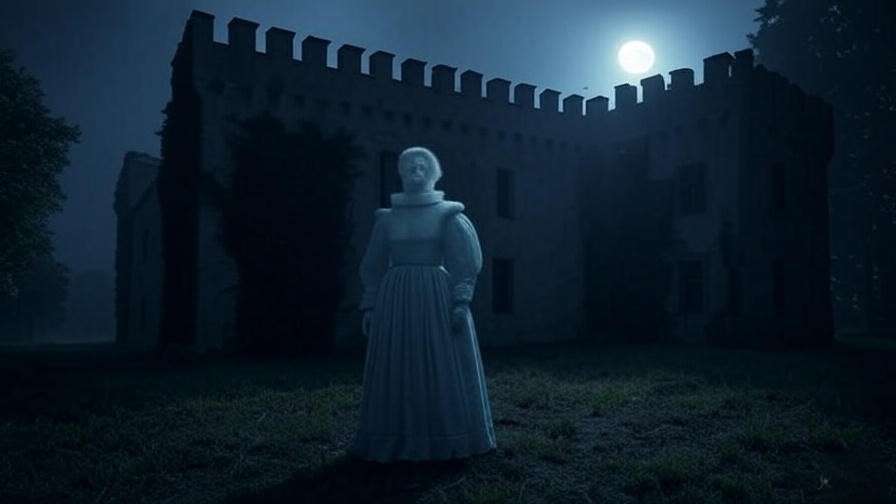
If Yorick’s skull represents the finality of death, the Ghost embodies its terrifying refusal to stay buried. Appearing in full armor on the battlements of Elsinore in the dead of night, the Ghost of King Hamlet is the play’s most powerful supernatural symbol and the engine that drives the entire revenge tragedy.
Appearances and Dramatic Function
The Ghost appears three times in Act 1, then once more in Act 3 during the closet scene with Gertrude. Each appearance is carefully staged: it is visible to the sentinels and Horatio in the opening scenes but becomes invisible (or silent) to Gertrude later. This selective visibility raises immediate questions about perception and reality.
In his second appearance, the Ghost delivers the devastating revelation:
“If thou didst ever thy dear father love… Revenge his foul and most unnatural murder.”
The command sets Hamlet on a collision course with moral and psychological destruction.
Symbolic Meanings: Memory, Revenge, and Religious Tension
The Ghost functions on multiple symbolic levels. Most obviously, it represents unresolved guilt and the demand for justice. It is the literal embodiment of the past that refuses to remain silent. Yet Shakespeare complicates this symbol by placing it within the religious controversies of his time.
In Catholic doctrine, ghosts could return from Purgatory to request prayers or restitution. In Protestant England (where the play was written and performed), Purgatory was officially rejected, and such apparitions were often viewed as demons in disguise. Stephen Greenblatt’s seminal study Hamlet in Purgatory brilliantly explores how Shakespeare exploits this doctrinal uncertainty. The Ghost is therefore both a paternal figure seeking justice and a potentially demonic tempter leading Hamlet toward damnation.
Link to the Play’s Darkest Themes
The Ghost crystallizes the dangers of delayed action and corrosive revenge. Hamlet’s hesitation is not mere cowardice; it stems from a deep fear that the Ghost may be a “goblin damn’d” sent to abuse him. This uncertainty paralyzes the prince and allows corruption to spread throughout the court. The Ghost also introduces the theme of appearance versus reality—nothing in Denmark is what it seems, not even the spirit of a murdered king.
Critical Debate: Real Spirit or Hallucination?
Scholars remain divided. Psychoanalytic critics (following Freud and Ernest Jones) read the Ghost as a projection of Hamlet’s own Oedipal desires and guilt. New Historicists see it as a reflection of Elizabethan anxieties about the afterlife and monarchical succession. Regardless of interpretation, the Ghost remains one of the most ambiguous and haunting symbols in Hamlet, forcing both character and audience to question the boundary between this world and the next.
Key Takeaway Box
- The Ghost = catalyst for revenge and symbol of unresolved guilt.
- Embodies religious and moral uncertainty of the age.
- Perfect for essays comparing Hamlet to other revenge tragedies (e.g., The Spanish Tragedy).
Ophelia’s Flowers: Innocence Lost, Madness, and Feminine Tragedy
One of the most visually arresting and symbolically rich scenes in the play is Ophelia’s mad distribution of flowers in Act 4, Scene 5. Surrounded by the court, the young woman who once represented purity now hands out herbs and flowers while singing fragmented songs. This moment is heartbreaking precisely because every flower carries layered Elizabethan meaning.
The Mad Scene: Flower-by-Flower Breakdown
Shakespeare’s audience would have instantly understood the symbolic language of flowers, known as floriography:
- Rosemary – “That’s for remembrance.” Given to Laertes, it reminds him of their dead father Polonius.
- Pansies – “That’s for thoughts.” A bitter gift to the king and queen, suggesting they should think on their crimes.
- Fennel and Columbine – Symbols of flattery and foolishness, directed at the king.
- Rue – The herb of regret and sorrow, kept by Ophelia for herself and offered to the queen (“we may call it herb of grace o’ Sundays”).
- Daisy – Often associated with innocence or dissembling; its absence in Ophelia’s distribution is telling.
- Violets – Symbols of faithfulness; Ophelia notes they “withered all” when her father died.
Symbolism of Decay and Patriarchy
Ophelia’s flowers are both beautiful and funereal. They transform her from a passive maiden into a tragic prophetess who exposes the moral decay of the court. At the same time, they symbolize the destruction of feminine innocence under patriarchal pressure. Ophelia has been used as a pawn by Polonius, Claudius, and even Hamlet. Her madness and subsequent death by drowning represent the silencing of the female voice in a world dominated by male revenge.
The flowers also link to the broader motif of corrupted nature. Just as Denmark is a “weedy” garden, Ophelia’s once-vibrant beauty is cut down and offered as funeral tributes.
Connection to Broader Themes
Ophelia’s flowers deepen two central themes: real versus performed madness and the consequences of repressed emotion. While Hamlet’s “antic disposition” is strategic, Ophelia’s madness appears genuine and devastating. Her floral language becomes a coded protest against the lies and manipulations surrounding her. Feminist critics have long highlighted how Ophelia’s symbolic language gives her a subversive power that her sane speech never possessed.
Key Takeaway Box
- Ophelia’s flowers = lost innocence, remembrance, and grief.
- Reveal the destructive impact of court politics on the vulnerable.
- Excellent material for gender-focused or psychoanalytic readings of the play.
Hamlet’s “Inky Cloak” and Visual Symbols of Grief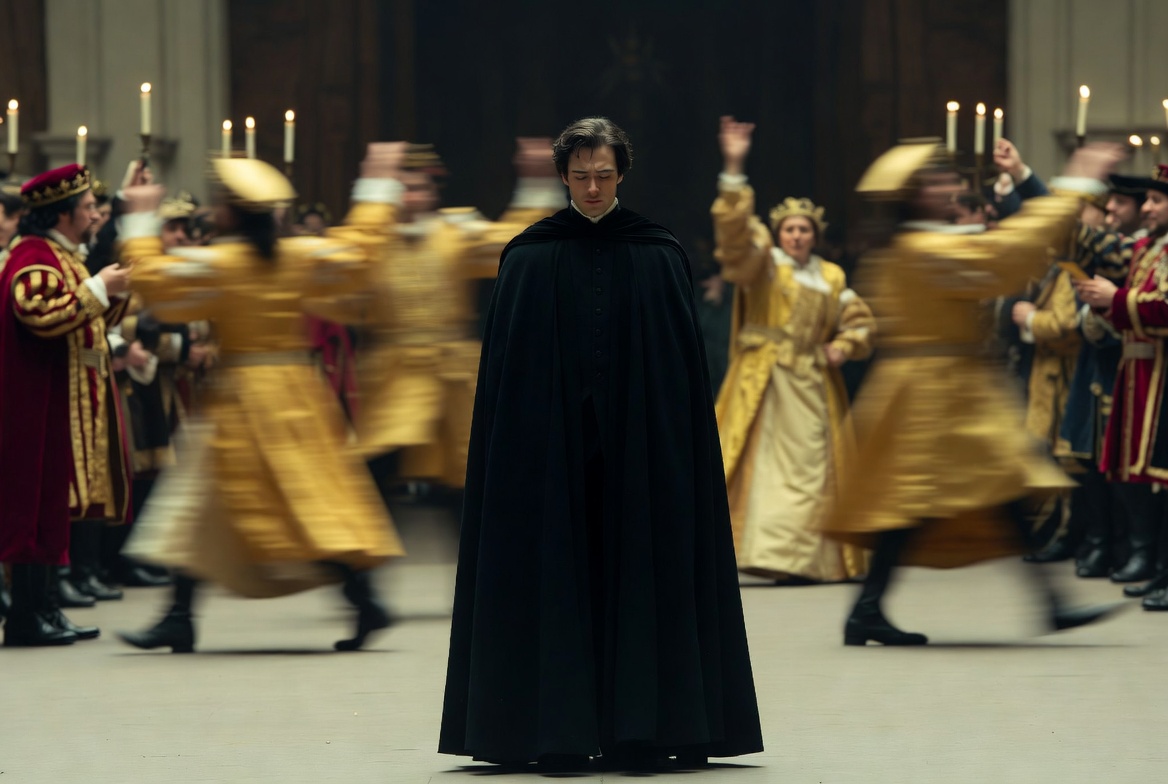
In the second scene of the play, Hamlet appears dressed in solemn black while the rest of the court celebrates the new king’s marriage. His “inky cloak,” “customary suits of solemn black,” and “fruitful river in the eye” immediately set him apart as the only figure still mourning the old king.
Textual Evidence and Court Reaction
Gertrude and Claudius both urge Hamlet to cast off his “nighted colour” and accept the new political reality. Hamlet’s reply is scathing:
“’Tis not alone my inky cloak, good mother… But I have that within which passeth show— These but the trappings and the suits of woe.”
Symbolism of Color and Costume
The black clothing operates on several levels. Literally, it signals deep mourning. Symbolically, it represents Hamlet’s internal isolation and resistance to the corrupt new order. While the court wears festive colors, Hamlet’s somber attire becomes an outward manifestation of his inner truth. It also foreshadows the play’s exploration of appearance versus reality—his clothes show genuine grief, yet he will soon adopt the “antic disposition” of madness.
As the play progresses, changes in Hamlet’s costume (or descriptions of his disheveled appearance) mirror his psychological descent and eventual resolution. The visual symbol of mourning thus becomes a dynamic marker of character development.
Poison, Gardens, and the “Rotten” State of Denmark
The most pervasive and thematically rich cluster of symbols in Hamlet revolves around poison, corrupted gardens, disease, and decay. These images do not merely decorate the text—they diagnose the moral and political sickness at the heart of Elsinore.
The Poisoned Ear: Literal Murder and Metaphorical Corruption
The Ghost’s description of his murder is one of the most horrifying passages in Shakespeare:
“Upon my secure hour thy uncle stole, With juice of cursed hebenon in a vial, And in the porches of my ears did pour The leperous distilment…”
Claudius’s act of pouring poison into the sleeping king’s ear is both a literal method of assassination and a powerful symbol. Poison represents treachery that spreads silently and invisibly. Just as the toxin corrupts the body from within, Claudius’s crime infects the entire kingdom. The ear itself becomes symbolic: Denmark is a body politic where lies, rumors, and eavesdropping spread corruption faster than any physical disease.
Recurring Imagery of Weeds, Disease, and Decay
From the opening lines, Denmark is described as diseased. Marcellus famously declares, “Something is rotten in the state of Denmark.” This single line encapsulates the central metaphor. Gardens that should be ordered and fruitful are overrun with “unweeded” weeds. Hamlet laments:
“’Tis an unweeded garden That grows to seed; things rank and gross in nature Possess it merely.”
Later, the imagery intensifies with references to ulcers, cancers, and infection. Claudius’s court is a “mildewed ear” blasting the wholesome grain. These symbols transform Denmark from a mere setting into a living, decaying organism whose sickness mirrors the moral corruption of its ruler.
Ears and Hearing Motif: Overhearing, Eavesdropping, and the Spread of Lies
The poisoned ear motif expands into a broader pattern of corrupted communication. Polonius spies on Hamlet, Rosencrantz and Guildenstern are sent to “pluck out the heart” of his mystery, and the entire court engages in relentless eavesdropping. Ears become sites of both literal and figurative poisoning—truth is distorted, secrets are weaponized, and genuine dialogue dies.
Political and Moral Corruption Theme
Collectively, these symbols portray Denmark as a diseased body politic. A corrupt king infects the entire state, much like a poisoned king infects the realm. The garden and disease imagery reinforce the Renaissance belief in the correspondence between the microcosm (individual) and macrocosm (kingdom). When the head is rotten, the body follows. Hamlet’s task is not simply personal revenge but the purgation of this systemic corruption—an almost impossible burden that ultimately destroys him.
Key Takeaway Box
- Poison + garden/weed imagery = silent moral and political corruption.
- “Something is rotten in the state of Denmark” serves as the thematic heartbeat of the play.
- These symbols link personal sin to national decay, making Hamlet profoundly political as well as psychological.
The Mousetrap (Play-within-a-Play): Art as Mirror and Weapon of Truth
In Act 3, Scene 2, Hamlet stages The Murder of Gonzago, which he renames “The Mousetrap.” This meta-theatrical device is one of Shakespeare’s most brilliant uses of symbolism and one of the clearest examples of art as both mirror and weapon.
Dramatic Purpose and Hamlet’s Instructions to the Players
Hamlet carefully instructs the players: “The play’s the thing / Wherein I’ll catch the conscience of the king.” By reenacting the poisoning of a king by his brother, Hamlet forces Claudius to confront his own guilt. The play-within-a-play becomes a symbolic trap designed to expose hidden truth.
Symbolism of Theater and Metadrama
The Mousetrap elevates the theme of appearance versus reality to a new level. Life itself becomes a performance: Claudius wears the mask of a righteous king, Hamlet adopts the “antic disposition,” and the entire court participates in a web of deception. By staging a play that mirrors reality too closely, Hamlet turns theater into a tool of justice and psychological torture.
When Claudius rises and calls for light, his reaction confirms the Ghost’s accusation. The Mousetrap thus functions as a symbolic trial in which art achieves what direct confrontation cannot.
Revelation of Claudius’s Conscience and Hamlet’s Strategy
This scene marks a turning point. For the first time, Hamlet receives external validation of the Ghost’s story. Yet even here, symbolism complicates the moment—Hamlet interprets Claudius’s reaction as proof while simultaneously questioning his own motives. The play-within-a-play reminds us that in Hamlet, truth is always mediated through layers of performance and interpretation.
Key Takeaway Box
- The Mousetrap = art as a mirror that exposes guilt and a weapon that traps conscience.
- Reinforces the central theme that “all the world’s a stage” and nothing is as it appears.
- Excellent example for essays on metadrama or the power of art in Shakespeare.
How These Symbols Interconnect to Reveal Hamlet’s Darkest Themes
The true power of symbols in Hamlet lies in their intricate web of connections. No symbol exists in isolation; each reinforces and deepens the others, creating a unified vision of existential and moral horror.
Revenge and the Paralysis of Action
The Ghost demands revenge, yet every symbol Hamlet encounters undermines that imperative. Yorick’s skull reveals death’s leveling power, poison shows how revenge itself corrupts, and the Mousetrap demonstrates that certainty is elusive. Hamlet’s famous delay is not weakness but a philosophical response to a world where symbols constantly question the value of violent action.
Feigned vs. Genuine Madness
Hamlet’s performed madness contrasts sharply with Ophelia’s real descent. His black clothing and “antic disposition” are deliberate symbols of resistance, while Ophelia’s flowers and drowning represent the authentic psychological cost of the court’s corruption. The interplay highlights how madness—whether strategic or genuine—becomes a survival mechanism in a rotten state.
Appearance vs. Reality (“The play’s the thing”)
Almost every symbol interrogates this core dichotomy. The Ghost may be real or demonic. Hamlet’s grief may be genuine or exaggerated. Claudius’s court appears healthy but is poisoned at the core. The Mousetrap and the play’s metatheatrical elements remind us that truth emerges only through carefully constructed illusions.
Mortality and the Inevitability of Death
From the Ghost’s return to Yorick’s skull and Ophelia’s grave, mortality looms over every symbol. Death is not the end of the story but its constant companion, rendering human ambition, revenge, and political maneuvering ultimately futile. In the final act, as bodies pile up, the symbols converge to affirm that “the rest is silence.”
Summary Table: Major Symbols in Hamlet
| Symbol | Key Scene(s) | Primary Meaning | Linked Theme(s) | Famous Quote |
|---|---|---|---|---|
| Yorick’s Skull | 5.1 | Mortality, equality in death | Futility of ambition, existential dread | “Alas, poor Yorick!” |
| The Ghost | 1.1–1.5, 3.4 | Unresolved guilt, revenge, supernatural uncertainty | Appearance vs. reality, moral paralysis | “Revenge his foul and most unnatural murder” |
| Ophelia’s Flowers | 4.5 | Lost innocence, grief, remembrance | Madness, patriarchy, corrupted nature | “There’s rosemary, that’s for remembrance” |
| Hamlet’s Inky Cloak | 1.2 | Genuine grief and isolation | Appearance vs. reality, resistance | “But I have that within which passeth show” |
| Poison & Rotten Garden | Throughout | Moral and political corruption | Disease of the body politic | “Something is rotten in the state of Denmark” |
| The Mousetrap | 3.2 | Art as mirror and weapon of truth | Metadrama, exposure of guilt | “The play’s the thing…” |
This table serves as a quick reference for students and teachers while illustrating the interconnected nature of Hamlet symbolism.
Scholarly Perspectives and Enduring Critical Insights
Over four centuries, critics have mined these symbols for insight. Harold Bloom famously called Hamlet “the most aware character in all of literature,” arguing that the skull scene represents the prince’s confrontation with his own mortality and the limits of consciousness. Stephen Greenblatt’s work on the Ghost highlights how Shakespeare navigates Reformation religious tensions. Feminist scholars such as Elaine Showalter have illuminated Ophelia’s flowers as a powerful expression of silenced female subjectivity.
New Historicist readings emphasize how garden and disease imagery reflect anxieties about the aging Queen Elizabeth and the uncertain succession. Psychoanalytic approaches see the symbols as manifestations of repressed guilt, Oedipal conflict, and the death drive. What unites these perspectives is the recognition that the symbols in Hamlet are inexhaustible—they continue to generate new meanings for each generation.
Why the Symbols in Hamlet Still Matter Today
In an age of political corruption, mental health struggles, and digital performance (where everyone curates their own “antic disposition” on social media), Hamlet’s symbols feel strikingly contemporary. The poisoned ear resonates in an era of misinformation and “fake news.” Ophelia’s flowers speak to ongoing conversations about gender, agency, and mental breakdown. Yorick’s skull confronts us with mortality in a culture obsessed with youth and achievement.
These symbols offer readers practical wisdom: the courage to question appearances, the necessity of genuine grief, and the recognition that revenge and corruption ultimately destroy the avenger as much as the target. For students writing essays, actors preparing roles, or anyone seeking deeper literary insight, mastering these symbols transforms Hamlet from a distant classic into a mirror for our own troubled times.
The symbols in Hamlet—skulls, ghosts, flowers, poison, and plays-within-plays—work together as Shakespeare’s most sophisticated dramatic machinery. They do not merely illustrate themes; they embody the play’s darkest truths about revenge, madness, corruption, and mortality. By engaging with these symbols, we move beyond plot summary to a profound appreciation of why Hamlet remains the towering achievement of English literature.
Return to the text with fresh eyes. Notice how every prop, every costume, every recurring image deepens the psychological and philosophical stakes. The rest, as Hamlet says, may be silence—but the symbols continue to speak across centuries.
Further Reading on Our Site:
- Complete Themes in Hamlet: Revenge, Madness, and Mortality
- Ophelia Character Analysis: Victim or Tragic Heroine?
- Shakespeare’s Use of Metadrama Across the Canon
Frequently Asked Questions (FAQ)
What is the most important symbol in Hamlet? While opinions vary, Yorick’s skull and the Ghost are often considered the most iconic. The skull confronts mortality directly, while the Ghost initiates the entire revenge plot. Their combined power drives the play’s exploration of death and justice.
What do Ophelia’s flowers represent? Each flower carries specific Elizabethan symbolism related to remembrance, regret, innocence, and grief. Collectively, they represent lost purity, genuine madness, and a coded protest against the patriarchal court that has destroyed her.
Why does Hamlet wear black? His “inky cloak” symbolizes authentic mourning and deliberate isolation from the hypocritical, celebratory court. It highlights the contrast between genuine emotion and political performance.
How does the Ghost symbolize revenge? The Ghost is the literal embodiment of the demand for revenge and the guilt that refuses to die. Its ambiguous nature also raises questions about the morality and consequences of vengeance.
What does “something is rotten in the state of Denmark” mean? This line uses disease and decay imagery to indicate deep moral and political corruption originating from Claudius’s murder and usurpation. The entire kingdom suffers from the “poison” at its head.
How do symbols in Hamlet differ from those in Macbeth or King Lear? Hamlet’s symbols are more introspective and philosophical, focusing on individual consciousness and existential questions. Macbeth emphasizes blood and supernatural prophecy, while King Lear uses storm and blindness imagery to explore cosmic injustice and filial betrayal.