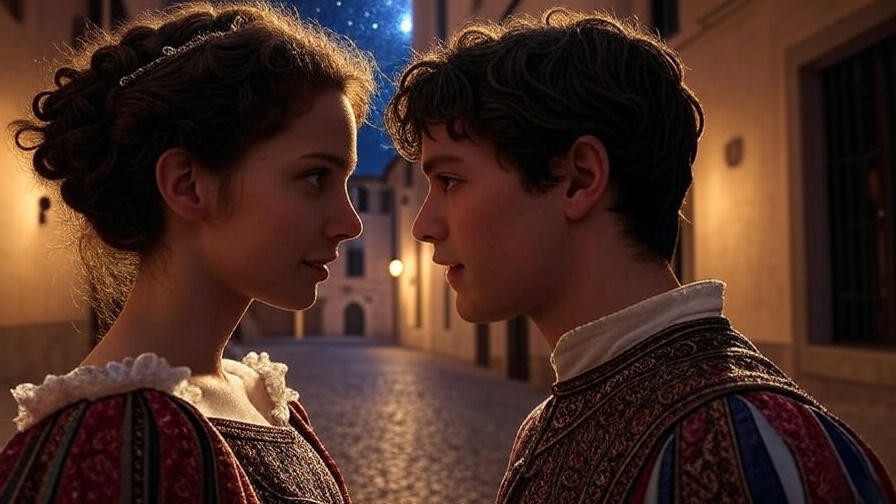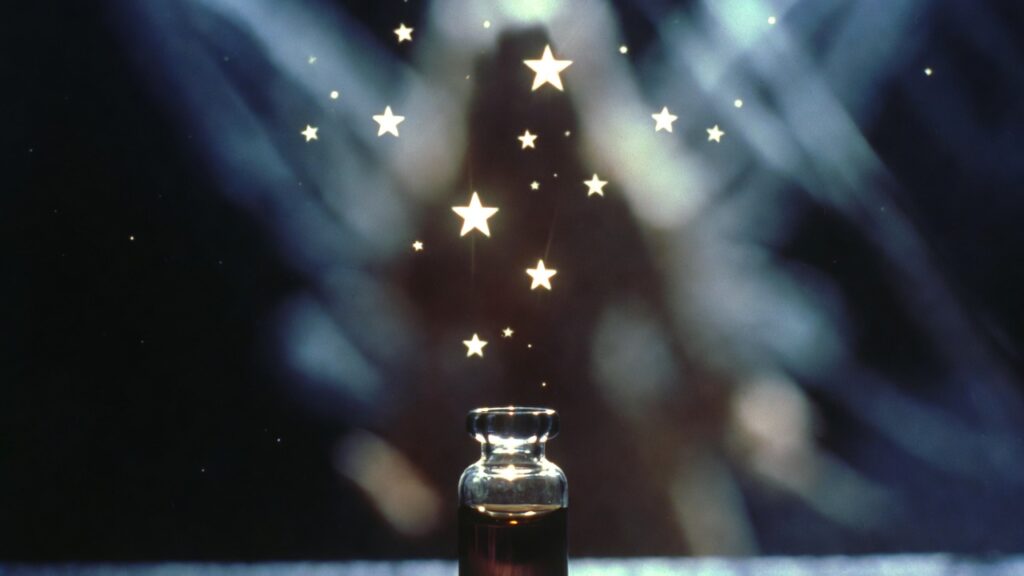
Imagine a love so intense that it illuminates the darkest corners of existence—yet that very light hastens its own destruction. In William Shakespeare’s Romeo and Juliet, the tragedy of two young lovers torn apart by family feud isn’t merely a tale of misfortune or impulsive passion. It is a masterful tapestry woven with symbols in Romeo and Juliet that deepen every emotion, foreshadow every catastrophe, and reveal the profound duality of human nature. From the moment Romeo glimpses Juliet and declares, “But, soft! what light through yonder window breaks? / It is the east, and Juliet is the sun” (Act 2, Scene 2), Shakespeare invites us to look beyond the surface romance and into a world where symbols carry the weight of fate, love, hate, and inevitable doom.
Symbolism in literature allows writers to imbue objects, images, or motifs with layers of meaning, representing abstract concepts like hope, corruption, or destiny. In Romeo and Juliet, Shakespeare employs these devices with unparalleled skill, turning everyday elements—light and darkness, plants and poisons, dreams and stars—into powerful vehicles for exploring the play’s central themes: the intoxicating power of love against the destructive force of hatred, the tension between free will and predestined tragedy, and the fragility of youthful passion in a rigid adult world.
This comprehensive guide decodes the play’s most significant symbols, drawing directly from the text with key quotes, scene references, and thematic connections. Whether you’re a student preparing for an exam, a teacher seeking fresh insights, or a literature enthusiast revisiting the Bard’s masterpiece, understanding these symbols transforms a familiar story into a richer, more haunting experience. By the end, you’ll see why the lovers’ “star-crossed” fate feels not accidental, but tragically inevitable—woven into the very imagery Shakespeare chooses.
Shakespeare’s use of light and dark, poison, Queen Mab, and other recurring images creates irony at every turn: the brightest moments of love lead to the darkest ends, and what seems healing often proves fatal. These symbols don’t just decorate the narrative; they drive it, making Romeo and Juliet one of the most symbolically dense plays in the canon.
The Role of Symbolism in Romeo and Juliet
Shakespeare’s genius lies in how seamlessly he integrates symbolism to reinforce the play’s core conflicts. Unlike mere decoration, the symbols here actively mirror and amplify themes of duality—love versus hate, youth versus society, passion versus reason. Motifs like oxymorons (“loving hate,” “heavy lightness”) recur as linguistic patterns, while true symbols—specific images like light piercing darkness or a vial of poison—carry concentrated meaning that evolves across the play.
Light and darkness, for instance, appear over 100 times in various forms, subverting traditional associations where light equals good and dark equals evil. In this Verona, night becomes a haven for secret love, while day brings separation and violence. Similarly, plants and poisons highlight nature’s dual potential: healing or harming, depending on human application. Queen Mab introduces the deceptive power of fantasy, contrasting Mercutio’s cynicism with the lovers’ sincere belief in their passion.
These symbols foreshadow tragedy while underscoring irony. The very elements that make Romeo and Juliet’s love feel divine—its radiance, its natural purity—become the instruments of their downfall. This layered approach elevates the play beyond melodrama, offering timeless commentary on how human desires and societal forces corrupt innocence.
Light and Darkness / Day and Night: The Central Duality
Light and Darkness as Inverted Symbols
At the heart of Romeo and Juliet lies one of Shakespeare’s most innovative symbolic inversions: the reversal of light and dark’s conventional meanings. Traditionally, light symbolizes hope, truth, and goodness; darkness suggests confusion, evil, or despair. Shakespeare flips this entirely. For the lovers, light is intrusive and destructive, exposing their secret union to the harsh realities of their feuding families. Darkness, by contrast, offers sanctuary, intimacy, and truth.
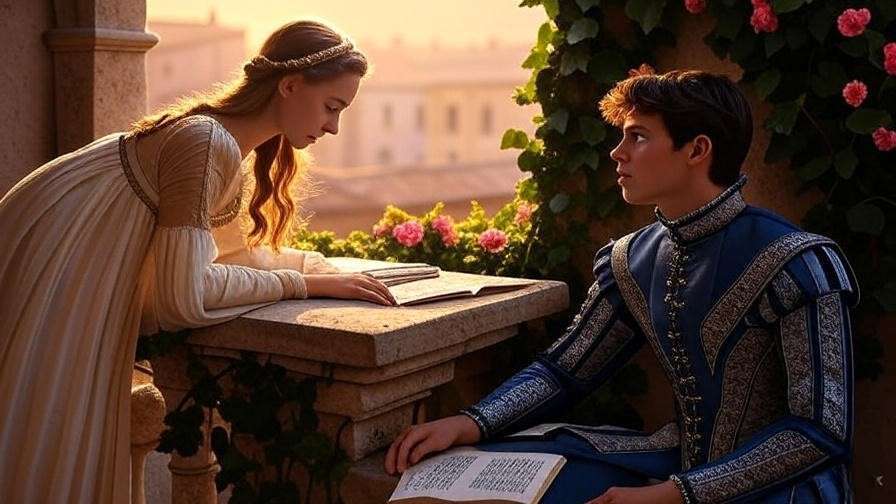
This inversion begins early. Romeo, lovesick over Rosaline, shuns daylight, preferring shadows. But Juliet changes everything. In the iconic balcony scene, Romeo exclaims: “But, soft! what light through yonder window breaks? / It is the east, and Juliet is the sun. / Arise, fair sun, and kill the envious moon” (Act 2, Scene 2). Here, Juliet’s light banishes darkness, yet this illumination is dangerous—it draws Romeo into forbidden territory.
The pattern continues: lovers associate day with parting and woe. After their wedding night, Juliet pleads for night to linger: “Gallop apace, you fiery-footed steeds, / Towards Phoebus’ lodging… / And bring in cloudy night immediately” (Act 3, Scene 2). Romeo echoes this, wishing the day were night. Light reveals the “garish sun” of societal judgment; darkness hides their authentic selves.
Romeo’s Transformation Through Light
Romeo’s arc is illuminated—literally—by Juliet. Before meeting her, his world is dim: “Tut, I have lost myself. I am not here. / This is not Romeo; he’s some other where” (Act 1, Scene 1). Juliet’s appearance shifts this. He describes her as teaching “torches to burn bright” (Act 1, Scene 5), her beauty outshining artificial light. This radiance symbolizes enlightenment through love, awakening Romeo from melancholy to passion.
Yet this light is double-edged. It blinds him to consequences, fueling impulsive actions like the duel with Tybalt. The symbol evolves from hope to harbinger: the lovers’ brightest moments precede tragedy.
Juliet’s Perspective on Darkness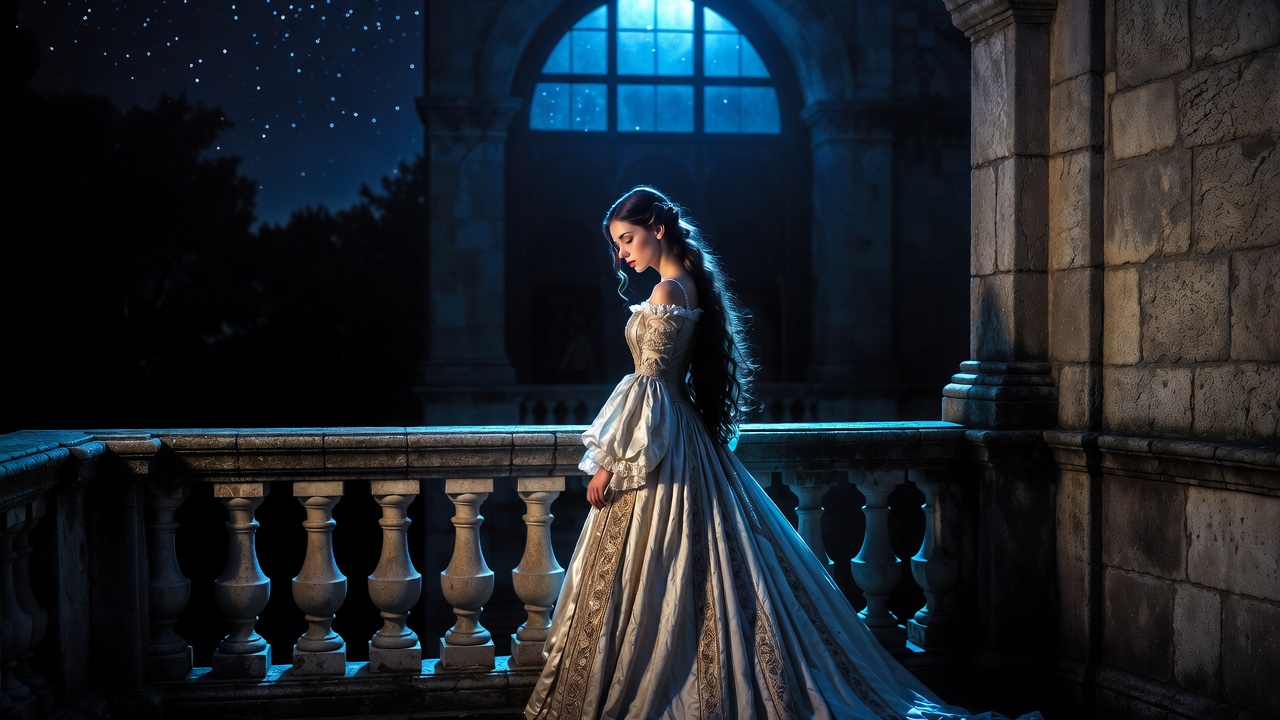
Juliet embraces darkness more explicitly. She longs for night as a cloak: “Come, night; come, Romeo; come, thou day in night” (Act 3, Scene 2). Darkness represents intimacy, where societal barriers dissolve. When she fears Romeo’s inconstancy, she invokes the moon—traditionally fickle—but ultimately sees him as stars: “Take him and cut him out in little stars, / And he will make the face of heaven so fine / That all the world will be in love with night” (Act 3, Scene 2).
This inversion underscores the play’s tragedy: the lovers’ true selves emerge only in shadows, but shadows cannot last. Dawn always comes, bringing separation and death.
Expert insight: This subversion of light/dark highlights forbidden love in a hostile world. It foreshadows how exposure—literal and metaphorical—destroys purity. The symbol’s power lies in its irony: the light of love, so vital, accelerates the lovers’ eclipse.
The Dual Nature of Plants and Herbs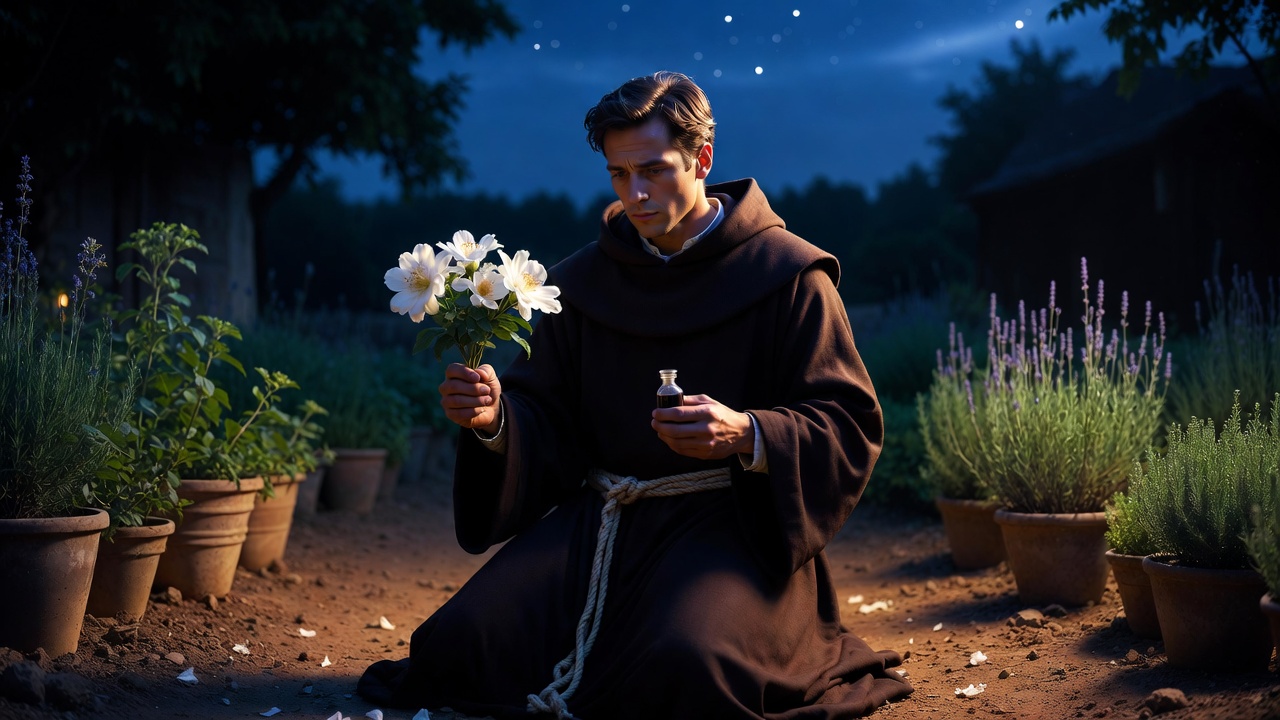
One of the most philosophically rich symbolic threads in Romeo and Juliet is the recurring imagery of plants, herbs, and poisons. Shakespeare uses the natural world to mirror the central paradox of the play: the same forces that create life and beauty can also destroy it. This duality is most explicitly articulated by Friar Lawrence in his famous soliloquy early in Act 2, Scene 3:
The earth that’s nature’s mother is her tomb; What is her burying grave, that is her womb; And from her womb children of divers kind We sucking on her natural bosom find, Many for many virtues excellent, None but for some, and yet all different. O mickle is the powerful grace that lies In plants, herbs, stones, and their true qualities. For naught so vile that on the earth doth live But to the earth some special good doth give; Nor aught so good but, strained from that fair use, Revolts from true birth, stumbling on abuse. Virtue itself turns vice, being misapplied, And vice sometime by action dignified.
This passage is not mere botanical observation; it is a microcosm of the entire tragedy. Nature provides both remedy and ruin. The Friar himself embodies this duality—he gathers healing herbs yet unwittingly supplies the potion that leads to catastrophe.
Flowers as Symbols of Beauty and Transience
Flowers appear repeatedly as emblems of youthful, fragile love. The most famous example is Juliet’s reflection on names: “What’s in a name? That which we call a rose / By any other name would smell as sweet” (Act 2, Scene 2). Here the rose symbolizes pure, essential beauty that transcends labels and feuds. Yet the choice of a rose is poignant—roses are famously beautiful but short-lived and often thorny, mirroring the lovers’ passion: exquisite, intense, and doomed to wither quickly.
Romeo describes their love as a “bud of love, by summer’s ripening breath, / May prove a beauteous flower when next we meet” (Act 2, Scene 2). The metaphor captures the hopeful yet precarious nature of their relationship—still unfolding, vulnerable to frost or trampling. Flowers, in Renaissance literature, frequently represented fleeting beauty and the brevity of life, a motif Shakespeare exploits to heighten the tragic irony: the lovers’ “summer” is tragically brief.
Poison as the Ultimate Corrupter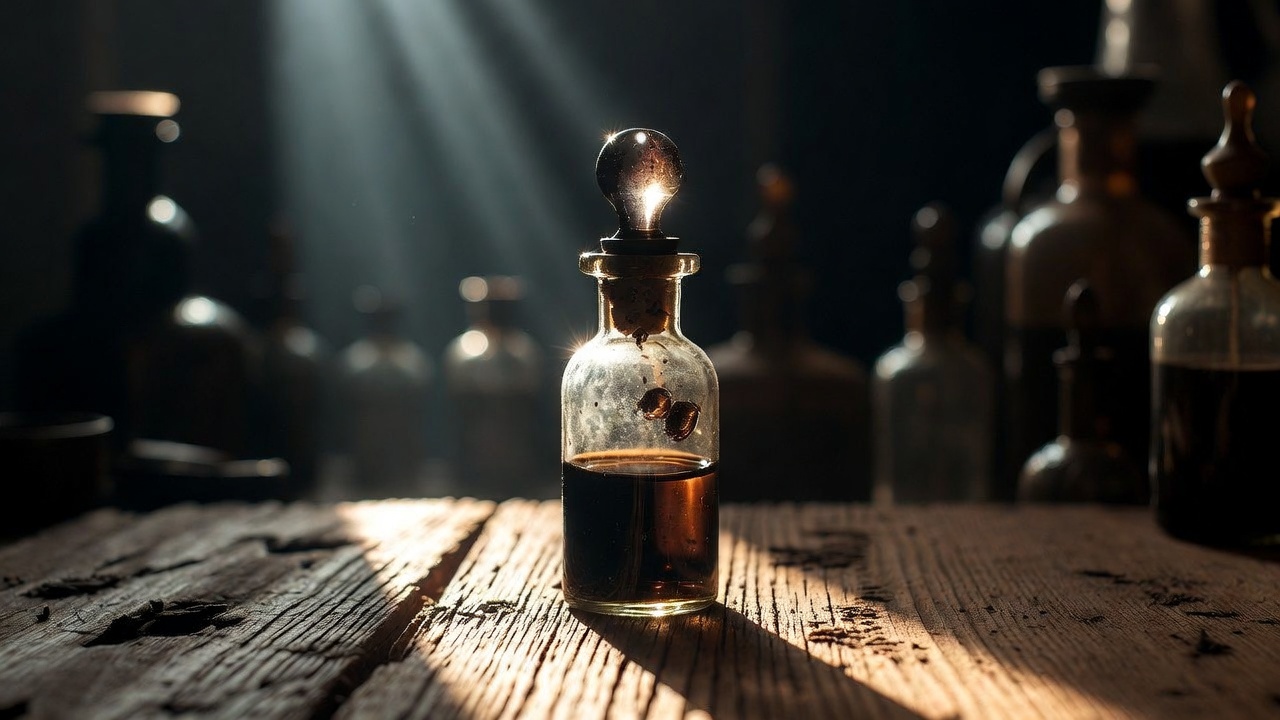
Poison emerges as the most lethal symbol in the play, appearing both literally and metaphorically. Literally, we see two key instances:
- Juliet’s sleeping draught, provided by Friar Lawrence, intended as a benign escape but mistaken for deadly poison by Romeo.
- The genuine poison Romeo purchases from the impoverished apothecary: “Thy drugs are quick. Thus with a kiss I die” (Act 5, Scene 3).
Metaphorically, poison saturates the language of hatred and societal corruption. The feud itself is repeatedly called a “poison” that infects Verona. Mercutio curses both houses: “A plague o’ both your houses!” (Act 3, Scene 1), and later Romeo laments that his killing of Tybalt has “poisoned” his own happiness. Even love is tainted—Romeo calls his passion for Rosaline a “poison” before meeting Juliet.
The symbol reaches its devastating climax when poison becomes the instrument of fate (or human error). What begins as a tool for healing (the Friar’s potion) ends as the means of destruction. This reversal reinforces the Friar’s earlier philosophy: good intentions, when misapplied, become vice.
The poison imagery also connects to the theme of contagion. The feud spreads like a disease, infecting even the pure intentions of characters like the Friar and the Nurse. In this sense, poison symbolizes how societal hatred corrupts individual goodness and turns love itself fatal.
Queen Mab: Dreams, Fantasy, and Desire
Mercutio’s Queen Mab Speech – A Turning Point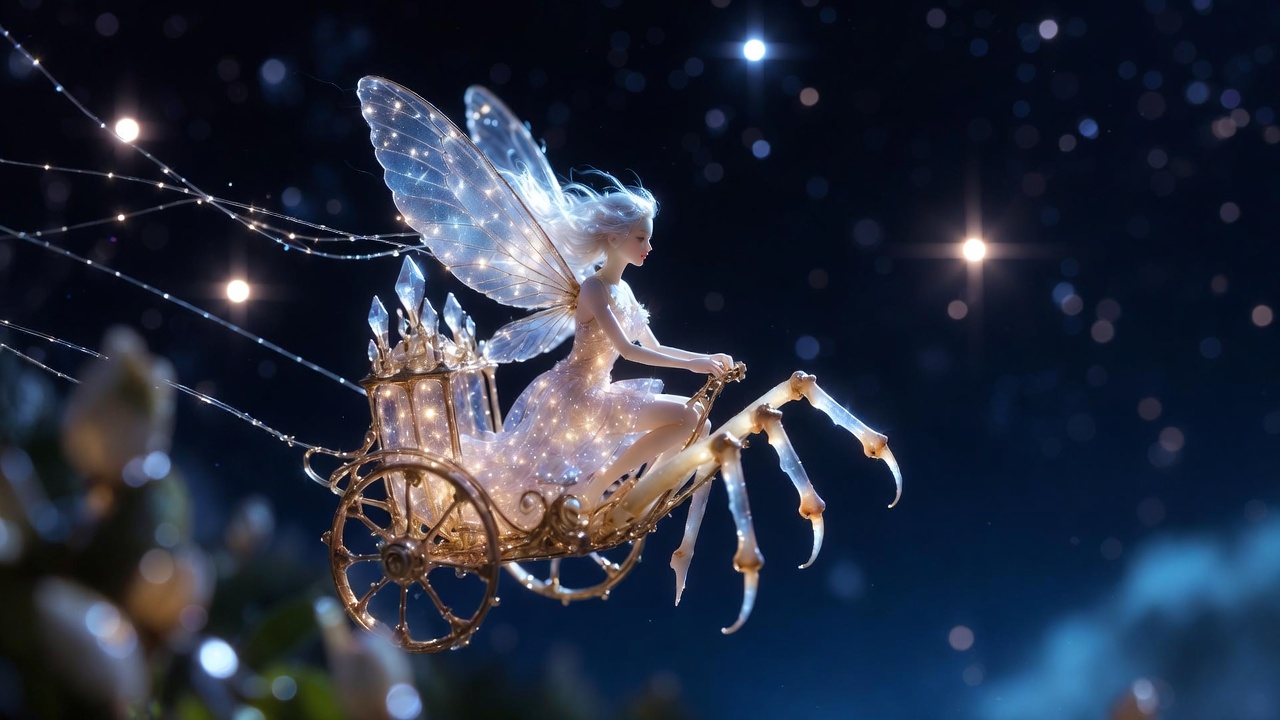
Mercutio’s celebrated Queen Mab monologue (Act 1, Scene 4) stands as one of the play’s most dazzling symbolic set pieces. Asked by Romeo to explain his dream, Mercutio launches into a fantastical description of Queen Mab, the fairies’ midwife who rides in a tiny chariot made of spider legs, cricket bones, and grasshopper wings:
She is the fairies’ midwife, and she comes In shape no bigger than an agate stone On the forefinger of an alderman, Drawn with a team of little atomi Over men’s noses as they lie asleep…
Mercutio describes how Queen Mab delivers dreams tailored to each sleeper’s desires—lovers dream of love, courtiers of curtsies, lawyers of fees, soldiers of cutting throats. Yet the speech darkens: Mab “plaits the manes of horses in the night” and presses on maidens’ lips, giving them “blisters” (a folk belief linking fairy interference to sexual awakening or disease).
This miniature world symbolizes the deceptive, illusory power of fantasy. Dreams are not innocent; they can corrupt reality. Mercutio uses the speech to mock Romeo’s romantic idealism, suggesting that love is just another dream conjured by a mischievous sprite.
Contrast with Romeo and Juliet’s “Real” Love
The Queen Mab speech creates a sharp contrast. While Mercutio views love as fantastical and absurd, Romeo and Juliet experience their passion as authentic and transformative. Yet the symbol lingers ominously. The lovers’ belief in their dream of eternal union blinds them to practical dangers, much as Mab’s dreams blind sleepers to reality.
Queen Mab ultimately foreshadows how fantasy and desire lead to tragedy. Romeo’s premonition of “some consequence yet hanging in the stars” (Act 1, Scene 4) immediately follows the speech, linking dreams to fateful outcomes. The symbol warns that unchecked imagination—whether Mercutio’s cynicism or the lovers’ idealism—can steer people toward disaster.
Stars and Fate
The prologue famously labels Romeo and Juliet as “a pair of star-crossed lovers,” immediately establishing astrology and celestial imagery as a controlling symbol of predestination. Throughout the play, references to stars, fortune, and the heavens reinforce the sense that the lovers are doomed by forces beyond their control.
Romeo himself senses this early:
“…my mind misgives Some consequence yet hanging in the stars Shall bitterly begin his fearful date With this night’s revels…” (Act 1, Scene 4)
Later, after killing Tybalt, he cries:
“O, I am fortune’s fool!” (Act 3, Scene 1)
Even Juliet invokes celestial imagery in her most poetic moments:
“Give me my Romeo; and when he shall die, Take him and cut him out in little stars, And he will make the face of heaven so fine That all the world will be in love with night…” (Act 3, Scene 2)
The stars therefore function dually: they represent both cosmic inevitability and the lovers’ desire to transcend it through immortal love. Shakespeare leaves open the question of whether fate is truly written in the heavens or whether human choices create the appearance of destiny.
Thumb-Biting and Weapons
The opening scene’s thumb-biting gesture (“Do you bite your thumb at us, sir?”) serves as a micro-symbol of the feud’s petty yet explosive nature. It is an insult rooted in Renaissance street culture—equivalent to a modern obscene gesture—and instantly escalates into swordplay.
Weapons themselves—swords, daggers, rapiers—symbolize the destructive masculinity and cyclical violence that define Verona’s society. The repeated calls for “swords” and “clubs” contrast sharply with the lovers’ language of flowers and light, underscoring how the feud’s machinery of violence crushes tender emotion.
The final image of Romeo and Juliet lying dead with daggers and poison vials beside them visually unites these symbols: the feud’s weapons and the poison of hatred have claimed their ultimate victims.
Sun and Moon
While light and darkness dominate, specific celestial bodies carry additional nuance. Romeo initially associates himself with the moon (linked to inconstancy in Renaissance thought) when he pines for Rosaline. Juliet, by contrast, is repeatedly figured as the sun—constant, life-giving, radiant.
Yet Juliet also invokes the moon in her wedding-night speech (“Arise, fair sun, and kill the envious moon”), suggesting a desire to replace fickle, changeable love with something permanent. The sun/moon pairing thus reinforces the play’s theme of transformation through love—and the tragic impossibility of sustaining that transformation in a hostile world.
How Symbols Interconnect with Major Themes
The true power of Shakespeare’s symbolism emerges in how these images do not exist in isolation—they interweave to create a dense thematic web.
- Love vs. Hate: Light/dark and plants/poison both illustrate this central opposition. The lovers find purity and illumination in each other, yet the feud’s “poison” infects every aspect of their world.
- Fate vs. Free Will: Stars, dreams (Queen Mab), and poison function as agents of destiny while simultaneously highlighting human agency. The Friar’s “good” potion and Romeo’s impulsive purchase of poison are choices that fulfill the “star-crossed” prophecy.
- Youth vs. Age / Passion vs. Reason: Flowers and the “bud of love” represent fragile youth, while the older generation (parents, Friar, Prince) repeatedly fail to temper passion with wisdom. Queen Mab mocks romantic idealism, yet the lovers’ sincerity ultimately proves more destructive than Mercutio’s cynicism.
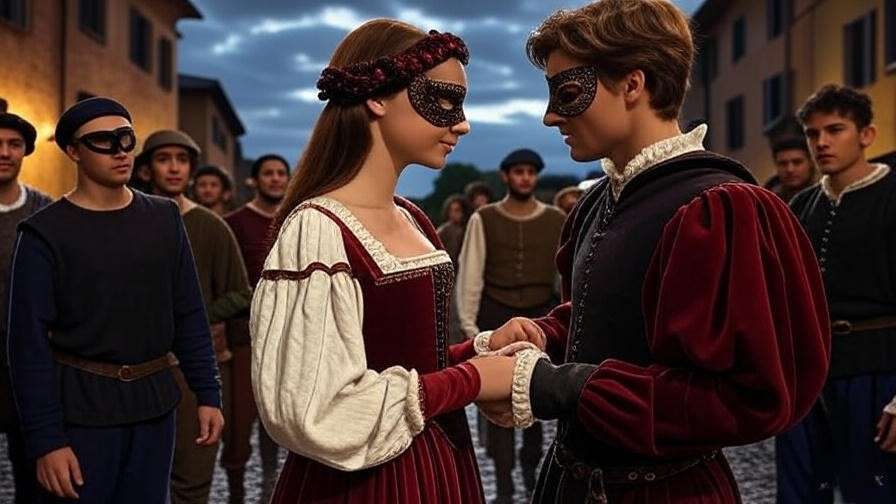
- Illusion vs. Reality: Dreams, masks (at the Capulet ball), and deceptive potions all blur the line between appearance and truth, showing how desire distorts perception.
Shakespeare creates profound dramatic irony through these interconnections: the very symbols that make the love story beautiful—light, flowers, stars—are the same ones that signal its tragic end. This layered symbolism elevates Romeo and Juliet from a simple love tragedy to a profound meditation on human nature.
Modern Relevance and Interpretations
Centuries later, the symbols in Romeo and Juliet remain strikingly resonant. The light/dark duality speaks to modern experiences of forbidden or clandestine love—whether across cultural, religious, political, or socioeconomic divides. The poison imagery feels eerily contemporary when we consider how hatred and division “poison” communities, families, and even individual relationships.
Baz Luhrmann’s 1996 film adaptation deliberately amplified these symbols: neon crosses, fireworks exploding like stars, guns engraved with brand names instead of swords—all while preserving the light/dark contrast through dramatic lighting and day/night sequences. Stage productions continue to experiment with color palettes, projections of stars, or literal herbs and vials to make the symbolism visceral for contemporary audiences.
The play’s symbols also invite personal reflection. What are the “poisons” in our own lives—prejudice, impulsivity, rigid tradition—that destroy potential happiness? How often do we mistake fleeting passion for eternal love, or confuse societal pressure with fate?
Decoding the symbols in Romeo and Juliet transforms the play from a familiar romance into a richly textured tragedy of ideas. Light that both reveals and destroys, plants that heal and kill, dreams that enchant and deceive, stars that guide and doom—these images are not ornamental; they are the very mechanism through which Shakespeare explores love’s beauty and its inevitable collision with human frailty and societal cruelty.
Ultimately, the lovers’ brightest moments—the balcony scene’s radiant imagery, the wedding-night anticipation of eternal night—are precisely what make their final darkness so devastating. Shakespeare shows us that love, at its most intense, shines like a star just before it burns out.
Revisit the text with these symbols in mind. You will find that every torch, every herb, every glimpse of the night sky carries weight. And in that act of careful reading, the tragedy becomes not just moving, but profoundly wise.
Frequently Asked Questions
What is the most important symbol in Romeo and Juliet? While many symbols are powerful, the light/dark (day/night) duality is arguably the most pervasive and structurally significant. It appears in over 100 references, shapes the lovers’ language, and directly inverts traditional moral associations, making it the symbolic backbone of the play.
How does light and dark symbolism differ from traditional meanings? In most literature of the period, light represents goodness, truth, and God; darkness signifies evil or confusion. Shakespeare subverts this: for Romeo and Juliet, night is protective and authentic, while day (and its “garish sun”) brings separation, violence, and exposure to societal judgment.
What does poison represent beyond literal death? Poison symbolizes the corruption of good intentions and the contagious nature of hatred. The feud itself is described as a poison that infects everyone it touches, and even well-meaning actions (the Friar’s potion) become fatal when misapplied.
Why is Queen Mab significant? Mercutio’s Queen Mab speech serves two purposes: it mocks romantic idealism by reducing love to a fairy-induced fantasy, and it foreshadows how dreams and desires distort reality. The speech immediately precedes Romeo’s premonition of fate, linking imagination to tragic consequences.
How do symbols relate to fate in the play? Symbols like stars, poison, and dreams create the impression of inescapable destiny while simultaneously showing how human choices fulfill that destiny. The “star-crossed” label is not just poetic flourish; the imagery consistently suggests that the lovers are caught in a cosmic pattern they cannot break—yet that pattern is partly of their own making.