

Ever wondered how Shakespeare’s characters bare their souls in a way that still captivates us centuries later? The evolution of soliloquy techniques in Shakespeare’s works transformed theater, revealing the deepest fears, dreams, and conflicts of characters like Hamlet and Macbeth. Whether you’re a student struggling to analyze these iconic speeches, a theater enthusiast eager to understand their dramatic power, or a writer seeking inspiration for authentic storytelling, this article is your guide. Dive into how Shakespeare’s soliloquies evolved and discover practical ways they can enhance your creativity and emotional expression today. Ready to unlock their secrets? 🎭
01.What Is a Soliloquy and Why Does It Matter?
Ever heard a character in a play spill their deepest thoughts alone on stage? That’s a soliloquy! In Shakespeare’s works, soliloquies are moments when characters like Hamlet or Lady Macbeth speak their inner feelings aloud, giving us a front-row seat to their minds. But what exactly is a soliloquy, and why should you care? Let’s break it down in a way that’s easy to grasp and exciting to explore! 😊
Soliloquy vs. Monologue vs. Aside
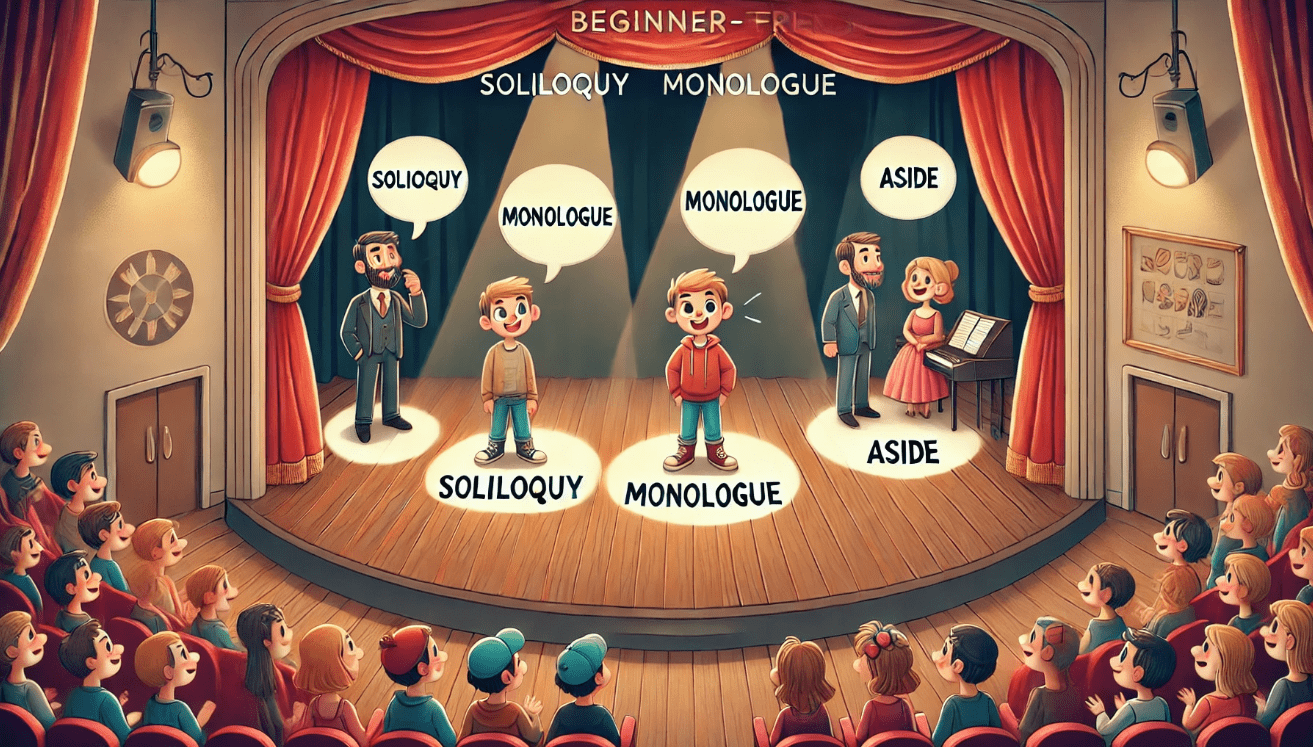
A soliloquy is a speech where a character, alone on stage, shares their thoughts directly with the audience. Unlike a monologue, which can happen with others present, or an aside, a quick comment to the audience, soliloquies dive deep into a character’s soul. Think of Hamlet’s “To be or not to be” speech—it’s a window into his existential crisis, not just a chat with the crowd.
Why Soliloquies Are a Big Deal
Soliloquies are Shakespeare’s secret weapon. They:
- Reveal character psychology: Show what characters truly feel, like Macbeth’s guilt or Juliet’s love.
- Advance the plot: Share plans or decisions, like Iago’s schemes in Othello.
- Connect with audiences: Make you feel like you’re in on the character’s secrets.
For students, soliloquies are gold for analyzing character motives. For actors, they’re a chance to shine with raw emotion. And for writers, they’re a masterclass in crafting authentic inner voices.
Why It Matters to You
Whether you’re studying Shakespeare, acting in a play, or writing your own stories, soliloquies teach you how to express big ideas clearly. Try reading one aloud to feel its rhythm or jot down what it reveals about the character. It’s a fun, practical way to boost your skills in analysis, performance, or creative writing. Ready to dive deeper into how Shakespeare perfected this technique? Keep reading! 🎭
02.The Early Soliloquies: Experimentation and Foundations
When Shakespeare first started writing, his soliloquies were like a young artist testing their brushstrokes—bold, structured, and full of potential. In plays like Titus Andronicus and Richard III, he laid the groundwork for the evolution of soliloquy techniques in his works. Curious about how Shakespeare began crafting these iconic speeches? Let’s explore his early soliloquies and see how they set the stage for his later masterpieces. Ready to step into the Bard’s early world? 🎭
Characteristics of Shakespeare’s Early Soliloquies
In his early plays (1590s), Shakespeare’s soliloquies were more like dramatic signposts than deep dives into the mind. They had distinct traits:
- Formal and structured: Often written in rhymed verse or rigid iambic pentameter, they felt polished but less natural.
- Plot-driven: Used to explain events or reveal plans, like a narrator guiding the audience.
- Direct audience engagement: Characters often spoke to the audience, breaking the fourth wall.
These soliloquies were less about inner turmoil and more about setting up the story or charming the crowd.
A Closer Look: Richard III’s Opening Soliloquy
Take the famous opening of Richard III (“Now is the winter of our discontent”). Richard, the scheming villain, lays out his plan to seize the throne. This soliloquy:

- Introduces his motives with witty, manipulative flair.
- Uses rhymed verse to grab attention.
- Connects directly with the audience, making us feel like his confidants.
It’s a perfect example of how Shakespeare used soliloquies early on to hook viewers and drive the plot forward.
Why It Matters for You
Understanding these early soliloquies can help you in practical ways:
- Students: Analyze them to see how Shakespeare used language to reveal character goals—great for essays!
- Actors: Practice delivering Richard’s speech to master commanding an audience with confidence.
- Writers: Study the structure to craft clear, engaging monologues in your own stories.
Try reading Richard’s soliloquy aloud to feel its energy or jot down its key themes to sharpen your analysis skills.
Setting the Stage for Genius
Shakespeare’s early soliloquies were like sketches of what was to come. They focused on storytelling and audience connection but lacked the emotional depth of his later works. By experimenting with structure and tone, Shakespeare built a foundation for the more complex, soul-baring soliloquies of Hamlet and Macbeth. Want to see how he took it to the next level? Keep reading to discover his middle-period breakthroughs! 😊
03.The Middle Period: Psychological Depth and Complexity
As Shakespeare’s genius bloomed in the late 1590s to early 1600s, his soliloquies transformed into powerful windows into the human soul. In plays like Romeo and Juliet, Julius Caesar, and Hamlet, the evolution of soliloquy techniques in Shakespeare’s works took a leap, diving deep into characters’ minds and emotions. Curious about how Shakespeare turned words into raw, relatable human experiences? Let’s explore this exciting middle period and see how you can use these insights in your own studies or creative projects! 😊
A New Level of Soliloquy
In his middle period, Shakespeare’s soliloquies became richer and more complex. Here’s what changed:
- Introspective themes: Characters wrestle with big questions about life, love, and morality.
- Emotional realism: The language feels more natural, reflecting real human struggles.
- Flexible iambic pentameter: Shakespeare used this rhythm to mimic everyday speech, making soliloquies feel alive.
Spotlight on Hamlet’s “To Be or Not to Be”

The iconic soliloquy from Hamlet (“To be or not to be, that is the question”) is a perfect example. Hamlet ponders life, death, and action, revealing his inner turmoil. This speech:
- Explores universal themes like fear of the unknown and the weight of decisions.
- Uses vivid imagery, like “the slings and arrows of outrageous fortune.”
- Feels conversational, inviting audiences into Hamlet’s mind.
Why It Matters for You
These soliloquies are gold for anyone studying or creating:
- Students: Break down Hamlet’s soliloquy to uncover themes like doubt or morality—perfect for essays or class discussions.
- Writers: Use its conversational flow to craft authentic inner monologues in your stories.
- Actors: Practice delivering it to convey deep emotion, connecting with modern audiences..
A Bridge to Modern Storytelling
Shakespeare’s middle-period soliloquies laid the groundwork for modern storytelling techniques, like introspective voiceovers in films or novels. They show how to express complex emotions in a way that feels real and relatable. By studying them, you can learn to articulate your own thoughts or create compelling characters. Ready to see how Shakespeare pushed his craft even further in his later works? Keep scrolling! 🎭
04.The Later Soliloquies: Mastery and Innovation
By the time Shakespeare reached his later plays in the early 1600s, his soliloquies were pure brilliance—raw, poetic, and groundbreaking. In works like Macbeth, Othello, and The Tempest, the evolution of soliloquy techniques in Shakespeare’s works hit its peak, blending deep emotion with innovative style. Want to know how Shakespeare mastered this art and how it can inspire your own creative work? Let’s dive into these unforgettable speeches and uncover their magic! 😊
Characteristics of Later Soliloquies
Shakespeare’s later soliloquies are like a master painter’s final strokes—bold and breathtaking. Here’s what makes them stand out:
- Fragmented, stream-of-consciousness style: They mirror chaotic thoughts, like a mind unraveling.
- Rich poetic imagery: Vivid metaphors and symbols amplify emotional depth.
- Blending with dialogue: Soliloquies often flow into scenes, creating seamless drama.
Spotlight on Macbeth’s “Tomorrow and Tomorrow and Tomorrow”
In Macbeth, the soliloquy “Tomorrow and tomorrow and tomorrow” is a masterpiece of despair. After his wife’s death, Macbeth reflects on life’s futility with:
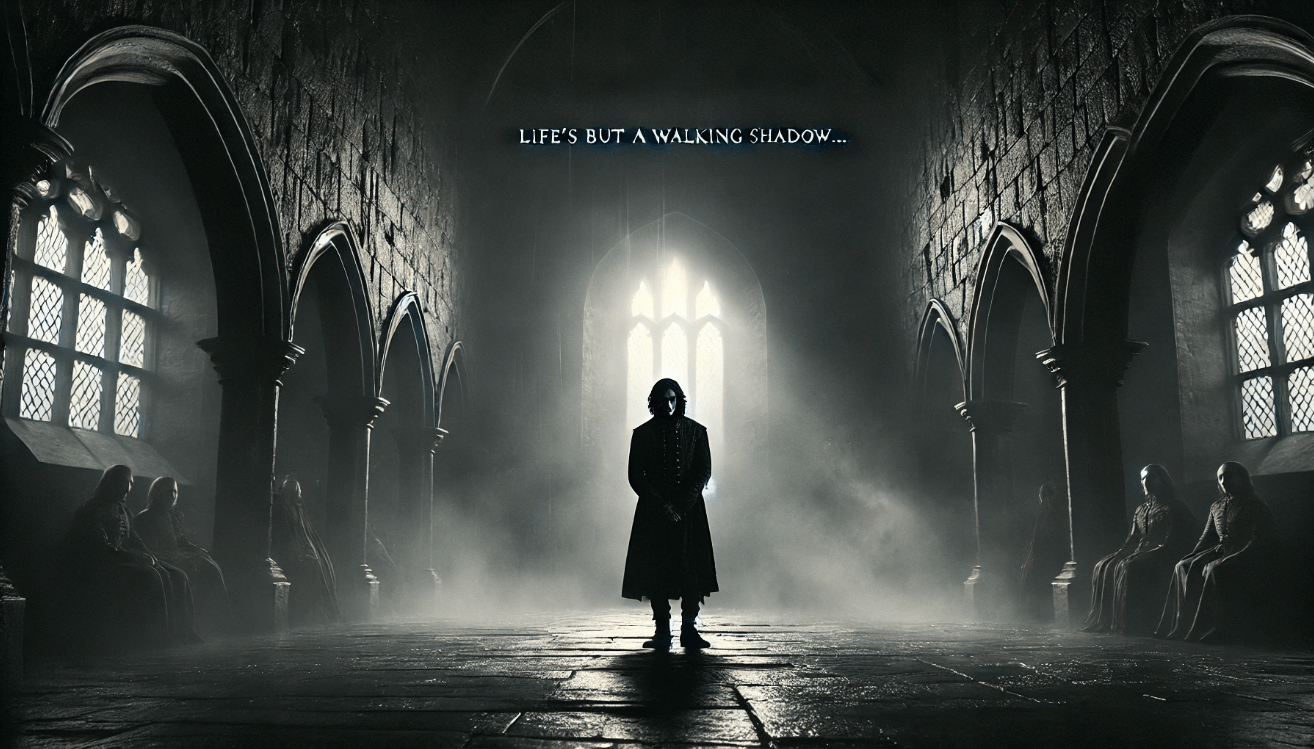
- A fragmented rhythm that echoes his broken spirit.
- Stark imagery, like life as “a tale told by an idiot, full of sound and fury.”
- Universal themes of loss and meaninglessness that resonate across time.
Practical Ways to Use These Soliloquies
These later soliloquies offer tools for learning and creating:
- Students: Analyze Macbeth’s speech for its imagery and themes to boost your essay-writing skills.
- Actors: Practice its pacing to convey intense emotions—perfect for auditions or performances.
- Writers: Mimic its stream-of-consciousness style to craft vivid inner monologues in your stories.
Inspiring Modern Creativity
Shakespeare’s later soliloquies shaped modern storytelling, from film monologues to introspective novels. Think of the raw emotion in movies like The Shawshank Redemption—it echoes Shakespeare’s style. By studying these speeches, you can learn to express complex feelings in your writing, acting, or even personal reflection. Curious about how these soliloquies captivate audiences today? Keep reading to find out! 🎭
05.The Dramatic Impact of Soliloquies on Audiences
Why do Shakespeare’s soliloquies leave audiences spellbound, even centuries later? As part of the evolution of soliloquy techniques in Shakespeare’s works, these speeches create powerful emotional connections, pulling us into characters’ hearts and minds. Whether you’re a theatergoer, student, or storyteller, understanding their dramatic impact can elevate your appreciation and craft. Let’s explore how soliloquies captivate audiences and how you can use their magic in your own work! 😊
Building Empathy Through Inner Thoughts
Soliloquies let us hear a character’s raw, unfiltered emotions. When Hamlet questions life in “To be or not to be,” we feel his doubt and pain. This vulnerability:
- Makes characters relatable, like friends sharing secrets.
- Sparks empathy, as we see struggles that mirror our own.
- Draws us closer to the story, no matter the time period.
Creating Dramatic Irony
Soliloquies often share secrets other characters don’t know, creating dramatic irony. In Othello, Iago’s soliloquies reveal his deceitful plans, while Othello remains clueless. This:
- Builds suspense, as we anticipate the fallout.
- Makes us feel “in on” the plot, heightening engagement.
- Adds layers to the story, rewarding careful listeners.
A Timeless Connection to Modern Audiences
Shakespeare’s soliloquies tackle universal themes—ambition, guilt, love—that resonate today. Macbeth’s despair or Juliet’s longing feels as real now as ever. They:
- Speak to modern struggles, like decision-making or loss.
- Inspire emotional performances in film and theater.
- Offer insights into human nature for personal reflection.
Practical Tips for Using Soliloquies
Here’s how you can apply their dramatic power:
- Students: Study soliloquies like Iago’s to analyze character motives for stronger essays.
- Directors/Actors: Use soliloquies to create intimate stage moments, drawing audiences into the character’s mind.
- Writers: Craft monologues inspired by Shakespeare to deepen your characters’ emotional impact.
Why It Matters Today
Soliloquies don’t just belong in old plays—they’re a masterclass in storytelling. By revealing hidden truths and raw emotions, they teach us how to engage any audience, whether in theater, writing, or even a heartfelt speech. Want to see how these techniques inspire modern storytelling? Keep reading to find out! 🎭
6. Modern Relevance: Applying Soliloquy Techniques Today 🎭✨

Shakespeare’s soliloquies aren’t just relics of old-school drama — they’re timeless storytelling tools still relevant today. Whether you’re a writer, actor, public speaker, or content creator, mastering the art of the soliloquy can transform how you connect with your audience. Let’s explore how these classic techniques can be applied in modern settings to captivate, persuade, and inspire. 🚀
🎤 1. Speak to the Audience Like They Matter (Because They Do)
In Shakespeare’s soliloquies, characters break the fourth wall and talk directly to the audience. This creates intimacy and trust.
✅ Modern Tip: In writing, video, or presentations, don’t just “talk at” your audience. Use first-person language, ask questions, and invite them into your thought process. It humanizes you — and builds connection.
🧠 2. Reveal Inner Thoughts to Build Authenticity
Soliloquies reveal raw, unfiltered emotion — fears, doubts, dreams. In a world of highlight reels, this kind of honesty stands out.
✅ Modern Tip: Share your internal struggles, not just your wins. Vulnerability creates trust. It makes your message more relatable and powerful.
🎬 3. Use Soliloquy Structure for Better Storytelling
Shakespeare structured his soliloquies with a clear arc: emotional hook ➡️ internal conflict ➡️ resolution or realization.
✅ Modern Tip: When writing a blog, speech, or video script, follow this flow:
- Start with a powerful thought or question 🤔
- Explore your dilemma or story
- End with a breakthrough, takeaway, or call-to-action 🎯
📝 4. Add Rhythm, Repetition & Rhetoric
Shakespeare’s language wasn’t just poetic — it was memorable. He used repetition, contrast, and rhetorical questions to emphasize key ideas.
✅ Modern Tip: Want to make your content stick? Use rhythm and rhetorical devices:
- Repetition: “I tried. I failed. I learned.”
- Contrast: “We fear failure — but failure often fuels success.”
- Questions: “What would you do differently if you knew you couldn’t fail?”
🎥 5. Translate to Today’s Platforms
Soliloquies were performed live, but their essence fits perfectly into modern formats:
- Instagram Reels & TikTok: A personal monologue can grab attention fast.
- Podcasting: Great hosts reflect deeply — almost like a soliloquy in motion.
- Blog writing & storytelling: Use internal voice to narrate your journey.
7: How to Study and Appreciate Soliloquies 🎭📚
Shakespeare’s soliloquies are some of the most powerful moments in literature — but they can feel intimidating if you’re just starting out. Don’t worry! With the right approach, anyone can learn to understand, enjoy, and even feel the emotional depth of these iconic speeches. Let’s break it down step by step so you can truly appreciate what makes soliloquies so special. 😊

👓 1. Start with the Big Picture
Before diving into the words, ask:
- Who is speaking?
- Where are they in the story?
- What just happened?
✅ Why it matters: Soliloquies often reveal a character’s turning point. Understanding the context helps you grasp the emotion behind the words.
🗣️ 2. Read It Aloud — Slowly
Shakespeare wrote his soliloquies to be heard, not just read. Reading aloud brings out the rhythm, emotion, and meaning.
✅ Tip: Don’t worry about being “dramatic” — feel the words, even if you don’t fully understand them yet.
🔍 3. Break It Down, Line by Line
Don’t rush through it. Take your time to explore what each line means. Use these questions to guide you:
- What is the character feeling here?
- Is there a shift in mood or thought?
- What words stand out emotionally?
🧠 4. Look for Common Themes
Shakespeare’s soliloquies often explore:
- Identity and self-doubt 🤔
- Love and longing ❤️
- Fear, guilt, ambition, or power 🗡️
🎬 5. Watch Live or Film Performances
Seeing a soliloquy performed adds depth and emotion. Different actors bring different interpretations — and that’s part of the fun!
✅ Tip: Search YouTube for soliloquy performances by top actors. Compare how two different people perform the same speech. What’s similar? What’s different?
✍️ 6. Try Writing Your Own Soliloquy
Once you’ve studied a few, write your own! Pick an emotion or decision you’ve faced and express it in your own words.
✅ Why it helps: This boosts your empathy for Shakespeare’s characters — and sharpens your understanding of how soliloquies work.
Why Soliloquies Still Matter Today 🎭💬
Shakespeare’s soliloquies aren’t just beautiful words from the past — they’re powerful tools for storytelling, self-expression, and human connection. From Hamlet’s existential dread to Lady Macbeth’s burning ambition, these moments pull back the curtain on the soul — and that’s what makes them timeless. ⏳