
Some famous soliloquies include Hamlet’s “To be or not to be”, Lady Macbeth’s soliloquy in Macbeth, and the “Tomorrow, and tomorrow, and tomorrow” speech also from Macbeth. These soliloquies are iconic for their emotional depth, philosophical exploration, and insight into the characters’ minds.
Why do soliloquies captivate audiences and reveal hidden layers of a character’s mind? 🤔 The historical development of soliloquies in drama is more than just an acting technique—it’s a powerful storytelling tool that has shaped theatre for centuries. From ancient Greek tragedies to modern-day plays, soliloquies have evolved, offering deep insights into human emotions, motivations, and conflicts. But how did this art form come to be, and why does it still resonate today? In this article, we’ll explore the origins, evolution, and lasting impact of soliloquies, and how they continue to shape the drama world. Let’s dive in! 🎭
1: What is a Soliloquy?

A soliloquy is a powerful tool used in drama, where a character speaks their innermost thoughts aloud while alone on stage, often revealing their emotions, conflicts, and motivations. It’s a dramatic device that allows the audience to peer into the character’s psyche and understand their internal struggles. 🎭
Unlike a monologue or dialogue, which are delivered to other characters, a soliloquy is meant to be introspective. The character speaks directly to themselves or the audience, not expecting a response. This makes it a unique and intimate form of communication.
Key Features of a Soliloquy:
- Alone on stage: The character delivers their speech in solitude, often without any interaction with other characters.
- Insight into inner thoughts: Soliloquies are used to express feelings, dilemmas, or philosophies that the character might not reveal in conversation.
- Character development: It allows the audience to gain a deeper understanding of the character’s motives and psychological state.
A well-executed soliloquy not only drives the plot forward but also strengthens the emotional bond between the character and the audience. 💡
In the following sections, we’ll dive deeper into the history and evolution of soliloquies, exploring how they’ve shaped the world of drama and their lasting impact on modern theatre.
2: The Origins of Soliloquies in Drama
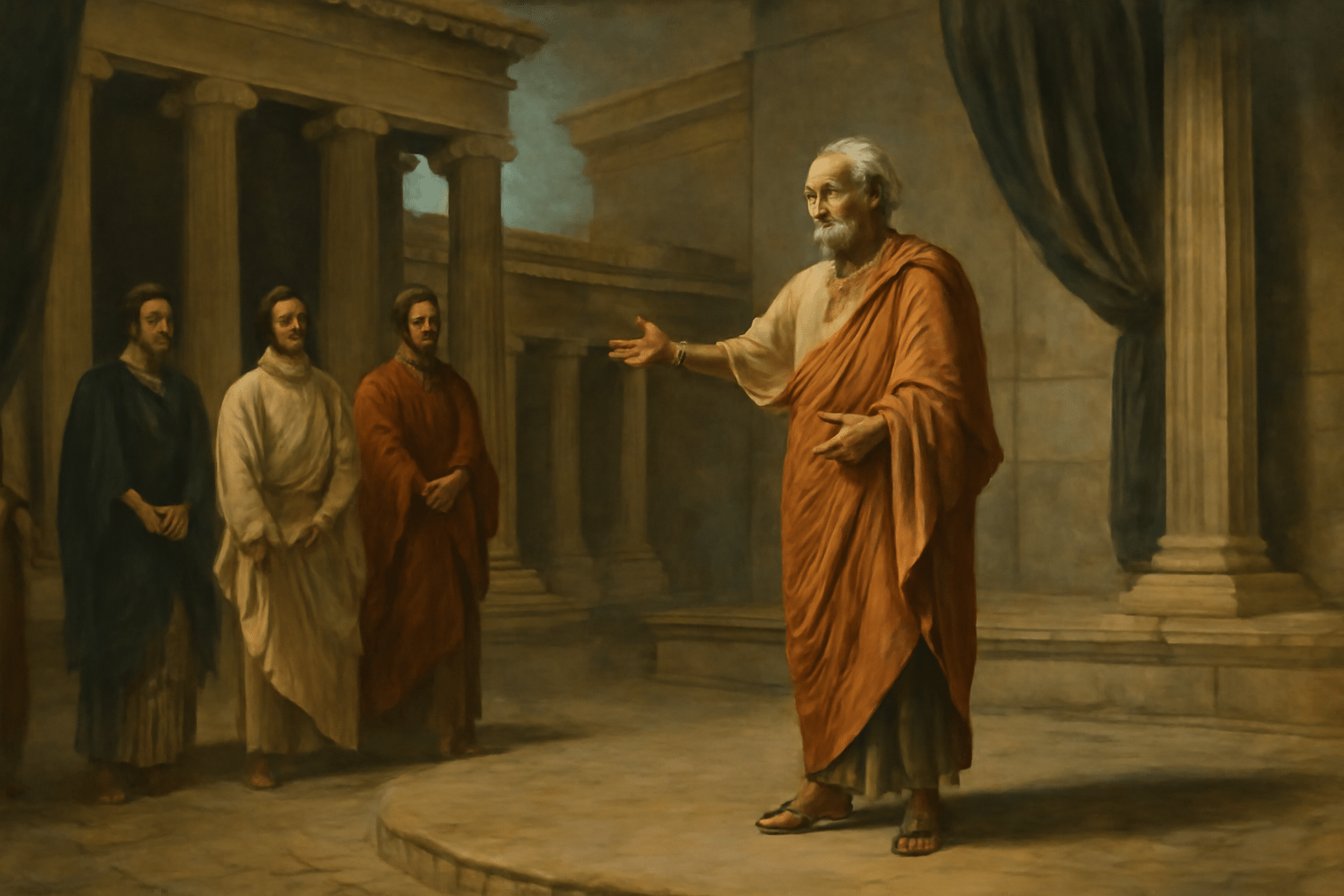
The soliloquy has deep roots in the early history of theatre, with its origins stretching back to ancient Greek and Roman drama. 🎭 These early plays used soliloquies to allow characters to express their inner thoughts, setting the stage for the dramatic technique we know today.
Ancient Greek and Roman Theatre
- Greek Tragedy: In plays by Sophocles and Euripides, characters often spoke long, poetic monologues, though they weren’t always alone. These speeches allowed characters to reflect on fate, morality, and human nature.
- Roman Influence: Roman playwrights like Seneca also used monologues, but with more direct introspection, which set the groundwork for the soliloquy’s later development in Renaissance theatre.
Shakespeare’s Contribution
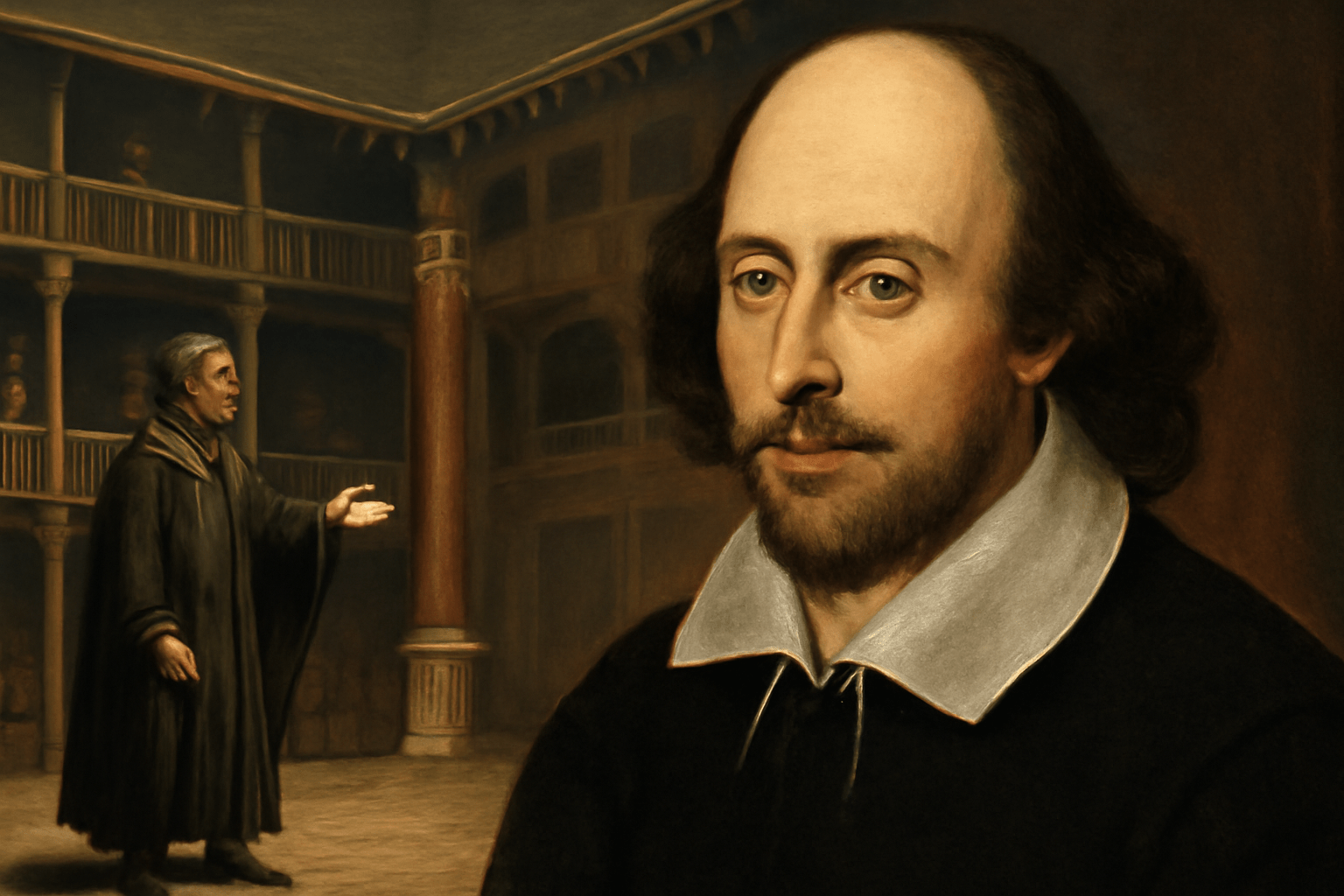
The real transformation of the soliloquy happened in the Renaissance period, largely thanks to William Shakespeare. 🌟 Shakespeare brought the soliloquy into the spotlight with plays like Hamlet, Macbeth, and Julius Caesar, where characters would speak directly to the audience, revealing complex emotions and philosophical reflections.
- Famous Example: One of the most iconic soliloquies in English literature, “To be or not to be” from Hamlet, showcases Hamlet’s deep inner conflict about life and death.
- Shakespeare used soliloquies not just for character exploration, but also to advance the plot and create dramatic tension, making them a cornerstone of his plays.
Why Were Soliloquies So Effective?
- Direct Connection to the Audience: Soliloquies gave the audience direct access to a character’s thoughts and emotions, creating a deeper emotional connection.
- Philosophical Exploration: They also allowed playwrights to tackle big themes like fate, morality, and existentialism in a way that dialogue with other characters couldn’t.
In the next section, we’ll explore how soliloquies evolved in the centuries following Shakespeare and their lasting impact on modern theatre. 🌍
3: The Evolution of Soliloquies in Theatre

The use of soliloquies didn’t stop with Shakespeare. Over time, the technique evolved to reflect the changing styles and themes of theatre. From the 17th century to today, soliloquies have adapted to different artistic movements, each adding new layers of complexity and depth.
17th-18th Century: The Decline of the Traditional Soliloquy
- Neoclassical Theatre: During this period, playwrights like Molière and Racine still used soliloquies, but they began to focus more on reason and decorum. These soliloquies often served as moral reflections or emotional outbursts, rather than deep psychological exploration.
- The Shift: As theatre moved towards more structured forms, such as comedy of manners and restoration theatre, the soliloquy became less common in its original, introspective form.
19th Century: Psychological Drama and Complex Soliloquies
- Romanticism: With the rise of romanticism, soliloquies experienced a resurgence, but with a twist. Playwrights like Henrik Ibsen and Georg Büchner started using soliloquies to explore the psychological complexity of their characters. Instead of focusing on fate or morality, soliloquies began to delve into internal conflict, personal desires, and societal pressures.
- Example: In Ibsen’s A Doll’s House, Nora’s soliloquy reveals her growing realization of her own independence.
20th Century: Modernism and Fragmentation
- The Modernist Movement: Playwrights like Samuel Beckett and Tennessee Williams adapted the soliloquy to reflect the fragmented, existential nature of modern life. In works like Waiting for Godot, soliloquies became shorter, disjointed, and sometimes absurd, reflecting the confusion and alienation of the modern world.
- Psychological Depth: Soliloquies in this era often expressed isolation and mental instability, moving away from the grand philosophical reflections of earlier works.
- Example: Beckett’s Waiting for Godot uses soliloquies not just for philosophical exploration but to depict the meaninglessness of existence.
Contemporary Theatre: Soliloquies in the Digital Age

- Film and Television: With the rise of cinema and television, soliloquies have found a new home. Directors like Martin Scorsese and David Lynch have adapted soliloquies for screen performances, maintaining the deep character introspection while making them more cinematic.
- Example: In The Wolf of Wall Street, Jordan Belfort’s soliloquies reveal his inner world of greed and ambition.
- Interactive Media: In video games and virtual theatre, soliloquies have been re-imagined to allow characters to speak to the player directly, offering unique interactive experiences.
Key Takeaways:
- Psychological Shift: From grand moral debates to intimate explorations of mental states.
- Adaptation to Modern Needs: Soliloquies have adapted to both the psychological focus of modern drama and the visual storytelling needs of cinema and television.
- Ongoing Relevance: Whether on stage or screen, soliloquies remain a critical tool for character development and audience engagement.
As we move into the impact of soliloquies on modern theatre, we’ll see how this dramatic device continues to shape the way we connect with characters and stories today. 🌍🎬
4: The Impact of Soliloquies on Modern Theatre

Soliloquies continue to have a profound impact on modern theatre, shaping both character development and audience engagement. In today’s productions, they are used not only to reveal internal struggles but also to explore contemporary themes like identity, alienation, and personal conflict. Here’s how soliloquies still play a crucial role in modern drama.
Character Development
- Deepening Emotional Complexity: Soliloquies provide characters with the chance to reveal their innermost thoughts, allowing for more nuanced performances. By hearing a character’s private reflections, the audience gains a richer understanding of their emotions, motivations, and struggles. 🎭
- Example: In modern plays like The Curious Incident of the Dog in the Night-Time, soliloquies help show the complexities of characters with psychological or emotional challenges.
- Humanizing Characters: Today’s soliloquies help to make characters more relatable. By seeing a character’s internal battles, the audience is more likely to empathize with their experiences.
- Example: In A Streetcar Named Desire, Blanche’s soliloquies reveal her vulnerabilities and the trauma she hides beneath her facade.
Audience Engagement
- Building Connection: Soliloquies create an emotional bond between the character and the audience. By hearing a character’s unspoken thoughts, the audience feels like they are being let in on a secret, creating a deeper emotional investment in the character’s journey.
- Example: The famous Hamlet soliloquy, “To be or not to be,” remains powerful because it connects us to universal themes of existence, mortality, and the human condition.
- Creating Dramatic Tension: Soliloquies often introduce conflict or reveal information that can raise the stakes of the story. By hearing a character’s private thoughts, the audience can anticipate the drama that may unfold next, adding a layer of tension and excitement.
- Example: In modern theatre, soliloquies are often used to set up conflict or reveal a character’s hidden agenda, which builds suspense for the rest of the play.
Storytelling and Plot Development
- Driving the Plot: While soliloquies reveal internal struggles, they can also serve as a tool for advancing the storyline. When a character reveals something crucial in their soliloquy, it often shifts the direction of the plot.
- Example: In Macbeth, Macbeth’s soliloquy about his ambition marks the turning point of the play, where he decides to follow through with his dark plans, setting the tragic events into motion.
- Exploring Modern Themes: Soliloquies in modern theatre are often used to explore current societal issues—from mental health to political power. They provide an intimate way for characters to express their concerns, frustrations, and observations about the world around them.
- Example: In contemporary works like The Vagina Monologues, soliloquies are used to give voice to topics like feminism, body image, and sexual empowerment.
Key Takeaways:
- Character Depth: Soliloquies continue to deepen character development by offering personal, unfiltered thoughts that humanize and complicate the characters.
- Emotional Connection: They enhance audience engagement, making viewers feel directly connected to the character’s emotional and psychological journey.
- Plot Advancement: Soliloquies often drive the narrative forward by revealing crucial plot points or internal conflicts that shift the direction of the play.
As modern theatre continues to evolve, soliloquies remain a timeless tool for storytellers to explore the complexity of human nature and connect deeply with their audiences. 🎭💡
5: How Soliloquies Enhance the Theatre Experience
Soliloquies are one of the most powerful tools in a playwright’s toolkit, playing a pivotal role in enhancing the overall theatre experience. By allowing characters to share their innermost thoughts, soliloquies offer a deeper connection between the audience and the story being told. Here’s how they elevate the theatrical experience.
Building Emotional Connection

- Inside the Character’s Mind: Soliloquies allow the audience to experience the character’s raw emotions. When characters speak their thoughts aloud, we understand their fears, hopes, and desires in a way dialogue with others can’t convey. This deepens our emotional connection with them. 🎭
- Example: Hamlet’s soliloquy, “To be or not to be”, makes the audience feel his internal struggle between life and death, creating empathy and emotional investment.
- Relatable Human Experience: Soliloquies often touch on universal themes like love, loss, or moral dilemmas. This makes the character’s internal battle relatable to anyone, no matter the time period or setting.
- Example: In King Lear, Lear’s soliloquies reveal his vulnerability and aging process, which resonates with audiences at all stages of life.
Revealing Themes and Symbolism
- Exploring Deeper Meanings: Through soliloquies, characters can articulate the deeper themes of the play. These speeches allow playwrights to communicate complex ideas directly to the audience, guiding them toward a fuller understanding of the story’s significance.
- Example: In Macbeth, Macbeth’s soliloquy about the “dagger” symbolizes his moral decay and growing ambition, setting the stage for the tragic events that follow.
- Symbolism: Often, soliloquies are filled with metaphors and symbolic imagery. This enriches the audience’s experience by adding layers of meaning to the words spoken. Characters might speak of dreams, visions, or existential musings that reflect broader themes in the play.
- Example: In A Midsummer Night’s Dream, Puck’s soliloquy is filled with whimsical language and metaphors, encapsulating the magical chaos of the play.
Enhancing Dramatic Tension
- Foreshadowing and Suspense: Soliloquies can hint at what’s to come, building dramatic tension by letting the audience in on a character’s secret plans or internal conflict. This anticipation creates suspense as the audience wonders how these thoughts will play out in the story.
- Example: In Richard III, Richard’s soliloquies reveal his schemes to seize the throne, building tension as the audience knows more than the other characters on stage.
- Conflict and Resolution: Soliloquies often serve as a turning point in the narrative. They can reflect a character’s decision-making process or a moment of clarity, which shifts the course of the plot.
- Example: In The Glass Menagerie, Tom’s soliloquy reflects his frustration and desire to escape, setting the stage for his eventual departure.
Key Takeaways:
- Emotional Connection: Soliloquies help audiences connect deeply with characters by revealing their personal struggles and desires.
- Thematic Depth: Through soliloquies, plays convey complex ideas and symbolism, enriching the audience’s understanding of the story.
- Building Tension: Soliloquies create dramatic tension by foreshadowing events and highlighting internal conflict.
Soliloquies not only elevate the character’s emotional journey but also enhance the overall impact of the performance, making it an unforgettable theatre experience. 🌟
6: Soliloquies in the Digital Age

In today’s digital era, soliloquies have evolved beyond the stage and found new platforms in film, television, and even interactive media. As technology changes the way we consume stories, soliloquies continue to play a significant role in how we connect with characters, explore complex themes, and deepen our emotional engagement. Here’s how soliloquies are thriving in the digital age. 🎥🎮
From Stage to Screen
- Film and Television: In the world of cinema and TV, soliloquies have become a key storytelling tool. Directors often use soliloquies to provide insight into a character’s inner world, making it possible to capture complex emotions in a way that resonates with the audience.
- Example: In The Wolf of Wall Street, Jordan Belfort’s soliloquies give the audience direct access to his ambitious and morally questionable mindset, helping drive the plot and deepen the character.
- Example: Breaking Bad uses soliloquies to show Walter White’s transformation from a mild-mannered teacher to a ruthless drug kingpin, making the audience understand his internal conflict.
Interactive Media: Video Games and Virtual Theatre
- Video Games: Soliloquies have made their way into interactive media such as video games, where players can experience characters’ inner thoughts in real-time. This new form of soliloquy engages players in a more immersive experience, allowing them to make decisions based on the character’s reflections.
- Example: In The Last of Us Part II, the protagonist’s soliloquies give insight into her emotional state, allowing players to connect with her on a deeper level while making choices that influence the story.
- Virtual Theatre: With the rise of virtual theatre and immersive experiences, soliloquies are now being performed in digital spaces where audiences are not just passive observers, but participants. Actors can deliver soliloquies to directly engage the viewer, creating a unique and interactive experience.
- Example: Online platforms like YouTube Live or Twitch have introduced streamers who incorporate soliloquy-like reflections during their live broadcasts, allowing their audience to connect with their thoughts in real-time.
Social Media and Streaming Platforms
- Soliloquies in Short-Form Content: The rise of platforms like TikTok and Instagram has led to a new form of soliloquy—short, direct, and impactful reflections. Content creators often use these platforms to voice personal thoughts or philosophical musings, providing the same introspective qualities found in traditional soliloquies.
- Example: Influencers sharing personal experiences or reflections in monologue-style videos, allowing followers to connect emotionally in a short, direct manner.
- Streaming Services: Streaming platforms like Netflix have embraced soliloquies in modern series and films. These platforms allow for deep character exploration over multiple episodes or seasons, using soliloquies to express psychological depth and internal struggles.
- Example: In the series Mindhunter, characters use soliloquies to delve into their psychological battles, often enhancing the storyline with complex character arcs.
Key Takeaways:
- Cinematic Impact: Soliloquies have seamlessly transitioned from stage to screen, enriching characters in films and TV shows with emotional depth and narrative clarity.
- Interactive Engagement: Video games and virtual theatre use soliloquies to create an immersive experience, allowing players or viewers to connect deeply with characters in real-time.
- Modern Platforms: Soliloquies have adapted to social media, where creators express their inner thoughts in bite-sized, engaging formats that reach wide audiences.
In the digital age, soliloquies have transformed, expanding their reach across various platforms, from the traditional stage to virtual and interactive worlds. This evolution keeps the timeless power of soliloquies alive, engaging a new generation of audiences in unique and innovative ways. 🌐🎮
Soliloquies have come a long way from their early roots in Greek and Roman theatre to their current prominence in modern-day drama and digital media. From Shakespeare’s profound introspection to the immersive soliloquies in video games and film, this dramatic technique has evolved while retaining its core power—offering audiences an intimate window into a character’s thoughts and emotions.
Whether on stage, in front of the camera, or in the digital world, soliloquies continue to deepen character development, engage audiences emotionally, and enhance the overall storytelling experience. By adapting to the ever-changing landscape of entertainment, soliloquies remain a timeless tool for connecting people to the universal human experience.
As theatre, film, and digital media continue to evolve, so too will soliloquies. They’ll keep playing a crucial role in helping us understand ourselves and the characters we encounter, both fictional and real, no matter the platform. 🎭🌍
So, the next time you encounter a soliloquy—whether in a classic play or a modern film—take a moment to reflect on its powerful legacy and the way it has shaped the way we tell stories.