
Soliloquies offer a direct window into a character’s mind, helping modern audiences grasp complex emotions and conflicts. By analyzing these speeches, readers and viewers can gain a deeper understanding of the character’s motivations and the themes explored in the play, making it easier to appreciate Shakespeare’s storytelling.

Have you ever wondered how Shakespeare’s plays captivate audiences across centuries? One of his most powerful storytelling tools is the soliloquy. These monologues allow characters to reveal their deepest thoughts, emotions, and motivations directly to the audience, shaping not only character development but also the entire plot. But how exactly does this unique technique impact Shakespearean storytelling? 🤔
In this article, we’ll explore the impact of soliloquies on Shakespearean storytelling—examining how they shape character arcs, move the plot forward, and create unforgettable moments of drama. Whether you’re a Shakespearean scholar or a newcomer to his works, you’ll gain practical insights into why soliloquies are so central to his storytelling genius. Keep reading to unlock the secrets behind this fascinating literary device!
1: The Role of Soliloquies in Shakespearean Storytelling

Shakespeare’s soliloquies aren’t just speeches; they are windows into the characters’ souls. These powerful moments of introspection have a unique role in shaping both the characters and the plot. But how exactly do they influence the storytelling in his plays? Let’s dive into the key roles soliloquies play in Shakespearean drama. 🎭
1.1 Revealing Inner Conflict and Character Motivations
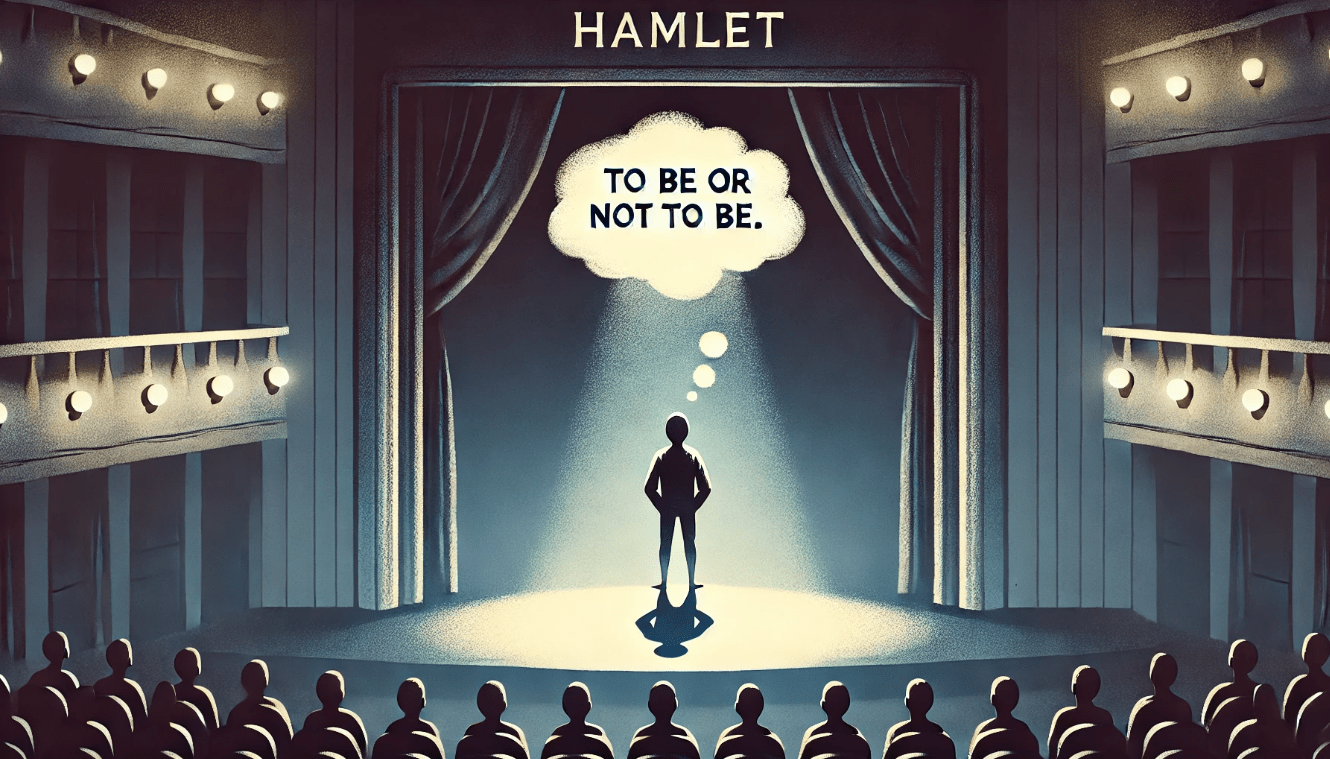
At the heart of many soliloquies is the character’s internal struggle. When characters speak directly to the audience, we gain a deeper understanding of their conflicting desires, fears, and ambitions. For example, Hamlet’s “To be or not to be” soliloquy is a classic example where the audience is taken inside his mind as he debates life and death. This moment doesn’t just reveal Hamlet’s doubts; it lays the foundation for the entire plot of Hamlet.
Practical Insight: When reading a soliloquy, ask yourself what the character is struggling with. Is it guilt, revenge, love, or something else? Understanding their inner conflict helps you better grasp their motivations and decisions in the play.
1.2 Advancing the Plot Through Internal Reflection
Soliloquies don’t just develop characters—they also propel the plot forward. By revealing a character’s thoughts, soliloquies offer clues to upcoming events and decisions that directly affect the direction of the story. Take Macbeth’s soliloquy about murdering King Duncan. His inner reflection about ambition and morality sets in motion the tragedy that follows.
Practical Insight: Pay attention to how soliloquies introduce key plot points or foreshadow upcoming events. These speeches often serve as turning points that drive the action forward.
1.3 Building Dramatic Tension
One of the most powerful effects of soliloquies is their ability to create suspense. By letting us in on the character’s private thoughts, soliloquies heighten our anticipation of what they will do next. In Othello, Iago’s soliloquies about manipulating Othello make the audience aware of his malicious intentions, building tension as we watch the drama unfold.
Practical Insight: When reading or watching a play, notice how soliloquies make you feel. Are you excited, nervous, or anxious? Shakespeare uses these moments to control the audience’s emotional journey.
1.4 Engaging the Audience and Creating Connection
Soliloquies also create a sense of intimacy. When a character speaks directly to the audience, it feels like they are confiding in us, which makes us more emotionally invested in their story. This connection enhances our engagement with the play, whether it’s through empathy for the character or intrigue about their next move.
Practical Insight: Consider how soliloquies make you feel personally connected to a character. Do they make you sympathize with their struggles or question their choices? This emotional bond is a key part of why soliloquies are so effective in Shakespeare’s storytelling.
2: Soliloquies as Tools for Character Development
In Shakespeare’s plays, soliloquies are not just moments of speech—they are essential tools for character development. Through these introspective monologues, Shakespeare allows us to see his characters evolve, revealing their true nature, motivations, and internal struggles. But how do these soliloquies shape character development, and why are they so effective? Let’s break it down. 🔍

2.1 Revealing a Character’s True Nature
Soliloquies offer a rare opportunity to see characters in their most honest form, without the influence of other characters or external pressures. These moments provide insight into their deepest thoughts and feelings, often exposing parts of their personality that they would otherwise keep hidden. Take Macbeth—in his soliloquy before murdering King Duncan, we see the internal conflict of a man torn between ambition and guilt. This moment reveals the complexity of Macbeth’s character and foreshadows his eventual downfall.
Practical Insight: When reading a soliloquy, look for moments where characters reveal their contradictions. These glimpses into their true selves often provide clues to their motivations and eventual actions.
2.2 Illustrating a Character’s Internal Struggles
Soliloquies often highlight a character’s internal conflicts, showing their struggle between opposing desires or values. For example, Hamlet’s “To be or not to be” soliloquy illustrates his deep existential dilemma. This internal battle—whether to continue living in a world filled with suffering or to end it—forms the core of Hamlet’s character arc. Through soliloquies, Shakespeare allows us to experience the characters’ moral and psychological struggles firsthand.
Practical Insight: Pay attention to the emotions a character is grappling with in their soliloquy. These moments often define the turning points in their development, revealing how they change over the course of the play.
2.3 Showing Character Transformation
Soliloquies also serve as a mirror to a character’s growth or decline. For example, in Macbeth, the soliloquy where he contemplates the consequences of his actions shows the shift from an honorable soldier to a desperate, power-hungry ruler. Similarly, Iago in Othello uses soliloquies to express his manipulative nature, showing how his character deteriorates as his jealousy consumes him.
Practical Insight: Look at the progression of a character’s soliloquies. Are they evolving or devolving? These moments of self-reflection are often key indicators of how a character transforms throughout the play.
2.4 Creating Empathy or Antagonism
One of the most powerful effects of soliloquies is their ability to change how we feel about a character. Through their introspective speeches, Shakespeare can turn a villain into a tragic hero or make us sympathize with someone we might otherwise dislike. For example, Richard III‘s soliloquies make us understand his ruthless ambition and manipulation, but they also create a sense of foreboding as we realize just how far he’s willing to go.
Practical Insight: Consider how soliloquies influence your perception of a character. Do they make you sympathize with someone who is morally questionable, or do they intensify your dislike for a villain? This emotional shift is a key element of Shakespeare’s storytelling.
3: The Impact of Soliloquies on Plot Progression

Shakespeare’s soliloquies don’t just serve to deepen characters—they also play a vital role in advancing the plot. Through these powerful speeches, Shakespeare gives us insight into key moments of decision-making, reveals important secrets, and even foreshadows the dramatic events that will follow. But how exactly do soliloquies shape the plot progression in his plays? Let’s explore their impact. 🔑
3.1 Revealing Key Plot Details
Soliloquies often act as a direct channel between the character’s mind and the audience. By voicing their thoughts, characters reveal important information about the plot that might not otherwise be known. For example, in Othello, Iago’s soliloquies about his plans to manipulate Othello are crucial for understanding the behind-the-scenes actions that propel the drama forward. Without Iago’s soliloquies, the audience would be left in the dark about his scheming, leading to a much slower buildup of tension.
Practical Insight: When watching or reading a play, pay attention to how soliloquies unveil information that is essential for moving the plot forward. These revelations often serve as turning points that set the stage for later developments.
3.2 Driving Decisions that Change the Course of Events
Many soliloquies serve as moments of decision-making that dramatically alter the course of the story. Take Macbeth—his soliloquy about murdering King Duncan represents a turning point in the plot. It’s in this moment of self-reflection that he commits to his dark path, setting off a chain of events that leads to his eventual downfall. Without this soliloquy, Macbeth’s transition from a loyal subject to a murderer would lack the depth and internal conflict that makes the plot so compelling.
Practical Insight: Consider how characters’ decisions, revealed through soliloquies, drive the plot forward. These speeches often highlight crucial moments of choice that have significant consequences for the unfolding story.
3.3 Foreshadowing Future Events
Soliloquies are also a powerful tool for foreshadowing. Shakespeare uses them to drop subtle hints about what’s to come, building anticipation for the audience. For example, Hamlet’s soliloquy about the “To be or not to be” dilemma foreshadows the play’s focus on death, mortality, and existential questions. Similarly, Macbeth’s reflections on his ambition foreshadow his eventual demise, making the audience keenly aware of the tragic fate that awaits him.
Practical Insight: As you read or watch a Shakespeare play, look for soliloquies that hint at future events. These moments often serve as clues, allowing you to anticipate the direction of the story.
3.4 Creating Dramatic Tension and Suspense
Soliloquies build suspense by revealing a character’s inner thoughts, creating a sense of tension as we watch their actions unfold. In Hamlet, the character’s soliloquies reveal his indecision and inner turmoil, which makes us anxious to see whether he will take action or not. This ongoing uncertainty increases the drama, as the audience is kept on edge, waiting for the character’s next move.
Practical Insight: Notice how soliloquies contribute to building tension in the plot. Whether it’s through indecision, guilt, or anticipation, these speeches keep the audience emotionally invested in the outcome of the play.
4: Practical Insights for Understanding Soliloquies in Shakespeare’s Plays
Shakespeare’s soliloquies are rich, layered, and often complex—but with the right approach, they can become much easier to understand and appreciate. Whether you’re studying for an exam or simply trying to enjoy Shakespeare’s works more deeply, these practical insights will help you unlock the meaning and significance of his soliloquies. Let’s break it down step by step! 📚
4.1 Read the Soliloquy Out Loud
Shakespeare’s language can be dense, but reading a soliloquy out loud can help you grasp its emotional depth and meaning. By hearing the words, you can better understand the rhythm and tone, which often reflect a character’s inner turmoil or state of mind. For example, Hamlet’s famous soliloquy “To be or not to be” takes on a whole new layer when spoken aloud, highlighting his existential conflict.
Practical Insight: Try reading the soliloquy aloud to capture the emotion behind the words. Pay attention to pauses, shifts in tone, and any words or phrases that stand out. This can give you a clearer sense of the character’s mindset.
4.2 Break It Down Into Smaller Parts
Shakespeare’s soliloquies are often long and packed with ideas. To make them more digestible, break them into smaller sections. Focus on one idea or theme at a time. This approach helps you avoid feeling overwhelmed and allows you to analyze the meaning more effectively.
For instance, in Macbeth’s soliloquy before the murder of King Duncan, he reflects on the consequences of his actions. Breaking it into smaller chunks will help you pinpoint his evolving thoughts—from doubt and hesitation to a decision to act.
Practical Insight: When reading a soliloquy, pause after each sentence or thought. Ask yourself: What is the character thinking or feeling here? How does this connect to their larger journey in the play?
4.3 Consider the Character’s Emotional State
One of the most powerful aspects of soliloquies is that they reveal a character’s emotional state. Understanding a character’s mood—whether they’re anxious, guilty, angry, or conflicted—can give you crucial context. For example, Iago’s soliloquies in Othello reveal his growing jealousy and manipulation, which influences the plot in dramatic ways.
Practical Insight: Think about the emotional context behind the soliloquy. How does the character feel at this moment? What emotions are driving their actions? This helps you connect the speech to their larger arc.
4.4 Look for Key Themes and Motifs
Shakespeare often weaves recurring themes and motifs throughout his soliloquies. These can be broad concepts like love, power, betrayal, or fate. Identifying these themes within a soliloquy gives you a deeper understanding of the play’s central message.
For example, in Macbeth’s soliloquy contemplating the murder of Duncan, we see themes of ambition, guilt, and destiny all coming to the forefront. By identifying these motifs, you can better understand how they influence the character’s journey and the plot.
Practical Insight: As you read, underline or note any recurring words or ideas. These can help you recognize the core themes of the play and understand how the soliloquy contributes to the overall narrative.
4.5 Analyze How It Connects to the Plot
Every soliloquy in Shakespeare’s plays serves a purpose in advancing the story. Whether it’s foreshadowing a major event, revealing a hidden agenda, or explaining a character’s motivation, these speeches play a key role in the plot. After reading a soliloquy, step back and ask yourself: How does this moment impact the play’s direction?
In Hamlet, for example, Hamlet’s soliloquy about revenge directly influences his later actions, driving the entire plot forward.
Practical Insight: After reading a soliloquy, ask how it pushes the plot forward. Does it reveal a character’s next move? Does it change the course of the action? Understanding the plot connection will deepen your appreciation of the soliloquy’s role.
5: The Lasting Influence of Soliloquies in Modern Storytelling

Shakespeare’s soliloquies have left a mark on storytelling that extends far beyond his time. Their influence can be seen in modern literature, film, and even television, where internal monologues continue to play a key role in shaping character depth and plot. Let’s explore how the legacy of soliloquies lives on today—and how they still impact the way stories are told. 🎬
5.1 Soliloquies in Modern Film and Television
While soliloquies were a staple of Shakespearean drama, they’ve evolved into powerful tools in contemporary film and TV. Directors and writers often use voiceover monologues to give audiences a glimpse into a character’s internal thoughts, much like Shakespeare’s soliloquies. For example, in films like Fight Club or The Wolf of Wall Street, characters share their innermost desires and conflicts with the audience through voiceovers. These modern soliloquies mirror the introspective nature of Shakespeare’s speeches, helping viewers understand character motivations and shaping the plot.
Practical Insight: Pay attention to voiceover monologues in modern films. These moments function in a similar way to soliloquies, revealing key details that drive the narrative forward and deepen character development.
5.2 Internal Dialogue in Literature
Soliloquies aren’t just confined to the stage or screen—they’ve also influenced literary techniques. In modern novels, internal dialogue often takes the place of Shakespeare’s soliloquies. Writers use first-person narratives or stream-of-consciousness writing to give readers insight into a character’s thoughts and emotional state. Characters like Holden Caulfield from The Catcher in the Rye or Gregor Samsa from The Metamorphosis have their inner conflicts revealed in a way that mirrors the introspective monologues of Shakespeare’s characters.
Practical Insight: When reading modern literature, look for sections where the character speaks directly to themselves or reflects on their feelings. These moments often echo the soliloquies Shakespeare used to develop his characters and plot.
5.3 Shakespeare’s Influence on Modern Character Arcs
The character-driven storytelling we see in today’s media owes much to the structure established by Shakespeare. In his plays, characters’ soliloquies were pivotal in shaping their arcs, giving the audience a front-row seat to their transformation. Modern storytelling often follows this model, using internal monologues to track a character’s growth, inner conflict, and ultimate choices. The soliloquy has thus influenced how we understand characters’ emotional journeys, from antiheroes to tragic figures.
Practical Insight: Notice how modern stories often depict a character’s emotional or psychological evolution. This development is often communicated through introspective moments similar to soliloquies, which allow us to connect deeply with the character’s struggle.
5.4 Why Soliloquies Still Matter Today
So why do soliloquies continue to be relevant in modern storytelling? It’s simple: they help create emotional depth and narrative clarity. Whether in a Shakespearean play or a modern film, soliloquies give audiences access to a character’s raw emotions and thought processes. This transparency builds empathy and makes the stakes of the story feel personal. In essence, soliloquies allow us to get inside the character’s head—and we’re still drawn to that intimacy in today’s stories.
Practical Insight: When watching a movie or reading a book, pay attention to moments where characters “speak” their inner thoughts. These are often the most revealing moments of character development and are heavily inspired by Shakespeare’s use of soliloquies.
Shakespeare’s soliloquies are much more than dramatic speeches—they are the heart and soul of his storytelling. Through these powerful moments of introspection, Shakespeare invites us to dive deep into the minds of his characters, shaping their development and driving the plot forward. From revealing inner conflicts to advancing key storylines, soliloquies have proven themselves as essential tools for creating unforgettable drama. 🎭
Even today, their influence is still felt in modern storytelling, from films and literature to television. Whether through voiceovers, internal dialogue, or character-driven arcs, the legacy of Shakespeare’s soliloquies continues to shape how we connect with characters and understand their journeys.