Imagine stumbling upon a decades-old murder conviction while working on a simple college assignment—only to uncover doubts about the guilty verdict that could change everything. That’s the gripping premise of Allen Eskens’ debut novel, The Life We Bury. In this comprehensive The Life We Bury summary, we’ll explore the full plot structure, major characters, central themes, and what makes this thriller a standout in the genre—all without revealing any spoilers that could ruin your reading experience.
Published in 2014, The Life We Bury has captivated readers worldwide, earning spots on bestseller lists and critical acclaim for its blend of suspense, emotional depth, and moral complexity. Whether you’re searching for a detailed The Life We Bury summary to refresh your memory before a book club, decide if it’s the next book on your TBR list, or understand its enduring popularity over a decade later, this guide provides the most thorough, insightful overview available. Drawing from Eskens’ authentic legal background and masterful storytelling, this novel isn’t just a mystery—it’s a profound exploration of truth, redemption, and the burdens we carry.
As someone deeply immersed in literary analysis and thriller fiction, I’ve revisited this book multiple times, appreciating how it balances heart-pounding tension with thoughtful character development. Let’s dive in.
About the Author: Allen Eskens’ Expertise in Crime Fiction
Allen Eskens is a USA Today bestselling author whose journey from criminal defense attorney to acclaimed novelist lends unparalleled authenticity to his work. Growing up in the hills of central Missouri before moving to Minnesota, Eskens earned a journalism degree from the University of Minnesota and a Juris Doctorate from Hamline University School of Law. He practiced law for over 20 years, experiences that deeply inform the legal intricacies and moral dilemmas in his books.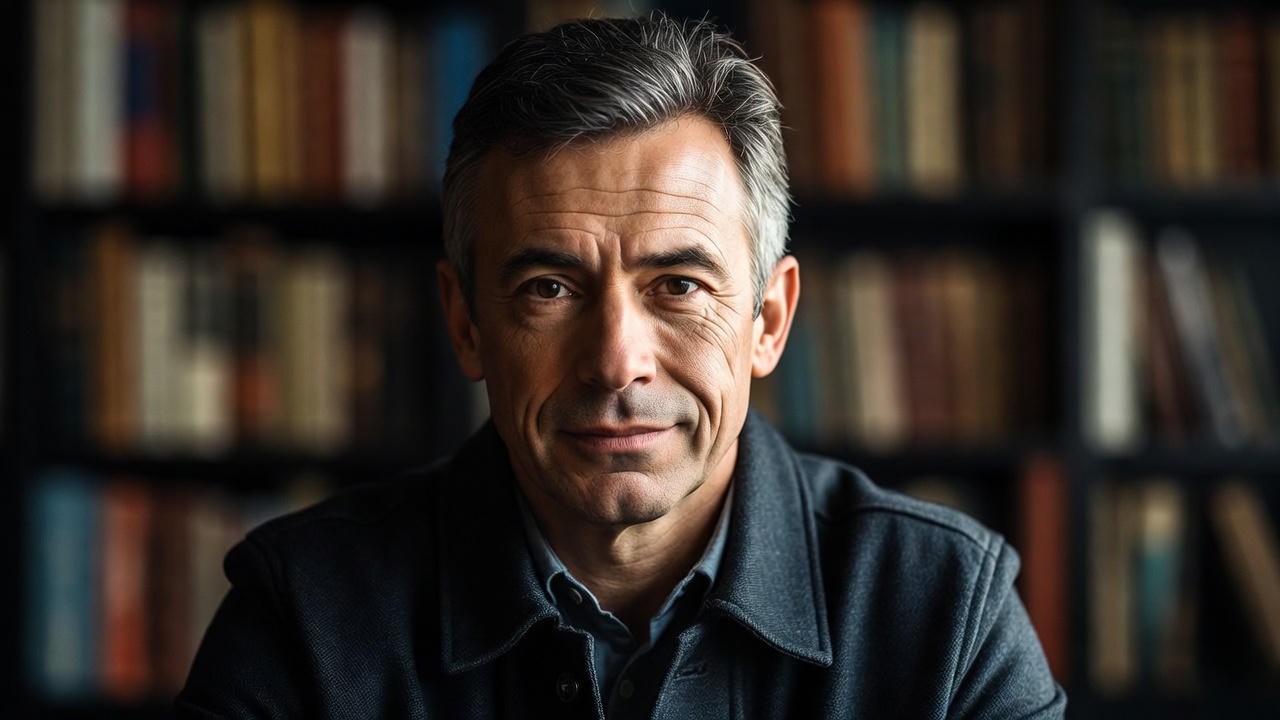
Eskens’ debut, The Life We Bury, launched his career with immediate success, winning the Rosebud Award for Best First Mystery and earning finalist spots for prestigious honors like the Edgar Award, Anthony Award, Thriller Award, and Minnesota Book Award. Since then, he’s authored over ten novels, including interconnected series featuring characters like Joe Talbert and Detective Max Rupert. His accolades include the Barry Award, Left Coast Crime Award (Lefty), Silver Falchion Award, and multiple Minnesota Book Awards.
What sets Eskens apart is his ability to weave real-world legal knowledge into compelling narratives. His background ensures accurate depictions of the justice system—flaws, evidence handling, and wrongful convictions—making his thrillers not only entertaining but thought-provoking. As of late 2025, with his most recent works continuing to garner praise, Eskens remains a leading voice in contemporary mystery fiction, translated into over 20 languages.
Book Overview and Publication Details
The Life We Bury is a mystery thriller with strong literary elements, clocking in at around 320 pages. Published by Seventh Street Books (an imprint of Prometheus Books) in October 2014, it quickly became a breakout hit, praised for its tight pacing and emotional resonance.
Key details at a glance:
- Genre: Mystery/Thriller, Coming-of-Age, Literary Fiction
- Primary Setting: Contemporary Minnesota (around 2010), with flashbacks to 1980 and the Vietnam War era
- Length: Approximately 320 pages (paperback edition)
- Key Accolades: Winner of the Rosebud Award; finalist for Edgar, Anthony, Thriller, and Minnesota Book Awards; frequent selection for book clubs and “One Book” community reads
- Series Connection: This novel introduces Joe Talbert and Lila Nash, who return in The Shadows We Hide (a direct sequel). Elements also loosely connect to Eskens’ Max Rupert series
The novel’s vivid Minnesota backdrop—cold winters, quiet nursing homes, bustling college campuses, and small-town secrets—creates an atmospheric tension that mirrors the characters’ internal struggles. Eskens uses the harsh climate as a metaphor for buried emotions that eventually thaw and surface.
Main Characters: A Deep Dive into the Ensemble
Eskens excels at crafting multidimensional characters whose personal growth drives the plot as much as the mystery itself. Here’s an in-depth look at the core cast:
Joe Talbert – The Relatable Protagonist
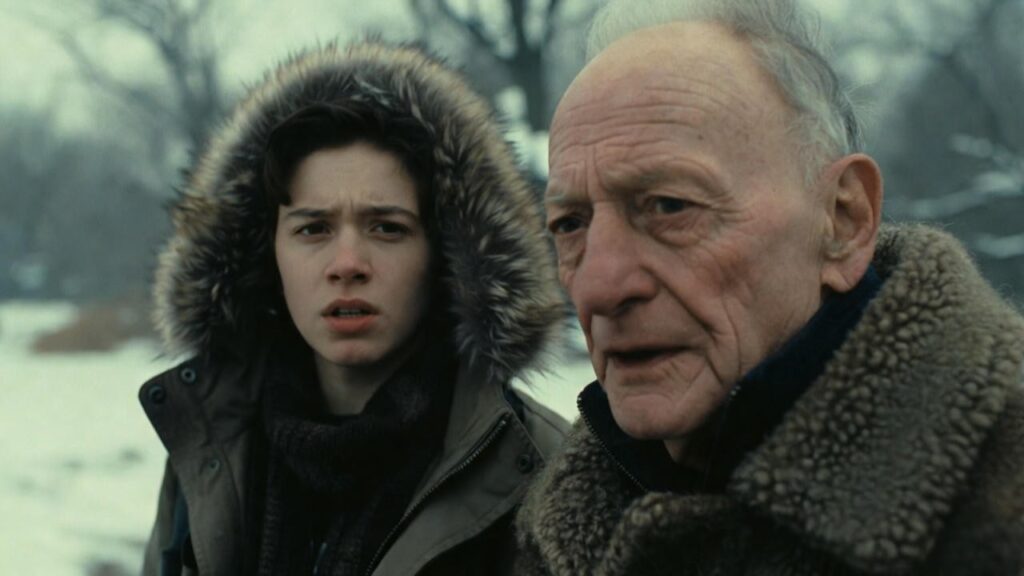
Joe Talbert is a 21-year-old college student at the University of Minnesota, working multiple jobs to pay tuition while trying to escape a dysfunctional family. Raised by an alcoholic mother in a small rural town, Joe carries deep responsibility for his younger brother Jeremy, who is on the autism spectrum. Resourceful, determined, and quietly heroic, Joe embodies the “everyman” thrust into extraordinary circumstances. His narrative voice—first-person, introspective yet understated—makes him instantly relatable and grounds the story in emotional authenticity.
Carl Iverson – The Enigmatic Convict
Carl is a terminally ill Vietnam War veteran and convicted murderer, recently granted compassionate release after 30 years in prison. Medaled for heroism in combat yet condemned for a brutal crime upon returning home, Carl is complex and compelling. Through his interviews with Joe, layers of his past unfold, forcing readers to question assumptions about guilt, trauma, and redemption. Eskens draws on thorough research into Vietnam veterans’ experiences to make Carl feel profoundly real.
Lila Nash – The Sharp Ally
Lila, Joe’s apartment neighbor and fellow student, becomes an invaluable partner in the investigation. Intelligent, fiercely independent, and dealing with her own past wounds, Lila brings analytical skills and emotional balance to Joe’s impulsive tendencies. Their evolving relationship adds warmth and chemistry without overshadowing the central mystery.
Supporting Cast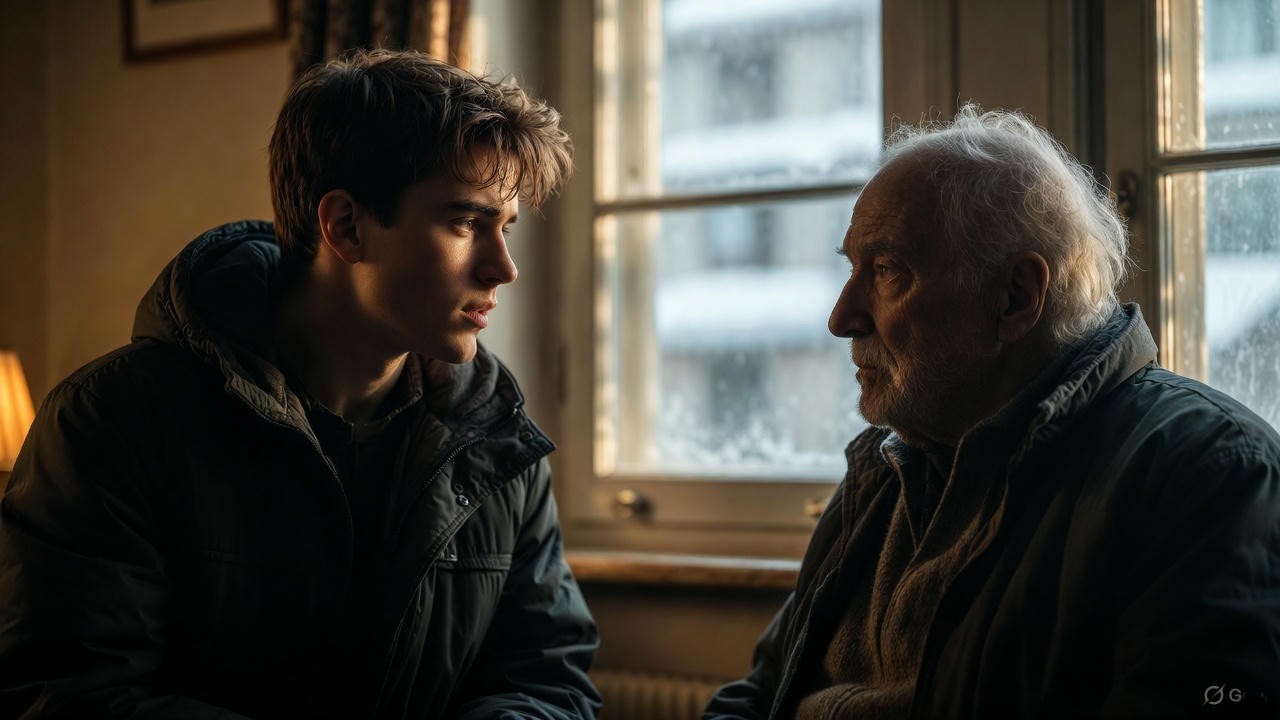
- Jeremy Talbert: Joe’s younger brother, whose autism is portrayed with sensitivity and accuracy. Jeremy represents innocence and vulnerability, raising the personal stakes dramatically.
- Kathy Talbert: Joe’s neglectful, alcoholic mother—a heartbreaking portrait of addiction and its ripple effects.
- Virgil Reynolds: Carl’s wartime friend, whose testimony carries weight.
- Other figures: Law enforcement, nursing home staff, and figures from Carl’s past round out a rich ensemble that feels lived-in and purposeful.
Every character serves the story, avoiding clichés common in the genre.
Full Plot Summary (Spoiler-Free)
The Life We Bury unfolds primarily in dual timelines: the present day (circa 2010) and flashbacks to Carl’s past in 1980 and Vietnam. The structure masterfully interweaves personal drama with investigative suspense.
The Setup – A College Assignment Turns Personal
The story opens with Joe Talbert struggling to complete an English assignment: write a biography of an elderly stranger. Rejecting nursing home residents who seem ordinary, Joe chooses Carl Iverson—a dying convict recently moved to a facility for terminal care. What begins as an academic exercise quickly becomes personal when Carl’s recounting of his life reveals inconsistencies in the murder case that put him behind bars for three decades.
Building the Mystery – Unearthing Buried Secrets
As Joe conducts interviews, he enlists Lila’s help to research old court records, newspaper archives, and a hidden diary. Flashbacks illuminate Carl’s heroic actions in Vietnam and his troubled return home, contrasting sharply with the prosecution’s narrative. Doubts emerge about evidence, witness reliability, and possible alternative suspects. The deeper they dig, the more dangerous the buried truths become.
Parallel Struggles – Family and Personal Crises
Interwoven with the investigation is Joe’s ongoing battle to protect Jeremy from their chaotic mother. Sudden family emergencies force Joe to juggle school, work, and the biography project while confronting his own suppressed trauma. These parallel threads heighten tension, showing how past wounds shape present choices.
Rising Tension – Twists and High Stakes
Midway through, discoveries accelerate the pace. Unexpected connections surface, moral dilemmas intensify, and real threats emerge—not just to the investigation but to the characters’ safety. Eskens layers revelations carefully, maintaining suspense without relying on cheap shocks.
The novel builds to a climax that blends emotional confrontation with pulse-pounding action, delivering a resolution that feels earned and resonant.
Throughout, the title The Life We Bury serves as a powerful metaphor for the secrets, regrets, and traumas characters attempt to inter—only to find they eventually resurface.
Key Themes Explored in Depth
What elevates The Life We Bury from solid thriller to modern classic is its rich thematic depth. Eskens tackles weighty topics with nuance and compassion.
Justice and the Flaws in the System
Drawing directly from his legal career, Eskens exposes vulnerabilities in the criminal justice process: rushed investigations, overreliance on circumstantial evidence, tunnel vision, and the lifelong consequences of wrongful (or questionable) convictions. The novel prompts readers to question how society defines guilt and whether true justice is always achievable through courts.
Redemption and Forgiveness
Multiple characters seek atonement for past actions—whether on the battlefield, in family life, or through perceived failures. Eskens explores whether redemption is possible and who has the right to grant forgiveness.
Family Loyalty and Buried Pasts
The impossibility of fully escaping one’s history is central. Joe’s devotion to Jeremy despite overwhelming odds highlights unconditional love, while dysfunctional parent-child dynamics illustrate generational trauma. The phrase “the life we bury” encapsulates suppressing painful memories in hopes they stay buried.
Guilt, Innocence, and Moral Ambiguity
Eskens masterfully blurs lines between hero and villain. War trauma, societal judgment of veterans, and personal desperation complicate simplistic notions of innocence. Readers are challenged to withhold judgment until all layers are revealed.
Resilience in the Face of Adversity
From poverty and addiction to terminal illness and wrongful imprisonment, characters demonstrate remarkable perseverance. Joe’s journey from aimless survivor to purposeful advocate embodies hope and growth.
These themes resonate long after the final page, sparking meaningful discussions in book clubs and classrooms.
Major Twists and Pacing Highlights (No Spoilers)
Eskens structures the novel like a metronome—steady buildup followed by accelerating revelations.
- Early Hooks: Carl’s Vietnam stories and initial case discrepancies grab attention immediately.
- Mid-Book Momentum: Investigative breakthroughs alternate with family crises, preventing any lull.
- Climactic Buildup: Late twists recontextualize earlier events, leading to intense, emotionally charged confrontations.
- Resolution: Satisfying closure across multiple arcs, with lingering philosophical questions.
The pacing is near-perfect: 320 pages that feel brisk yet substantive.
Why This Book Stands Out: Expert Insights
In a crowded thriller market, The Life We Bury distinguishes itself through:
- Authentic legal and psychological details (thanks to Eskens’ background)
- Sensitive, accurate portrayal of autism and veteran PTSD
- Balanced blend of plot-driven suspense and character-driven depth
- Comparisons: Fans of John Grisham appreciate the courtroom elements; readers of Tana French or Kristin Hannah enjoy the emotional complexity
Minor critiques sometimes mention the “amateur sleuth” trope, but Eskens grounds it realistically—Joe and Lila’s involvement stems organically from the assignment and personal stakes.
Overall, it’s a debut that feels polished and mature, explaining its enduring popularity more than ten years later.
Reader Tips and Discussion Prompts
To enhance your reading experience:
- Read during winter for atmospheric synergy with the Minnesota setting
- Keep tissues handy—emotional moments hit hard
- Note content warnings: murder investigation, off-page sexual assault references, alcoholism, war violence, child neglect
Book Club Discussion Questions
- How does the title reflect each major character’s journey?
- In what ways does the novel challenge perceptions of the justice system?
- Discuss the portrayal of autism through Jeremy—was it authentic and impactful?
- How do flashbacks to Vietnam enhance the central mystery?
- Which character showed the most growth, and why?
- Is full redemption possible for someone with Carl’s past?
Similar Books and Series Recommendations
If you love The Life We Bury:
- Continue the series: The Shadows We Hide (direct Joe Talbert sequel)
- Other Eskens titles: The Deep Dark Descending or Nothing More Dangerous
- Comparable reads:
- Defending Jacob by William Landay (family secrets and justice)
- The Silent Patient by Alex Michaelides (unreliable perspectives)
- Ordinary Grace by William Kent Krueger (Minnesota setting, coming-of-age mystery)
- A Flicker in the Dark by Stacy Willingham (past trauma resurfacing)
FAQs About The Life We Bury
Is there a spoiler-free way to know if Carl is innocent?
The book’s power lies in sustained ambiguity—Eskens keeps readers guessing until the end. Trust the journey.
Does the book have a happy ending?
It’s bittersweet: hopeful and redemptive in many ways, but realistically acknowledges lingering pain.
Is it part of a series?
Yes—best read as the starting point for Joe Talbert’s arc.
Has it been adapted into a movie or TV show?
As of 2025, film rights have been optioned multiple times, but no official adaptation has been released yet.
Is the book based on a true story?
No, though Eskens drew inspiration from real wrongful conviction cases and veteran experiences.
Unbury This Gem Today
More than a decade after publication, The Life We Bury remains essential reading for anyone who appreciates thrillers with heart, brains, and moral weight. Allen Eskens’ debut masterfully combines page-turning suspense with profound questions about truth, family, and second chances. This detailed The Life We Bury summary only scratches the surface—the real magic happens when you turn the pages yourself.