

Shakespeare’s comedies are renowned for their wit, humor, and unforgettable characters. But what sets them apart and deepens our connection to these characters? One powerful tool Shakespeare often used is the soliloquy. 🌟 The role of soliloquies in Shakespearean comedy goes beyond just clever speech—they provide invaluable insight into a character’s mind, giving us a glimpse of their inner world. Whether it’s a humorous monologue that heightens the comedy or a deeply reflective moment that uncovers a character’s motivations, these monologues are key to both character development and audience engagement.
In this article, we’ll explore how Shakespeare uses soliloquies to create complex, memorable characters and draw the audience into their emotional journeys. 📜 By the end, you’ll see why soliloquies are not only vital for understanding Shakespeare’s comedic genius, but also why they continue to captivate modern audiences. Keep reading to discover how these monologues shape the stories we love, making them richer and more relatable than ever.
1. Understanding Soliloquies in Shakespearean Comedy
In Shakespearean comedy, soliloquies are more than just monologues—they’re windows into a character’s soul. But what exactly is a soliloquy, and why is it so crucial to the comedic structure?

A soliloquy is a speech delivered by a character who is alone on stage (or believes they are alone). Unlike dialogues, which are conversations between characters, soliloquies give the audience direct insight into the character’s inner thoughts, emotions, and conflicts. 🎭
For example, in Twelfth Night, Viola’s soliloquy about her love for Orsino lets us into her heart, as she grapples with her identity and desires. These moments not only allow us to empathize with the character but also create a deeper connection between the audience and the story.
Why are these soliloquies so vital to Shakespeare’s comedies? They reveal hidden motivations and set up comedic misunderstandings. Characters often express their thoughts freely, which can lead to ironic or humorous situations. For example, Benedick’s soliloquy in Much Ado About Nothing allows the audience to see his shift from a cynical bachelor to a lovestruck man—creating both comedy and anticipation. 😄
In Shakespeare’s comedies, soliloquies play a key role in both character development and audience engagement, serving as a tool for the characters to express their innermost thoughts and for the audience to get a clearer picture of the unfolding plot.
2. Soliloquies in Shakespearean Comedy: Purpose and Function
In Shakespeare’s comedies, soliloquies serve a vital purpose—they’re not just a tool for storytelling, but a way to deepen character development and create a stronger connection between the audience and the play. Let’s break down how soliloquies function to enhance the comedic experience.
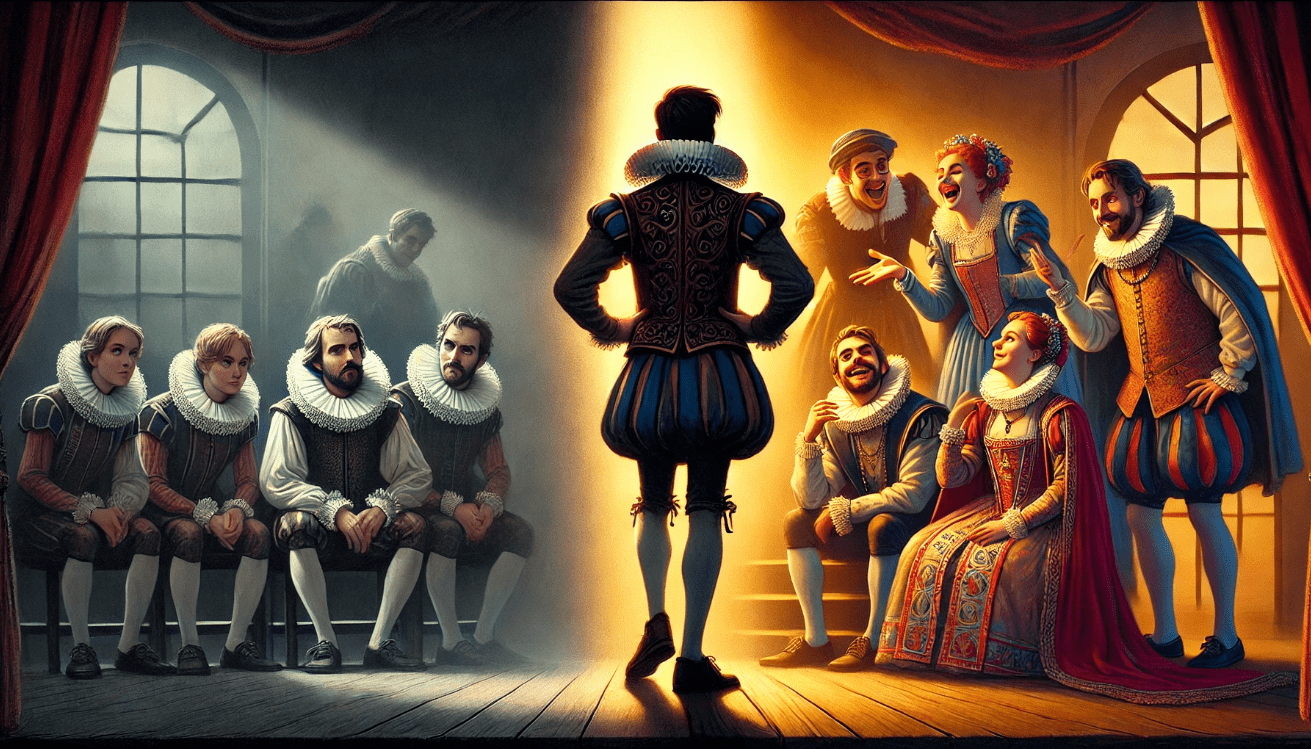
Character Development
One of the primary functions of a soliloquy is to reveal a character’s innermost thoughts and conflicts. These speeches give characters the opportunity to express what they cannot say aloud in a conversation with other characters. This helps the audience understand why characters act the way they do, making them more relatable and complex.
For instance, in Twelfth Night, Viola’s soliloquy about her disguised identity helps the audience see her emotional journey and how she’s torn between love and loyalty. Without this insight, her behavior might seem confusing, but the soliloquy creates a deeper understanding of her character’s struggles. 😊
Driving the Plot Forward
Soliloquies also serve as a tool to move the plot forward. By hearing a character’s internal dialogue, the audience is often given a sneak peek into upcoming twists or conflicts. These revelations create suspense, as we know things that other characters on stage don’t. For example, in A Midsummer Night’s Dream, Puck’s soliloquy at the end reveals how the magical chaos is about to be untangled, setting up the resolution.
Additionally, soliloquies often showcase a character’s change over time. Characters who start off with a particular mindset may reveal through their soliloquies how their opinions or goals have shifted. This transformation is a core element in many Shakespearean comedies.
Creating Comedy Through Irony and Wit
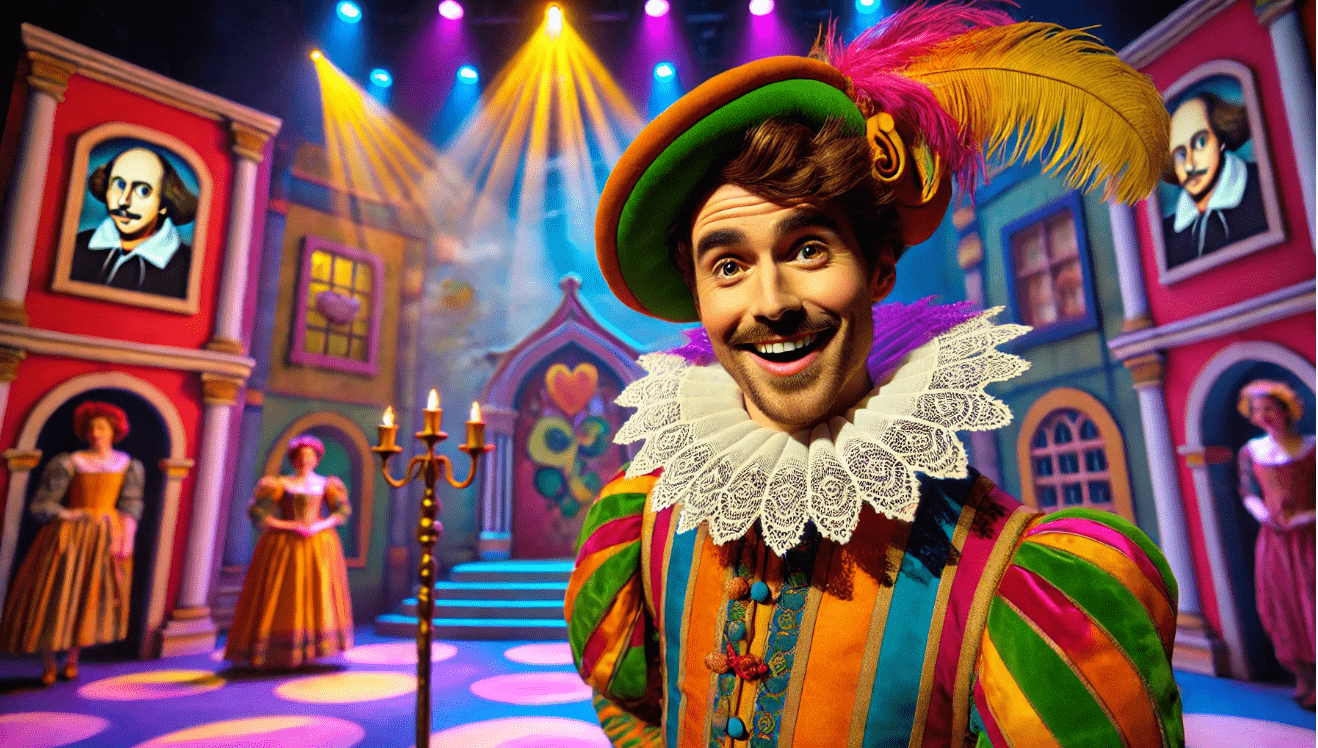
In Shakespearean comedy, soliloquies are often comedic due to their ironic nature. The audience knows things the characters don’t, leading to humorous situations. For example, when Benedick in Much Ado About Nothing talks about his refusal to love Beatrice, the audience knows he’s already fallen for her—this irony creates comedic tension.
Moreover, soliloquies often include witty wordplay and exaggerated emotions, which add to the humor. By using clever language and over-the-top emotions, characters express their feelings in ways that make us laugh while still revealing their true selves.
Highlighting Hidden Desires or Secrets
Sometimes, soliloquies are the perfect vehicle for characters to reveal their hidden desires or secrets. These moments often drive the comedic misunderstandings that are central to many of Shakespeare’s plots. In The Merchant of Venice, Shylock’s soliloquy about revenge uncovers his motivations, which set up the dramatic conflict that will follow. 🌟
In essence, soliloquies in Shakespearean comedy are more than just speeches—they are tools that reveal character traits, move the plot forward, create suspense, and engage the audience in the humor and drama of the play. Through these powerful moments, Shakespeare crafts characters that are not only complex but also deeply relatable, inviting the audience to laugh, reflect, and empathize.
3. How Soliloquies Engage the Audience

Soliloquies in Shakespearean comedy do more than reveal a character’s inner thoughts—they actively engage the audience, making us feel as though we’re part of the story. Let’s break down how these monologues pull the audience in and create lasting emotional connections.
Building Emotional Connections
When a character delivers a soliloquy, they are essentially speaking directly to the audience. This breaks the fourth wall, creating a sense of intimacy between the character and the audience. By hearing their thoughts aloud, we can better understand their struggles, desires, and fears. 🌟
For example, in Twelfth Night, when Viola reflects on her love for Orsino, the audience feels her emotional conflict. We’re not just watching her; we’re feeling her emotions as if they’re our own. This direct connection pulls us into the character’s journey, making us care deeply about what happens next.
Creating Dramatic Irony
One of the most powerful tools soliloquies provide is dramatic irony—when the audience knows something that the characters on stage don’t. This creates a unique tension, as we await the moment when the character will finally realize the truth or misunderstand the situation further.
In A Midsummer Night’s Dream, Puck’s soliloquy at the end of the play directly addresses the audience. We, the viewers, are aware of the chaotic events that have unfolded, while the characters remain blissfully unaware of the magical tricks that have been played on them. This dramatic irony heightens the comedy, as we watch the characters make decisions based on misunderstandings that we fully comprehend. 😄
Revealing Secrets and Motivations
Soliloquies often act as windows to the soul, where characters confess their true thoughts and feelings—things they might not reveal to other characters. These moments unlock the character’s secret desires, motivations, or plans, which is crucial for both plot development and audience engagement.
Take Shylock in The Merchant of Venice. In his famous soliloquy, he reveals his bitterness and desire for revenge. The audience learns exactly what drives him, making his actions later in the play much more understandable—and, to some, even sympathetic. Through this personal revelation, the audience is given a deeper understanding of the conflict and stakes.
Reinforcing Comedy Through Exaggeration and Wit
In many cases, soliloquies in Shakespearean comedy emphasize the humor of a situation. Characters often exaggerate their emotions or speak in witty, playful tones, which helps enhance the comedic atmosphere.
For instance, in Much Ado About Nothing, Benedick’s soliloquy after overhearing a conversation about his supposed love for Beatrice is filled with humorous self-reflection. His over-the-top reactions to what he believes is true make us laugh while still contributing to his growth as a character.
These comedic soliloquies allow the audience to witness characters’ exaggerated emotional responses, turning moments of confusion or misunderstanding into sources of humor. 😆
Breaking Down the Complexities of the Plot
As the plot of a Shakespearean comedy unfolds, soliloquies provide clarity and understanding of the intricate relationships and misunderstandings that drive the story. They act as guides, helping the audience navigate through the twists and turns.
For example, Puck’s final soliloquy in A Midsummer Night’s Dream reassures the audience that all is well, despite the chaos that has occurred. By addressing the viewers directly, Puck not only wraps up the story but also comforts the audience, leaving them with a sense of satisfaction and resolution.
Soliloquies in Shakespearean comedy do far more than just reveal character thoughts—they build emotional bonds, create tension through dramatic irony, and reinforce comedic elements. These monologues turn passive spectators into active participants, making the audience feel involved in the unfolding drama and humor.
4. Examples of Iconic Soliloquies in Shakespearean Comedy

Shakespeare’s comedies are filled with iconic soliloquies that not only showcase his characters’ emotions but also drive the narrative and engage the audience. Let’s take a closer look at some of the most memorable soliloquies in his comedic plays, highlighting their role in character development and audience engagement.
1. Viola in Twelfth Night – “The clock upbraids me with the waste of time”
In Twelfth Night, Viola’s soliloquy is a perfect example of how Shakespeare uses soliloquies to express inner conflict. Viola, disguised as Cesario, reflects on her love for Orsino while grappling with the complications of her situation.
This soliloquy reveals her emotional turmoil and adds depth to her character, showing her vulnerability. The audience feels her longing and sympathizes with her struggle, making her journey toward love more compelling. ❤️
2. Benedick in Much Ado About Nothing – “This can be no trick”
Benedick’s soliloquy in Much Ado About Nothing is a humorous moment of self-reflection. After overhearing a conversation about Beatrice’s supposed love for him, Benedick is convinced that she loves him too. His soliloquy shows his disbelief and excitement, with exaggerated expressions of joy.
This is a comedic goldmine—through witty wordplay and self-deprecating humor, Benedick’s soliloquy entertains the audience while revealing his inner transformation from a cynical bachelor to a man in love. 😍
3. Puck in A Midsummer Night’s Dream – “If we shadows have offended”
Puck’s final soliloquy in A Midsummer Night’s Dream serves as a charming way to wrap up the play. Puck addresses the audience directly, apologizing for the chaos caused by the magical mischief and offering an explanation for the events that unfolded.
This soliloquy is an example of meta-theatrical comedy—Puck recognizes the audience’s presence, creating a sense of unity between the stage and the spectators. It also provides a sense of closure, making it one of the most iconic soliloquies in Shakespearean comedy. 🎭
4. Beatrice in Much Ado About Nothing – “I do much wonder that one man, seeing how much another man is a fool when he dedicates his behaviours to love”
Beatrice’s witty and sharp soliloquy in Much Ado About Nothing is another brilliant example of Shakespeare’s use of soliloquy for humor and character development. In this speech, Beatrice mocks the absurdity of love, especially as she reflects on her feelings for Benedick.
Her clever language and strong independence are evident here, showcasing her wit and reluctance to give in to love. This soliloquy establishes Beatrice as a character full of contradictions—sharp yet vulnerable—making her journey towards love with Benedick all the more satisfying for the audience. 😆
5. Malvolio in Twelfth Night – “I may command where I adore”
Malvolio’s soliloquy in Twelfth Night is one of Shakespeare’s most memorable comedic moments. After he finds a letter he believes is from Olivia, he imagines himself in a position of power and respect.
This soliloquy is humorous because it reveals Malvolio’s self-importance and delusions of grandeur, while also showing his vulnerability as he believes his desires are being fulfilled. The audience laughs at his overconfidence, knowing that Malvolio’s misguided hope will soon lead to his downfall. 😂
5. The Impact of Soliloquies on Modern Adaptations

Shakespeare’s soliloquies have stood the test of time, influencing not just the world of theatre, but also modern adaptations in film, television, and even digital media. These timeless monologues continue to captivate new generations, proving their relevance far beyond the Elizabethan stage. Let’s explore how soliloquies have evolved in modern adaptations and why they still resonate with contemporary audiences. 🎬
Adapting Soliloquies for Modern Audiences
While Shakespeare’s original soliloquies were written for live performances in the 16th century, modern adaptations often reimagine these speeches to better connect with today’s audience. Directors and screenwriters have found creative ways to keep the spirit and emotional depth of these monologues while adapting them to contemporary settings.
In the 1999 film 10 Things I Hate About You, which is based on The Taming of the Shrew, Kat’s modern-day soliloquy captures the emotional essence of the original play but speaks in language that resonates with today’s viewers. This makes the classic material more accessible, while maintaining its power to engage and emotionally connect with the audience. 😊
Soliloquies in Film and Television
Shakespeare’s soliloquies are frequently used in film adaptations, where they not only serve as a way to delve into the character’s mind but also play a role in visual storytelling. For example, the soliloquy in Hamlet, “To be or not to be,” has been portrayed in various films, often reinterpreted to fit different themes or settings, from gritty modern urban landscapes to more traditional historical settings.
Modern films like Shakespeare in Love and even The Lion King borrow from Shakespeare’s soliloquies to underscore a character’s internal battle. These adaptations retain the core emotional conflict of the original monologues, making them relatable to contemporary viewers while maintaining their theatrical roots.
The Role of Soliloquies in TV Shows
In television, soliloquies are often adapted into monologues that still offer deep insight into characters’ thoughts and feelings. Take House of Cards, where Frank Underwood often addresses the camera in soliloquy-style monologues. These moments parallel the classical Shakespearean tradition, allowing the audience to see the protagonist’s hidden plans and thoughts, much like how Shakespeare’s characters revealed their secrets.
In comedy series like Fleabag, Phoebe Waller-Bridge’s character breaks the fourth wall and speaks directly to the audience, much like a soliloquy, revealing her innermost thoughts and feelings. This creates an immediate connection between the character and the viewer, just as Shakespeare’s soliloquies did centuries ago. 🎤
Influence on Modern Drama and Performance

Shakespeare’s use of soliloquies has shaped modern storytelling techniques across genres. Playwrights, filmmakers, and even digital content creators continue to draw inspiration from how Shakespeare used direct audience engagement to convey character motivation and emotional depth. The introspection and emotional revelations found in soliloquies are still incredibly powerful tools for creating compelling, relatable characters.
Even in the age of modern media, soliloquies remain a tool for character development, whether in traditional theatre or the digital age. These monologues continue to inspire creators because they help bridge the gap between audience and character, allowing a deeper exploration of internal conflict, motivations, and desires.
Soliloquies in Shakespearean comedy are far more than just eloquent speeches—they are powerful tools that deepen character development, drive the plot, and engage the audience in ways that transcend time. From revealing a character’s innermost thoughts to creating dramatic irony and humor, these monologues invite the audience into the very heart of the play, making us feel like active participants in the story. 🎭
As we’ve seen, soliloquies help to shape complex, relatable characters and provide critical insight into their emotional journeys. Whether you’re watching them unfold on stage or in modern adaptations on screen, the emotional depth and timeless wit of these speeches continue to captivate and resonate with audiences.
The impact of soliloquies extends beyond Shakespeare’s era, influencing modern storytelling in film, television, and digital media. They remain a key element of character-driven narratives, allowing creators to engage viewers in new, exciting ways. 🌟