

Have you ever read a play or novel and found yourself lost in a character’s thoughts, pondering life’s deepest questions right alongside them? 🤔 The use of soliloquies to explore philosophical themes is one of literature and drama’s most powerful tools, giving us intimate access to a character’s mind as they wrestle with concepts like morality, identity, and existence.
But what makes soliloquies so effective at conveying these complex ideas? And how can understanding them help you unlock the philosophical depth in your favorite works? In this article, we’ll dive deep into how soliloquies unravel profound philosophical themes, offering you new ways to appreciate the texts you love—and even spark your own philosophical reflections.
1: What is a Soliloquy?

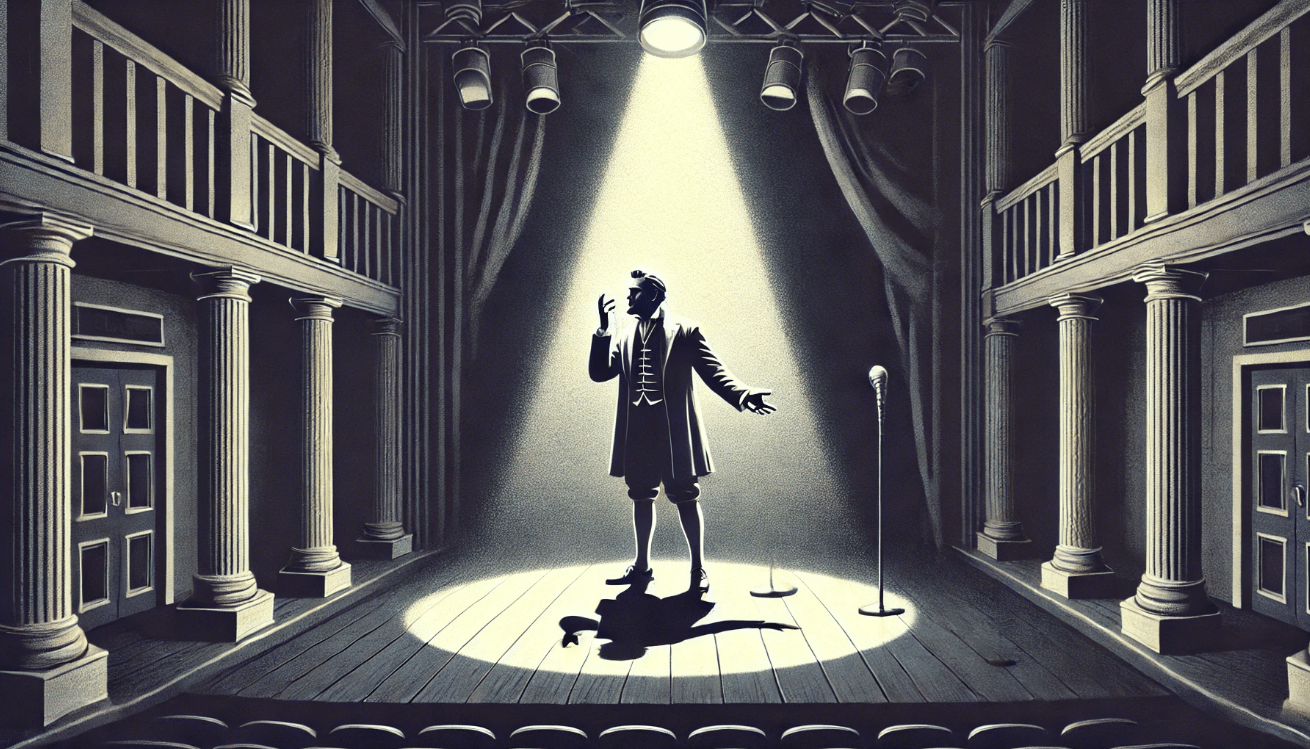
A soliloquy is a powerful literary device often used in drama, where a character speaks their thoughts aloud, revealing their inner feelings and conflicts—usually while alone on stage. 🗣️ Unlike a regular dialogue between characters, a soliloquy allows the audience to hear the character’s private reflections, providing deep insight into their psyche.
Key Features of a Soliloquy:
- One-Person Speech: A soliloquy is delivered by a single character, typically when they are alone or believe they are alone. It’s a moment of personal expression.
- Inner Conflict: These speeches often explore complex emotions or dilemmas, such as self-doubt, guilt, or existential questions.
- Philosophical Exploration: Soliloquies often tackle big, thought-provoking ideas—like life’s meaning, personal identity, and moral choices.
Why Are Soliloquies Important in Literature and Drama?
Soliloquies allow characters to share their most intimate thoughts directly with the audience, offering a deeper understanding of their motivations and struggles. This makes them an excellent tool for exploring philosophical themes. Through these moments, writers can delve into existential questions and moral dilemmas that drive the plot and reveal the true nature of the character.
2: The Role of Soliloquies in Exploring Philosophical Themes
Soliloquies are more than just a dramatic tool; they are essential for exploring deep philosophical themes that define a story’s core. By giving characters the chance to voice their inner thoughts, soliloquies create a direct pathway for exploring complex ideas like identity, morality, existence, and the nature of reality.
 🌌
🌌
1. Revealing Inner Conflict and Self-Reflection
When a character speaks alone, it’s a moment of pure self-reflection. Soliloquies often occur when a character faces an internal battle—whether they are questioning their values, struggling with guilt, or wrestling with difficult decisions. These moments expose the philosophical dilemmas that shape their actions and worldview.
For example, Hamlet’s famous soliloquy “To be or not to be” isn’t just about whether to live or die—it’s about confronting the human fear of death, the meaning of existence, and how one chooses to live in the face of uncertainty.
2. Exploring Existential Questions
Existentialism—the exploration of life’s meaning—is a recurring theme in many soliloquies. Characters often wrestle with big questions like: What is the purpose of life? or What happens after death? Soliloquies create an intimate space for these philosophical reflections to unfold, allowing the audience to connect with the character’s deepest fears and desires.
In Macbeth, for example, Macbeth’s soliloquy “Out, out, brief candle!” illustrates his belief that life is ultimately meaningless, reduced to a “tale told by an idiot.” This nihilistic perspective is a key part of the philosophical themes of fate and ambition in the play.
3. Moral and Ethical Dilemmas
Soliloquies also highlight the moral struggles of characters, forcing them to confront questions of right and wrong, justice, and guilt. By voicing these internal debates, soliloquies allow the audience to see a character’s ethical evolution.
In The Merchant of Venice, Shylock’s soliloquy on justice versus mercy presents a classic philosophical debate about the nature of justice. Should justice always be served to the letter, or is mercy the higher value?
4. Bridging the Gap Between the Audience and the Character
Because soliloquies are delivered directly to the audience, they establish a unique emotional connection. The audience isn’t just an observer; they become part of the character’s thought process. This creates an immersive experience where philosophical questions aren’t just intellectual—they become personal.
3: Why Soliloquies Are Effective for Philosophical Exploration
Soliloquies are one of the most effective ways to dive deep into philosophical themes because they provide a direct, intimate connection to a character’s mind. 🌟 When a character speaks their inner thoughts aloud, they not only reveal personal struggles but also grapple with universal questions that resonate with the audience.
1. They Offer Unfiltered Insight into a Character’s Thoughts
A soliloquy allows the audience to hear exactly what a character is thinking—without the filter of societal expectations or the influence of other characters. This transparency is key for exploring complex philosophical issues, as it gives us a raw look at how a character grapples with questions about life, morality, and existence.
For example, in Hamlet, Hamlet’s soliloquies give us a direct line into his existential musings, where we can see him struggle with the meaning of life and death. These reflections are often so personal that they become relatable to anyone who has ever questioned their own beliefs or purpose. 🧠
2. They Create Emotional Depth and Empathy
When characters vocalize their innermost fears, doubts, and dreams, the audience connects with their vulnerability. This emotional depth encourages empathy, allowing the audience to reflect on their own lives through the philosophical themes being explored. Soliloquies give us the space to not just understand a character’s struggles but to feel them, too.
In Macbeth, when Macbeth reflects on his actions and the futility of life, it’s not just a philosophical observation—it’s an emotional one. His realization that “life is but a walking shadow” invites the audience to confront their own ideas about mortality, ambition, and despair. 🌑
3. They Highlight Universal Philosophical Questions
Soliloquies often explore timeless questions that transcend individual characters. By presenting these big ideas—like “What is the meaning of life?” or “What is right and wrong?”—soliloquies allow writers to address universal philosophical dilemmas that engage audiences across time and space. These questions are both personal and universal, making the themes accessible to anyone, no matter their background or era.
For instance, in King Lear, Lear’s soliloquy about the cruelty of life and the passing of time taps into age-old philosophical themes of aging, power, and fate that resonate with us all.
4. They Allow for a Structured Exploration of Ideas
Unlike spontaneous dialogue, a soliloquy provides time for a character to articulate their thoughts in a coherent, structured way. This makes it easier for the audience to follow the character’s philosophical exploration. Characters are often able to begin with a question or problem, explore various angles, and even come to a resolution by the end of the speech. This structured approach helps make complex ideas more digestible and engaging.
4: Famous Soliloquies and the Philosophical Themes They Explore
Soliloquies are not only central to classic works of literature—they’re also where some of the most profound philosophical ideas are explored. Let’s take a look at some famous soliloquies and the big questions they raise, helping us understand how these powerful moments unravel deeper themes. 🌟
1. “To Be or Not to Be” – Hamlet by William Shakespeare
- Philosophical Themes: Existentialism, life and death, the meaning of existence.
- Overview: In one of the most famous soliloquies in literature, Hamlet contemplates the nature of life and death. The line “To be, or not to be, that is the question” delves into the existential question of whether life, with all its suffering, is worth living, or whether death might be a preferable alternative.
- Why It’s Powerful: This soliloquy raises profound philosophical questions about human existence and the fear of the unknown. Hamlet’s internal struggle resonates with anyone who has ever questioned the meaning of life and the inevitability of death. 💭
2. “Out, Out, Brief Candle” – Macbeth by William Shakespeare
- Philosophical Themes: Nihilism, the futility of life, ambition.
- Overview: After learning of his wife’s death, Macbeth reflects on the fleeting nature of life. He compares life to a “brief candle” and a “tale told by an idiot,” implying that life has no inherent meaning.
- Why It’s Powerful: Macbeth’s soliloquy reveals the deep despair and nihilism he feels after his unchecked ambition leads to chaos. It explores the theme that life is ultimately meaningless, a fleeting moment in time. The soliloquy challenges the audience to reflect on the nature of ambition and its consequences. 🔥
3. “The Seven Ages of Man” – As You Like It by William Shakespeare
- Philosophical Themes: The passage of time, the stages of life, human nature.
- Overview: In this famous soliloquy, Jaques describes the seven stages of a man’s life, from infancy to old age. He compares life to a play, where each person plays different roles at different stages, emphasizing the inevitability of life’s transitions.
- Why It’s Powerful: This soliloquy explores the transient nature of life and the roles we play as we age. It encourages reflection on the human experience and how our identity shifts throughout life. The idea of life as a play also invites us to question the authenticity of our own roles. 🎭
4. “All the World’s a Stage” – As You Like It by William Shakespeare
- Philosophical Themes: Identity, human roles, the meaning of life.
- Overview: In this soliloquy, Jaques further explores the metaphor of life as a stage and people as actors, suggesting that each person has their own part to play—from childhood to old age.
- Why It’s Powerful: This soliloquy raises questions about the roles we are assigned in society and how we construct our identities. It encourages a philosophical examination of life’s various stages, highlighting the idea that our existence is just a temporary performance. 🎬
5. “I Am a Man More Sinned Against Than Sinning” – King Lear by William Shakespeare
- Philosophical Themes: Justice, forgiveness, suffering.
- Overview: As King Lear grapples with his own suffering and madness, he reflects on how he has been wronged by others, questioning the fairness of life. The soliloquy explores his feelings of injustice and his desire for mercy.
- Why It’s Powerful: This moment reveals Lear’s evolving understanding of justice and his own role in the suffering he faces. It encourages reflection on forgiveness, accountability, and the nature of human suffering. 💔

5: How Soliloquies Enhance the Drama Experience
Soliloquies do much more than reveal a character’s thoughts—they amplify the drama, deepen the themes, and connect the audience to the emotional heart of the story. Let’s explore how these powerful speeches make the drama experience more engaging and impactful. 🎭
1. Creating Emotional Connection
One of the most compelling reasons soliloquies are effective in drama is their ability to forge a deep emotional bond between the character and the audience. When a character speaks directly to us, sharing their most vulnerable thoughts, it pulls us into their emotional world. This allows the audience to not only understand but feel the character’s internal struggles.
For example, when Hamlet delivers his soliloquy on life and death, the audience feels his existential crisis. This emotional engagement makes us reflect on our own lives, heightening the dramatic tension.
2. Revealing Inner Conflict and Heightening Drama
Soliloquies often occur during moments of internal conflict, adding layers of tension to the story. They allow us to witness characters grappling with tough choices, which makes the stakes feel higher. When characters express doubt, guilt, or fear in a soliloquy, it builds suspense, making us eagerly anticipate what they will do next.
In Macbeth, for example, Macbeth’s soliloquies show his inner turmoil about committing murder. As the audience, we are kept on edge, wondering whether he will go through with it or not. This conflict intensifies the drama and keeps us hooked. 🔥
3. Exploring Complex Philosophical Themes
Soliloquies provide a natural space for the exploration of philosophical themes. Since they allow characters to reflect on big questions—like the meaning of life, the nature of good and evil, or the consequences of actions—they deepen the intellectual engagement of the play. These themes add complexity to the drama, giving the audience more to think about beyond the plot itself.
In King Lear, Lear’s soliloquies delve into themes of power, justice, and suffering, prompting the audience to ponder these weighty issues while experiencing his emotional journey.
4. Giving Insight into Character Development
As characters evolve throughout the play, their soliloquies offer a unique lens through which we can track their emotional and philosophical growth. These speeches often reveal turning points in a character’s development, allowing us to understand how they have changed or what has been revealed about their true nature.
For instance, in Macbeth, Macbeth’s soliloquies evolve from ambitious desires to deep regret and despair, showing the damaging effects of his unchecked ambition.
5. Enhancing the Theatrical Experience
On stage, soliloquies are moments of focus where the world around the character falls away, and all attention is on them. This spotlight effect enhances the theatrical experience, drawing the audience into a moment of introspection or revelation. It’s a powerful pause in the action that allows the audience to process what’s happening and understand the character’s motivations.
6: Practical Applications for Readers and Writers
Understanding soliloquies and their role in exploring philosophical themes can help both readers and writers deepen their engagement with literature and drama. Whether you’re analyzing a classic play or crafting your own story, here are practical insights to help you use soliloquies effectively. ✍️
For Readers: How to Analyze Soliloquies
- Identify the Core Conflict
When reading a soliloquy, ask yourself: What internal conflict is the character grappling with? Soliloquies often occur during moments of deep personal struggle. By identifying this conflict, you can better understand the philosophical themes the character is confronting.
Example: In Hamlet, the soliloquy “To be or not to be” centers on Hamlet’s internal battle with the fear of death and the meaning of life. - Look for Key Philosophical Questions
Soliloquies often raise profound philosophical questions. As you read, pay attention to questions about existence, morality, or identity. These themes help uncover the deeper meanings in the text.
Example: In Macbeth, Macbeth’s soliloquy on the “brief candle” metaphor reflects on life’s brevity and meaninglessness—questions that are existential at their core. - Track Emotional and Intellectual Growth
Over the course of a play or story, soliloquies often show a character’s emotional or intellectual transformation. Notice how the character’s reflections evolve and what that reveals about their development.
Example: In King Lear, Lear’s soliloquies shift from self-pity to a greater understanding of his mistakes, offering a glimpse into his growth and redemption.
For Writers: How to Use Soliloquies in Your Own Writing
- Use Soliloquies to Reveal Inner Conflict
Soliloquies are a great way to expose a character’s innermost thoughts. If you’re writing a story and need to show a character struggling with a big decision or moral dilemma, a soliloquy can be the perfect tool. This gives readers insight into the character’s motivations and the philosophical themes at play.
Tip: Focus on what’s at stake for the character. What are they afraid of? What do they hope for? Let their reflections drive the plot forward. - Introduce Philosophical Themes Gradually
Philosophical ideas don’t have to be introduced all at once. Use soliloquies as a way to gradually introduce these ideas. As the character reflects on their experiences, they can ask and explore big questions, allowing the reader to follow along and connect with the character’s journey.
Tip: Use the soliloquy to give your character space to ponder ideas like love, justice, or mortality, without overwhelming the audience with heavy dialogue. - Balance Soliloquies with Dialogue
While soliloquies are powerful, it’s important to balance them with other forms of dialogue in your writing. Too many soliloquies can overwhelm the reader or slow down the action. Use them at key moments when a character’s inner thoughts need to be voiced.
Tip: Think of soliloquies as a tool to highlight turning points in your character’s emotional or philosophical journey. Use them sparingly for maximum impact.
7: Common Misconceptions About Soliloquies
While soliloquies are a powerful tool in literature and drama, there are several misconceptions that might lead to confusion. Let’s debunk some of the most common myths about soliloquies, so you can fully appreciate their importance and role in exploring philosophical themes. ✨
1. Misconception: Soliloquies Are Only Found in Shakespeare’s Plays
- Reality: While Shakespeare made soliloquies famous, they are used in many forms of literature and modern theater. Soliloquies appear in everything from classic novels to contemporary plays, movies, and TV shows. Characters in modern dramas often use soliloquies to reveal their thoughts, making them relevant to today’s audience.
Example: In the TV series Breaking Bad, Walter White’s soliloquies allow viewers to understand his moral transformation, similar to the way Hamlet’s soliloquies delve into existential questions.
2. Misconception: Soliloquies Are Just Characters Talking to Themselves
- Reality: While soliloquies involve characters speaking alone, they serve much more than self-talk. They are designed to communicate a character’s deeper philosophical struggles, not just a random stream of consciousness. These moments are crucial for revealing inner conflict and personal reflections on life’s big questions.
Example: In Macbeth, Macbeth’s soliloquy is a profound exploration of his thoughts on fate, ambition, and the meaning of life, not just idle muttering.
3. Misconception: Soliloquies Slow Down the Action of a Play
- Reality: Soliloquies don’t necessarily slow down the action—they enhance it. While they might pause external action, they move the internal drama forward. These moments often mark turning points in a character’s emotional or philosophical journey, creating dramatic tension and adding layers of complexity to the story.
Example: Hamlet’s soliloquies push the plot forward by showing his internal struggle and moral dilemma, which drives his decisions throughout the play.
4. Misconception: Soliloquies Are Only for Serious or Tragic Stories
- Reality: Soliloquies can be used in a variety of genres, not just tragedies. While they are famously used in tragic works to explore heavy themes, soliloquies can also appear in comedies, modern dramas, and even lighter stories to convey a character’s innermost thoughts, desires, or humor.
Example: In The Importance of Being Earnest by Oscar Wilde, the characters’ monologues provide humorous and witty insights into their personalities, despite the comedic tone of the play.
5. Misconception: Soliloquies Are Just Philosophical Speeches
- Reality: While many soliloquies explore philosophical themes, they can also reflect a character’s emotional state, motivations, or personal conflicts. Not every soliloquy needs to be a deep philosophical speech—it can simply serve to reveal the character’s emotional complexity or reveal hidden desires.
Example: In Romeo and Juliet, Juliet’s soliloquy before drinking the potion reflects her anxiety, fear, and determination—an emotional rather than a philosophical exploration.
Soliloquies are more than just a dramatic tool—they are a powerful way to explore the deepest philosophical themes in literature and drama. By giving characters the chance to speak their inner thoughts aloud, soliloquies offer the audience a direct window into their struggles, desires, and reflections on life, identity, and morality. These introspective moments not only enhance the drama but also invite us to reflect on our own lives and the big questions that define the human experience. 🌱
From Hamlet’s existential crisis to Macbeth’s despair, soliloquies have the ability to both reveal a character’s evolution and engage the audience on a deeper intellectual and emotional level. Whether you’re a reader, a writer, or a theater lover, understanding how soliloquies work can help you connect with literature in a more meaningful way.