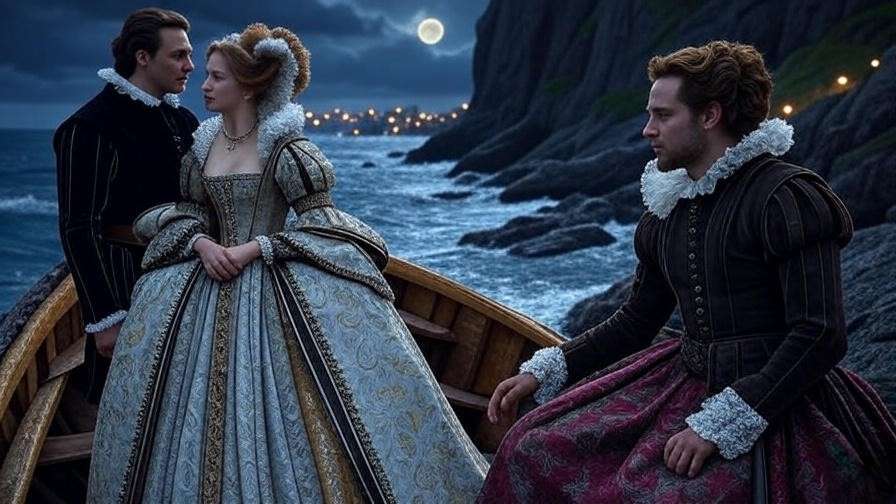
Picture this: a storm-tossed shipwreck strands a young woman on the shores of Illyria, a land of love, laughter, and mistaken identities. Viola, disguised as a man, steps into a world where dukes pine, countesses swoon, and a pompous steward dreams of greatness. Welcome to Twelfth Night, William Shakespeare’s comedic masterpiece, where the Twelfth Night characters weave a tapestry of romance, humor, and human folly. For students, theater enthusiasts, and curious readers, understanding these characters unlocks the heart of the play’s enduring appeal. This article offers a comprehensive exploration of Twelfth Night’s iconic figures, blending expert analysis, historical context, and practical insights to deepen your appreciation—whether you’re studying for an exam, preparing for a performance, or simply savoring Shakespeare’s genius.
Why Twelfth Night Characters Matter
A Timeless Exploration of Human Nature
The characters in Twelfth Night are more than players in a comedy; they embody universal themes that resonate across centuries. Viola’s disguise as Cesario probes questions of gender and identity, strikingly relevant in today’s discussions of fluidity and self-expression. Orsino’s lovesick musings capture the irrationality of desire, while Malvolio’s ambition exposes the fragility of social climbing. As Stephen Greenblatt, a renowned Shakespeare scholar, notes, “Twelfth Night’s characters are mirrors of our own contradictions, blending joy with melancholy in a way that feels achingly human” (Greenblatt, Will in the World). Their struggles and triumphs invite readers to reflect on love, pride, and the masks we wear.
Relevance for Students and Theatergoers
For students, analyzing Twelfth Night characters is key to mastering essays or exams. Understanding Viola’s motivations or Malvolio’s downfall helps unpack the play’s themes for academic success. Theatergoers, too, benefit from knowing these characters’ depths, enhancing their experience of live performances or adaptations like the 2006 film She’s the Man, which reimagines Viola’s story in a modern high school. Whether you’re decoding Shakespeare’s text or marveling at a stage production, these characters are the play’s beating heart.
Shakespeare’s Craftsmanship
Shakespeare’s genius lies in crafting characters who drive both the comedy and emotional weight of Twelfth Night. Each figure—from the witty Viola to the foolish Sir Andrew—serves a purpose, advancing the plot while revealing truths about human nature. Their interplay creates a delicate balance of humor and pathos, making the play a standout in Shakespeare’s comedic oeuvre. This article will delve into their complexities, offering insights to enrich your understanding.
Overview of Twelfth Night’s Setting and Plot
The World of Illyria
Illyria, the fictional setting of Twelfth Night, is a dreamlike coastal land where reality bends and identities blur. This exotic backdrop amplifies the play’s themes of illusion, transformation, and revelry. The characters’ actions—Viola’s disguise, Orsino’s romantic excesses, Malvolio’s delusions—reflect Illyria’s topsy-turvy atmosphere, where social norms and personal desires collide. Understanding this setting helps ground the characters’ motivations and the play’s chaotic charm.
Plot Summary
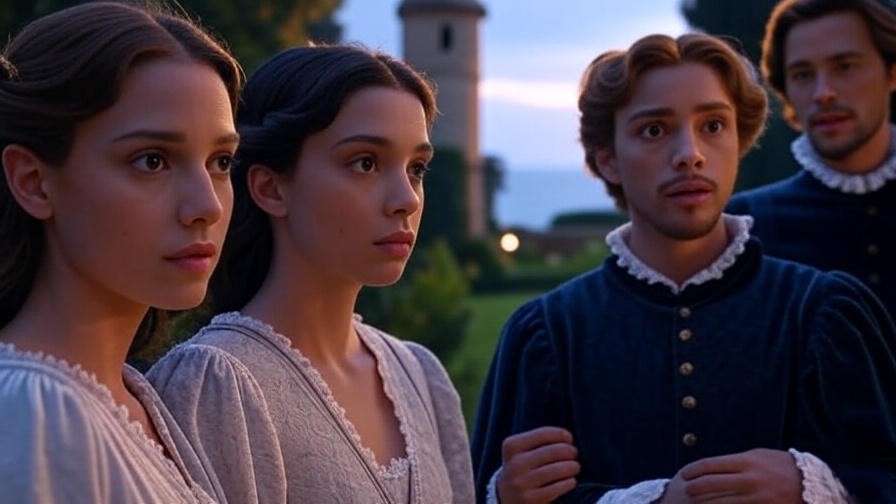
Twelfth Night opens with a shipwreck that separates twins Viola and Sebastian, leaving Viola stranded in Illyria. Disguised as a man, Cesario, she serves Duke Orsino, who loves the mourning countess Olivia. A tangled love triangle ensues as Olivia falls for Cesario, unaware of Viola’s true identity. Meanwhile, Olivia’s household—led by her drunken uncle Sir Toby, his foolish friend Sir Andrew, and the clever maid Maria—orchestrates a prank against the pompous steward Malvolio. Mistaken identities, romantic revelations, and comedic subplots converge in a joyful resolution. This overview sets the stage for exploring the characters who drive these events.
Major Characters in Twelfth Night
Viola (Cesario)
Role: Viola, the play’s protagonist, is a noblewoman shipwrecked in Illyria. Disguising herself as Cesario, she serves Orsino while navigating a web of love and mistaken identity.
Personality and Motivations: Viola is resilient, quick-witted, and deeply empathetic. Her disguise as Cesario is both a survival tactic and a means to explore her identity in a foreign land. Her love for Orsino, expressed through poignant soliloquies, reveals her emotional depth and selflessness, as she serves him despite her own feelings.
Key Moments: Viola’s interactions with Orsino (Act 1, Scene 4) showcase her loyalty and wit, while her encounters with Olivia (Act 1, Scene 5) spark the comedic love triangle. Her famous “willow cabin” speech (Act 2, Scene 4) is a masterclass in poetic longing.
Thematic Significance: Viola embodies themes of gender fluidity, loyalty, and self-discovery. Her cross-dressing, a necessity in Elizabethan theater where men played all roles, also critiques societal norms, making her a timeless figure.
Expert Insight: As scholar Jean E. Howard observes, “Viola’s disguise challenges the fixity of gender, inviting audiences to question identity itself” (Howard, The Stage and Social Struggle). Her role bridges comedy and poignancy, anchoring the play’s emotional core.
Orsino, Duke of Illyria
Role: Orsino, the romantic lead, is a duke consumed by unrequited love for Olivia.
Personality and Motivations: Orsino is passionate but melodramatic, indulging in poetic fantasies of love. His obsession with Olivia blinds him to Viola’s devotion, though his eventual shift toward her reveals growth. His mercurial nature reflects the play’s exploration of love’s volatility.
Key Moments: Orsino’s opening speech, “If music be the food of love, play on” (Act 1, Scene 1), sets the tone for his romantic excess. His growing bond with Cesario (Viola) hints at deeper connections, culminating in the play’s resolution.
Thematic Significance: Orsino represents love’s irrationality and self-absorption, but his arc suggests the possibility of authentic connection. His character invites readers to question the sincerity of romantic ideals.
Olivia
Role: Olivia, a wealthy countess, is in mourning for her brother but becomes enamored with Cesario.
Personality and Motivations: Olivia is strong-willed and autonomous, defying expectations by rejecting Orsino’s advances. Her grief gives way to passion for Cesario, showcasing her emotional complexity and agency as a female character in Shakespeare’s canon.
Key Moments: Her witty exchanges with Cesario (Act 1, Scene 5) reveal her intelligence, while her bold pursuit of him defies Elizabethan gender norms. Her eventual pairing with Sebastian ties the romantic plot together.
Thematic Significance: Olivia embodies themes of mourning, desire, and autonomy. Her shift from isolation to love highlights the transformative power of human connection.
Malvolio
Role: Malvolio, Olivia’s steward, is the target of a cruel prank orchestrated by her household.
Personality and Motivations: Malvolio is ambitious, self-righteous, and humorless, dreaming of rising above his station. His rigidity makes him an easy target, but his vulnerability in the prank’s aftermath adds depth to his character.
Key Moments: The forged letter scene (Act 2, Scene 5), where Malvolio fantasizes about marrying Olivia, is comedic gold. His later imprisonment and plea for release (Act 4, Scene 2) evoke sympathy, blurring the line between comedy and tragedy.
Thematic Significance: Malvolio represents social ambition and the perils of pride. His arc critiques class hierarchies while exposing the cruelty of unchecked revelry.
Expert Insight: Critic Harold Bloom argues, “Malvolio’s humiliation is both hilarious and heartbreaking, forcing us to confront the cost of social exclusion” (Bloom, Shakespeare: The Invention of the Human). His polarizing nature sparks debate about the play’s tone.
Supporting Characters and Their Impact
Sir Toby Belch
Role: Sir Toby, Olivia’s uncle, is a boisterous drunkard who fuels the play’s comedic chaos.
Personality and Motivations: Sir Toby is a hedonist, reveling in wine, song, and mischief. His manipulation of Sir Andrew and role in the Malvolio prank highlight his cunning, though his excess borders on cruelty.
Thematic Significance: Sir Toby embodies the festive spirit of Twelfth Night, but his actions question the limits of revelry. His character contrasts with Malvolio’s sobriety, enriching the play’s social commentary.
Sir Andrew Aguecheek
Role: Sir Andrew, Sir Toby’s companion, is a foolish suitor to Olivia.
Personality and Motivations: Sir Andrew is insecure, gullible, and comically inept, believing he has a chance with Olivia. His bumbling nature provides humor but also underscores the folly of social posturing.
Thematic Significance: Sir Andrew’s absurdity highlights the play’s critique of vanity and misplaced ambition, making him a foil to more serious characters.
Maria
Role: Maria, Olivia’s maid, orchestrates the prank against Malvolio.
Personality and Motivations: Maria is sharp-witted and loyal, using her intelligence to outsmart Malvolio. Her resourcefulness and eventual marriage to Sir Toby subvert class expectations.
Thematic Significance: Maria’s cunning reflects themes of intelligence and social mobility, offering a female perspective on the play’s power dynamics.
Feste, the Fool
Role: Feste, Olivia’s jester, is a witty observer of Illyria’s chaos.
Personality and Motivations: Feste hides wisdom behind folly, using songs and wordplay to comment on the play’s events. His independence and insight make him a unique voice.
Key Moments: His songs, like “Come away, death” (Act 2, Scene 4), blend humor with melancholy, while his taunts to Malvolio (Act 4, Scene 2) reveal his sharp edge.
Thematic Significance: Feste embodies truth through humor, serving as the play’s philosophical core.
Sebastian
Role: Sebastian, Viola’s twin, is presumed dead but arrives in Illyria, complicating the plot.
Personality and Motivations: Sebastian is adaptable and brave, navigating Illyria’s confusion with pragmatism. His resemblance to Cesario drives the mistaken identity plot.
Thematic Significance: Sebastian’s role underscores themes of identity and resolution, tying the romantic and comedic threads together.
Character Relationships and Dynamics
The Love Triangle (Viola, Orsino, Olivia)
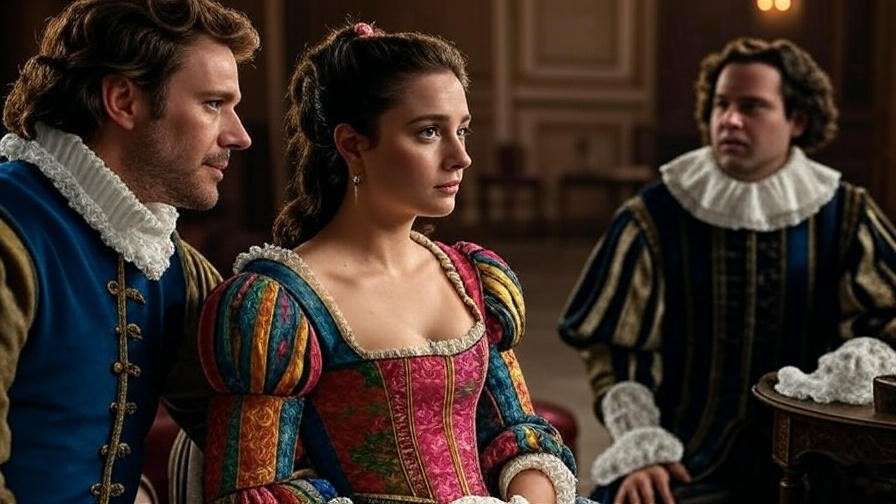
The love triangle between Viola, Orsino, and Olivia is the heartbeat of Twelfth Night’s romantic plot. Viola, disguised as Cesario, loves Orsino, who pines for Olivia, who in turn falls for Cesario. This tangled web thrives on mistaken identity and unrequited passion, creating both comedic tension and emotional depth. Viola’s loyalty to Orsino, despite her own feelings, contrasts with Orsino’s self-absorbed devotion to Olivia, while Olivia’s bold pursuit of Cesario showcases her agency. The resolution, where Orsino pairs with Viola and Olivia with Sebastian, untangles the chaos but leaves room for reflection on love’s complexity.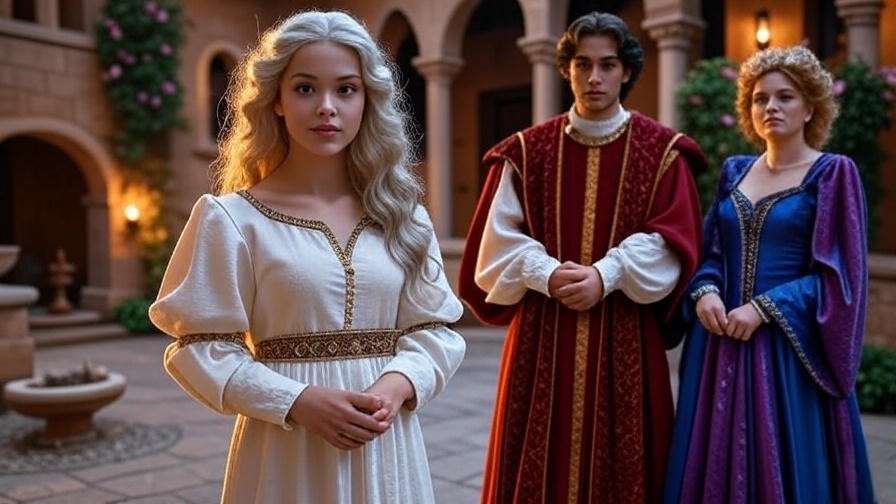
| Character | Loves | Loved By |
|---|---|---|
| Viola | Orsino | Olivia |
| Orsino | Olivia | Viola |
| Olivia | Cesario | Orsino, Sir Andrew |
This table illustrates the misdirected affections that drive the plot, highlighting Shakespeare’s skillful use of irony and mistaken identity to explore romantic desire.
The Comic Subplot (Malvolio, Sir Toby, Maria, et al.)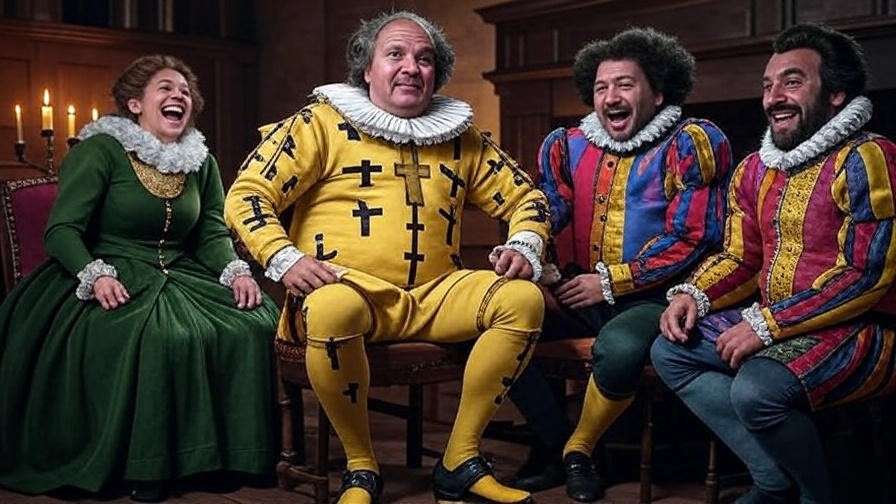
The subplot involving Malvolio, Sir Toby, Maria, and Sir Andrew contrasts sharply with the romantic narrative, injecting raucous humor and social satire. Maria’s forged letter, which convinces Malvolio that Olivia loves him, exploits his ambition and self-importance. Sir Toby and Sir Andrew’s gleeful participation amplifies the prank’s cruelty, while Feste’s witty taunts add a layer of philosophical commentary. The subplot’s climax—Malvolio’s humiliation in yellow stockings (Act 3, Scene 4)—is both hilarious and unsettling, questioning the morality of mockery. This dynamic underscores the play’s exploration of class tensions and the cost of unchecked revelry.
Sibling Bonds (Viola and Sebastian)
The bond between Viola and Sebastian, though separated for much of the play, is a poignant undercurrent. Their presumed loss of each other after the shipwreck fuels Viola’s resilience and Sebastian’s disorientation. Their reunion (Act 5, Scene 1) is a moment of emotional catharsis, resolving the mistaken identity plot and restoring order to Illyria. This sibling connection grounds the play’s fantastical elements, emphasizing themes of family, loyalty, and the joy of reconciliation.
Themes Reflected Through Characters
Love and Desire
Twelfth Night’s characters embody diverse facets of love. Orsino’s melodramatic passion for Olivia reflects idealized, courtly love, often more performative than genuine. Viola’s selfless devotion to Orsino, expressed through her service as Cesario, contrasts with Olivia’s proactive pursuit of Cesario, which defies traditional gender roles. Even Malvolio’s delusional love for Olivia, spurred by the forged letter, reveals the absurdity of desire unchecked by reality. These varied portrayals invite readers to question what love means—whether it’s a fleeting obsession, a transformative force, or a source of comedy.
Identity and Disguise
Disguise drives Twelfth Night’s plot and themes. Viola’s transformation into Cesario blurs gender lines, allowing her to navigate Illyria’s social hierarchy while sparking romantic confusion. Malvolio’s adoption of yellow stockings and cross-garters, prompted by the forged letter, is a misguided attempt to reinvent himself. Even Feste’s role as a fool masks his sharp insight, using disguise to speak truth. These acts of concealment reveal deeper truths about identity, suggesting that who we are is both fluid and performative—a concept that resonates in modern discussions of selfhood.
Social Class and Ambition
Class dynamics shape Twelfth Night’s conflicts. Malvolio’s ambition to marry Olivia reflects a desire to transcend his role as a steward, clashing with the aristocratic privilege of Sir Toby and Olivia. Maria’s clever manipulation of the prank elevates her status, culminating in her marriage to Sir Toby. Meanwhile, Sir Andrew’s futile pursuit of Olivia exposes the absurdity of social climbing without substance. These interactions critique Elizabethan class structures, highlighting the tension between ambition and social order.
Comedy and Melancholy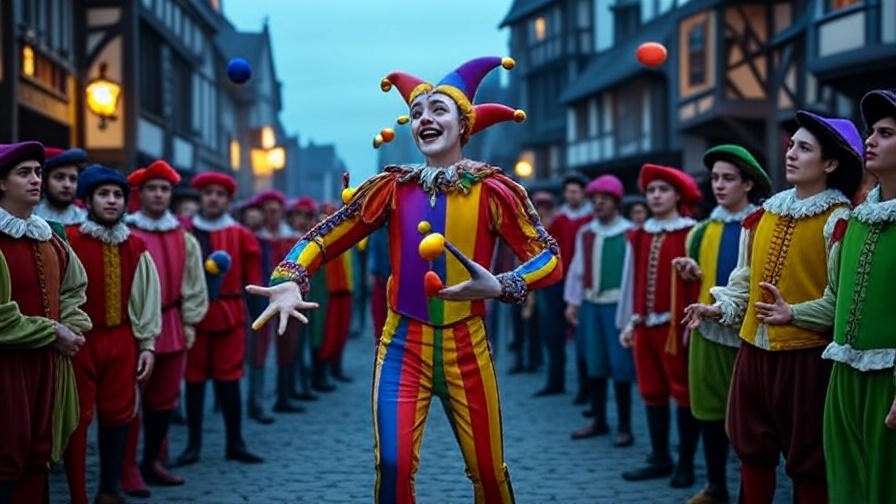
Twelfth Night balances humor with melancholy, and its characters embody this duality. Feste’s witty songs, like “The rain it raineth every day” (Act 5, Scene 1), blend levity with existential reflection. Malvolio’s arc, while comedic, ends in isolation, evoking sympathy. Viola’s longing and Olivia’s mourning add emotional weight to the comedy, creating a bittersweet tone. This interplay makes the play a rich exploration of human experience, appealing to audiences seeking both laughter and depth.
Historical and Cultural Context
Elizabethan Theater and Character Portrayal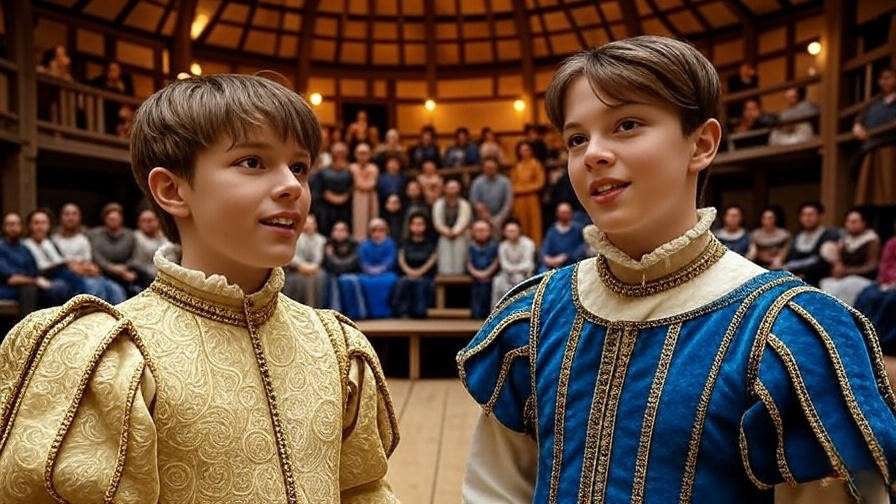
In Shakespeare’s time, Twelfth Night was performed by an all-male cast at venues like the Globe Theatre, with young boys playing female roles like Viola and Olivia. This convention amplified the humor and irony of Viola’s cross-dressing, as audiences were aware of the layered disguises (a boy playing a woman playing a man). Historical records, such as those from the Revels Office, confirm that Twelfth Night was performed during the 1602 festive season, aligning with its themes of revelry. Understanding this context enriches our appreciation of the characters’ performative nature.
The Significance of the Title
The title Twelfth Night refers to the Christian feast of Epiphany, a time of festivity and role reversal in Elizabethan England. This cultural backdrop mirrors the play’s chaotic inversions—servants dreaming of nobility, women wooing men, and fools speaking wisdom. The characters’ antics reflect the holiday’s spirit of excess, making Illyria a microcosm of festive disorder.
Modern Interpretations
Contemporary productions of Twelfth Night reinterpret its characters to reflect modern sensibilities. The National Theatre’s 2017 production, directed by Simon Godwin, cast Tamsin Greig as a female Malvolia, emphasizing gender fluidity and feminist themes. Diverse casting, such as Adrian Lester’s Orsino in a 2002 Globe production, highlights the play’s universal appeal. These adaptations show how Twelfth Night’s characters remain relevant, speaking to issues of identity, love, and social dynamics today.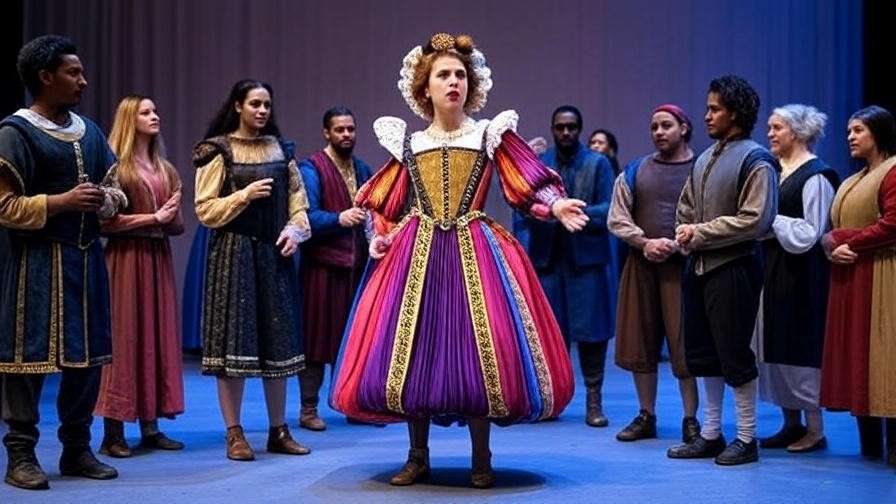
Practical Applications for Readers
For Students
Analyzing Twelfth Night characters is crucial for academic success. When writing essays, compare characters like Viola and Olivia to explore gender roles or contrast Malvolio and Feste to discuss comedy versus tragedy. Use textual evidence, such as Viola’s “willow cabin” speech (Act 2, Scene 4), to support arguments. Tip: Frame your analysis around a central theme, like identity, to create a cohesive argument that impresses examiners.
For Theater Practitioners
Actors and directors can bring Twelfth Night characters to life by emphasizing their emotional layers. For Viola, focus on her internal conflict between duty and desire. For Malvolio, balance comedy with pathos, as director Emma Rice suggests: “Malvolio’s vulnerability is the key to making audiences care” (Royal Shakespeare Company interview, 2018). Experiment with pacing in comedic scenes, like the letter sequence, to maximize humor without losing nuance.
For Casual Readers
To enjoy Twelfth Night, start with an accessible edition like the Folger Shakespeare Library’s, which includes clear notes and glossaries. Watch a film adaptation, such as Trevor Nunn’s 1996 Twelfth Night, to visualize the characters’ dynamics. Attend a live performance at venues like the Globe or local theaters to experience the play’s energy firsthand. Engaging with the characters through multiple mediums deepens your connection to Shakespeare’s world.
Common Misconceptions About Twelfth Night Characters
Malvolio as Purely Comedic
Many view Malvolio as a one-dimensional villain, but his arc has tragic undertones. His final cry, “I’ll be revenged on the whole pack of you” (Act 5, Scene 1), reveals his pain, prompting sympathy. Critic Marjorie Garber notes, “Malvolio’s isolation challenges the play’s comedic resolution” (Shakespeare After All). Recognizing his complexity enriches the play’s emotional impact.
Viola as Passive
Some misread Viola as a passive figure swept by circumstance, but her choice to disguise herself and serve Orsino demonstrates agency. Her wit and emotional resilience make her a proactive force, shaping the play’s outcome.
Orsino as a Romantic Hero
Orsino’s poetic flourishes can paint him as a romantic ideal, but his self-absorption and fickleness reveal flaws. His shift from Olivia to Viola questions the authenticity of his love, adding depth to his character.
FAQs About Twelfth Night Characters
Who is the protagonist of Twelfth Night?
Viola is widely considered the protagonist, driving the plot through her disguise and emotional journey. However, the play’s ensemble nature highlights multiple characters’ contributions.
Why is Malvolio such a polarizing character?
Malvolio’s ambition and humiliation divide audiences—some find his comeuppance hilarious, others see his isolation as cruel. Critics debate whether he’s a comedic foil or a tragic victim.
How do Viola and Sebastian’s twinship drive the plot?
Their resemblance fuels the mistaken identity plot, with Olivia mistaking Sebastian for Cesario, leading to the romantic resolution. Their reunion restores order to Illyria.
What makes Feste’s role as a fool unique?
Feste’s blend of humor, music, and insight sets him apart. His songs and wordplay reveal truths about love and mortality, making him a philosophical anchor.
How do modern productions reinterpret Twelfth Night characters?
Contemporary stagings, like the 2017 National Theatre production, use gender-swapped roles or diverse casting to highlight themes of identity and inclusivity, keeping the characters fresh and relevant.
Twelfth Night’s characters—Viola’s resilience, Malvolio’s ambition, Feste’s wit, and more—create a vibrant tapestry of comedy, romance, and reflection. Their interplay illuminates timeless themes of love, identity, and social order, ensuring the play’s enduring appeal. Whether you’re a student dissecting the text, an actor bringing Illyria to life, or a reader savoring Shakespeare’s wit, these characters offer endless insights. Revisit Twelfth Night through a book, film, or live performance, and explore more Shakespearean analysis on williamshakespeareinsights.com. Which Twelfth Night character resonates most with you, and why?