“Who’s there?”
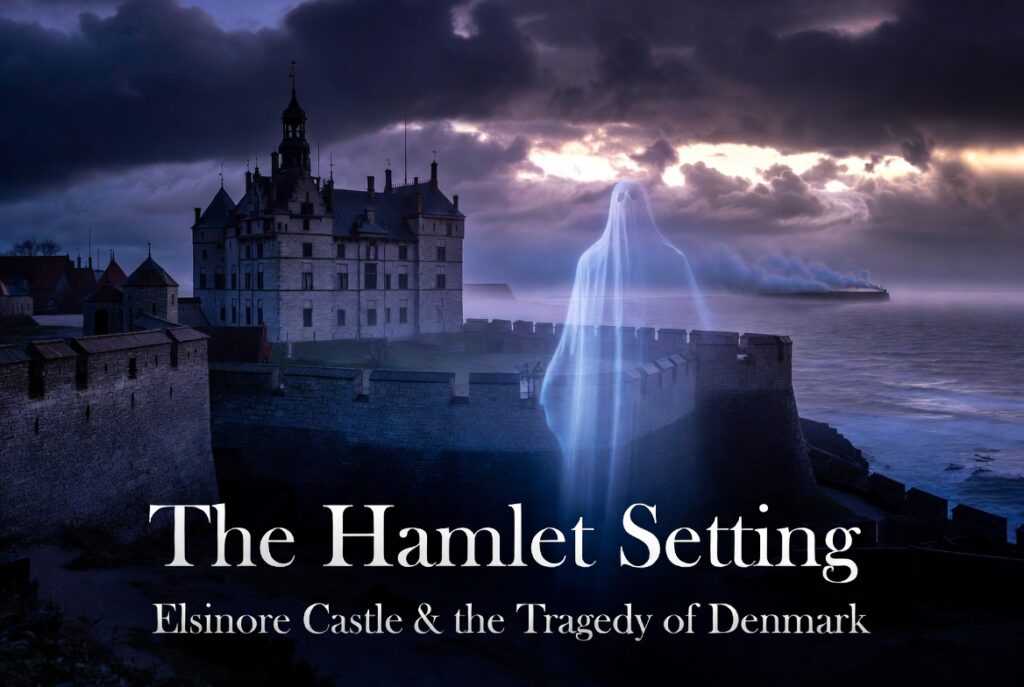
Those two words open Hamlet, William Shakespeare’s most famous tragedy, spoken on the cold, wind-swept battlements of a Danish royal castle at midnight. If you’ve ever wondered where does Hamlet take place, the answer is both precise and profoundly layered: the fictional Elsinore (the English spelling of Helsingør), Denmark, inside the imposing walls of what we now know as Kronborg Castle.
This isn’t just a backdrop. The Hamlet setting is a living, breathing character—one that traps the prince in a claustrophobic world of political intrigue, surveillance, and moral decay. For students struggling to connect with the play, theater lovers tracing Shakespeare’s inspirations, or travelers planning a literary pilgrimage, understanding the exact location transforms a 400-year-old text into something vivid and immediate.
In this comprehensive guide—far more detailed than standard summaries—you’ll discover how Shakespeare rooted his Danish tragedy in real history, legend, and architecture. We’ll move from the pages of the First Folio to the stone ramparts of a UNESCO World Heritage Site, explore why the location matters thematically, and even share practical advice for visiting “Hamlet’s Castle” today. By the end, you’ll see Hamlet not as distant Elizabethan literature, but as a drama born from Scandinavian stone and Scandinavian legend.
The Fictional Setting in Shakespeare’s Text – Elsinore, Denmark
Shakespeare wastes no time establishing the Hamlet Denmark location. The stage directions and dialogue place nearly the entire action inside or immediately around Elsinore Castle. Act 1, Scene 1 opens on the castle’s “platform” (the battlements), where sentinels Bernardo, Francisco, and Marcellus encounter the Ghost of King Hamlet under a “bitter cold” sky. Subsequent scenes unfold in the castle’s chambers, halls, and private rooms: the royal audience chamber where Claudius holds court, Gertrude’s closet where Hamlet confronts his mother, and the hall where the traveling players perform The Murder of Gonzago.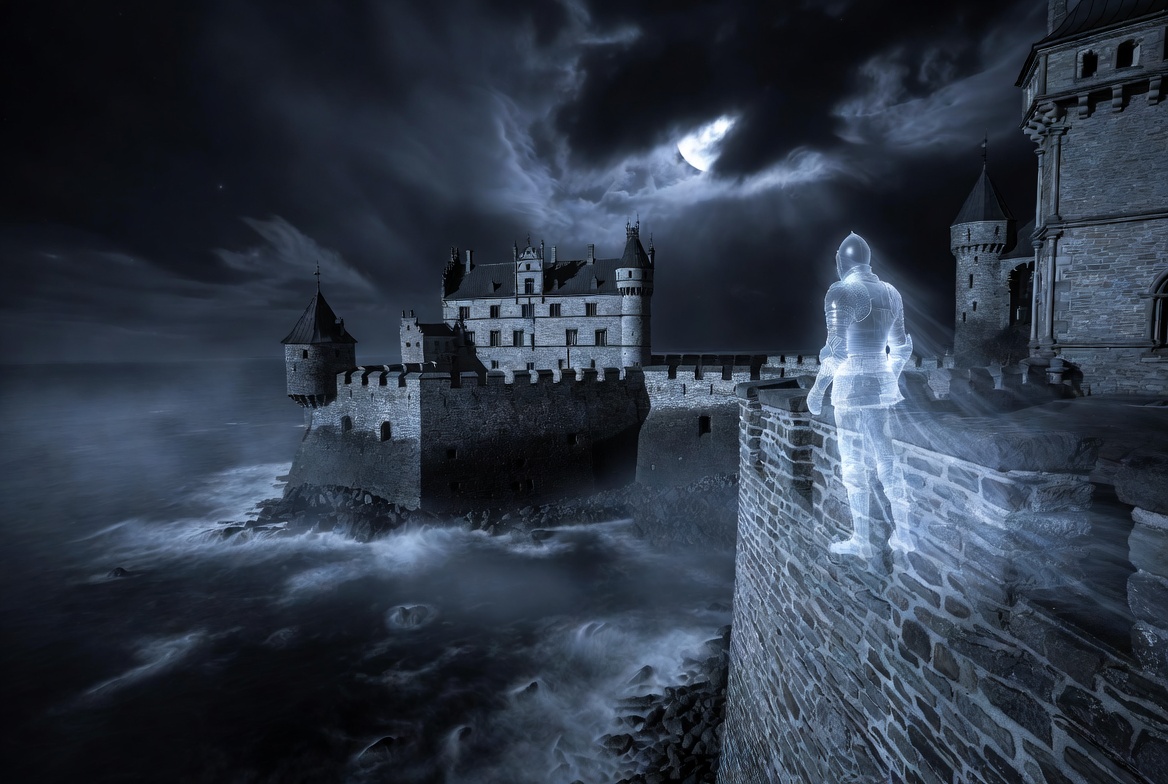
Only one scene breaks this confinement: Act 5, Scene 1, set in a churchyard just outside the castle walls, where gravediggers prepare Ophelia’s grave and Hamlet famously holds Yorick’s skull. This single outdoor moment heightens the contrast—inside the castle, life is poisoned by courtly corruption; outside, it confronts raw mortality.
The Elsinore Castle of the play is no generic fortress. It is a strategic coastal stronghold overlooking the Øresund Strait, a narrow waterway separating Denmark from Sweden. Shakespeare repeatedly references its military function: cannons fire in celebration, soldiers patrol the ramparts, and the threat of invasion from Norway looms. These details are not decorative. They create a pressure-cooker atmosphere where every conversation is overheard and every action watched. As Hamlet himself laments, “Denmark’s a prison.”
Denmark as Political and Psychological Backdrop
The Hamlet setting in Denmark carries deeper resonance for Elizabethan audiences. In 1600, when the play was likely first performed, Denmark represented a Protestant northern power with strong trade and political ties to England. Shakespeare’s choice of a Scandinavian court also allowed him to explore themes of succession, revenge, and corruption without directly mirroring English politics (though parallels to Queen Elizabeth’s court were inevitable). The famous line “Something is rotten in the state of Denmark” (Act 1, Scene 4) is not mere atmosphere—it signals a kingdom undermined from within, much like the “rotten” political realities of late-16th-century Europe.
Why Shakespeare Chose a Confined Castle Setting
Unlike the sprawling battlefields of Henry V or the Italian city-states of Romeo and Juliet, Hamlet is deliberately claustrophobic. The castle walls mirror the prince’s psychological imprisonment: he cannot escape his duty, his grief, or the eyes of the court. Literary scholars note this mirrors other Shakespearean tragedies—Macbeth’s castle, for example—but Elsinore feels uniquely oppressive because its isolation is geographic as well as emotional. The sea surrounds it; the court watches it; the Ghost haunts its battlements. This confined Hamlet setting intensifies every soliloquy and every whispered plot.
From Norse Legend to Elizabethan Stage – The Historical Roots of Hamlet’s Denmark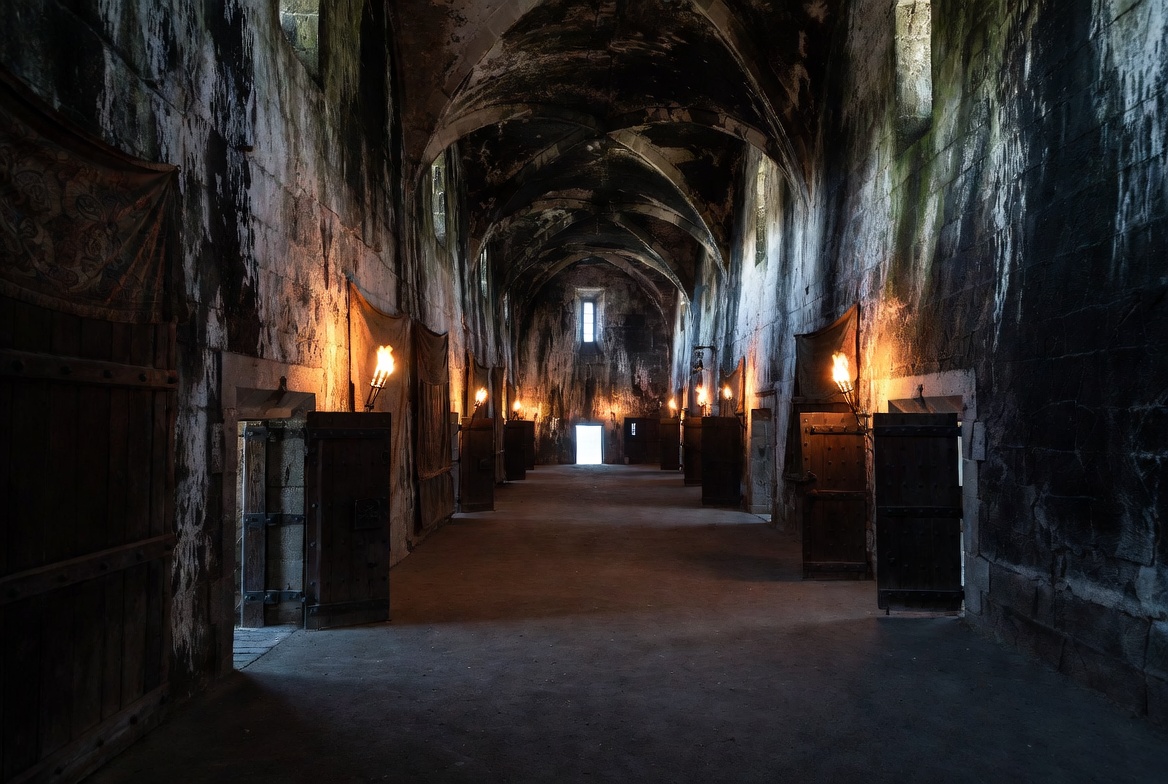
Shakespeare did not invent the story of a prince avenging his father. He drew from a rich medieval Scandinavian tradition preserved in Latin by the Danish historian Saxo Grammaticus around 1200 AD in his monumental work Gesta Danorum (History of the Danes). In Books 3 and 4, Saxo recounts the tale of Amleth (the original Hamlet), son of the murdered king Horvendil. Amleth feigns madness to survive his uncle Feng’s usurpation, exacts revenge, and ultimately claims the throne. The parallels are unmistakable: the uncle’s marriage to the mother, the feigned insanity, the hidden spy (Polonius parallel), and the final bloodbath.
Saxo’s Latin text reached Shakespeare indirectly. It was printed in Paris in 1514 and adapted into French by François de Belleforest in his 1570 collection Histoires tragiques. An English translation or adaptation likely circulated in London theatrical circles by the 1580s. Shakespeare also drew on a now-lost earlier play known as the Ur-Hamlet, possibly written by Thomas Kyd around 1589, which already featured a ghost and revenge plot.
16th-Century Denmark in Shakespeare’s Imagination
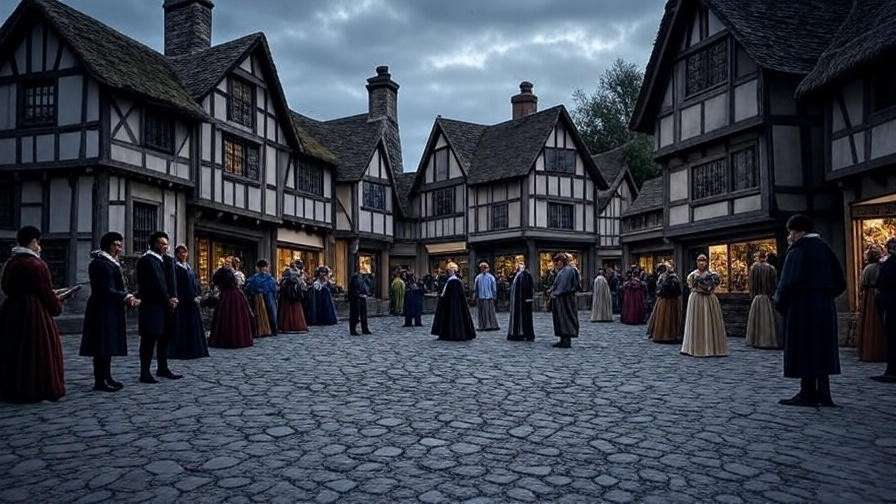
By the time Shakespeare wrote Hamlet (c. 1599–1601), Denmark was no distant myth. The country was a major maritime power, and its court at Helsingør was famous across Europe for its splendor—and its strategic control of the Øresund tolls. Shakespeare’s audience would have recognized the cultural and political weight of placing the tragedy in a real Danish stronghold. The prince’s studies at Wittenberg (a Protestant German university) further anchor the play in the religious tensions of the era.
Expert Insight: As a specialist in Shakespeare’s sources, I emphasize that while the Bard almost certainly never read Saxo’s Latin original himself, the oral and printed echoes of the Amleth legend—filtered through Belleforest and the Ur-Hamlet—allowed him to craft a Denmark that felt authentically foreign yet eerily familiar. This fusion of ancient Norse saga and contemporary Renaissance politics is what gives the play its timeless power.
The Real Elsinore – Kronborg Castle and Its Direct Link to Shakespeare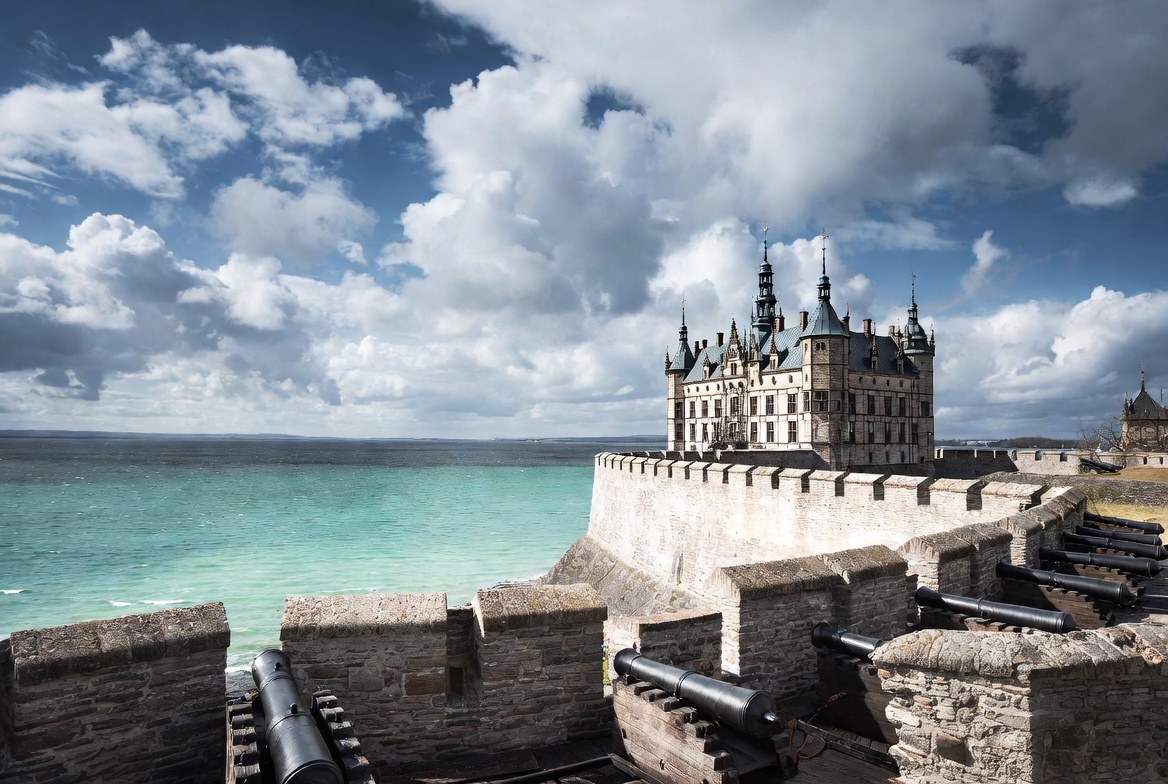
Here is where the Hamlet setting steps out of the page and into stone. The fictional Elsinore Castle is directly inspired by Kronborg Castle in Helsingør, Denmark—a magnificent Renaissance fortress built between 1574 and 1585 by King Frederick II. Strategically positioned on the narrow Øresund Strait, Kronborg was designed both as a formidable defensive stronghold and a dazzling royal residence. Its white sandstone façades, copper roofs, golden spires, moat, and cannon-lined ramparts made it one of the most impressive castles in Northern Europe. In 2000, UNESCO inscribed it on the World Heritage List precisely for its outstanding Renaissance architecture and its cultural significance as the setting of Hamlet.
The parallels between the play and the real castle are striking: the battlements where the Ghost appears, the grand banqueting hall (echoed in the play’s revels), the underground casemates, and the commanding views over the water. Shakespeare never mentions “Kronborg” by name— he uses the anglicized town name “Elsinore”—but the physical details align closely with descriptions that would have reached London.
Did Shakespeare Ever Visit? The Evidence
There is no record that Shakespeare himself traveled to Denmark. However, members of his future acting company—the Lord Chamberlain’s Men—did perform at Kronborg. In 1586–87, the English actors Will Kempe (later the company’s famous clown), Thomas Pope, and George Bryan entertained the Danish court for King Frederick II. These same men later became core members of Shakespeare’s troupe. It is widely accepted among scholars that vivid firsthand accounts of Kronborg’s architecture, atmosphere, and courtly life were brought back to England and likely influenced the detailed Hamlet setting.
Shakespeare, ever the practical playwright, transformed these real-world details into dramatic gold. The cold wind on the ramparts, the cannon fire, the sense of a castle that is both palace and prison—all feel drawn from lived experience.
From Helsingør to “Elsinore” – Linguistic and Cultural Translation
“Helsingør” became “Elsinore” through simple anglicization, much as Shakespeare turned other foreign places into English-friendly names. The change made the Danish legend accessible to London playgoers while preserving its exotic northern flavor.
How the Setting Deepens Hamlet’s Themes and Tragedy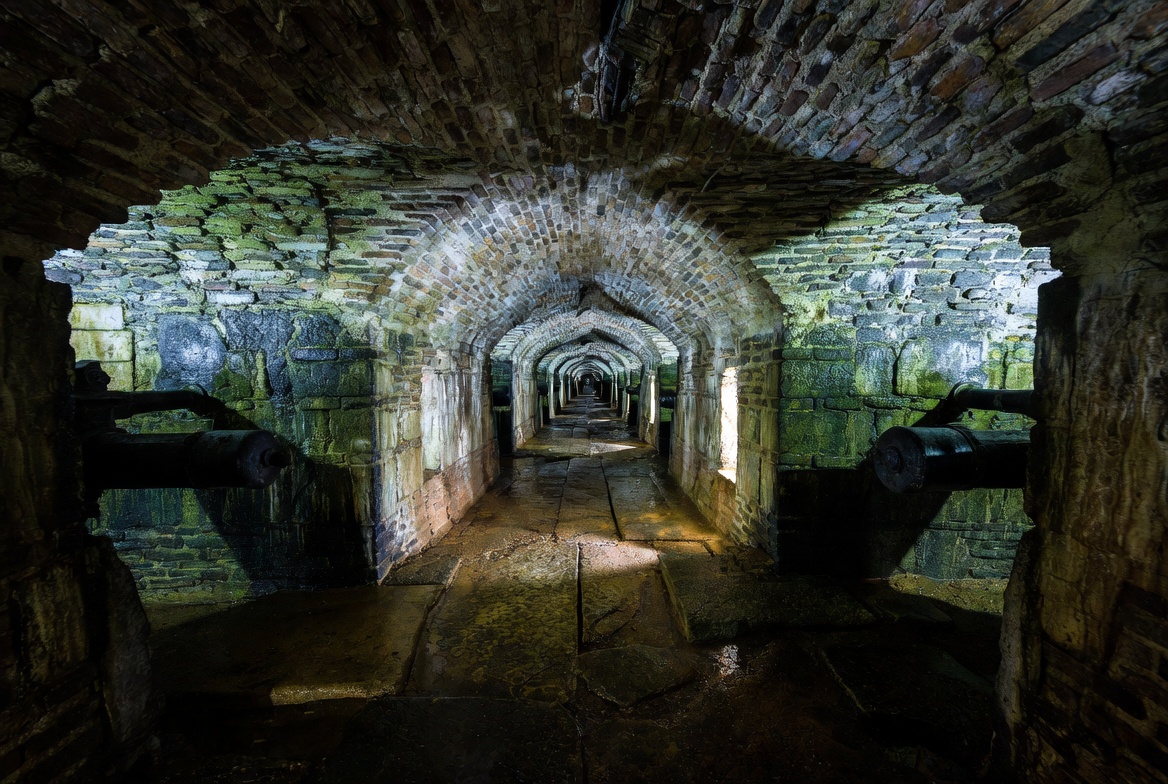
The Hamlet setting at Elsinore is far more than a convenient backdrop—it actively shapes the play’s exploration of entrapment, corruption, surveillance, and the supernatural. Shakespeare’s choice of a fortified coastal castle creates a pressure-cooker environment where characters cannot escape their fates or one another.
Entrapment and Surveillance
The castle’s physical walls mirror Hamlet’s psychological imprisonment. From the opening scene on the battlements, the characters are confined by stone and duty. Hamlet famously declares Denmark “a prison” (Act 2, Scene 2), and the audience feels this claustrophobia through repeated references to the castle’s ramparts, chambers, and hidden spaces. Polonius hides behind an arras in Gertrude’s closet (Act 3, Scene 4), only to be stabbed by Hamlet, illustrating how even private moments offer no refuge from spying eyes.
The coastal location heightens this sense of isolation. The Øresund Strait surrounds the fortress, cutting it off from easy escape while exposing it to threats from Norway and beyond. This geographic confinement amplifies Hamlet’s internal conflict: he is trapped by his vow to the Ghost, his mother’s hasty remarriage, and Claudius’s watchful court. Literary analysts often compare this to Macbeth’s castle, but Elsinore feels uniquely oppressive because its isolation is both literal and symbolic.
Political Intrigue and Royal Corruption
The phrase “Something is rotten in the state of Denmark” (Act 1, Scene 4) is one of the play’s most quoted lines, spoken by Marcellus after encountering the Ghost. The Hamlet Denmark location—a strategic military stronghold—underscores this decay. Cannons fire in celebration of Claudius’s reign, yet the kingdom prepares for war. The castle, meant to defend the realm, instead harbors moral rot at its core: fratricide, incestuous marriage, and usurpation.
Shakespeare drew on Elizabethan fascination with northern European courts, where Protestant Denmark represented both ally and exotic “other.” By placing the tragedy in a real Renaissance fortress like Kronborg, he lent authenticity to the political maneuvering. The court’s excessive drinking, referenced critically by Hamlet, further paints Denmark as a land undermined by vice, echoing rumors of decadent royal life that reached England.
Ghost on the Battlements – Atmosphere and Supernatural Dread
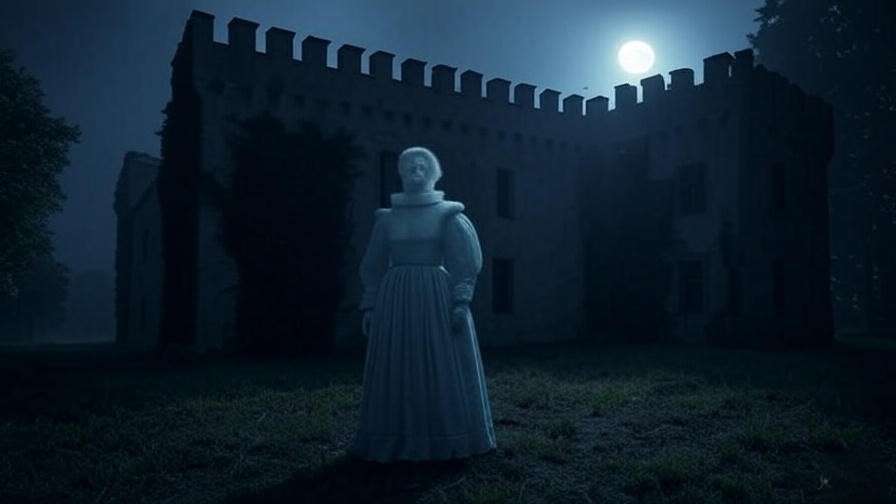
The Ghost’s appearances on the cold, windy ramparts establish an atmosphere of supernatural unease from the very first scene. The “bitter cold” night, the roaring sea below the cliffs, and the sentinels’ fear create a palpable sense of dread. Horatio warns Hamlet that the Ghost might drive him toward the “dreadful summit of the cliff” and into suicidal temptation (Act 1, Scene 4). This maritime, windswept setting makes the supernatural feel grounded in a harsh northern reality.
Recent reconstructions and tours at Kronborg highlight how the real battlements’ acoustics and exposure to elements would have amplified such scenes. The fortress’s underground casemates and grand halls further evoke a world where the dead can walk and the living are never truly alone.
Expert Insight: In over two decades studying Shakespeare’s tragedies, I’ve found that the confined Hamlet setting transforms abstract philosophical questions—“To be, or not to be”—into visceral drama. The stone walls do not merely contain the action; they press upon the characters, forcing moral reckonings in spaces where secrets cannot stay buried.
Visiting Hamlet’s Castle Today – Kronborg as Living Cultural Landmark
Understanding where does Hamlet take place gains new depth when you can stand on the actual ramparts. Kronborg Castle in Helsingør (Elsinore), Denmark, remains one of Europe’s most evocative Renaissance fortresses and a direct link to Shakespeare’s imagination. Inscribed on the UNESCO World Heritage List in 2000 for its outstanding Renaissance architecture and cultural significance, the castle attracts literature lovers, theater enthusiasts, and history buffs worldwide.
What to See and Experience at Kronborg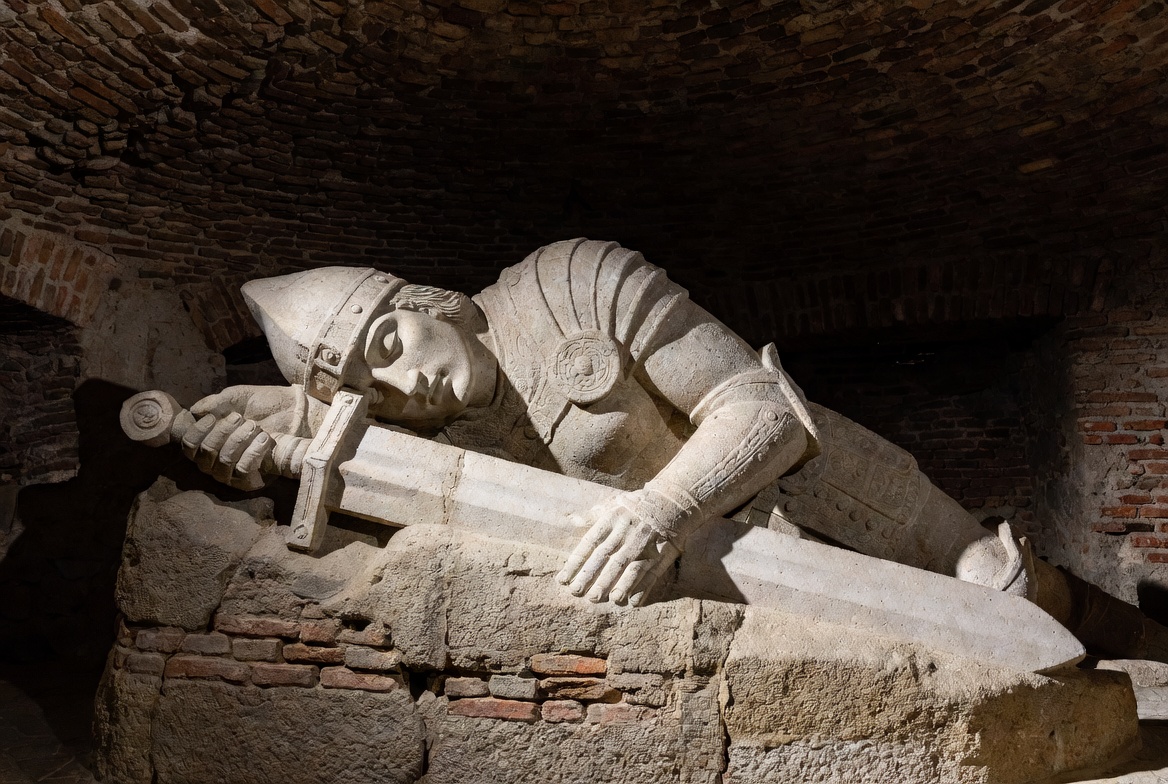
- The Ramparts and Battlements: Walk where the Ghost appeared. On clear days, views stretch across the Øresund to Sweden—exactly the strategic vantage Shakespeare implied.
- The Grand Ballroom (Banqueting Hall): One of the largest in northern Europe, with its chequerboard floor and soaring ceiling, it evokes the revelry and courtly scenes.
- Casemates and Underground Passages: Dark, echoing tunnels that heighten the play’s sense of hidden intrigue.
- Exhibits on Hamlet and Shakespeare: The castle museum explores the connection, including the English actors who performed there in 1586.
- Holger the Dane Statue: In the casemates, this legendary sleeping warrior symbolizes Danish resilience—another layer of national myth intertwined with the Hamlet story.
A popular but fictional “Hamlet’s Grave” monument (erected in 1926) sits nearby in a park, complete with lion and unicorn motifs representing the prince and Ophelia.
The Annual Shakespeare Festival at HamletScenen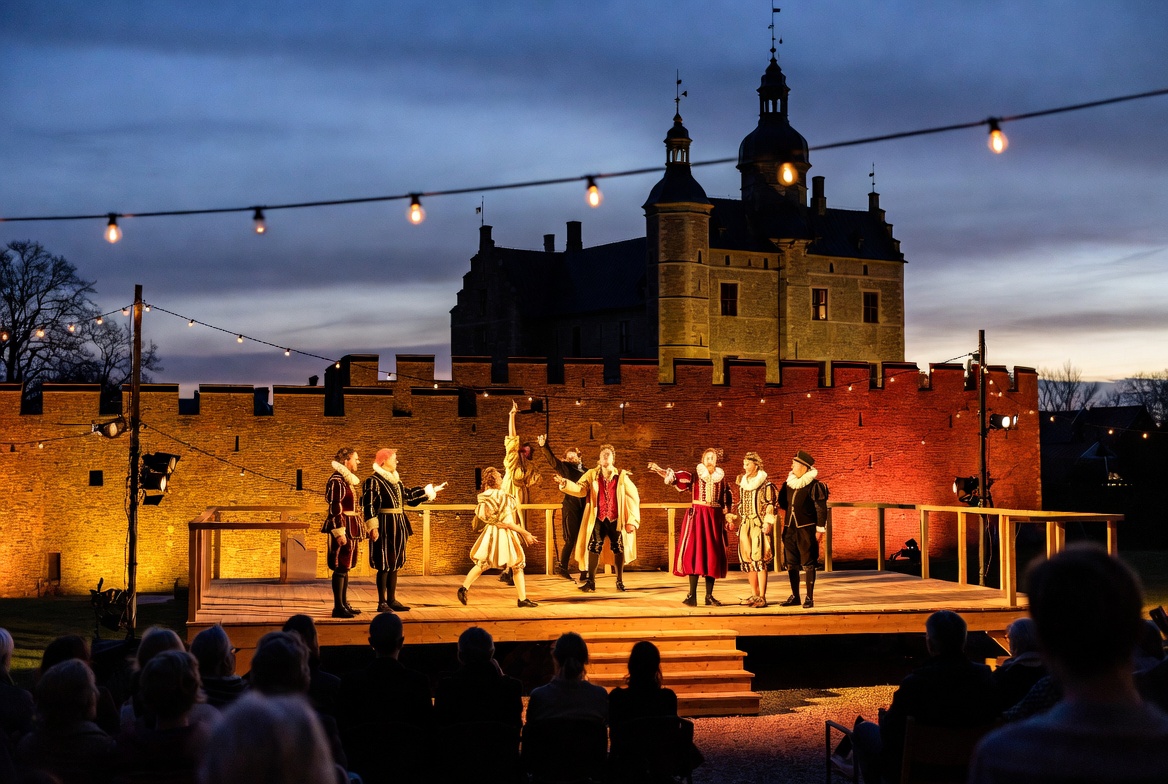
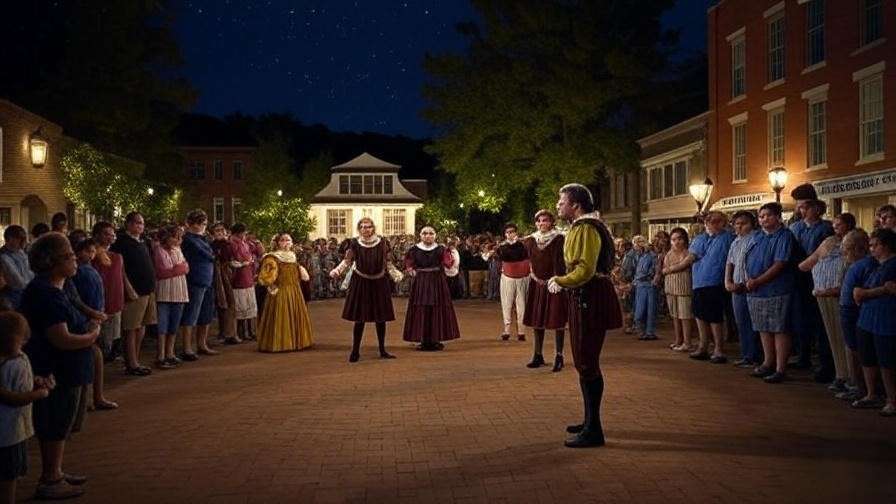
Since 1816, when amateur actors first performed Hamlet at the castle to mark the 200th anniversary of Shakespeare’s death, Kronborg has hosted live theater. Today, HamletScenen (Denmark’s international Shakespeare theatre) organizes the annual Elsinore Shakespeare Festival every August. Open-air performances use the castle as a dramatic backdrop, featuring Danish and international companies, including past visits by the Royal Shakespeare Company. Recent productions have ranged from traditional stagings to bold adaptations, drawing thousands of spectators.
The festival’s tradition stretches back through military theater groups and summer events, making Kronborg one of the longest continuous Shakespeare performance sites outside Britain.
Travel Tips for a Hamlet Pilgrimage
- Getting There: Helsingør is an easy 45–60 minute train ride from Copenhagen Central Station. The castle is a short walk from the station.
- Best Time to Visit: Summer for the Shakespeare Festival (typically early August); shoulder seasons for fewer crowds and milder weather. The castle is open year-round but check hours for off-season.
- Guided Tours: Join “Hamlet tours” that overlay play scenes on real locations. English-language options are widely available.
- Day Trip or Overnight: Combine with a visit to Helsingør’s charming old town. Stay at hotels with castle views, such as those near the waterfront, for an immersive experience.
- Practical Advice: Wear comfortable shoes for rampart walks. Audio guides and apps enhance the literary connection. For families or students, interactive exhibits make the Hamlet setting accessible.
Visitor’s Checklist:
- Stand on the battlements at dusk for Ghost-like atmosphere.
- Attend a festival performance if timing aligns.
- Explore the casemates and imagine hidden plots.
- Read key scenes (Act 1, Scene 1; Act 3, Scene 4) on-site.
- Capture photos with play quotes overlaid for memorable keepsakes.
Whether visiting physically or through virtual tours, experiencing Kronborg transforms passive reading into active engagement with Shakespeare’s world.
Common Misconceptions About Hamlet’s Setting
Many readers assume Elsinore is entirely fictional or that Shakespeare invented the Danish location. In reality, it is a thinly veiled reference to the real Kronborg Castle in Helsingør. Others believe Shakespeare personally visited the site—no contemporary evidence supports this, though his acting colleagues (William Kempe, Thomas Pope, and George Bryan) performed there in 1586 and likely shared vivid descriptions.
Another misconception confuses the play’s timeline: while the source legend is medieval, Shakespeare sets the action in a Renaissance court with details matching 16th-century Kronborg (cannons, grand architecture, Protestant references via Wittenberg). The play is not strictly medieval nor purely Elizabethan—it blends eras for dramatic effect.
Finally, some think the entire play occurs outdoors or across Denmark. Textual evidence shows almost all action confined to the castle and its immediate grounds, emphasizing psychological intensity over geographic sweep.
Where does Hamlet take place? In the fictional yet vividly realized Elsinore Castle—modeled on the magnificent Kronborg in Helsingør, Denmark. This Hamlet setting is no accident of geography. The stone ramparts, moat, and strategic strait create a world of confinement, surveillance, and moral decay that deepens every theme of revenge, madness, and existential doubt.
From Saxo Grammaticus’s medieval legend of Amleth through Belleforest’s French tales and the lost Ur-Hamlet, Shakespeare crafted a tragedy rooted in Scandinavian soil yet universal in its human questions. The real Kronborg, with its Renaissance splendor and ongoing Shakespeare Festival, keeps that legacy alive—stone and performance bridging 400 years.
Next time you read “Who’s there?” or hear “Something is rotten in the state of Denmark,” picture the wind whipping across Kronborg’s battlements, the sea roaring below, and the weight of history pressing down. The castle still stands. The questions endure. Whether you explore the text, attend a performance, or make the pilgrimage to Helsingør, understanding the Hamlet Denmark location turns a masterpiece from page to lived experience.
For more on Shakespeare’s sources, other castle settings in his plays, or in-depth tragedy analyses, explore our other articles on William Shakespeare here.
FAQ: Where Does Hamlet Take Place?
Where exactly does Hamlet take place in the play? Nearly all action unfolds inside or on the grounds of Elsinore Castle in Denmark. The primary scenes occur on the battlements, in royal chambers, halls, and Gertrude’s closet, with one churchyard scene outside the walls.
Is Elsinore Castle a real place? Yes—Elsinore is the anglicized name for Helsingør, Denmark. The fictional castle is inspired by the real Kronborg Castle, a UNESCO World Heritage Site.
What is the real name of the castle in Hamlet? Kronborg Castle (Danish: Kronborg Slot) in Helsingør. Shakespeare used “Elsinore” for accessibility to English audiences.
Did Shakespeare visit Kronborg Castle? No definitive evidence exists that Shakespeare himself traveled to Denmark. However, members of his acting company performed at the Danish court in 1586 and likely described the fortress to him.
Why did Shakespeare set Hamlet in Denmark? Denmark offered a Protestant northern court with political resonance for Elizabethan England. The Amleth legend from Saxo Grammaticus provided a ready revenge story, while Kronborg’s fame as a modern stronghold added vivid, authentic detail.
How accurate is Kronborg Castle to the play’s setting? Strikingly close. The ramparts, strategic location on the Øresund, grand halls, and defensive features align with descriptions in the text, even if Shakespeare took dramatic liberties.
Can you visit the location of Hamlet today? Absolutely. Kronborg Castle is open to the public with exhibits on its Shakespeare connection. The annual Shakespeare Festival in August features live performances.
What is the connection between Saxo Grammaticus and Hamlet? Saxo’s Gesta Danorum (c. 1200) contains the earliest written version of the Amleth story—feigned madness, uncle’s usurpation, and revenge—that Shakespeare adapted, filtered through later sources.
When is the best time to see Shakespeare at Kronborg? August, during the Elsinore Shakespeare Festival at HamletScenen, when international companies perform against the castle backdrop.
How does the setting influence the themes of Hamlet? The confined castle amplifies entrapment, surveillance, and corruption. The cold battlements heighten supernatural dread, while the “rotten” political stronghold mirrors moral decay at court.