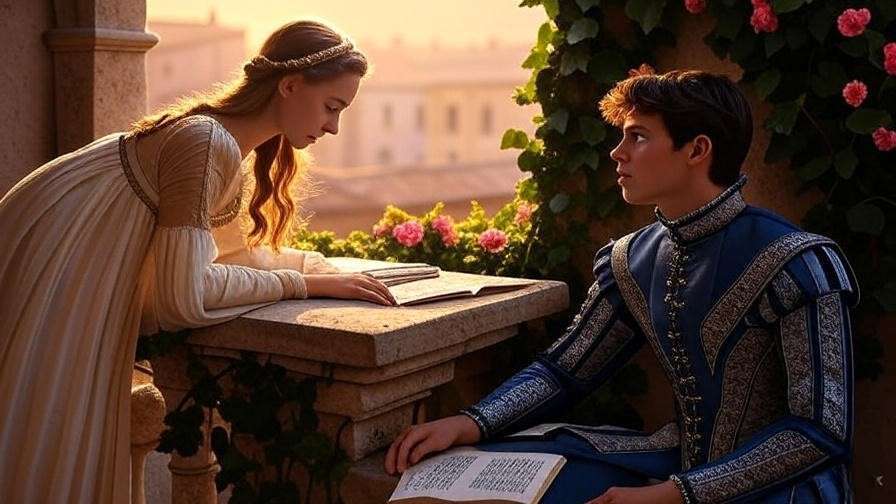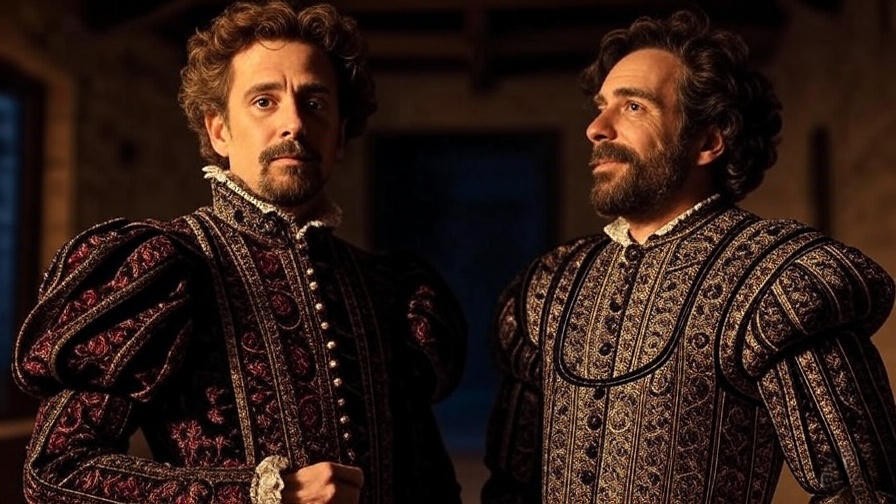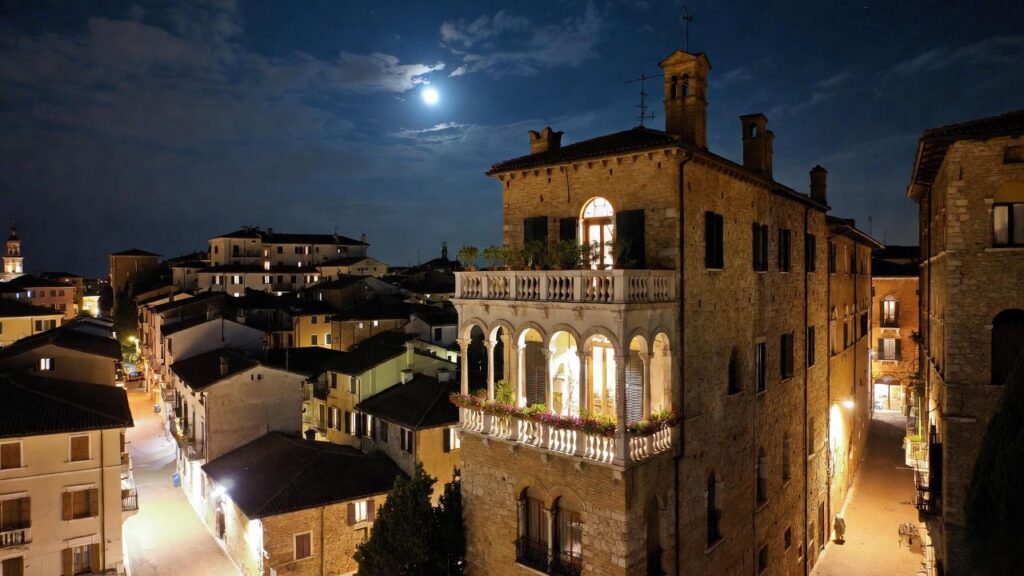
Imagine standing beneath a moonlit balcony in a Renaissance Italian city, hearing the famous words echo through the warm night air: “But, soft, what light through yonder window breaks? It is the east, and Juliet is the sun.” For millions of readers and theatergoers worldwide, this scene unfolds in one specific place — fair Verona.
Where was the setting of Romeo and Juliet? The primary location is Verona, Italy, a vibrant city in the Veneto region during the Renaissance period (with a timeless, slightly anachronistic feel). Shakespeare himself declares it in the play’s opening Prologue: “In fair Verona, where we lay our scene.” A brief but crucial portion shifts to Mantua, where Romeo is exiled. This Italian backdrop is no accident; it infuses the tragedy with passion, heat, and fatal intensity that an English setting might have tempered.
As a Shakespeare scholar with years of studying his works, performances, and historical contexts, I’ve long been captivated by how the Verona setting elevates the play’s themes of love, feud, fate, and societal pressure. In this in-depth exploration, we’ll examine the explicit locations in the text, Shakespeare’s literary sources, the symbolic power of Verona, its portrayal in adaptations, and the real-world sites that draw fans today. Whether you’re a student analyzing the play, a teacher preparing lessons, or a traveler dreaming of Italy, this guide offers comprehensive insights to deepen your appreciation.
The Explicit Setting in Shakespeare’s Text
Shakespeare establishes the location immediately and repeatedly. The Chorus in the Prologue announces: “A pair of star-cross’d lovers take their life; / Whose misadventured piteous overthrows / Do with their death bury their parents’ strife… In fair Verona, where we lay our scene.”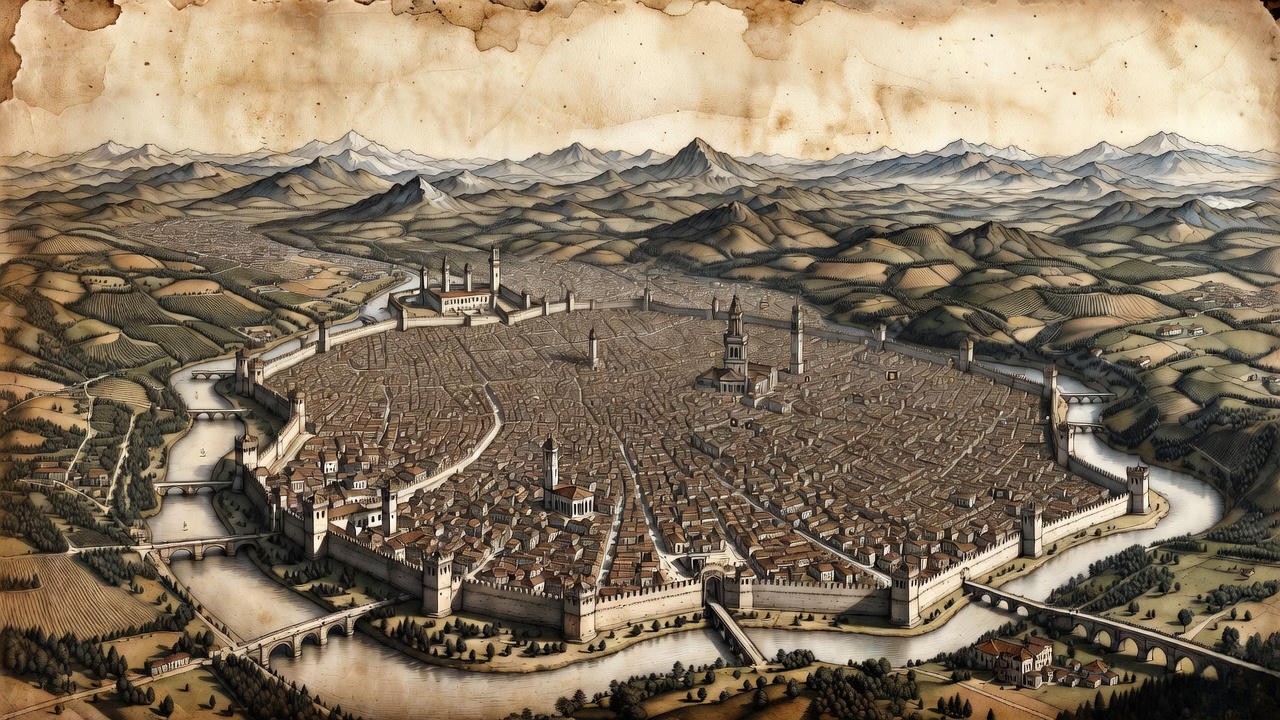
Most action occurs within Verona’s walls:
- Public streets and squares where the Montague and Capulet servants brawl (Act 1, Scene 1).
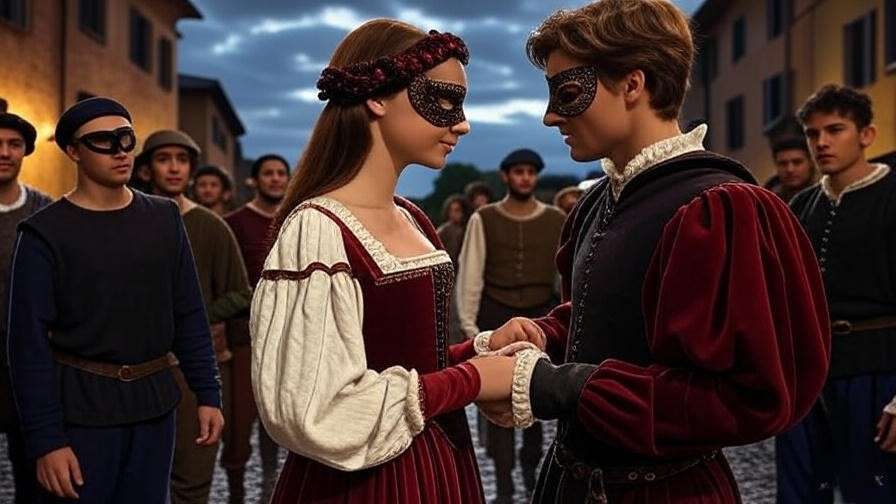
- The Capulet orchard and house for the masked ball and iconic balcony scene (Act 2).
- Friar Laurence’s cell, a quiet sanctuary amid chaos.
- The churchyard tomb where the lovers meet their tragic end (Act 5).
Mantua plays a smaller but essential role. After slaying Tybalt, Romeo is banished: “Let Romeo hence in haste, / Else, when he is found, that hour is his last” (Act 3, Scene 1). He flees to Mantua, approximately 25-30 miles west of Verona in reality. There, isolated, he receives false news of Juliet’s death from Balthasar and buys poison from a poor apothecary. The geographic separation heightens the tragedy — a delayed message from Friar Laurence seals their fate.
The era evokes the Italian Renaissance (roughly 14th-16th centuries), with references to sumptuous feasts, duels, and family honor codes. Yet Shakespeare includes Elizabethan anachronisms, like striking clocks (“the clock struck nine” in Act 2, Scene 4) or gunpowder weapons alongside swords, blending periods for dramatic effect.
Historical and Literary Sources Behind the Setting
Shakespeare did not originate the Verona location; he inherited and refined it from earlier tales. His main source was Arthur Brooke’s 1562 narrative poem The Tragical Historye of Romeus and Juliet, which explicitly sets the story “in the city of Verona.” Brooke translated and expanded a French version by Pierre Boaistuau, itself derived from Italian novellas.
The tradition traces to Luigi da Porto’s 1530 novella Historia novellamente ritrovata di due nobili amanti, placing the lovers as Romeo Montecchi and Giulietta Cappelletti in Verona during the rule of Bartolomeo della Scala. Matteo Bandello’s 1554 version popularized it further across Europe. These stories may draw from real 13th-14th century Veronese families — the Montecchi and Dal Cappello (similar to Capulet) clans appear in historical records and even Dante’s Divine Comedy (Purgatorio, Canto VI).
Did Shakespeare visit Italy? Scholarly consensus, including from biographers like Samuel Schoenbaum and editors of the Arden Shakespeare, says no. His vivid Italian details — city layouts, customs, even accurate distances — came from books, maps, travel accounts (e.g., William Thomas’s History of Italy, 1549), and conversations with educated contemporaries.
This fidelity to sources underscores Verona’s authenticity in the narrative chain, making Shakespeare’s version the most enduring.
Why Verona? Symbolic and Dramatic Significance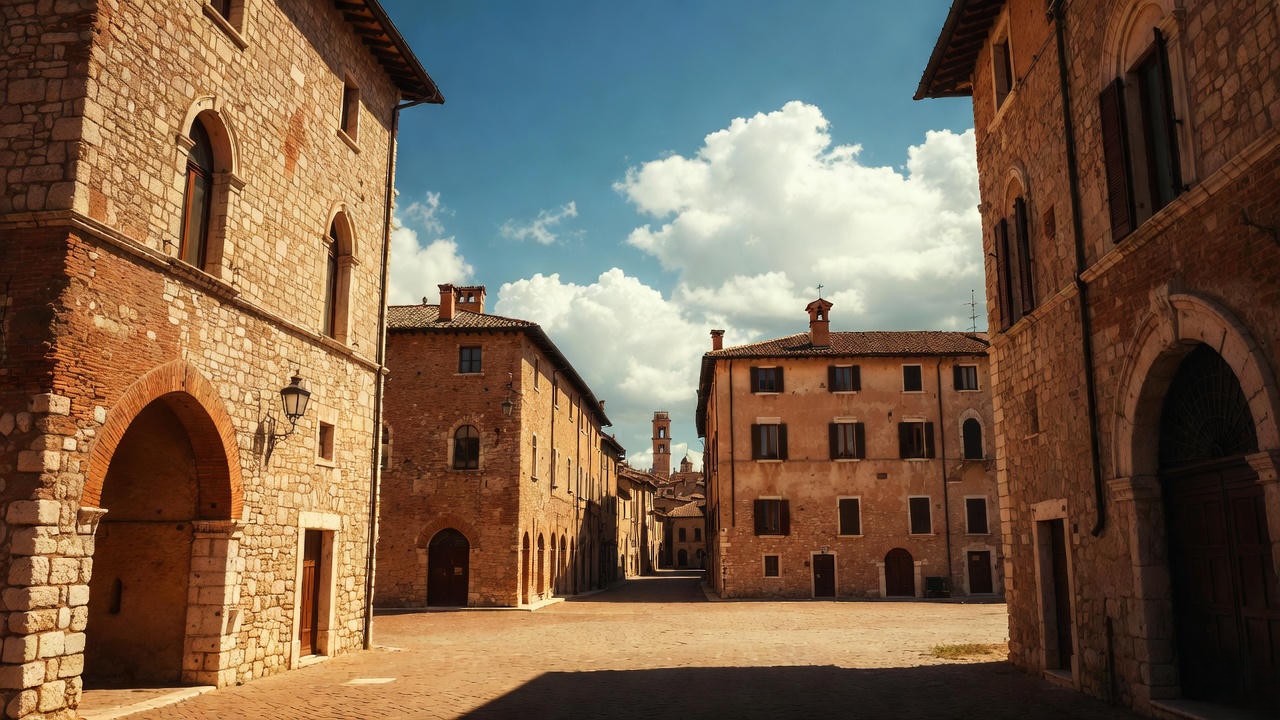
Shakespeare’s choice of Verona over an English city (like many of his histories) is deliberate and thematically rich.
Verona as a City of Love and Conflict
In Elizabethan minds, Italy symbolized exotic passion, artistry, and danger — a place where emotions ran hotter than in restrained England. Verona, a real city-state with a history of factional violence under lords like the Scaliger family, perfectly mirrors the Montague-Capulet feud. The “ancient grudge” echoes Italy’s Guelph-Ghibelline conflicts, lending historical weight.
Heat, Passion, and Fate
The Mediterranean climate amplifies impulsiveness: Benvolio warns of “the mad blood stirring” in summer heat (Act 3, Scene 1). This contrasts with cooler English settings in plays like A Midsummer Night’s Dream. As critic Northrop Frye observed, the Italian sun fuels the lovers’ fiery romance and the families’ explosive rage.
Civic Feuds and Family Honor
Verona’s public spaces — streets where brawls erupt — highlight how private hatreds disrupt society. Prince Escalus’s pleas for peace reflect real Renaissance civic concerns. The setting reinforces patriarchal control: Juliet’s confined world in the Capulet home symbolizes broader Italian family dynamics Shakespeare drew from his sources.
Verona in Performance – From Globe Theatre to Modern Adaptations
Elizabethan Staging and Imagined Italy
On the bare Globe stage, location relied on words and audience imagination. Actors in Elizabethan costume evoked “fair Verona” through dialogue, with placards or props suggesting Italianate flair. The thrust stage made public scenes feel immediate, as if spectators were Veronese citizens.
Iconic Film and Stage Interpretations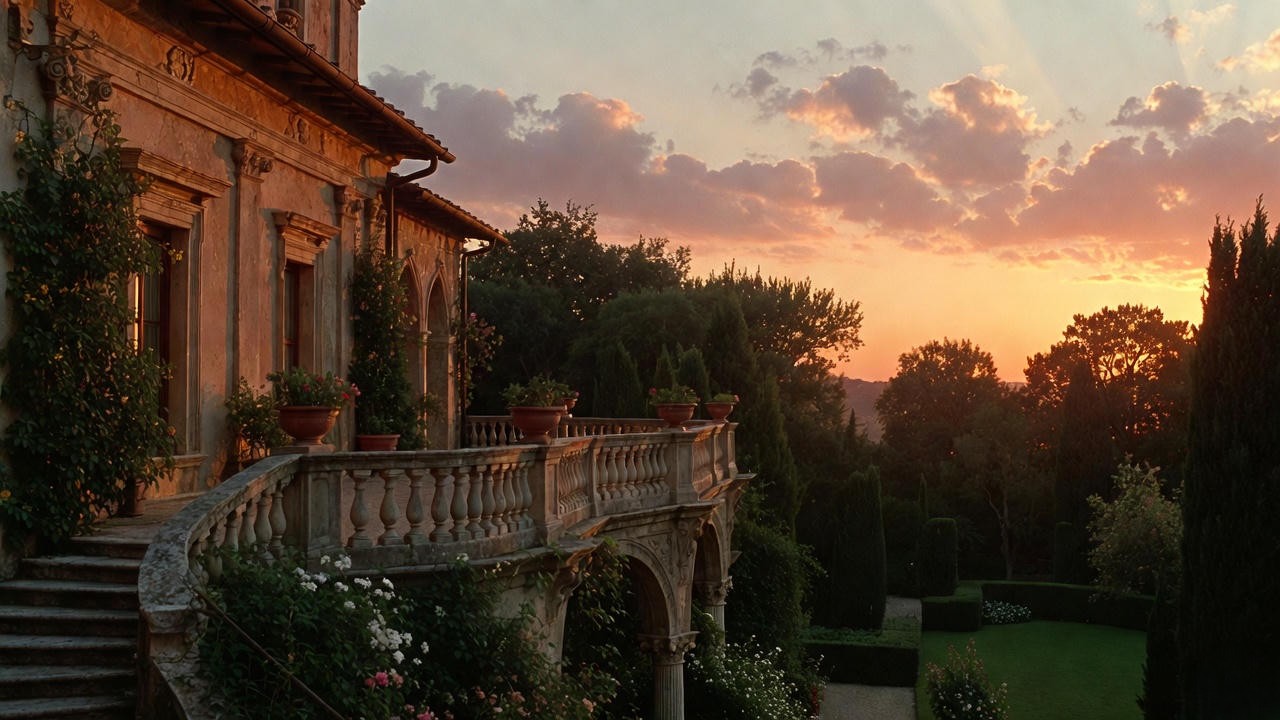
Franco Zeffirelli’s 1968 film, acclaimed for its lush Renaissance authenticity, filmed in Tuscan towns like Pienza and Gubbio (not Verona itself) to capture golden light and stone architecture. The youthful leads (Olivia Hussey and Leonard Whiting) embodied passionate Italy against medieval backdrops.
Baz Luhrmann’s 1996 Romeo + Juliet boldly reimagines “Verona Beach” as a modern, violent Los Angeles-like city with beaches, skyscrapers, and guns labeled “Sword.” Retaining Shakespeare’s dialogue, it translates the feud to gang warfare, proving the setting’s timeless adaptability.
Stage productions vary widely: The Royal Shakespeare Company often uses minimalist sets focusing on Verona’s walls and tombs, while opera versions (e.g., Gounod’s Roméo et Juliette) and ballets (Prokofiev’s) enhance the Italian romance through music and choreography.
Visiting the Real Verona – Shakespeare’s Legacy Today
Modern Verona embraces its Shakespearean fame, though many sites are romantic inventions rather than historical facts.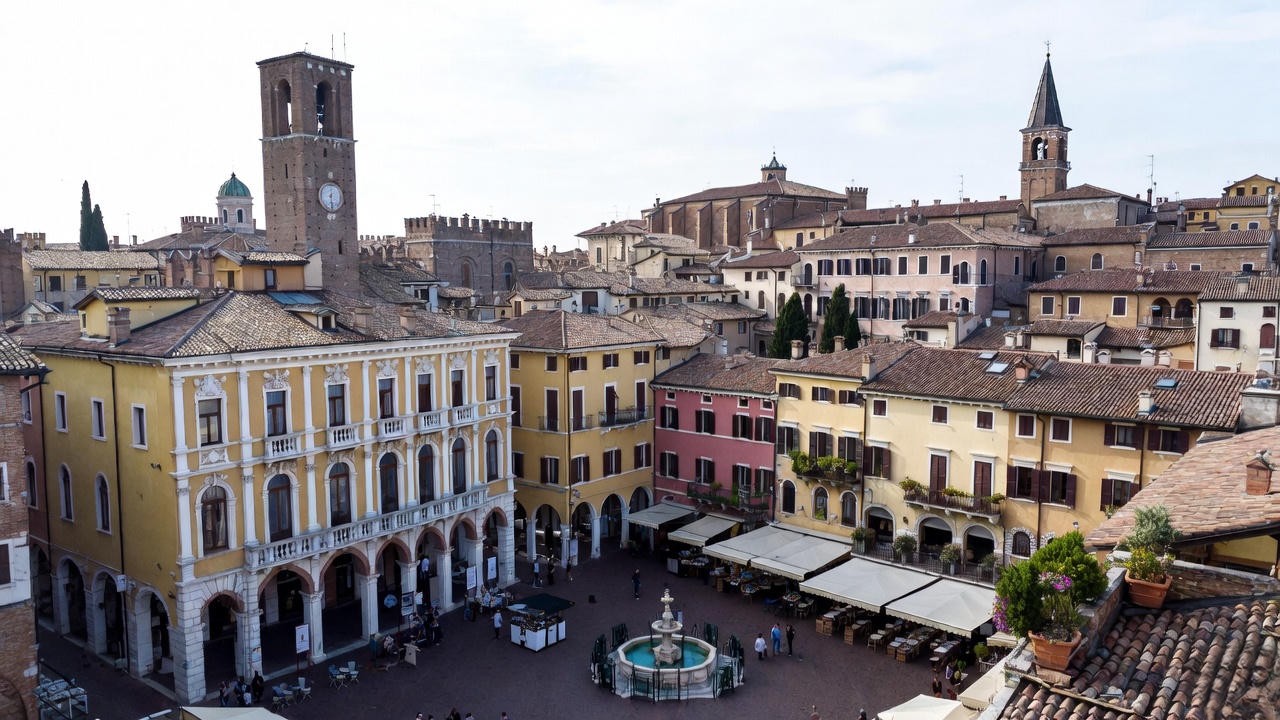
Top Romeo and Juliet Sites in Modern Verona
- Casa di Giulietta (Juliet’s House): A 13th-century building with a balcony added in the 1930s. Visitors touch Juliet’s statue for luck and leave love notes on the walls.
- Casa di Romeo: A nearby fortified house, less touristy but evocative.
- Juliet’s Tomb: In the frescoed crypt of the former San Francesco al Corso monastery — a serene, poignant spot.
- Piazza delle Erbe and Piazza dei Signori: Lively markets and squares that feel like the play’s public spaces, surrounded by Renaissance palaces and the Scaliger tombs.
Tourism Impact and Authenticity Debate
These attractions, developed in the 20th century, attract millions annually. While not “real” in a historical sense (the story is fictionalized legend), they hold profound emotional authenticity for fans. Verona’s UNESCO World Heritage status celebrates its broader Roman and Renaissance heritage, including the Arena amphitheater.
Practical Tip: Visit early morning or offseason to avoid crowds. Combine with nearby Mantua for a full tragic journey.
Common Misconceptions About the Setting
- Misconception: The play is set in Venice. Clarification: Venice features in other Shakespeare works (The Merchant, Othello), but Verona is explicit here.
- Misconception: The balcony was historical. Clarification: Balconies weren’t common in medieval Italy; Shakespeare invented the scene, inspired by climbing motifs in sources.
- Misconception: Shakespeare created the Verona story. Clarification: As detailed, it predates him by centuries in Italian literature.
Expert Insights and Further Reading
Renowned Shakespeare editor Jill L. Levenson (Oxford edition) praises Verona’s role in creating “a world both familiar and foreign.” Brian Gibbons (Arden Shakespeare) highlights how the setting “intensifies the lovers’ isolation within society.”
Recommended: Romeo and Juliet (Folger or Arden editions), Luigi da Porto’s novella (translations available), and Shakespeare’s Italy by scholars like Michele Marrapodi.
Frequently Asked Questions (FAQ)
What city is Romeo and Juliet set in? Primarily Verona, Italy, with key scenes in Mantua.
Why did Shakespeare choose Verona for Romeo and Juliet? To draw on established Italian sources, evoke passionate stereotypes, and mirror real historical feuds.
Is the story of Romeo and Juliet based on a true story in Verona? It’s inspired by legends and possible real families, but heavily fictionalized.
Where was Romeo exiled to in the play? Mantua.
Can you visit Juliet’s balcony in Italy? Yes, at Casa di Giulietta in Verona — a popular tourist site.
Did Shakespeare ever go to Verona? No evidence suggests he did; his knowledge came from reading.
Verona is far more than a backdrop in Romeo and Juliet — it’s a character in itself, shaping the heat of passion, the weight of feud, and the inevitability of fate. Shakespeare’s masterful use of this “fair” yet fractious city transforms a local legend into a universal tragedy that resonates centuries later.