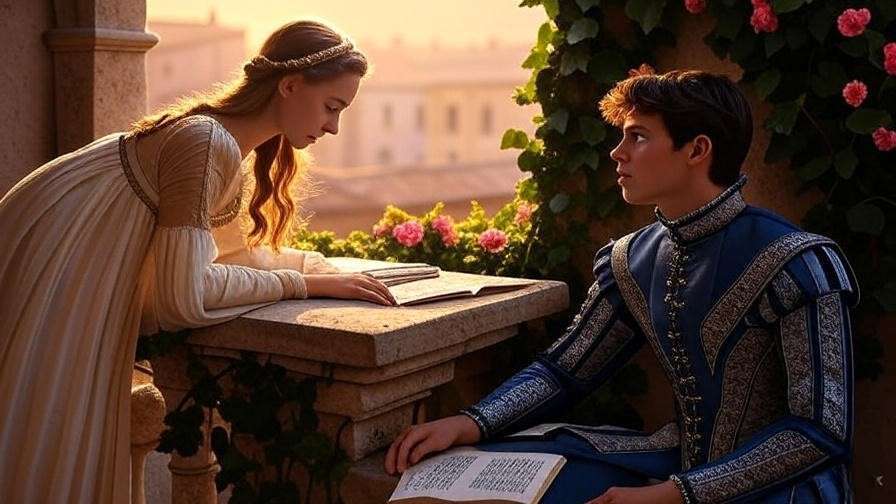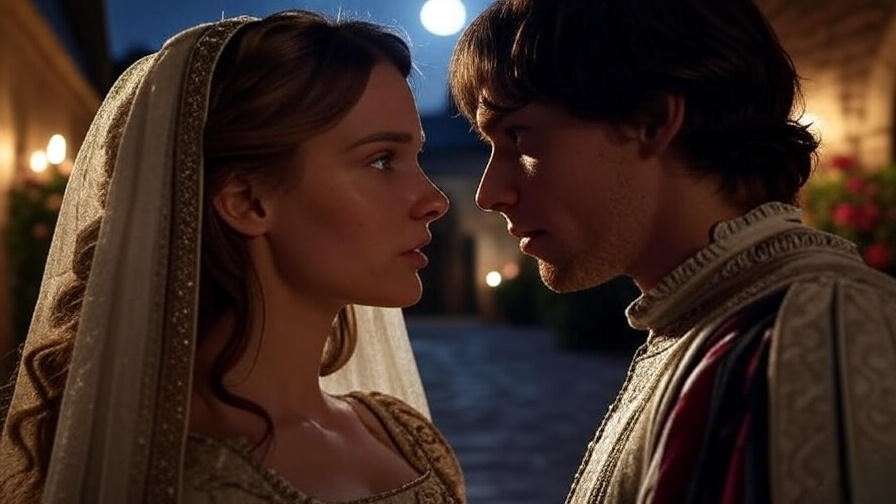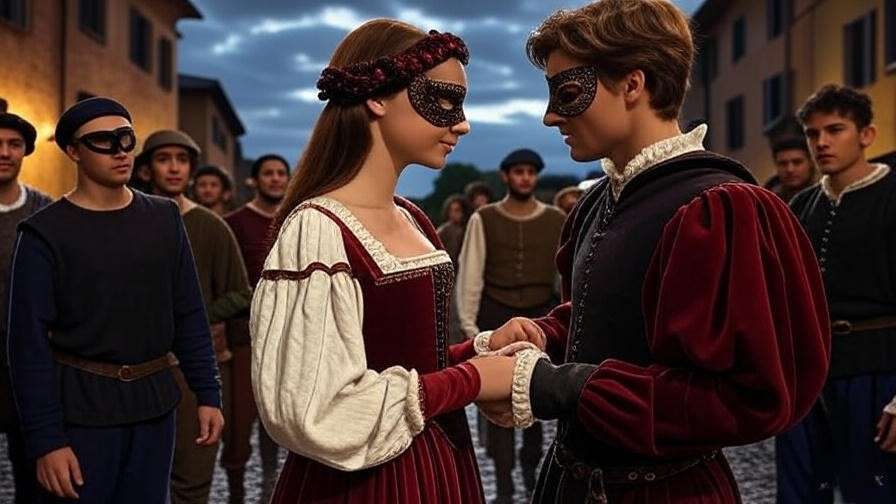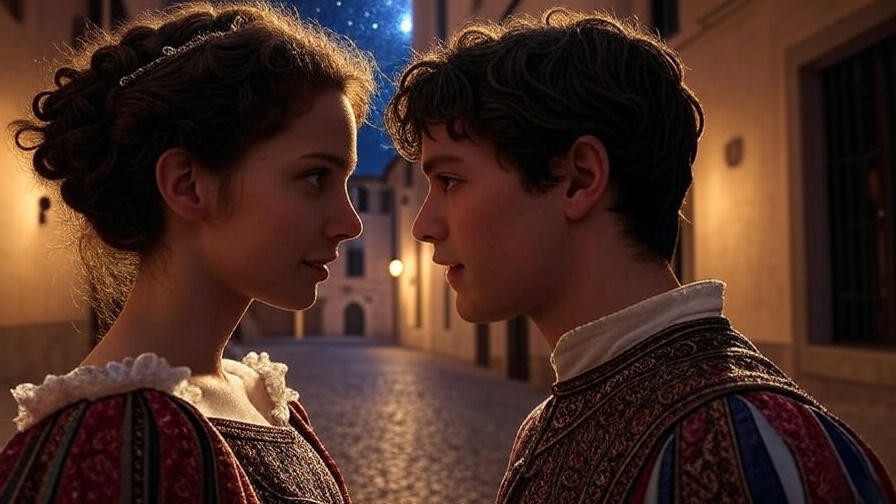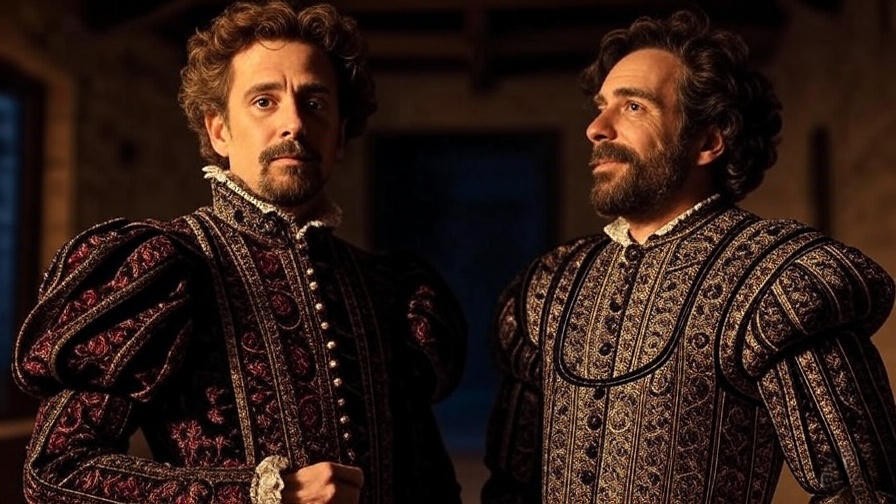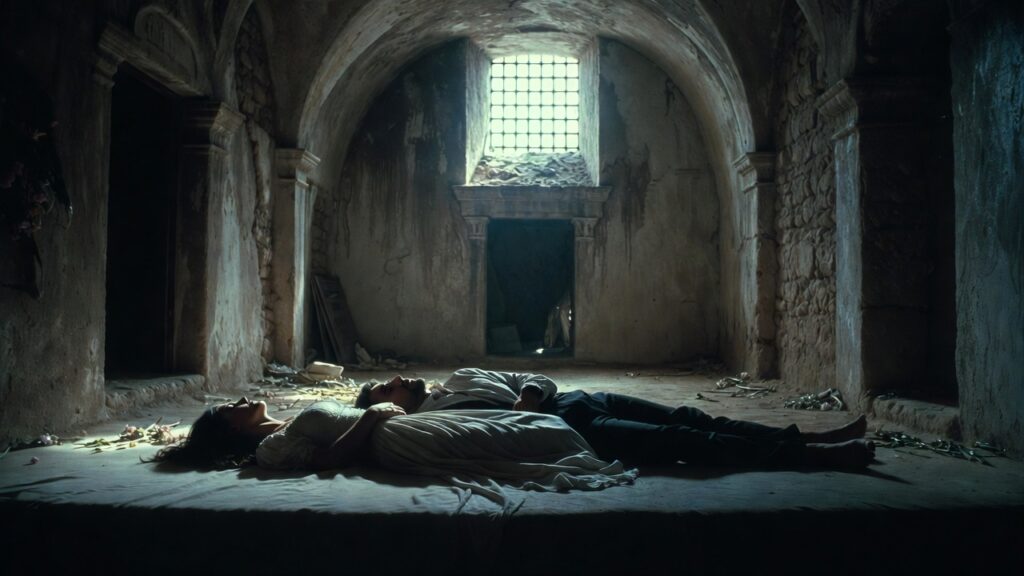
In the opening lines of William Shakespeare’s Romeo and Juliet, the Chorus famously declares: “A pair of star-cross’d lovers take their life.” This single phrase encapsulates the play’s devastating conclusion—two young people, driven by overwhelming passion, choose to end their own lives rather than face a world without each other. Why did Romeo and Juliet kill themselves? The question has puzzled readers, students, and scholars for centuries, drawing millions to search for clear explanations of the tragedy’s causes.
The answer lies not in a single motive but in a catastrophic convergence of factors: catastrophic miscommunication, youthful impulsivity, the weight of an ancient family feud, societal constraints, and the relentless pull of what the play calls “fate.” Shakespeare crafts a story where the lovers’ suicides feel both heartbreakingly inevitable and tragically preventable. By examining the plot’s immediate triggers, the characters’ psychological drivers, the debate over fate versus free will, and the broader Renaissance context, we can unpack why these star-crossed teenagers meet such a sorrowful end.
This comprehensive analysis draws directly from the text (using standard Folio references), Renaissance historical perspectives, and key literary scholarship to provide deeper insight than typical summaries or study guides. Whether you’re writing an essay, teaching the play, or simply seeking to understand one of literature’s most famous tragedies, the reasons behind Romeo and Juliet’s suicides reveal profound truths about love, despair, communication, and human choice.
The Immediate Plot Triggers – How the Chain of Events Led to Suicide
The suicides in Act 5 unfold with terrifying speed, each death building on a series of misunderstandings and unfortunate timing that Shakespeare uses masterfully to heighten dramatic irony.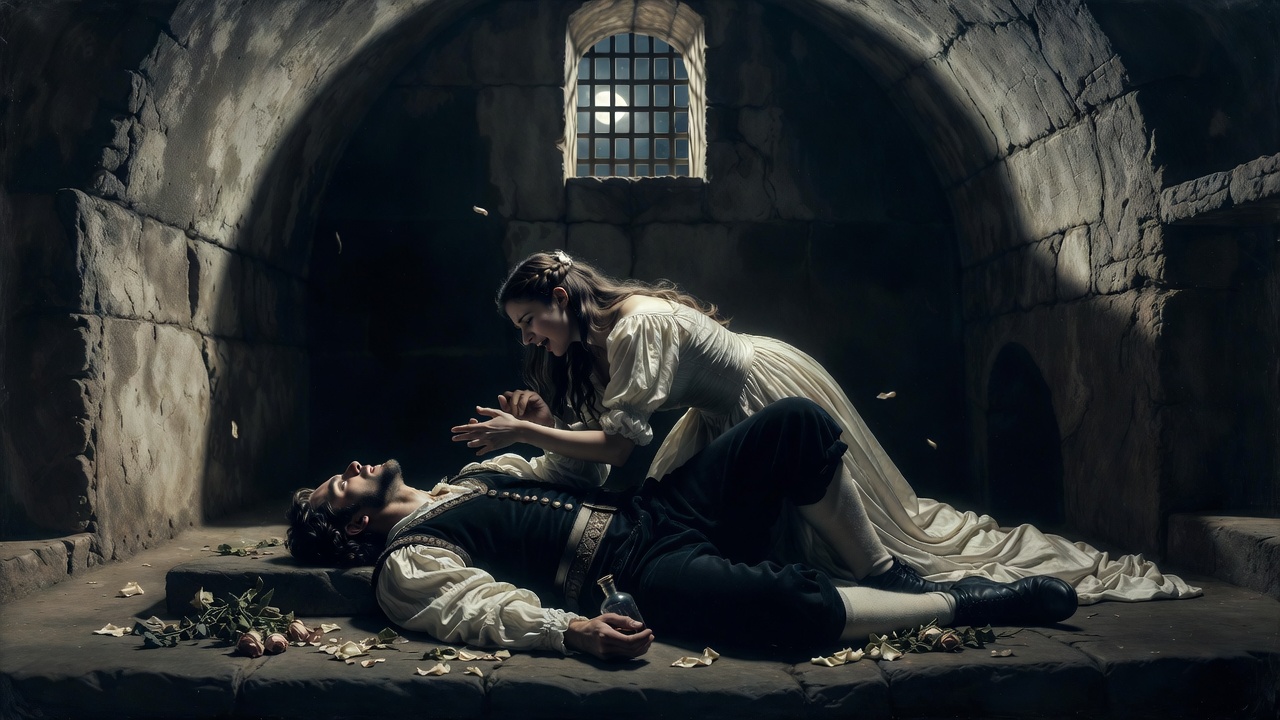
Romeo’s Misinformed Grief – The Role of Balthasar’s Report
Romeo, exiled in Mantua after killing Tybalt, receives devastating news from his servant Balthasar: Juliet is dead and lies in the Capulet tomb. Without seeking verification or waiting for more details, Romeo declares, “Then I defy you, stars!” (Act 5, Scene 1). This line marks his rejection of fate and his immediate resolve to join Juliet in death.
He purchases a deadly poison from an impoverished apothecary, describing it as a “cordial” for his grieving heart. The speed of his decision underscores a key theme: grief overrides reason. In Elizabethan terms, such rashness aligned with views of melancholy and passionate excess, but modern readers recognize echoes of impulsive decision-making under acute emotional distress.
The Failed Plan of Friar Laurence – The Letter That Never Arrived
Central to the tragedy is Friar Laurence’s elaborate scheme: Juliet takes a potion simulating death for 42 hours, allowing time for Romeo to retrieve her from the tomb and escape to Mantua. The Friar entrusts a letter explaining everything to Friar John, but plague quarantines prevent delivery.
This single failed message creates the play’s most poignant dramatic irony—Juliet awakens only minutes after Romeo poisons himself. Scholars often point to this as Shakespeare’s commentary on the fragility of human plans against unpredictable external forces.
Juliet’s Desperate Awakening – From Hope to Despair
Juliet revives to find Romeo dead beside her, the vial empty in his hand. She tries to drink residual poison from his lips—“I will kiss thy lips; / Haply some poison yet doth hang on them, / To make me die with a restorative” (Act 5, Scene 3)—but finds none. Hearing watchmen approach, she seizes Romeo’s dagger and stabs herself, crying, “O happy dagger! / This is thy sheath; there rust, and let me die” (Act 5, Scene 3).
Her final act is one of desperate agency in a world that offered her few choices. The rapid succession—Romeo’s poison, Juliet’s dagger—emphasizes how miscommunication turned a rescue plan into mutual destruction.
The Deeper Psychological and Emotional Drivers – Youth, Passion, and Impulsivity
While the immediate plot mechanics set the stage for the double suicide, the deeper reasons lie in the characters’ ages, temperaments, and the overwhelming force of their emotions. Shakespeare portrays Romeo and Juliet as adolescents caught in the throes of first love—an experience that, in the Renaissance as today, often feels all-consuming and world-defining.
The Recklessness of Young Love
Both protagonists are teenagers (Juliet is explicitly thirteen; Romeo is generally understood to be slightly older, perhaps sixteen or seventeen). Their whirlwind romance—meeting, falling in love, secretly marrying, and consummating the marriage—all within less than a week—exemplifies the impulsivity characteristic of youthful passion.
Romeo’s language is hyperbolic from the start. When he first sees Juliet, he exclaims, “Did my heart love till now? Forswear it, sight! / For I ne’er saw true beauty till this night” (Act 1, Scene 5). Within hours he has forgotten his previous melancholy infatuation with Rosaline and pledged eternal devotion to Juliet. Juliet matches this intensity: “My only love sprung from my only hate!” (Act 1, Scene 5). Their declarations reflect not mature, reasoned affection but the ecstatic, all-or-nothing fervor of first love.
Modern developmental psychology supports Shakespeare’s portrayal. The adolescent brain’s prefrontal cortex—responsible for impulse control, risk assessment, and long-term planning—is not fully developed until the mid-20s. In moments of intense emotion, teenagers are more likely to act on feelings without fully weighing consequences. Romeo and Juliet’s suicides can therefore be read as the tragic endpoint of this developmental reality: when love seems to be everything, the loss of love feels like the end of everything.
Romeo’s Melancholy and Idealized Love
Romeo begins the play in a state of fashionable Renaissance melancholy, pining for the unattainable Rosaline. This mood—common in Elizabethan sonnet sequences—frames love as suffering and death as a romantic consummation. When he believes Juliet is dead, he reverts to this pattern, viewing suicide not as defeat but as reunion: “Here’s to my love! [Drinks] O true apothecary, / Thy drugs are quick. Thus with a kiss I die” (Act 5, Scene 3).
His death is framed as erotic and transcendent, echoing Petrarchan traditions where the lover longs to die for (or with) the beloved. Shakespeare both indulges and critiques this romanticization: the beauty of Romeo’s language cannot mask the wastefulness of his choice.
Juliet’s Fear and Defiance
Juliet’s suicide, by contrast, carries a stronger note of defiance. Faced with the prospect of marrying Paris against her will and committing bigamy in the eyes of the Church, she tells the Friar: “O, bid me leap… / Rather than marry Paris from the grave / Of Juliet” (Act 4, Scene 1). Her willingness to fake death—and later to take real death—represents her assertion of autonomy in a patriarchal world that offers her almost no control.
When she wakes to find Romeo already dead, her choice of the dagger over poison is symbolically significant: she takes Romeo’s weapon, making her death an act of union with him even in violence. This agency, born of terror and love, makes her suicide feel less impulsive than Romeo’s and more tragically resolute.
Fate vs. Free Will – Was Their Suicide Predestined?
One of the most enduring debates about Romeo and Juliet is whether the lovers were doomed by cosmic forces or destroyed by their own (and others’) choices. Shakespeare deliberately keeps both interpretations in play.
The “Star-Crossed” Prologue and References to Destiny
The Chorus’s opening speech labels the lovers “star-cross’d,” suggesting that astrology and fate have predetermined their destruction. Throughout the play, characters invoke fortune, the stars, and destiny: Romeo calls himself “fortune’s fool” after killing Tybalt (Act 3, Scene 1), and the Friar speaks of “inauspicious stars” (Act 5, Scene 3).
These references create a powerful atmosphere of inevitability. In Renaissance England, belief in astrology and providential fate was widespread; many audience members would have accepted that certain events were written in the heavens.
Human Choices That Accelerate Tragedy
Yet Shakespeare layers the text with evidence of free will. Every major catastrophe results from a human decision:
- The Montagues and Capulets choose to maintain their feud.
- Romeo chooses to crash the Capulet party.
- The lovers choose secret marriage.
- Tybalt chooses to challenge Romeo.
- Romeo chooses to kill Tybalt in revenge.
- The Friar chooses an extraordinarily risky plan.
- Romeo chooses not to wait for confirmation of Juliet’s death.
The tragedy is therefore not purely fated; it is accelerated by a cascade of avoidable choices. As literary critic Northrop Frye observed, the play presents fate as “the shadow cast by human folly.”
Scholarly Perspectives – Fate as Metaphor for Societal Forces
Many modern scholars interpret “fate” less as supernatural destiny and more as a metaphor for the oppressive social structures—family honor, patriarchal authority, class divisions—that limit individual freedom. In this reading, the lovers are “star-crossed” not by the stars but by the rigid social order of Verona.
Societal and External Forces – The Feud, Family, and Renaissance Context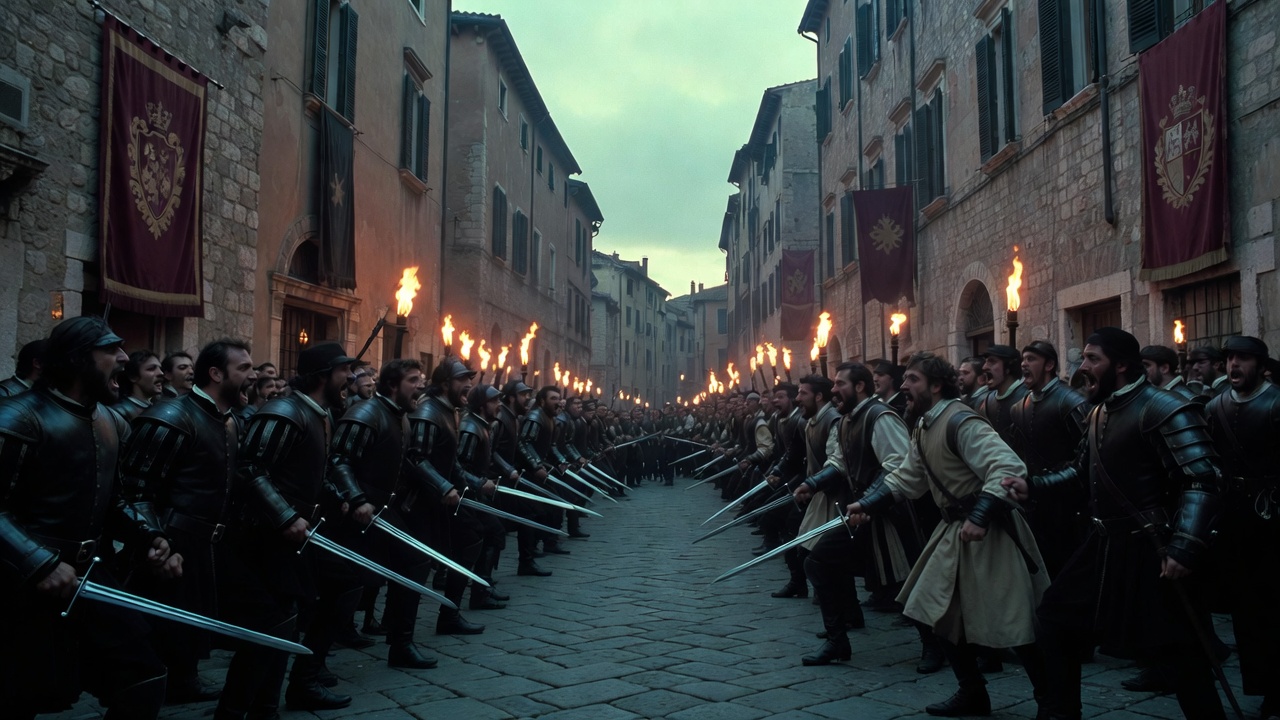
No analysis of Romeo and Juliet’s suicides is complete without examining the external pressures that make escape seem impossible.
The Ancient Grudge Between Montagues and Capulets
The opening scene establishes that “ancient grudge” has bred “new mutiny” for generations. This blood feud turns any cross-family romance into an act of treason against family honor. Romeo and Juliet must therefore conduct their love in secrecy, relying on intermediaries (the Nurse, Friar Laurence) who ultimately fail them.
The feud creates a world where open communication is impossible—exactly the condition that dooms the potion plan.
Patriarchal Pressures and Limited Options
Juliet faces particularly acute constraints. Her father, Lord Capulet, arranges her marriage to Paris with little regard for her feelings. When she resists, he threatens to disown her: “Hang thee, young baggage! Disobedient wretch!” (Act 3, Scene 5). In Renaissance society, disobedience to a father could mean social ruin or worse.
Suicide becomes, in Juliet’s mind, the only way to preserve both her love for Romeo and her bodily autonomy.
Friar Laurence and the Nurse – Well-Intentioned but Flawed Advisors
Both adult figures who should guide the young lovers instead enable their rashness. The Nurse, after initially supporting the marriage, urges Juliet to marry Paris for pragmatic reasons. Friar Laurence, hoping to end the feud through the secret union, devises a plan so complicated that it depends on perfect timing and flawless communication—neither of which occurs.
Their failures highlight another theme: the generational gap and the danger of adults who underestimate youthful passion.
Symbolic and Thematic Layers – Love, Death, and Reconciliation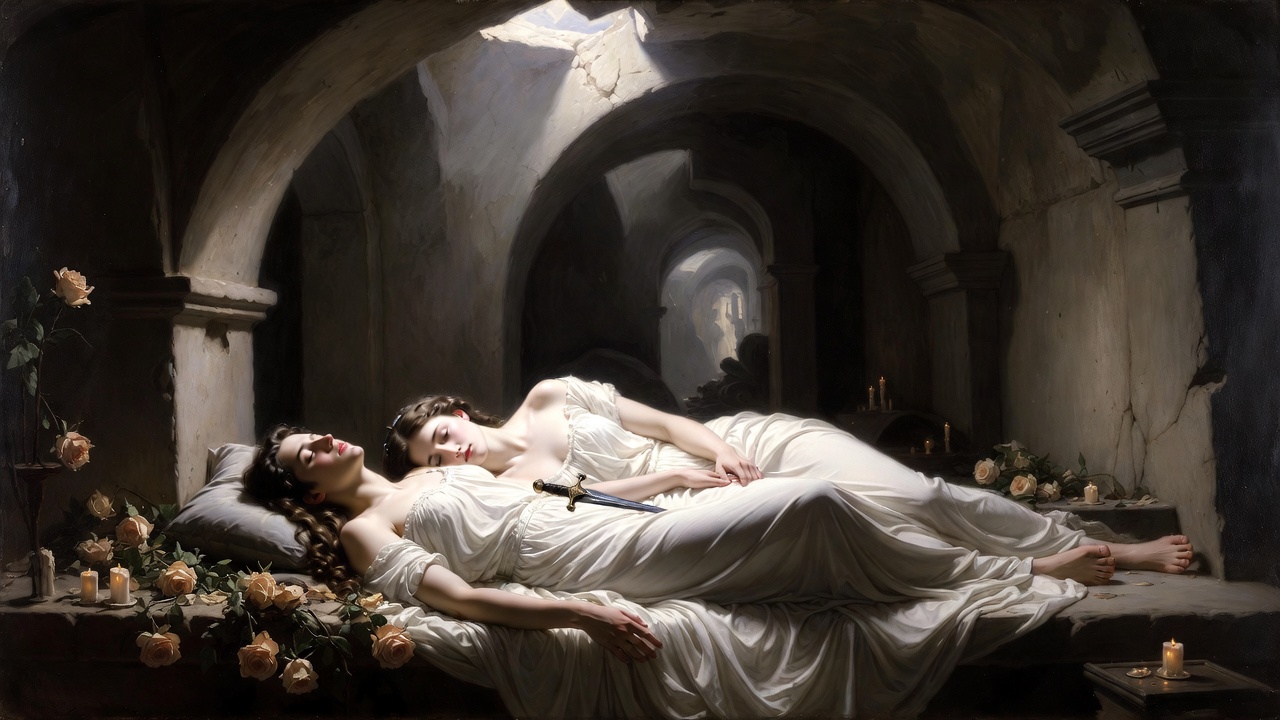
Shakespeare does not present the lovers’ suicides merely as plot devices; they are richly symbolic, carrying profound thematic weight that elevates the tragedy beyond a simple tale of young love gone wrong.
Suicide as Union in Death
Throughout the play, Shakespeare intertwines the imagery of love and death so closely that the two become almost indistinguishable. Romeo describes Juliet as “bright angel” and “dear saint” even before they speak; their first shared sonnet (Act 1, Scene 5) already carries religious and sacrificial undertones. By Act 5, this fusion reaches its climax.
Romeo’s final kiss before drinking poison—“Thus with a kiss I die”—and Juliet’s attempt to find poison on his lips both treat death as the ultimate consummation of their marriage. The dagger Juliet uses is explicitly phallic in Renaissance literary convention: “O happy dagger! / This is thy sheath; there rust, and let me die.” The language turns violent self-destruction into erotic reunion, suggesting that in a world that forbids their union in life, death becomes the only place they can be truly together.
This motif draws on a long tradition in European literature (from medieval courtly love to Petrarch) where the death of lovers paradoxically affirms the power and purity of their passion.
The Tragic Irony – Deaths End the Feud
Perhaps the most bitter irony of the play is that Romeo and Juliet achieve in death what they could not in life: reconciliation between their families. Prince Escalus’s final speech laments:
“See what a scourge is laid upon your hate, That heaven finds means to kill your joys with love!”
The sight of their children’s bodies forces Lord Montague and Lord Capulet to shake hands and end the “ancient grudge.” The lovers’ suicides therefore serve a double function: personal tragedy for the couple, civic catharsis for Verona. Shakespeare uses their deaths to critique both the destructiveness of feuding and the society that allows such hatred to persist until only the most extreme sacrifice can end it.
Broader Themes – Violence of Hate vs. Passion of Love
The play repeatedly parallels the violence of the feud with the violence of passionate love. Sword fights mirror lovers’ embraces; poison and daggers echo kisses and weddings. This symmetry suggests that unchecked emotion—whether hatred or love—can be equally lethal when it overrides reason and social restraint.
Common Misconceptions and Modern Interpretations
Several persistent misconceptions surround the reasons for Romeo and Juliet’s suicides. Addressing them helps clarify the play’s nuance.
- Misconception: It’s purely fate, and the lovers had no choice. While fate language is prominent, the tragedy is equally driven by human decisions. Removing any one choice (the secret marriage, the Tybalt killing, the potion plan) could have changed the outcome.
- Misconception: The lovers are simply immature or foolish. Shakespeare gives them genuine depth and eloquence. Their impulsivity is realistic for their age and situation, not a moral failing.
- Misconception: Friar Laurence is the main villain. He is well-intentioned but disastrously overconfident in his cleverness. Blame is distributed across many characters and the society they inhabit.
Modern interpretations often emphasize psychological and social angles:
- Baz Luhrmann’s 1996 film adaptation highlights teenage impulsivity and gun culture, making the suicides feel contemporary.
- Feminist readings stress Juliet’s limited agency and view her suicide as a final act of resistance against patriarchal control.
- Mental health perspectives note parallels with modern adolescent suicide risk factors: intense romantic attachment, perceived hopelessness, access to means, and isolation from support.
These lenses do not replace Shakespeare’s text but enrich our understanding of why the ending continues to resonate so powerfully.
Lessons from the Tragedy – Why This Ending Still Matters Today
More than 400 years after its first performance, Romeo and Juliet remains urgently relevant. The reasons the lovers kill themselves speak to timeless human experiences:
- Communication breakdowns — A single undelivered letter destroys everything. Today we see similar tragedies in miscommunications via text, social media silence, or assumptions in relationships.
- The intensity of young love — First love can feel like the entire world. When it ends (or appears to end), the despair can be overwhelming—especially for adolescents still developing emotional regulation.
- The cost of division — Family, cultural, or political hatreds that seem “ancient” can destroy the next generation unless actively dismantled.
- Mental health awareness — The play dramatizes acute despair and impulsive acts under extreme emotion. It invites reflection on how societies support (or fail to support) young people in crisis.
For students writing essays, consider these angles:
- Compare the role of fate in Romeo and Juliet vs. Macbeth or Hamlet.
- Analyze how Shakespeare uses dramatic irony to make the tragedy more painful.
- Explore gender differences in the lovers’ paths to suicide.
Re-reading the play with these questions in mind reveals layers that casual summaries miss.
Romeo and Juliet kill themselves because of a perfect storm: a critical miscommunication that dooms Friar Laurence’s rescue plan, the reckless speed of adolescent passion, the crushing weight of an intractable family feud, patriarchal constraints that leave Juliet few options, and an atmosphere saturated with the language of fate. Yet Shakespeare never lets us forget that every link in this chain is forged by human choice—making the tragedy all the more devastating.
Their deaths are neither glorified nor condemned outright; they are presented as both beautiful in their devotion and wasteful in their finality. The lovers’ suicides end the feud, but at an unbearable cost. Shakespeare leaves us with the uncomfortable truth that love, when severed from reason, patience, and open communication, can be as destructive as hate.
In the end, the question “Why did Romeo and Juliet kill themselves?” is less about assigning blame and more about recognizing how fragile happiness can be when fear, haste, and misunderstanding collide. Their story endures because it warns us—and moves us—to choose differently.
Frequently Asked Questions
Why didn’t Romeo wait or verify Juliet’s death? Grief and impulsivity overrode reason. In his despair, waiting felt like betrayal of his love; he wanted to join her immediately.
Was Friar Laurence to blame? He bears significant responsibility for devising a high-risk plan and failing to ensure its success, but he is not malicious—only tragically overconfident.
Did Shakespeare glorify or condemn suicide? He presents it ambivalently: poetically beautiful in the lovers’ eyes, yet ruinous in its consequences. The play mourns the loss more than it judges the act.
How does fate differ from coincidence in the play? Fate is the overarching sense of predestined doom (“star-crossed”); coincidence is the specific unlucky timing (plague quarantine, delayed waking). Shakespeare blurs the line to keep both interpretations alive.
What alternatives did Romeo and Juliet have? Realistically few—openly defying their families would likely lead to banishment, imprisonment, or forced separation. The tragedy lies in how narrow their path became.
Thank you for reading this in-depth exploration on williamshakespeareinsights. If you have thoughts on the play’s ending or want analysis of another Shakespeare tragedy, share in the comments below.