“Unsex me here… Come, you spirits!” With these haunting words, Lady Macbeth steps into the spotlight of Shakespeare’s Macbeth, her voice a chilling blend of ambition and defiance that echoes through centuries. For those searching for the best Lady Macbeth book to unravel her enigmatic character, this article is your guide. As one of Shakespeare’s most compelling figures, Lady Macbeth captivates readers with her ruthless drive, psychological depth, and tragic unraveling. Whether you’re a student, educator, or Shakespeare enthusiast, understanding her through key books and scholarly insights offers a window into her complexity. This comprehensive exploration draws from authoritative texts, critical analyses, and modern adaptations to decode Lady Macbeth’s motivations, gender dynamics, and cultural legacy, promising actionable insights to enrich your appreciation of this fierce character.
Who Is Lady Macbeth? A Character Overview
The Architect of Ambition
Lady Macbeth is the pulsating heart of ambition in Macbeth, a tragedy penned by William Shakespeare around 1606. As Macbeth’s wife, she is the catalyst for the play’s descent into chaos, urging her husband to murder King Duncan to seize the Scottish throne. Her iconic soliloquy in Act 1, Scene 5, where she calls upon dark spirits to “unsex” her, reveals a woman willing to shed societal constraints to achieve power. Yet, her journey doesn’t end with triumph. Her guilt-fueled descent into madness, culminating in the harrowing sleepwalking scene, paints her as a tragic figure undone by her own resolve. This duality—ruthless ambition paired with human vulnerability—makes her a character worth studying through books.
Why Lady Macbeth Captivates Readers
Lady Macbeth’s allure lies in her defiance of Elizabethan gender norms, her psychological complexity, and her enduring relevance. She’s neither a one-dimensional villain nor a passive victim, but a woman navigating a patriarchal world with fierce agency. Scholars, students, and theatergoers are drawn to her as a study in power, morality, and identity. Her influence extends beyond the page, inspiring countless adaptations in literature, film, and even music. To fully grasp her impact, diving into the right Lady Macbeth book—from Shakespeare’s original text to modern retellings—is essential. This article curates the best resources to guide your exploration.
Essential Books to Understand Lady Macbeth
Primary Text: Shakespeare’s Macbeth
The foundation for understanding Lady Macbeth begins with Shakespeare’s Macbeth. Reading the original play is crucial, as it provides the raw material of her character through dialogue, soliloquies, and interactions. Editions like the Arden Shakespeare or Folger Shakespeare Library are highly recommended for their detailed annotations, historical context, and critical essays. For instance, the Arden edition includes notes on Lady Macbeth’s language, revealing how her use of imagery (e.g., “raven,” “serpent”) underscores her ambition and moral conflict.
Tip: Annotate key scenes, such as Act 1, Scene 5 (her invocation of spirits) and Act 5, Scene 1 (the sleepwalking scene), to trace her emotional arc. Pay attention to how her language shifts from commanding to fragmented, reflecting her psychological decline. These editions not only clarify Elizabethan language but also offer insights from leading scholars, making them indispensable for students and educators.
Scholarly Books Analyzing Lady Macbeth
To deepen your understanding, several scholarly works provide expert analyses of Lady Macbeth’s character:
- Shakespeare’s Women by David Bevington*: This book explores Lady Macbeth’s defiance of gender norms, positioning her as a subversive figure in Elizabethan drama. Bevington argues that her ambition challenges the patriarchal constraints of her time, offering a feminist lens on her actions.
- Macbeth: A Critical Reader edited by John Drakakis*: This collection of essays delves into Lady Macbeth’s psychological and moral complexity. One notable essay examines her role as a “partner in greatness,” highlighting her influence over Macbeth’s decisions.
- Women in Shakespeare by Alison Findlay*: Findlay’s feminist perspective emphasizes Lady Macbeth’s agency, analyzing how her rejection of traditional femininity shapes her tragic arc. This book is ideal for readers interested in gender studies and Shakespeare.
Expert Insight: Renowned Shakespeare scholar Stephen Greenblatt notes in Will in the World that Lady Macbeth’s “unsex me here” speech reflects a radical desire to transcend gender, making her a proto-feminist figure whose ambition both empowers and destroys her. These texts provide authoritative frameworks to unpack her complexity, ensuring your study is grounded in credible scholarship.
Modern Adaptations and Retellings
Beyond scholarly works, modern adaptations offer fresh perspectives on Lady Macbeth:
- Lady Macbeth of Mtsensk by Nikolai Leskov*: This 19th-century Russian novella reimagines Lady Macbeth as Katerina, a woman driven to murder by passion and desperation. While not a direct retelling, it draws heavily on Shakespeare’s character, offering a cross-cultural lens.
- The Third Witch by Rebecca Reisert*: This novel retells Macbeth from the perspective of a young girl aligned with the witches, providing a unique view of Lady Macbeth’s motivations. It’s an accessible entry point for readers new to Shakespeare.
- Film Adaptations as Books: The screenplay of the 2015 Macbeth film (starring Marion Cotillard) is available in book form, with notes on how directors interpreted Lady Macbeth’s emotional depth.
These adaptations bridge classical literature with modern storytelling, making Lady Macbeth’s character accessible to diverse audiences. They also highlight her timeless appeal, as her archetype resonates in contemporary narratives.
Decoding Lady Macbeth’s Psyche
Ambition and Power: Her Driving Forces
Lady Macbeth’s ambition is her defining trait, but it’s rooted in a nuanced response to her societal constraints. Feminist critic Elaine Showalter argues in Representing Ophelia that Lady Macbeth’s drive stems from her lack of legitimate power in a male-dominated world. Her “unsex me here” soliloquy (Act 1, Scene 5) is a plea to shed feminine qualities—nurturing, compassion—that hinder her pursuit of power. By manipulating Macbeth, she exerts influence indirectly, showcasing strategic cunning.
Textual evidence supports this: her taunting of Macbeth’s masculinity (“Are you a man?”) in Act 1, Scene 7 reveals her mastery of psychological manipulation. Yet, her ambition isn’t purely selfish; she envisions a shared throne, referring to Macbeth as her “partner in greatness.” This dynamic makes her a compelling study in power and partnership, best explored through books like Shakespeare’s Women.
Guilt and Madness: Her Tragic Unraveling
Lady Macbeth’s descent into madness is one of Shakespeare’s most poignant depictions of guilt. The sleepwalking scene (Act 5, Scene 1), where she obsessively tries to wash imagined blood from her hands, reveals the psychological toll of her actions. Carolyn E. Brown’s Shakespeare and Psychoanalytic Theory interprets this as a manifestation of repressed guilt, contrasting with Macbeth’s more overt paranoia.
Example: Compare Lady Macbeth’s “Out, damned spot!” to Macbeth’s hallucination of Banquo’s ghost. While Macbeth externalizes his guilt, Lady Macbeth internalizes it, leading to her mental collapse. This contrast enriches classroom discussions or essays, as it highlights their differing responses to moral transgression. Books like Macbeth: A Critical Reader provide psychoanalytic lenses to explore this further.
Gender and Identity: A Feminist Perspective
Lady Macbeth’s rejection of femininity—calling for spirits to “unsex” her—challenges Elizabethan gender norms, making her a focal point for feminist criticism. Coppélia Kahn, in Man’s Estate, argues that Lady Macbeth’s ambition is a rebellion against the passive roles assigned to women. Yet, her eventual breakdown suggests the limits of this rebellion, as society punishes her transgression.
Modern productions, such as the 2015 Macbeth film with Marion Cotillard, reinterpret her gender dynamics by emphasizing her emotional depth over villainy. Cotillard’s portrayal highlights Lady Macbeth’s grief and vulnerability, offering a feminist reading that resonates with contemporary audiences. Books like Shakespeare and Feminist Theory by Marianne Novy provide frameworks to analyze these shifts, making them essential for readers interested in gender studies.
Tip: Reflect on how Lady Macbeth’s gender rebellion speaks to modern discussions of women in leadership. This perspective can enrich your analysis and connect Shakespeare to current issues.
Lady Macbeth in Performance and Culture
Iconic Stage and Screen Portrayals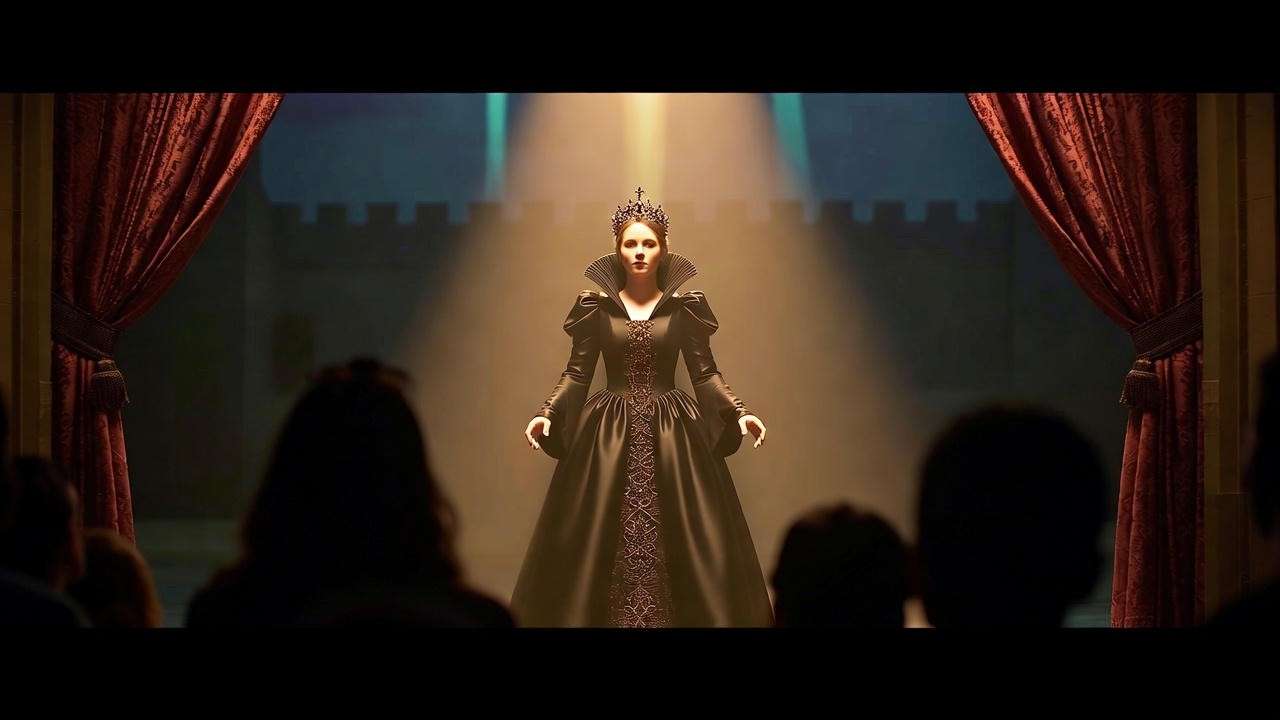
Lady Macbeth’s character comes alive in performance, with each actor bringing a unique interpretation. Judi Dench’s 1976 stage portrayal emphasized her commanding presence, while Frances McDormand’s 2021 role in The Tragedy of Macbeth highlighted her quiet intensity. Directors use casting, staging, and cinematography to accentuate different facets—ambition, guilt, or vulnerability.
Example: In the 2015 Macbeth film, director Justin Kurzel uses stark visuals to depict Lady Macbeth’s descent, with close-ups of Cotillard’s anguished face in the sleepwalking scene. This visual storytelling underscores her emotional unraveling, making the film a valuable companion to textual study. Books like Shakespeare on Screen by Sarah Hatchuel analyze these performances, offering insights for theater enthusiasts.
Lady Macbeth in Popular Culture
Lady Macbeth’s archetype—ambitious, cunning, and tragic—resonates in modern media. Claire Underwood in House of Cards mirrors her ruthless drive, while Cersei Lannister in Game of Thrones echoes her complex morality. Marjorie Garber’s Shakespeare and Modern Culture traces these connections, arguing that Lady Macbeth’s legacy lies in her embodiment of ambition’s allure and cost.
Tip: Explore TV shows or novels inspired by Lady Macbeth to see how her archetype evolves. This approach can make Shakespeare more relatable for younger readers or those new to his work.
How to Study Lady Macbeth: Practical Tips for Readers
Reading Strategies for Macbeth
To analyze Lady Macbeth effectively, focus on her soliloquies and dialogues. In Act 1, Scene 5, her invocation of spirits uses dark imagery (“thick night,” “dunnest smoke of hell”) to signal her ambition. By Act 5, Scene 1, her fragmented speech (“What, will these hands ne’er be clean?”) reflects her mental collapse. Annotate these shifts to track her arc.
Example: Break down the “unsex me here” speech to identify themes of gender, power, and morality. Note how her language contrasts with Macbeth’s hesitancy, revealing their dynamic. The Arden Shakespeare edition provides glosses to clarify Elizabethan terms, aiding this analysis.
Engaging with Scholarly Resources
Academic databases like JSTOR or Project MUSE offer peer-reviewed articles on Lady Macbeth, covering topics from psychoanalysis to feminism. Joining communities like the Folger Shakespeare Library’s online forums can also spark discussion and provide fresh perspectives. These resources ensure your study is grounded in authoritative scholarship.
Writing About Lady Macbeth
For essays or discussions, consider prompts like “Is Lady Macbeth a villain or a victim?” or “How does Lady Macbeth’s gender shape her actions?” Structure your analysis with a clear thesis, textual evidence, and citations from books like Women in Shakespeare. Use scholarly quotes to bolster your argument, ensuring credibility.
Tip: Start with a specific scene, like the sleepwalking scene, to anchor your analysis, then connect it to broader themes like guilt or power. This approach keeps your writing focused and impactful.
Common Misconceptions About Lady Macbeth
Myth: She’s Purely Evil
A common misconception portrays Lady Macbeth as a purely evil villain, a one-dimensional force of malice driving the tragedy. This oversimplification ignores her humanity and complexity. Textual evidence from the sleepwalking scene reveals her vulnerability: “All the perfumes of Arabia will not sweeten this little hand.” Her obsessive guilt humanizes her, showing the psychological cost of her actions. Scholars like Harold Bloom in Shakespeare: The Invention of the Human argue that Lady Macbeth’s ambition is intertwined with love for Macbeth and a desire for shared power, not unadulterated evil. Books such as Macbeth: A Critical Reader debunk this myth by offering nuanced interpretations, emphasizing her as a tragic figure shaped by circumstance rather than inherent wickedness.
This misconception often stems from superficial readings or adaptations that amplify her ruthlessness. By engaging with scholarly texts, readers can appreciate her depth, avoiding reductive labels and gaining a more empathetic understanding of her character.
Myth: She’s the Sole Driver of Macbeth’s Actions
Another myth suggests Lady Macbeth is the sole instigator of Macbeth’s crimes, absolving him of responsibility. In reality, Macbeth’s agency is evident from his initial willingness to consider murder upon hearing the witches’ prophecy and his later independent atrocities, like Banquo’s assassination. Their partnership is mutual; she influences but does not control him. Bloom’s analysis highlights Macbeth’s pre-existing ambition, amplified by her encouragement, creating a symbiotic dynamic.
Critical works like Women in Shakespeare clarify this interplay, showing how Elizabethan views on marriage framed their actions as collaborative. Dispelling this myth through books helps readers recognize the tragedy’s exploration of shared moral failing, enriching analyses for students and scholars alike.
Why Lady Macbeth Matters Today
Lessons on Power and Morality
Lady Macbeth’s story offers timeless lessons on the perils of unchecked ambition and the moral consequences of power. In an era of political scandals and ethical dilemmas, her arc—from triumphant schemer to guilt-ridden insomniac—mirrors real-world figures who pursue dominance at great personal cost. Her invocation of fate and supernatural forces raises questions about free will versus predestination, relevant to modern debates in philosophy and psychology.
Books like Shakespeare and Modern Culture connect her to contemporary issues, such as corporate ambition or political intrigue, without drawing direct, unsubstantiated parallels. By studying her, readers learn to interrogate the ethics of power, fostering critical thinking applicable to everyday decisions.
Inspiring Feminist Discourse
Lady Macbeth remains a lightning rod in feminist discourse, embodying the tension between agency and societal punishment. Her rejection of femininity challenges patriarchal norms, inspiring discussions on women’s roles in leadership. Marianne Novy’s Shakespeare and Feminist Theory explores how feminist readings reclaim her as a symbol of resistance, despite her tragic end. Contemporary interpretations, including diverse casting in productions, highlight intersectional aspects of gender, race, and power.
This relevance extends to education and activism, where her character prompts conversations about gender equality. For readers seeking empowerment narratives, analyzing Lady Macbeth through a feminist lens provides insights into historical and modern struggles.
Educational Value
In curricula worldwide, Lady Macbeth is a staple due to her complexity, making Macbeth ideal for teaching literary analysis, psychology, and ethics. Educators value her for illustrating character development, thematic depth, and dramatic irony. As noted by curriculum experts from the Folger Shakespeare Library, her arc facilitates discussions on ambition’s double-edged sword, engaging students across age groups.
Books recommended in this article equip teachers with resources to create dynamic lessons, such as role-playing scenes or comparative essays. Her enduring presence in syllabi underscores Shakespeare’s relevance, helping students build analytical skills transferable to other subjects.
FAQs About Lady Macbeth and Macbeth
Is Lady Macbeth the True Villain of Macbeth?
No, Lady Macbeth is not the true villain; she’s a complex anti-heroine whose ambition and manipulation contribute to the tragedy, but Macbeth’s choices and the witches’ influence share culpability. Her guilt and madness humanize her, distinguishing her from pure antagonists. Scholarly texts like Macbeth: A Critical Reader emphasize the play’s moral ambiguity, where no single character bears full blame. This nuanced view encourages deeper textual engagement.
What Are the Best Books to Study Lady Macbeth?
Top recommendations include Shakespeare’s Macbeth (Arden or Folger editions) for the primary text; Shakespeare’s Women by David Bevington for gender analysis; Women in Shakespeare by Alison Findlay for feminist insights; and The Third Witch by Rebecca Reisert for a modern retelling. These books offer comprehensive, authoritative perspectives, blending original source material with critical interpretation.
How Do Modern Adaptations Reinterpret Lady Macbeth?
Modern adaptations often soften her villainy, emphasizing vulnerability and societal pressures. In the 2015 film, Marion Cotillard portrays her with emotional fragility; The Third Witch gives her backstory through another’s eyes, humanizing her motivations. These shifts reflect contemporary values like empathy and gender critique, as analyzed in Shakespeare on Screen. They make her accessible while preserving core themes.
How Can I Analyze Lady Macbeth for a School Essay?
Start with a thesis addressing her complexity (e.g., ambition vs. guilt). Select key scenes like the soliloquy and sleepwalking for evidence. Integrate secondary sources from books like Women in Shakespeare for support. Structure with introduction, body paragraphs on themes, and conclusion. Cite properly and use LSI elements like character development and feminist criticism to strengthen arguments. Practice with prompts to refine your approach.
Lady Macbeth stands as Shakespeare’s fiercest female character, a tapestry of ambition, power, and tragic downfall that defies simple categorization. Through essential books—from the annotated Macbeth to scholarly analyses like Shakespeare’s Women and modern retellings such as The Third Witch—readers can decode her psyche, challenge misconceptions, and appreciate her cultural legacy. This guide has equipped you with practical tips, expert insights, and resources to deepen your understanding, whether for academic pursuits, personal enrichment, or theater appreciation.
Explore Macbeth today, delve into the recommended texts, and join Shakespeare communities to discuss her enduring impact. Is Lady Macbeth a product of her time, or a timeless reflection of human ambition? Ponder this as you uncover her secrets, and let her story inspire your own reflections on power and morality.