Imagine a young prince, heir to a legendary throne, who must navigate youthful adventures, prove his valor in battle, and earn the respect of a demanding father—all while upholding the ideals of chivalry in a world inspired by King Arthur’s Camelot. This archetype resonates across centuries, from medieval legends to modern storytelling. But have you ever considered how Prince Valiant’s son, Arn—the bold heir in Hal Foster’s iconic comic strip—mirrors the transformation of Shakespeare’s Prince Hal in the Henry IV plays?
Within the first decades of the 20th century, Hal Foster revolutionized adventure comics with Prince Valiant, set in the Arthurian era. Prince Valiant’s son, Arn, born in the strip in 1947, grows into a knight embodying courage, loyalty, and maturation through quests and trials. Similarly, Shakespeare’s Prince Hal, the future Henry V, begins as a wayward youth in the taverns of Eastcheap before redeeming himself through heroism and kingship. These parallels reveal deeper connections: both draw from Arthurian traditions of knighthood, father-son dynamics, and the journey from youthful exuberance to mature leadership.
In this comprehensive exploration, we’ll uncover how Arn’s coming-of-age in Foster’s epic echoes Hal’s arc in Shakespeare’s histories. By examining shared themes of inheritance, redemption, chivalry, and Arthurian influences during the Renaissance, readers—whether Shakespeare enthusiasts, comic historians, or lovers of medieval legends—will gain fresh insights into these timeless tales. This analysis not only bridges comic strips and Elizabethan drama but highlights universal questions: What makes a true heir? How does one balance personal freedom with duty?
Who Is Prince Valiant? A Brief Overview of Hal Foster’s Arthurian Epic
Hal Foster’s Prince Valiant in the Days of King Arthur, launched in 1937, stands as one of the most influential adventure comic strips in history. Foster, a Canadian-born illustrator who honed his craft on Tarzan adaptations, sought to create an original saga rooted in historical realism and Arthurian romance. What began as a pitch titled Derek, Son of Thane (later briefly Prince Arn) evolved into the enduring tale of Prince Valiant, a young exile from Thule who arrives at Camelot and becomes a Knight of the Round Table.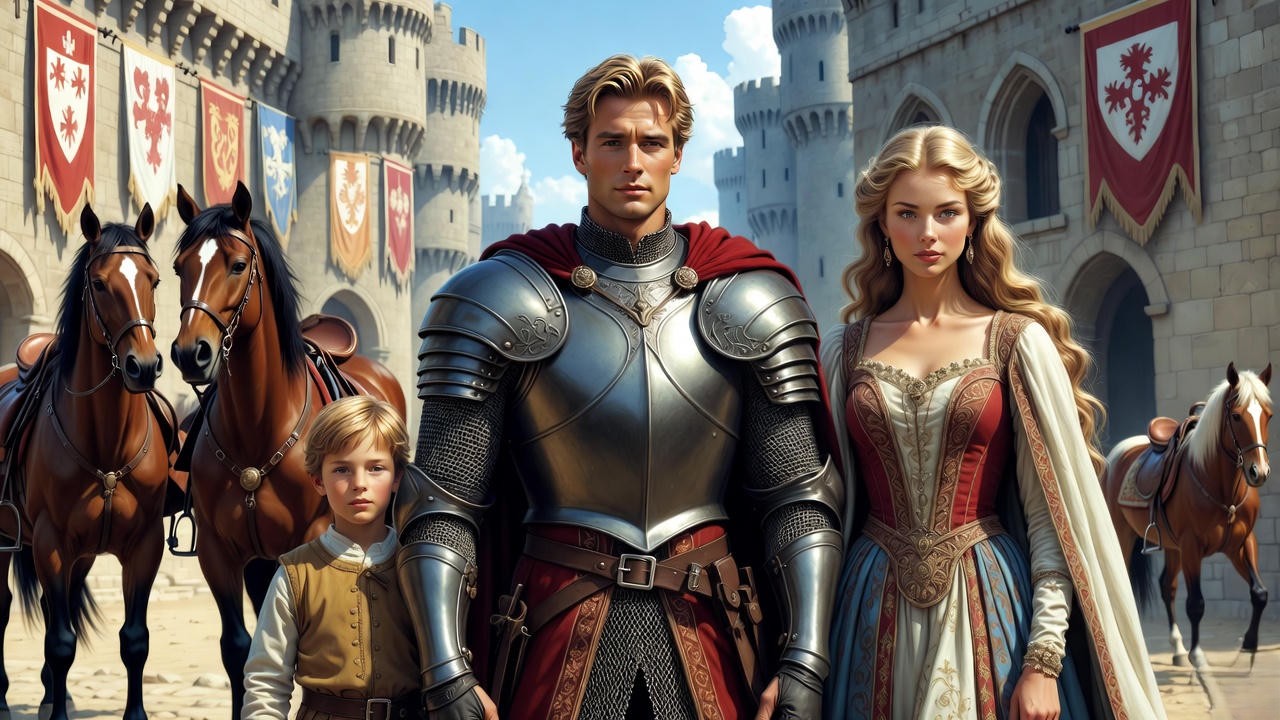
The strip’s setting blends historical fifth-century Britain with mythic elements from Arthurian legend—Knights of the Round Table, quests for honor, exotic lands, and moral chivalry. Foster’s meticulous research ensured authentic details: armor, landscapes, and customs drawn with breathtaking precision. Unlike typical comics of the era with speech balloons, Foster used narrative captions, lending a literary, epic quality. Over decades, the series aged its characters in real time—a rarity—allowing readers to witness family growth and generational legacy.
The Origins of the Comic Strip (1937 Onward)
Debuting on February 13, 1937, Prince Valiant captivated audiences with its full-page Sunday color format. Foster’s art, influenced by illustrators like Howard Pyle and N.C. Wyeth, featured dynamic compositions and lush detail. The strip’s early arcs followed young Valiant’s exile after his father, King Aguar of Thule, was usurped by Sligon. Fleeing to the fens of Britain, Valiant dreams of Camelot, acquires the Singing Sword, and joins King Arthur’s court.
Foster’s innovation extended to themes: domestic life, marriage, and parenthood amid adventure. By the 1940s, Valiant weds Queen Aleta of the Misty Isles, introducing family dynamics rare in heroic tales.
Prince Valiant’s Family and Legacy
Central to the strip’s longevity is Valiant’s family. His marriage to Aleta produces five children: eldest son Arn (born 1947), twin daughters Karen and Valeta (1951), son Galan (1962), and youngest Nathan (1979). Arn, named after Valiant’s early friend Prince Arn of Ord (who gifted him the Singing Sword), becomes the primary heir, maturing into a knight who echoes his father’s valor.
The family expands Camelot’s world, exploring inheritance across kingdoms (Thule and the Misty Isles). Foster’s successors, like John Cullen Murphy and current artists Mark Schultz and Thomas Yeates, continue this legacy, with Arn marrying Maeve (Mordred’s niece) and fathering Ingrid.
Prince Arn: The Son’s Journey in Prince Valiant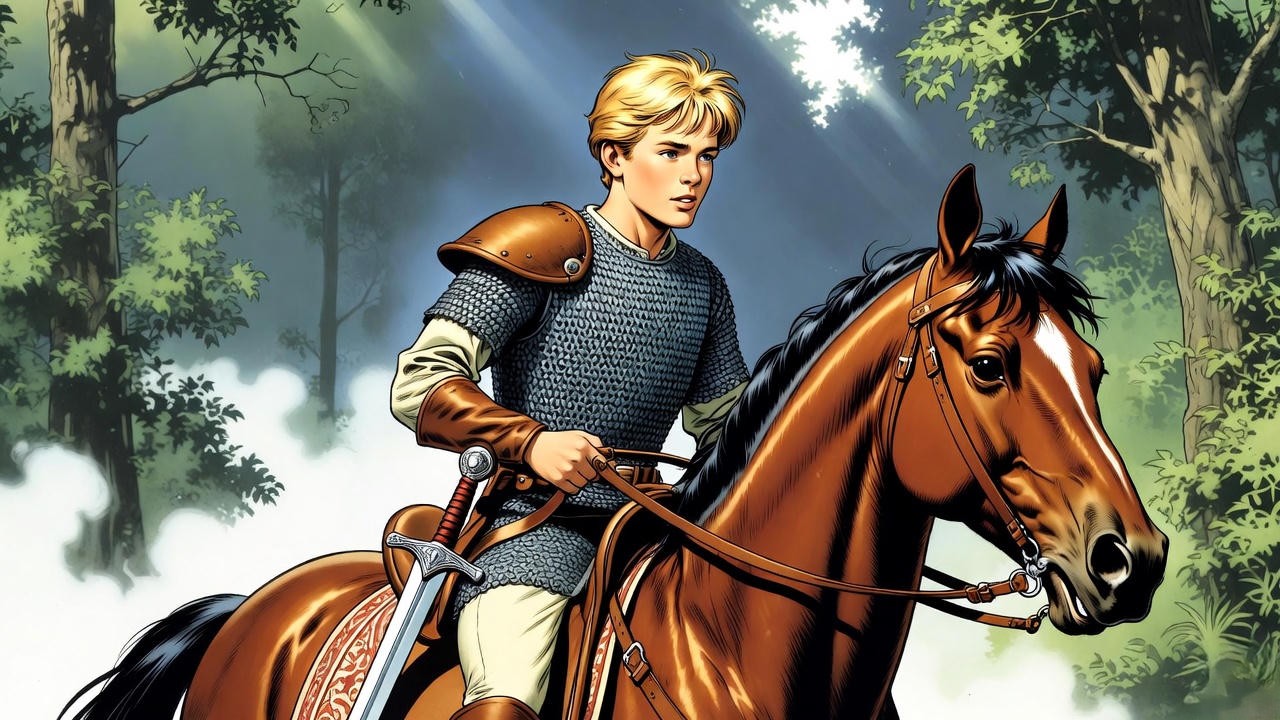
Prince Arn represents the next generation of heroism in Foster’s saga. As Valiant’s firstborn, his story arc focuses on proving worthiness, independent quests, and upholding chivalric ideals—paralleling archetypal Arthurian heirs like Galahad.
Arn’s Early Life and Training
Born in the New World during Valiant’s adventures in America (strip dated August 31, 1947), Arn’s birth marks a milestone: Foster depicted pregnancy and childbirth boldly for the era. Raised in Camelot and Thule, Arn trains under his father and knights like Gawain. Early strips show kidnappings, rescues, and exotic travels, building his resilience.
Key early adventures include Arn’s kidnapping by Huns as a toddler and his rescue by Valiant, reinforcing themes of vulnerability and protection. As a child, he accompanies family expeditions to Africa and the Far East, absorbing lessons in diplomacy, combat, and honor.
Arn’s Maturation and Heroic Deeds
By adolescence, Arn embarks on solo quests: battling barbarians, rescuing siblings (e.g., baby Nathan from Emperor Justinian in Byzantium), and navigating romantic entanglements. In the 1953-1954 arcs, young Arn experiences warfare firsthand; later stories feature kidnappings by unscrupulous knights and battles against Vikings.
Arn’s marriage to Maeve introduces complexity—Mordred’s niece brings redemption to a tainted lineage. Their daughter Ingrid continues the cycle. Throughout, Arn demonstrates straightforward heroism: bravery without cynicism, loyalty without calculation.
Father-Son Relationship and Mentorship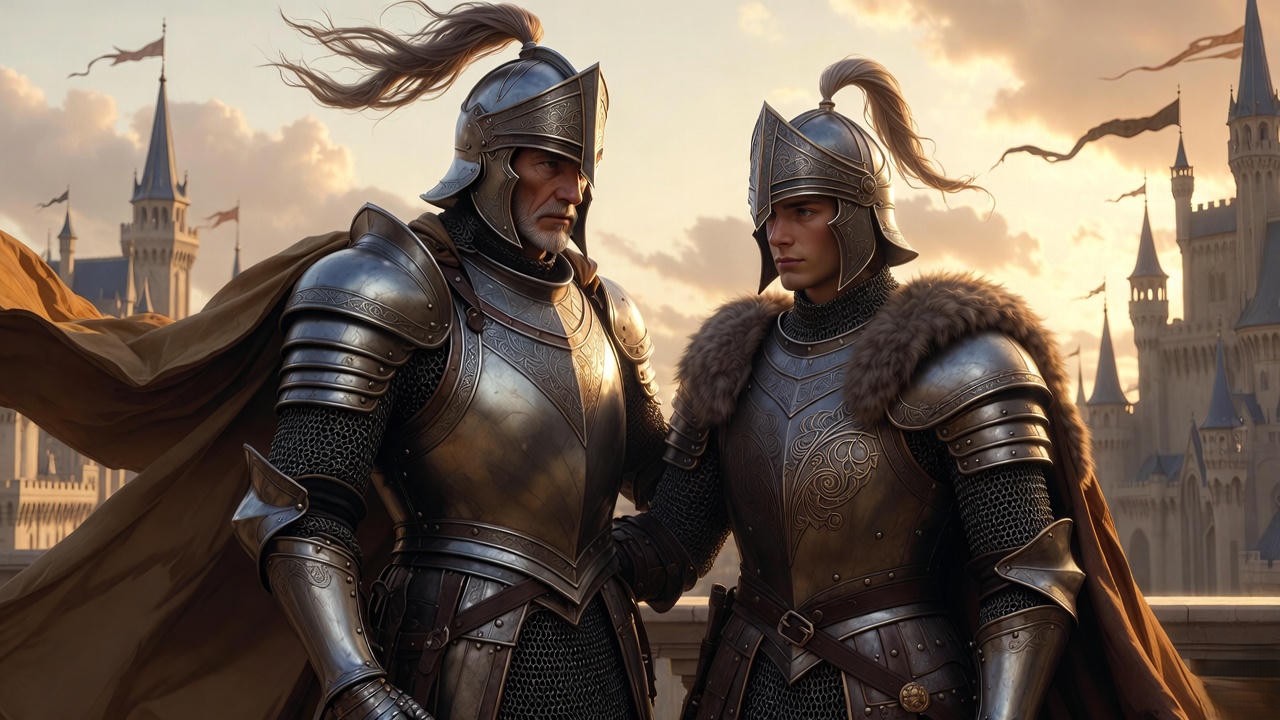
Valiant serves as both proud father and stern mentor, guiding Arn while allowing independence. Unlike strained royal relationships in history plays, their bond is affectionate, rooted in mutual respect. Valiant teaches the Singing Sword’s legacy, emphasizing chivalry over conquest.
Expert Analysis: Arn as Archetypal Arthurian Heir
Comic historians praise Arn’s development for its realism. Brian M. Kane, in Hal Foster: Prince of Illustrators, notes how Foster used Arn to explore succession in a mythic world, drawing from Malory’s Le Morte d’Arthur. Arn avoids the tragic flaws of figures like Mordred, embodying pure Galahad-like virtue tempered by Valiant’s pragmatism.
Prince Hal in Shakespeare’s Henry IV: The Prodigal Prince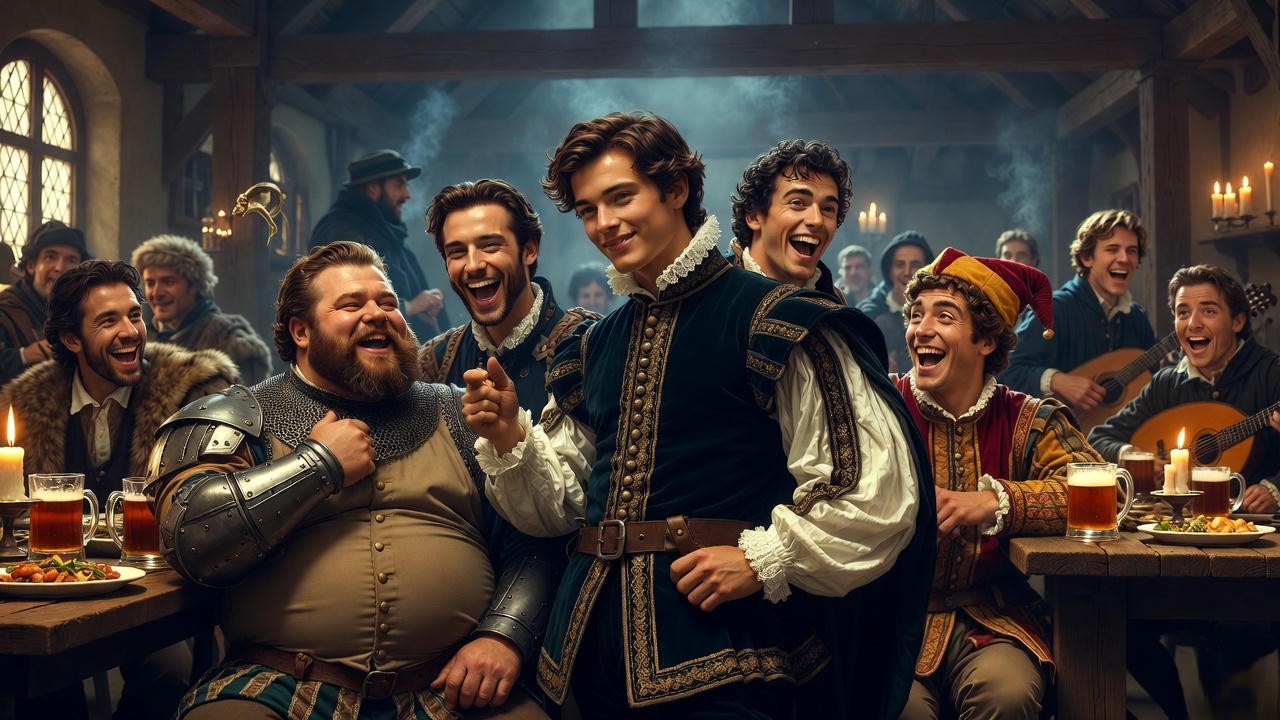
Shakespeare’s Prince Hal, central to Henry IV, Part 1 and Part 2, offers a more complex princely heir. Based on the historical Henry V, Shakespeare’s version transforms from riotous youth to exemplary king.
Historical and Dramatic Context
Shakespeare drew from Raphael Holinshed’s Chronicles and the anonymous play The Famous Victories of Henry V. The Henriad tetralogy (Richard II, Henry IV Parts 1 & 2, Henry V) traces England’s turbulent transition, with Hal’s arc providing dramatic unity.
Hal’s Wild Youth and Tavern Life
Hal spends time in Eastcheap taverns with Sir John Falstaff, Poins, Bardolph, and others. Iconic scenes include the Gad’s Hill robbery (a prank on Falstaff) and the “play extempore” where Hal rehearses confronting his father.
This phase appears wasteful: drinking, thieving, associating with low company. Yet Hal reveals strategic intent in his famous soliloquy (Henry IV, Part 1, Act 1, Scene 2):
“I know you all, and will awhile uphold The unyoked humour of your idleness. Yet herein will I imitate the sun…”
He plans deliberate “reformation” to shine brighter when assuming responsibility.
Hal’s Redemption and Transformation
Redemption begins at Shrewsbury, defeating Hotspur—the “king of honour” his father admires. In Part 2, Hal reconciles with dying Henry IV, promising reform. The rejection of Falstaff (“I know thee not, old man”) marks full maturation. Henry V shows the mature king: eloquent, strategic, victorious at Agincourt.
Father-Son Dynamics with King Henry IV
Tension dominates: Henry IV envies Northumberland’s son Hotspur, wishing “some night-tripping fairy had exchanged” babies. Hal feels misunderstood, yet the deathbed scene brings reconciliation. Henry advises political cunning, contrasting Valiant’s moral guidance.
Striking Parallels Between Prince Valiant’s Son Arn and Prince Hal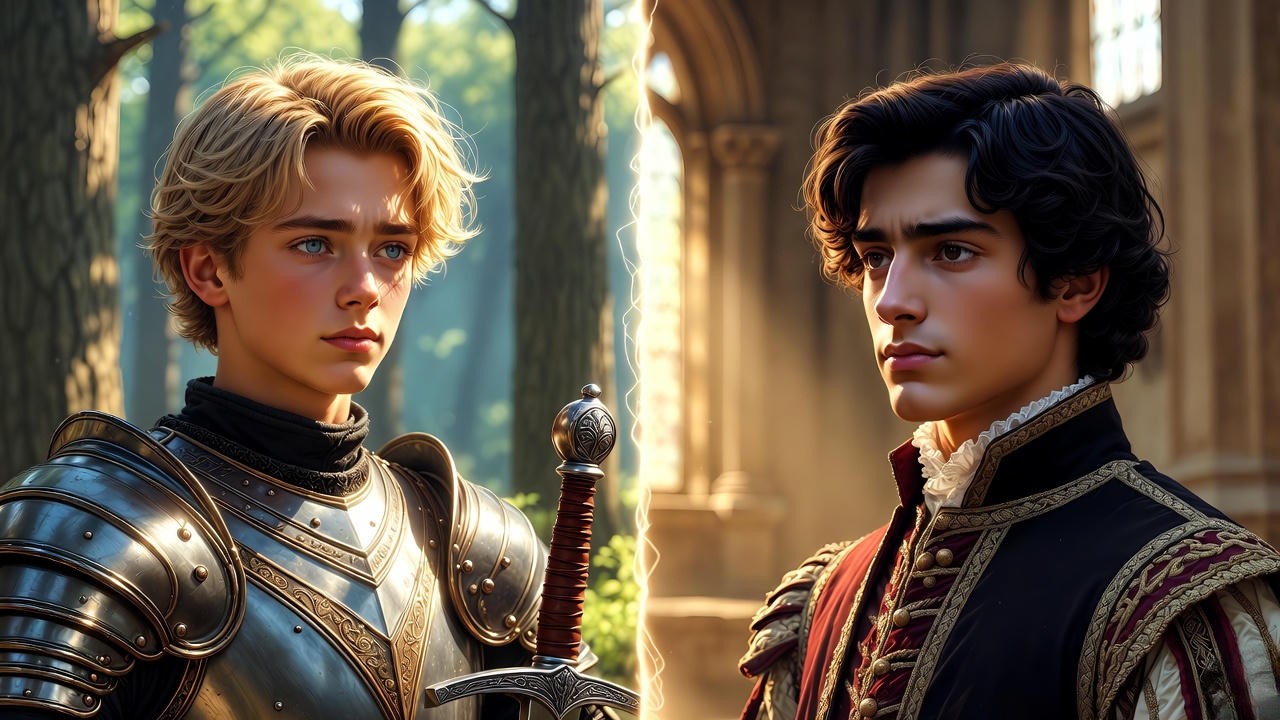
Though separated by centuries and mediums, Arn and Hal share profound similarities rooted in Arthurian archetypes.
Shared Themes of Princely Inheritance and Growth
Both heirs must prove themselves beyond their fathers’ shadows:
- Youthful adventures: Arn’s quests and travels vs. Hal’s tavern escapades.
- Maturation through trial: Arn’s battles forge knighthood; Hal’s warfare forges kingship.
- Legacy: Both inherit symbolic “swords”—the Singing Sword and the crown.
Father-Son Relationships and Mentorship
- Valiant proudly mentors Arn; Henry IV criticizes Hal, yet both seek worthy successors.
- Flawed vs. ideal mentors: Falstaff’s comic vice contrasts Gawain’s chivalry.
Arthurian Influences in Shakespeare’s Histories
Shakespeare, writing during Renaissance Arthurian revival, subtly evokes Camelot. Henry V’s chivalry mirrors Round Table ideals; Hotspur’s honor echoes Gawain. Critics like Maurice Hunt (Shakespeare’s Romance of the Word) note Arthurian echoes in the histories’ quest motifs.
Malory’s Le Morte d’Arthur (printed 1485) influenced Elizabethans; Shakespeare’s kings aspire to Arthur’s unifying myth.
Contrasts for Deeper Insight
- Moral clarity: Arn’s heroism is unambiguous; Hal’s involves calculation and rejection.
- Worldview: Foster’s romantic idealism vs. Shakespeare’s political realism.
- Redemption: Hal’s public reformation vs. Arn’s steady growth.
5 Key Parallels Between Arn and Prince Hal
- Heir’s Burden: Both carry expectations of legendary fathers.
- Youthful Freedom: Adventures away from court prepare them for duty.
- Mentorship Figures: Guiding (or misleading) older companions shape growth.
- Battlefield Proof: Victory over formidable foes earns respect.
- Legacy Continuation: Both uphold and extend paternal ideals.
Broader Arthurian Echoes in Shakespeare and Modern Media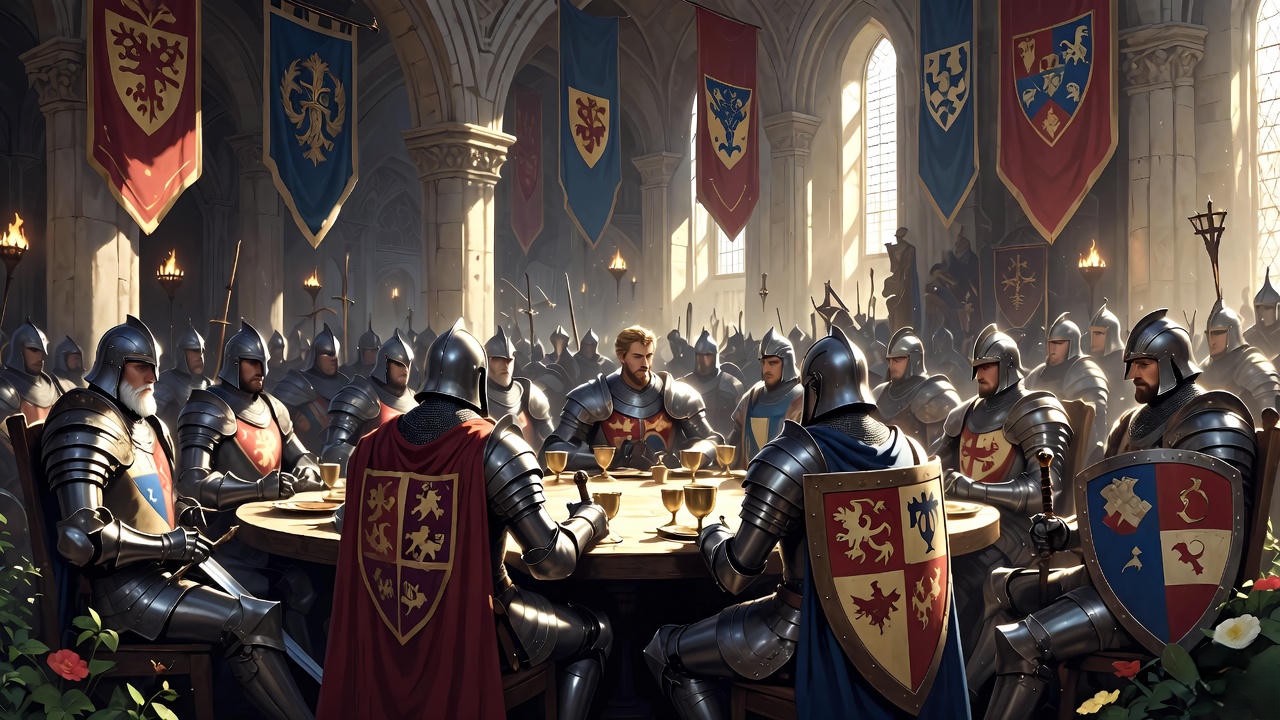
Arthurian motifs appear elsewhere in Shakespeare: King Lear‘s division of kingdom echoes Uther; Cymbeline‘s British setting invokes ancient myth. Modern adaptations—Kenneth Branagh’s Henry V, Tom Hiddleston’s Hal, or Prince Valiant films—continue the tradition.
These parallels endure because the coming-of-age prince resonates universally: from medieval romance to 20th-century comics to Elizabethan stage.
Expert Insights and Scholarly Perspectives
Shakespeare scholar E.M.W. Tillyard (Shakespeare’s History Plays) saw Hal’s arc as Tudor propaganda for orderly succession. Comic scholar Scott McCloud praises Foster’s narrative innovation.
Modern critics like Valerie Krishna link Renaissance drama to Malory, suggesting indirect Arthurian influence on Hal’s chivalric transformation.
Frequently Asked Questions (FAQs)
What is Prince Valiant’s son’s name? The eldest son is Prince Arn. He has siblings: twins Karen and Valeta, Galan, and Nathan.
Is there a direct connection between Prince Valiant and Shakespeare? No direct link, but both draw from shared Arthurian traditions via Malory and medieval romance.
How does Prince Hal differ from the historical Henry V? The real Henry was a disciplined soldier from youth; Shakespeare’s version adds dramatic prodigal-son arc.
Where should I start reading Prince Valiant? Fantagraphics Books reprints in chronological volumes—begin with Volume 1 (1937-1938).
Best adaptations of Henry IV? Orson Welles’ Chimes at Midnight (1965) masterfully combines both parts, focusing on Falstaff-Hal relationship.
Are there explicit Arthurian references in Henry IV? Subtle: Hotspur’s chivalric honor, Hal’s “crusade” promise, Round Table-like council scenes.
Why compare a comic strip to Shakespeare? Both explore timeless themes of leadership, legacy, and heroism through Arthurian-inspired lenses.
Does Prince Arn ever become king? He inherits Thule and shares rule in the Misty Isles, continuing knightly adventures.
Is Falstaff based on any Arthurian figure? No direct equivalent, but his vice contrasts knightly virtue like Kay’s flaws in some tales.
How long did Hal Foster draw Prince Valiant? From 1937 to 1971 personally; he wrote until 1979.
The parallels between Prince Valiant’s son Arn and Shakespeare’s Prince Hal illuminate enduring truths about princely growth. Both heirs navigate youth, trial, and duty within worlds shaped by Arthurian chivalry—one idealized in comics, one politicized on stage.
These stories remind us that true valor lies not in flawless beginnings but in chosen responsibility. Whether through the Singing Sword or the English crown, the journey from prince to leader captivates across eras.