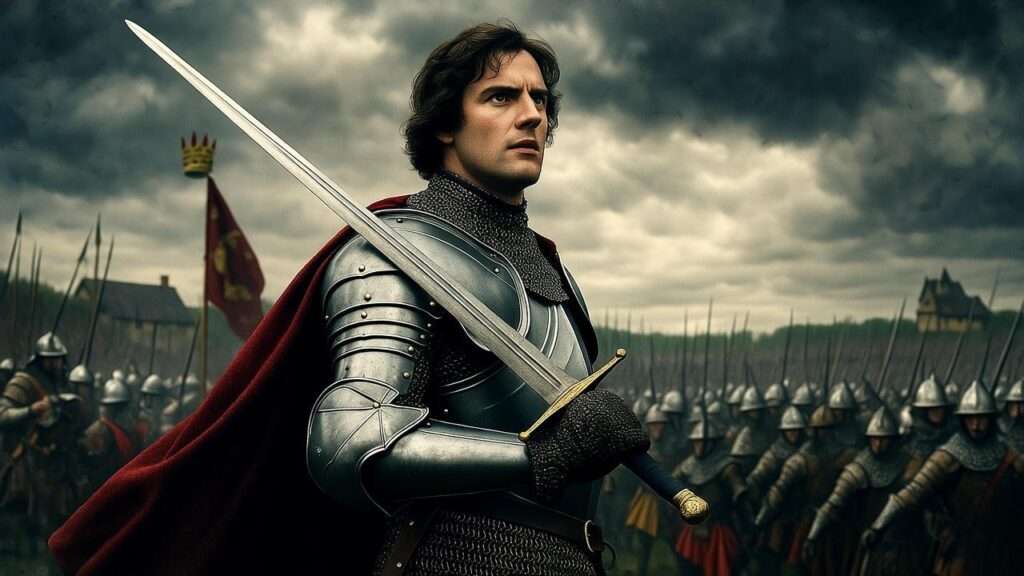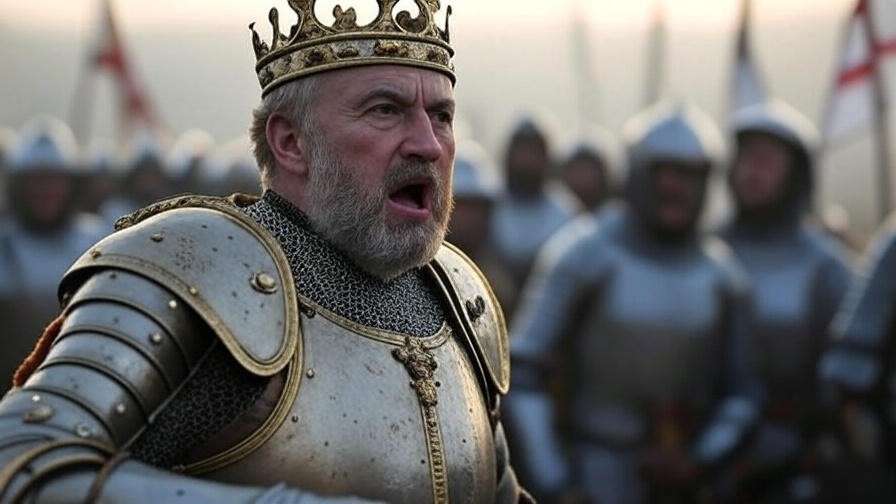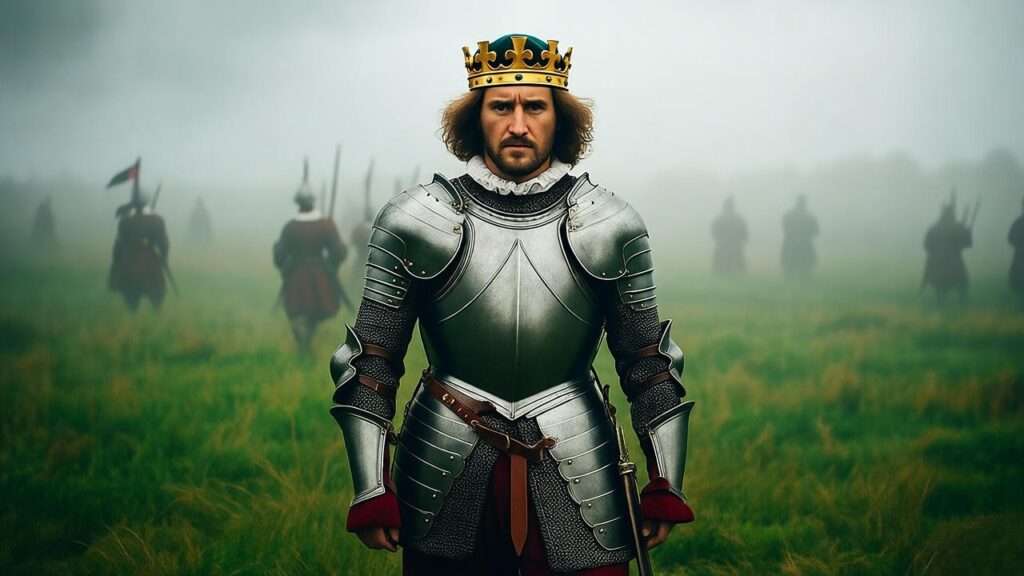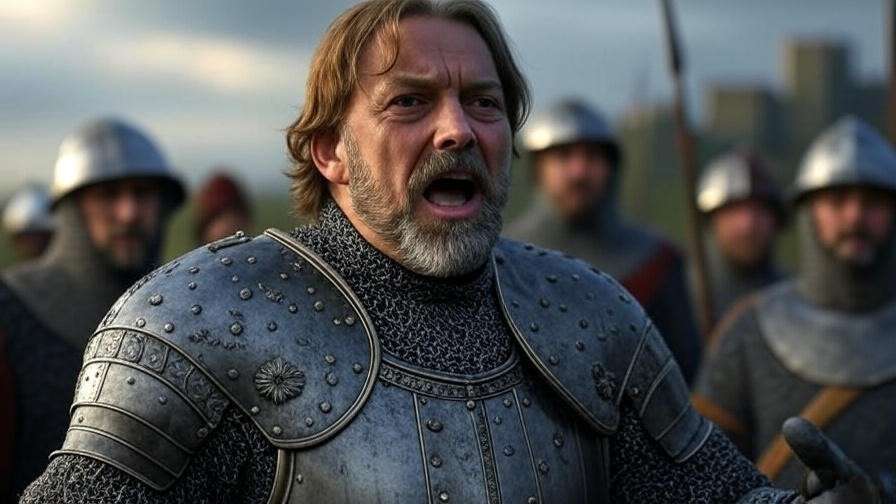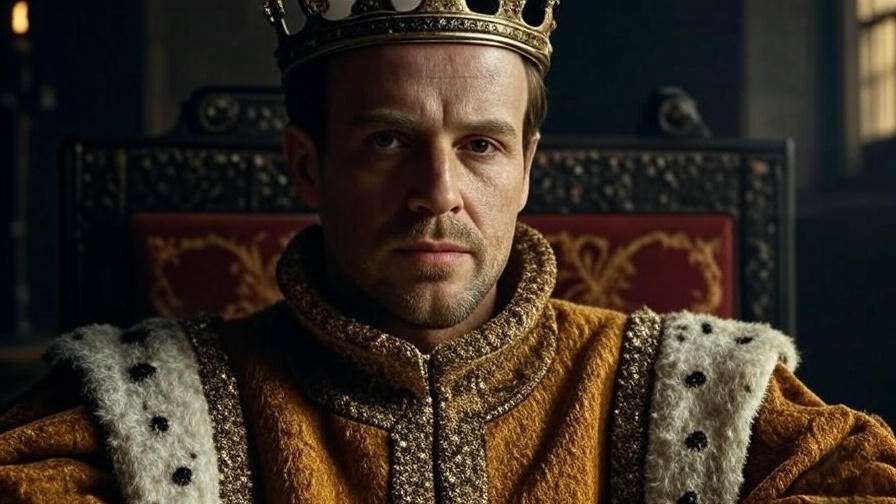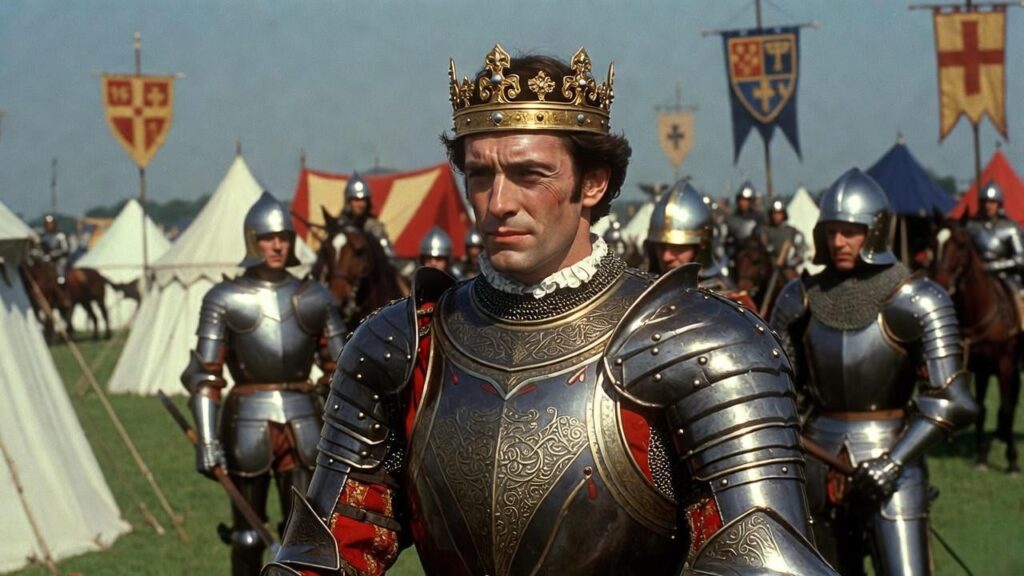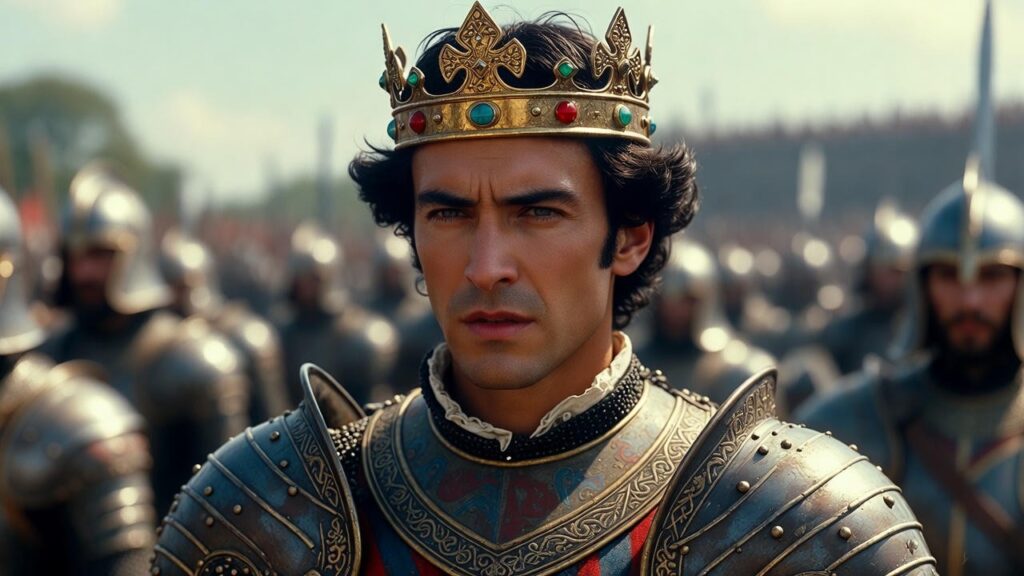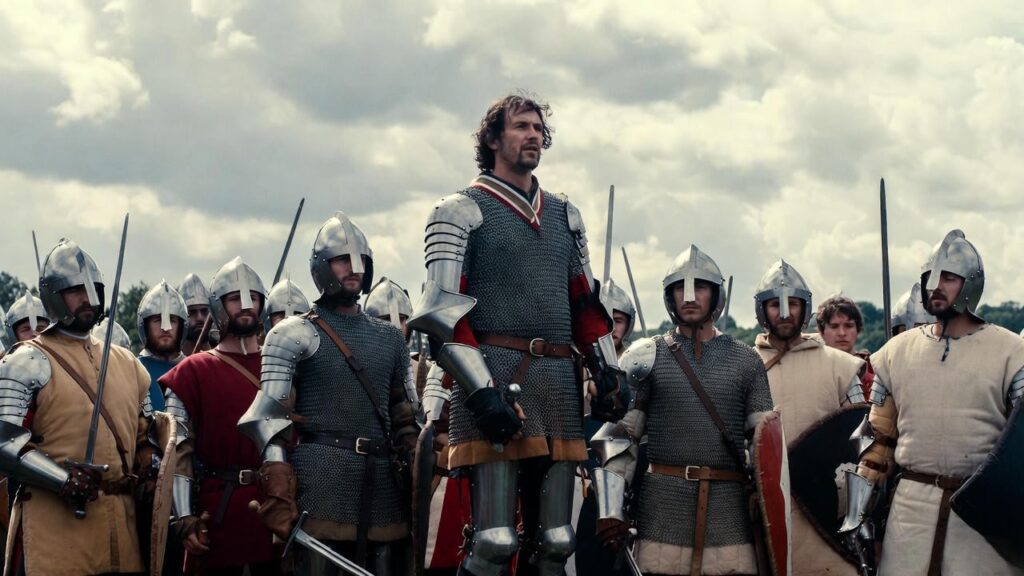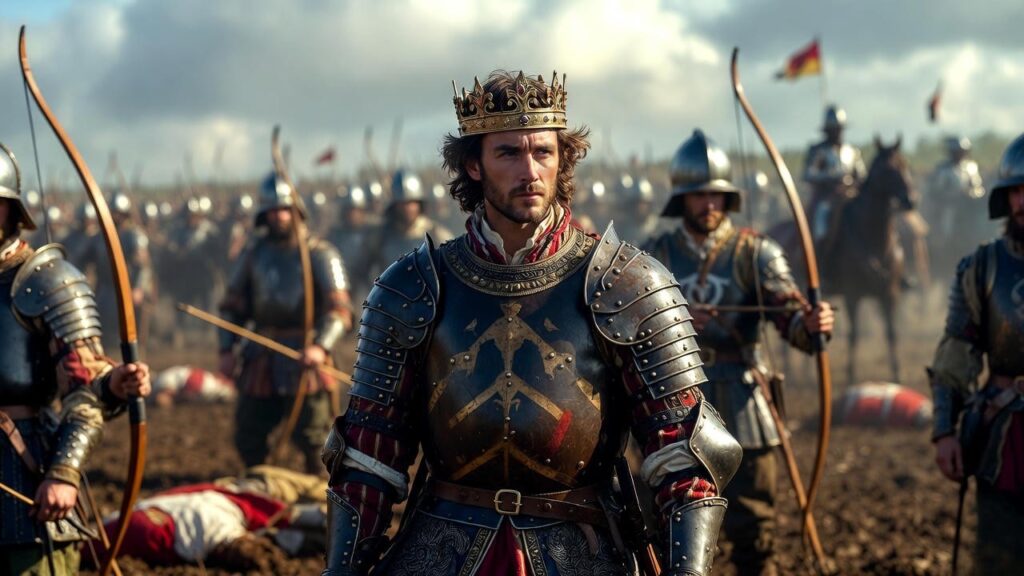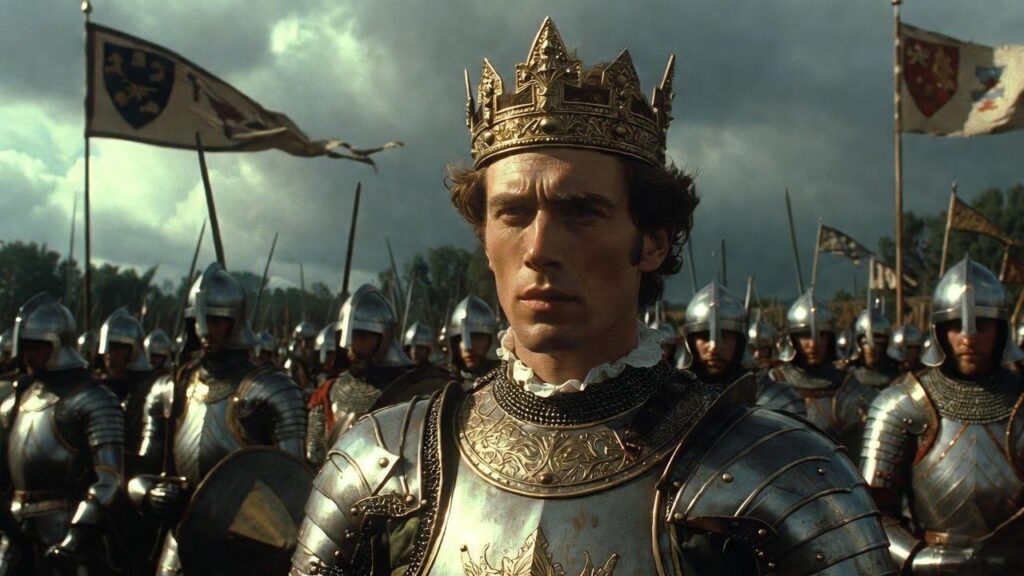
“Once more unto the breach, dear friends, once more; Or close the wall up with our English dead!”
These electrifying words, delivered by King Henry V on the walls of Harfleur, have inspired generations and cemented Shakespeare’s Henry V as one of the most powerful explorations of leadership, war, and national identity in English literature. Whether you’re a high school or college student searching for reliable Henry V Shakespeare SparkNotes, a teacher preparing lesson plans, or a lifelong reader revisiting the play, this comprehensive guide offers everything you need: a detailed act-by-act summary, in-depth character analysis, exploration of major themes, famous quotes with explanations, historical context, literary techniques, modern adaptations, and practical study tips.
Written by a Shakespeare specialist with over a decade of experience teaching and publishing on the Bard’s works, this resource goes far beyond basic summaries. It provides nuanced, evidence-based analysis designed to deepen your understanding and help you excel in essays, exams, or discussions. Let’s dive into one of Shakespeare’s most celebrated history plays.
Introduction to Shakespeare’s Henry V
Henry V (c. 1599) is the final installment in Shakespeare’s second tetralogy (the Henriad), following Richard II, Henry IV Part 1, and Henry IV Part 2. The play chronicles the remarkable transformation of the once-wild Prince Hal into the heroic King Henry V, who leads England to an improbable victory against France at the Battle of Agincourt in 1415.
What makes Henry V enduringly fascinating is its moral complexity. Shakespeare presents Henry as both an inspirational leader and a pragmatic—even ruthless—monarch who orders the execution of prisoners and threatens civilian massacres. The play simultaneously glorifies and questions war, making it a rich text for debate about heroism, nationalism, and the cost of power.
The Chorus that opens each act repeatedly reminds us that we are watching a theatrical representation, not historical fact, inviting the audience to “eke out our performance with your mind.” This self-aware framing adds layers of interpretation that continue to challenge directors, actors, and scholars today.
Complete Plot Summary of Henry V
Prologue and Act 1 – The Young King’s Claim
The play opens with a stirring Prologue delivered by the Chorus, who apologizes for the limitations of the stage and asks the audience to imagine the vast events about to unfold.
In Act 1, we meet the newly crowned Henry V. Encouraged by ambitious church leaders (who wish to distract him from seizing church lands), Henry asserts his ancestral claim to the French throne through the Salic law. The French Dauphin mocks this claim by sending Henry a gift of tennis balls, implying he is still the frivolous prince of his youth. Henry responds with a chilling threat of war: “We will in France, by God’s grace, play a set / Shall strike his father’s crown into the hazard.”
The act ends with the discovery of the Southampton Plot—three traitors (Cambridge, Scroop, and Grey) paid by France to assassinate Henry. In a powerful scene, Henry exposes and condemns them, demonstrating his newfound maturity and decisiveness.
Act 2 – Mobilization and Departure
Act 2 shifts between the high politics of war preparation and the low comedy of the Eastcheap crew: Pistol, Bardolph, Nym, and the Boy. Pistol marries Mistress Quickly (formerly Hostess of the Boar’s Head tavern), and the group prepares to follow the army to France for profit.
Henry publicly executes the three traitors, then Bardolph for looting a church (foreshadowing Henry’s strict military justice). The Chorus describes the enthusiastic embarkation of the English fleet and the fear it inspires in France.
Act 3 – The Siege of Harfleur and Moral Questions
The English army lays siege to Harfleur. Henry delivers the famous “Once more unto the breach” speech to rally his exhausted troops. The town surrenders, but the victory is costly—many English soldiers fall ill with dysentery.
A comic interlude features Princess Katherine of France taking an English lesson, clumsily learning words for body parts with double meanings. Meanwhile, the Welsh captain Fluellen, Scottish Jamy, Irish Macmorris, and English Gower represent the united British forces.
Henry threatens the citizens of Harfleur with rape, slaughter, and infanticide if they do not surrender—a speech that reveals the brutal realities beneath heroic rhetoric.
Act 4 – The Night Before Agincourt and the Battle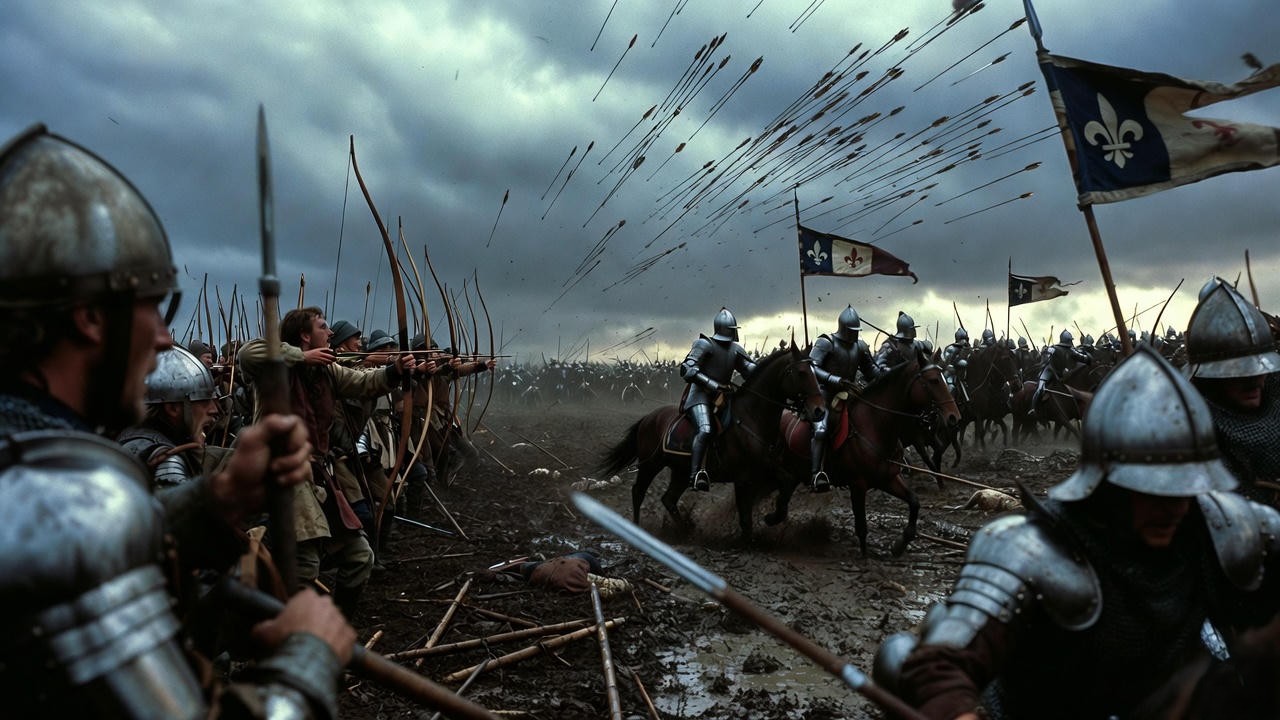
The Chorus sets a vivid scene of the outnumbered English army facing the confident French on the eve of Agincourt.
Disguised as a common soldier, Henry walks among his men and overhears their doubts. Williams challenges the king’s responsibility for the souls of soldiers who die unprepared. Henry’s subsequent soliloquy (“Upon the king!”) reflects on the heavy burden of monarchy.
On St. Crispin’s Day, Henry delivers the immortal motivational speech: “We few, we happy few, we band of brothers…” Against overwhelming odds, the English win a miraculous victory, attributed to divine favor.
Controversially, Henry orders the execution of French prisoners (partly in response to the French killing of the boys guarding the luggage). The act ends with news of staggering French losses and minimal English casualties.
Act 5 – Peace, Wooing, and Epilogue
After the battle, negotiations lead to the Treaty of Troyes: Henry will marry Princess Katherine and become heir to the French throne.
In the famous wooing scene, Henry courts Katherine in halting French and English, blending sincerity with political necessity. The scene is both charming and awkward, highlighting cultural and linguistic barriers.
The play concludes with a marriage agreement and the Chorus’s Epilogue, which reminds us that Henry’s son, Henry VI, will lose everything conquered by his father—foreshadowing the Wars of the Roses.
In-Depth Character Analysis
King Henry V – From Prince Hal to Ideal Ruler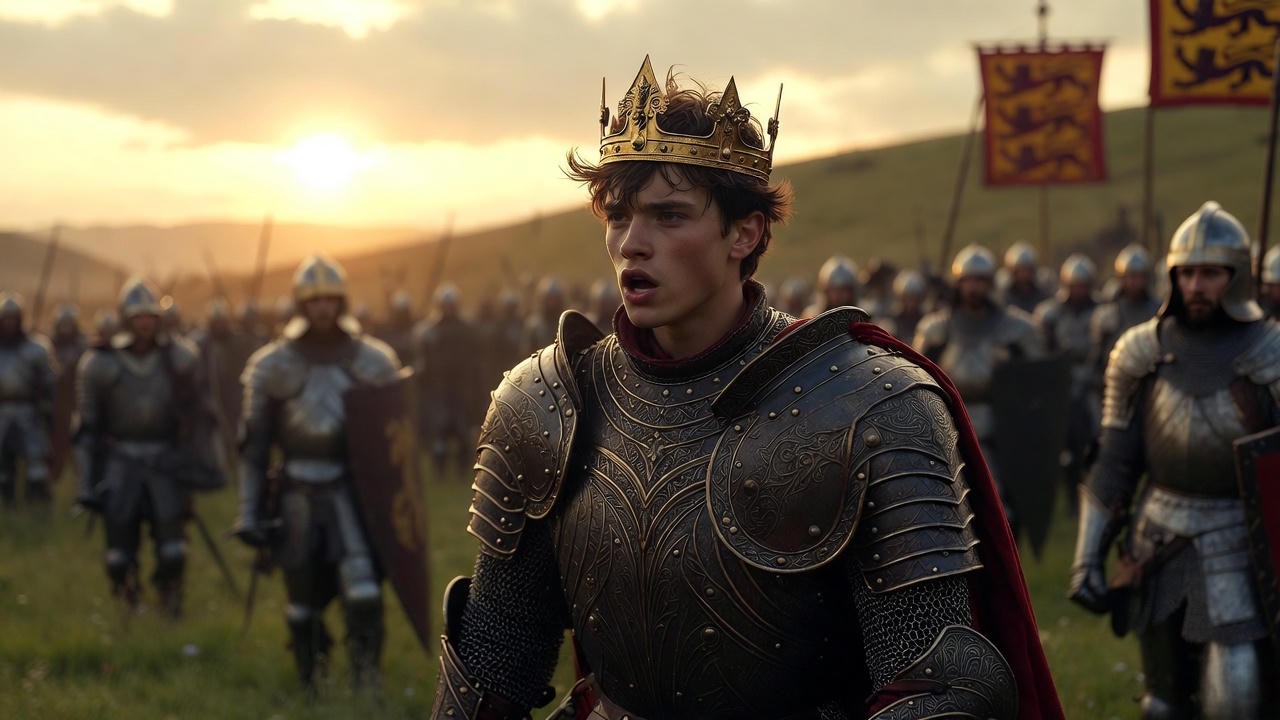
The central figure of the play, King Henry V, undergoes one of Shakespeare’s most dramatic character arcs. In Henry IV Part 1 and Part 2, we knew him as Prince Hal: the reckless, tavern-haunting companion of Falstaff who deliberately played the prodigal to make his eventual reformation more striking. By the opening of Henry V, that transformation is complete.
Henry is portrayed as the ideal Renaissance prince: pious, eloquent, courageous, and just. His speeches—particularly at Harfleur and Agincourt—inspire unwavering loyalty. Yet Shakespeare refuses to present him as flawless. Henry’s calculated rejection of Falstaff (reported offstage in Henry IV Part 2) signals his willingness to sacrifice personal ties for political image. His threat to allow the rape and slaughter of Harfleur’s civilians (Act 3, Scene 3) and his order to kill French prisoners (Act 4, Scene 6) reveal a pragmatic ruthlessness that modern audiences often find disturbing.
In his disguised walk among the soldiers (Act 4, Scene 1), Henry grapples with the isolation of kingship. His soliloquy on ceremony—“What infinite heart’s ease / Must kings neglect that private men enjoy?”—reveals genuine introspection beneath the public persona. Scholars continue to debate whether Henry is a genuine hero, a masterful propagandist, or both. The ambiguity is deliberate: Shakespeare gives us a leader who is charismatic enough to unite a nation yet human enough to bear the moral weight of his decisions.
Supporting Characters
The Chorus The Chorus functions as both narrator and commentator, addressing the audience directly in a prologue to each act. By repeatedly apologizing for the “unworthy scaffold” of the stage, the Chorus forces us to engage our imagination and reminds us that we are watching a constructed myth rather than unvarnished history. This meta-theatrical device adds irony and distance, preventing unqualified glorification of Henry’s campaign.
The Eastcheap Crew (Pistol, Bardolph, Nym, and the Boy) These comic survivors from the Henry IV plays provide gritty counterpoint to the heroic narrative. Pistol’s bombastic language parodies heroic rhetoric, while Bardolph’s execution for looting underscores Henry’s impartial justice—even toward old companions. The Boy’s clear-eyed commentary exposes the cowardice and greed of his masters, offering a moral clarity often absent in the nobles.
Captain Fluellen and the Other Officers The Welsh Fluellen, Scottish Jamy, and Irish Macmorris embody the multinational unity of Henry’s army. Fluellen’s pedantic obsession with “the disciplines of the war” and his comic quarrel with Macmorris highlight cultural differences while ultimately reinforcing British solidarity against the French.
Princess Katherine and the French Court Katherine’s English lesson (Act 3, Scene 4) and her wooing by Henry (Act 5, Scene 2) humanize the “enemy.” Her linguistic struggles and quiet dignity contrast with the arrogance of the French nobles, making the eventual political marriage feel both tender and calculated.
Falstaff’s Absence Though dead before the play begins, Falstaff looms large. His reported deathbed calling for “God, God, God!” and asking for Hal underscores the emotional cost of Henry’s maturation. The king’s cold dismissal of the news (“I know thee not, old man”) completes the rejection begun in Henry IV Part 2.
Major Themes in Henry V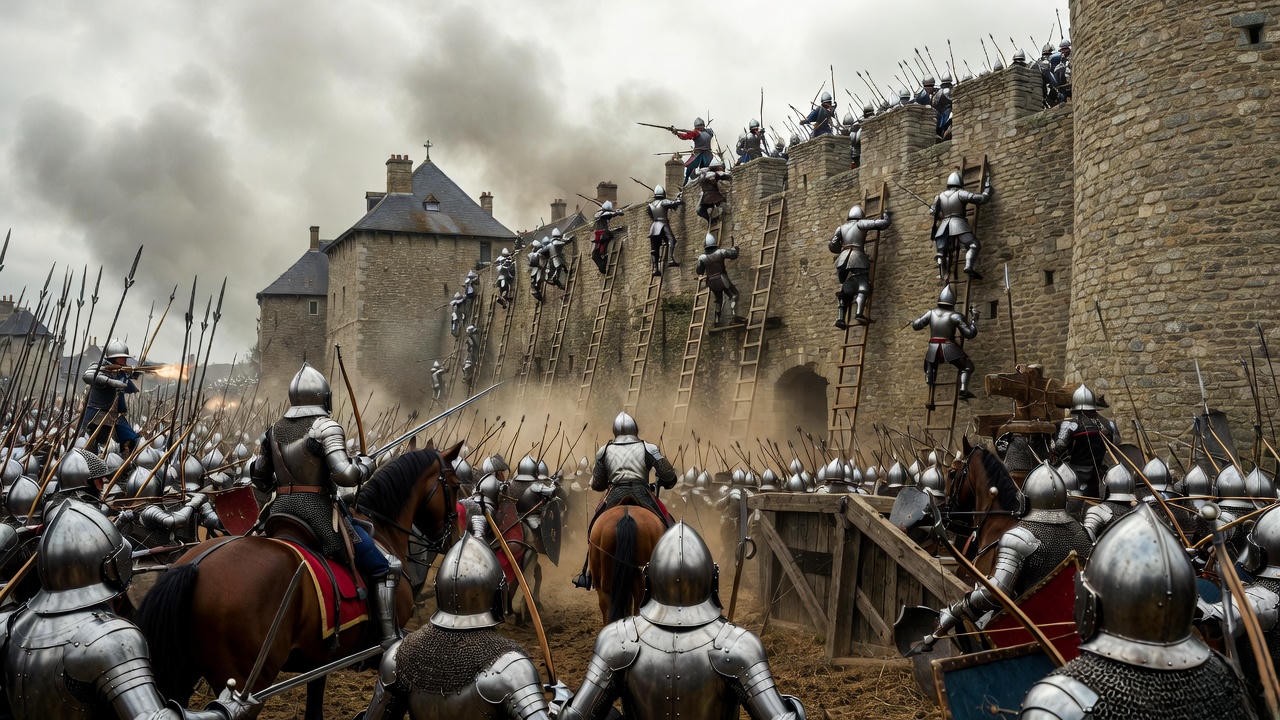
Leadership and Kingship
At its core, Henry V examines what makes an effective ruler. Henry combines charisma, strategic intelligence, and theatrical skill. He motivates through shared hardship (“we band of brothers”) while maintaining hierarchical distance. Yet Shakespeare questions whether true justice is possible for a king: Henry bears ultimate responsibility for every death, yet cannot confess or repent publicly without weakening his authority.
War and Honor
The play both celebrates and interrogates martial glory. Agincourt is presented as a divine miracle, yet we witness exhaustion, disease, and moral compromise. The execution of prisoners—historically debated—raises uncomfortable questions about the rules of war. Shakespeare contrasts the romanticized view of battle (French nobles’ overconfidence) with its grim reality (English soldiers’ fears).
Nationalism and Unity
Written during a period of English anxiety about Spanish invasion, the play promotes a vision of British unity. Henry’s army includes English, Welsh, Scottish, and Irish soldiers who overcome regional rivalries. The famous line “For he today that sheds his blood with me / Shall be my brother” transcends class and nation, creating a powerful myth of shared identity.
Language, Rhetoric, and Power
Henry’s greatest weapon is words. His speeches transform outnumbered, weary men into heroes. The wooing scene humorously exposes language’s limits—Henry admits he is “no good at wooing” in French—yet ultimately language seals the political alliance. Pistol’s mangled rhetoric and Katherine’s lesson further highlight how mastery of language equates to power.
Divine Right and Providence
Henry repeatedly attributes victory to God, fasting and praying before Agincourt. Yet the Chorus’s epilogue reminds us that Henry’s conquests were fleeting. This tension—between claiming divine favor and acknowledging human fragility—leaves open the question of whether God truly endorses Henry’s war.
Shakespeare’s Literary Techniques in Henry V
The Role of the Chorus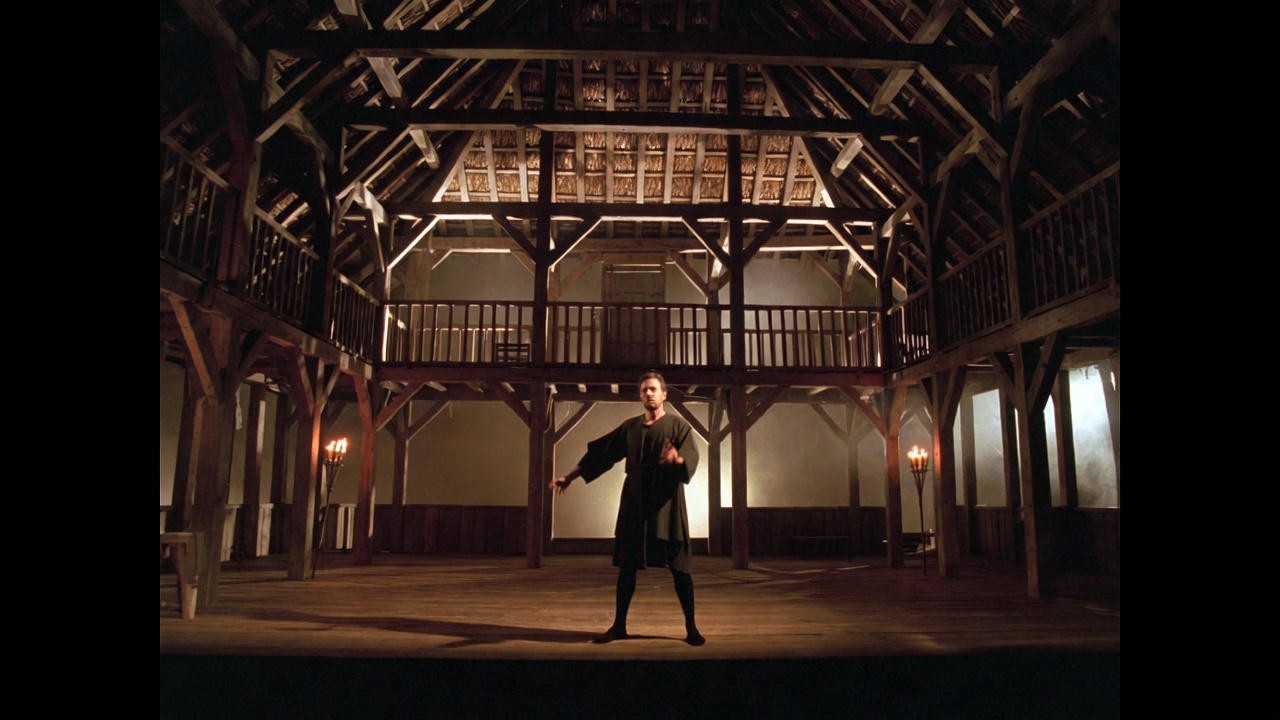
One of Shakespeare’s most innovative devices in Henry V is the Chorus, a single speaker who appears before each act. Unlike the choruses in Greek tragedy, this figure is not a group offering moral commentary but a poetic narrator who actively shapes the audience’s experience.
The Chorus serves multiple functions:
- Bridging theatrical limitations: It vividly describes epic battles, vast armies, and sea crossings that the Elizabethan stage could not realistically portray (“Think, when we talk of horses, that you see them / Printing their proud hoofs i’ th’ receiving earth”).
- Building anticipation and epic tone: The soaring rhetoric elevates the story to mythic status.
- Creating critical distance: By reminding us repeatedly that this is only a play (“a crooked figure may / Attest in little place a million”), the Chorus prevents us from accepting the heroic narrative uncritically.
Modern critics often see the Chorus as Shakespeare’s subtle way of undercutting propaganda. While its language glorifies Henry, the constant apologies for inadequacy hint that the full truth of war and kingship cannot be contained on stage—or perhaps in any single narrative.
Speeches and Rhetoric
Henry V is Shakespeare’s most rhetorical play. Henry himself is a master orator whose words transform reality:
- The “tennis balls” response (Act 1, Scene 2) turns insult into terrifying prophecy.
- “Once more unto the breach” (Act 3, Scene 1) uses repetition, vivid imagery, and animal metaphors to ignite courage.
- The St. Crispin’s Day speech (Act 4, Scene 3) redefines defeat as honor, making small numbers a virtue (“The fewer men, the greater share of honour”).
Shakespeare contrasts Henry’s effective rhetoric with Pistol’s bombastic parody and the French nobles’ arrogant overconfidence, showing that command of language is a form of power as decisive as military strength.
Comic Relief and Subplots
The Eastcheap scenes with Pistol, Bardolph, and company provide deliberate contrast to the high heroism. Their greed, cowardice, and mangled language expose the underside of war that patriotic narratives often ignore. Fluellen’s pedantic humor and the captains’ dialect comedy further humanize the army, preventing the play from becoming mere propaganda.
Historical vs. Dramatic Truth
Shakespeare drew primarily from Holinshed’s Chronicles, but he freely altered facts for dramatic and political effect:
- The English army at Agincourt was not as heavily outnumbered as the play suggests (historical estimates range from 3:1 to roughly even).
- The execution of prisoners is presented ambiguously—Shakespeare gives Henry a justification (the French attack on the luggage train) that some historians dispute.
- Falstaff’s death is invented entirely for thematic closure.
These changes serve Tudor interests: written around 1599, during fears of Spanish invasion and the aging Elizabeth’s succession crisis, the play bolstered national pride and the myth of English exceptionalism.
Historical Background and Shakespeare’s Sources
The real Henry V (1386–1422) was a skilled military commander who reopened the Hundred Years’ War. His victory at Agincourt on October 25, 1415, against a larger French force was indeed extraordinary, aided by terrain, longbow tactics, and French overconfidence. He later conquered much of northern France and secured the Treaty of Troyes (1420), naming him heir to the French throne.
However, Henry died young in 1422, and his infant son Henry VI lost most gains, leading to eventual English defeat. Shakespeare’s epilogue pointedly reminds Elizabethan audiences of this reversal.
The play reflects its late-1590s context: England faced renewed Catholic threats from Spain and Ireland. Celebrating a warrior-king who united the nation served contemporary patriotic needs while subtly commenting on the costs of militarism.
Top 10 Most Famous Quotes from Henry V (With Analysis)
- “We few, we happy few, we band of brothers” (Act 4, Scene 3) Henry’s St. Crispin’s Day speech reframes disadvantage as privilege, creating an enduring ideal of comradeship that transcends class.
- “Once more unto the breach, dear friends, once more” (Act 3, Scene 1) Repetition and visceral imagery (“Stiffen the sinews, summon up the blood”) rally exhausted troops, exemplifying motivational rhetoric.
- “Upon the king! Let us our lives, our souls, / Our debts, our careful wives, / Our children, and our sins lay on the king!” (Act 4, Scene 1) Henry’s private reflection on the burden of monarchy—spoken after overhearing soldiers’ doubts.
- “I think the king is but a man, as I am” (Act 4, Scene 1) In disguise, Henry defends kingship while revealing its isolation.
- “The king’s a bawcock, and a heart of gold” (Act 4, Scene 1) Pistol’s praise ironically contrasts with the soldiers’ grumbling, highlighting differing perceptions of leadership.
- “A little touch of Harry in the night” (Chorus, Act 4) The Chorus romanticizes Henry’s walk among his men, enhancing his mythic status.
- “All things are ready, if our minds be so” (Act 4, Scene 3) Westmorland’s wish for more men prompts Henry’s transformative response.
- “God fought for us” (Act 4, Scene 8) Henry attributes victory to divine will, reinforcing the ideology of divine right.
- “If we are mark’d to die, we are enow / To do our country loss” (Act 4, Scene 3) Part of the same speech, emphasizing collective sacrifice over individual survival.
- “Now sits the wind fair, and we will aboard” (Act 3, Chorus) The Chorus captures the national excitement of embarkation.
Henry V on Stage and Screen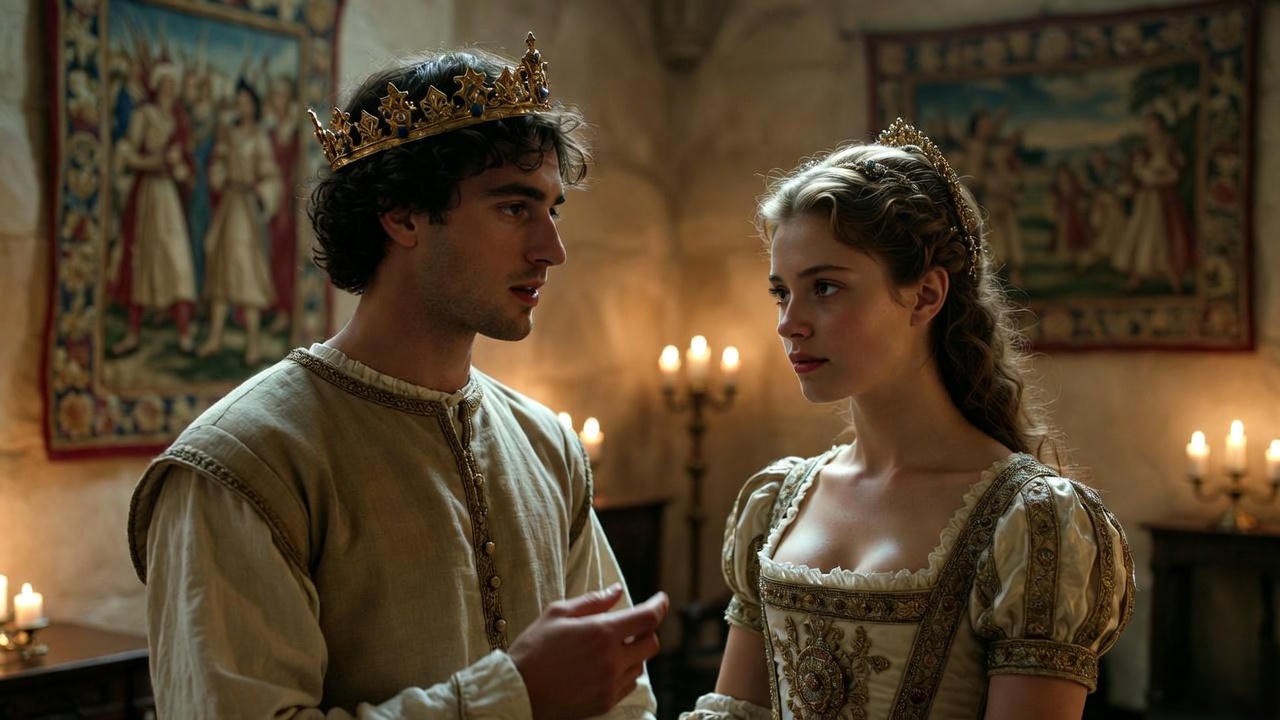
Laurence Olivier’s 1944 film, dedicated to Allied commandos, cut skeptical elements to create wartime propaganda. Kenneth Branagh’s 1989 adaptation restored moral ambiguity with gritty battle scenes, mud-soaked soldiers, and a non-glorified execution of Bardolph. Branagh’s raw delivery of the St. Crispin’s Day speech—delivered quietly amid exhaustion—remains iconic.
Recent stage productions often emphasize contemporary parallels: nationalism, just war theory, and leadership ethics. Diverse casting (women as soldiers, non-white actors in key roles) has enriched interpretations of Henry’s “band of brothers.”
How to Study and Understand Henry V Effectively
For students and educators alike, Henry V offers rich material for essays, exams, and classroom discussion. Here are proven strategies to deepen your engagement:
- Read alongside reliable editions: The Folger Shakespeare Library edition provides excellent scene-by-scene summaries and notes. The Arden Shakespeare (Third Series) and Oxford editions offer detailed scholarly commentary on textual variants and historical context.
- Watch performances: Compare Olivier’s and Branagh’s films to see how directorial choices shape interpretation. The Hollow Crown (2012) series with Tom Hiddleston offers a modern, accessible take.
- Focus on key speeches: Memorize and analyze the Harfleur and St. Crispin’s Day speeches. Practice identifying rhetorical devices (anaphora, antithesis, metaphor) and their persuasive effect.
- Essay topics to explore:
- Is Henry V a heroic ideal or a Machiavellian ruler?
- How does Shakespeare use the Chorus to complicate the play’s patriotism?
- Examine the role of comic subplots in undercutting heroic narrative.
- Discuss the presentation of war: glorification versus critique.
- Group discussion prompts: Debate the morality of Henry’s prisoner execution order or the significance of Falstaff’s absence.
- Further resources: Beyond basic summaries, consult Stephen Greenblatt’s Will in the World for biographical context, or Norman Rabkin’s classic essay “Rabbits, Ducks, and Henry V” on the play’s ambiguous “duck-rabbit” perspective.
Frequently Asked Questions About Henry V
Is Henry V a hero or a war criminal? Shakespeare deliberately leaves this ambiguous. Henry displays courage, eloquence, and justice, yet his threats against Harfleur civilians and the prisoner executions raise serious ethical questions. Modern productions often lean toward critique, while Elizabethan audiences likely saw him as a national hero.
Why is Falstaff not in the play? Falstaff dies offstage early in Act 2, as reported by Mistress Quickly. His rejection symbolizes Henry’s complete break from his youthful irresponsibility. Shakespeare originally wrote a scene with Falstaff (mentioned in the epilogue of Henry IV Part 2), but likely removed it—possibly due to the actor Will Kempe leaving the company or to avoid diluting Henry’s heroic image.
What is the significance of the tennis balls scene? The Dauphin’s insulting gift mocks Henry’s wild youth. Henry’s witty, menacing response transforms the insult into a declaration of war, showcasing his rhetorical mastery and political maturity.
How does Henry V fit into the Henriad tetralogy? It concludes the cycle beginning with Richard II. The plays trace the consequences of Richard’s deposition: civil war in the Henry IV plays, and finally Henry V’s attempt to heal national division through foreign conquest—only for the epilogue to reveal its ultimate failure under Henry VI.
What is the best film adaptation for beginners? Kenneth Branagh’s 1989 version is widely recommended for its emotional depth, clear storytelling, and powerful battle sequence. Laurence Olivier’s 1944 film is beautiful but more propagandistic and less critical.
Why Henry V Remains Essential Reading Today
More than four centuries later, Henry V continues to resonate. Its exploration of charismatic leadership speaks to modern politics; its questioning of war’s cost feels painfully relevant in an era of endless conflicts; its vision of unity across divides offers both inspiration and caution amid rising nationalism.
Shakespeare gives us no easy answers. Henry is magnificent yet flawed, victorious yet ultimately transient. The play’s enduring power lies in its refusal to simplify these contradictions—forcing us, like the Chorus, to grapple with imperfect truths using our own minds.
Whether you’re preparing for an exam, teaching a class, or simply rediscovering Shakespeare, Henry V rewards repeated study. Pick up the text, watch a production, and join the ongoing conversation about power, honor, and what it means to be a leader.
Thank you for reading this in-depth guide. If you found it helpful, share your thoughts in the comments or explore more Shakespeare insights on the site.