“O for a Muse of fire, that would ascend The brightest heaven of invention…”
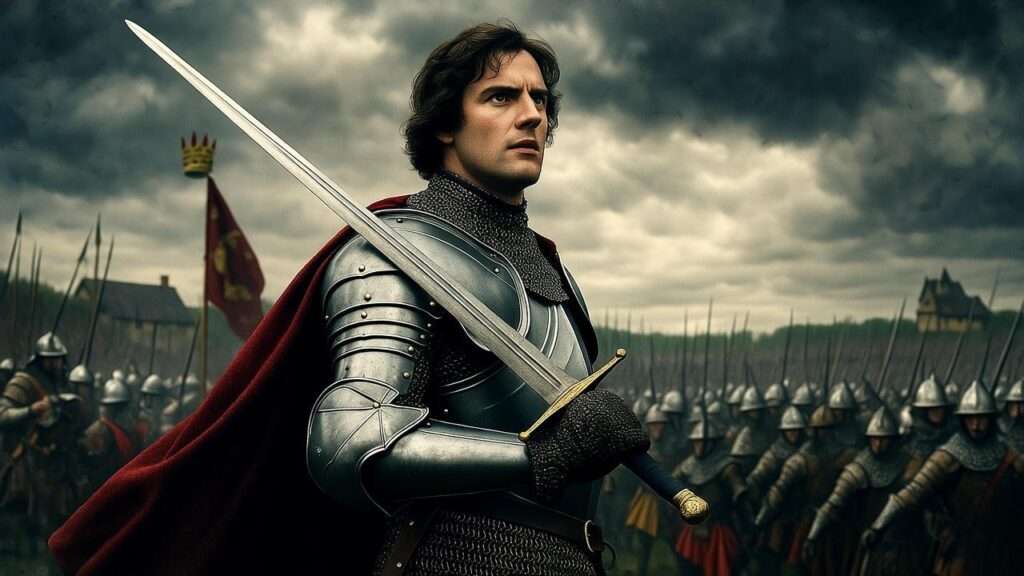
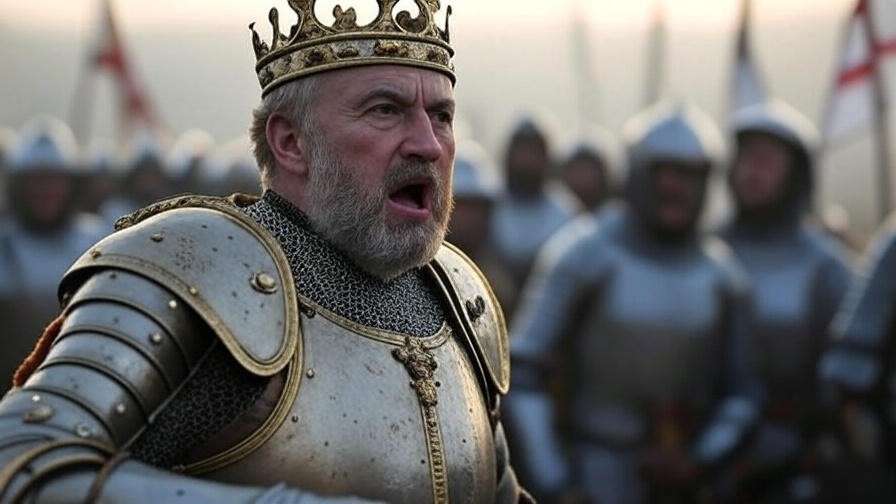
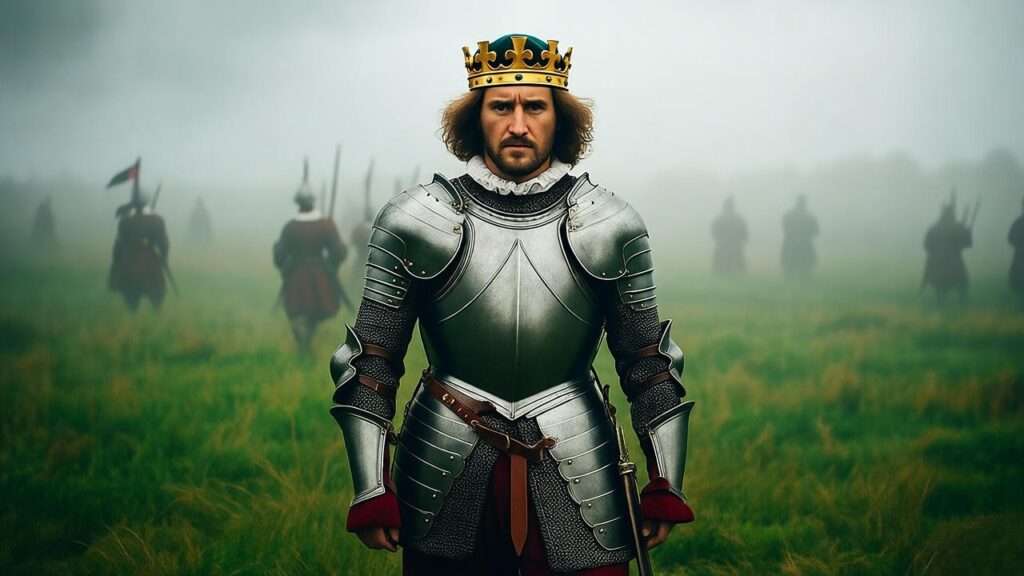
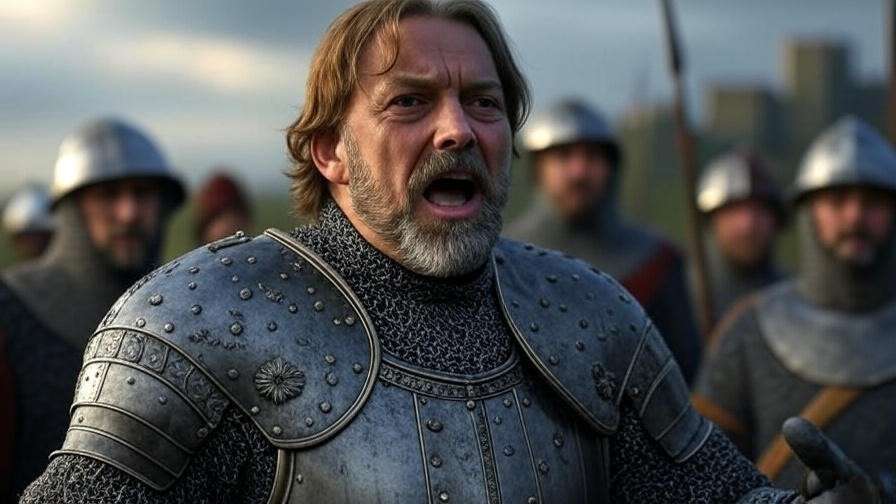
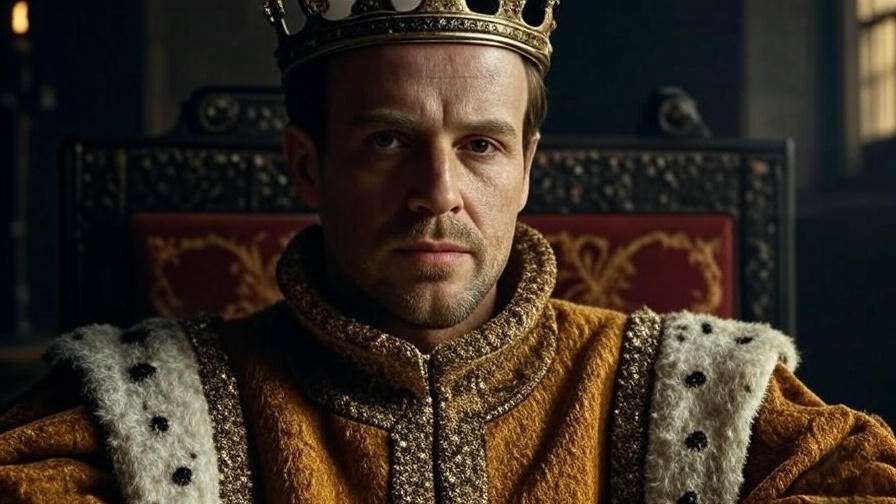
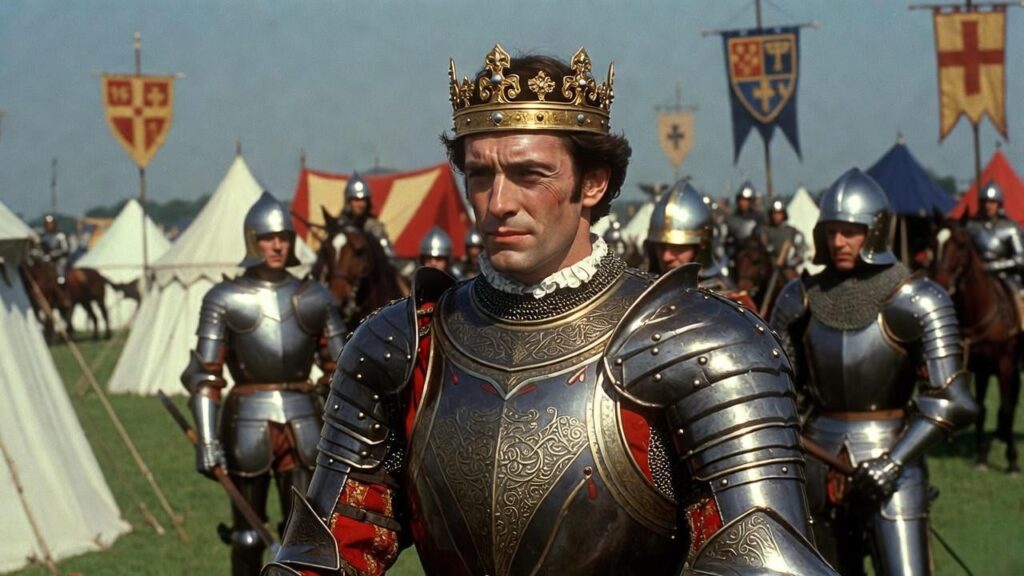
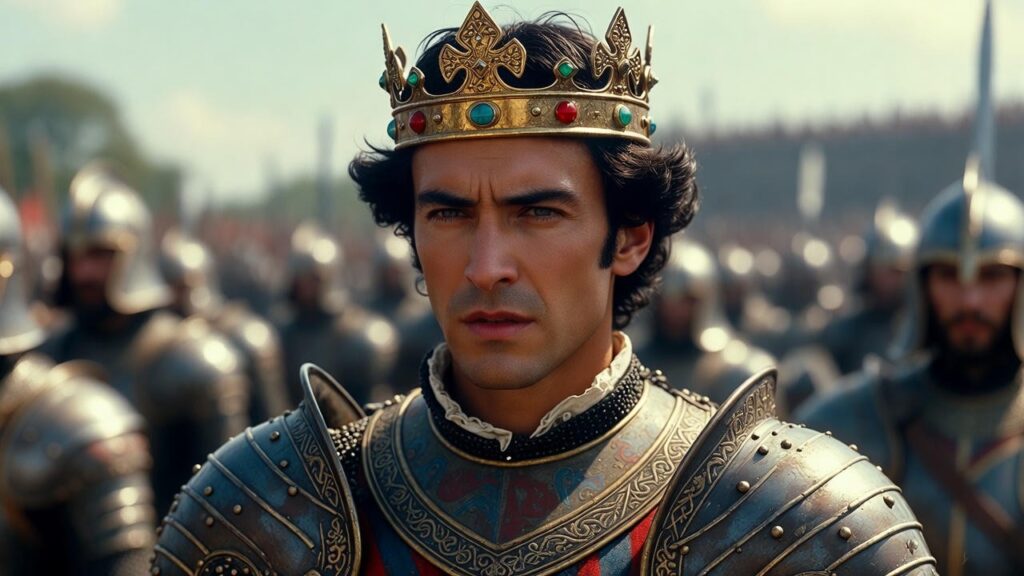
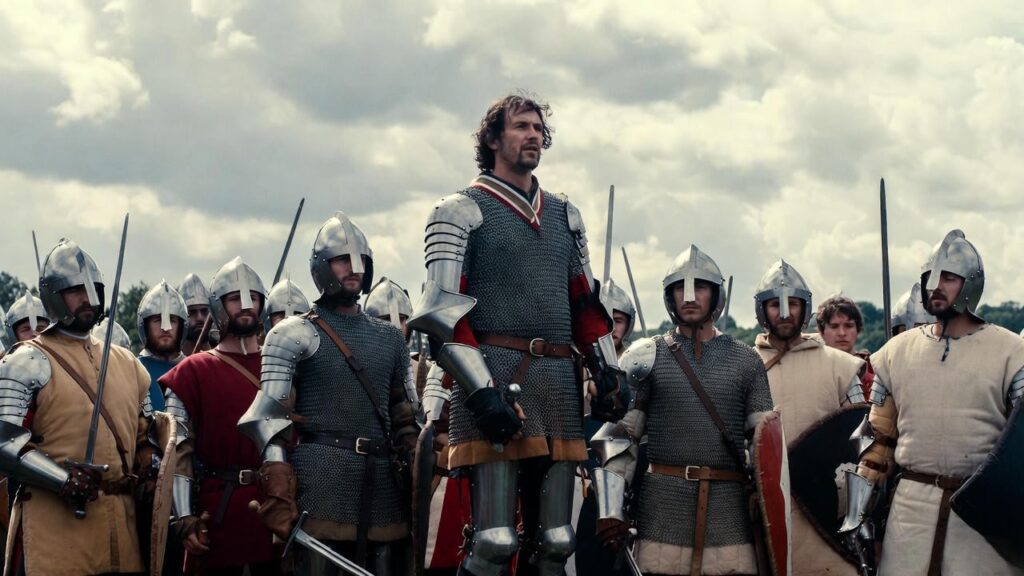
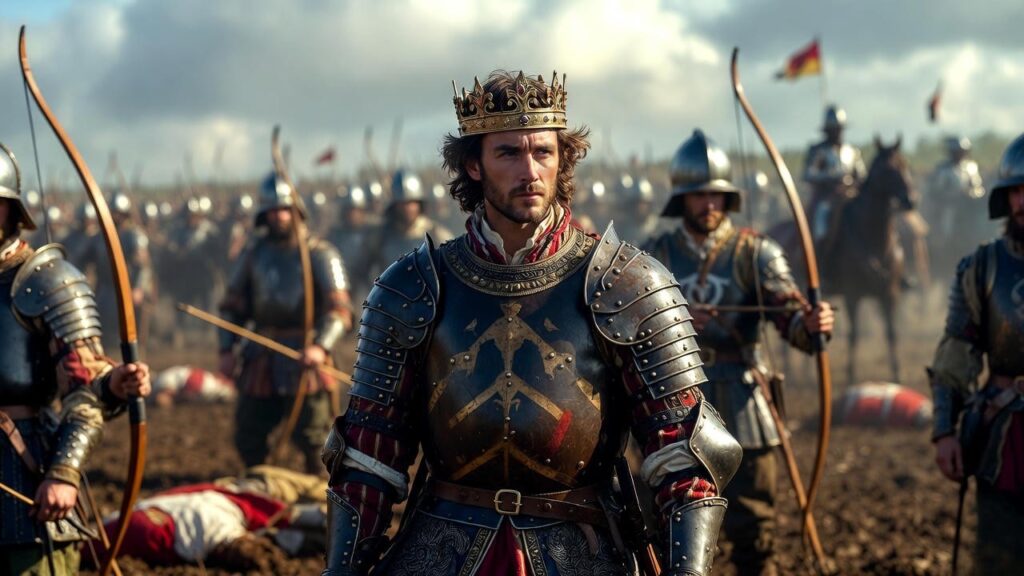
These electrifying opening lines from the Chorus in Shakespeare’s Henry V immediately seize the imagination, promising an epic story far grander than any stage could contain. The Henry V plot centers on one of the most celebrated monarchs in English history: the young king who transforms from a reckless prince into a charismatic leader, claims the French throne, invades a superior enemy force, and achieves the improbable victory at Agincourt. Shakespeare masterfully weaves history, drama, patriotism, and moral complexity into a play that remains profoundly relevant more than 400 years later.
Whether you’re a student preparing for an exam, a theatergoer anticipating a production, or a reader exploring Shakespeare’s history plays, this comprehensive guide offers a detailed act-by-act plot summary, deep character analysis, thematic exploration, historical context, and insights into why Henry V continues to captivate audiences worldwide. Let’s embark on this journey through Shakespeare’s stirring celebration—and subtle questioning—of kingship and war.
Historical and Literary Context
Henry V, written around 1599, forms the triumphant conclusion to Shakespeare’s second tetralogy (the Henriad), which includes Richard II, Henry IV Part 1, and Henry IV Part 2. In these earlier plays, we witness Prince Hal’s wild youth among tavern companions like Falstaff. By the opening of Henry V, Hal has become King Henry V, having rejected his former life and embraced the responsibilities of rule.
Shakespeare drew primarily from Raphael Holinshed’s Chronicles (1577 and 1587 editions) and possibly Edward Hall’s Union of the Two Noble and Illustre Families of Lancaster and York. He may also have been influenced by an anonymous play, The Famous Victories of Henry the Fifth, which featured similar characters and incidents.
Historically, Henry V reigned from 1413 to 1422. His 1415 campaign in France culminated in the Battle of Agincourt, a stunning English victory against overwhelming odds. Shakespeare compresses events, heightens drama, and takes creative liberties—most famously inventing the insulting gift of tennis balls from the French Dauphin to underscore Henry’s provocation. The play was first performed at the Globe Theatre and later became a vehicle for patriotic sentiment, especially Laurence Olivier’s 1944 film released during World War II and Kenneth Branagh’s grittier 1989 adaptation during the late Cold War era.
Understanding this context enriches the Henry V plot: Shakespeare is not merely recounting history but exploring what makes a great ruler and the human cost of ambition.
Main Characters and Their Roles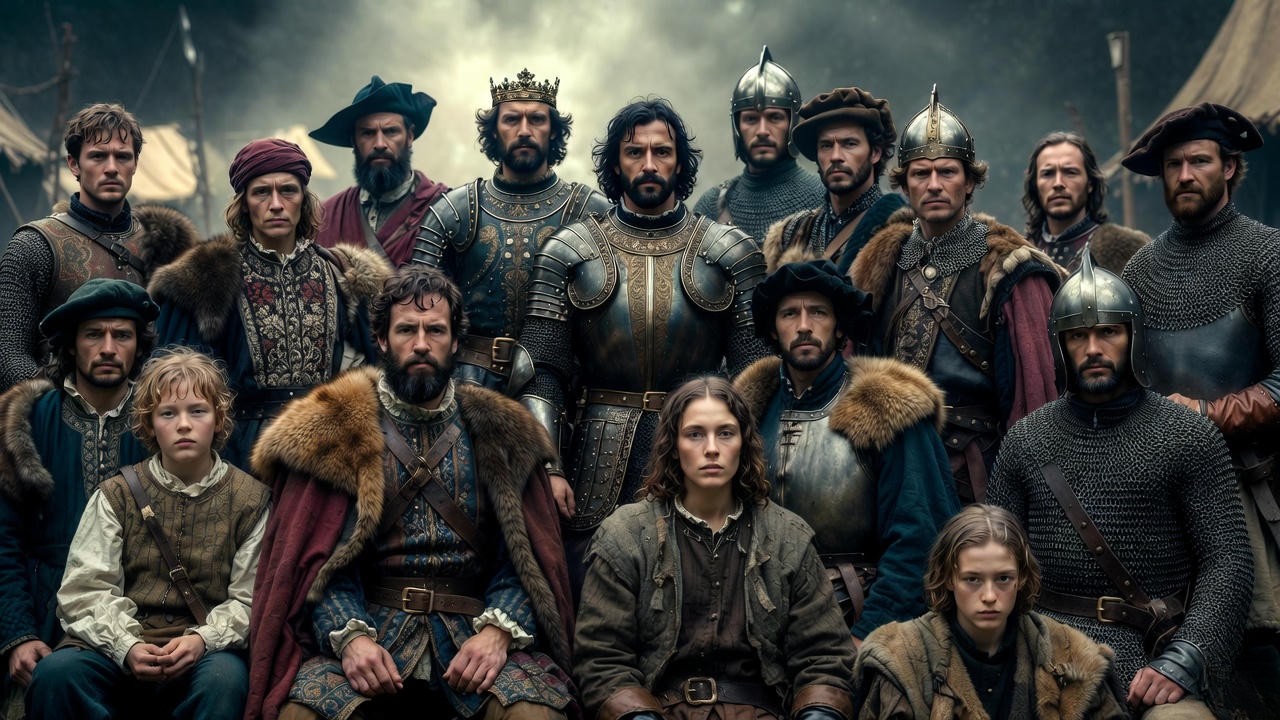
Shakespeare populates Henry V with a rich ensemble that represents different social classes, nationalities, and perspectives on war.
King Henry V
The protagonist and moral center of the play. Once the wayward Prince Hal, Henry now embodies the ideal Renaissance king: pious, decisive, eloquent, and merciful—yet capable of ruthless pragmatism. His transformation arc reaches completion here.
The Chorus
A single speaker who opens each act, apologizing for the limitations of the stage while vividly evoking epic scale (“Think, when we talk of horses, that you see them”). The Chorus serves as Shakespeare’s direct voice to the audience.
English Nobles and Captains
- Duke of Exeter: Henry’s loyal uncle and envoy.
- Fluellen: A pedantic but brave Welsh captain, providing comic relief and commentary on honor.
- Macmorris (Irish) and Jamy (Scottish): Highlight the multinational composition of Henry’s army, symbolizing British unity.
Common Soldiers
- Michael Williams, John Bates, and Court: Ordinary soldiers who challenge Henry (in disguise) on the king’s responsibility for the souls of men who die in battle. Their scenes ground the play’s heroism in realism.
Eastcheap Survivors
- Pistol, Bardolph, Nym, and the Boy: Remnants of Henry’s youthful circle. Their cowardly and criminal behavior contrasts sharply with the king’s new ideals and illustrates war’s harsh consequences.
French Characters
- King Charles VI and the Dauphin (later Louis): Arrogant and overconfident.
- Princess Katherine: Charles’s daughter, whose English lesson scene provides linguistic comedy and sets up the final courtship.
- Constable of France: Leader of the French forces, embodying noble pride.
These characters collectively illuminate Shakespeare’s central questions: What justifies war? Who bears its burdens? How does power shape identity?
Detailed Plot Summary: Act-by-Act Breakdown
The play consists of a Prologue, five acts, and an Epilogue, framed by the Chorus.
Prologue and Act 1: The Claim to France
The Chorus ignites the audience’s imagination, begging pardon for presenting such a vast story on a humble stage.
Act 1 opens in the English court. The Archbishop of Canterbury and Bishop of Ely discuss a bill that would strip the church of lands. To divert attention, they urge Henry to pursue his ancestral claim to the French crown. Canterbury delivers a lengthy exposition on the Salic law, supposedly barring Henry’s claim through the female line—but he argues the law does not apply in France.
Henry, cautious and pious, seeks divine assurance before embarking on war. When French ambassadors arrive bearing a gift from the Dauphin—tennis balls—mocking Henry’s youthful frivolity, the king responds with chilling resolve:
“We are glad the Dauphin is so pleasant with us; His present and your pains we thank you for. When we have matched our rackets to these balls, We will in France, by God’s grace, play a set Shall strike his father’s crown into the hazard.”
Henry declares war. The act ends with the revelation of three traitors (Richard Earl of Cambridge, Henry Lord Scroop, and Sir Thomas Grey) plotting for French gold, though their exposure is delayed until Act 2.
Act 2: Traitors Exposed and Departure for War
The Chorus describes England united behind its king and the fleet ready to sail.
In London’s Eastcheap district, we learn that Sir John Falstaff has died offstage, heartbroken by Henry’s rejection (“The King has killed his heart”). Pistol, now married to hostess Nell Quickly, quarrels with Nym over her; they are reconciled only to join the war.
At Southampton, Henry confronts the three traitors. In a devastating scene, he allows each to condemn a drunken railer against the king before revealing their own treason. All three beg mercy; Henry, citing justice and national security, has them executed.
Meanwhile in France, King Charles VI and his court express anxiety about Henry’s invasion, recalling past English victories under Edward III and the Black Prince.
Act 3: Siege of Harfleur and March to Agincourt
The Chorus vividly paints the English fleet crossing the Channel and landing in France.
The English lay siege to Harfleur. Henry delivers one of his most famous speeches to rally his exhausted troops:
“Once more unto the breach, dear friends, once more; Or close the wall up with our English dead!”
Harfleur surrenders. Henry orders mercy—no pillaging—and leaves a garrison before marching toward Calais.
Intercut is a comic scene in the French palace: Princess Katherine asks her lady-in-waiting Alice to teach her English, stumbling over words with bawdy double meanings (“foot” and “gown” sounding like French obscenities).
The French nobles boast arrogantly of crushing the weakened English army.
Act 4: The Night Before and Battle of Agincourt
The Chorus delivers perhaps the most evocative passage in the play, contrasting the confident French camp with the anxious English fires on the eve of St. Crispin’s Day.
Disguised in a cloak, Henry walks among his soldiers. He debates with Michael Williams about the king’s responsibility for men’s souls. They exchange gloves as a pledge to settle the argument later. Alone, Henry delivers a poignant soliloquy on the lonely burden of kingship (“Upon the king! … What infinite heart’s ease must kings neglect…”).
Morning brings Henry’s immortal St. Crispin’s Day speech:
“We few, we happy few, we band of brothers; For he today that sheds his blood with me Shall be my brother…”
The battle is fought offstage. The English, outnumbered and bogged down in mud, prevail miraculously. When French reinforcements threaten to renew the fight, Henry orders the prisoners killed—a pragmatic but brutal decision. News arrives that the French have indeed killed the boys guarding the luggage, justifying Henry’s order in the eyes of his men.
The English losses: 25 peers and a few hundred soldiers. French losses: 10,000, including much of the nobility.
Act 5: Peace and Wooing
The Chorus summarizes Henry’s triumphant return to London (omitted onstage) and his second campaign ending in the Treaty of Troyes.
Back in France, Fluellen forces Pistol to eat a leek for mocking Welsh custom, providing comic closure to the Eastcheap subplot. Bardolph has been hanged for theft; Pistol learns his wife has died of venereal disease and resolves to return to England as a thief.
The final scene is the courtship between Henry and Princess Katherine. With an interpreter, Henry woos her in halting French and plain English, acknowledging the political nature of their match while expressing genuine affection. Katherine accepts.
The play concludes with the Treaty of Troyes: Henry is named heir to the French throne, and peace is sealed by his marriage to Katherine. The Epilogue reminds us that this glory was fleeting—Henry died young, leaving an infant son whose reign led to the loss of France and the Wars of the Roses.
Key Themes and Analysis
Shakespeare’s Henry V is far more than a patriotic pageant; it is a sophisticated exploration of power, morality, and the human condition. Modern critics often debate whether the play glorifies war or subtly undermines it—an ambiguity that has fueled diverse productions from triumphant (Olivier, 1944) to anti-heroic (Nicholas Hytner, 2003).
Leadership and Transformation
At its core, the play charts Henry’s complete maturation. The reckless Prince Hal of the Henry IV plays has become a king who combines justice, mercy, piety, and strategic ruthlessness. His rejection of Falstaff is now fully realized: personal ties must yield to national duty. Yet Shakespeare humanizes him—Henry’s soliloquy on “ceremony” reveals the isolating burden of the crown, reminding us that even the most charismatic leader is mortal and anxious.
War and Honor
The play simultaneously celebrates and questions martial glory. The St. Crispin’s Day speech immortalizes the “band of brothers,” but scenes with common soldiers expose the grim reality: men die for causes they barely understand, and kings bear moral responsibility. Henry’s order to kill French prisoners—historically prompted by a rear attack—stains his heroism and raises uncomfortable questions about the ethics of total war.
Nationalism and Unity
Shakespeare emphasizes the unity of the “four nations” (England, Wales, Ireland, Scotland) under Henry’s banner, a topical concern during late-Elizabethan anxieties about succession and British identity. Fluellen, Macmorris, and Jamy embody this patchwork army, their comic quarrels resolved in shared valor. By contrast, the French court is fractured by arrogance and internal dissent.
Rhetoric and Language
Henry’s greatest weapon is words. His speeches inspire loyalty and terror alike. Shakespeare juxtaposes this eloquence with linguistic comedy: Katherine’s English lesson and Henry’s clumsy French wooing highlight how language both divides and bridges nations.
Providence vs. Human Agency
Henry repeatedly attributes victory to God (“God fought for us”), reflecting medieval historiography. Yet the play leaves room for skepticism: Is Agincourt divine favor or the result of English longbows, French overconfidence, and muddy terrain?
These layered themes ensure Henry V transcends simple propaganda, inviting audiences to admire Henry while questioning the cost of his triumphs.
Famous Quotes and Speeches Explained
Few plays boast such an arsenal of quotable lines that have entered everyday language.
-
“Once more unto the breach, dear friends, once more…” (Act 3, Scene 1) Henry’s rallying cry at Harfleur exemplifies motivational leadership, urging soldiers to imitate the ferocity of tigers. It has been echoed in countless military and sporting contexts.
-
St. Crispin’s Day Speech (Act 4, Scene 3) The emotional pinnacle:
“And Crispin Crispian shall ne’er go by, From this day to the ending of the world, But we in it shall be rememberèd— We few, we happy few, we band of brothers…”
This transforms potential defeat into eternal glory, democratizing honor: even the lowest soldier shares immortality with the king.
-
Henry’s Soliloquy on Ceremony (Act 4, Scene 1) After debating with Williams, Henry reflects privately on the hollow privileges of kingship, contrasting royal insomnia with the peasant’s peaceful rest. It reveals vulnerability beneath the heroic facade.
-
Courtship Scene (Act 5, Scene 2) Henry’s plain-spoken wooing (“I love thee, Kate”) contrasts with courtly rhetoric, blending sincerity with political necessity. The humor arises from linguistic mishaps, yet the scene affirms mutual affection amid arranged marriage.
These passages showcase Shakespeare’s mastery of rhetoric and remain staples in acting anthologies and leadership studies.
Historical Facts vs. Shakespeare’s Version
While Shakespeare stays remarkably faithful to the broad outline of 1415 events, dramatic necessity introduces key alterations:
- The Tennis Balls Insult: Almost certainly fictional—designed to motivate Henry and echo his youthful reputation.
- Battle Numbers: Historical estimates suggest English forces ~6,000–9,000 vs. French 20,000–30,000. Shakespeare vastly understates English losses (29 in the play vs. several hundred in reality).
- Prisoner Executions: Henry did order the killing of many prisoners, but primarily in response to a genuine French rear attack—not merely fear as the play suggests.
- Falstaff’s Death: Invented; the historical Sir John Fastolf survived Agincourt but was later scapegoated for another defeat.
- Treaty of Troyes (1420): Accurately depicted, though compressed. Henry was named heir, married Katherine, but died in 1422 before becoming French king.
Shakespeare’s liberties heighten drama and serve Elizabethan propaganda needs while preserving the essence of Henry’s legendary victory.
Why Henry V Remains Relevant Today
In an era of complex conflicts and charismatic leaders, Henry V continues to provoke debate. Military academies study Henry’s speeches for leadership lessons; ethicists examine the prisoner dilemma in light of modern war crimes. Productions during wartime—Olivier’s morale-boosting film, Branagh’s mud-soaked realism—reveal how the play mirrors contemporary anxieties about nationalism, just war, and the rhetoric used to justify intervention.
The play’s portrayal of a multicultural army resonates in diverse societies, while Henry’s personal transformation speaks to anyone striving for self-improvement under pressure.
FAQs
What is the main plot of Henry V?
The play follows King Henry V’s claim to the French throne, his invasion of France, the siege of Harfleur, the against-all-odds victory at Agincourt, and the subsequent peace treaty sealed by his marriage to Princess Katherine.
How does Henry V connect to Henry IV Parts 1 and 2?
It completes Prince Hal’s arc: the tavern-haunting youth rejects Falstaff, matures through rebellion, and becomes the ideal king who unites England and conquers France.
Is Henry V portrayed as an unambiguous hero?
No. While celebrated for charisma and victory, his ruthlessness (executing traitors and prisoners) and the play’s ironic undertones invite critical readings.
What are the best film adaptations?
Laurence Olivier’s 1944 version (patriotic, Technicolor spectacle) and Kenneth Branagh’s 1989 film (gritty, emotionally raw, with Branagh as Henry) are the most acclaimed. Tom Hiddleston’s 2012 Hollow Crown version offers a nuanced modern take.
How accurate is Shakespeare’s depiction of the Battle of Agincourt?
Broadly accurate in outcome and key factors (longbows, terrain), but dramatized for heroic effect with exaggerated odds and minimized English casualties.
Shakespeare’s Henry V transforms historical triumph into timeless drama, chronicling a king’s transformation, a nation’s unity, and the ambiguous glory of war. From the soaring rhetoric of the Chorus to the intimate doubts expressed in campfires’ glow, the play balances celebration with sober reflection.
Whether you encounter it on the page, stage, or screen, Henry V challenges us to consider what makes a leader great—and at what cost greatness is achieved. Dive into the text, watch a production, or revisit the Henriad in full; the journey from reckless prince to legendary king remains one of Shakespeare’s most rewarding.