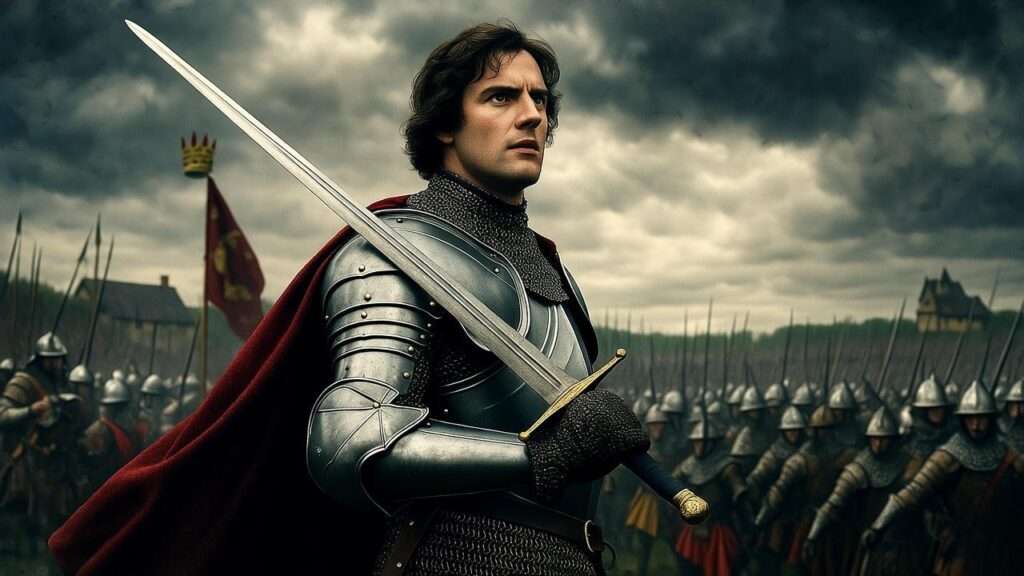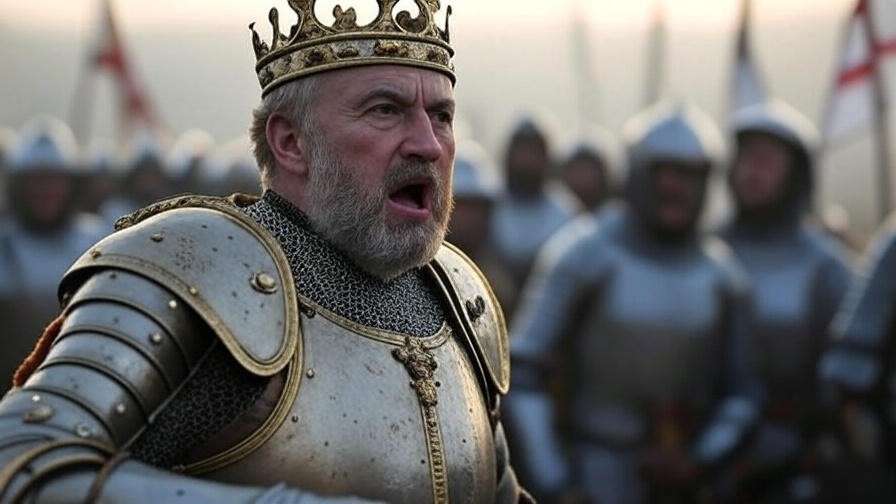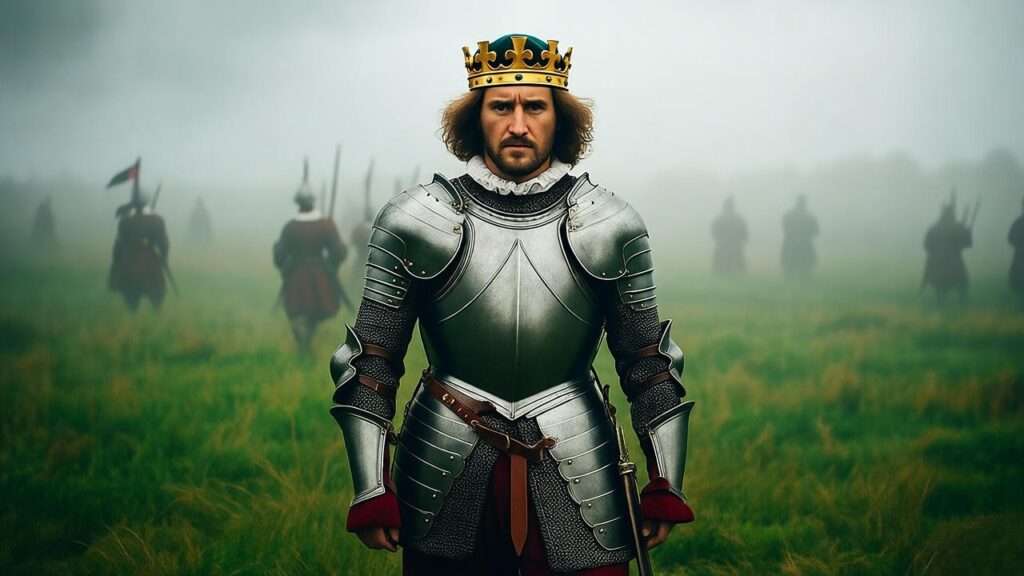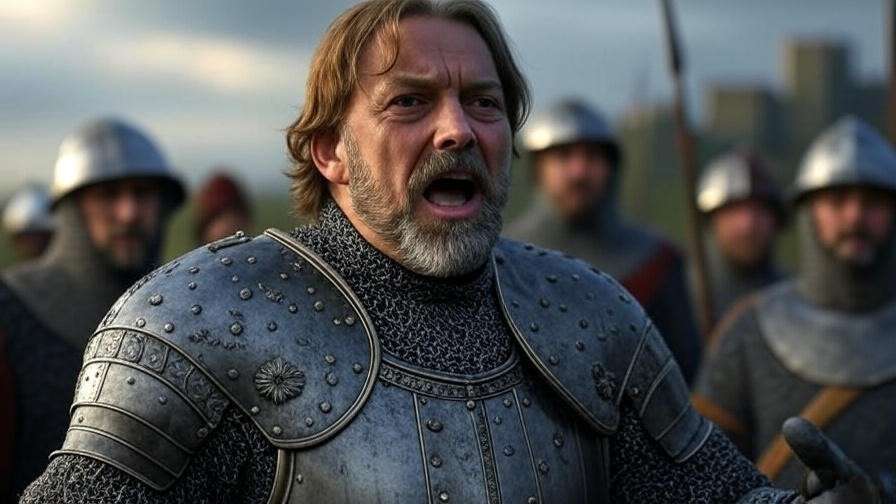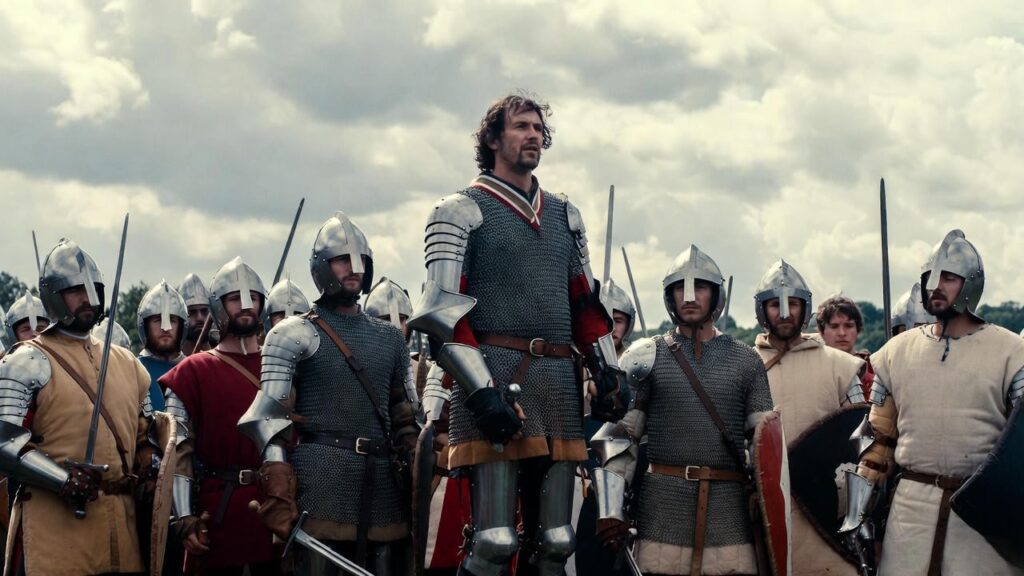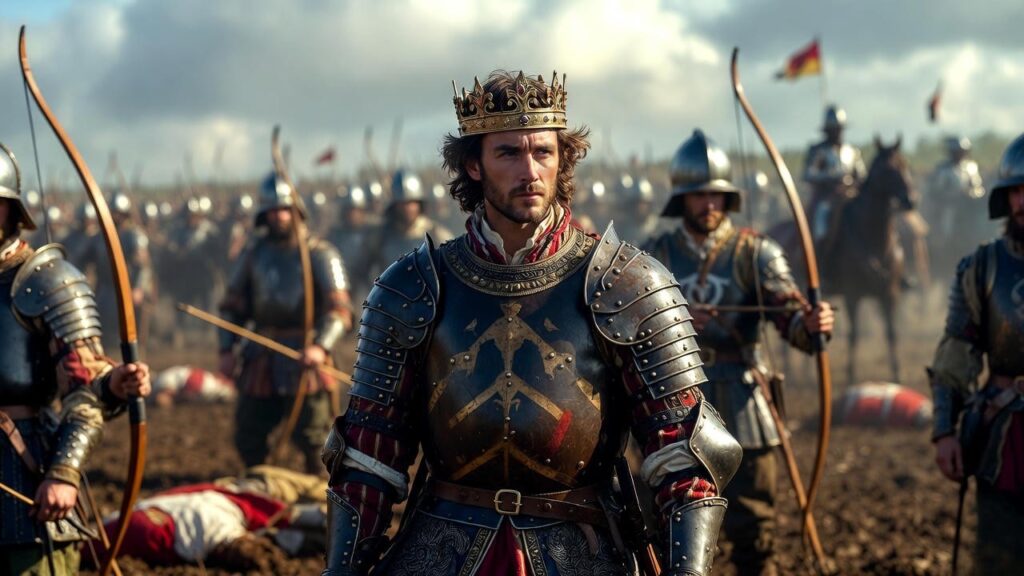
Imagine a 16-year-old prince lying on a battlefield, an arrow lodged deep in his skull — so deep that surgeons must invent new tools to extract it without killing him. This is no dramatic flourish from a play; it’s the real, harrowing opening to Dan Jones’s gripping 2024 biography, Henry V: The Astonishing Triumph of England’s Greatest Warrior King (published October 1, 2024, by Viking/Penguin Random House in the US and Bloomsbury/Head of Zeus in the UK). In this landmark work, Jones — the New York Times bestselling historian behind The Plantagenets, Powers and Thrones, and more — masterfully separates Shakespeare’s legend from the real warrior king, offering readers a vivid, source-driven portrait that challenges centuries of myth.
For Shakespeare enthusiasts and history lovers alike, the focus keyword “henry v dan jones review” often stems from one burning question: How does the historical Henry V differ from the roistering Prince Hal who magically transforms into the heroic king of Shakespeare’s plays? Jones’s book answers this with authority, immersion, and balance, making it essential reading for anyone seeking to untangle medieval propaganda from documented reality.
Who Was the Real Henry V? A Brief Historical Overview
Henry V (1386–1422) was born into chaos. His father, Henry Bolingbroke (later Henry IV), usurped the throne from Richard II in 1399, plunging England into instability. Young Henry grew up amid rebellion, including the long Welsh uprising led by Owain Glyndŵr and the Percy family’s challenges. He ascended the throne in 1413 at age 26, reigning for just nine years and four months before dying of dysentery at 35.
His brief rule is legendary for reviving England’s fortunes in the Hundred Years’ War. The crowning achievement: the stunning victory at Agincourt in 1415, where a outnumbered English army decimated French forces. By 1420, the Treaty of Troyes made Henry heir to the French throne through marriage to Catherine of Valois. Yet his conquests sowed seeds for domestic disaster — the Wars of the Roses erupted in the following generation.
What keeps Henry V iconic? Contemporary chroniclers praised him, Tudor propaganda amplified his heroism, and Shakespeare’s tetralogy (Henry IV Parts 1 & 2, Henry V) turned him into a cultural icon. Laurence Olivier’s 1944 film adaptation even boosted morale during World War II. Jones contextualizes this legacy, showing how myth-making began early and persists today.
Dan Jones’s Approach: Why This Biography Stands Out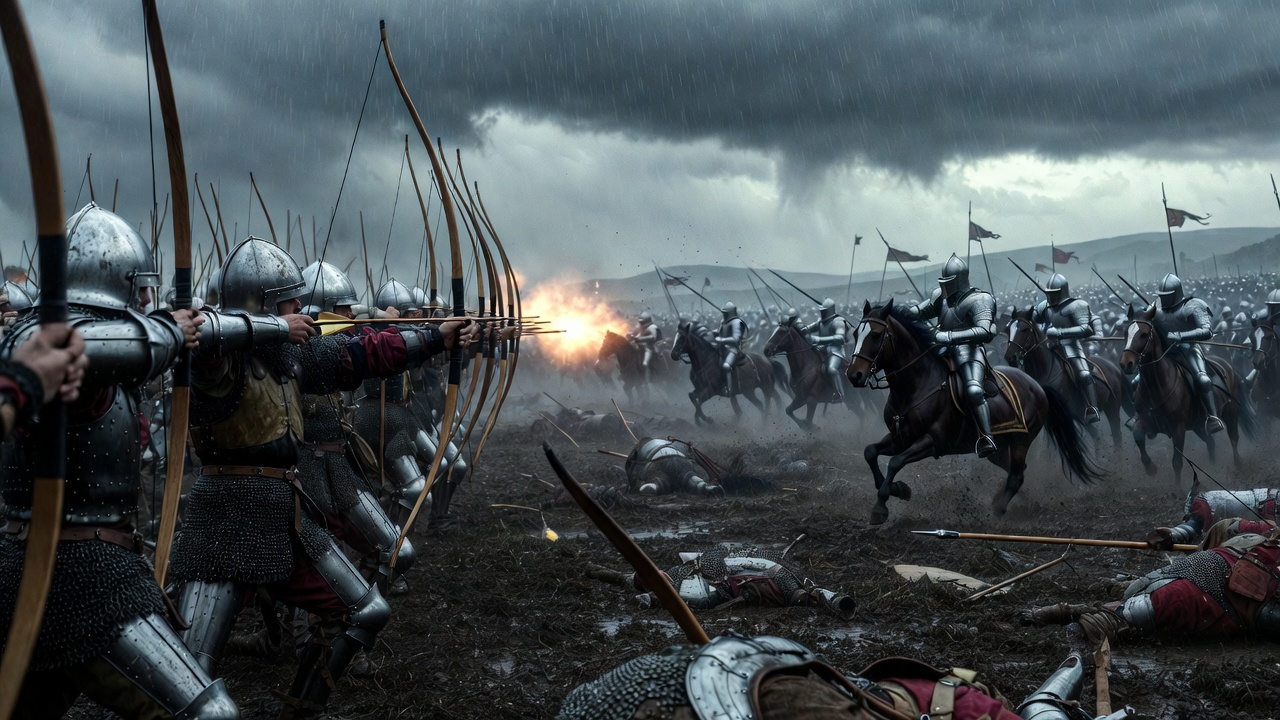
Dan Jones is no stranger to making medieval history accessible and thrilling. A prolific author and broadcaster (host of the podcast This is History), he blends rigorous scholarship with narrative verve. Critics hail Henry V as “the best biography yet” (Simon Sebag Montefiore) and praise Jones for bringing Henry “to life better than anyone since Shakespeare himself” (Andrew Roberts).
What sets this book apart? Jones uses present-tense narration — Henry “runs,” “rides,” “feels” — creating immediacy that immerses readers in the 15th century. Unlike many biographies that rush to Agincourt, Jones devotes roughly half the book to Henry’s formative years, arguing these “apprenticeship” decades shaped the king far more than any sudden transformation.
He draws on primary sources — chronicles, letters, parliamentary records — while acknowledging gaps (Henry left no personal diaries). The result is balanced: admiring Henry’s competence without hagiography, contextualizing brutality within medieval norms.
Debunking the Shakespeare Myth: Prince Hal vs. the Historical Henry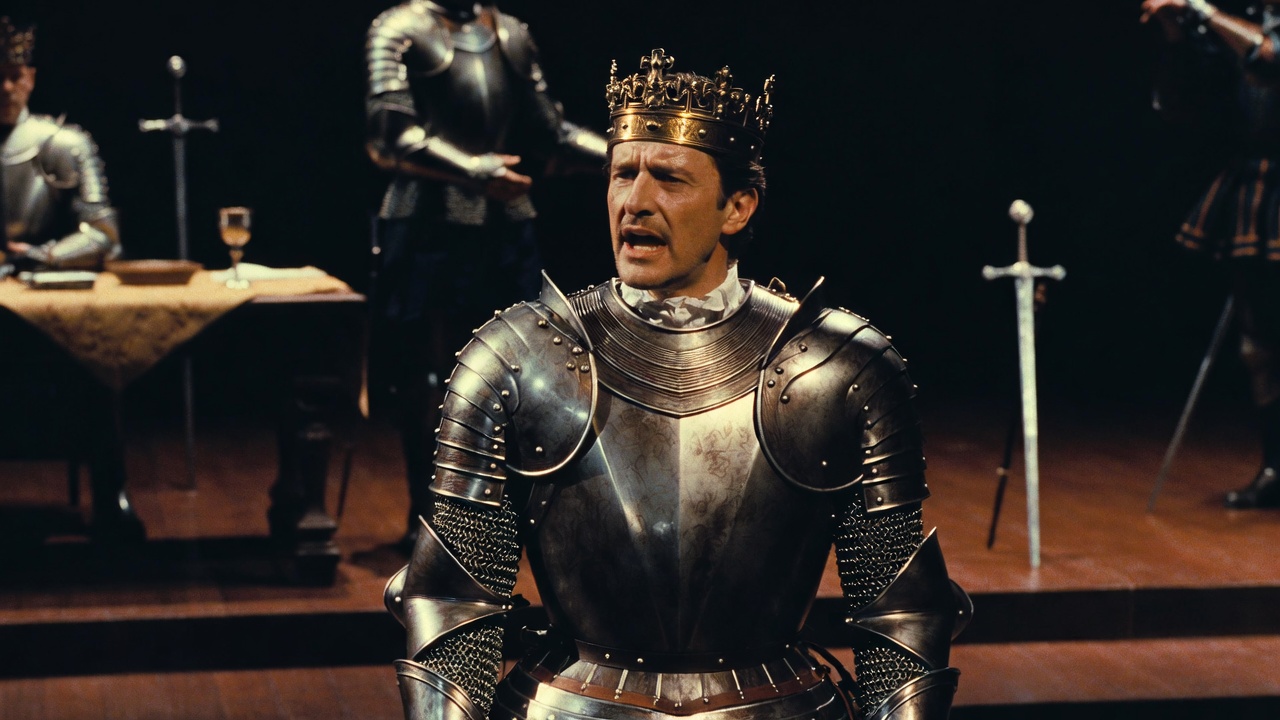
Shakespeare’s Prince Hal is the ultimate prodigal son: a tavern-haunting rogue with Falstaff, who sheds his wild ways upon becoming king. It’s dramatic genius, but largely fiction.
Jones’s core argument: There was no miraculous conversion. The real Henry was diligent, pious, and serious from youth. Sources show him leading armies in Wales as a teenager, governing councils during his father’s illnesses, and displaying bookish interests (he collected manuscripts and played the harp). The “Hal” persona? Likely inspired by his brothers or dramatic license for Tudor audiences needing a relatable hero.
Evidence abounds: At 14, Henry commanded forces against Welsh rebels, executing prisoners ruthlessly. At Shrewsbury (1403), the arrow wound scarred him physically and mentally, yet he channeled it into resolve. No records depict tavern-roistering; instead, he projected regal authority early.
Shakespeare’s genius lies in humanizing Henry — his famous speeches (“Once more unto the breach”) inspire, but Jones contrasts them with understated historical accounts, like one chronicle’s simple pre-Agincourt rallying cry: “Fellas, let’s go.” This gap highlights how literature shapes memory, solving the problem for readers confused by play vs. history.
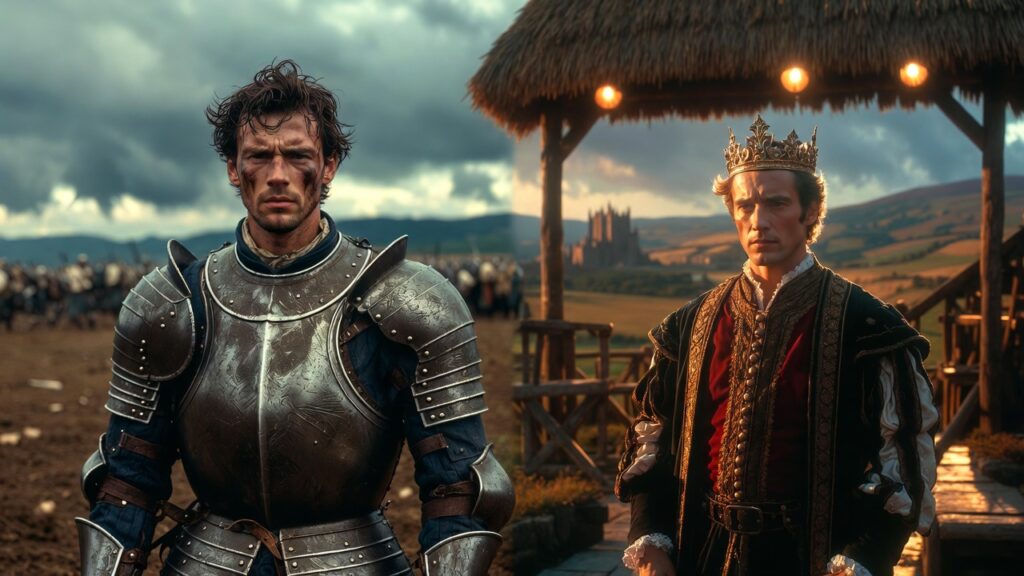
To visualize the contrast:
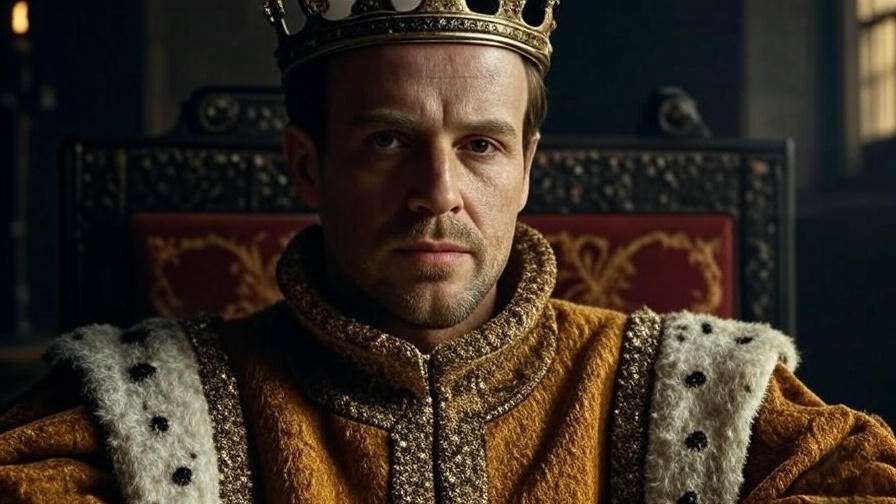
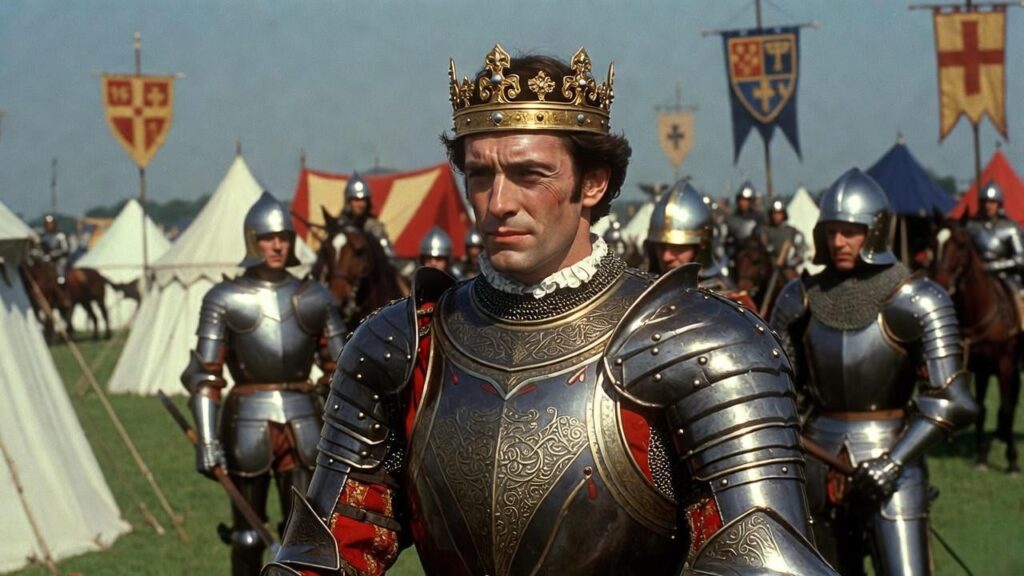
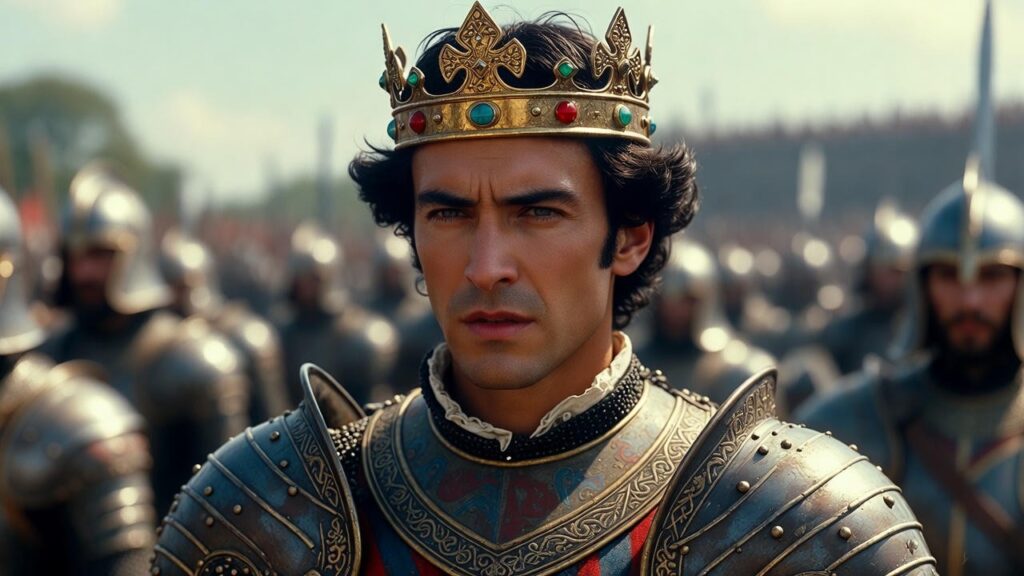
Here are two evocative images side by side — one capturing Shakespeare’s dramatic Prince Hal in a tavern scene, and another depicting the historical Henry V as a armored warrior king.
The Making of a Warrior King: Henry’s Formative Years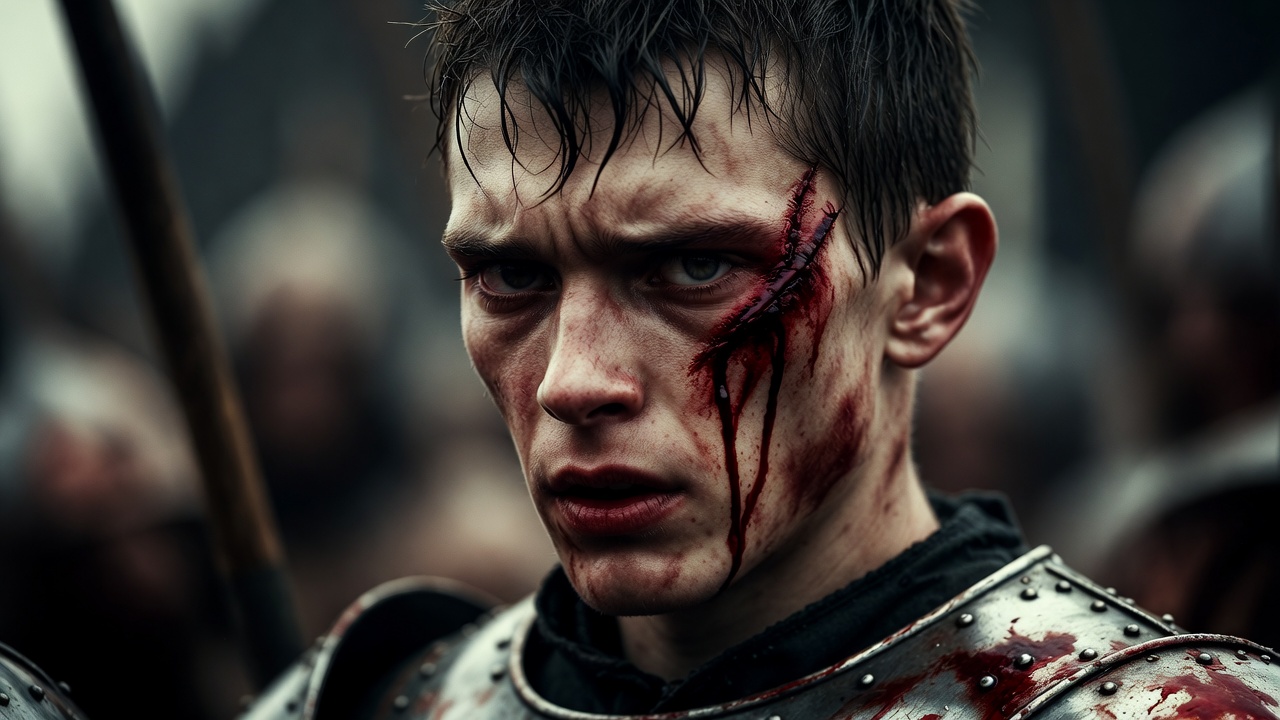
Childhood and Trauma Born at Monmouth Castle in 1386 amid political upheaval, Henry’s early life was marked by his mother’s death and his father’s exile/rebellion. Infant mortality was high; myths like ginger-infused ale for protection highlight the era’s fragility.
The Arrow Wound and Survival The Shrewsbury injury (1403) is Jones’s gripping opener. Surgeons John Bradmore invented a tool to extract the arrowhead, a medical marvel. Henry survived, scarred but hardened — a turning point Jones uses to show resilience.
Prince of Wales Apprenticeship From age 13, Henry governed Wales, suppressing Glyndŵr’s revolt. He learned warfare, diplomacy, and governance amid tensions with his father. By his accession, he was battle-tested — no sudden shift needed.
Henry V’s Reign: Triumphs, Brutality, and Leadership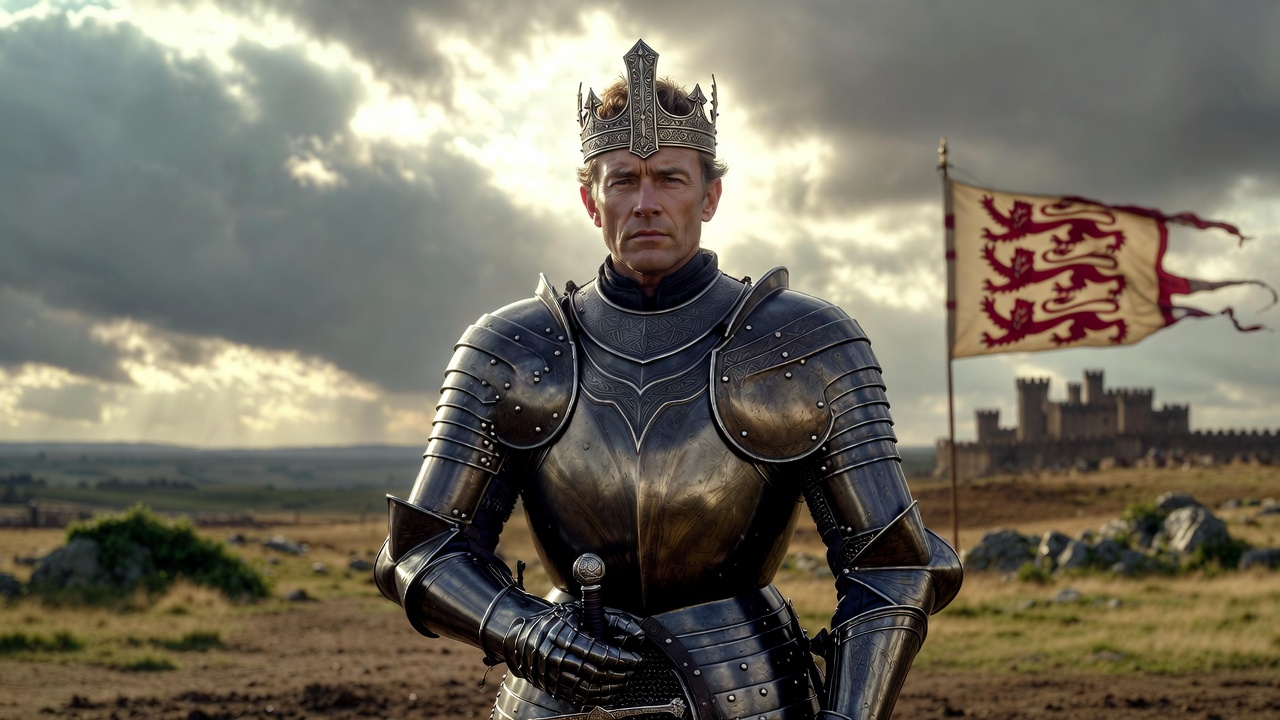
The Agincourt Campaign Jones vividly recounts the 1415 invasion: Harfleur siege, disease, the desperate march to Calais, and the October 25 clash. English longbows and mud favored the underdogs.
Ruthless Decisions Henry executed prisoners at Agincourt (a war crime today, but pragmatic then to avoid ransom issues). He burned heretics, executed friends like Lord Scrope for disloyalty — actions Jones contextualizes without excusing.
Piety and Personality Contradictions define him: devout (he supported orthodoxy), artistic (music lover), yet ferocious. Jones portrays a multifaceted man.
Legacy in France and England The Treaty of Troyes promised French succession, but Henry’s death left an infant heir — and instability.
Strengths and Criticisms of Dan Jones’s Henry V
Strengths: Immersive style, focus on early life, balanced view. It’s accessible yet authoritative.
Criticisms: Present tense may feel unconventional; some see heavy admiration, though Jones acknowledges flaws.
Compared to others, it’s more narrative than dry academic works, deeper than summaries.
Why This Book Matters Today: Lessons from Henry V
Henry’s leadership in crisis — decisiveness, resilience — resonates. Jones draws modern parallels subtly. For Shakespeare fans, it enriches the plays; for all, it reminds us how storytellers shape history.
Final Verdict: Should You Read Dan Jones’s Henry V?
Absolutely — 5/5 stars. It’s the definitive popular biography, vivid and insightful. Ideal for Shakespeare lovers wanting historical depth, medieval enthusiasts, or anyone curious about leadership.
FAQs
How does Dan Jones compare Henry V to Shakespeare’s version? Jones debunks the “Hal-to-Henry” transformation as fiction; the real Henry was always serious and prepared.
Is Henry V by Dan Jones historically accurate? Yes — grounded in primary sources, contextual, and praised for scholarship by critics.
What makes Henry V England’s greatest warrior king? His Agincourt victory, French conquests, and effective rule — though complicated by brutality and legacy.
Should I read Shakespeare’s Henry V first? Yes! Then Jones’s book for the real story behind the drama.Dan Jones succeeds brilliantly in separating legend from reality, delivering a compelling portrait of a pious, ruthless, multifaceted king. Read the book, revisit Shakespeare’s play, and explore more Shakespeare insights here.