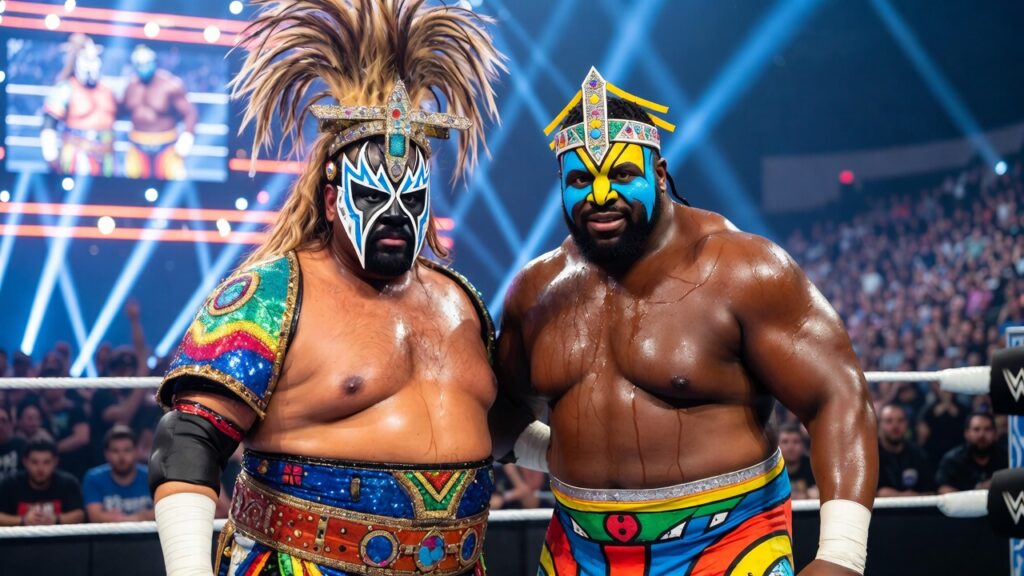
Imagine the ring shaking under the combined weight of nearly 850 pounds—two colossal forces charging at each other with shoulder blocks that echoed like thunderclaps. In late 2007 and early 2008, Big Daddy V and Mark Henry formed one of WWE’s most imposing, short-lived tag teams, a duo of unstoppable monsters who dominated ECW and SmackDown screens. Their alliance wasn’t just about size; it was a spectacle of raw power, brute force, and inevitable tragedy, much like the larger-than-life figures who stride across Shakespeare’s stages, wielding authority only to confront their downfall.
For wrestling fans nostalgic for the Ruthless Aggression era’s “big meaty men slapping meat” moments, this team delivered unforgettable clashes against stars like CM Punk, Kane, and even the Brothers of Destruction. Yet their story resonates beyond the squared circle. As a student of both professional wrestling’s theatrical roots and William Shakespeare’s profound explorations of ambition, physical might, and tragic hubris, I’ve long seen parallels between WWE’s larger-than-life characters and the Bard’s tragic titans. This article dives deep into their real WWE history, key matches, legacy, and—uniquely—how Big Daddy V and Mark Henry mirror Shakespeare’s portrayals of overwhelming power and the human (or monstrous) condition. Whether you’re here for wrestling nostalgia or literary insight, you’ll find fresh value in this crossover analysis that goes beyond standard match recaps.
Who Were Big Daddy V and Mark Henry? Individual Backstories
To understand the impact of their tag team, we must first examine the men behind the monstrous personas.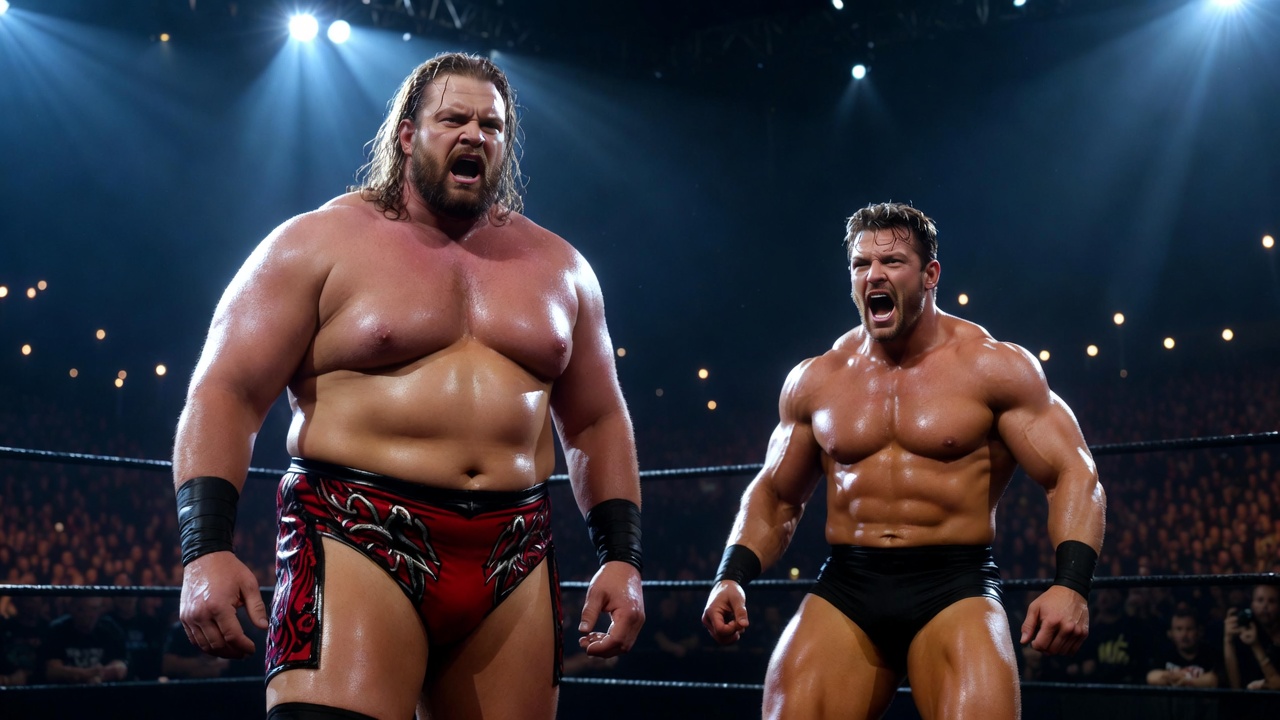
Big Daddy V (Viscera/Mabel) – From Dancing Giant to Human Mass
Nelson Frazier Jr., born February 14, 1971, entered professional wrestling in the early 1990s and quickly made waves in WWF (now WWE) as Mabel. Paired with Mo in Men on a Mission, he won the 1995 King of the Ring tournament—a rare accolade for a big man at the time—before turning heel and embarking on a series of gimmick evolutions.
By the mid-2000s, he returned as Viscera, a love machine tied to The Godfather and later a Ministry of Darkness enforcer. But it was his 2007 repackaging as Big Daddy V in ECW that cemented his final, most dominant form. Managed by Matt Striker, he became an unstoppable, 500-pound force—slow but devastating, using his sheer mass for splashes, elbow drops, and overwhelming any opponent foolish enough to stand in his path.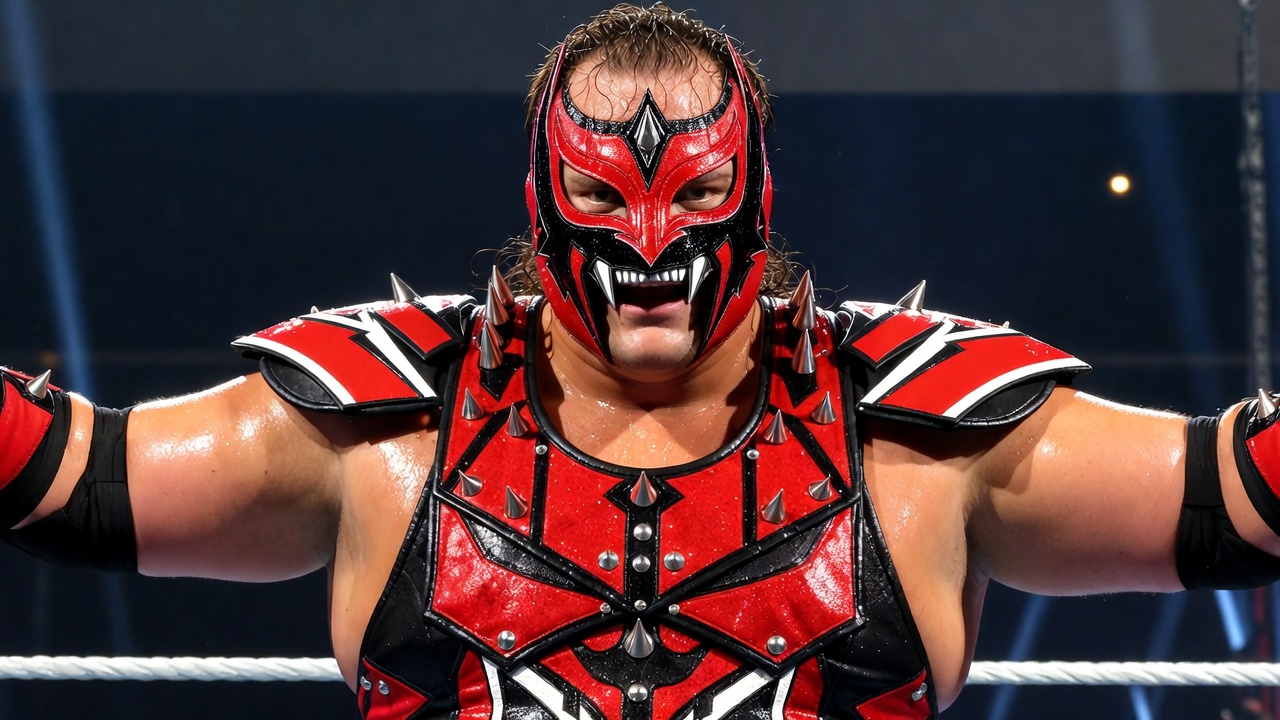
Tragically, Frazier’s size came with health challenges. He battled obesity-related issues, including high blood pressure and diabetes. Despite efforts to lose weight later in life, he suffered a fatal heart attack on February 18, 2014, at age 43—just days after his birthday. His passing reminded fans of the physical toll wrestling exacts on its giants, adding a layer of real-world tragedy to his larger-than-life character.
Mark Henry – The World’s Strongest Man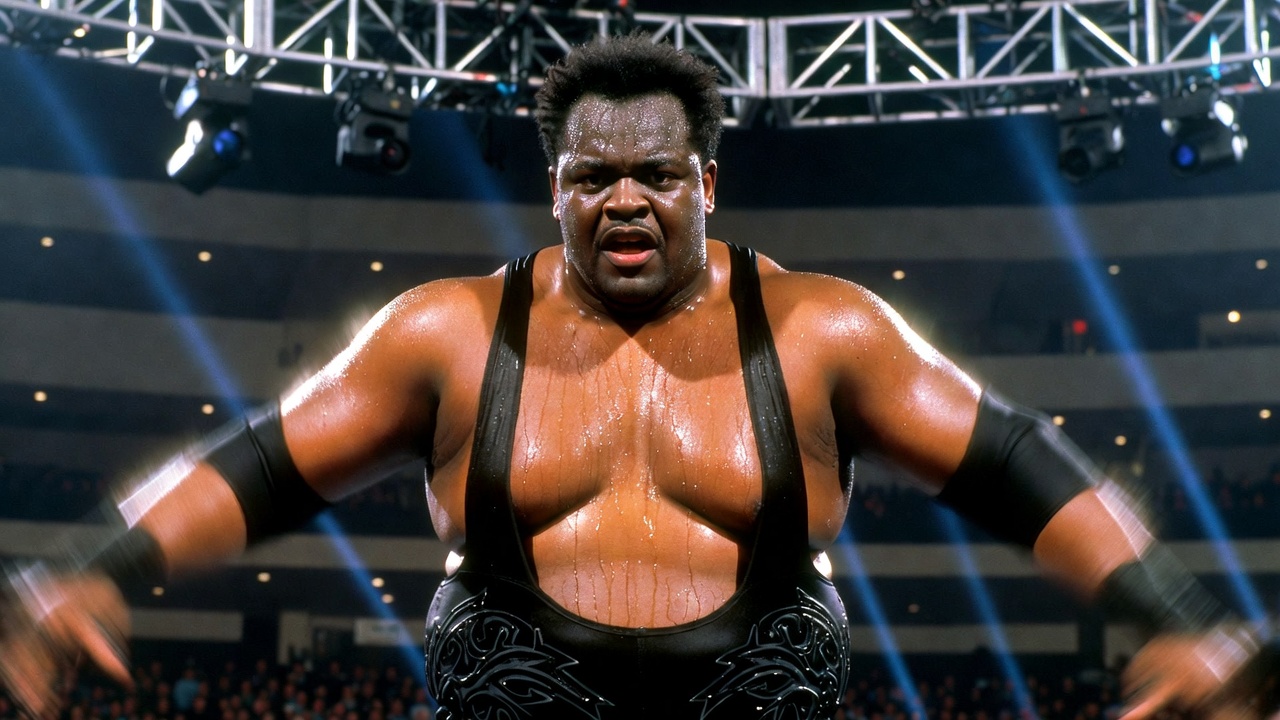
Mark Jerrold Henry brought legitimate credentials to WWE. A former Olympian (1992 and 1996 Games) and world-class powerlifter, he debuted in 1996 with a “sexual chocolate” gimmick that didn’t showcase his true strength. Over the years, he evolved into a credible monster heel, but 2007–2008 marked a pivotal shift toward the “Hall of Pain” dominance that defined his later career.
During this period, Henry was at his physical peak—over 400 pounds of muscle and power—delivering World’s Strongest Slams and running powerslams with terrifying ease. His alliance with Big Daddy V amplified both men’s threats, creating a tag team few could match in sheer intimidation.
Why Their Pairing Made Sense – The Perfect Monster Duo
In an era transitioning toward athletic, smaller stars (CM Punk, Jeff Hardy), Big Daddy V and Mark Henry represented a throwback to wrestling’s giant-heavy days. Their combined size created visual spectacles—earthquake-like collisions, double-team maneuvers that crushed opponents—and rare heavyweight tag dominance. They weren’t just big; they were booked as near-unbeatable forces, evoking the awe of Shakespeare’s imposing kings and warriors.
The Formation and WWE Booking of Big Daddy V & Mark Henry (2007–2008)
Their team formed organically in ECW’s chaotic landscape, where monsters thrived.
ECW Roots and Early Alliance
Big Daddy V debuted in ECW in mid-2007, quickly establishing dominance with wins over midcarders and interference in key feuds. Mark Henry, already a fixture, began crossing paths with him—most notably aiding Big Daddy V in an Extreme Rules victory over Kane on November 27, 2007 ECW.
Managed loosely by Matt Striker, they positioned themselves as ECW’s apex predators. A standout early showcase was the Monster Mash Battle Royal on ECW (October 2007), featuring giants like The Great Khali and Kane—pure chaos that highlighted their unstoppable aura.
Key Matches and Feuds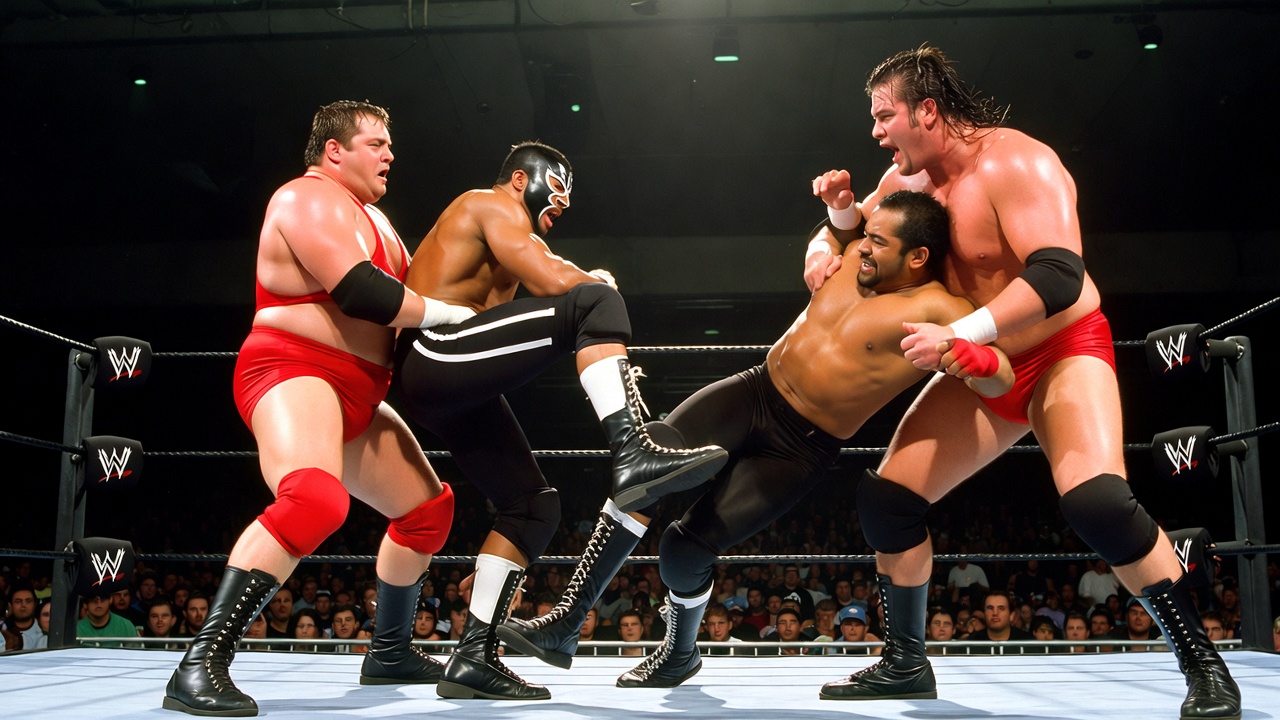
The duo’s peak came in high-profile bouts:
- Armageddon 2007 (December 16): Big Daddy V & Mark Henry defeated ECW Champion CM Punk & Kane in a thrilling tag match. This underrated classic blended high-flying (Punk) with powerhouse offense, ending in a decisive pin after double-team devastation. Full match footage remains popular on WWE’s YouTube Vault, praised by fans for its intensity.
- Handicap Matches vs. The Undertaker (December 14, 2007 SmackDown): The Phenom faced both in a grueling handicap bout, showcasing their numbers advantage and brute force.
- Brothers of Destruction vs. Big Daddy V & Mark Henry (February 1, 2008 SmackDown): The iconic monster vs. monster showdown. Undertaker & Kane reunited to battle the tandem in a hard-hitting tag match filled with chokeslams, Tombstones, and earth-shaking collisions. Available in full on WWE platforms, it’s a fan-favorite for its spectacle.
Other TV encounters included multi-man bouts and interference spots, but creative shifts (brand splits, Big Daddy V’s health concerns) led to their quiet disbandment by mid-2008.
Impact and Legacy in WWE History
This team is often overlooked in WWE retrospectives, yet they symbolized the final gasp of the “giant monster” era before the PG transition favored athleticism over size. Their matches delivered what fans craved: big men delivering big offense. Today, YouTube views and Reddit discussions keep their legacy alive, reminding us why heavyweight tag teams mattered.
Shakespearean Parallels – Power, Tragedy, and the Human (Monstrous) Condition
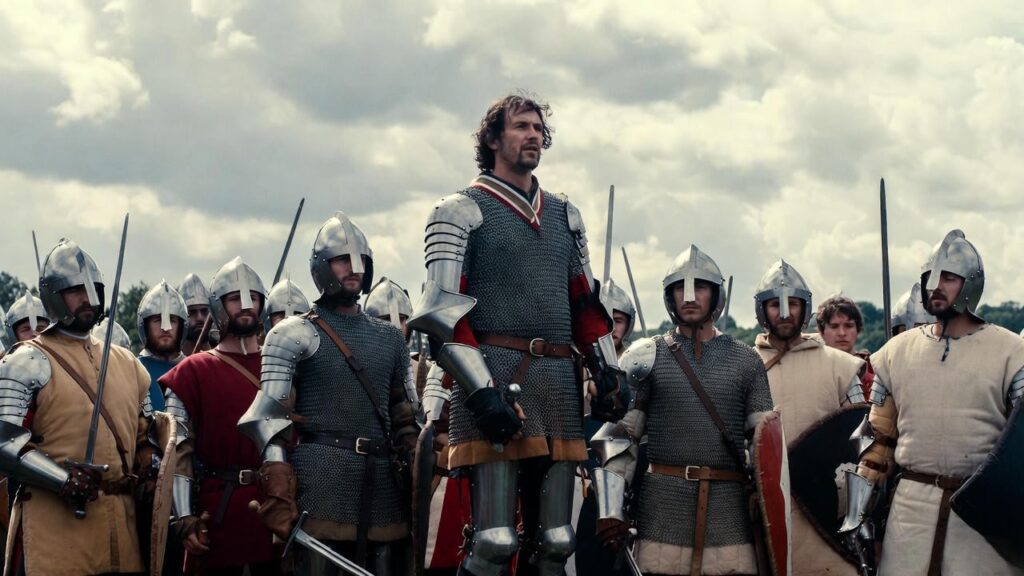
Professional wrestling has long drawn comparisons to theater—scripted drama, larger-than-life characters, audience participation—and Shakespearean parallels run especially deep. Both forms explore ambition, physical dominance, and the tragic consequences of unchecked power.
Physical Dominance and the Body in Shakespeare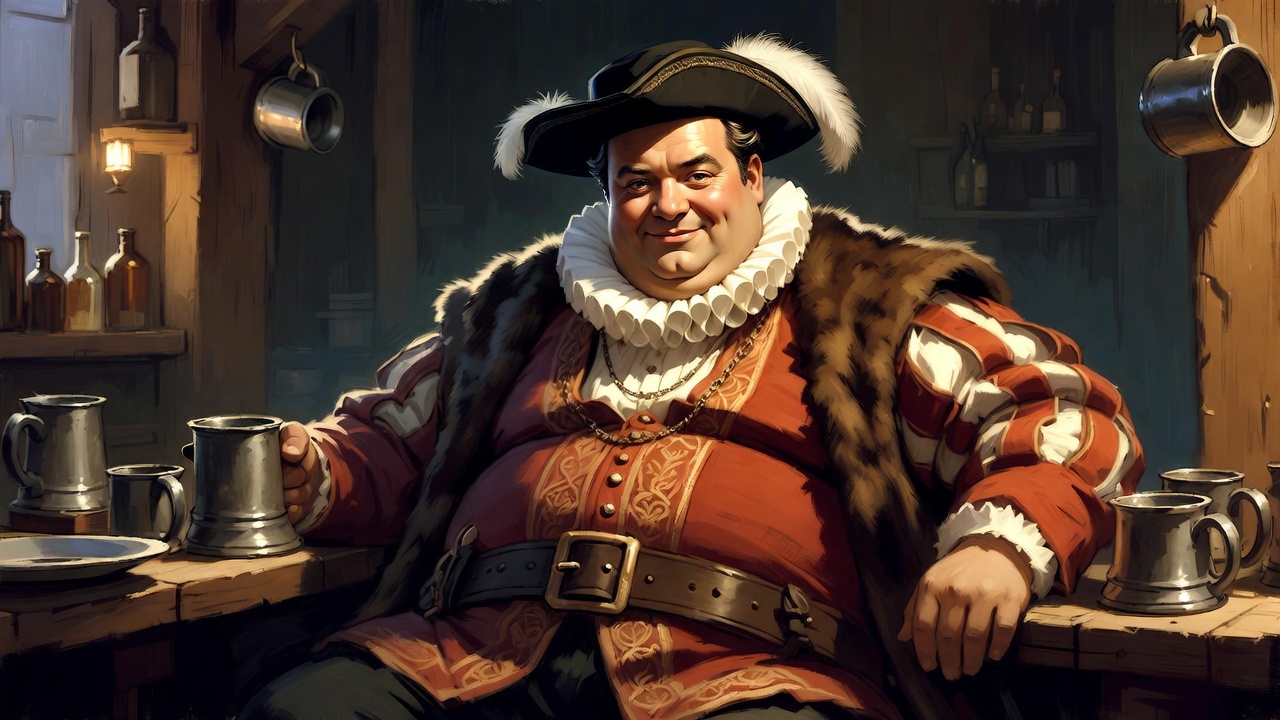
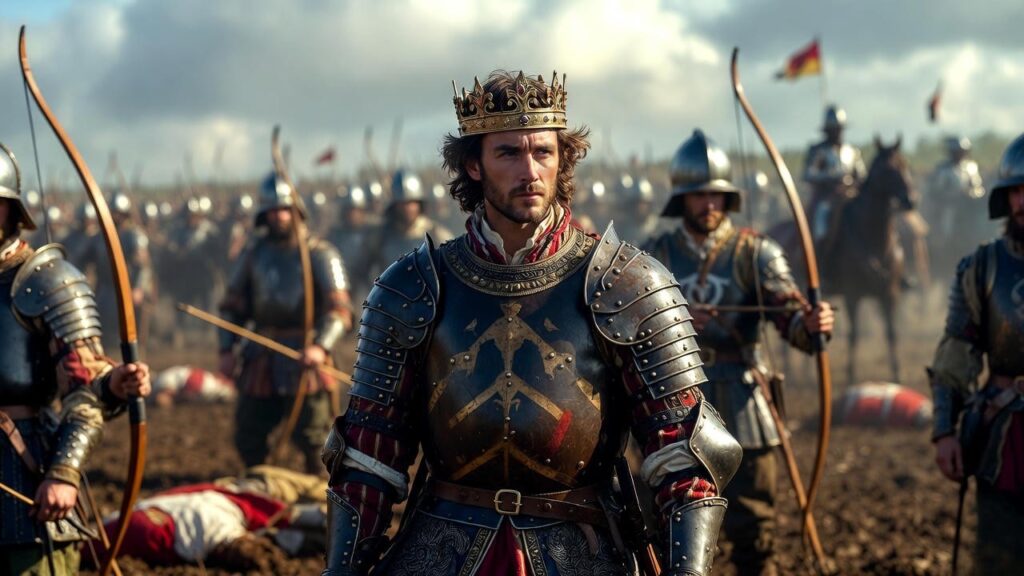
Big Daddy V’s immense girth recalls Falstaff in Henry IV—a comedic giant whose size is both humorous and imposing—combined with Henry VIII’s tyrannical authority. Mark Henry’s strength evokes Coriolanus, the proud warrior whose physical prowess defines him.
Their signature shoulder blocks, shaking the ring like an earthquake, mirror seismic omens in Julius Caesar or the stormy disruptions in King Lear. In Shakespeare, the body often symbolizes power; in WWE, these monsters made that literal.
Tragic Hubris and Unstoppable Forces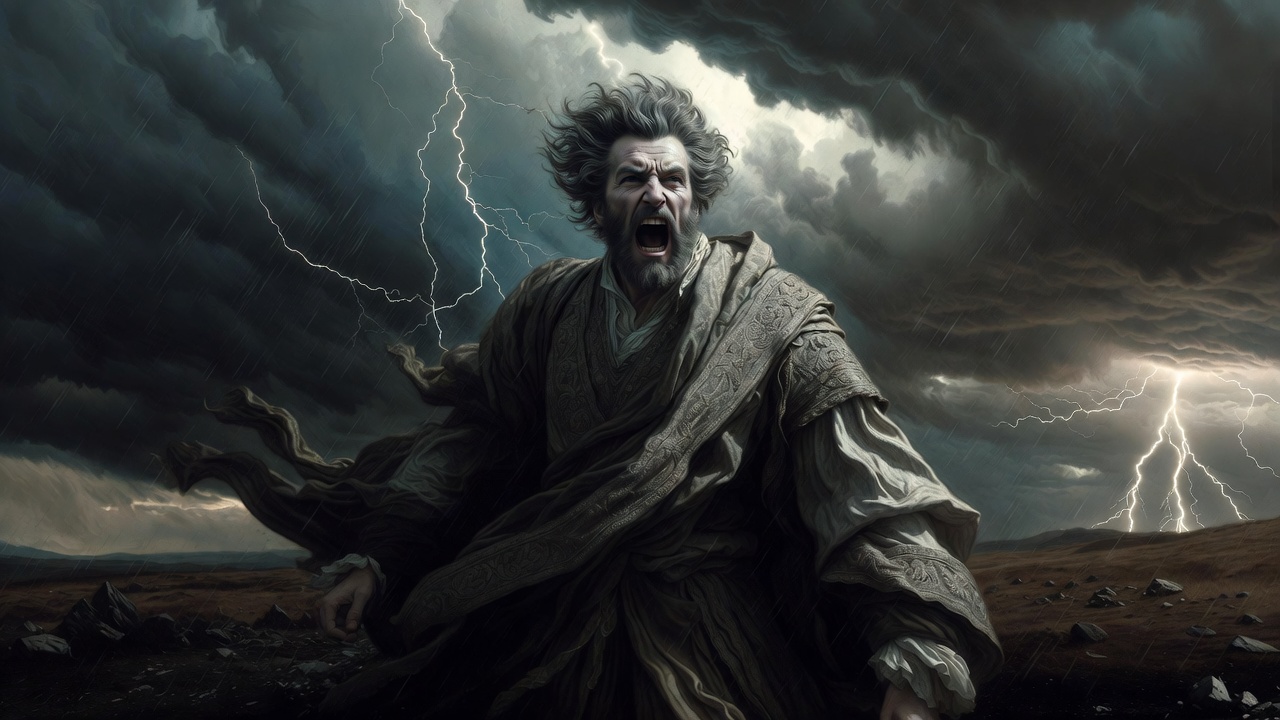
Mark Henry’s “World’s Strongest Man” claim parallels Macbeth’s ambition or Coriolanus’ pride—hubris that invites downfall. Big Daddy V, imposing yet ultimately doomed (reflecting Frazier’s real health struggles), echoes Othello’s physical might undermined by manipulation or Lear’s raging authority crumbling under its own weight.
Their brief dominance was tragic in its impermanence—much like Shakespeare’s flawed titans who rise spectacularly only to fall.
Brothers of Destruction vs. The Duo – Warring Kin and Power Struggles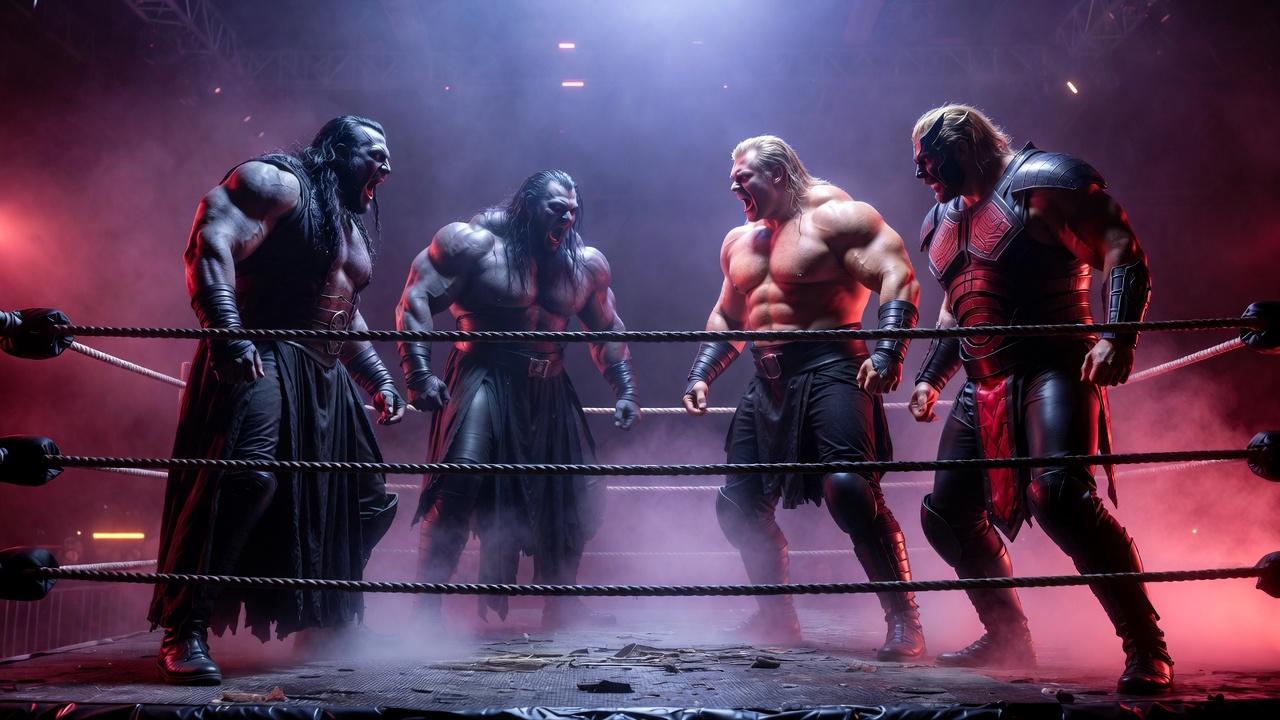
The February 2008 clash with Undertaker & Kane mirrors King Lear‘s divided kingdom or Henry IV‘s royal family conflicts—brothers/fathers vs. rebels, alliances fracturing under power’s strain. Themes of betrayal, loyalty, and monstrous rivalry echo Shakespeare’s histories.
The Spectacle of Excess – WWE as Modern Shakespearean Theater
Scholars note wrestling’s heels as dramatic antagonists, promos as soliloquies, and plot twists as Shakespearean reversals. Big Daddy V & Mark Henry embodied the “spectacle of excess”—grand entrances, over-the-top violence—that Shakespeare used to captivate groundlings, just as WWE entrances and monster clashes captivate modern crowds.
Why This Team Still Matters Today – Lessons for Fans and Scholars
More than 15 years after their last televised tag match, Big Daddy V and Mark Henry continue to resonate with audiences in surprising ways.
For wrestling fans, the duo represents a cherished pocket of nostalgia from the Ruthless Aggression era’s final years. In an industry that has increasingly prioritized speed, technical wrestling, and high-flying athleticism, the sight of two genuine heavyweights delivering earth-shaking offense feels almost mythical. YouTube compilations of their shoulder-block collisions, Armageddon 2007 victory over CM Punk & Kane, and the February 2008 Brothers of Destruction showdown routinely garner tens of thousands of views. Reddit threads in r/SquaredCircle and r/WWE frequently revisit “underrated monster tag teams,” with users lamenting that modern booking rarely allows such pure displays of size and power.
Beyond nostalgia, their partnership offers broader lessons. In an entertainment landscape obsessed with body ideals, Big Daddy V and Mark Henry stood as unapologetic embodiments of size as strength. They forced audiences to confront—and ultimately celebrate—different physiques in positions of dominance. Mark Henry’s legitimate strength credentials added authenticity, while Big Daddy V’s tragic real-life story underscores the health sacrifices many larger performers endure, sparking important conversations about wrestler wellness that persist today.
For scholars and literary enthusiasts, the parallel to Shakespeare remains compelling. Just as the Bard used towering, flawed figures to explore the seductive yet destructive nature of power, WWE used these monsters to dramatize the same themes in a modern arena. Their brief alliance mirrors the fleeting reigns of Shakespeare’s kings—spectacular, imposing, and ultimately impermanent. In an age when streaming platforms make both classic wrestling matches and Shakespearean productions instantly accessible, cross-pollinating the two enriches appreciation of both art forms.
Ultimately, Big Daddy V & Mark Henry remind us that spectacle—whether on the Globe Theatre stage or inside a wrestling ring—thrives when it dares to embrace excess, physicality, and the tragic weight of ambition.
Titans of the Ring and the Stage
Big Daddy V and Mark Henry were never destined for lengthy title reigns or decade-spanning storylines. Their tag-team run was brief, intense, and unforgettable—a flash of pure monstrous power in an evolving WWE landscape. Yet in that short window, they delivered moments of awe-inspiring physicality that still echo through highlight reels and fan memory.
When viewed through a Shakespearean lens, their story gains even greater depth. Like Falstaff’s imposing yet doomed presence, Coriolanus’s prideful strength, or Lear’s raging authority crumbling under its own excess, these two titans embodied the seductive and tragic dimensions of power. Their shoulder blocks shook the ring the way Shakespeare’s storms and omens shook kingdoms; their alliance fractured under creative and personal pressures much as royal families fracture in the histories and tragedies.
Professional wrestling and Shakespearean drama are, at their core, two sides of the same theatrical coin—grand entrances, dramatic confrontations, larger-than-life characters, and audiences who cheer, gasp, and mourn in unison. Big Daddy V and Mark Henry gave us a modern echo of those ancient archetypes: giants who ruled briefly, violently, and memorably before the curtain fell.
So the next time you re-watch their Armageddon 2007 classic or the Brothers of Destruction clash, consider the deeper resonance. You’re not just seeing two big men slapping meat—you’re witnessing a living echo of Shakespeare’s exploration of power, hubris, and the human (and monstrous) condition.
FAQs
Did Big Daddy V and Mark Henry ever win a championship together? No, they never captured tag team gold. Their run was more about spectacle and dominant victories than title pursuits, though they scored high-profile wins over teams like CM Punk & Kane.
What happened to Big Daddy V after 2008? Big Daddy V (Nelson Frazier Jr.) was released from WWE in 2008 amid creative shifts and health concerns. He made sporadic independent appearances before passing away tragically in February 2014 due to a heart attack.
How does professional wrestling compare to Shakespearean theater? Both rely on heightened drama, archetypal characters (heroes, villains, tragic figures), audience participation, soliloquy-like promos, and explorations of power, ambition, betrayal, and mortality. Wrestling is often called “modern Shakespeare for the masses.”
Was their tag team run planned long-term? No. It emerged organically in ECW and SmackDown storylines, but brand splits, Big Daddy V’s health issues, and WWE’s shift toward a more athletic product ended it prematurely.
Which match is considered their best team performance? Most fans and reviewers point to the Armageddon 2007 tag match against CM Punk & Kane as their finest showcase—blending monster power with high-flying offense in a surprisingly watchable bout.
Are there other WWE tag teams with strong Shakespearean parallels? Yes—think Evolution (ambition and betrayal like Macbeth), The Shield (loyalty and fracture like Julius Caesar), or even The Brothers of Destruction themselves (warring kin like King Lear).
Thank you for reading this deep dive. If you enjoyed the crossover of wrestling history and Shakespearean analysis, explore more insights here on the blog—perhaps our pieces on ambition in Macbeth or power struggles in the history plays.