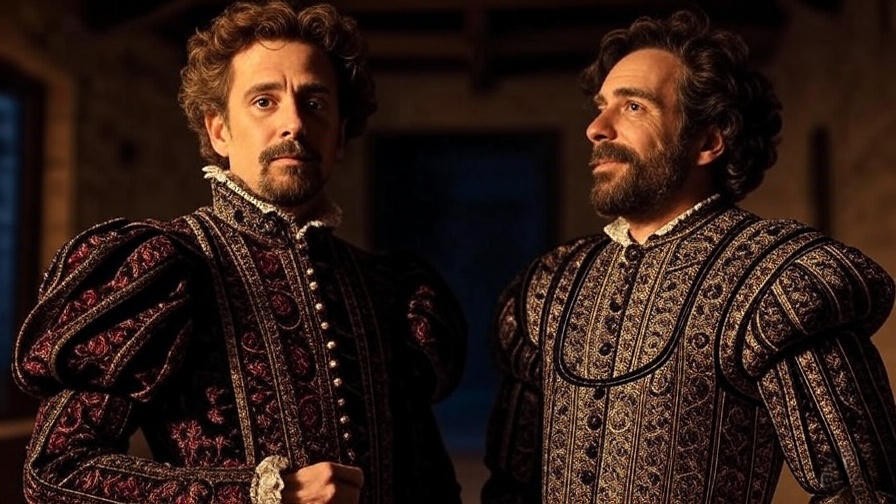
In the final, heart-wrenching act of William Shakespeare’s Romeo and Juliet, a single messenger arrives in Mantua with news that shatters Romeo’s fragile hope. This figure is Balthasar, Romeo’s devoted servant, whose honest report of Juliet’s “death” propels the young lover toward poison, suicide, and the play’s devastating conclusion. Who is Balthasar in Romeo and Juliet? Though a minor character with limited lines, he stands as one of the tragedy’s most pivotal agents—his loyalty, obedience, and unwitting role in miscommunication make him the loyal servant who truly changed everything.
As a Shakespeare scholar who has studied Elizabethan drama, servant-master dynamics, and the structural brilliance of Romeo and Juliet for years, I often find that readers and students overlook figures like Balthasar. Yet understanding him unlocks deeper layers of the play’s themes: fate versus free will, the dangers of haste, class hierarchies, and the fragility of communication in a world governed by rumor and timing. This comprehensive guide explores Balthasar’s identity, actions, significance, and legacy—drawing on direct textual evidence from the First Folio, historical context, scholarly debates, and comparisons across adaptations—to provide more insight than typical summaries offer.
Who Is Balthasar? Basic Identity and Background
Balthasar is Romeo’s trusted manservant in the House of Montague, a role that places him firmly within the Elizabethan social order where servants were extensions of their masters’ households—bound by duty, yet sometimes sharing intimate confidences.
Balthasar’s Role as Romeo’s Servant
In Shakespeare’s Verona, servants like Balthasar are not mere background figures; they facilitate the private lives of the nobility. Balthasar attends Romeo closely, handling practical matters such as travel, messages, and even the secret logistics of romance. His loyalty mirrors that seen in other Shakespearean servants (e.g., the Nurse to Juliet), but with a quieter, more steadfast tone. Unlike the boisterous Sampson and Gregory in the opening brawl, Balthasar embodies quiet devotion, rarely questioning orders even when they lead to peril.
This dynamic reflects real Elizabethan master-servant relationships: loyalty was expected, often enforced by threats or affection. Balthasar’s actions show genuine care—he worries for Romeo’s safety—yet his position limits intervention.
His Name and Origins
The name “Balthasar” carries symbolic weight. In Christian tradition, Balthasar (or Balthazar) is one of the Three Magi who brought gifts to the infant Jesus, evoking themes of journey, revelation, and tragic irony—here, the “gift” he brings is fatal news. Shakespeare often chose names with resonance; Balthasar’s biblical echo contrasts the play’s pagan “fate” and stars, underscoring how divine providence twists into human tragedy.
Unlike more generic servant names, this choice elevates him slightly, hinting at his importance in the narrative machinery.
How Minor Characters Like Balthasar Fit Shakespeare’s Dramatic Structure
Shakespeare masterfully uses minor characters for exposition, comic relief, or plot propulsion. Balthasar belongs to the latter category—similar to the Apothecary or Friar John—whose small actions trigger massive consequences. In a play driven by chance encounters and failed messages, Balthasar’s role exemplifies how the tragedy hinges on ordinary people caught in extraordinary events.
Balthasar’s Key Appearances and Actions in the Play
Though he speaks only about a dozen lines, Balthasar appears at critical junctures.
Early Mentions and the Rope Ladder Scene (Implied Role in Act 3)
Balthasar is implied in Act 3, Scene 2–3, where he likely delivers the rope ladder for Romeo’s wedding-night visit to Juliet’s chamber. This silent assistance underscores his reliability in the lovers’ clandestine world.
The Fateful Message – Act 5, Scene 1 (Mantua)
The scene opens with Romeo in optimistic exile, dreaming of joyful news. Balthasar enters “booted,” signaling haste from Verona. Romeo eagerly asks after Juliet, declaring, “For nothing can be ill, if she be well.”
Balthasar’s response is measured yet devastating:
“Then she is well, and nothing can be ill: Her body sleeps in Capel’s monument, And her immortal part with angels lives. I saw her laid low in her kindred’s vault, And presently took post to tell it you: O, pardon me for bringing these ill news, Since you did leave it for my office, sir.”
This polite, apologetic delivery highlights Balthasar’s courtesy and sorrow. He witnessed the burial (part of the Friar’s plan) and rushed to inform his master—fulfilling his duty without knowing the full scheme.
Romeo’s reaction—”Then I defy you, stars!”—marks the turning point. Balthasar tries to calm him: “I do beseech you, sir, have patience: / Your looks are pale and wild, and do import / Some misadventure.” But Romeo, in grief, sends him for horses and poison.
The Tomb Scene – Act 5, Scene 3
Balthasar accompanies Romeo to the Capulet monument. Romeo orders him to stand aloof: “Whate’er thou hear’st or seest, stand all aloof, / And do not interrupt me in my course.”
Balthasar, sensing danger, hides nearby: “[Aside] For all this same, / I’ll hide me hereabout: / His looks I fear, and his intents I doubt.”
When Friar Laurence arrives, Balthasar reveals Romeo’s presence. Later, he recounts his dream of Romeo fighting and provides the letter Romeo intended for Montague—helping resolve the tragedy’s aftermath.
Why Balthasar Matters: His Pivotal Role in the Tragedy
Balthasar is no mere messenger; his actions catalyze the catastrophe.
The Messenger of Misfortune – How One Report Seals the Doom
The irony is cruel: Balthasar arrives before Friar John’s explanatory letter (delayed by plague). His eyewitness account convinces Romeo of Juliet’s death, leading to the poison purchase. Without this timely (yet false) news, Romeo might have waited—altering the ending.
This underscores Shakespeare’s theme of miscommunication: letters fail, rumors spread, and honest reports mislead.
Loyalty vs. Complicity: Was Balthasar Partly Responsible?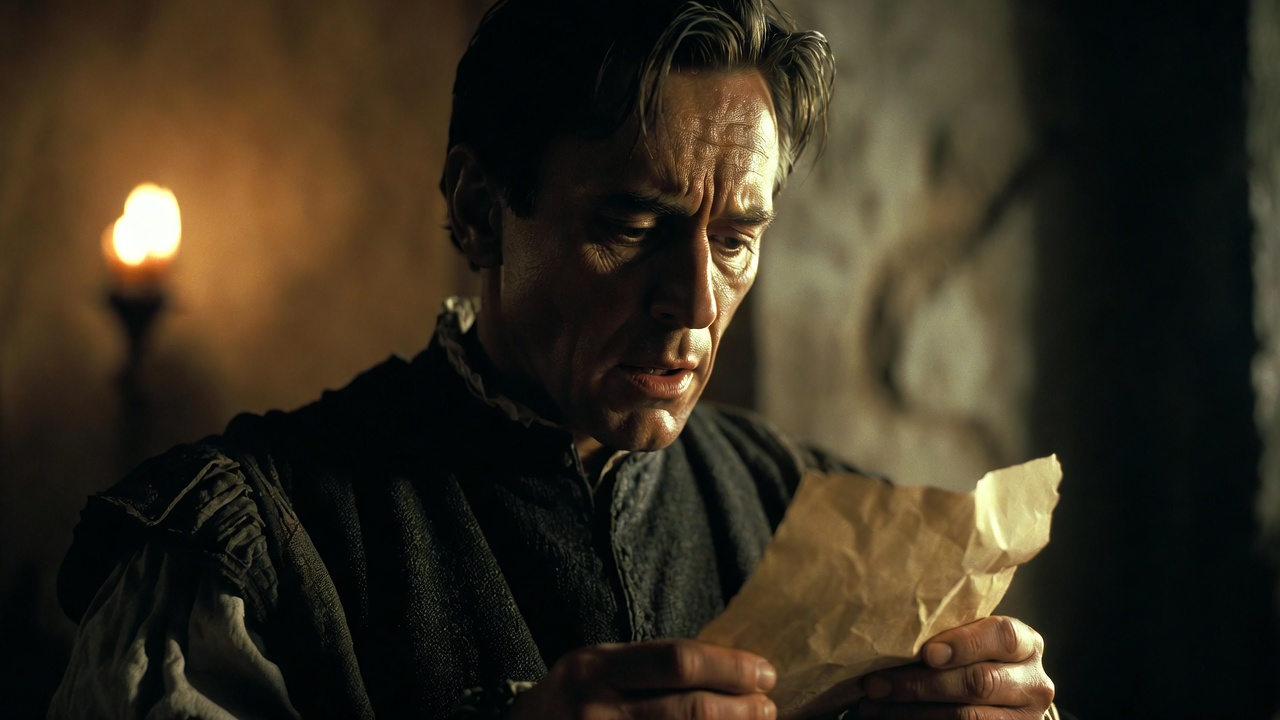
Scholars debate this. Balthasar obeys Romeo unquestioningly, even when suspecting suicide. In Act 5, Scene 3, Romeo threatens death if interrupted; Balthasar retreats out of fear and duty.
Some critics argue this obedience makes him complicit—his inaction allows the suicides. Others defend him: as a servant, defiance risked punishment, and Elizabethan audiences valued hierarchy. His concern (“His looks I fear”) shows moral awareness, yet class binds him.
Compared to Friar John’s quarantine failure, Balthasar’s “sin” is passive—loyalty as tragic flaw.
Symbolic and Thematic Significance
Balthasar embodies fate’s ordinary instruments. His passivity contrasts Romeo’s impulsiveness, amplifying how small, dutiful acts fuel chaos. He reflects master-servant bonds: affection exists, but power imbalances limit agency.
In a play about rebellion against authority, Balthasar’s obedience highlights the cost of conformity.
Key Quotes from Balthasar and Their Meaning
Here are pivotal lines with analysis:
- “Then she is well, and nothing can be ill: / Her body sleeps in Capel’s monument…” (5.1) — Gentle phrasing softens horror; ironic since Juliet lives.
- “O, pardon me for bringing these ill news…” (5.1) — Shows empathy and duty.
- “I do beseech you, sir, have patience…” (5.1) — Concern for Romeo’s wild state.
- “[Aside] For all this same, / I’ll hide me hereabout…” (5.3) — Reveals doubt and care.
- “I brought my master news of Juliet’s death…” (5.3, recounting) — Provides closure.
These quotes reveal a character of quiet integrity.
Balthasar in Adaptations and Performances
Shakespeare’s minor characters often gain new life (or remain shadowy) depending on how directors interpret them. Balthasar’s portrayal across film, stage, and modern retellings reveals much about shifting attitudes toward loyalty, class, and tragedy.
Film Versions
Franco Zeffirelli’s 1968 film adaptation remains one of the most faithful to the text. Here, Balthasar (played by Antonio Pierfederici) is quiet and dignified—his Mantua scene is understated, with a sorrowful expression that underscores the servant’s genuine grief. The camera lingers on his face during Romeo’s outburst, emphasizing emotional weight over spectacle.
In Baz Luhrmann’s 1996 postmodern reimagining, Jesse Bradford portrays Balthasar as a young, stylish companion riding a motorcycle into the modern “Verona Beach.” The character retains his loyalty but gains a slightly more contemporary edge—his concern for Romeo feels like that of a close friend rather than a strictly hierarchical servant. The delivery of the news is frantic and cinematic, amplifying the sense of urgency and modern media saturation.
More recent adaptations, such as the 2013 film directed by Carlo Carlei, tend to streamline Balthasar’s role, sometimes reducing his tomb-scene dialogue to heighten visual drama. In contrast, animated or abridged versions (including some educational Shakespeare retellings) frequently cut him entirely, which underscores how easily this “messenger of misfortune” can disappear when the focus narrows to the star-crossed lovers alone.
Stage Interpretations
On stage, directors have considerable freedom to color Balthasar’s character. In traditional productions, he is often played as older, deferential, and almost fatherly—his aside in the tomb scene delivered with visible anguish. Some modern stagings introduce subtle physical business: a hesitant hand reaching toward Romeo, a glance of alarm, or even tears that Romeo does not see.
Progressive interpretations sometimes highlight class tension. In certain productions (notably those influenced by Marxist or postcolonial readings), Balthasar’s obedience is portrayed as internalized oppression—his failure to intervene becomes a commentary on how power structures silence the lower classes even when they recognize impending disaster.
Directors occasionally amplify his presence for comic or ironic effect early in the play, only to pivot to tragic gravity in Act 5, creating an emotional arc for the character that the text itself only implies.
Why He’s Often Underplayed – and Why He Shouldn’t Be
Balthasar is frequently underplayed because he has few lines and no soliloquies—easy to treat as functional rather than human. Yet doing so misses Shakespeare’s genius: the tragedy depends on ordinary people making ordinary choices. A richly performed Balthasar reminds audiences that fate operates through humble agents, not only through kings and lovers. Actors who lean into his quiet concern and moral conflict give the play greater emotional texture and philosophical depth.
Common Questions About Balthasar Answered (FAQ Section)
Is Balthasar a main character? No. He is a minor character with limited stage time and dialogue. However, his impact on the plot is outsized—making him one of the most consequential minor figures in all of Shakespeare.
What does Balthasar do in Romeo and Juliet? He serves as Romeo’s loyal attendant, assists with secret arrangements (implied), delivers the false report of Juliet’s death to Romeo in Mantua, accompanies him to the tomb, and later provides an eyewitness account and letter to help explain the tragedy to the Prince and Montague.
Why didn’t Balthasar stop Romeo from killing himself? Balthasar obeys Romeo’s explicit command to stand aloof and not interfere. He expresses fear and doubt in an aside, but as a servant, open defiance could mean severe punishment or death. His position limits his agency.
How is Balthasar different from other servants in the play? Unlike the quarrelsome Sampson and Gregory or the garrulous, emotionally expressive Nurse, Balthasar is restrained, courteous, and deeply loyal. He rarely speaks unless addressed and shows concern without overstepping his role.
Does Balthasar appear in the original source story? Arthur Brooke’s 1562 poem The Tragical History of Romeus and Juliet (Shakespeare’s primary source) includes a servant who performs similar functions, but he is unnamed and less developed. Shakespeare gives him the resonant name Balthasar and adds subtle emotional nuance.
Is Balthasar complicit in the tragedy? This is debated. Some critics see his strict obedience as a contributing factor; others view him as a victim of circumstance and social hierarchy. Shakespeare leaves the moral question open, inviting reflection.
What is the symbolic meaning of Balthasar’s name? “Balthasar” evokes one of the biblical Magi—suggesting a bearer of important tidings. In the play, the “tidings” he brings ironically lead to death rather than salvation, heightening the tragic irony.
Study Tips and Insights for Students and Teachers
Understanding Balthasar enriches essays, discussions, and performances. Here are targeted resources and prompts:
- Essay Prompts
- “To what extent is Balthasar responsible for the deaths of Romeo and Juliet? Discuss with reference to loyalty, class, and fate.”
- “How does Shakespeare use minor characters like Balthasar to explore the theme of miscommunication?”
- “Compare Balthasar’s role to that of the Nurse or Friar Laurence as ‘helpers’ who inadvertently contribute to the tragedy.”
- Discussion Questions
- If Balthasar had disobeyed Romeo and alerted someone, could the tragedy have been averted?
- How does Balthasar’s obedience reflect Elizabethan attitudes toward social hierarchy?
- In a modern retelling, how might you rewrite Balthasar’s actions to give him more agency?
- Quick Comparison Table
| Character | Role | Key Action | Outcome / Consequence | Moral Tension |
|---|---|---|---|---|
| Balthasar | Romeo’s servant | Delivers false death news | Triggers Romeo’s suicide plan | Loyalty vs. potential intervention |
| Nurse | Juliet’s confidante | Arranges meetings, later advises bigamy | Emotional support but pragmatic betrayal | Love vs. practicality |
| Friar Laurence | Spiritual advisor | Marries couple, devises fake death | Plan fails due to timing | Good intentions vs. reckless risk |
- Recommended Further Reading – Folger Shakespeare Library edition of Romeo and Juliet (excellent notes on minor characters) – Shakespeare’s Servants by David Schalkwyk (explores class and obedience) – SparkNotes and No Fear Shakespeare for quick scene summaries – Academic articles on fate and agency in Romeo and Juliet (JSTOR or Google Scholar)
Balthasar may speak few lines and carry no sword, yet he is the hinge on which the tragedy turns. The loyal servant who changed everything does so not through ambition or malice, but through faithful obedience and the simple act of telling the truth—at the worst possible moment. His story reminds us that in Shakespeare’s universe, catastrophe rarely arrives announced by thunder; it slips in quietly, carried on the tongue of someone who only wanted to serve.
Re-reading Act 5 with Balthasar in mind transforms the experience. You begin to notice how every messenger, every letter, every hurried decision matters. In our own era of instant communication and viral misinformation, Balthasar’s role feels hauntingly relevant: one honest report, delivered in good faith, can still alter destinies forever.