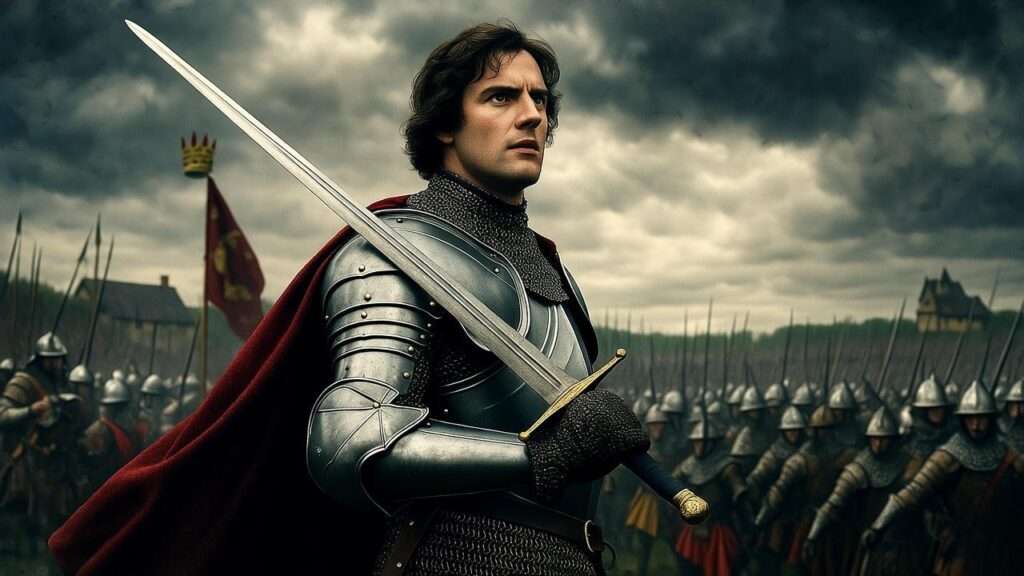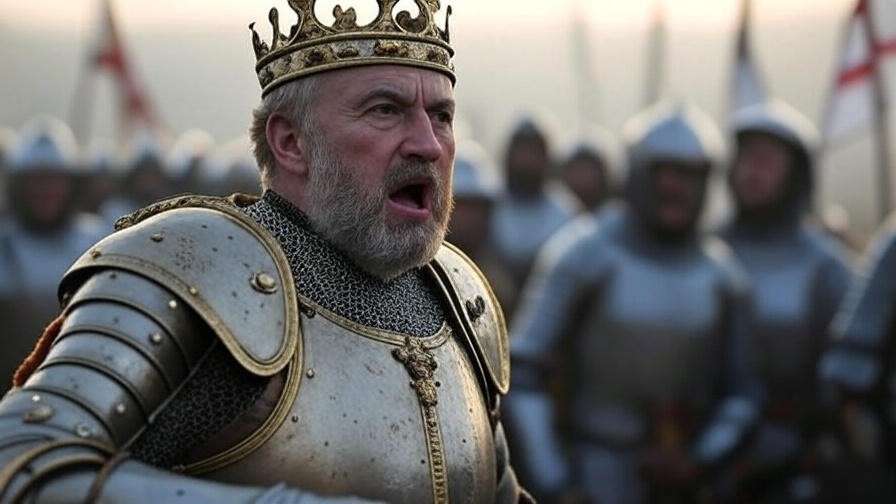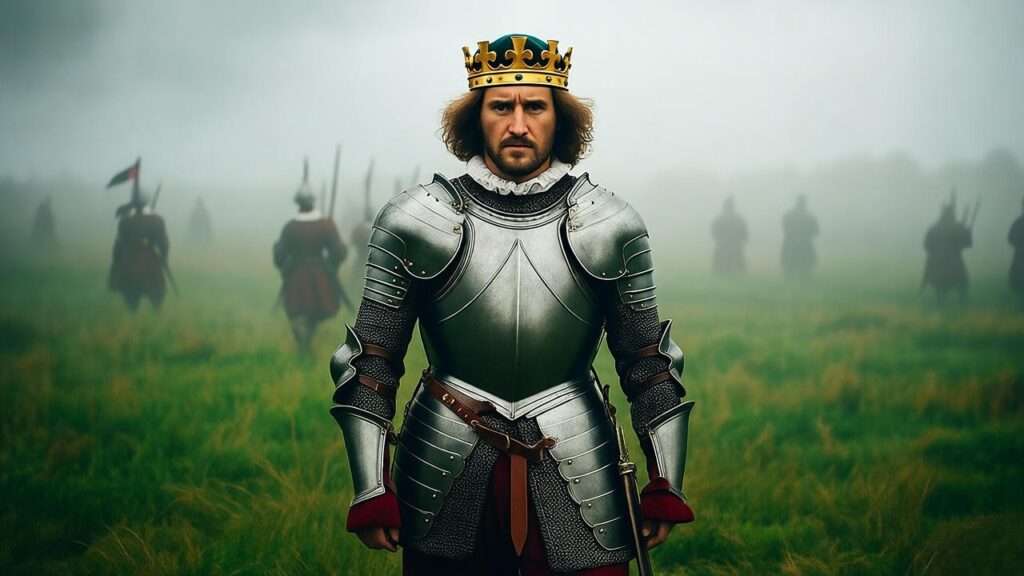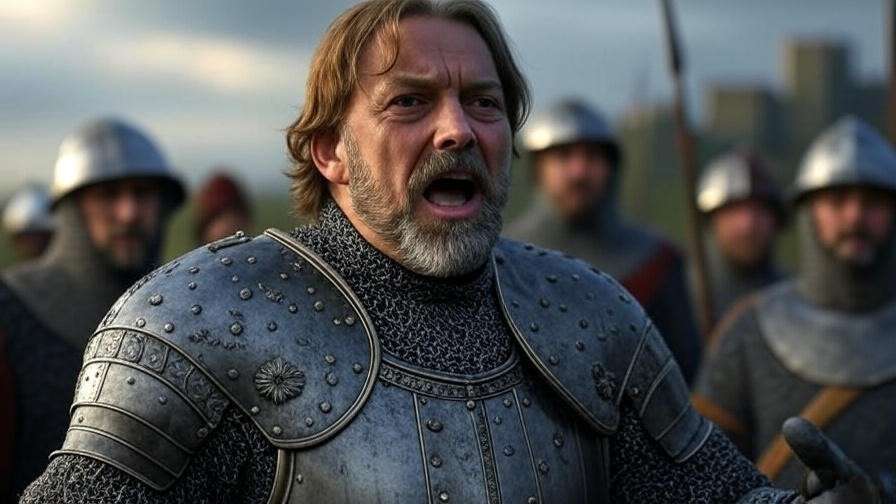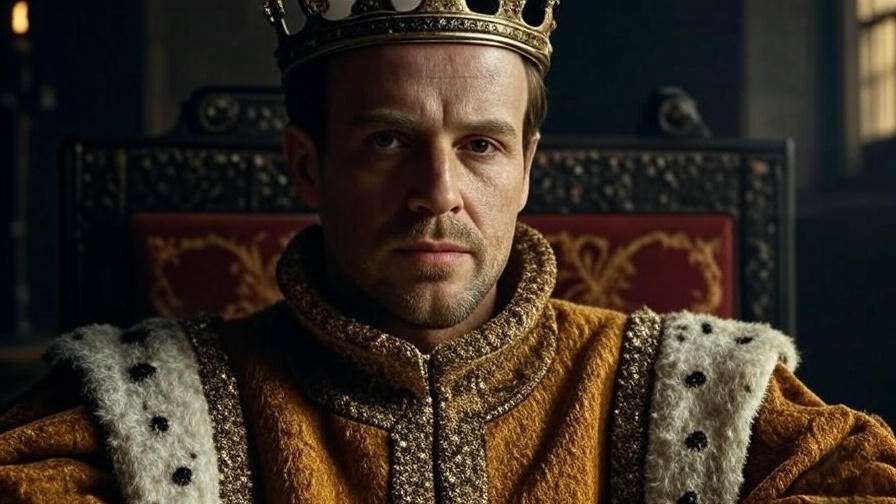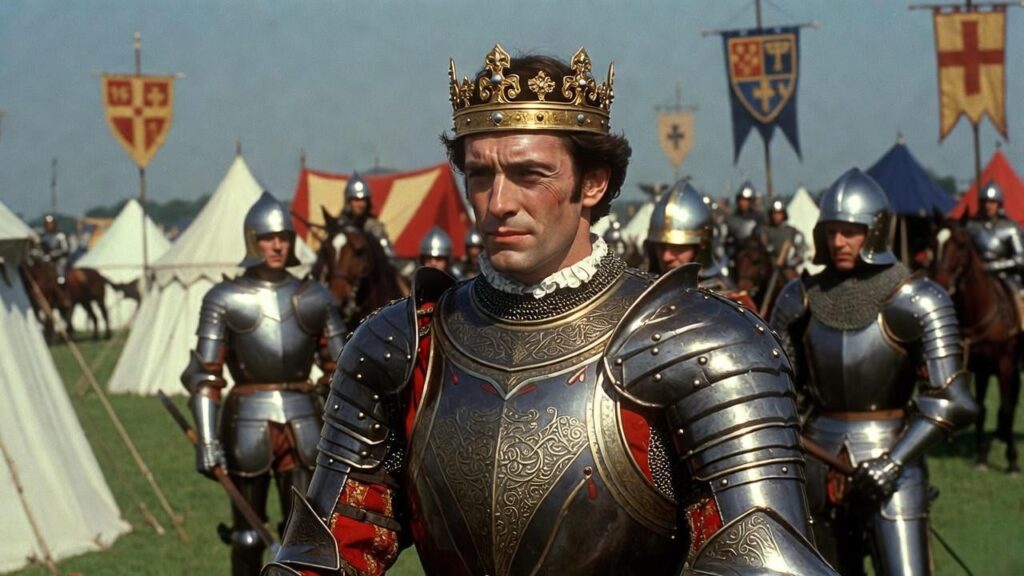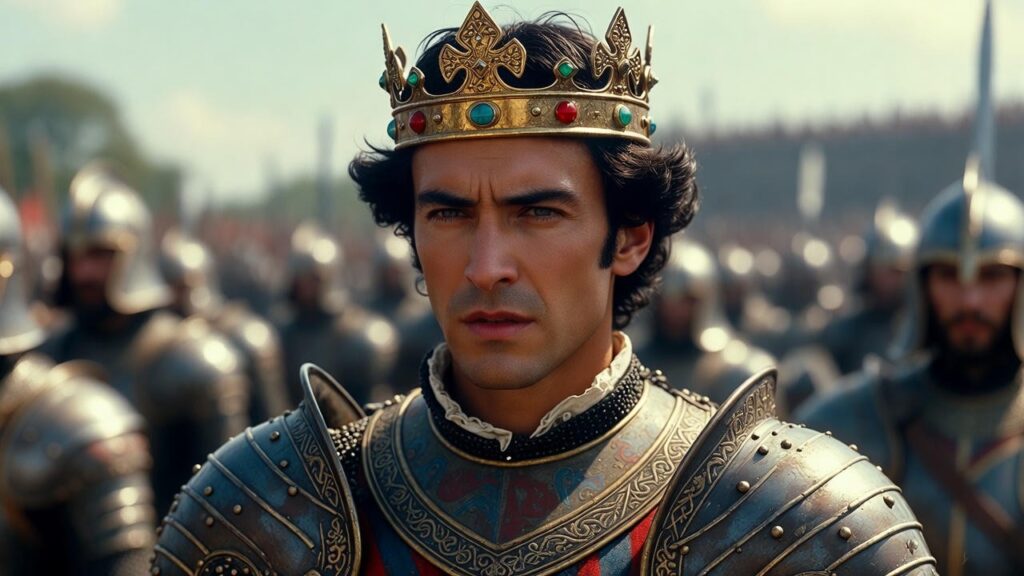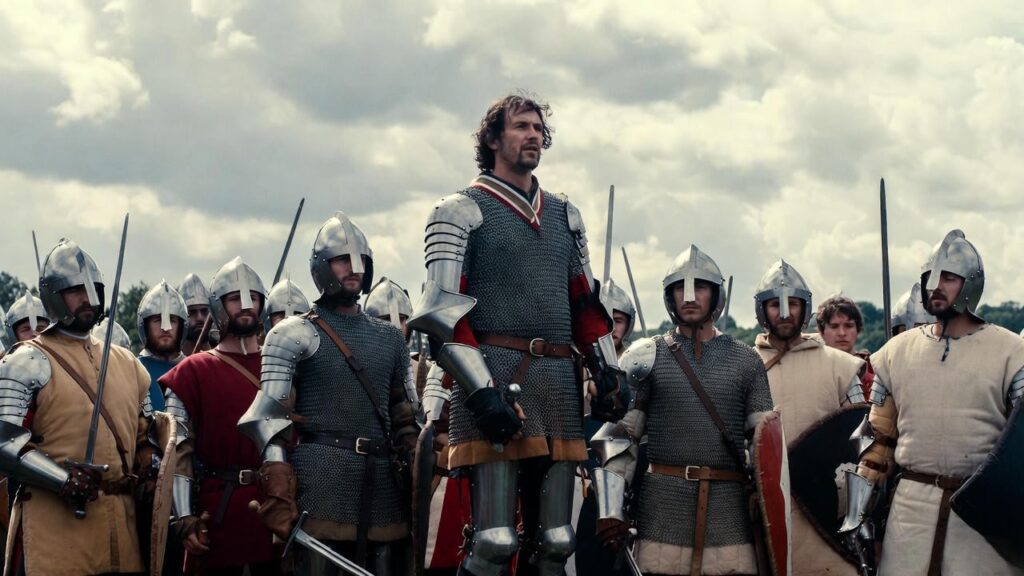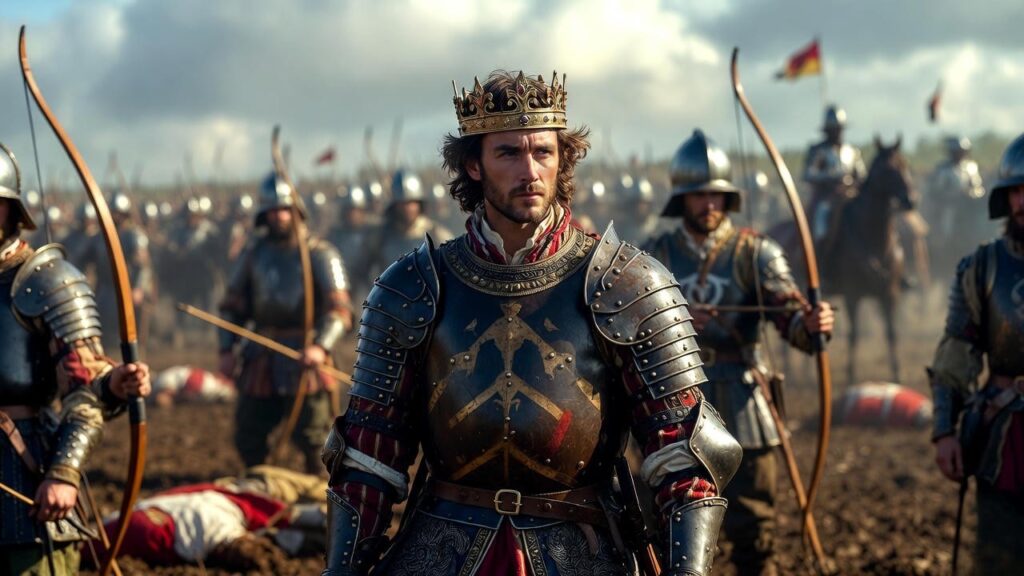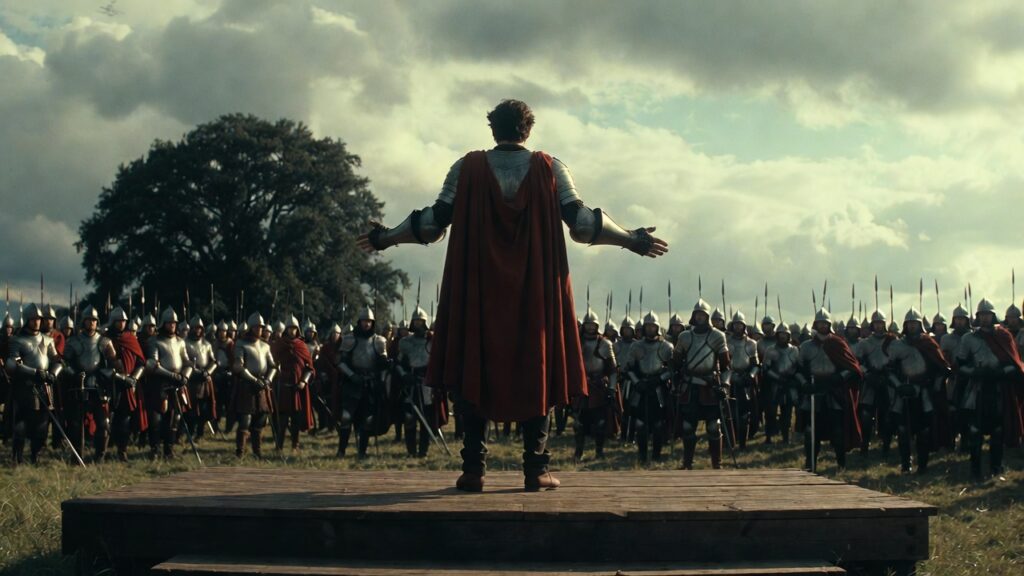
“We few, we happy few, we band of brothers…”
These immortal words, spoken by King Henry V on the eve of the Battle of Agincourt, resonate through centuries as one of Shakespeare’s most powerful declarations of unity and shared destiny. In Henry V, the focus keyword “henry v brothers” captures a fascinating duality: the literal royal siblings—Henry’s younger brothers, the Dukes of Clarence, Bedford, and Gloucester—and the revolutionary metaphorical brotherhood that Henry forges with his entire army. This phrase isn’t just poetic flair; it’s the heart of the play’s exploration of leadership, loyalty, social hierarchy, and the transformative power of shared sacrifice.
Many readers and students encounter confusion when diving into Shakespeare’s Henriad: Are the “brothers” simply Henry’s biological family members who appear in the text? Or does the term point to something deeper—the egalitarian bond that elevates common soldiers to noble status? This article resolves that ambiguity comprehensively. Drawing from the primary text of Henry V (circa 1599), historical sources like Holinshed’s Chronicles, and centuries of scholarly analysis, we explore both dimensions. Whether you’re a literature student preparing for exams, a theater enthusiast analyzing adaptations, a leader seeking timeless inspiration, or simply someone captivated by Shakespeare’s genius, you’ll find clear insights here that go beyond surface-level summaries.
Shakespeare’s Henry V transforms a historical king’s family ties into a universal symbol of camaraderie amid adversity. By the end, you’ll understand why “band of brothers” endures as a cultural touchstone, from wartime morale boosters to modern motivational rhetoric.
Historical Context – Who Were Henry V’s Real Brothers?
To appreciate Shakespeare’s artistry, we must first ground the play in history. The real King Henry V (1386–1422), son of Henry IV, ruled England during a turbulent period of the Hundred Years’ War. He was the eldest of four sons born to Henry IV and Mary de Bohun.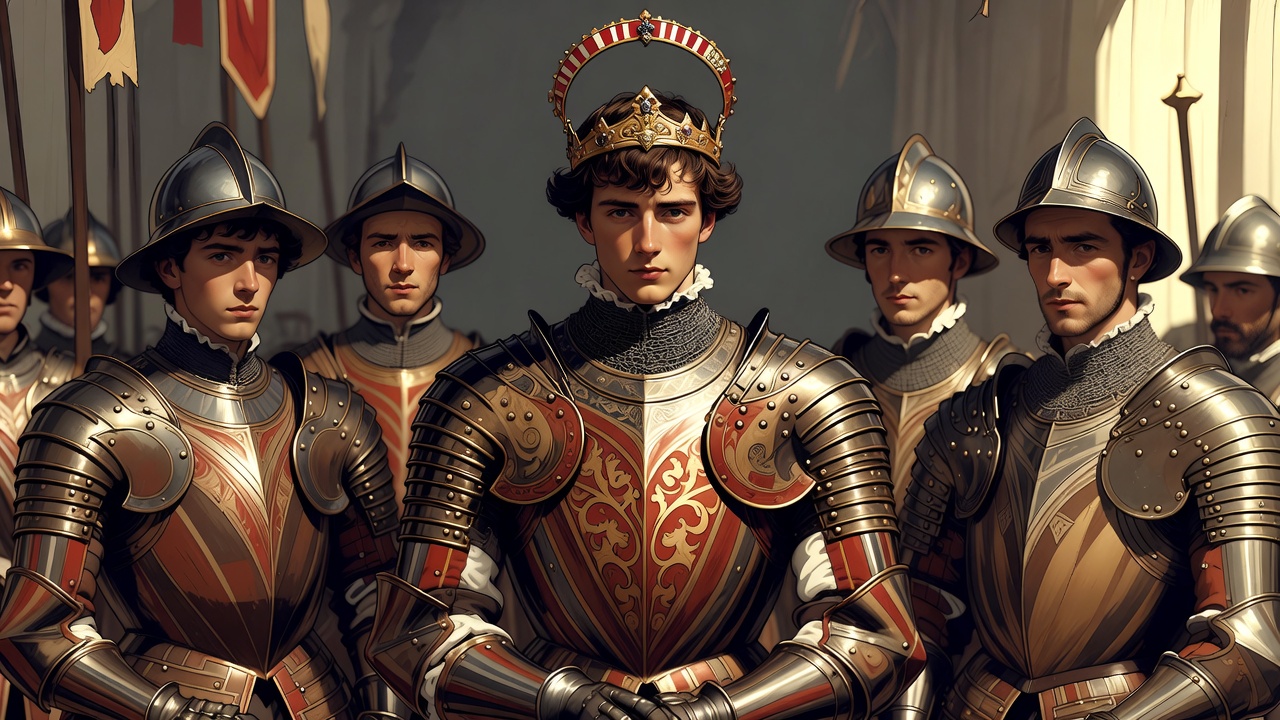
Henry’s three younger brothers were:
- Thomas, Duke of Clarence (1387–1421): The second son, known for his martial prowess and gregarious nature. Historically, he served in campaigns but met a tragic end at the Battle of Baugé in 1421.
- John, Duke of Bedford (1389–1435): A steady, capable administrator who became regent of France after Henry’s death and played a key role in maintaining English holdings.
- Humphrey, Duke of Gloucester (1390–1447): The youngest, nicknamed “Good Duke Humphrey” for his patronage of learning and literature. He was wounded at Agincourt (historical accounts suggest Henry personally saved him from French attackers), and later became a prominent figure during Henry VI’s minority.
These brothers represented the strength of the Lancastrian dynasty—legitimate heirs ensuring continuity amid threats from rival claims (like those lingering from Richard II’s deposition).
The Royal Siblings in Shakespeare’s Sources
Shakespeare drew heavily from Raphael Holinshed’s Chronicles of England, Scotland, and Ireland (1587 edition), which portrayed Henry V as a reformed, heroic king. In Holinshed, the brothers appear in military contexts, but Shakespeare condenses events for dramatic effect. The play compresses the timeline, focusing on the 1415 Agincourt campaign rather than Henry’s full reign.
The brothers’ presence underscores royal legitimacy: they flank Henry in council scenes and the battlefield, symbolizing familial solidarity. Yet Shakespeare subordinates their individual stories to the king’s arc, using them sparingly to highlight themes of unity over dynastic intrigue.
Dramatic vs. Historical Accuracy
Shakespeare takes liberties for theatrical impact. Historically, Bedford remained in England as regent during Agincourt, not fighting alongside Henry. Clarence was absent too, dying later. Gloucester was present and wounded, but details vary.
In the play, all three brothers are listed among the nobles, with Bedford and Gloucester named explicitly in the St. Crispin’s Day speech: “Harry the King, Bedford and Exeter, Warwick and Talbot, Salisbury and Gloucester.” Clarence receives fewer lines—often a mute or minor role in productions due to Elizabethan doubling practices (actors playing multiple parts).
This compression serves the drama: the brothers reinforce Henry’s isolation as king (he outgrows youthful bonds) while modeling loyalty. Unlike the rebellious Hotspur or Falstaff’s crew in earlier plays, these siblings embody steadfast support, contrasting the play’s exploration of fractured unity.
Expert insight: Shakespeare’s choice reflects Elizabethan concerns with succession and stability under Elizabeth I—no direct heirs, fears of civil war. The royal brothers subtly affirm the benefits of legitimate, unified rule.
The Literal Brothers on Stage – Roles and Significance in Henry V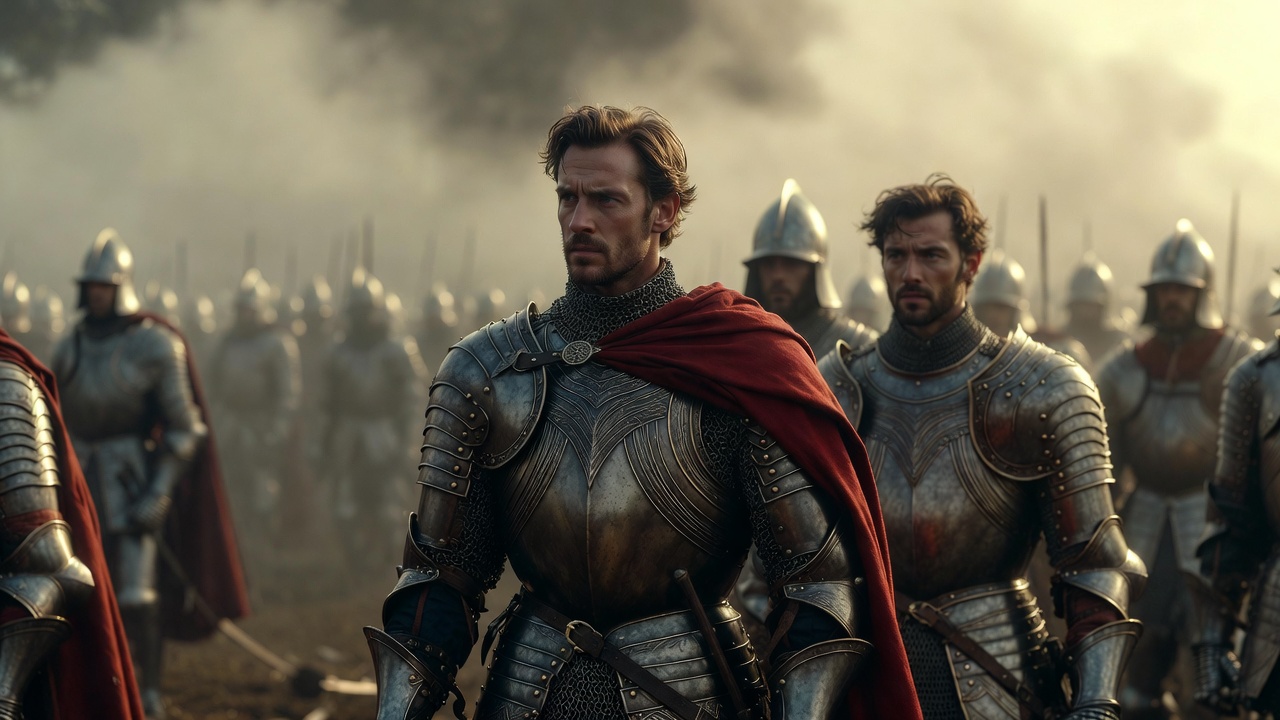
Shakespeare’s Henry V features the brothers as supporting characters who appear in key scenes but rarely dominate dialogue. Their limited roles emphasize thematic points over character development.
Duke of Gloucester (Humphrey)
Humphrey, the youngest, has the most stage presence among the brothers. He accompanies Henry in council (Act 1), appears during the siege of Harfleur, and stands by his brother at Agincourt. In Act 4, Scene 1, he helps guard the camp, showing quiet loyalty. His presence illustrates familial devotion—gentle, supportive, never challenging the king’s authority.
Duke of Bedford (John)
Bedford receives prominent mention in the St. Crispin’s Day speech, listed right after “Harry the King.” This honors his historical reputation as a reliable leader. On stage, he symbolizes the royal family’s martial strength, though his lines are minimal.
Duke of Clarence (Thomas)
Clarence is the most underutilized—often silent or with lines reassigned in performance. Historically ambitious, in the play he fades into the background, perhaps to avoid complicating Henry’s heroic portrayal.
Analysis: These literal brothers ground the drama in royal legitimacy, providing a contrast to the common soldiers. They represent blood ties by birth, yet Shakespeare pivots to a greater bond: blood shed in battle. This shift democratizes nobility, a radical idea for the era.
Key takeaway: The royal siblings support the king’s authority but remain secondary. Their subdued roles amplify the play’s central innovation—the creation of a voluntary, merit-based brotherhood.
The Iconic “Band of Brothers” – Shakespeare’s Masterful Metaphor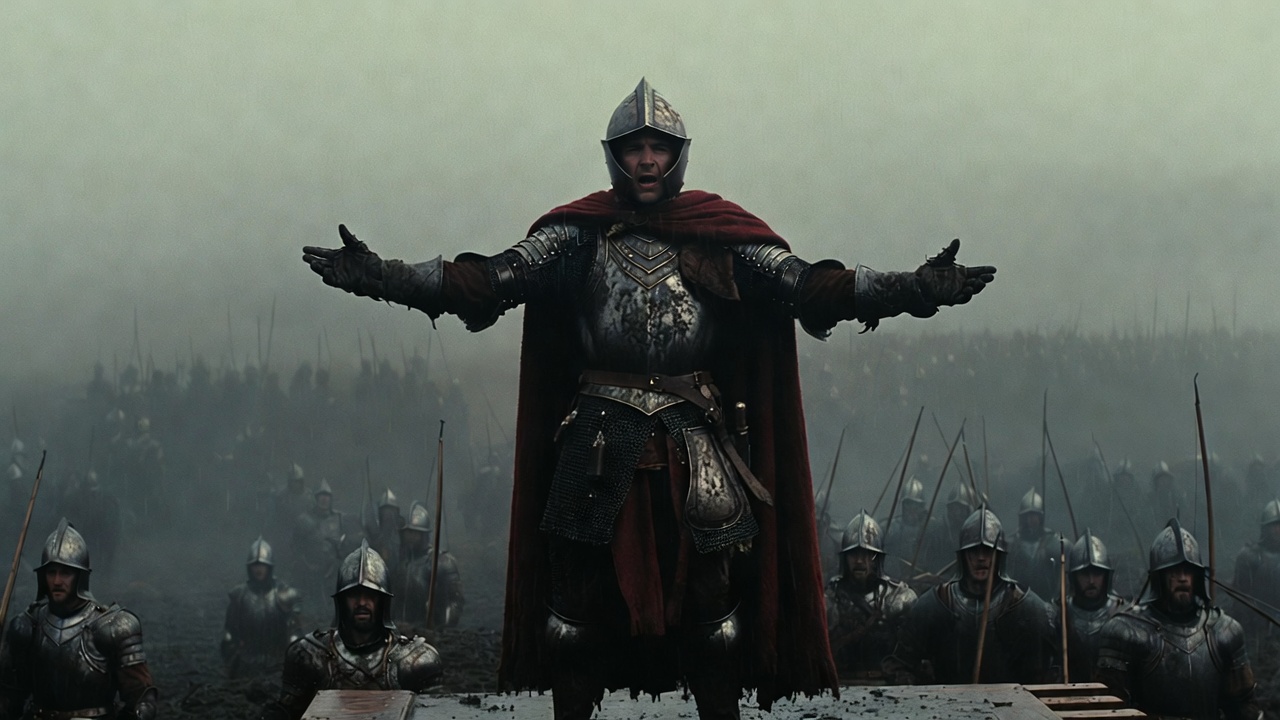
The heart of “henry v brothers” lies in Act IV, Scene iii—the St. Crispin’s Day speech. Outnumbered five-to-one, weary English troops face annihilation. Westmoreland wishes for more men; Henry responds with one of literature’s greatest orations.
Full Context of the St. Crispin’s Day Speech (Act IV, Scene iii)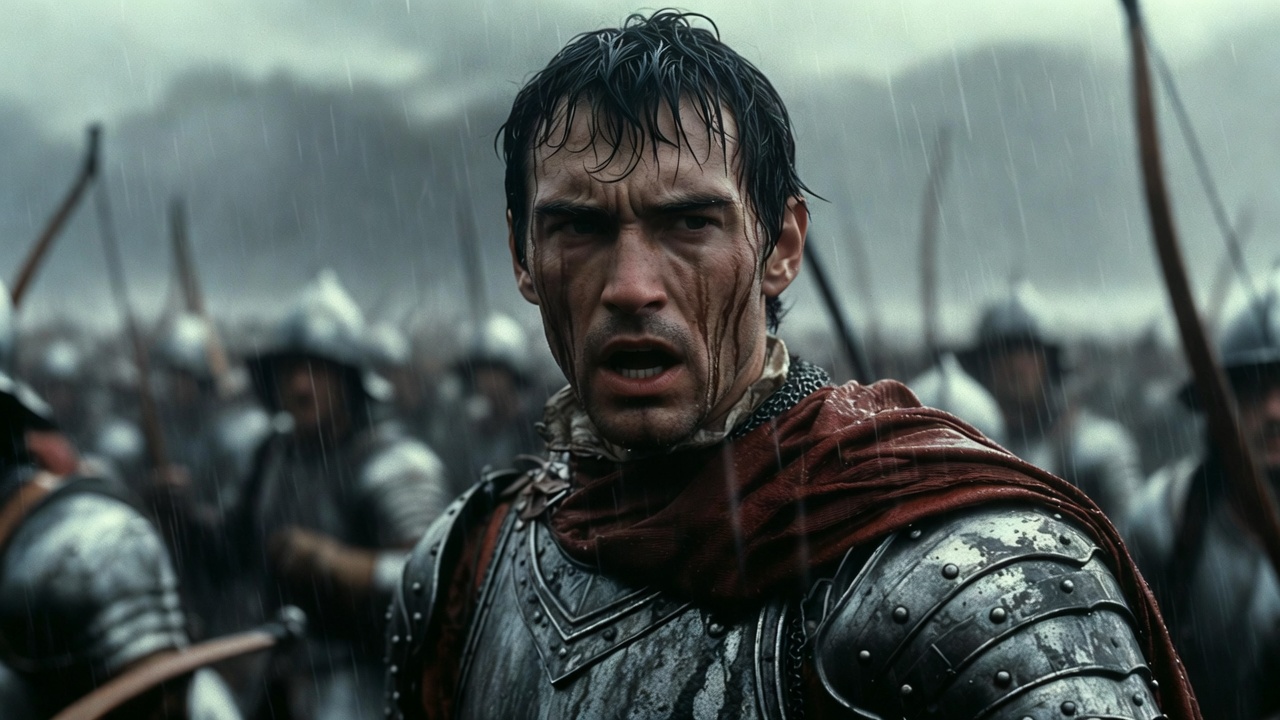
The scene unfolds in the English camp near Agincourt on October 25, 1415 (St. Crispin’s feast day). Henry overhears Westmoreland’s lament and transforms despair into inspiration.
Key excerpt (modernized for clarity):
“This day is called the feast of Crispian… He that outlives this day, and comes safe home, Will stand o’ tiptoe when the day is named… Then shall our names, Familiar in his mouth as household words— Harry the King, Bedford and Exeter, Warwick and Talbot, Salisbury and Gloucester— Be in their flowing cups freshly remember’d… We few, we happy few, we band of brothers; For he to-day that sheds his blood with me Shall be my brother; be he ne’er so vile, This day shall gentle his condition…”
From Royal Blood to Shared Blood
Here Shakespeare achieves genius: Henry includes his literal brothers in the list of future legends but extends brotherhood to every soldier. “Be he ne’er so vile” (low-born) promises social elevation through shared sacrifice. Blood ties by birth give way to bonds forged in combat—democratizing honor.
This inversion subverts feudal hierarchy: nobility comes not from lineage but from courage and loyalty to the king.
Literary Devices and Leadership Lessons
Shakespeare employs masterful rhetoric:
- Anaphora (“We few, we happy few…”): Builds emotional crescendo.
- Inclusive pronouns (“we,” “our”): Fosters unity.
- Antithesis: Few vs. many, death vs. eternal remembrance.
- Imagery: Scars as badges, future feasts, household words.
Cultural Legacy and Modern Resonance of “Band of Brothers”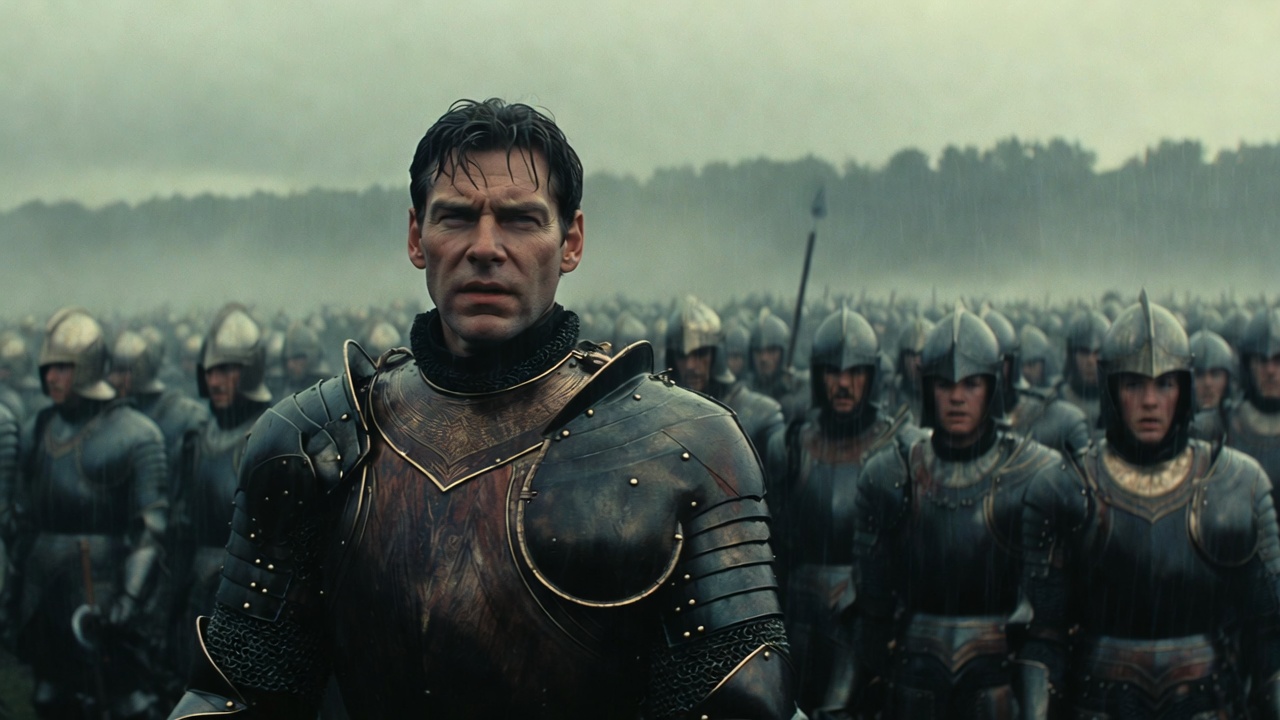
The phrase “band of brothers” has transcended its Shakespearean origins to become one of the most quoted and adapted expressions in the English language. Its journey from a 1599 play to a global cultural shorthand for unbreakable camaraderie illustrates Shakespeare’s unparalleled influence on both high literature and popular culture.
Adaptations and Famous Portrayals
Two cinematic versions stand out for cementing the speech’s power:
- Laurence Olivier’s 1944 film – Released during World War II, this adaptation was explicitly patriotic. Olivier delivered the St. Crispin’s Day speech directly to the camera, speaking as much to 1940s British audiences as to the Elizabethan stage. The film’s timing made “band of brothers” a morale-boosting rallying cry during the darkest days of the war.
- Kenneth Branagh’s 1989 film – Branagh’s grittier, rain-soaked interpretation brought raw emotional intensity. His Henry is exhausted, vulnerable, yet fiercely determined. The speech feels intimate and urgent, emphasizing personal sacrifice over grand rhetoric. Many scholars and audiences consider Branagh’s version the definitive modern portrayal because it balances historical realism with psychological depth.
Both films demonstrate how the “band of brothers” concept adapts to different historical moments while retaining its core message of unity in the face of overwhelming odds.
Beyond Shakespeare – From Nelson to WWII to Pop Culture
The phrase quickly escaped the confines of the theater:
- Admiral Horatio Nelson reportedly referred to his trusted captains at the Battle of the Nile (1798) and Trafalgar (1805) as his “band of brothers,” consciously echoing Shakespeare to inspire loyalty and shared glory.
- During World War II, Allied commanders and propaganda materials frequently invoked the phrase to foster esprit de corps.
- In 2001, HBO’s acclaimed miniseries Band of Brothers (produced by Tom Hanks and Steven Spielberg) borrowed the title directly from Shakespeare. The series follows Easy Company of the 101st Airborne Division from D-Day through the end of the European theater. Its enormous popularity—along with the book by Stephen E. Ambrose on which it was based—introduced the phrase to millions who had never read Henry V.
The expression has since appeared in:
- Sports team motivational speeches
- Corporate leadership seminars
- Political rhetoric (notably in post-9/11 addresses emphasizing national unity)
- Films such as Independence Day (1996), where the president’s speech echoes similar themes of collective sacrifice
- Video games, military training manuals, and even wedding vows (symbolizing lifelong partnership)
Why It Endures Today
In an era of polarization and individualism, the idea of voluntary, merit-based brotherhood remains profoundly appealing. The speech promises that ordinary people can achieve greatness through shared purpose and courage—without needing noble birth. It speaks to universal human longings: belonging, recognition, legacy, and the hope that suffering has meaning.
Shakespeare’s insight—that true equality can emerge from shared hardship—feels especially relevant in times of crisis, whether military, economic, or social.
Key Takeaways and Expert Insights
Here are the most important lessons distilled from Henry V’s treatment of brotherhood:
- Literal royal brothers provide historical legitimacy and familial support, but they remain secondary to the play’s emotional core.
- The metaphorical “band of brothers” represents Shakespeare’s radical redefinition of nobility: courage and loyalty trump birthright.
- Leadership is most powerful when it transforms hierarchy into fellowship, making every participant feel essential.
- The St. Crispin’s Day speech is a masterclass in inspirational rhetoric: acknowledge fear honestly, reframe sacrifice as privilege, promise lasting remembrance.
- The phrase’s cultural longevity proves Shakespeare’s ability to capture timeless human truths.
Personal reflection as a longtime student of the Henriad: What strikes me most upon repeated readings is how Shakespeare uses Henry’s isolation as king to make his embrace of common soldiers feel genuinely revolutionary. The king who once caroused with Falstaff now calls the lowliest yeoman his equal—not out of political expediency, but out of shared humanity in the face of death. That emotional authenticity is what keeps the speech alive after more than 400 years.
Frequently Asked Questions (FAQs)
Were Henry V’s brothers major characters in the play? No. The Dukes of Gloucester and Bedford appear in several scenes and are named in the famous speech, but they have very few lines. Clarence is even more marginal—often silent or with lines reassigned in modern productions due to casting constraints.
What does “band of brothers” actually mean in context? It refers to the voluntary brotherhood created when men shed blood together for a common cause. Henry promises that any soldier, no matter how humble his birth (“ne’er so vile”), will be ennobled (“gentle his condition”) by fighting alongside the king on St. Crispin’s Day.
How does the speech differ in Olivier vs. Branagh adaptations? Olivier’s 1944 version is grand, patriotic, and delivered partly to the camera as wartime inspiration. Branagh’s 1989 rendition is intimate, muddy, exhausted, and emotionally raw—emphasizing personal vulnerability and the grim reality of war.
Is the historical Battle of Agincourt accurately portrayed? Shakespeare follows Holinshed closely in broad strokes but compresses events, exaggerates English outnumbered odds for drama (historical estimates vary), and simplifies motivations. The longbow’s decisive role is accurate, as is the mud and chaos.
Why is “band of brothers” so quoted today? It captures universal desires for belonging, purpose, equality through shared struggle, and lasting legacy—ideas that remain powerful in military, sports, business, and personal contexts.
From the literal royal siblings who stood beside a young king to the metaphorical “band of brothers” who would be remembered in “their flowing cups freshly remember’d,” Shakespeare’s Henry V achieves something extraordinary: it turns a single historical campaign into a timeless meditation on human connection.
The play reminds us that true fellowship is not inherited—it is chosen, forged, and sealed in moments of shared risk and sacrifice. In an age that often feels fragmented, Henry’s words still call us to look beyond birth, rank, or background and recognize one another as brothers and sisters in the greater human endeavor.
I invite you to revisit the play—whether through the text, Branagh’s film, or a live performance—and listen again for that electric moment when a weary king looks at his outnumbered men and declares: “We few, we happy few, we band of brothers.”
Perhaps in doing so, you’ll discover your own band—and the courage to stand shoulder to shoulder when the odds seem long.