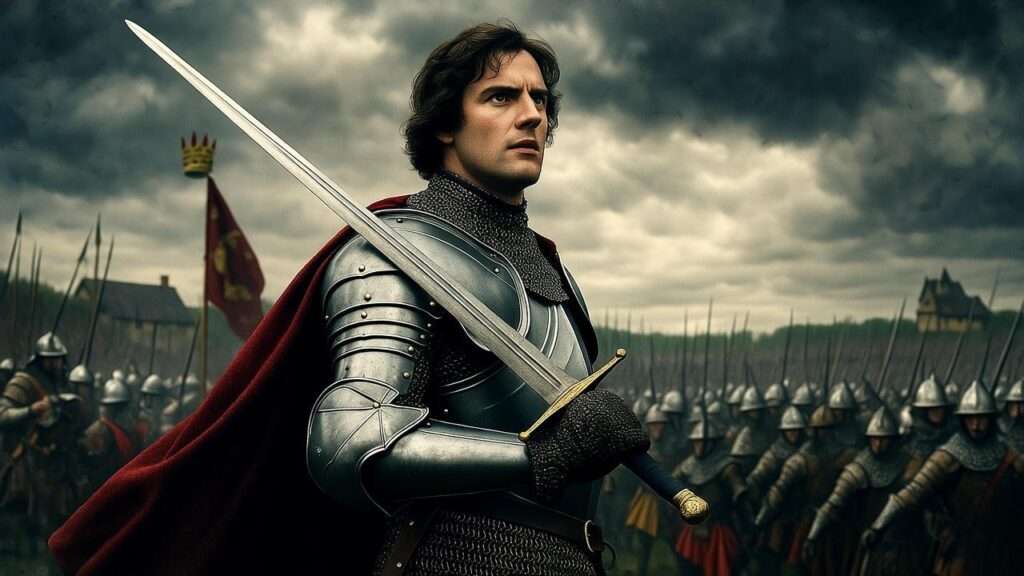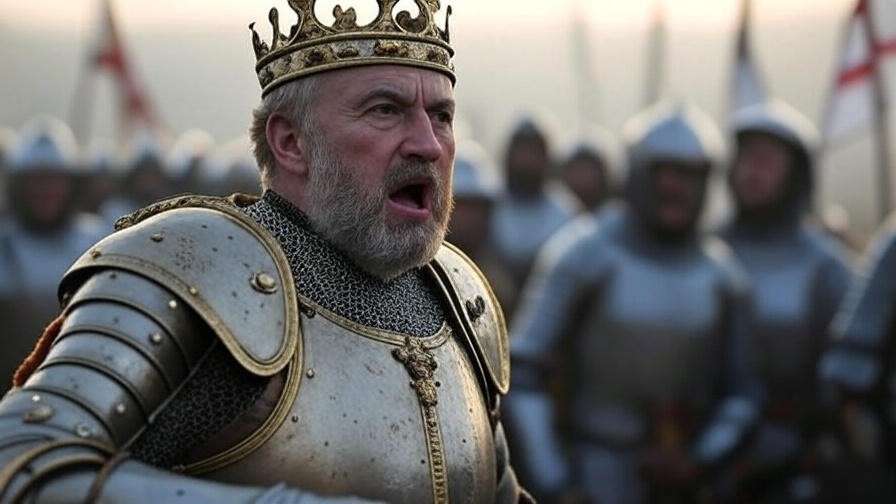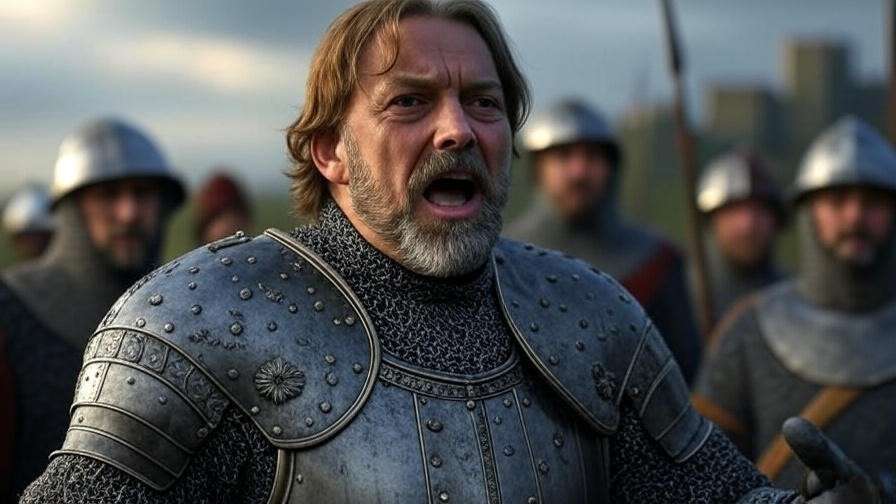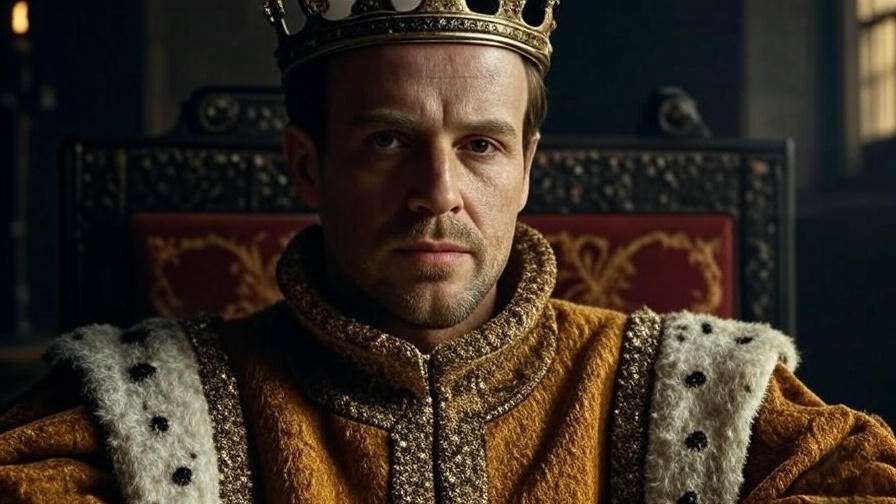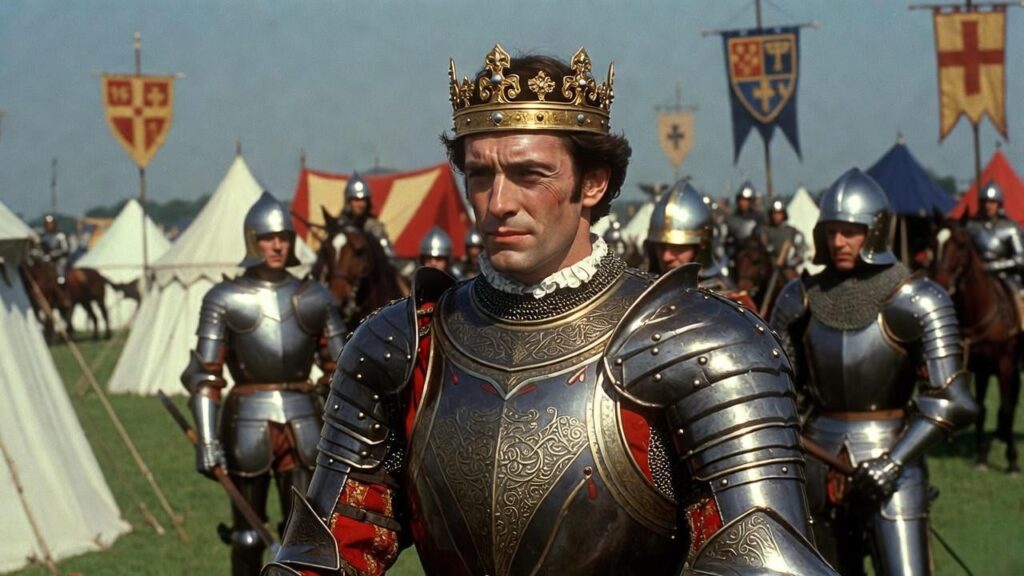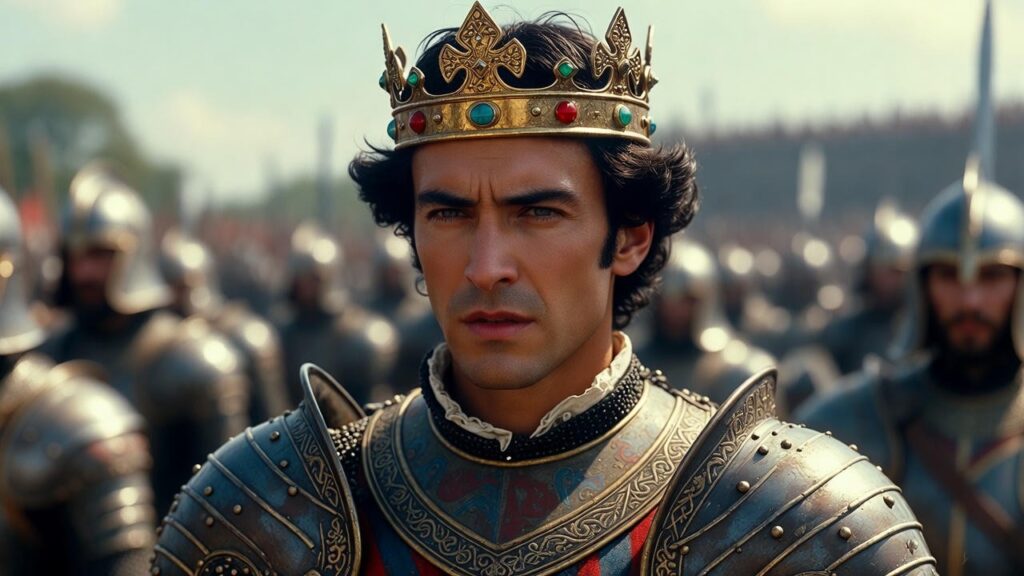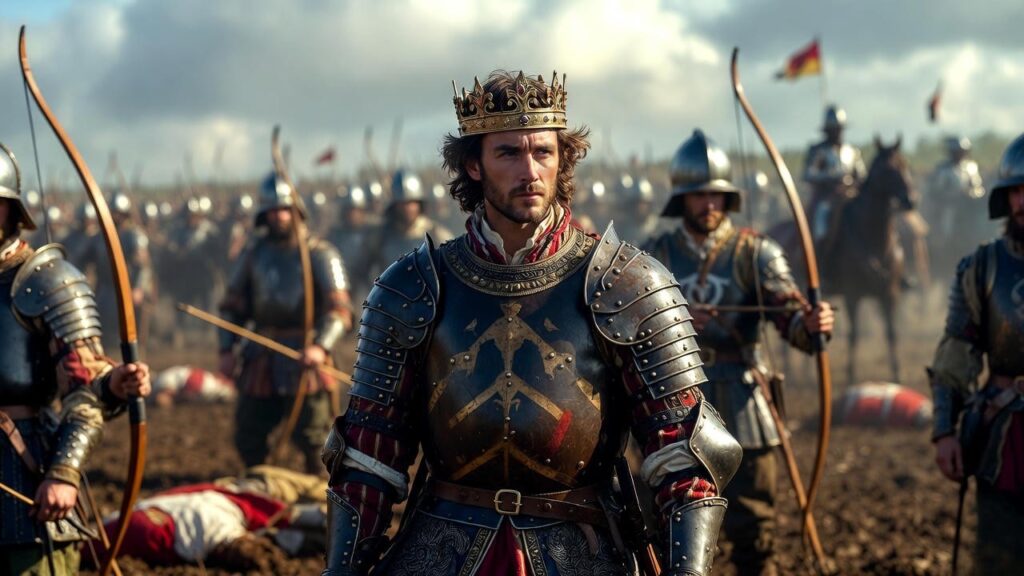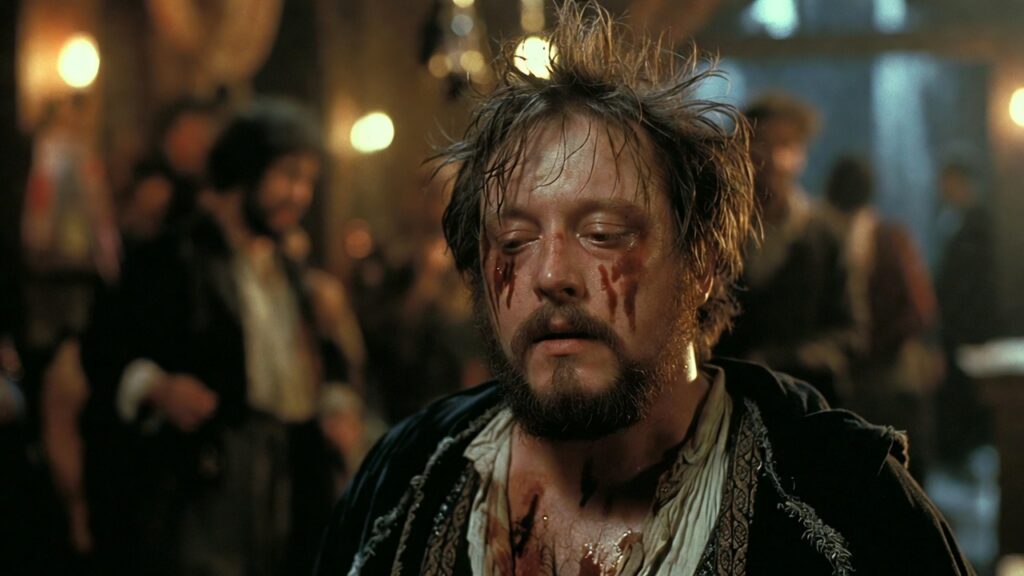
Have you ever stared at a crossword clue—”dissolute man in French”—and scribbled in roué (four letters), only to wonder: What does this sophisticated-sounding French term truly signify beyond puzzle-solving? The word roué, a staple in cryptic clues and literary discussions, evokes a man of refined yet reckless indulgence—a debauched rake who pursues pleasure with worldly elegance, often at the expense of morality. Yet its deeper resonance lies in how perfectly it mirrors one of William Shakespeare’s most fascinating characters: Prince Hal in the Henry IV plays. Hal’s apparent dissipation in London’s taverns, surrounded by rogues like Falstaff, followed by his dramatic transformation into the heroic Henry V, captures the essence of the “reformed rake”—a figure who transcends mere vice to embody redemption and leadership.
In this comprehensive exploration, we delve into the origins of roué, Shakespeare’s nuanced use of “dissolute” language, and why Prince Hal stands as a timeless example of this archetype. Whether you’re a crossword enthusiast seeking context, a Shakespeare lover unpacking character arcs, or someone drawn to themes of moral complexity and personal growth, this article offers fresh insights into how a single French word unlocks profound layers in the Bard’s work. By connecting linguistic history, textual evidence, and cultural parallels, we reveal why Shakespeare’s portrayal remains more insightful and relevant than many modern interpretations.
What Does “Dissolute Man in French” Actually Mean? The Origins and Nuances of “Roué”
The phrase “dissolute man in French” almost invariably points to roué in crossword puzzles, a term that has puzzled and intrigued solvers for generations. But roué is far more than a four-letter answer—it’s a window into 18th-century French aristocratic excess and the archetype of the sophisticated libertine.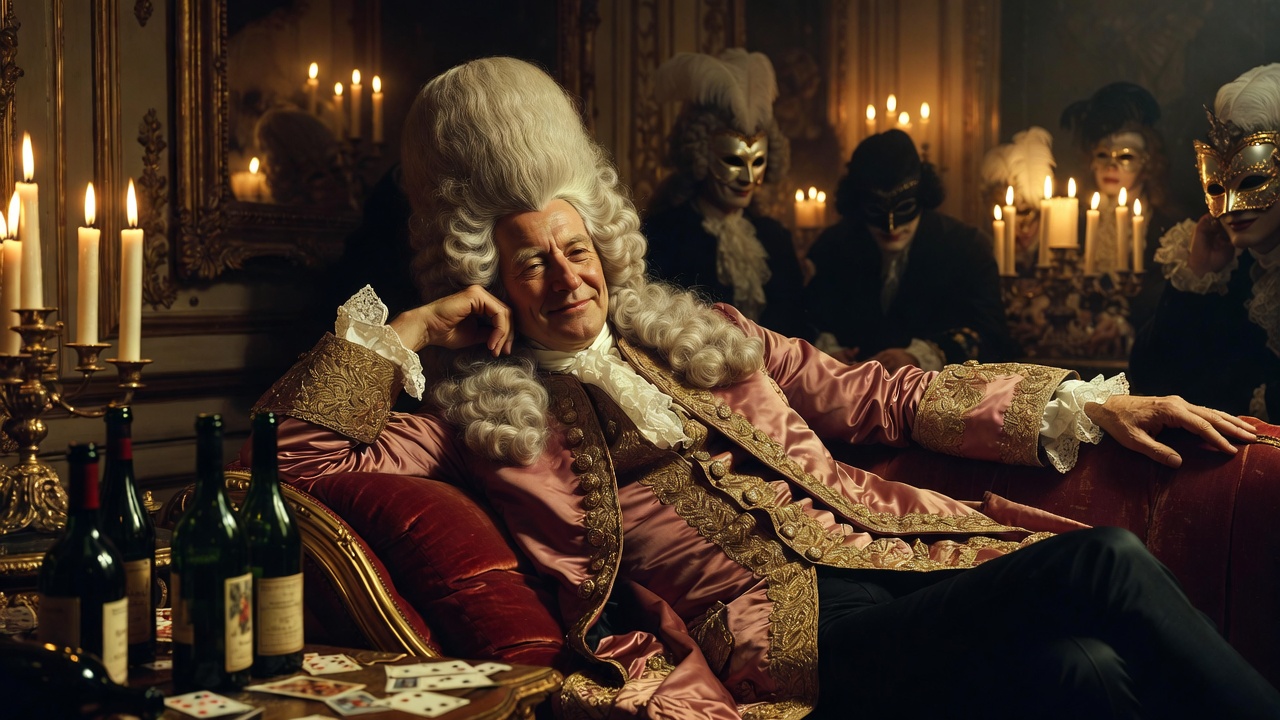
Etymology and Literal Meaning
Roué derives from the French verb rouer, meaning “to break on the wheel”—a gruesome reference to the medieval torture device where victims were lashed to a wheel and their limbs shattered. The noun form emerged in the early 18th century, around 1720, during the regency of Philippe II, Duke of Orléans (regent of France from 1715–1723). Legend holds that the Duke’s circle of profligate companions were so notoriously debauched that they “deserved” this punishment, hence the ironic label “roués.” From Latin rota (“wheel”) through Medieval Latin rotare (“to rotate”), the word carried a moral judgment: such men were “broken” by their own vices.
By the late 1700s and early 1800s, roué entered English as a synonym for rake, libertine, debauchee, or profligate—often implying an older, aristocratic man whose charm masks moral decay. Unlike crude dissipation, the roué possesses sophistication, wit, and a jaded worldliness, making his vices almost artistic.
Synonyms and Cultural Connotations
In English, roué aligns with “rake” (from Restoration drama), “libertine” (emphasizing freedom from moral restraint), and “debauchee” (focused on excess). French equivalents include débauché (debauched) or libertin (libertine), evoking figures like those in Molière’s comedies or later the Marquis de Sade’s circle. The term evolved from aristocratic scandal to a literary trope, influencing characters in novels, plays, and even opera—think Casanova or Don Juan archetypes, where charm and seduction coexist with ethical ruin.
Culturally, roué represents not just vice but performative indulgence: the man who knows society’s rules yet deliberately flouts them for pleasure. This nuance makes it more than a synonym for “dissolute”—it suggests calculation and elegance amid moral looseness.
Why It Pops Up in Crosswords and Modern Searches
Crossword clues like “dissolute man, from the French” (NYT and others) rely on roué because it’s concise, foreign-derived, and evocative. Solvers encounter it frequently due to its classic status in English puzzles, bridging language learners, literature buffs, and wordplay enthusiasts. Today, searches for the term often stem from puzzles but lead to deeper inquiries into literary history—precisely where Shakespeare enters the picture.
Literary historians note that roué captures a type Shakespeare anticipated: the charming rogue whose dissipation masks potential for greatness.
Shakespeare’s Use of “Dissolute” – Textual Evidence from the Plays
Shakespeare never uses the French roué—the word entered English post his time—but he repeatedly employs “dissolute” and related ideas to depict characters mired in moral looseness, excess, and wayward youth. These portrayals lay the groundwork for understanding Hal as a proto-roué figure.
Key Instances of “Dissolute” in Shakespeare’s Works
In Henry IV, Part 1, King Henry IV laments his son’s behavior, contrasting it with his own disciplined youth. He describes Prince Hal’s companions as fostering “dissolute” habits, leading to public scorn. Hal himself acknowledges his “unyoked humor of idleness” in his famous soliloquy (Act 1, Scene 2), vowing to cast it off dramatically.
Other echoes appear: In Henry IV, Part 2, Hal reflects on past excesses upon ascending the throne. In Richard II, Bolingbroke critiques Richard’s court as indulgent and dissolute. Even in Measure for Measure, figures like Lucio embody loose living, though without Hal’s redemptive arc.
Shakespeare’s “dissolute” often connotes youthful folly tied to political risk—tavern revels, drinking, and low company as distractions from duty.
Broader Themes of Moral Looseness and Excess
Shakespeare portrays dissipation not as inherent evil but as a phase: a test of character that can lead to maturity or ruin. Unlike irredeemable villains (Iago in Othello), his “dissolute” figures like Hal or even Jaques in As You Like It (with his hinted past excesses) offer hope. This contrasts pure debauchery with purposeful indulgence—Hal’s case suggests calculation, much like a roué who navigates vice strategically.
Prince Hal as the Quintessential Reformed “Roué” – A Deep Character Study
Prince Hal—later King Henry V—is arguably Shakespeare’s most compelling portrait of a young man who deliberately immerses himself in dissolute company before emerging as one of English literature’s greatest reformed figures. When we overlay the French concept of the roué onto Hal, the parallels are striking, yet Shakespeare elevates the archetype far beyond mere aristocratic decadence.
Hal’s Dissolute Phase – Eastcheap Revels and Falstaff’s Influence
In Henry IV, Part 1, the audience first meets Prince Hal carousing in the Boar’s Head Tavern in Eastcheap, London. He jests with Sir John Falstaff, Poins, and the other low-life companions, engaging in highway robbery pranks, heavy drinking, and bawdy wordplay. These scenes pulse with the energy of youthful excess: Hal calls for sack (wine), mocks his royal duties, and seems to revel in the very behaviors his father condemns as “dissolute.”
Yet even here, Hal is no ordinary rake. His wit is sharper than Falstaff’s, his self-awareness deeper. He participates in debauchery with a theatrical flair, almost as if he is playing a role. This calculated indulgence aligns closely with the roué archetype: a man who knows exactly how far he can push societal boundaries while retaining control and charm. Falstaff himself becomes the enabler and comic mirror—larger-than-life, shameless, and utterly devoted to pleasure—yet Hal never fully surrenders to the same moral surrender.
Shakespeare carefully contrasts Hal’s tavern life with the court’s stiff formality. The Eastcheap scenes are vibrant, chaotic, democratic; the court scenes are cold, hierarchical, and accusatory. This juxtaposition underscores a central tension: is Hal truly dissolute, or is he learning something essential about human nature, leadership, and the people he will one day govern?
The Turning Point – Redemption and Transformation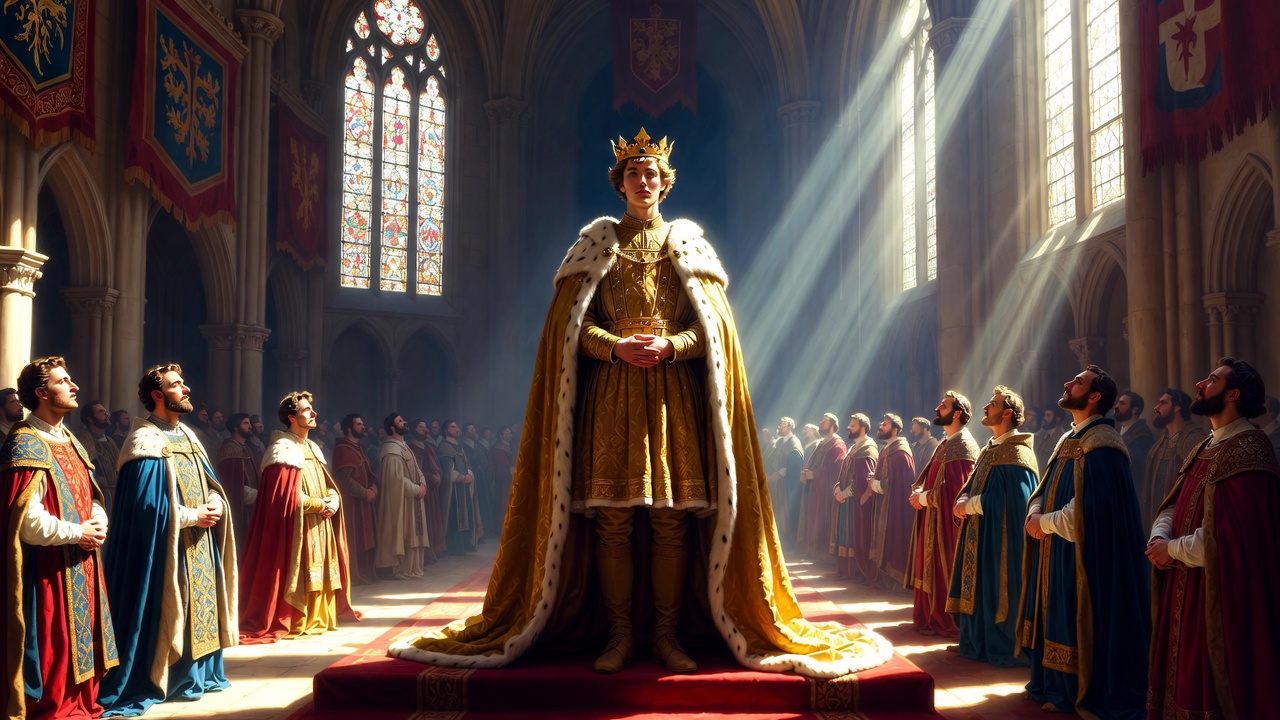
The pivot occurs most famously in Hal’s soliloquy at the end of Act 1, Scene 2 of Henry IV, Part 1:
“I know you all, and will awhile uphold The unyoked humour of your idleness. … My reformation, glitt’ring o’er my fault, Shall show more goodly and attract more eyes Than that which hath no foil to set it off.”
These lines are breathtaking in their candor. Hal admits his behavior is deliberate performance—a temporary “foil” that will make his eventual transformation shine brighter. This is not the remorseful confession of a genuine libertine; it is the strategy of a future monarch who understands public perception and political theater.
By the end of Henry IV, Part 2, the transformation is complete. On his coronation day, Hal publicly rejects Falstaff with devastating finality:
“I know thee not, old man. Fall to thy prayers. How ill white hairs become a fool and jester!”
The rejection is brutal, yet it fulfills the promise made years earlier. Hal sheds the dissolute persona as deliberately as he once adopted it. In Henry V, the former tavern prince becomes the heroic king who inspires Agincourt, woos Katherine of France, and unites England. The roué has reformed—not through weakness or guilt, but through disciplined self-mastery.
Why Hal Fits (and Transcends) the “Roué” Label
Traditional roués—whether the historical figures of the Regency or their literary descendants—tend toward self-destruction. Their charm masks an inability (or unwillingness) to change. Hal, by contrast, uses dissipation as an education. He learns the language of the common people, witnesses the consequences of unchecked power (through Richard II’s fall and his father’s anxieties), and hones the political cunning necessary for kingship.
Shakespeare thus transforms the roué archetype into something nobler: the reformed rake who becomes not merely respectable, but exemplary. Hal’s journey suggests that controlled exposure to vice can produce wisdom, empathy, and strength—ideas that resonate far beyond the Elizabethan stage.
French Influences in Shakespeare’s World – Why the Connection Matters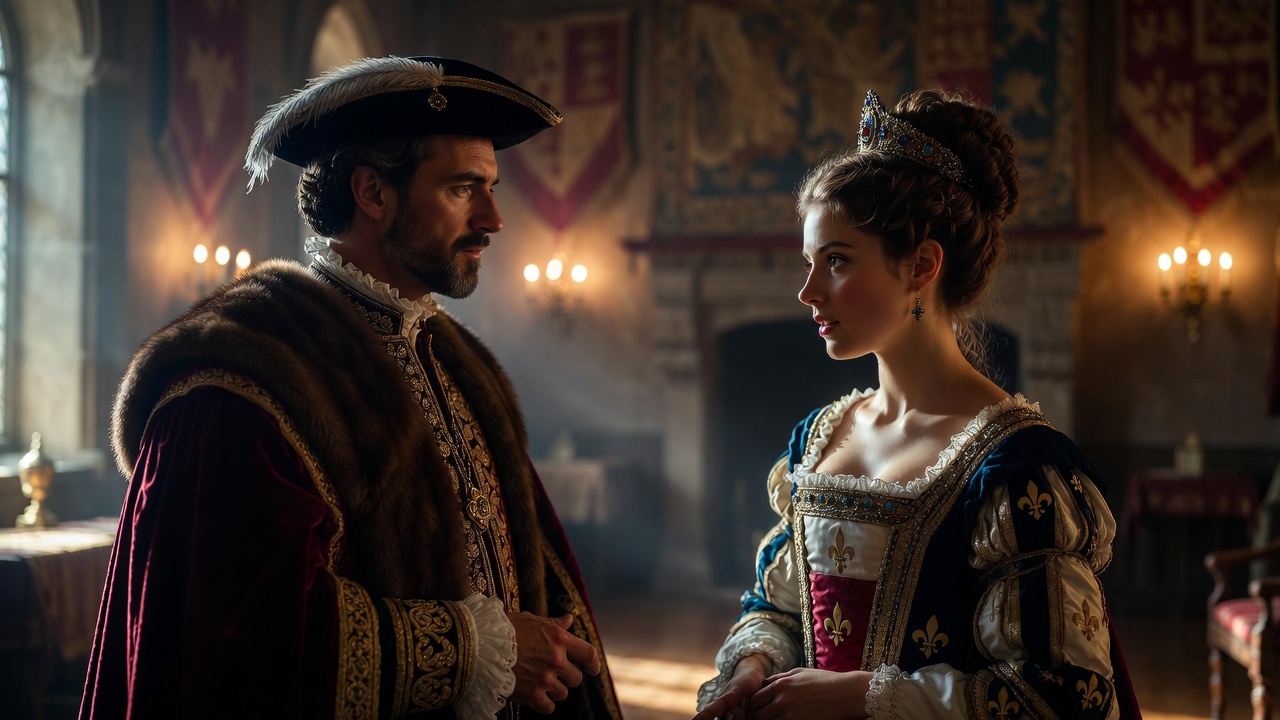
Although roué postdates Shakespeare by more than a century, the cultural and linguistic traffic between England and France during his lifetime makes the comparison richly meaningful.
Shakespeare’s Engagement with French Language and Culture
Shakespeare peppers his plays with French words and phrases—especially in Henry V, where entire scenes are conducted in French. The famous language lesson between Princess Katherine and her maid Alice (Act 3, Scene 4) is both comic and poignant, turning linguistic misunderstanding into a symbol of Anglo-French tension and eventual union through marriage.
Shakespeare also draws heavily on French historical sources (notably Holinshed’s Chronicles, which incorporates French chronicles) for the history plays. The Hundred Years’ War backdrop of Henry V keeps France ever-present, and the play’s final scene—Henry’s courtship of Katherine—symbolizes reconciliation between the two nations.
More subtly, Shakespeare absorbs Continental literary influences. The witty, libertine rogues of Italian commedia dell’arte and French farce find echoes in his own tricksters and rakes. Hal’s verbal dexterity and ironic detachment owe something to these traditions.
The Libertine Archetype Across Cultures
The roué/libertine figure appears in French literature long before the term itself—think of the seductive, morally flexible courtiers in Marguerite de Navarre’s Heptaméron or the pleasure-seeking nobles in later 17th-century drama. Shakespeare anticipates this archetype in English dress, then adds the redemptive dimension that many Continental versions lack.
By linking Hal to roué, we see how Shakespeare participated in a pan-European conversation about pleasure, power, and moral responsibility—a conversation that continued through Molière, Restoration comedy, and the Enlightenment.
The Timeless Appeal of the Reformed Dissolute Man – Lessons from Shakespeare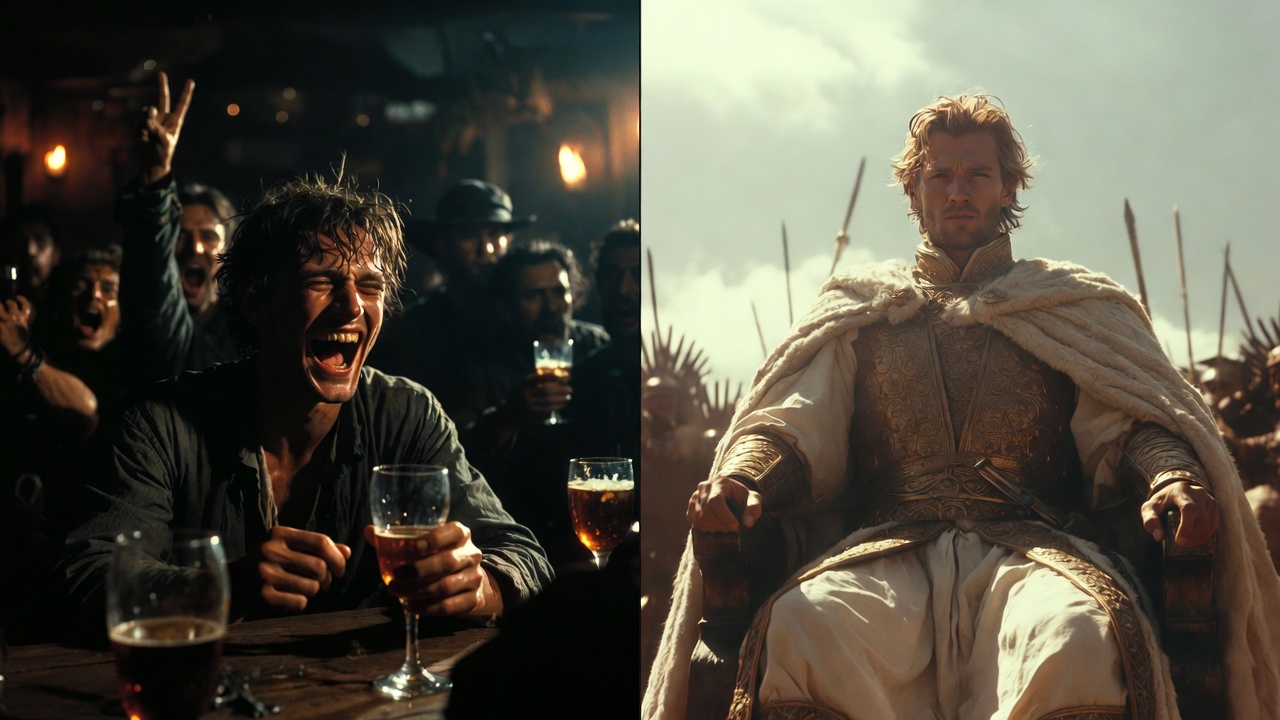
Why does the story of the reformed rake still captivate audiences four centuries later?
Modern culture is filled with parallels: the charming bad boy who matures into a responsible leader, the celebrity who overcomes scandal to earn respect, the anti-hero whose dark past fuels redemptive heroism. From Mr. Darcy to Tony Stark to television characters like Don Draper, the archetype persists because it offers hope: even those who have strayed far can return transformed.
Shakespeare’s genius lies in making Hal’s redemption believable—not sentimental, not sudden, but earned through self-knowledge, discipline, and sacrifice. The rejection of Falstaff remains one of literature’s most painful yet necessary moments, reminding us that growth often requires cutting away parts of ourselves (and people) we once cherished.
From a psychological perspective, Hal’s arc anticipates modern ideas of deliberate practice, identity experimentation, and narrative self-fashioning. He crafts his public image with the precision of a modern politician or influencer—yet he does so with genuine moral purpose.
FAQs About “Dissolute Man in French” and Shakespeare
What is the French word for “dissolute man”? Roué is the classic crossword answer (4 letters). Alternatives include débauché (debauched man) or libertin (libertine).
Does Shakespeare ever use French words to describe dissolute characters? Not directly, but he frequently incorporates French vocabulary and settings—especially in Henry V—and his portrayal of moral looseness shares DNA with French libertine traditions.
How does Prince Hal compare to real historical rakes? Unlike many historical roués (e.g., the Duke of Orléans’ circle), Hal’s dissipation is temporary and instrumental. He emerges stronger, whereas many real-life rakes ended in ruin or obscurity.
Are there other Shakespeare characters who fit the “dissolute man” mold? Lucio in Measure for Measure, Parolles in All’s Well That Ends Well, and even Falstaff himself display dissolute traits, though none undergo Hal’s full redemptive arc.
Why do crossword clues love “roué”? It’s short, elegant, foreign-derived, and instantly recognizable to solvers—making it a perfect puzzle word.
The simple crossword clue “dissolute man in French” opens a surprisingly rich door into Shakespeare’s imagination. Roué—with its connotations of sophisticated vice, calculated charm, and moral peril—finds its most compelling English counterpart not in a villain, but in Prince Hal: a young man who walks deliberately through the shadows of debauchery so that he may later shine more brightly as a king.
Shakespeare shows us that dissipation need not be the end of the story. It can be a chapter—one that teaches empathy, sharpens judgment, and prepares a person for greater responsibility. In an era still fascinated by redemption arcs, public second chances, and the complex relationship between private excess and public duty, Hal remains one of the most insightful studies we have.
So the next time you fill in roué on a crossword grid, pause for a moment. You’re not just solving a clue—you’re touching a thread that runs through centuries of literature, culture, and human nature. And somewhere in that thread, Prince Hal is still raising a glass in Eastcheap, already planning the moment he will set it down forever.
Thank you for reading. If this exploration of roué and Shakespeare’s reformed rake has sparked new thoughts about the Henry IV plays or the timeless appeal of transformation, I’d love to hear your reflections in the comments. Which Shakespeare character do you see as the ultimate reformed dissolute figure?