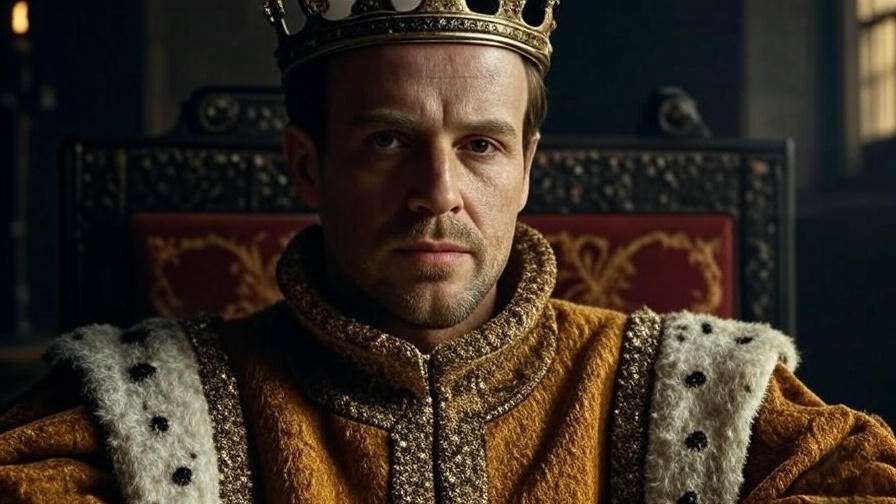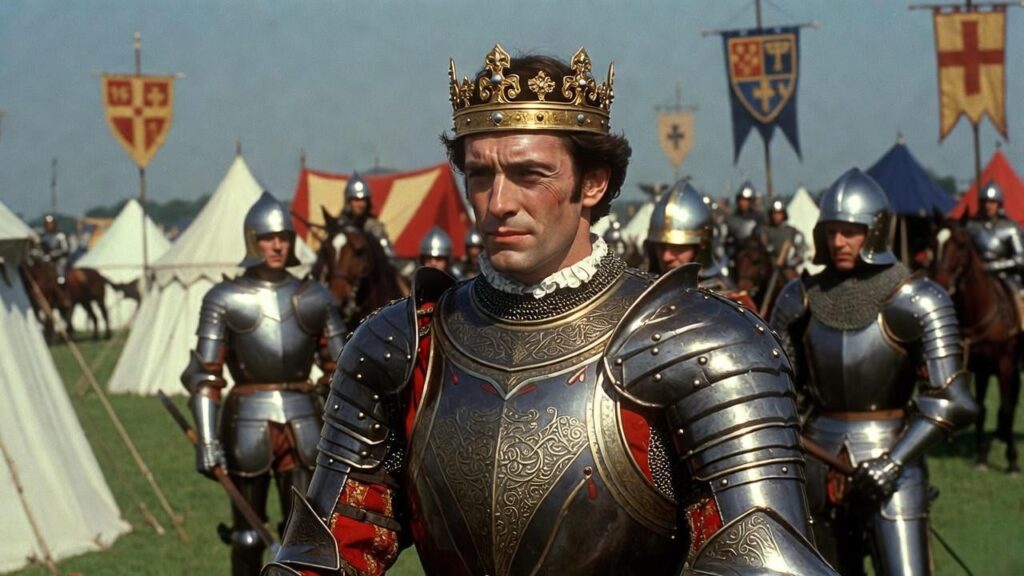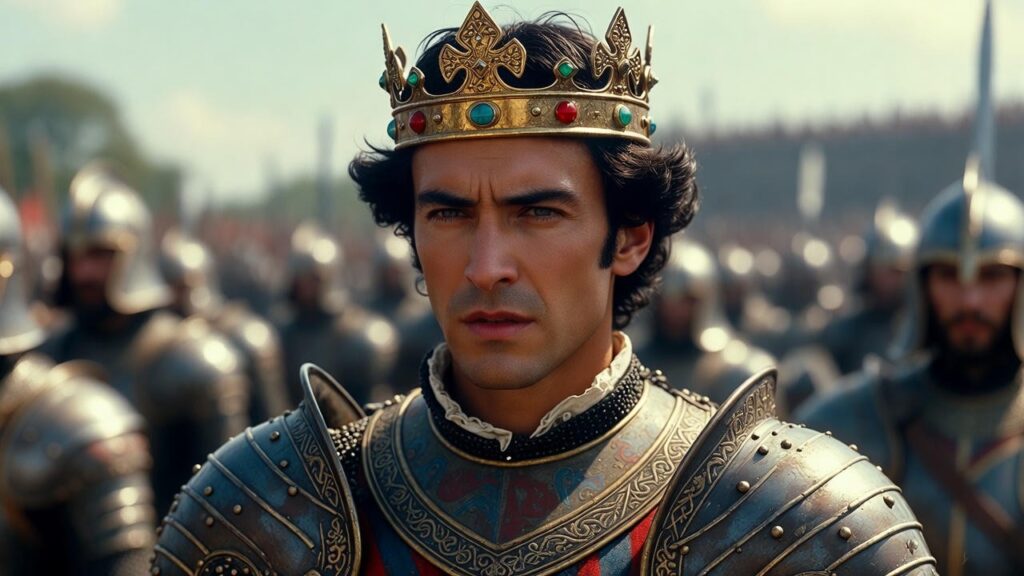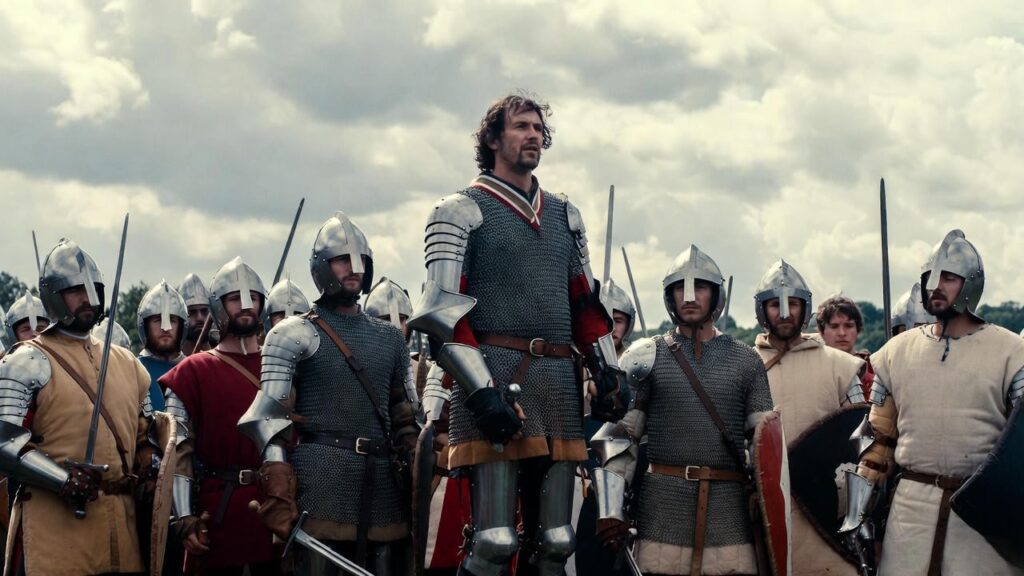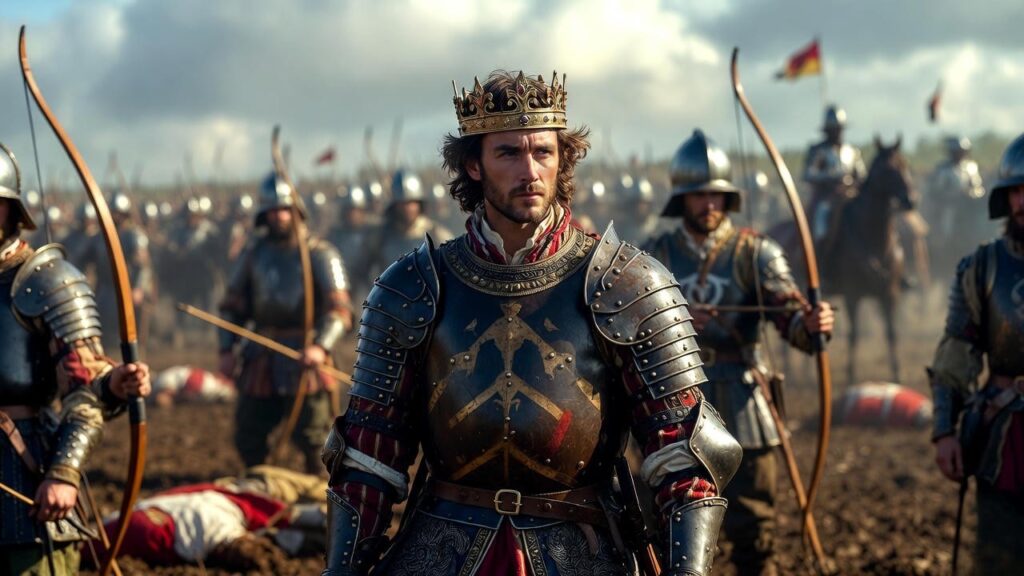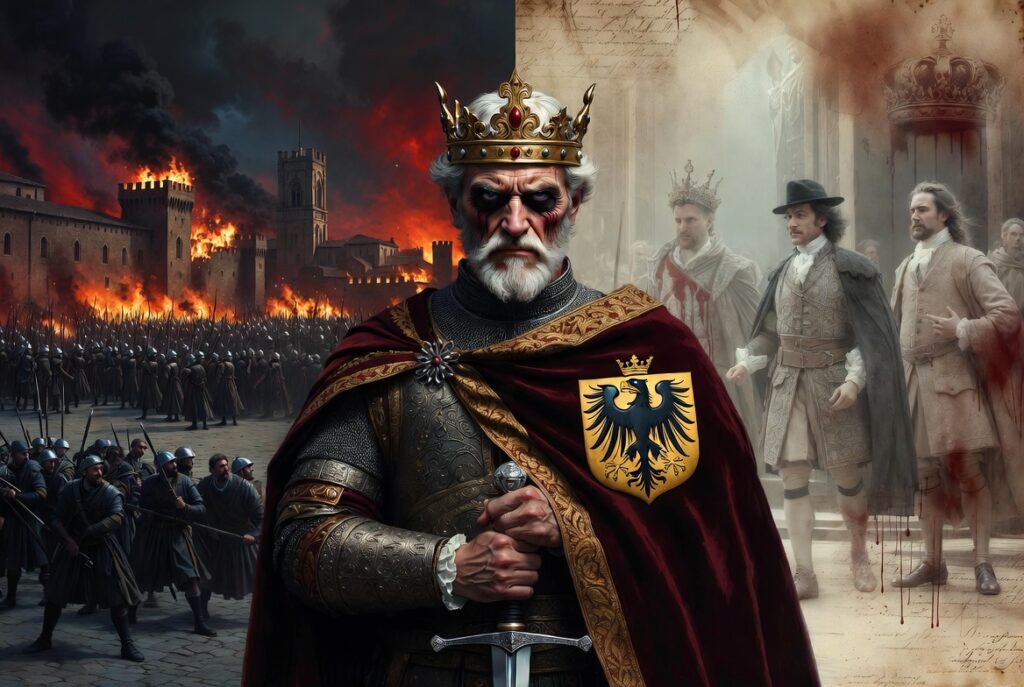
In the sweltering heat of Palermo on Christmas Day 1194, a medieval emperor rode into the Sicilian capital at the head of his army and unleashed a calculated reign of terror that would earn him a nickname still whispered centuries later: Henry the Cruel. Contemporary chroniclers described how the young King William III of Sicily—little more than a boy—was dragged before the conqueror, blinded and castrated on the emperor’s orders while his mother and sisters watched. Scores of Norman nobles were burned alive or publicly mutilated in the streets. The Hohenstaufen dynasty had claimed its prize, but at a human cost that shocked even the hardened chroniclers of the High Middle Ages.
Henry the Cruel—formally Henry VI, Holy Roman Emperor and King of Sicily—never set foot on an Elizabethan stage. Yet his real-world medieval brutality, ruthless pursuit of absolute power, and strategic deployment of terror echo powerfully through William Shakespeare’s English history plays. In Richard III, Henry V, and the Henry VI trilogy, Shakespeare dissects the same dark mechanics of tyranny that defined Henry’s short but explosive reign. For readers and theatergoers drawn to Shakespeare’s world, understanding Henry the Cruel offers more than historical trivia. It illuminates why Shakespeare’s kings feel so viscerally real: they are not mere inventions but dramatic reflections of medieval power politics at their most savage.
This article delivers the complete story you’ve been searching for. It provides a meticulously researched portrait of the emperor historians still call il crudele, followed by fresh, side-by-side literary analysis that reveals how his methods of terror resurface in Shakespeare’s greatest history plays. Whether you’re a student preparing for an exam, a theater director seeking deeper context for a production, or a lifelong Shakespeare enthusiast hungry for the medieval roots beneath the Bard’s verse, you will leave with clearer insight into the timeless cycle of ambition, vengeance, and human suffering that links 12th-century Sicily to the Wars of the Roses.
Who Was Henry the Cruel? The Man Behind the Legend
Early Life and the Shadow of Barbarossa
Born in 1165 as the second son of Frederick I Barbarossa and Beatrice of Burgundy, Henry grew up inside the iron-fisted world of the Hohenstaufen dynasty. His father’s legendary Third Crusade and endless struggles against the Welfs and the papacy shaped Henry’s political education. By age four he was crowned King of the Romans; by his teens he was already suppressing revolts. When Barbarossa drowned in the Saleph River in 1190, Henry inherited not only the imperial crown but also a burning ambition to unite the Holy Roman Empire with the wealthy Kingdom of Sicily through his marriage to Constance, the Norman heiress.
Rise to Imperial Power (1190–1194)
Henry’s path was anything but smooth. An early attempt to seize Sicily in 1191 collapsed when disease ravaged his army outside Naples and Constance was briefly captured. Fortune turned in 1193–94 when Richard the Lionheart’s enormous ransom—150,000 silver marks—filled Henry’s war chest. Tancred of Lecce, the reigning Sicilian king, died suddenly in February 1194, leaving his young son William III as a vulnerable heir. Henry marched south with overwhelming force. By November he entered Palermo virtually unopposed. On Christmas Day 1194 he was crowned King of Sicily in the cathedral, formally merging the Norman kingdom with the German Empire.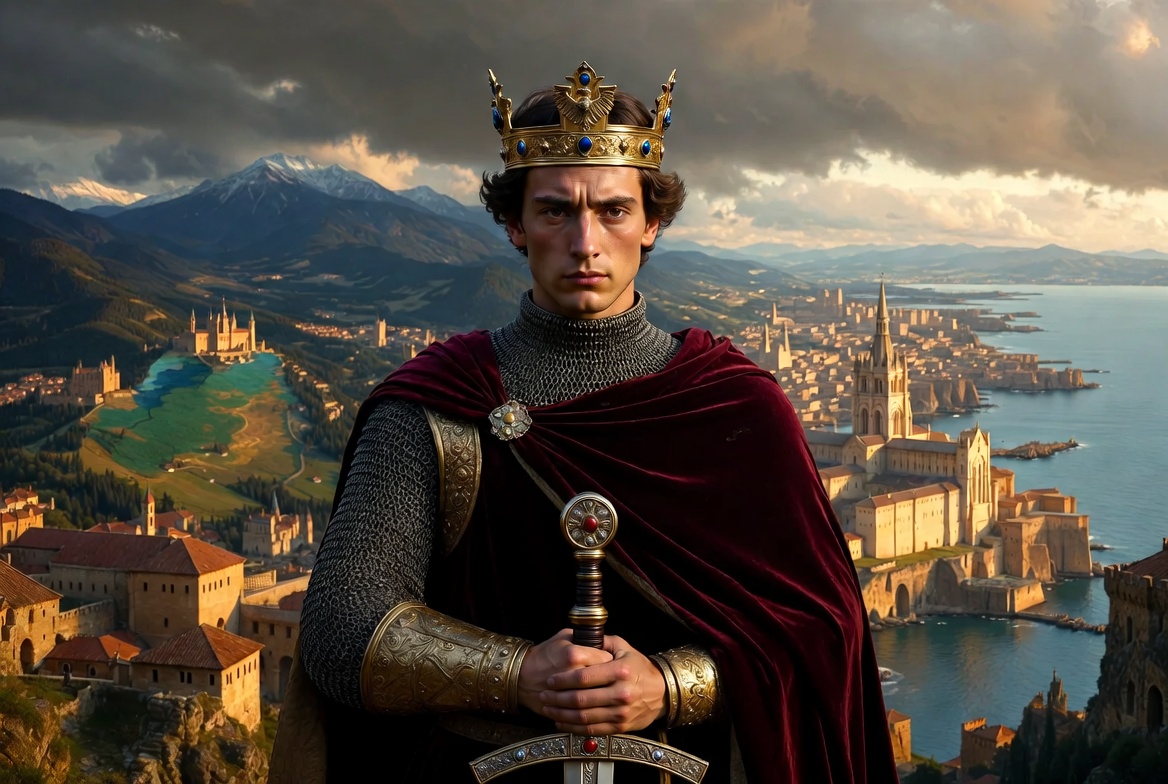
Timeline of Henry VI’s Reign
- 1165: Birth in Nijmegen.
- 1169: Crowned King of the Romans.
- 1186: Marriage to Constance of Sicily.
- 1190: Death of Barbarossa; Henry becomes Emperor.
- 1191: Failed Sicilian campaign.
- 1194: Conquest of Sicily; coronation in Palermo.
- 1197: Death at Messina, aged 31, leaving infant son Frederick II.
The Brutality That Defined an Emperor
The Sicilian Conquest: From Ambition to Atrocity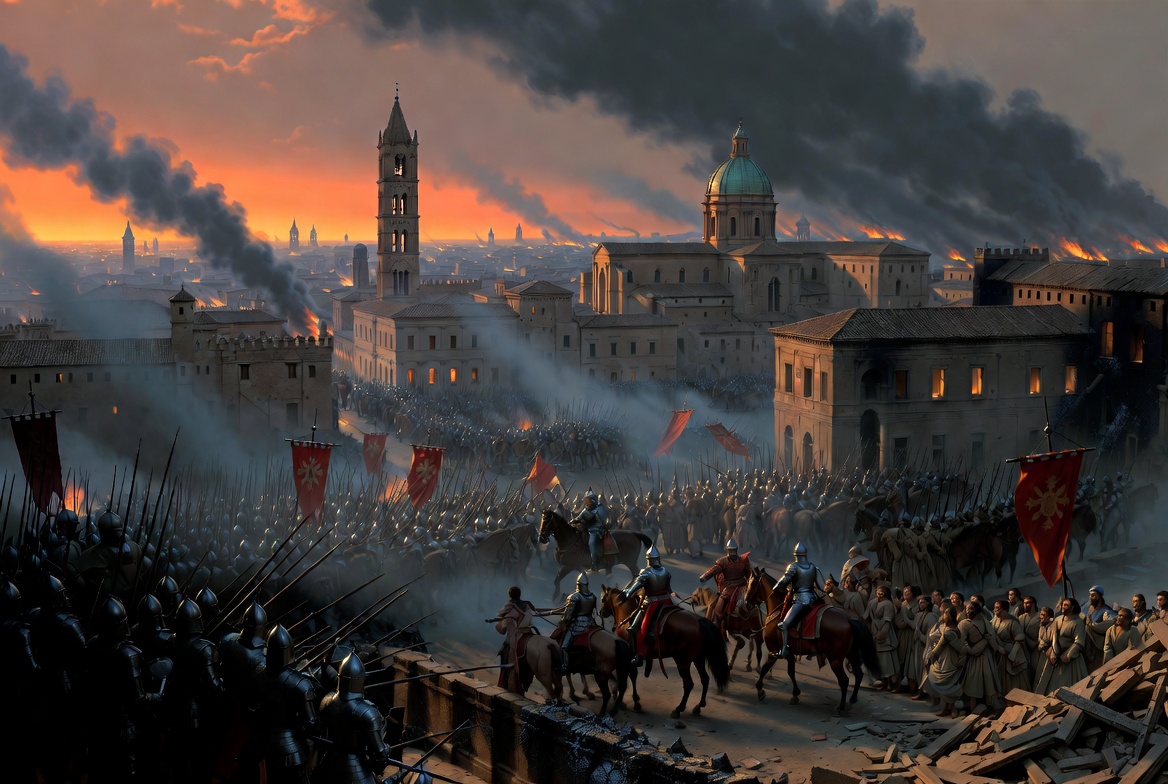
What happened next in Palermo transformed Henry from ambitious ruler to “the Cruel.” Contemporary sources record a deliberate campaign of terror designed to eradicate any possibility of future rebellion. Tancred’s supporters were rounded up. The child-king William III, along with his mother Sibylla and sisters, was taken prisoner. According to multiple chroniclers—including the 15th-century account later illustrated by Giovanni Boccaccio—Henry ordered the boy blinded and castrated to ensure the Norman line could never challenge Hohenstaufen rule again. Many of William’s knights were burned alive in the public square; others were hanged or mutilated. The message was unmistakable: resistance would be met with spectacular, unforgettable cruelty.
Methods of Terror: Blinding, Burning, and Psychological Warfare
Henry’s tactics were not random sadism but calculated statecraft. Blinding and castration were traditional Norman punishments, but Henry weaponized them on a grand scale. Public executions served as theater: crowds watched as nobles who had once feasted in Palermo’s palaces were reduced to broken figures paraded through the streets. Otto of St. Blasien and Richard of San Germano, both near-contemporary chroniclers, describe how the emperor’s forces razed strongholds and deported entire noble families north of the Alps. The psychological impact rippled across southern Italy and beyond; fear kept the kingdom quiet long enough for Henry to begin integrating Sicilian administration into his imperial system.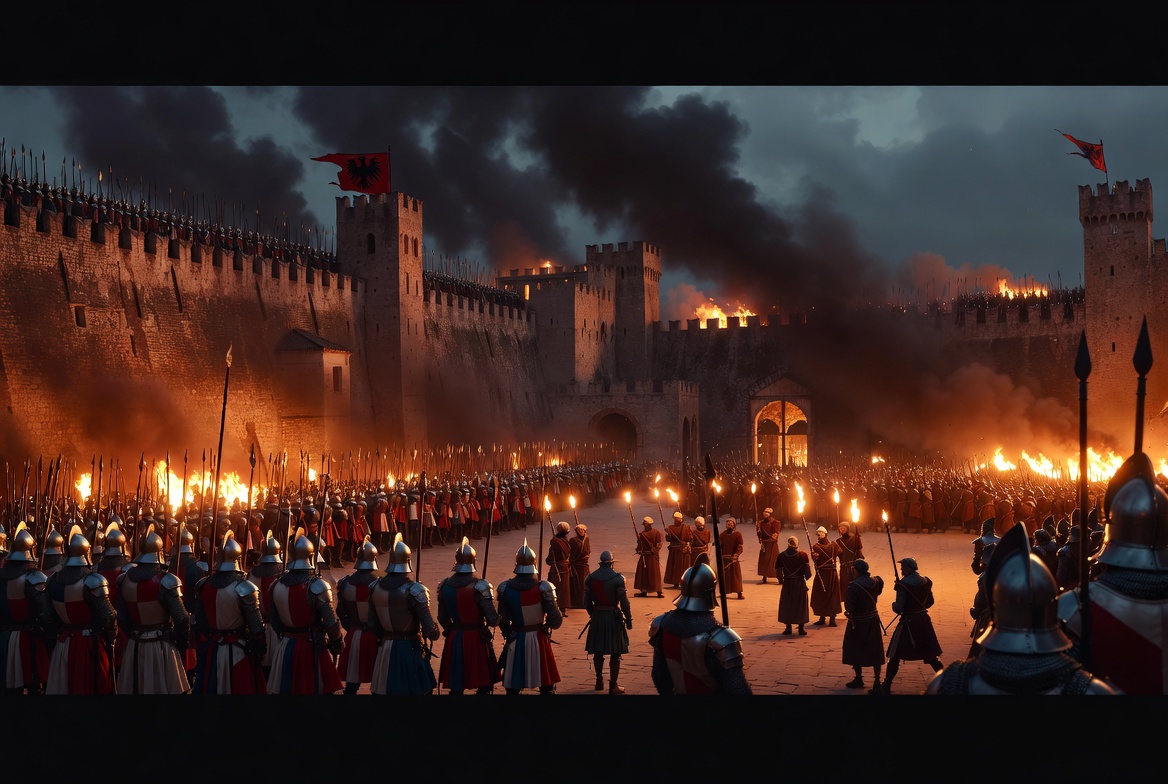
Modern historians note the strategic brilliance beneath the horror. David Abulafia, in his authoritative studies of the Sicilian kingdom, shows how Henry understood that the cosmopolitan Norman state—with its Arab, Greek, and Latin populations—required iron control if it were to fund his larger dreams of a universal empire stretching from the North Sea to the Holy Land.
Henry’s Reputation Among Contemporaries and Later Historians
Italian sources branded him il crudele almost immediately. German chronicles were kinder, emphasizing his legal reforms and patronage of poets. Yet even sympathetic writers could not ignore the Sicilian bloodbath. Later medieval writers such as Boccaccio turned the events into moral exempla, ensuring Henry the Cruel’s notoriety endured into the Renaissance—the very era Shakespeare knew. Today, scholars balance the brutality with Henry’s real achievements: he was a capable administrator, a patron of the arts, and the father of Frederick II, “Stupor Mundi,” one of the most brilliant rulers of the Middle Ages. But the epithet “the Cruel” remains because the Sicilian conquest revealed the terrifying efficiency with which medieval power could be exercised.
Key Takeaways • Henry the Cruel’s 1194 Sicilian campaign was a textbook example of medieval realpolitik: overwhelming force followed by exemplary terror. • The blinding and castration of William III was not legend but corroborated (though sometimes exaggerated) by multiple independent chronicles. • These acts were designed to break not just bodies but the will of an entire political class.
From Historical Reality to Shakespearean Drama: The Thematic Bridge
Shakespeare never read a biography of Henry VI of Hohenstaufen. Elizabethan England accessed medieval continental history mainly through chronicles such as Holinshed’s Chronicles and Raphael Holinshed’s sources, which focused on English and French affairs. Yet the Bard lived in a culture steeped in stories of tyranny. The same medieval worldview that produced Henry the Cruel also produced the Wars of the Roses—the chaotic civil strife that supplied Shakespeare’s raw material. Power, legitimacy, betrayal, and the human cost of ambition were not abstract concepts; they were living memories. Shakespeare transformed these raw historical forces into psychological drama, but the medieval template remains visible beneath the poetry.
Why Henry the Cruel Matters to Shakespeare Readers Understanding Henry the Cruel gives modern audiences a sharper lens for Shakespeare’s history cycle. It reveals that the playwright was not inventing monsters—he was dramatizing a political reality that had already horrified Europe for centuries. When we watch Richard III order the murder of the princes in the Tower or Henry V command the slaughter of French prisoners, we are witnessing theatrical echoes of Palermo 1194.
Echoes of Cruelty in Shakespeare’s History Plays
Richard III – The Dramatic Heir to Imperial Brutality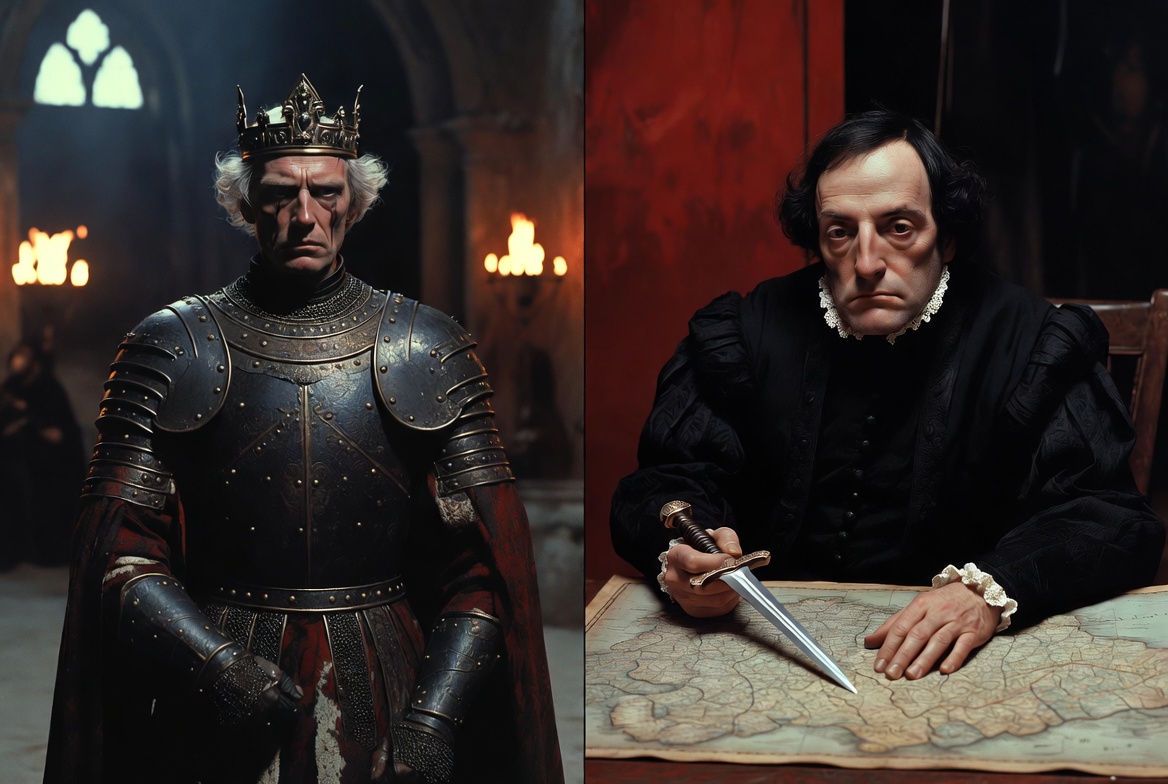
No Shakespearean king channels Henry the Cruel’s spirit more directly than Richard, Duke of Gloucester. Like the emperor, Richard uses calculated terror to consolidate power. The murder of Clarence, the elimination of the princes, and the public display of corpses all serve the same purpose as Henry’s Palermo executions: to make resistance seem suicidal. Shakespeare amplifies the deformity motif—Richard’s hunchback becomes a physical mirror of moral monstrosity—but the core mechanism is identical: terror as political technology. Stephen Greenblatt has noted how Shakespeare’s tyrants thrive by making subjects complicit through fear; Henry the Cruel mastered the same art three centuries earlier.
Henry V – Heroic Conqueror or Ruthless Pragmatist?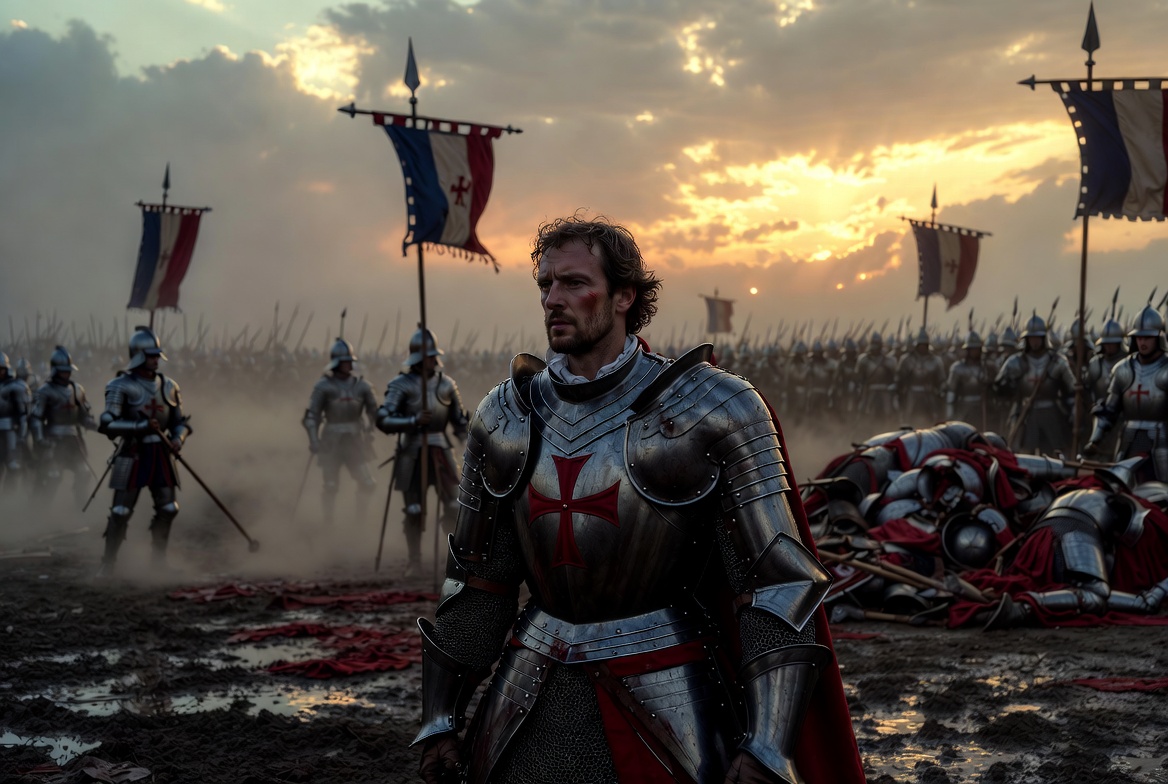
At first glance Henry V seems the antithesis of cruelty—Shakespeare’s “star of England.” Yet the play’s most chilling moment comes after Agincourt when the king orders the slaughter of French prisoners. The decision is pragmatic, exactly as Henry the Cruel’s Sicilian atrocities were pragmatic. Both rulers face a military threat that could reignite if mercy is shown. Shakespeare subtly undercuts the heroism: the chorus praises the king, but the common soldiers and the audience feel the moral weight. The parallel is unmistakable—conquest demands cruelty, and even “good” kings pay the price in blood.
The Henry VI Plays – Chaos Born of Weakness and Inherited Brutality
Shakespeare’s three-part Henry VI dramatizes the vacuum that follows weak rule. When a legitimate but ineffectual king cannot wield power, stronger figures—Margaret of Anjou, the Yorkists, the Lancastrians—resort to the same vengeful tactics Henry the Cruel employed. Civil war becomes a Sicilian-style purge played out on English soil: public executions, betrayed alliances, and families torn apart. The cycle of revenge that consumes the kingdom mirrors the long-term consequences of Henry’s 1194 terror: short-term stability purchased at the cost of lasting instability.
Recurring Shakespearean Themes Directly Echoing Henry the Cruel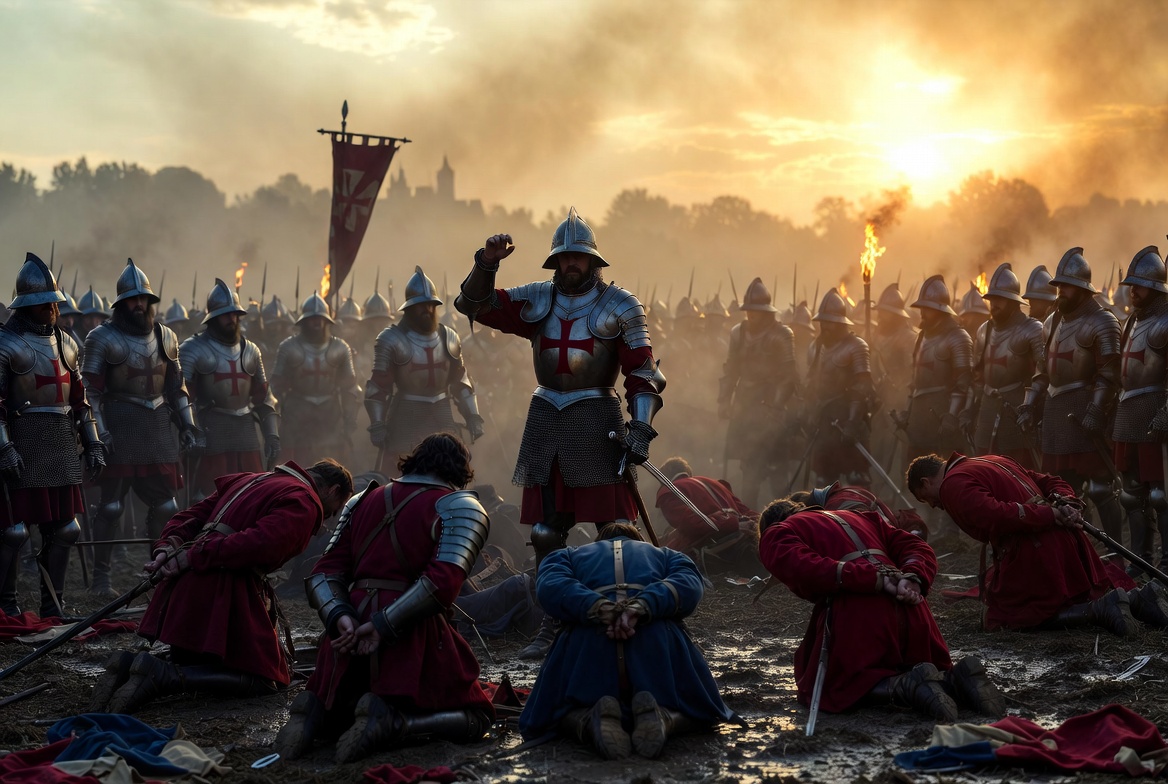
| Aspect | Henry the Cruel (History) | Shakespearean Parallel | Literary Effect |
|---|---|---|---|
| Method of Terror | Public blinding, castration, burnings | Richard III’s assassinations; Henry V’s prisoner massacre | Visceral spectacle of power |
| Political Goal | Unify Empire + Sicily under one dynasty | Claiming/holding the English throne | Cycle of ambition and retribution |
| Human Cost | Nobles, women, children as victims | Princes in the Tower, French prisoners | Audience empathy for the powerless |
| Legacy | Epithet “il crudele” | “Bloody tyrant” label | Enduring moral warning |
These parallels are not forced; they emerge naturally when we place Shakespeare’s plays against the broader medieval canvas. The Bard understood that tyranny is not exotic—it is the logical extreme of unchecked royal will, whether exercised in Palermo or Westminster.
Shakespeare’s Sources and the Medieval Worldview
Shakespeare wrote his history plays in the 1590s, drawing primarily from English and French chronicles readily available in Elizabethan England. Raphael Holinshed’s Chronicles (1587 edition) served as the backbone for the Henry VI trilogy and Richard III, supplemented by Edward Hall’s The Union of the Two Noble and Illustre Famelies of Lancastre and Yorke. These works focused overwhelmingly on the Wars of the Roses and the Hundred Years’ War, with only passing references to continental affairs.
Direct knowledge of Henry VI of Hohenstaufen would have been limited. Elizabethan readers encountered the broader Hohenstaufen story indirectly through Italian Renaissance historians and popular tales of Frederick II (“Stupor Mundi”), Henry the Cruel’s brilliant son. The Sicilian Vespers rebellion of 1282, which overthrew Angevin rule and indirectly stemmed from the Hohenstaufen legacy, appeared in various travel narratives and moral exempla. Boccaccio’s De Casibus Virorum Illustrium (which circulated in England) included dramatic accounts of fallen rulers, reinforcing the image of merciless medieval emperors.
Yet the absence of a specific biography did not matter. Shakespeare absorbed the medieval political worldview through cultural osmosis: the divine right of kings, the dangers of weak rule, the legitimacy of conquest, and the terrifying logic of exemplary punishment. The same chronicles that described English baronial revolts also preserved stories of continental tyrants who used terror to forge empires. In this sense, Henry the Cruel functions as a historical archetype rather than a named source. His methods—public spectacle of mutilation, destruction of rival bloodlines, and psychological domination—reappear in Shakespeare as dramatic necessities when legitimate authority falters.
Expert Insight Medieval historian David Abulafia notes that Henry VI’s Sicilian campaign represented “the brutal logic of dynastic imperialism.” Shakespeare scholar Stephen Greenblatt, in Tyrant: Shakespeare on Politics, argues that the playwright understood tyranny not as exotic evil but as a perennial temptation of power. The echo between Palermo 1194 and the Tower of London is therefore structural, not coincidental.
Why These Echoes Still Resonate Today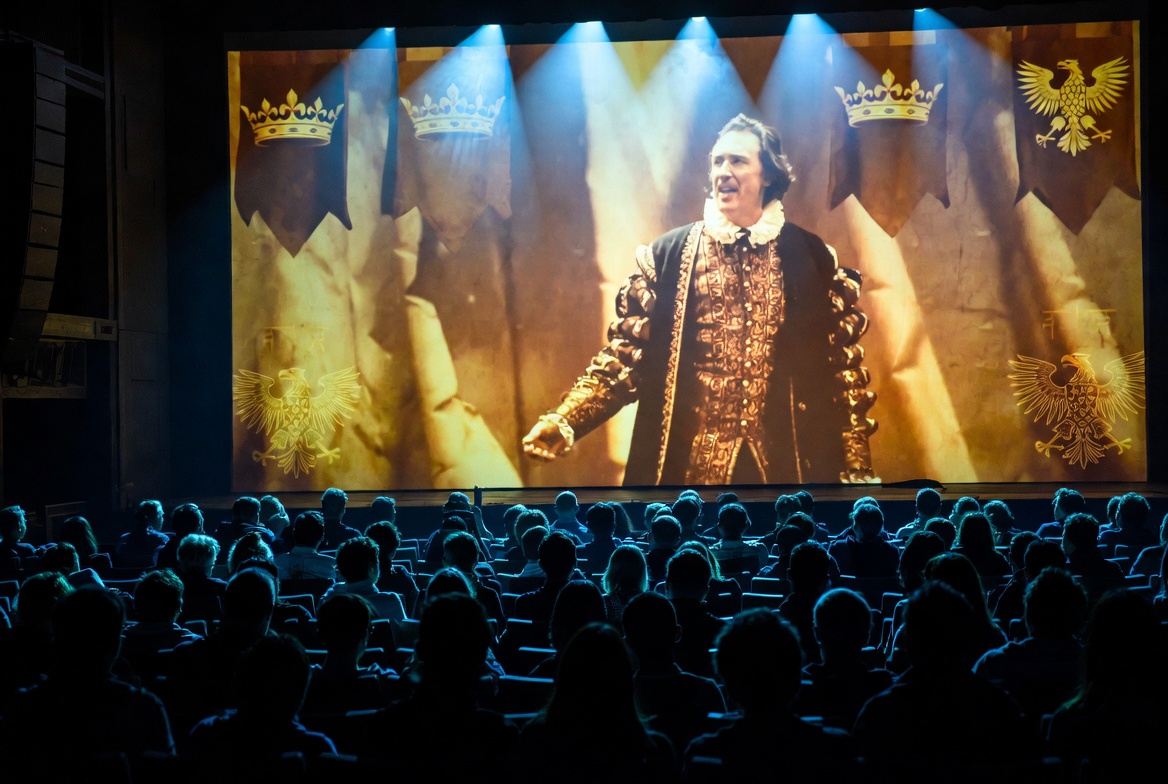
In an age of strongmen, populist leaders, and polarized politics, the story of Henry the Cruel and its Shakespearean reflections offers more than academic interest. It provides a framework for understanding how ambition, fear, and the machinery of state terror operate across centuries.
Modern readers turn to Shakespeare’s history plays precisely because they dramatize the human cost of unchecked power. When Richard III declares “I am determined to prove a villain,” audiences recognize the same cold calculation that drove Henry to blind a child-king. When Henry V justifies the killing of prisoners with military necessity, we hear the voice of every conqueror who has ever claimed that cruelty was required for stability.
These parallels help us grapple with timeless questions:
- How does a ruler justify atrocities in the name of unity?
- What happens when fear becomes the primary tool of governance?
- Can a cycle of vengeance ever truly end?
For students, the connection deepens textual analysis. For theater professionals, it enriches character motivation—Richard’s deformity gains tragic weight when viewed against medieval practices of mutilation as political erasure. For general readers fascinated by Shakespeare, it transforms the plays from beautiful verse into urgent commentaries on power that remain painfully relevant.
Key Takeaways • Historical cruelty like Henry the Cruel’s was strategic, not merely sadistic. • Shakespeare distilled these real mechanisms into psychological drama. • Studying the medieval context makes the plays richer and more disturbing. • The cycle of tyranny and retribution transcends specific eras.
Henry the Cruel—the medieval emperor whose name became synonymous with ruthless conquest—never appeared in Shakespeare’s dramatis personae. Yet his shadow falls across the English history cycle with surprising clarity. The public terror unleashed in Palermo in 1194, the calculated destruction of a rival dynasty, and the chilling efficiency of imperial ambition find their dramatic counterparts in Richard III’s murders, Henry V’s battlefield pragmatism, and the blood-soaked chaos of the Henry VI plays.
By examining Henry the Cruel alongside Shakespeare’s masterpieces, we gain a deeper appreciation for the Bard’s genius. He did not invent tyranny; he observed its recurring patterns in history and rendered them with unmatched psychological insight. The result is a body of work that continues to warn us: power pursued without moral restraint devours not only its enemies but eventually its possessors.
Whether you approach this material as a scholar, a theater lover, a student, or simply a curious reader, the lesson remains the same. The medieval emperor’s brutality and Shakespeare’s dramatic echoes remind us that the struggle between order and chaos, legitimacy and force, mercy and necessity is as old as civilization itself—and as urgent today as it was in 12th-century Sicily or 15th-century England.
Return to the plays with this lens. Watch Richard III’s rise with the image of blinded Sicilian nobles in mind. Listen to Henry V’s speeches while remembering the burnings in Palermo’s squares. The verse will resonate more powerfully, and the human stakes will feel even more immediate.
The story of Henry the Cruel thus serves as both historical revelation and literary key—one that unlocks richer, more profound engagement with Shakespeare’s timeless exploration of power and its terrible costs.
FAQs
Who was Henry the Cruel and why was he called that? Henry VI, Holy Roman Emperor (1165–1197), earned the nickname il crudele (“the Cruel”) primarily for the brutal methods used during his 1194 conquest of the Kingdom of Sicily. Contemporary chroniclers described mass executions, public mutilations, and the blinding and castration of the young King William III to eliminate Norman opposition to Hohenstaufen rule.
Did Shakespeare ever write about Holy Roman Emperors? Not directly. Shakespeare’s history plays focus on English kings, but they draw on a shared medieval European understanding of power, tyranny, and conquest. Elements of continental imperial politics appear indirectly through themes of legitimacy, rebellion, and ruthless statecraft.
How does Henry the Cruel’s brutality compare to Richard III? Both employed terror as a political tool. Henry used spectacular public punishments to break resistance in Sicily; Richard orchestrates secret murders and public displays of power to eliminate rivals. Shakespeare heightens the psychological dimension, turning historical tactics into compelling theatrical villainy.
What primary sources document Henry the Cruel’s actions? Key accounts include the chronicles of Otto of St. Blasien, Richard of San Germano, and later compilations such as those used by Boccaccio. Modern historians like David Abulafia provide balanced assessments based on these and German imperial records.
Why should Shakespeare fans study medieval emperors? Understanding figures like Henry the Cruel reveals the real historical soil from which Shakespeare’s themes of tyranny, ambition, and civil strife grew. It transforms appreciation from surface-level enjoyment of language to deeper insight into the playwright’s engagement with medieval political realities.
Is “Henry the Cruel” the same as England’s King Henry VI? No. Henry the Cruel refers to Henry VI of the Holy Roman Empire and Sicily (Hohenstaufen dynasty). England’s Henry VI was the Lancastrian king whose weak rule contributed to the Wars of the Roses—the subject of Shakespeare’s trilogy.
Were Henry the Cruel’s atrocities exaggerated by chroniclers? Some details, particularly numbers of victims, may have been amplified for moral or political effect. However, the core events—conquest followed by exemplary punishment including mutilation—are corroborated across multiple independent sources from both pro- and anti-Hohenstaufen perspectives.
How does this medieval history enhance modern productions of Shakespeare’s plays? Directors and actors gain authentic motivation for characters’ ruthlessness. Understanding that blinding and dynastic erasure were real tools of medieval power adds visceral weight to scenes of murder and betrayal, helping audiences feel the terror that Shakespeare’s contemporaries would have recognized instinctively.
Further Reading
- David Abulafia, Frederick II: A Medieval Emperor (for context on the dynasty)
- Stephen Greenblatt, Tyrant: Shakespeare on Politics
- Shakespeare’s Richard III, Henry V, and Henry VI trilogy (First Folio editions recommended)
- Related articles on this site: “Tyranny in Shakespeare’s Richard III” and “The Real Wars of the Roses Behind Shakespeare’s Plays”
This comprehensive exploration of Henry the Cruel and his echoes in Shakespeare’s history plays aims to be the definitive resource for readers seeking both historical depth and literary insight. By connecting 12th-century imperial terror with Elizabethan drama, we not only satisfy curiosity about a lesser-known medieval figure but also unlock new layers of meaning in some of the greatest plays ever written.