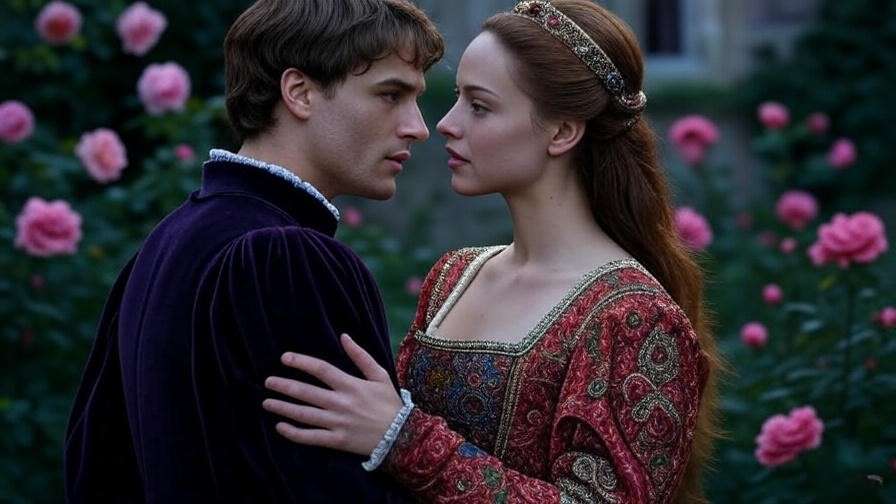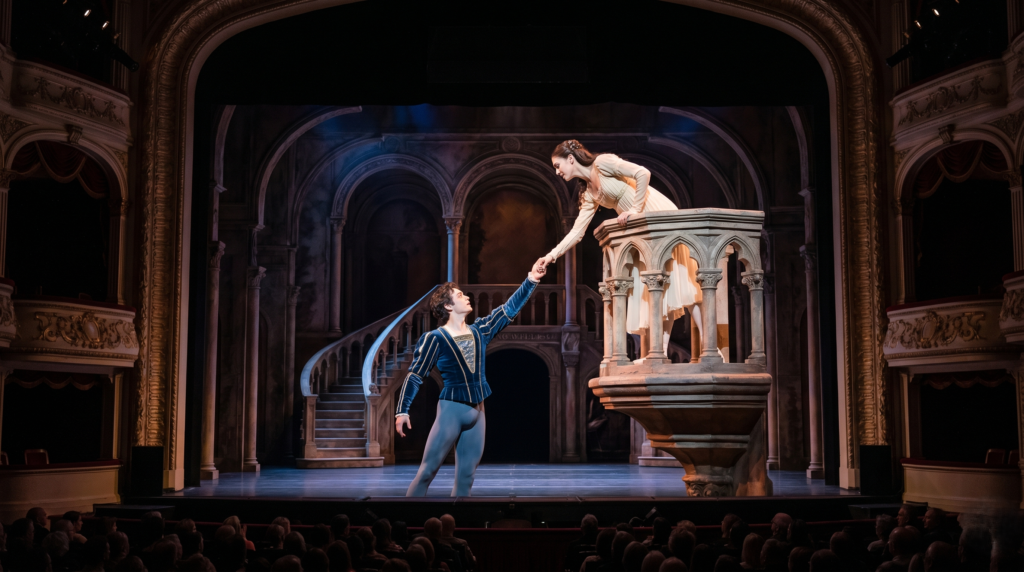
What happens when one of the greatest love stories ever written is transformed into pure movement—without a single spoken word? The result is nothing short of mesmerizing. Boston Ballet Romeo and Juliet is not just a performance; it’s an emotional experience that redefines how audiences connect with Romeo and Juliet by William Shakespeare.
Within the first moments of the ballet, you’re drawn into a world where passion, conflict, and fate unfold through choreography, music, and visual storytelling. For many viewers—especially those unfamiliar with ballet—this production answers a key question: Can dance truly capture the depth of Shakespeare’s tragedy? The answer, as Boston Ballet proves, is a resounding yes.
In this comprehensive guide, you’ll discover:
- How the original Shakespearean story is adapted into ballet
- What makes Boston Ballet’s choreography unique
- Key scenes and performances you shouldn’t miss
- Practical tips to fully appreciate the experience
Whether you’re a student of literature, a ballet enthusiast, or a curious first-time viewer, this article will help you understand—and truly enjoy—this iconic production.
Understanding the Story Behind Boston Ballet Romeo and Juliet
A Quick Refresher on Shakespeare’s Original Play
At its core, Romeo and Juliet is a tragic love story set in Verona, where two young lovers from feuding families—the Montagues and the Capulets—fall deeply in love. Their secret relationship unfolds rapidly, leading to moments of joy, tension, and ultimately, devastating loss.
Key themes include:
- The intensity and impulsiveness of young love
- The destructive nature of family conflict
- Fate versus free will
- The inevitability of tragedy
These themes remain central in the ballet adaptation, even though the medium shifts from words to movement.
How Boston Ballet Interprets the Story on Stage
Unlike a theatrical play, ballet eliminates dialogue entirely. Instead, Boston Ballet uses:
- Expressive choreography
- Facial expressions and body language
- Symbolic staging and gestures
This means every emotion—love, anger, fear, grief—must be communicated physically. For example:
- A gentle lift can symbolize trust and intimacy
- Sudden, sharp movements convey conflict or rage
- Stillness can express shock or despair
The narrative is carefully condensed to highlight the most emotionally powerful moments, ensuring that even viewers unfamiliar with the original play can follow the story clearly.
The Choreography: What Makes Boston Ballet Romeo and Juliet Unique
The Vision Behind the Production
Boston Ballet’s version of Romeo and Juliet stands out because of its commitment to both classical technique and emotional authenticity. While many productions follow traditional choreography, Boston Ballet often emphasizes:
- Narrative clarity (making the story easy to follow)
- Emotional realism (characters feel human, not abstract)
- Dynamic pacing (balancing quiet intimacy with dramatic intensity)
This approach ensures that the ballet appeals to modern audiences while remaining faithful to its classical roots.
Signature Dance Sequences to Watch For
Certain scenes define the emotional and artistic impact of the performance:
The Ballroom Scene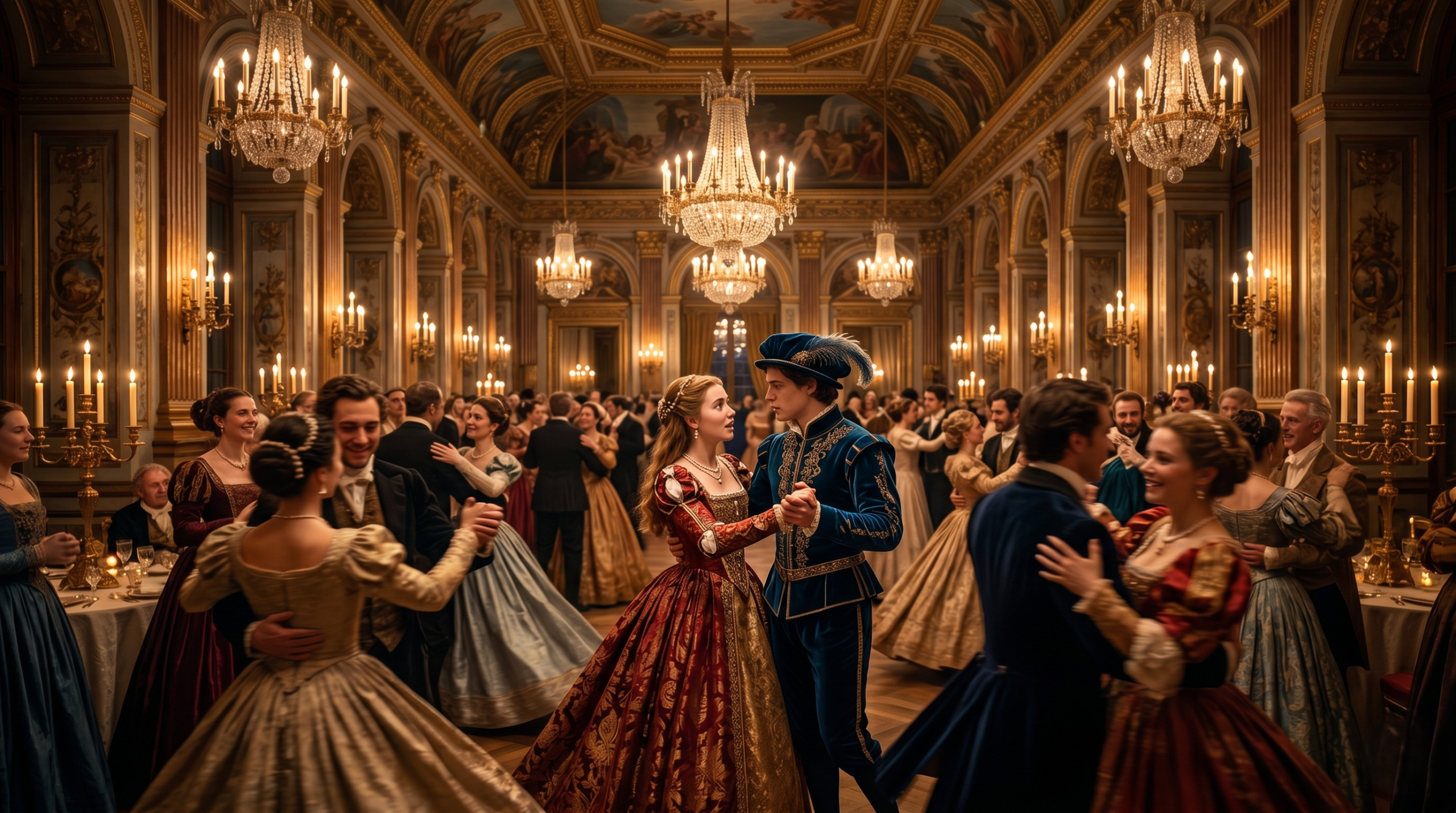
- Lavish, energetic, and visually stunning
- Introduces Romeo and Juliet’s first meeting
- Contrasts social celebration with the tension of family rivalry
The Balcony Pas de Deux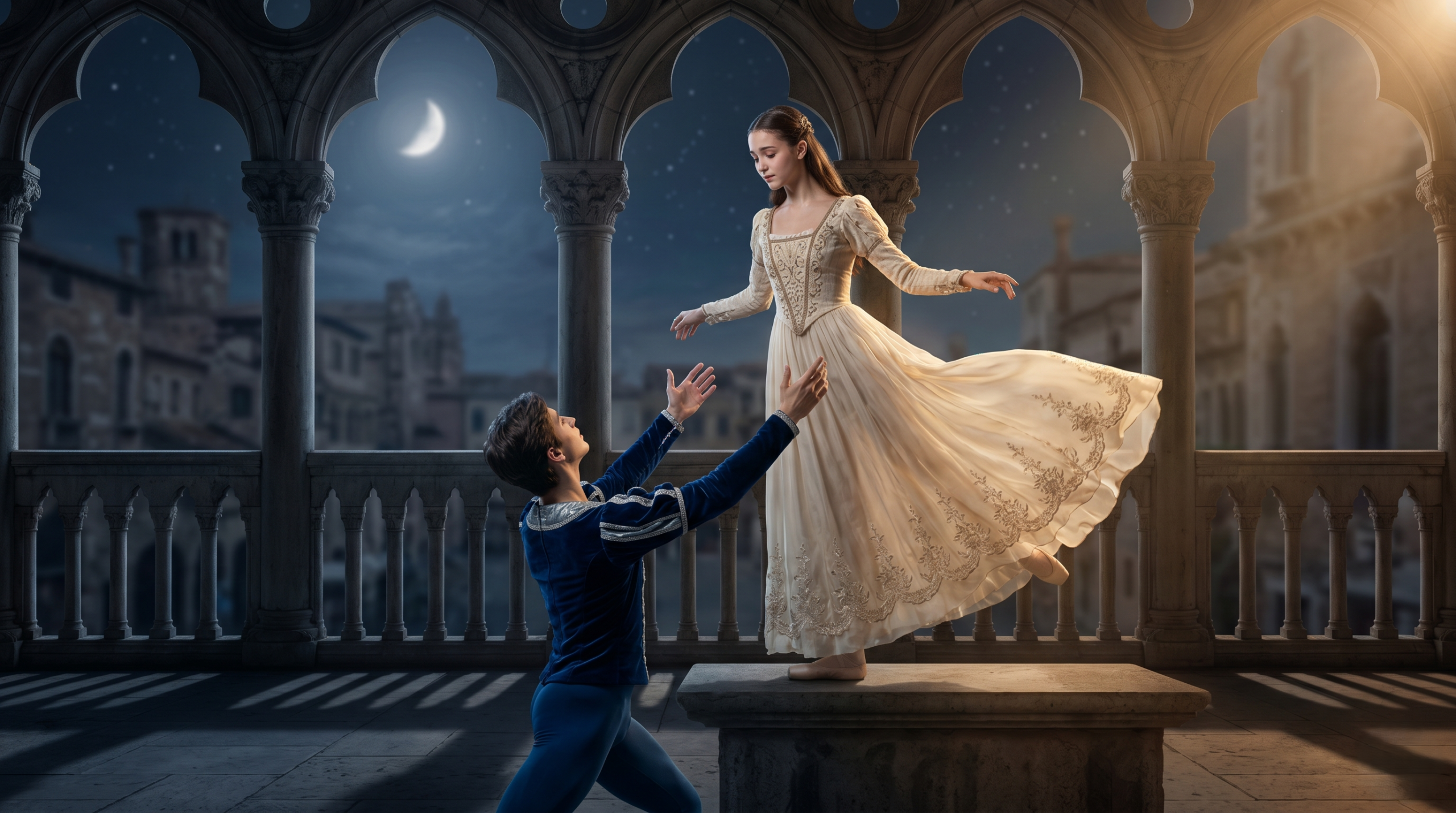
- Perhaps the most iconic moment
- Features fluid lifts and intimate choreography
- Captures the innocence and intensity of first love
The Death Scene
- Minimalistic yet emotionally overwhelming
- Focuses on stillness and subtle movement
- Leaves a lasting impression of tragedy and inevitability
Each of these sequences demonstrates how choreography replaces dialogue while preserving emotional depth.
Emotional Expression Through Movement
One of the most remarkable aspects of Boston Ballet Romeo and Juliet is how effectively it conveys complex emotions without words.
- Love is expressed through soft, flowing movements and close physical connection
- Conflict appears in sharp, aggressive gestures and fast-paced sequences
- Grief is shown through collapsing movements, slow pacing, and stillness
This physical storytelling requires exceptional skill from the dancers, who must act with their entire bodies.
Music and Set Design: Bringing Verona to Life
The Power of Prokofiev’s Score
The emotional backbone of the ballet is the music composed by Sergei Prokofiev. His score is widely regarded as one of the greatest in ballet history.
Key features include:
- Dramatic contrasts between light and dark tones
- Memorable motifs representing different characters
- Rhythmic intensity that drives the action forward
For instance:
- The famous “Dance of the Knights” underscores the power and tension of the Capulet family
- Softer melodies accompany romantic scenes, enhancing their emotional impact
The music doesn’t just support the story—it tells it.
Stage Design, Costumes, and Atmosphere
Boston Ballet’s production immerses audiences in Renaissance Verona through:
- Detailed set designs (grand halls, city streets, intimate balconies)
- Rich costumes that reflect social hierarchy and character identity
- Strategic lighting to emphasize mood and transitions
Costumes, in particular, play a crucial role:
- Juliet’s transformation is mirrored in her wardrobe
- The Capulets and Montagues are visually distinguished
- Movement is enhanced by fabric flow and design
Together, these elements create a cinematic experience on stage.
Key Characters in Boston Ballet Romeo and Juliet
Romeo: The Passionate Idealist
Romeo is portrayed as impulsive, emotional, and deeply romantic. His choreography often includes:
- Expansive leaps
- Open, expressive gestures
- Fluid partnering movements
These elements reflect his idealistic nature and intense devotion to Juliet.
Juliet: From Innocence to Tragedy
Juliet undergoes one of the most compelling transformations in ballet.
At the beginning:
- Her movements are light, playful, and youthful
As the story progresses:
- Her choreography becomes more grounded and emotionally complex
By the final act:
- Her movements convey maturity, determination, and despair
This evolution is central to the emotional power of the performance.
Mercutio, Tybalt, and Supporting Roles
Supporting characters add depth and energy to the narrative:
- Mercutio: Playful, witty, and energetic—his movements are fast and unpredictable
- Tybalt: Aggressive and controlled—his choreography reflects tension and authority
- The Nurse: Provides warmth and humor through expressive gestures
Each character has a distinct movement style, making the story easier to follow.
Why Boston Ballet Romeo and Juliet Is a Must-See Performance
Critical Acclaim and Audience Reception
Boston Ballet has earned widespread praise for its production, often highlighted for:
- Emotional authenticity
- Strong storytelling
- Exceptional technical performance
Critics and audiences alike frequently note that this version strikes a perfect balance between tradition and innovation.
Emotional Impact on Modern Audiences
Despite being written centuries ago, Romeo and Juliet continues to resonate because of its universal themes:
- Love that defies boundaries
- Conflict that escalates beyond control
- The consequences of impulsive decisions
Boston Ballet amplifies these themes, making them accessible and deeply moving—even for viewers new to Shakespeare or ballet.
Best Performances and Notable Casts to Know
Historic Productions and Milestones
Over the years, Boston Ballet has staged multiple memorable performances of Romeo and Juliet, each refining the production’s artistic vision.
Key milestones include:
- Revivals that introduce new choreography nuances
- Performances that showcase emerging talent
- Tours that bring the production to wider audiences
Renowned Dancers Who Defined the Roles
Certain dancers leave a lasting impression on these iconic roles, bringing unique interpretations to:
- Romeo’s passion
- Juliet’s transformation
- Mercutio’s charisma
Their performances often shape how audiences remember the production.
Tips for First-Time Viewers of Boston Ballet Romeo and Juliet
How to Follow the Story Without Dialogue
If you’re new to ballet, focus on:
- Facial expressions
- Repeated movement patterns
- Interactions between characters
These cues will help you understand the narrative clearly.
What to Look for in Each Act
- Act I: Introduction of characters and conflict
- Act II: Development of romance and rising tension
- Act III: Tragic resolution
Recognizing this structure enhances your viewing experience.
Practical Viewing Tips
- Arrive early to settle in and absorb the atmosphere
- Read a brief synopsis beforehand
- Choose seating that offers a full view of the stage
These simple steps can significantly improve your experience.
Comparing Boston Ballet Romeo and Juliet to Other Productions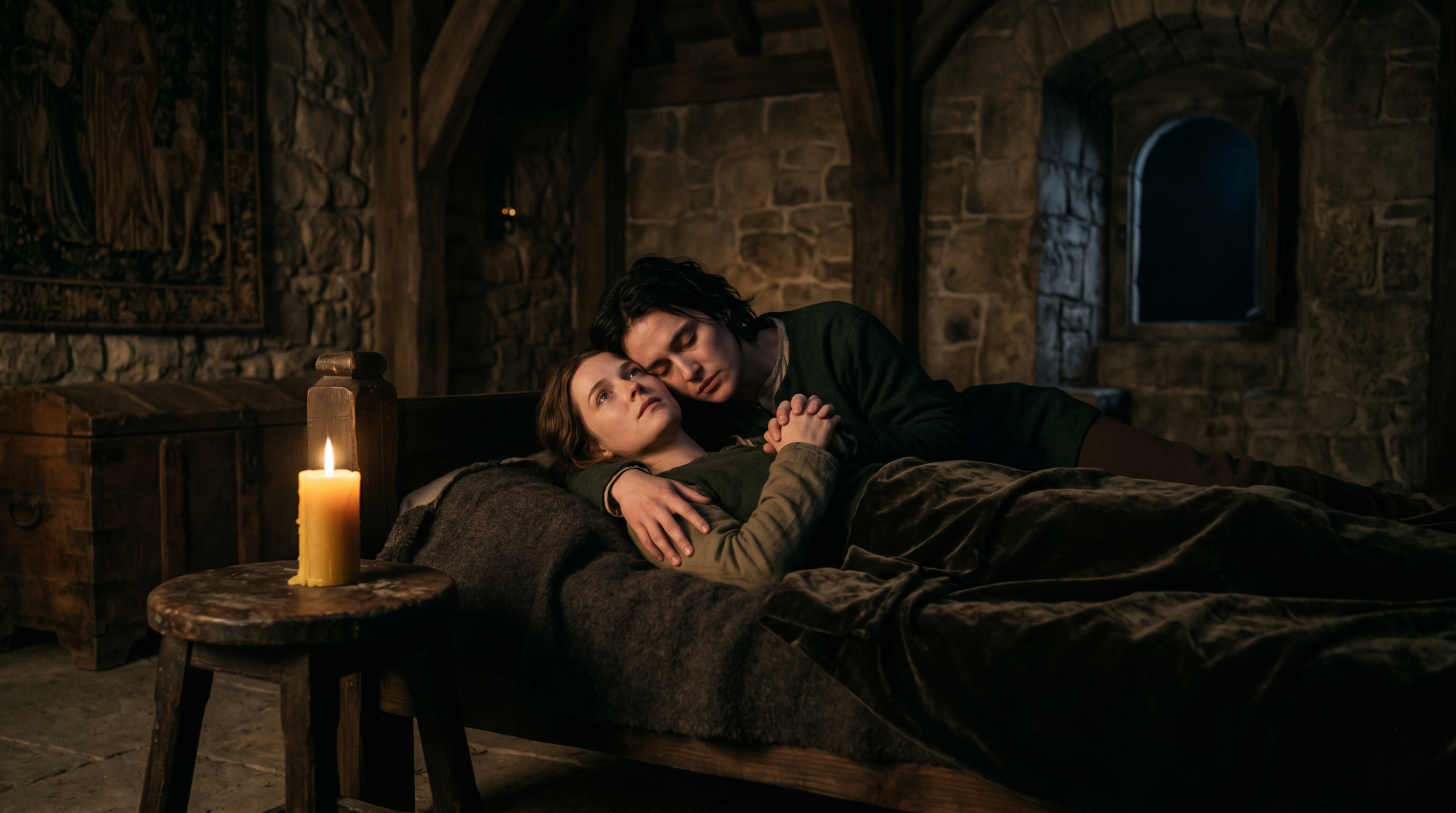
Differences from Other Major Ballet Interpretations
While many ballet companies perform Romeo and Juliet, each production reflects a distinct artistic philosophy. For example, interpretations by institutions like The Royal Ballet often emphasize grand theatrical tradition and elaborate staging, while other European productions may lean toward modern minimalism.
Boston Ballet’s version distinguishes itself through:
- Clarity of storytelling – making it especially accessible to new audiences
- Balanced pacing – avoiding overly drawn-out scenes while preserving emotional depth
- Humanized characters – dancers portray psychologically believable individuals rather than stylized archetypes
This makes Boston Ballet Romeo and Juliet particularly effective for viewers who want both artistic beauty and narrative understanding.
What Makes Boston Ballet’s Version Stand Out
Several defining qualities elevate this production:
- Emotional immediacy: The choreography prioritizes connection, making audiences feel every moment
- Refined staging: Visual elements enhance rather than overshadow the story
- Strong ensemble work: Supporting dancers contribute meaningfully to the narrative
In contrast to more abstract interpretations, Boston Ballet ensures that every movement serves the story—a key reason it resonates with modern viewers.
Behind the Scenes: Rehearsals and Artistic Process
Training and Preparation of Dancers
Performing in Romeo and Juliet demands both technical mastery and emotional depth. Dancers undergo:
- Rigorous physical training to execute complex lifts and sequences
- Character study to understand motivations and relationships
- Rehearsal repetition to perfect timing and synchronization
For roles like Romeo and Juliet, the challenge lies in balancing:
- Athletic precision
- Emotional vulnerability
- Seamless partner coordination
This level of preparation ensures that the performance feels effortless—though it is anything but.
Collaboration Between Directors, Musicians, and Designers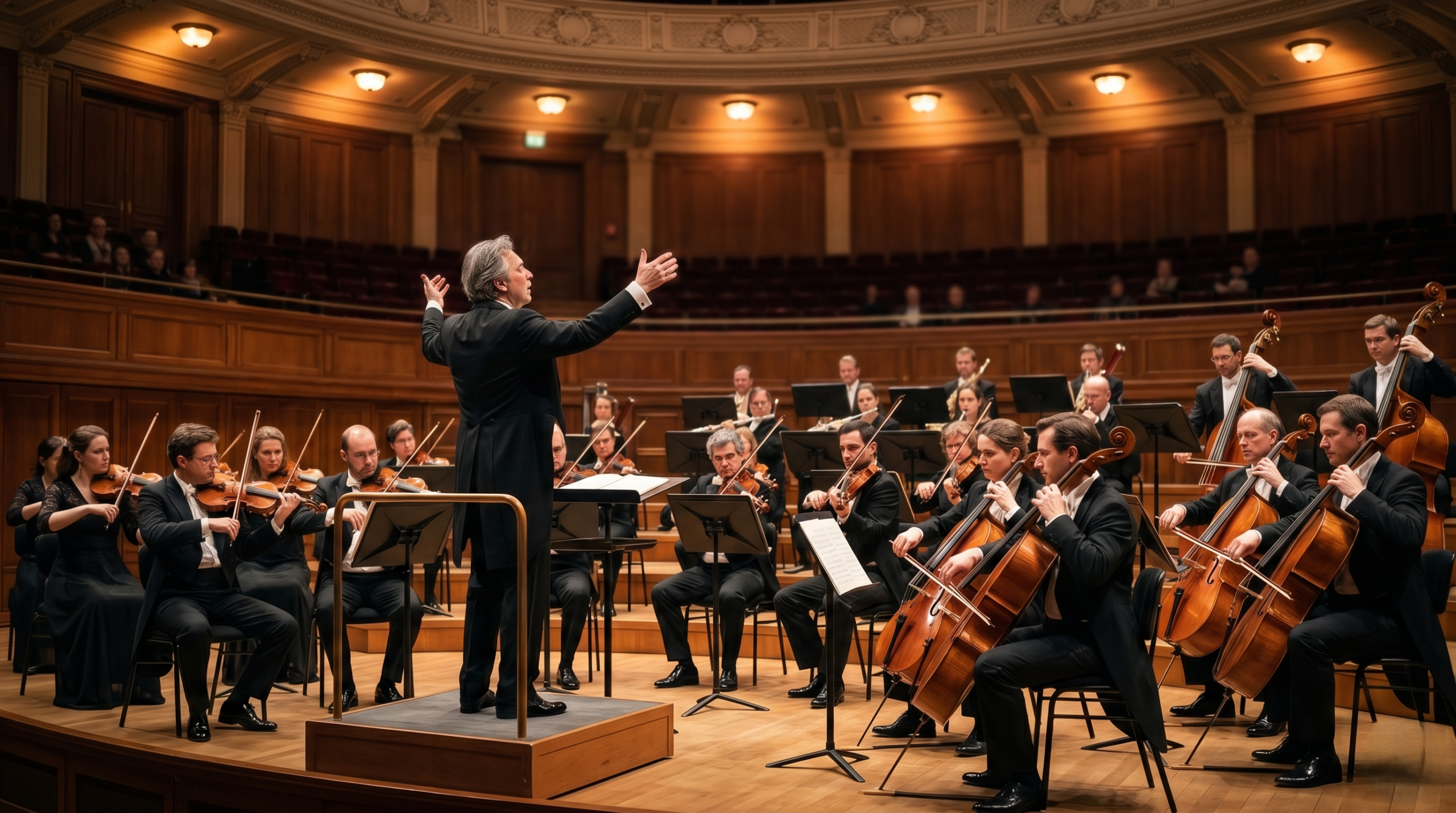
A ballet production is never the work of dancers alone. It is a collaborative effort involving:
- Artistic directors who shape the vision
- Orchestra musicians who bring Sergei Prokofiev’s score to life
- Set and costume designers who create the visual world
Each element must align perfectly. For instance:
- Lighting cues must match musical shifts
- Costume design must allow freedom of movement
- Set transitions must occur seamlessly between scenes
This behind-the-scenes coordination is what transforms a performance into a fully immersive experience.
Frequently Asked Questions (FAQs)
How long is Boston Ballet Romeo and Juliet?
Typically, the performance runs around 2.5 to 3 hours, including intermissions. This allows the story to unfold at a comfortable pace without losing emotional intensity.
Is it suitable for beginners or non-ballet audiences?
Absolutely. One of the strengths of Boston Ballet Romeo and Juliet is its clear storytelling, making it ideal for:
- First-time ballet viewers
- Students studying Shakespeare
- Anyone interested in visual storytelling
What should I wear to a performance?
There’s no strict dress code, but most audiences opt for:
- Smart casual attire
- Semi-formal outfits for evening shows
Comfort and respect for the venue are key.
Where can I watch or book tickets?
You can attend performances through the official platform of Boston Ballet, which regularly schedules seasonal shows. Some recordings or excerpts may also be available online for educational purposes.
Is the story different from Shakespeare’s original?
The core story remains faithful to Romeo and Juliet, though:
- Certain subplots may be simplified
- Scenes are condensed for pacing
- Emphasis is placed on visual storytelling rather than dialogue
Expert Insights: Why This Ballet Remains Timeless
From a literary and performance perspective, Romeo and Juliet represents one of the most adaptable narratives in artistic history. The transition from stage play to ballet highlights an important truth: great stories transcend their medium.
In the hands of Boston Ballet, Shakespeare’s tragedy becomes:
- A study in non-verbal communication
- A demonstration of how music and movement can replace language
- A reminder that human emotions are universally understood
For students and enthusiasts of literature, this production offers a unique opportunity to see Shakespeare rather than simply read him.
Experiencing Shakespeare Through Movement
Boston Ballet Romeo and Juliet is more than a reinterpretation—it is a powerful fusion of literature, music, and dance that brings Shakespeare’s timeless tragedy to life in a profoundly moving way.
By combining:
- The narrative brilliance of William Shakespeare
- The musical genius of Sergei Prokofiev
- The artistic excellence of Boston Ballet
this production creates an experience that resonates across generations and cultures.
Whether you are seeking to better understand the story, explore ballet as an art form, or simply witness a breathtaking performance, this guide equips you with everything you need to fully appreciate it.