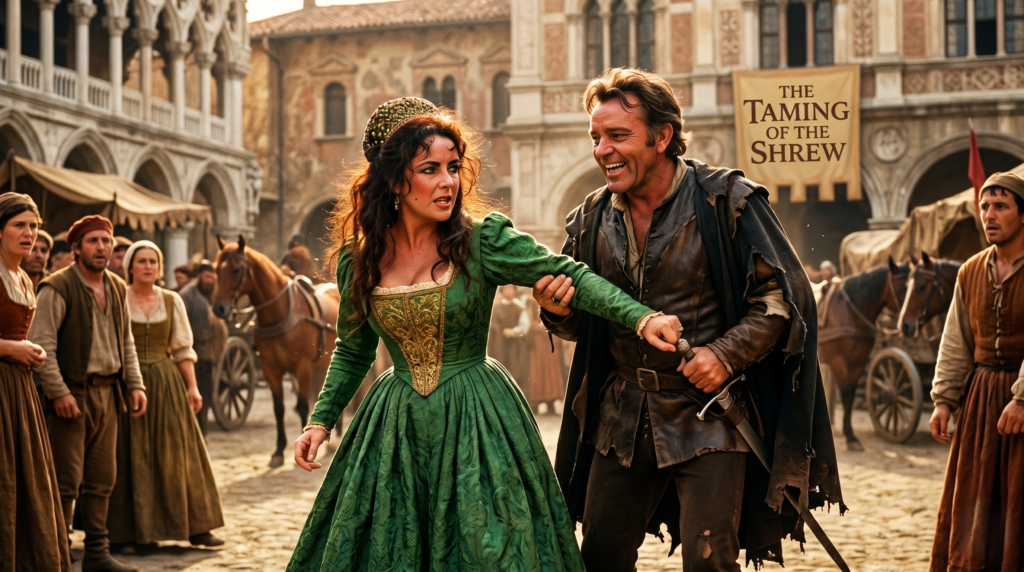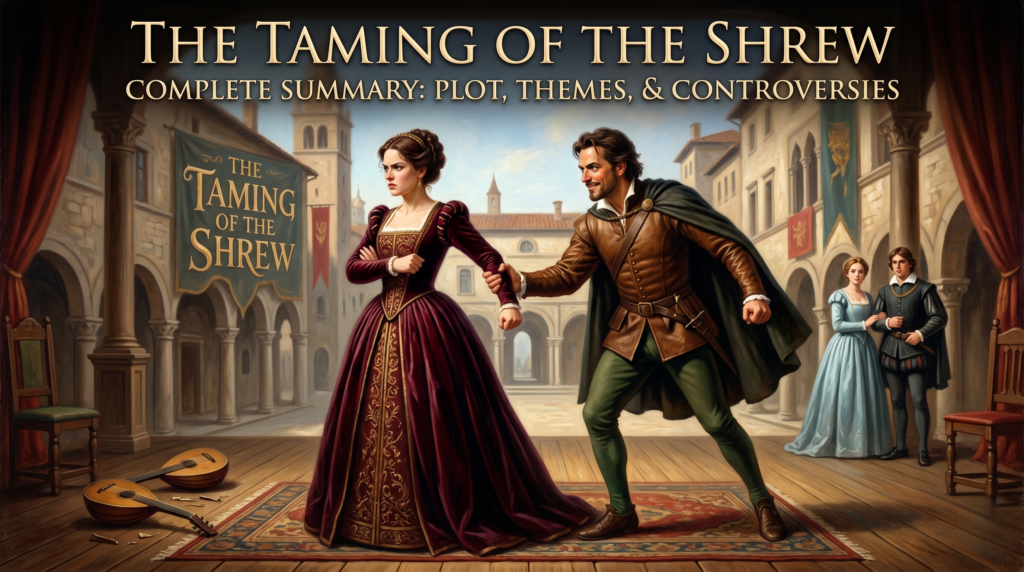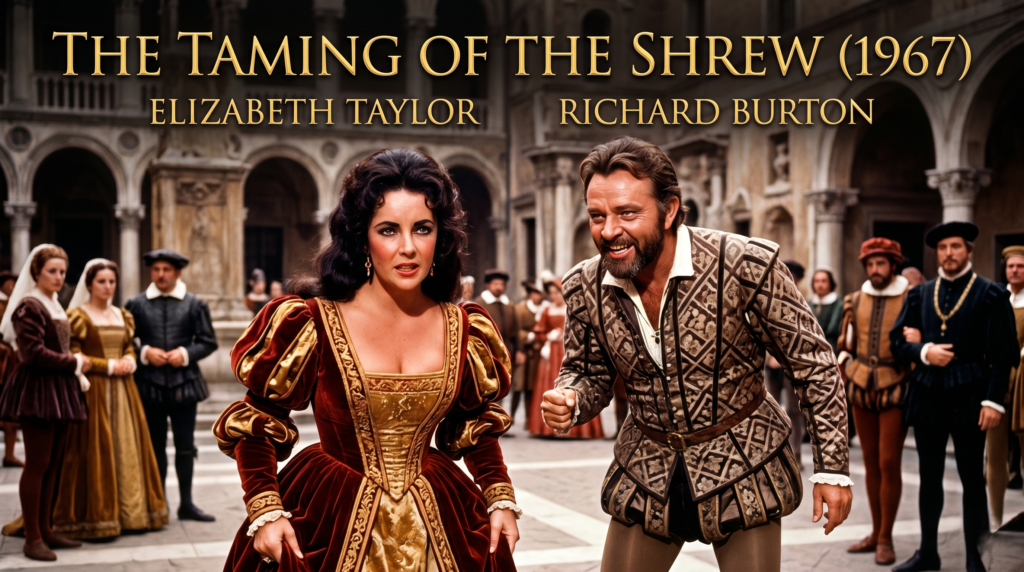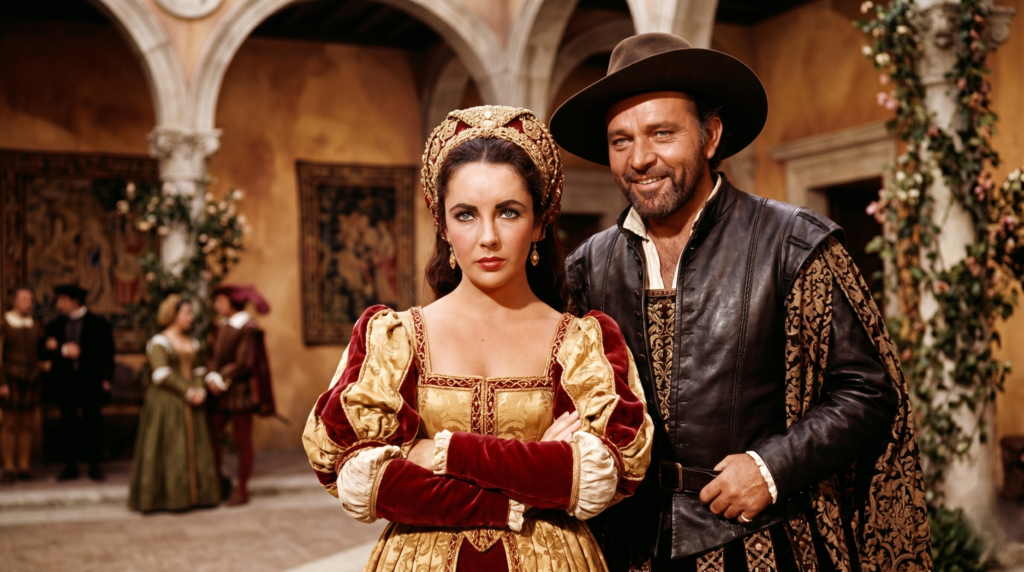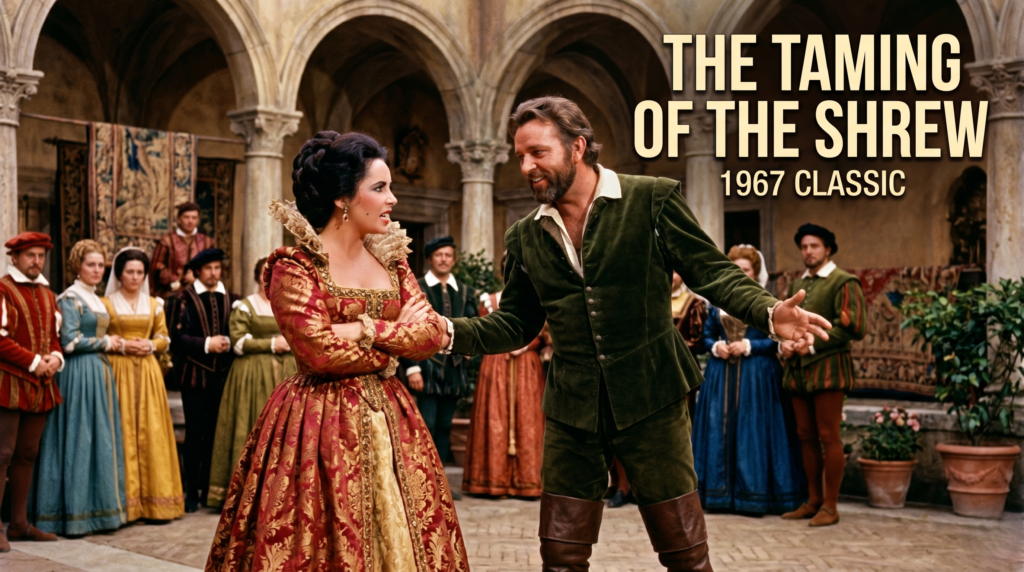
Few plays in literary history provoke as much debate, discomfort, and fascination as Taming of the Shrew. At first glance, it appears to be a lively romantic comedy filled with witty banter and dramatic disguises. But beneath its humor lies a complex and often troubling exploration of gender, power, and identity.
If you’ve ever struggled to understand whether taming of the shrew is a lighthearted love story or a deeply problematic portrayal of male dominance, you’re not alone. Students, readers, and even scholars continue to wrestle with its meaning. Is Katherine truly “tamed,” or is she performing? Is Petruchio a cruel manipulator, or is he playing a role within a larger social satire?
This comprehensive guide will help you cut through the confusion. You’ll gain a clear understanding of the plot, characters, themes, and—most importantly—how to interpret the play in a modern context. Whether you’re preparing for exams or simply want a deeper appreciation of Shakespeare’s work, this article will give you the clarity and confidence you need.
Quick Summary of Taming of the Shrew
Plot Overview in Simple Terms
Set in the Italian city of Padua, The Taming of the Shrew revolves around two sisters: Katherine (often called Kate), who is outspoken and defiant, and Bianca, who is gentle and widely admired. Their father, Baptista Minola, declares that Bianca cannot marry until Katherine finds a husband—a decision that sets the entire plot in motion.
Enter Petruchio, a bold and eccentric man seeking wealth through marriage. He decides to marry Katherine, despite her reputation as a “shrew.” What follows is a series of psychological tactics through which Petruchio attempts to “tame” her—denying her food, sleep, and comfort while insisting that reality conforms to his words.
Meanwhile, a subplot unfolds as Bianca’s suitors compete for her affection, using disguises and clever schemes to win her hand.
The play culminates in a banquet where the husbands test their wives’ obedience. To everyone’s surprise, Katherine delivers a speech about wifely submission, raising the central question: has she truly changed, or is she playing along?
Key Events That Shape the Story
- Baptista’s rule delaying Bianca’s marriage
- Petruchio’s decision to marry Katherine for financial gain
- The unconventional wedding ceremony
- Petruchio’s “taming” methods at his country house
- The final wager and Katherine’s speech
Major Characters Explained
Katherine (Katherina): The “Shrew” Reconsidered
Katherine is one of Shakespeare’s most misunderstood heroines. At the beginning of the play, she is sharp-tongued, aggressive, and resistant to societal expectations. But rather than viewing her as inherently difficult, modern interpretations often ask: why is she this way?
She lives in a society that values women primarily for their obedience and marriageability. Constantly compared to her more “ideal” sister Bianca, Katherine’s anger can be seen as a response to neglect, frustration, and lack of agency.
Her transformation—or apparent transformation—by the end of the play is open to interpretation. Some see it as submission, while others view it as a strategic performance that allows her to survive within a restrictive system.
Petruchio: Tamer or Performer?
Petruchio is charismatic, confident, and undeniably controversial. He openly declares his intention to marry for money and approaches his relationship with Katherine as a challenge.
His “taming” methods—contradicting reality, withholding basic comforts, and asserting dominance—can seem harsh, even abusive. However, some interpretations suggest that Petruchio is not trying to break Katherine, but rather to mirror her behavior and challenge societal norms.
Is he a controlling husband, or is he performing a role in a larger comedic framework? The answer often depends on how the play is staged and interpreted.
Bianca: The Ideal Woman or Strategic Player?
At first glance, Bianca appears to be the perfect contrast to Katherine: gentle, obedient, and desirable. However, as the play progresses, her character reveals subtle complexity.
She skillfully navigates her suitors, manipulates situations to her advantage, and ultimately defies expectations in the final scene. In some ways, Bianca’s behavior suggests that she is just as strategic as Katherine—only more socially acceptable.
Supporting Characters and Their Roles
- Baptista Minola: A father concerned with social status and marriage arrangements
- Lucentio: A romantic idealist who pursues Bianca
- Hortensio: Another suitor who eventually marries a wealthy widow
- Tranio: Lucentio’s servant who plays a key role in disguise and deception
- Grumio: Petruchio’s servant, providing comic relief
These characters contribute to the play’s exploration of identity, deception, and social expectations.
Themes in Taming of the Shrew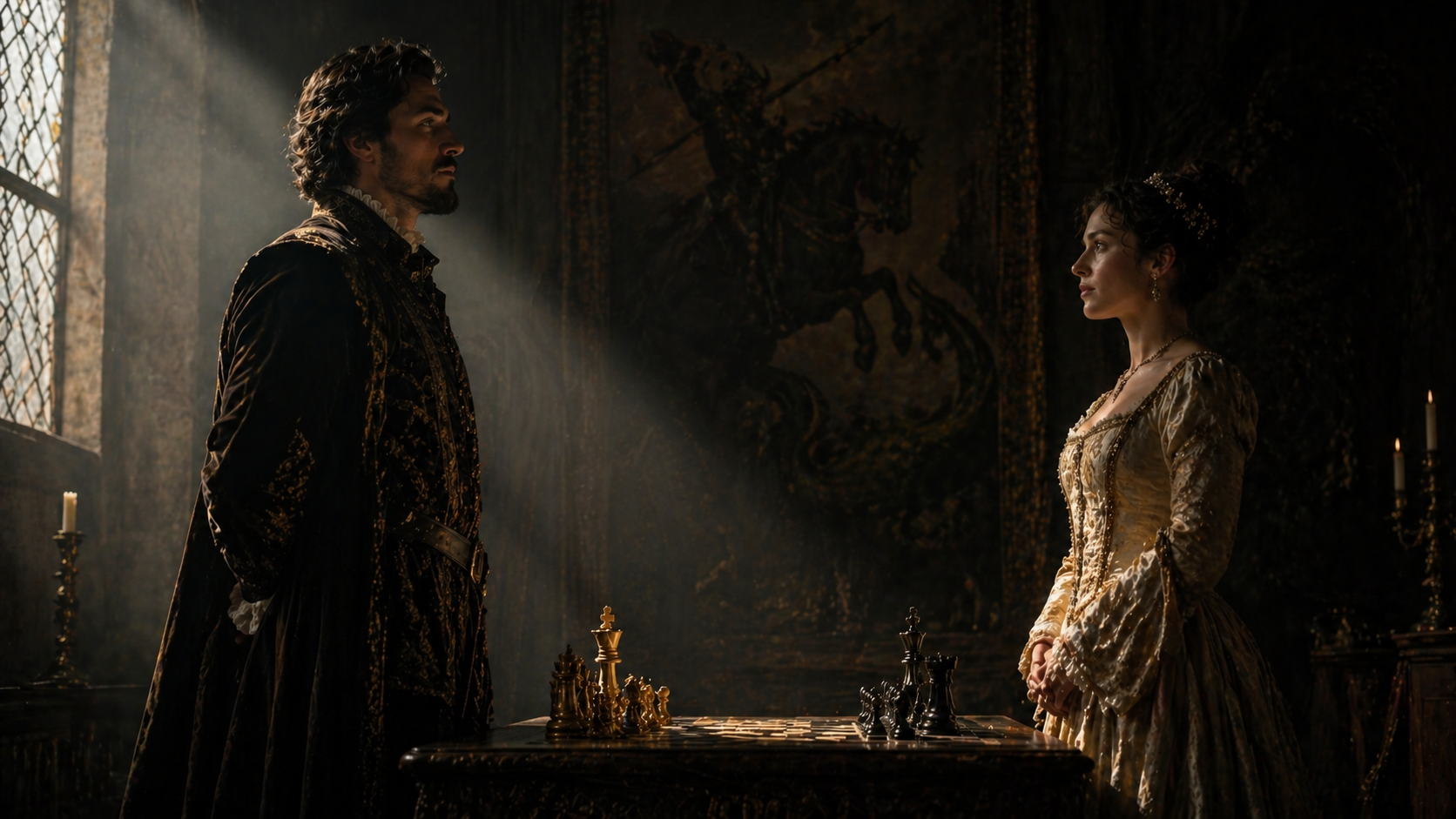
Gender Roles and Power Dynamics
One of the most central themes in the play is the struggle for power between men and women. In Elizabethan society, men held authority in both public and private life, and women were expected to be obedient.
The relationship between Katherine and Petruchio highlights this imbalance. However, the play also complicates this dynamic by showing moments where Katherine appears to gain control through wit and intelligence.
Marriage as a Social and Economic Contract
Marriage in Taming of the Shrew is rarely about love. Instead, it is portrayed as a transaction involving wealth, status, and convenience.
Petruchio’s interest in Katherine is initially financial, while Baptista treats his daughters’ marriages as business arrangements. This theme reflects the realities of Shakespeare’s time, where marriage was often a strategic alliance rather than a romantic choice.
Identity, Performance, and Disguise
Disguise plays a major role in the subplot involving Bianca’s suitors. Characters assume false identities to achieve their goals, blurring the line between appearance and reality.
This theme extends to Katherine’s final speech. Is she expressing genuine submission, or is she performing the role expected of her?
Transformation: Real or Forced?
The idea of transformation is at the heart of the play. Katherine appears to change dramatically by the end, but whether this change is authentic remains unclear.
Some interpretations suggest she has been broken by Petruchio’s methods, while others argue she has learned to navigate societal expectations strategically.
The Controversy: Is Taming of the Shrew Misogynistic?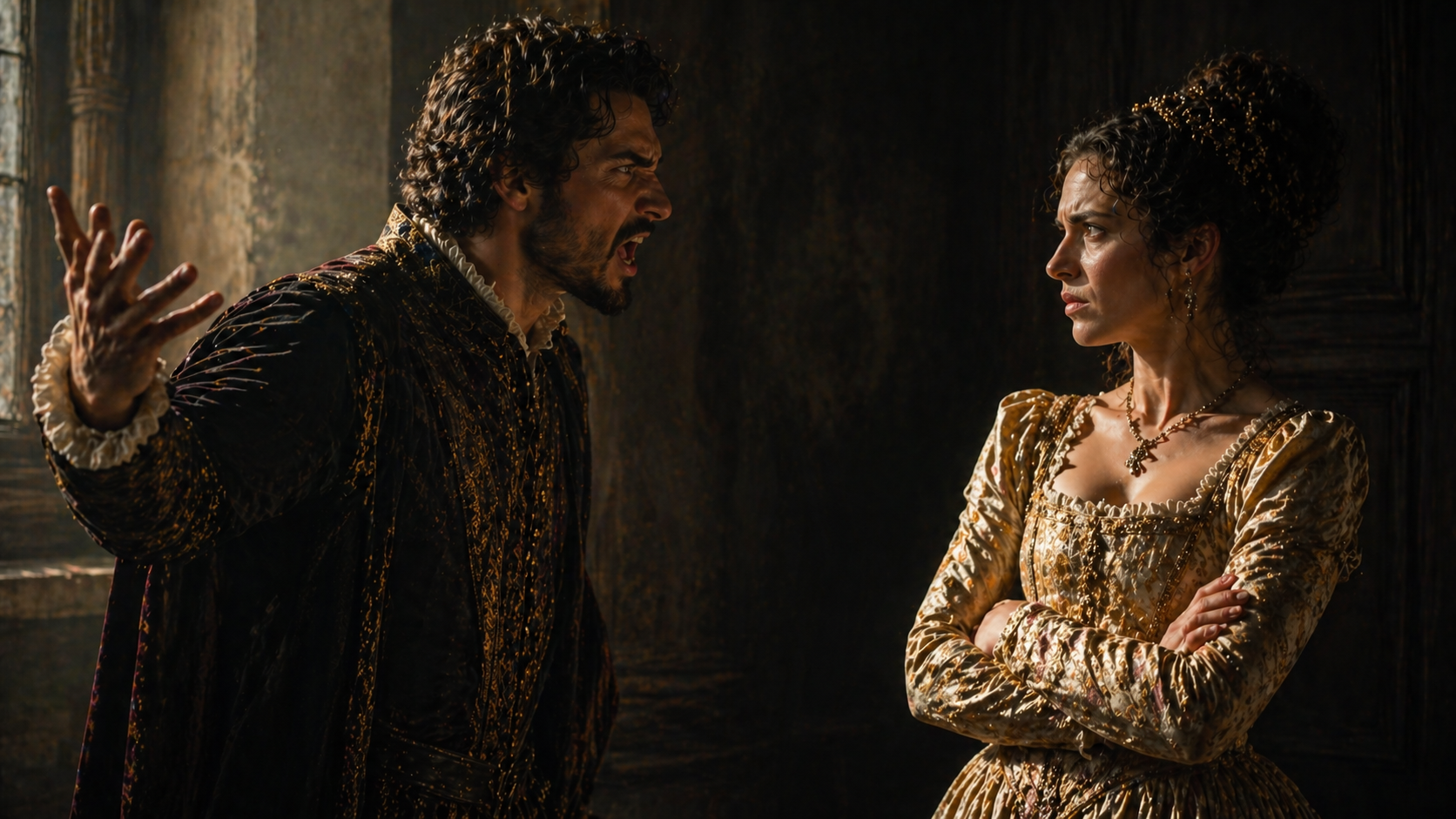
Traditional Interpretation
Historically, the play has been viewed as a straightforward endorsement of male dominance. Katherine’s “taming” is seen as a lesson in obedience, reinforcing patriarchal values.
Modern Feminist Readings
Contemporary critics often challenge this view. Many argue that the play is ironic or satirical, exposing the absurdity of rigid gender roles.
Katherine’s final speech, in particular, is frequently reinterpreted as a performance—one that allows her to maintain a degree of control within a restrictive system.
How Directors Reinterpret the Play Today
Modern productions often adapt the tone of the play to align with contemporary values. Some emphasize its comedic elements, while others highlight its darker implications.
Directors may portray Petruchio as playful rather than cruel, or present Katherine as knowingly participating in the “game” of marriage.
Historical Context You Must Know
Elizabethan Society and Gender Expectations
To fully understand the play, it’s essential to consider the social norms of Shakespeare’s time. Women were expected to be obedient, and marriage was one of the few paths available to them.
Katherine’s behavior would have been seen as unacceptable, making her transformation more significant to contemporary audiences.
Shakespeare’s Audience and Intent
Shakespeare wrote for entertainment, but his works often contain deeper social commentary. Taming of the Shrew may have been intended as a comedy, but it also reflects—and possibly critiques—the values of its time.
Literary Devices and Techniques
Use of Comedy and Farce
The play relies heavily on exaggerated situations, witty dialogue, and physical humor. These elements make it entertaining while also masking its more serious themes.
Why It Matters
The play begins with an induction featuring Christopher Sly, a drunk man tricked into believing he is a nobleman. This framing device introduces the idea of illusion and performance, which continues throughout the play.
Language and Wordplay
Shakespeare’s use of language is central to the power dynamics in the play. Characters assert dominance through speech, and witty exchanges often reveal deeper tensions.
Modern Interpretations and Adaptations
Film and Stage Adaptations
Modern adaptations have reimagined the play in various ways, sometimes softening its controversial elements or highlighting its satire.
One of the most popular reinterpretations is the film 10 Things I Hate About You, which transforms the story into a modern high school setting while preserving its core themes.
Relevance in Today’s World
Despite being written over 400 years ago, the play continues to resonate. Discussions about gender roles, relationships, and power dynamics remain highly relevant.
How to Read the Play Today
To fully appreciate Taming of the Shrew, readers should approach it with an open mind. Consider multiple interpretations, and pay attention to context, tone, and performance choices.
Key Quotes Explained
Katherine’s Final Speech
This speech is the most debated part of the play. It can be read as sincere, ironic, or strategic, depending on interpretation.
Petruchio’s “Taming” Lines
Petruchio’s dialogue often reveals his approach to control and manipulation, but it can also be seen as exaggerated for comedic effect.
Important Dialogues on Marriage and Power
Throughout the play, characters express differing views on marriage, highlighting its complexity and contradictions.
Expert Insights: How to Analyze Taming of the Shrew Effectively
- Always consider historical context
- Explore multiple interpretations
- Avoid oversimplifying characters
- Focus on themes rather than just plot
FAQs About Taming of the Shrew
What is the main message of the play?
It explores gender roles, power dynamics, and the nature of relationships.
Is Katherine truly “tamed”?
This remains open to interpretation.
Why is the play controversial?
Because it appears to promote female submission.
Is it still relevant today?
Yes, due to ongoing discussions about gender and power.
Understanding the Play in a Balanced Way
Taming of the Shrew is not a simple comedy—it is a complex, layered work that challenges readers to think critically about society, relationships, and identity. By exploring its themes, characters, and interpretations, we gain a deeper appreciation of Shakespeare’s ability to provoke thought and debate.