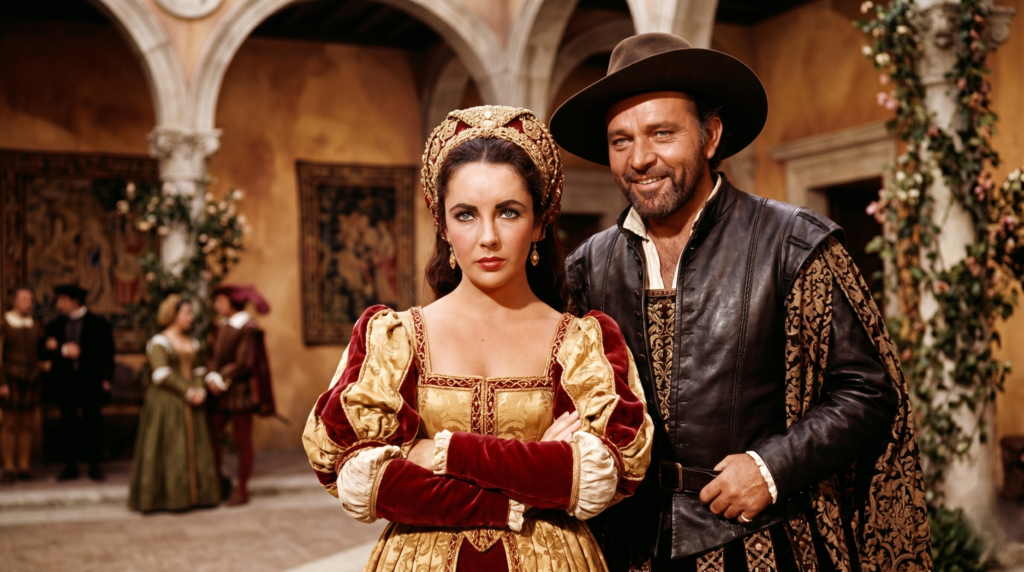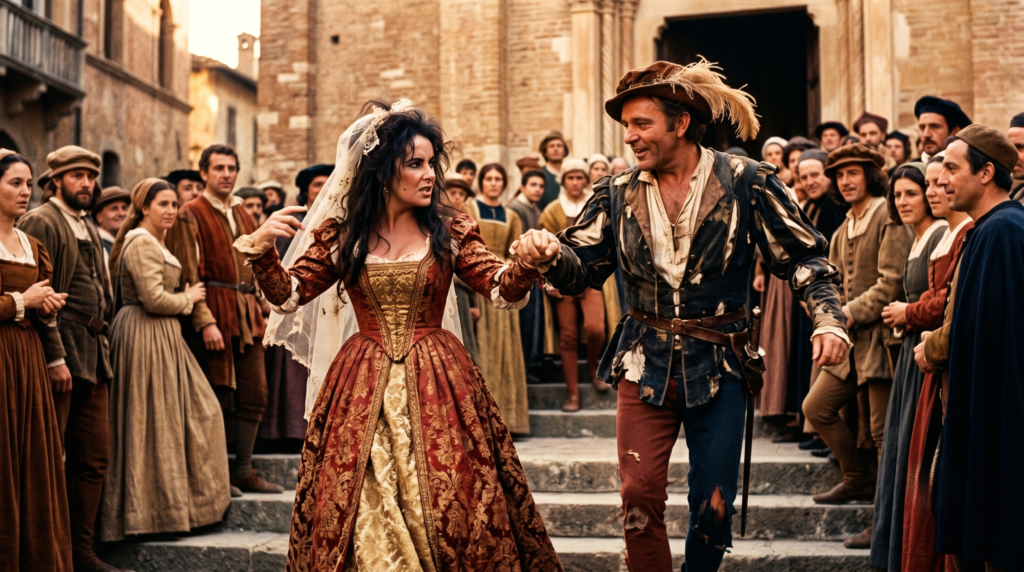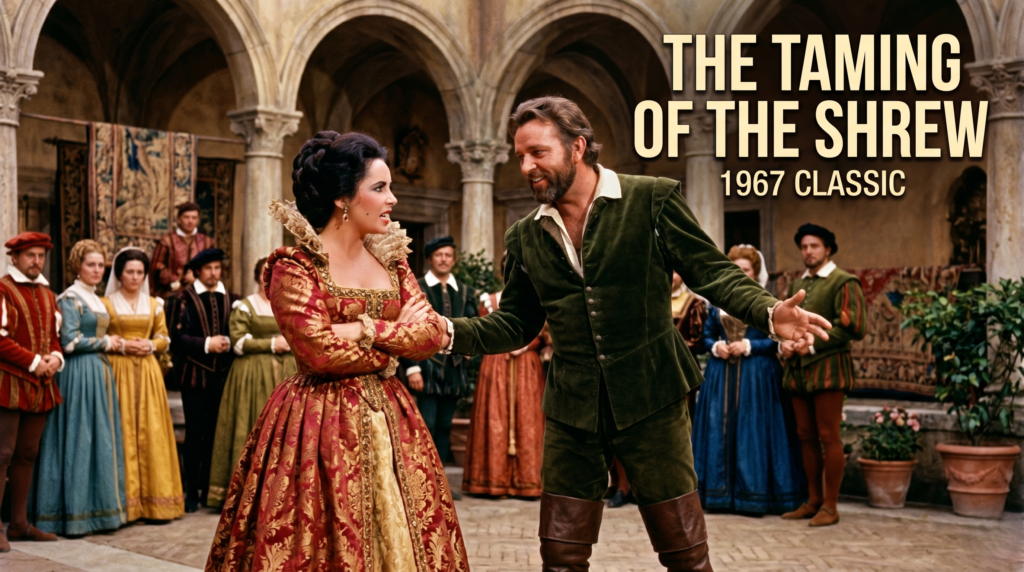
What if a love story made you uncomfortable instead of inspired? That’s exactly why The Taming of the Shrew continues to divide readers, students, and critics centuries after it was written. Some see it as a witty romantic comedy; others view it as a troubling portrayal of power, control, and gender roles.
If you’ve ever struggled to understand Shakespeare The Taming of the Shrew, you’re not alone. The play’s complex characters, layered humor, and controversial themes can feel confusing—especially when trying to interpret it through a modern lens. Is Katherine truly “tamed,” or is she playing a clever game? Is Petruchio a comic hero or something far more problematic?
In this complete guide, you’ll get:
- A clear, act-by-act summary
- A deep dive into major themes and characters
- Modern interpretations that make sense of the controversy
- Practical insights to help with exams, essays, and analysis
Written by William Shakespeare, this play isn’t just a story—it’s a conversation about society, identity, and power that still feels relevant today.
Quick Overview of The Taming of the Shrew
Basic Facts About the Play
- Genre: Comedy (with strong elements of satire)
- Written: Around 1590–1592
- Setting: Padua, Italy
- Structure: A framing story (Induction) + main narrative
Unlike many Shakespearean comedies, this play uses a “play within a play” format, beginning with a drunken man tricked into believing he is a nobleman. This unusual structure invites the audience to question what is real—and what is performance.
Why This Play Still Matters Today
The enduring relevance of The Taming of the Shrew lies in its controversy. Modern audiences are often unsettled by its portrayal of:
- Female submission
- Male authority
- Marriage as control
Yet this discomfort is exactly what makes the play valuable. It forces readers to:
- Think critically about historical context
- Question societal norms
- Explore how meaning changes over time
Plot Summary of The Taming of the Shrew (Act-by-Act Breakdown)
The Framing Device Explained
The play begins with Christopher Sly, a drunken tinker, who is tricked by a nobleman into believing he is actually a lord. Actors are brought in to perform a play for him—this play is The Taming of the Shrew itself.
Why this matters:
- It introduces the idea of illusion vs reality
- It suggests that identity can be constructed and manipulated
- It frames the entire story as a kind of performance
Act 1 – Introduction of Characters and Conflict
We are introduced to Baptista Minola and his two daughters:
- Katherine (Kate): Strong-willed, outspoken, labeled a “shrew”
- Bianca: Gentle, obedient, and highly desired
Baptista declares that Bianca cannot marry until Katherine does—creating the central conflict.
Meanwhile, suitors compete for Bianca’s hand, while Petruchio arrives seeking a wealthy wife.
Act 2 – Petruchio Arrives
Petruchio declares he will marry Katherine regardless of her personality. Their first meeting is filled with:
- Verbal sparring
- Wit and sarcasm
- A battle of dominance
Interestingly, Petruchio interprets everything Katherine says as positive—twisting reality to suit his narrative.
Act 3 – The Chaotic Wedding
Petruchio arrives late to his own wedding, dressed absurdly. His behavior is intentionally embarrassing and disruptive.
After the ceremony, he refuses to stay for the feast and takes Katherine away immediately—asserting control over her life.
Act 4 – The ‘Taming’ Process
This is the most controversial part of the play.
Petruchio begins to “tame” Katherine using psychological tactics:
- Denying her food and sleep
- Contradicting obvious truths
- Forcing her to agree with him
For example, he insists the sun is the moon—and demands she agree.
Key question: Is this cruelty, or a form of comic exaggeration?
Act 5 – Resolution and Final Speech
The play ends with a wager among husbands about whose wife is most obedient.
Katherine delivers a long speech about a wife’s duty to her husband, declaring submission and loyalty.
This moment is deeply debated:
- Is it sincere?
- Is it ironic?
- Is it strategic compliance?
Major Characters Explained
Katherine (Kate) – The ‘Shrew’
Katherine is one of Shakespeare’s most complex female characters.
Key traits:
- Intelligent
- Assertive
- Emotionally reactive
She resists societal expectations placed on women. However, her transformation—or performance of transformation—raises important questions.
Modern interpretations:
- A victim of patriarchy
- A woman adapting for survival
- A character who maintains inner independence
Petruchio – The Tamer
Petruchio is charismatic, bold, and controversial.
Motivations:
- Wealth
- Control
- Social status
His “taming” methods are often seen as abusive, but in the context of Shakespearean comedy, they may also be exaggerated for humor.
Bianca – The Ideal Woman?
At first, Bianca appears to be the perfect daughter:
- Quiet
- Obedient
- Attractive
However, as the play progresses, she shows signs of independence—suggesting that appearances can be misleading.
Supporting Characters
- Baptista: A controlling father
- Lucentio: Bianca’s romantic suitor
- Hortensio: Another suitor
- Tranio: Master of disguise and deception
These characters contribute to the subplot involving disguise, identity, and romantic competition.
Key Themes in Shakespeare The Taming of the Shrew
Gender Roles and Patriarchy
The play reflects the expectations of women in Elizabethan society:
- Obedience
- Silence
- Submission
Katherine challenges these norms, making her a disruptive figure.
Marriage as Power and Performance
Marriage in the play is often:
- Transactional
- Strategic
- Based on control rather than love
Petruchio’s relationship with Katherine can be seen as a power struggle rather than a partnership.
Identity and Transformation
Many characters adopt false identities or roles:
- Lucentio disguises himself
- Katherine appears to change
This raises the question: Are people truly changing, or just acting?
Illusion vs Reality
The Induction reminds us that everything we see may be staged.
Themes of illusion appear throughout:
- Disguises
- False appearances
- Manipulated truths
Is The Taming of the Shrew Problematic? (Modern Interpretation)
Feminist Criticism
Modern critics often argue that the play:
- Promotes male dominance
- Encourages female submission
- Normalizes controlling behavior
These concerns make it one of Shakespeare’s most controversial works.
Alternative Interpretations
Some scholars suggest more nuanced readings:
- The play is satirical, not literal
- Katherine is in control by the end
- The ending is ironic or performative
How Modern Productions Adapt the Play
Directors often reinterpret the story by:
- Changing tone (comedy vs critique)
- Altering Katherine’s final speech
- Emphasizing irony
These adaptations help make the play more accessible to modern audiences.
Key Quotes Explained (With Context and Meaning)
“Thy husband is thy lord…”
This is Katherine’s final speech.
Interpretations:
- Genuine submission
- Strategic compliance
- Hidden sarcasm
Its ambiguity is what keeps the debate alive.
Petruchio’s Language of Control
Petruchio frequently uses language to:
- Redefine reality
- Assert dominance
- Manipulate perception
Important Dialogues
Many exchanges between Katherine and Petruchio reveal:
- Intellectual equality
- Emotional tension
- Underlying humor
Literary Devices and Techniques Used by Shakespeare
Comedy and Farce
Exaggerated situations create humor:
- Absurd wedding
- Extreme “taming” methods
Dramatic Irony
The audience often knows more than the characters, especially in disguise scenes.
Symbolism and Motifs
Recurring elements include:
- Food (control and deprivation)
- Clothing (identity and status)
- Language (power and persuasion)
The Play-within-a-Play Structure
The Induction highlights:
- Performance vs reality
- The fluid nature of identity
How to Write About The Taming of the Shrew in Exams (Student Guide)
Common Exam Questions
- Is Katherine truly tamed?
- Discuss gender roles in the play
- Analyze Petruchio’s character
Answer Writing Tips
- Use clear arguments
- Support with quotes
- Consider multiple interpretations
Sample Thesis Statements
- “Katherine’s transformation is a strategic performance rather than genuine submission.”
- “The play critiques, rather than supports, patriarchal values.”
Comparison with Other Shakespeare Plays
Compared to Much Ado About Nothing, this play presents a more aggressive view of relationships.
Compared to Othello, it explores control in a comedic rather than tragic context.
Real-World Relevance: What Modern Readers Can Learn
Despite its age, the play offers lessons about:
- Power dynamics in relationships
- Communication and misunderstanding
- The importance of critical thinking
Frequently Asked Questions (FAQs)
Is The Taming of the Shrew a comedy or a satire?
Both—it combines humor with social critique.
Did Katherine truly change or pretend?
This depends on interpretation; many believe she is performing.
Why is the play controversial today?
Because of its portrayal of gender roles and power.
What is the purpose of the Induction?
To frame the story as a performance and question reality.
Is Petruchio a villain or a comic character?
He can be interpreted as either, depending on perspective.
Expert Insight: How to Interpret the Play Today
To fully understand the play:
- Consider historical context
- Explore multiple interpretations
- Avoid judging it by modern standards alone
The key is not to find a single “correct” meaning, but to engage critically with the text.
Why This Play Still Matters
The Taming of the Shrew remains one of Shakespeare’s most discussed works because it refuses to give easy answers. It challenges readers to question:
- Power
- Identity
- Social norms
By understanding Shakespeare The Taming of the Shrew, you gain more than literary knowledge—you develop the ability to think critically about culture, history, and human relationships.