William Shakespeare’s Hamlet is a towering masterpiece of existential dread, political betrayal, and tragic madness. It is widely considered the undisputed pinnacle of English dramatic literature. The American hamburger, on the other hand, is a triumph of casual comfort food—greasy, highly accessible, and delightfully unpretentious. At first glance, the melancholy Prince of Denmark and a sizzling beef patty seem to have absolutely nothing in common. Yet, for over six decades, the hamburger hamlet restaurant stood as a legendary Los Angeles institution that perfectly bridged the gap between high-brow theatrical aspiration and mid-century culinary indulgence.
How did a popular dining chain end up sharing a name with the Bard’s most complex tragic hero? For Shakespeare enthusiasts, theatre historians, and pop-culture aficionados alike, the answer provides a fascinating glimpse into the golden age of Hollywood, the relentless ambition of struggling artists, and the enduring, unexpected ways Elizabethan drama permeates modern Americana.
If you have ever wondered how the high-stakes drama of the Globe Theatre made its way onto a laminated diner menu on the Sunset Strip, you are in the right place. Let’s pull back the velvet curtain and explore the theatrical, star-studded history of a restaurant where every waiter was a waiting star, and every burger was served with a side of theatrical prestige.
The Origins of the Hamburger Hamlet Restaurant
To understand the Shakespearean soul of this iconic eatery, we must first look at the masterminds who set the stage. The restaurant was not born in a corporate boardroom, but rather from the practical realities of the Hollywood acting grind.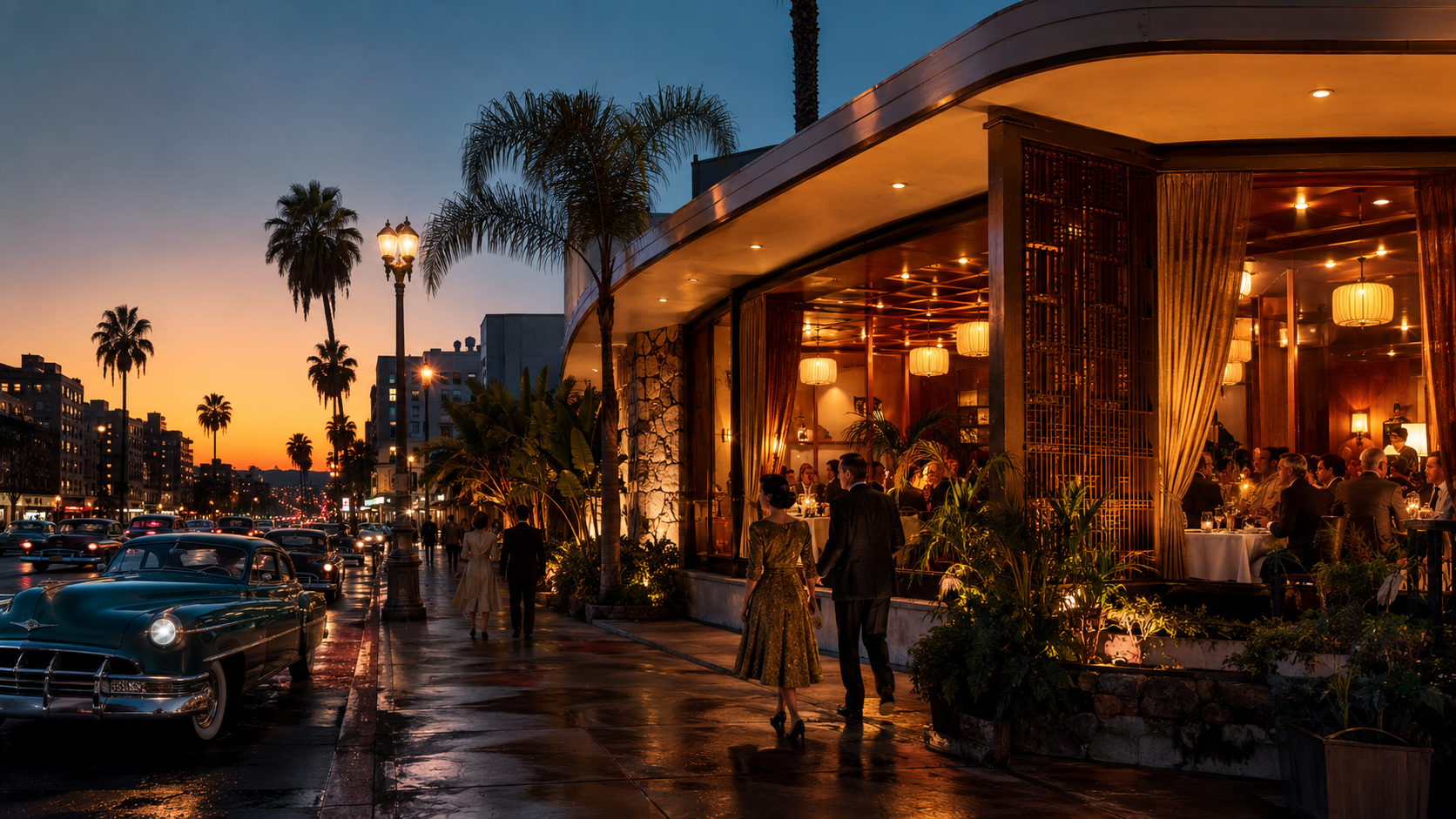
Harry and Marilyn Lewis: The Visionaries Behind the Curtain
The story begins in October 1950 with Harry Lewis, a working Hollywood actor, and his soon-to-be wife, Marilyn Friedman, a talented clothing designer from Cleveland. Harry had found moderate success in the studio system; film buffs might recognize him best as Edward G. Robinson’s adversarial henchman, Toots, in the 1948 John Huston classic Key Largo, starring Humphrey Bogart and Lauren Bacall. He also appeared in epic spectacles like Cecil B. DeMille’s The Ten Commandments.
Despite rubbing shoulders with cinematic royalty, Harry understood the brutal, feast-or-famine reality of the acting profession. Between gigs, actors needed a place to eat, socialize, network, and—most importantly—dream. However, the glamorous, high-priced supper clubs of Los Angeles were out of reach for the average struggling performer, and standard fast-food joints lacked the ambiance and dignity that artists craved.
Recognizing this glaring gap in the market, Harry and Marilyn pooled their life savings—a modest sum of $3,500—to create a completely new kind of dining experience. Their vision was to build an upscale, late-night haven designed specifically by actors, for actors.
A Humble Debut on Sunset Boulevard
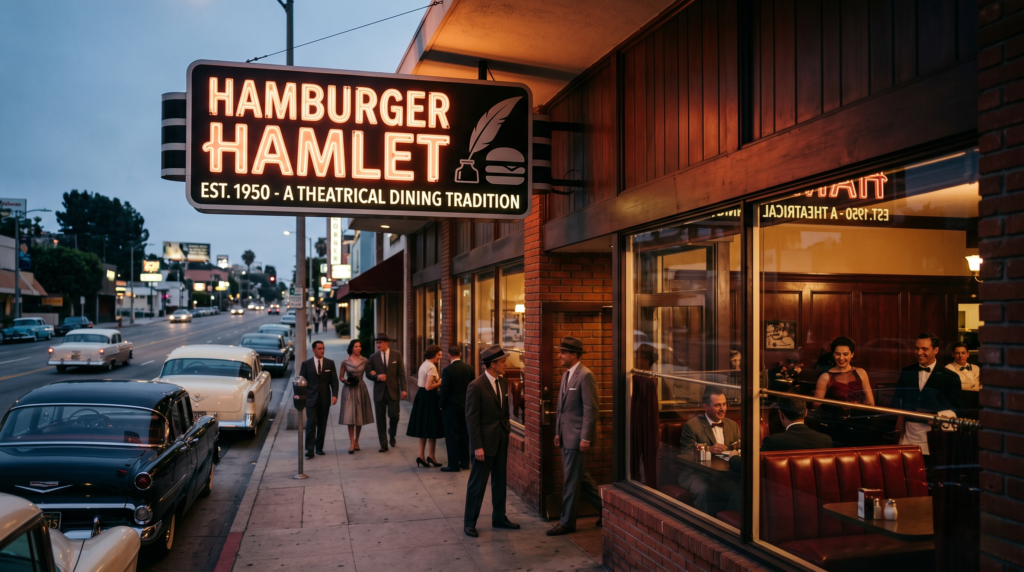
The first Hamburger Hamlet restaurant opened its doors at the corner of Hilldale Avenue and the Sunset Strip. In 1950, the Sunset Strip was the beating heart of West Coast nightlife, a glamorous thoroughfare connecting Hollywood to Beverly Hills. By planting their flag in this specific geographic location, the Lewises ensured their establishment would capture the foot traffic of studio executives, writers, and performers heading home from a long day on set.
Historical Note: The original restaurant was remarkably small, functioning almost like an intimate black-box theater. It was a space where the “struggling artist” could afford a hearty meal without feeling relegated to a second-class diner. It was an instant success, recouping the Lewises’ initial investment in a matter of weeks and laying the foundation for a massive culinary empire.
“What’s in a Name?”: The Real Shakespeare Connection Explained
When branding their new venture, Harry and Marilyn needed a name that would instantly communicate their target demographic while maintaining an air of sophistication. They bypassed standard diner cliches and looked directly to the foundational text of their craft: the works of William Shakespeare.
The Ultimate Actor’s Dream
Why “Hamlet”? The choice was deeply intentional and solved the riddle of the restaurant’s entire brand identity.
In the theatrical world, the role of Hamlet is universally regarded as the ultimate litmus test of an actor’s prowess. To play the Prince of Denmark is to conquer the Mount Everest of acting. It requires an immense emotional range, mastery of complex psychological nuance, and the physical stamina to carry one of the longest plays in the Western canon. From Richard Burbage in Shakespeare’s own company to Laurence Olivier, Kenneth Branagh, and David Tennant, taking on Hamlet is the definitive milestone that elevates a performer from a mere player to a true artist.
Harry Lewis knew that every single actor walking into his restaurant—whether they were a background extra in a B-movie or a leading man—harbored the secret, burning desire to one day play Hamlet. By naming the restaurant the Hamburger Hamlet, he was speaking directly to their highest aspirations. It was an inside nod to the acting community, a subtle way of saying, “We know who you are, we know what you dream of, and you are welcome here.”
Melding High Art with the Humble Hamburger
From a pure marketing perspective, the name was a stroke of linguistic genius. The juxtaposition of “Hamburger” (a symbol of affordable, working-class American fast food) with “Hamlet” (the zenith of elite, intellectual European art) created a brilliant tension.
-
Alliteration: The double “H” made the name punchy, memorable, and rhythmically pleasing to the ear.
-
Democratizing Prestige: It stripped away the intimidating snobbery often associated with Shakespeare, bringing the Bard down to the level of a corner booth and a basket of fries.
-
Elevating the Mundane: Conversely, it elevated the humble hamburger. If a burger was fit for the Prince of Denmark, it was certainly fit for a Hollywood star.
Theatrical Ambiance: Designing a Shakespearean Sanctuary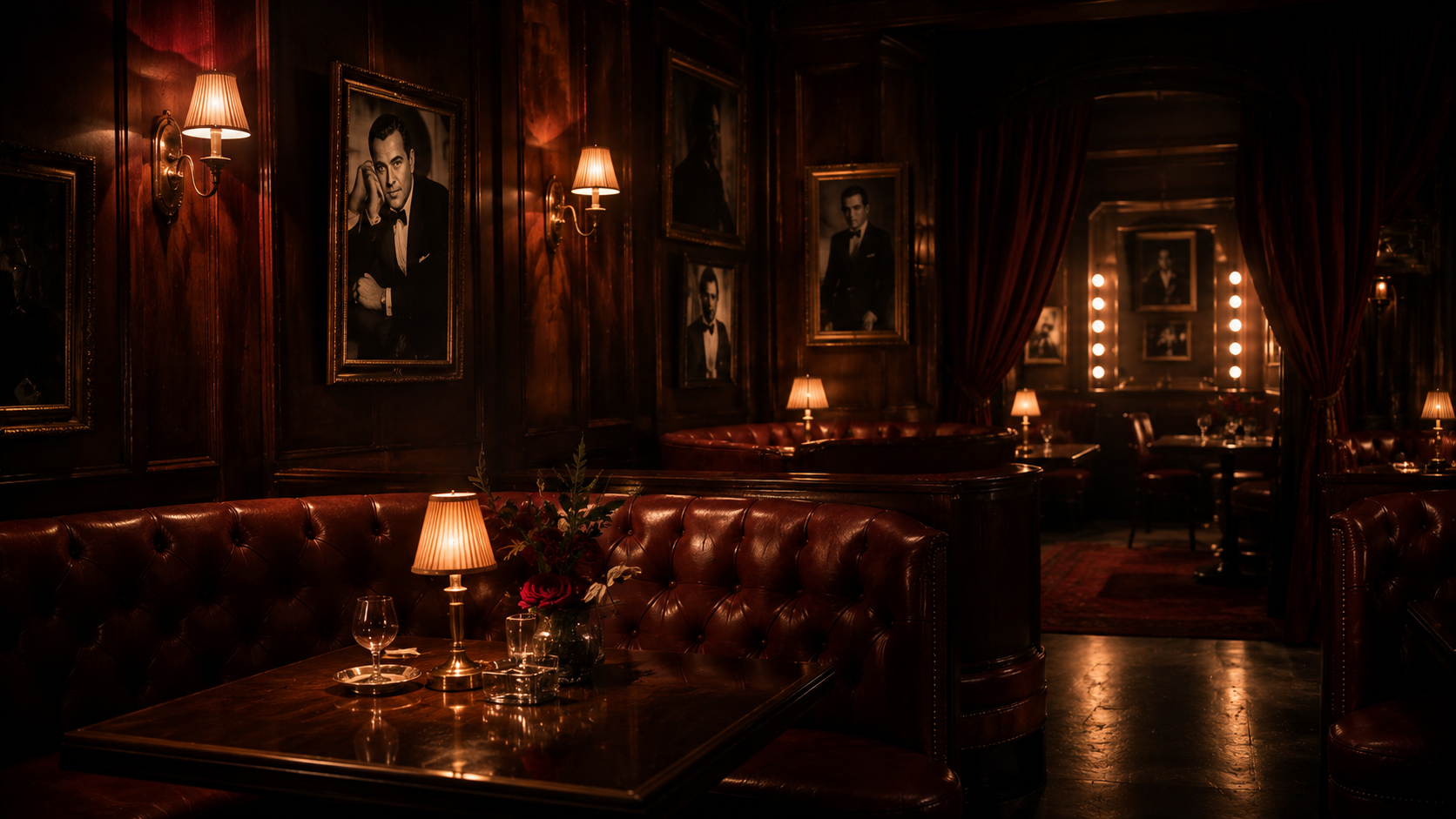
If the name of the restaurant was a clever nod to the stage, the interior design was a masterclass in set dressing. Harry and Marilyn Lewis did not want their establishment to feel like a brightly lit, sterile 1950s diner. Instead, they meticulously crafted an environment that mirrored the dramatic intensity of a classic theatre.
Leather Booths and Dim Lighting (The Set Design)
Walking into a Hamburger Hamlet restaurant was akin to stepping into an exclusive green room or a private VIP lounge at a major studio. The Lewises pioneered an aesthetic that would become a staple of upscale American dining. The ambiance was defined by dark, rich mahogany wood paneling, deep red leather capitonné booths, and incredibly dim, moody lighting.
This design served a dual purpose:
-
The Theatrical Vibe: The low lighting and heavy textures evoked the cozy, enclosed feeling of an Elizabethan playhouse or an English pub where Shakespeare himself might have penned a sonnet.
-
Privacy for the Elite: For the highly recognizable faces of Los Angeles, the cavernous, shadowy booths provided a much-needed sanctuary from the flashing bulbs of paparazzi and the prying eyes of the public. Actors could relax, rehearse lines, or negotiate contracts in relative anonymity.
A Star-Studded Cast of Characters
Because the environment was so perfectly tailored to the entertainment industry, the restaurant quickly amassed a clientele that read like the casting sheet of a Hollywood blockbuster. It wasn’t just a place for starving artists; it became the undisputed clubhouse for A-list celebrities.
Historical Insight: The legendary talent agent Irving Paul “Swifty” Lazar practically used the Beverly Hills Hamburger Hamlet as his secondary office. He was such a fixture that he had a permanent, dedicated booth complete with a personalized brass plaque.
Regular patrons included titans of the silver screen like Dean Martin, Frank Sinatra, Tony Curtis, Lucille Ball, and Elizabeth Taylor. Even the Master of Suspense, Alfred Hitchcock, was known to frequent the establishment. To the outside world, these figures were untouchable idols; inside the walls of the “Hamlet,” they were simply fellow players enjoying a good meal after a long performance.
The Menu: Did the Bard Make It to the Plate?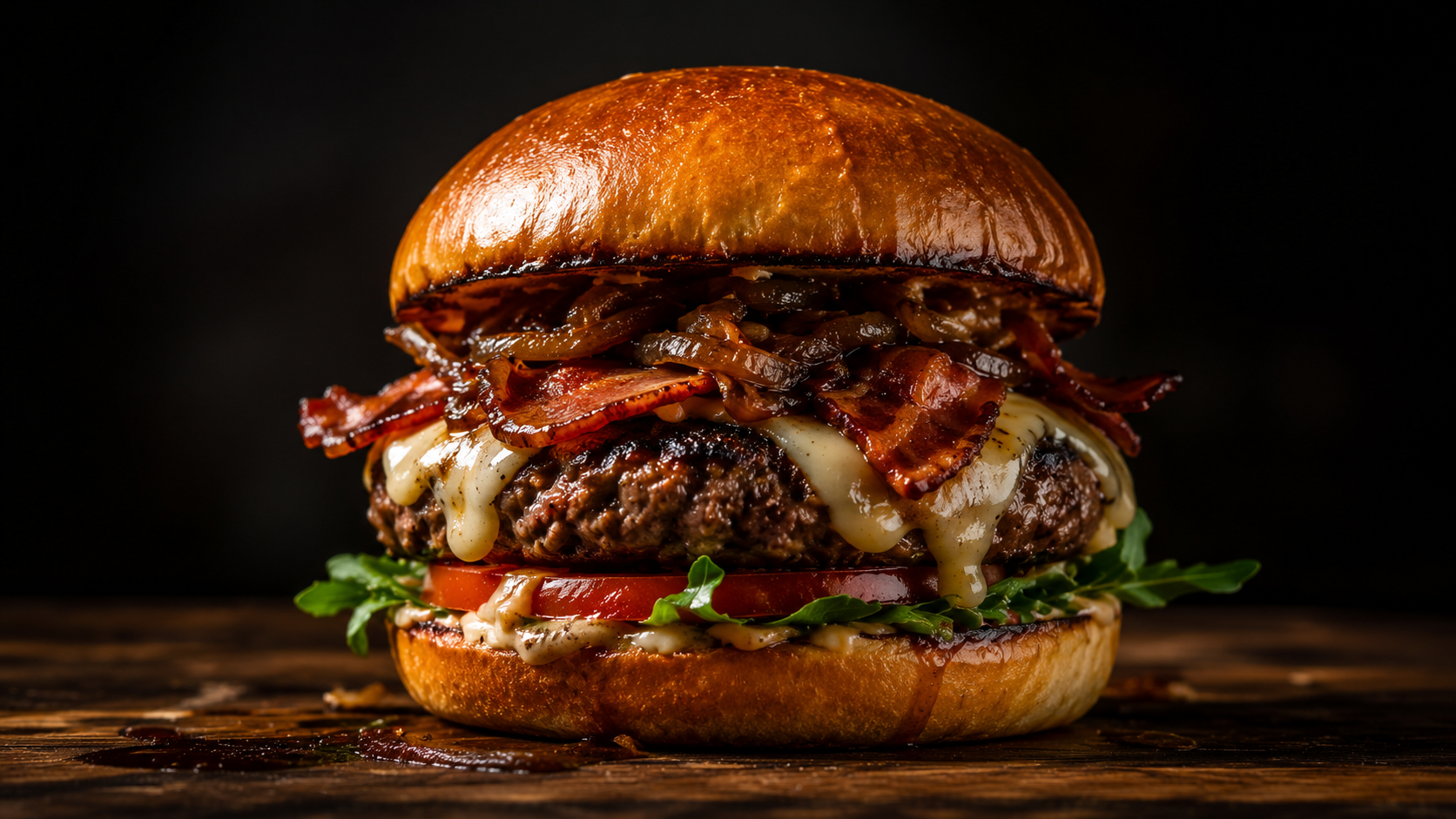
While the ambiance and branding were steeped in theatrical lore, a restaurant ultimately lives or dies by its food. Fortunately, Marilyn Lewis was as visionary in the kitchen as Harry was with the brand’s identity.
The Legendary “Hamlet Burger”
Long before the modern era of gourmet, artisanal smash burgers, the Hamburger Hamlet elevated the classic American patty to high art. The signature Hamlet Burger was revolutionary for its time. Rather than treating the burger as cheap fast food, the Lewises treated it like a customizable culinary experience.
They used exceptionally high-quality, freshly ground beef, and allowed patrons to customize their orders with premium toppings that were unheard of in the 1950s—including gourmet cheeses, thick-cut bacon, chili, and specialty sauces. They were also famous for their wildly popular side dishes, including their renowned “Zucchini Zircles” (fried zucchini coins) and thick, hearty lobster bisque. The menu proved that, much like adapting a Shakespearean play for a modern audience, a classic formula could be infinitely elevated with the right ingredients and presentation.
Theatrical Showmanship in Service
The Shakespearean connection extended beyond the name and into the service itself. Harry Lewis actively hired young, attractive, and charismatic aspiring actors to staff his restaurants.
For these waiters and waitresses, the dining room floor was a stage. The service was famously energetic, engaging, and polished. Because the staff shared the same cinematic and theatrical dreams as the clientele, there was a unique camaraderie between those serving the food and those eating it. Every shift was a performance, and every table interaction was an opportunity to network, charm, and perhaps catch the eye of a prominent director enjoying his lunch.
The Hamburger Hamlet’s Legacy in Pop Culture
As the decades passed, the Hamburger Hamlet restaurant transcended its physical locations to become a cultural touchstone. It embedded itself so deeply into the fabric of Los Angeles that it began appearing as a setting in the very art forms it sought to celebrate.
Literary Mentions and Noir Fiction
The restaurant’s moody, mid-century atmosphere made it the perfect backdrop for Los Angeles-based literature and neo-noir fiction. It serves as a vivid cultural marker in books like Matthew Specktor’s Hollywood novel American Dream Machine. It also appears in the realm of hardboiled detective fiction, notably in Robert B. Parker’s A Savage Place, where the grit of private investigators collides with the glamour of the Sunset Strip. By immortalizing the restaurant in print, authors cemented its status as a quintessential piece of Southern California lore.
The “Kate Mantilini” Spin-off and Cinema History
The Lewises’ influence on Hollywood dining and culture did not end with their burger empire. After selling the Hamlet chain, Harry and Marilyn opened another iconic Los Angeles eatery: Kate Mantilini.
Kate Mantilini holds its own massive place in cinematic history. It was the filming location for the legendary, tension-filled diner scene between Al Pacino and Robert De Niro in Michael Mann’s 1995 crime epic, Heat. The fact that the Lewises were responsible for the backdrop of one of the most famous acting masterclasses in modern film history perfectly brings their lifelong dedication to the dramatic arts full circle.
The Final Act: The Decline of a Los Angeles Institution
Every great Shakespearean drama has its rising action, its climax, and its inevitable, often tragic, resolution. The story of this beloved burger empire followed a similar five-act structure.
Corporate Takeovers and Expanding Too Fast
By the late 1980s, the Hamburger Hamlet had grown from a single, intimate hangout on the Sunset Strip to a massive chain with 24 locations. The brand expanded aggressively out of California, opening outposts in Chicago, Washington D.C., and Bethesda, Maryland.
In 1987, Harry and Marilyn Lewis decided to take their final bow. They sold the company to Weatherly Private Capital for a staggering $29.2 million—an incredible return on their initial $3,500 investment. However, as is often the case when a family-owned passion project is handed over to corporate conglomerates, the magic began to wane. Subsequent owners struggled to maintain the intimate, “actor’s clubhouse” vibe that made the original locations so special. The high-quality ingredients were gradually swapped for cheaper alternatives to maximize profit margins, and the theatrical soul of the brand slowly eroded.
The Closing of the Curtains
Through the 1990s and 2000s, the company faced multiple bankruptcies, changing hands several times. One by one, the iconic locations began to shutter. The dark wood paneling and red leather booths were dismantled, replaced by modern developments or trendier restaurant concepts.
The final curtain fell in the 2010s. The very last of the traditional Los Angeles locations, situated in Sherman Oaks, officially closed its doors, marking the end of a 60-year era. Like the tragic conclusion of Hamlet itself, the stage was eventually cleared, leaving behind only the memories of its former glory.
What Shakespeare Teaches Us About the Hamburger Hamlet
Looking back at the history of this unique establishment, it offers fascinating insights for today’s entrepreneurs, historians, and Shakespeare fans.
The Enduring Power of the Bard’s Brand
The success of the Hamburger Hamlet restaurant is a testament to the unparalleled, enduring prestige of William Shakespeare. Even nearly 400 years after his death, the mere association with his work carried enough cultural weight to legitimize a 1950s fast-casual burger joint. It proves that Shakespeare’s influence extends far beyond academia and the Royal Shakespeare Company; his legacy is woven deeply into the tapestry of everyday commerce, branding, and the aspirational American dream.
A “Poor Yorick” Moment for Mid-Century Americana
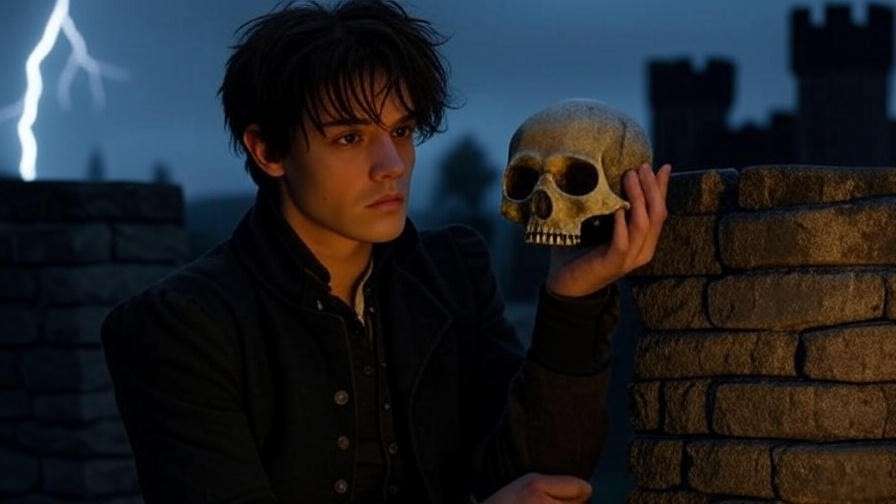
In Hamlet, the Prince famously holds the skull of the court jester, Yorick, and laments the fleeting nature of life, glory, and joy. Today, Los Angeles locals and Hollywood historians look back at the Hamburger Hamlet with a similar sense of poignant nostalgia. The loss of these mid-century institutions represents the loss of a specific, glamorous era of Los Angeles—a time before smartphones and social media, when the only way to see a star was to catch them eating a burger in a dimly lit booth on the Sunset Strip.
Frequently Asked Questions (FAQs)
Who founded the Hamburger Hamlet restaurant? The restaurant was founded in October 1950 by working Hollywood actor Harry Lewis and his wife, fashion designer Marilyn Friedman. They started the first location on the Sunset Strip with just $3,500 in savings.
Why was it named after Shakespeare’s Hamlet? Harry Lewis chose the name because playing the role of Hamlet is universally considered the ultimate, career-defining dream for any actor. Because he designed the restaurant as an upscale hangout for struggling and working actors, the name was a direct homage to their highest theatrical aspirations.
Are there any Hamburger Hamlet locations still open today? No. After expanding to 24 locations and going through several corporate buyouts and bankruptcies in the late 20th and early 21st centuries, the final remaining traditional locations in Los Angeles closed in the 2010s.
The Rest is Silence
The story of the hamburger hamlet restaurant is, ultimately, an incredible American success story wrapped in an Elizabethan metaphor. What began as a humble attempt by a working actor to feed his peers evolved into a multi-million-dollar culinary empire that shaped the social fabric of Hollywood for over half a century. Harry and Marilyn Lewis proved that with the right ambiance, a commitment to quality, and a touch of theatrical showmanship, you could turn a simple ground-beef patty into an experience fit for royalty.
While the red leather booths have been cleared away and the kitchen grills have gone cold, the legend of the restaurant remains a beloved chapter in Hollywood history. The rest, as the Prince of Denmark would say, is silence.