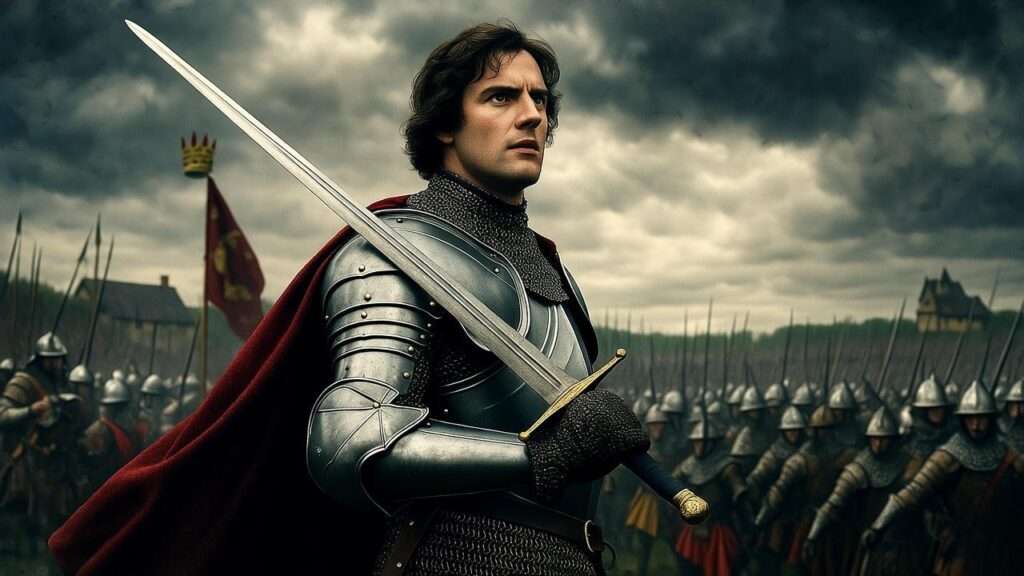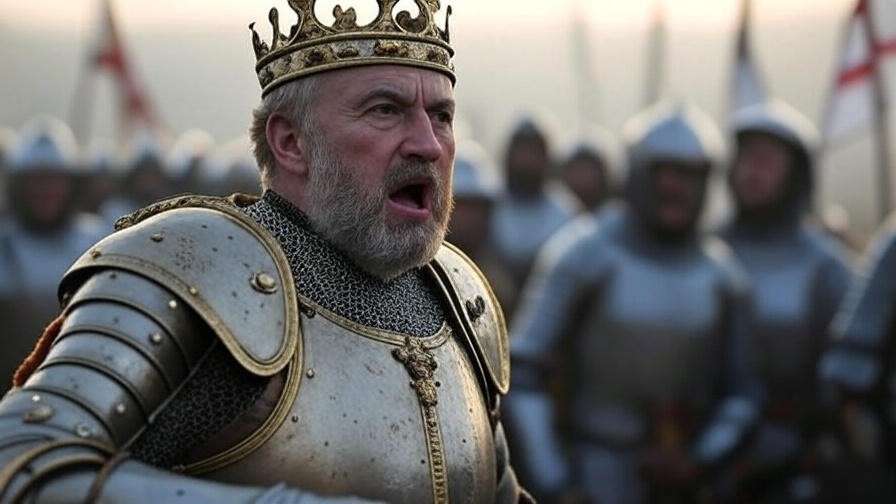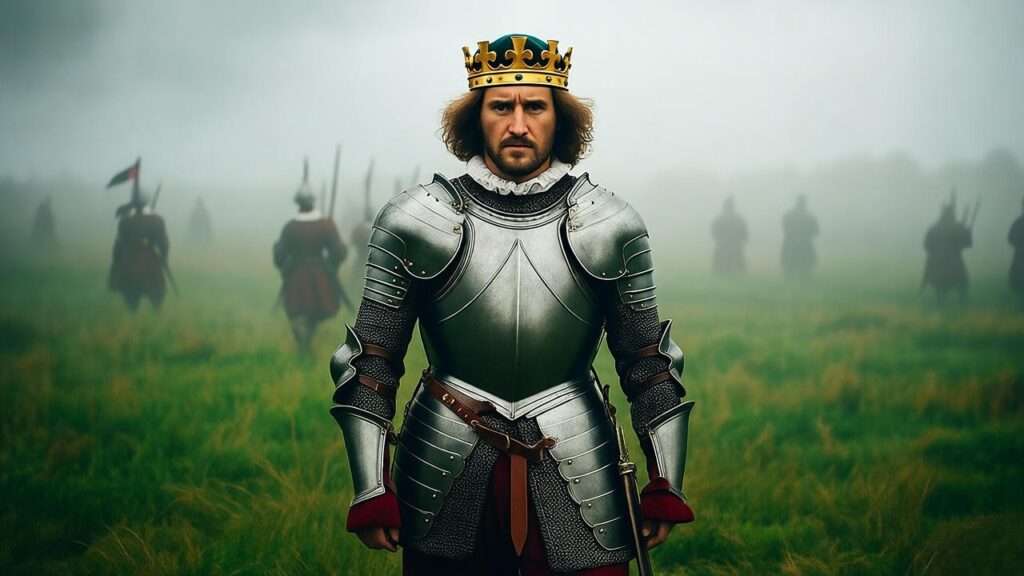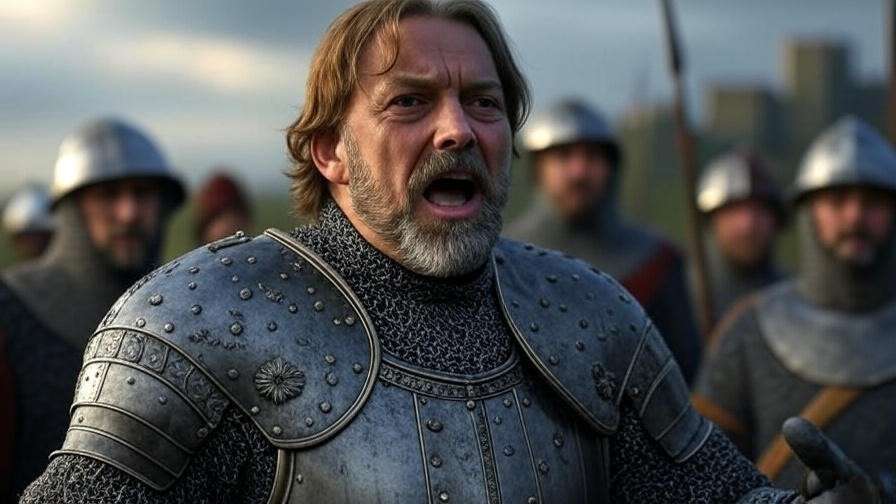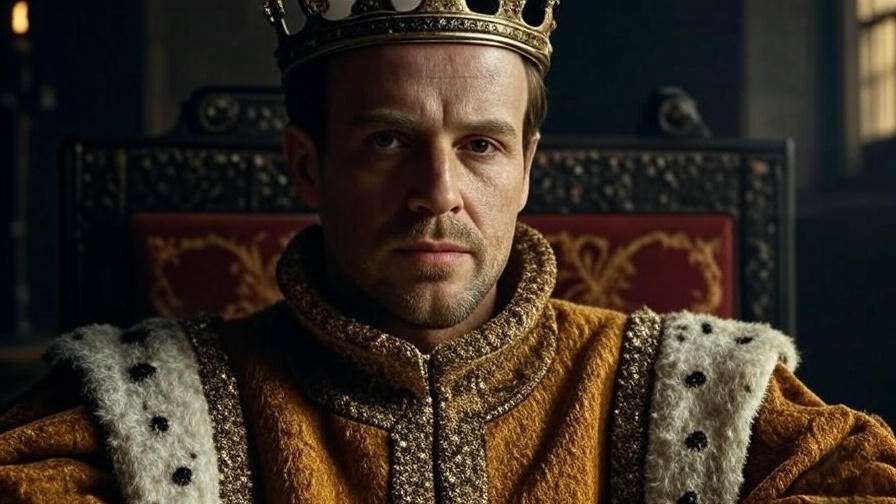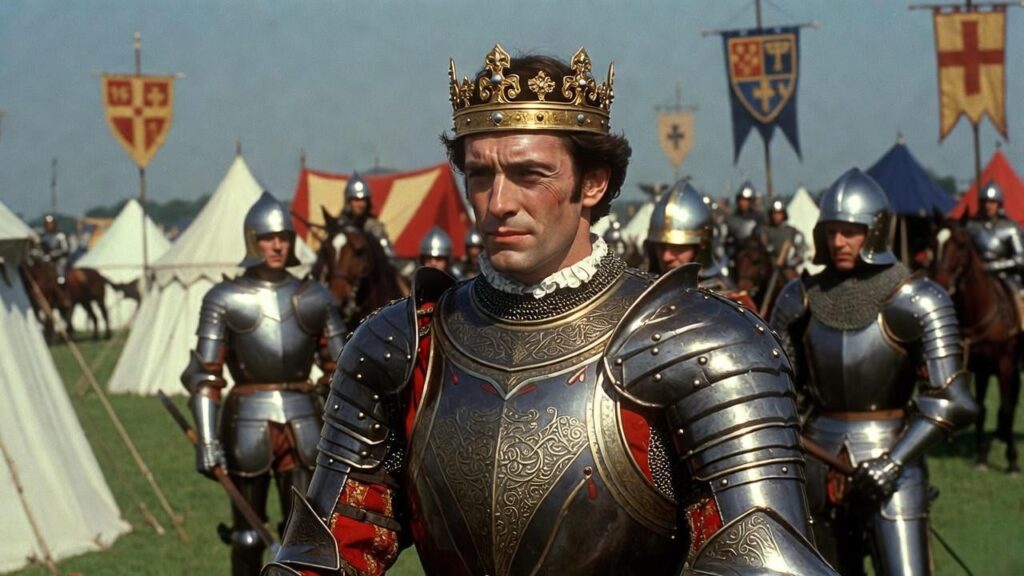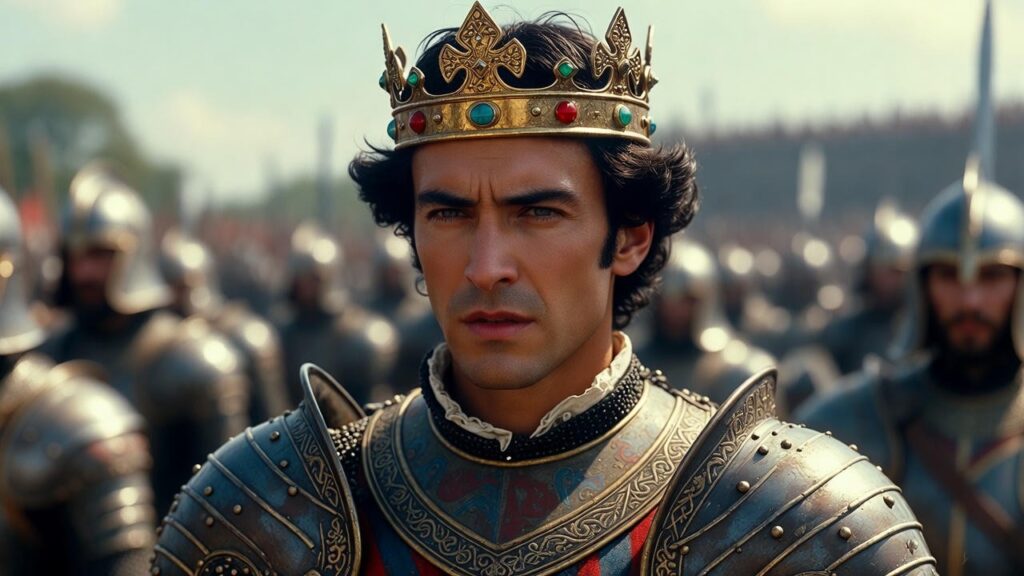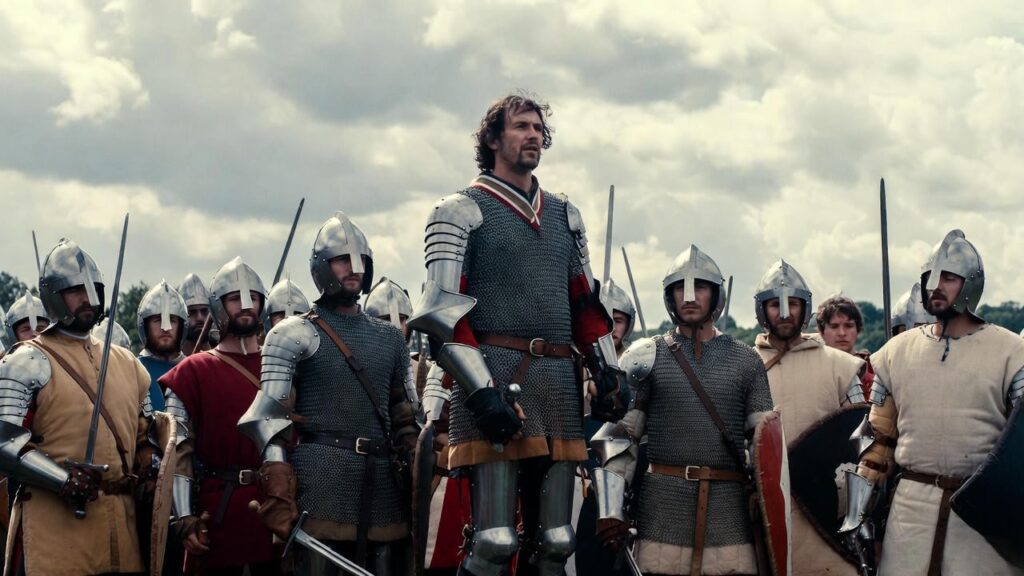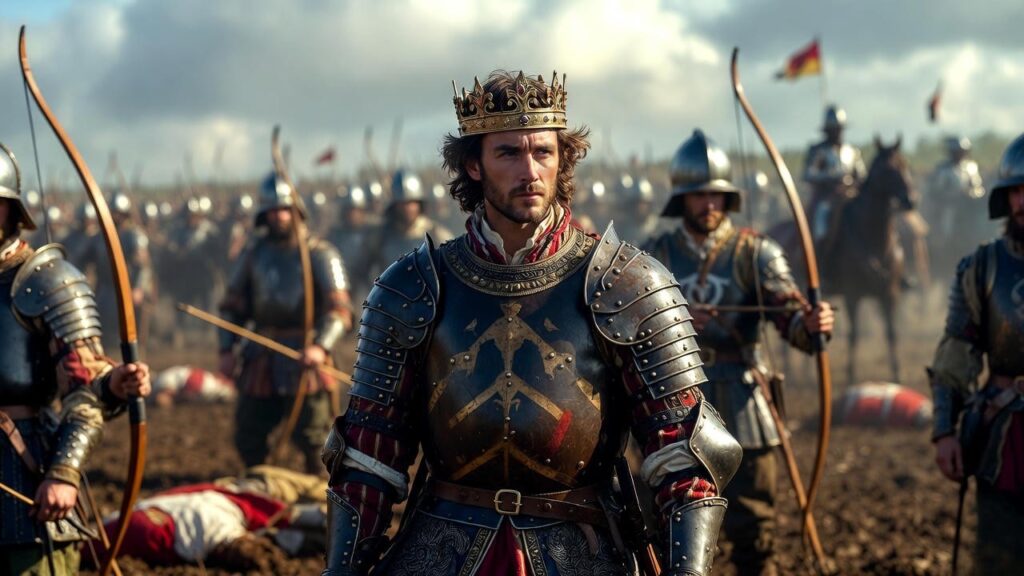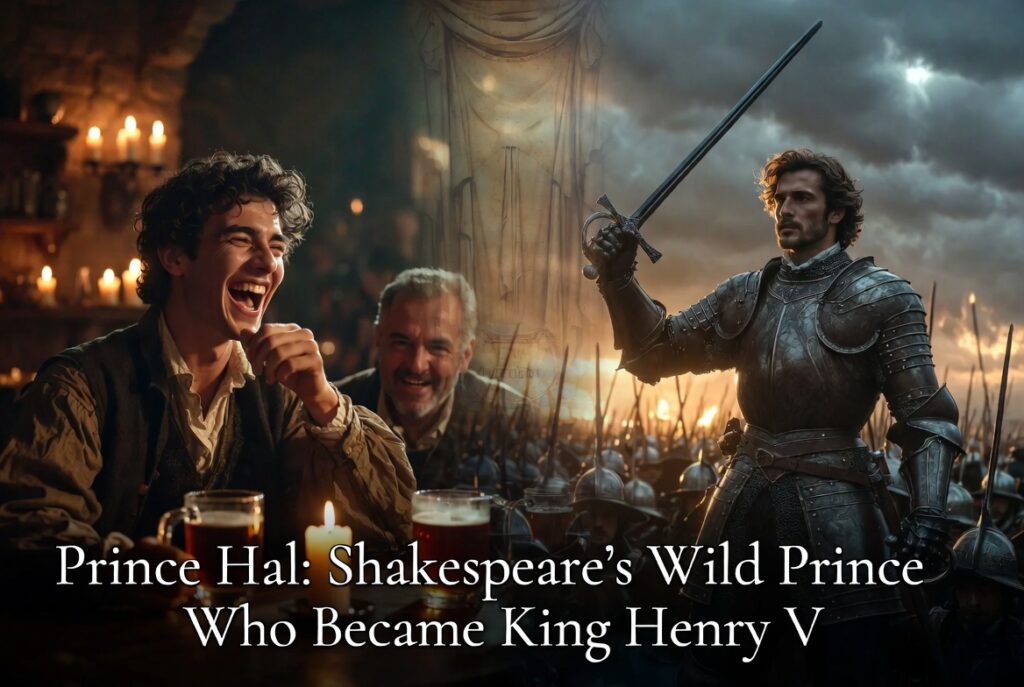
Imagine a young royal, heir to a troubled throne, carousing in the smoky taverns of Eastcheap with thieves, drunkards, and the larger-than-life Sir John Falstaff. He robs travelers for sport, trades witty barbs laced with profanity, and seems to embody the very opposite of kingly virtue. Yet this same figure later stands on the battlefield of Agincourt, outnumbered and facing annihilation, inspiring his men with one of the most rousing speeches in English literature: “We few, we happy few, we band of brothers.” This is Prince Hal, William Shakespeare’s mesmerizing portrait of transformation, strategy, and the burdens of power.
For students, theater enthusiasts, literature lovers, and anyone fascinated by leadership, character development, or Shakespeare’s history plays, understanding Prince Hal unlocks the heart of the Henriad—the second tetralogy comprising Richard II, Henry IV Part 1, Henry IV Part 2, and Henry V. In this comprehensive guide, we explore Prince Hal’s historical roots, dramatic evolution, key relationships, major themes, and lasting cultural impact. Whether you’re preparing for an exam, directing a production, or simply seeking deeper insight into one of Shakespeare’s most complex protagonists, this analysis reveals why Prince Hal remains a timeless study in redemption, political cunning, and human potential.
Who Was Prince Hal? Historical Background vs. Shakespeare’s Portrayal
The Real Historical Figure
The character known as Prince Hal is based on Henry of Monmouth (1386–1422), who became King Henry V. Born at Monmouth Castle, he was the eldest son of Henry Bolingbroke (later Henry IV) and Mary de Bohun. Historically, young Henry was far from the “wild prince” of legend. By his mid-teens, he was already an accomplished military leader, campaigning against Welsh rebels under Owen Glendower. He received a strong education, including time at Oxford, and showed early signs of piety, discipline, and administrative skill.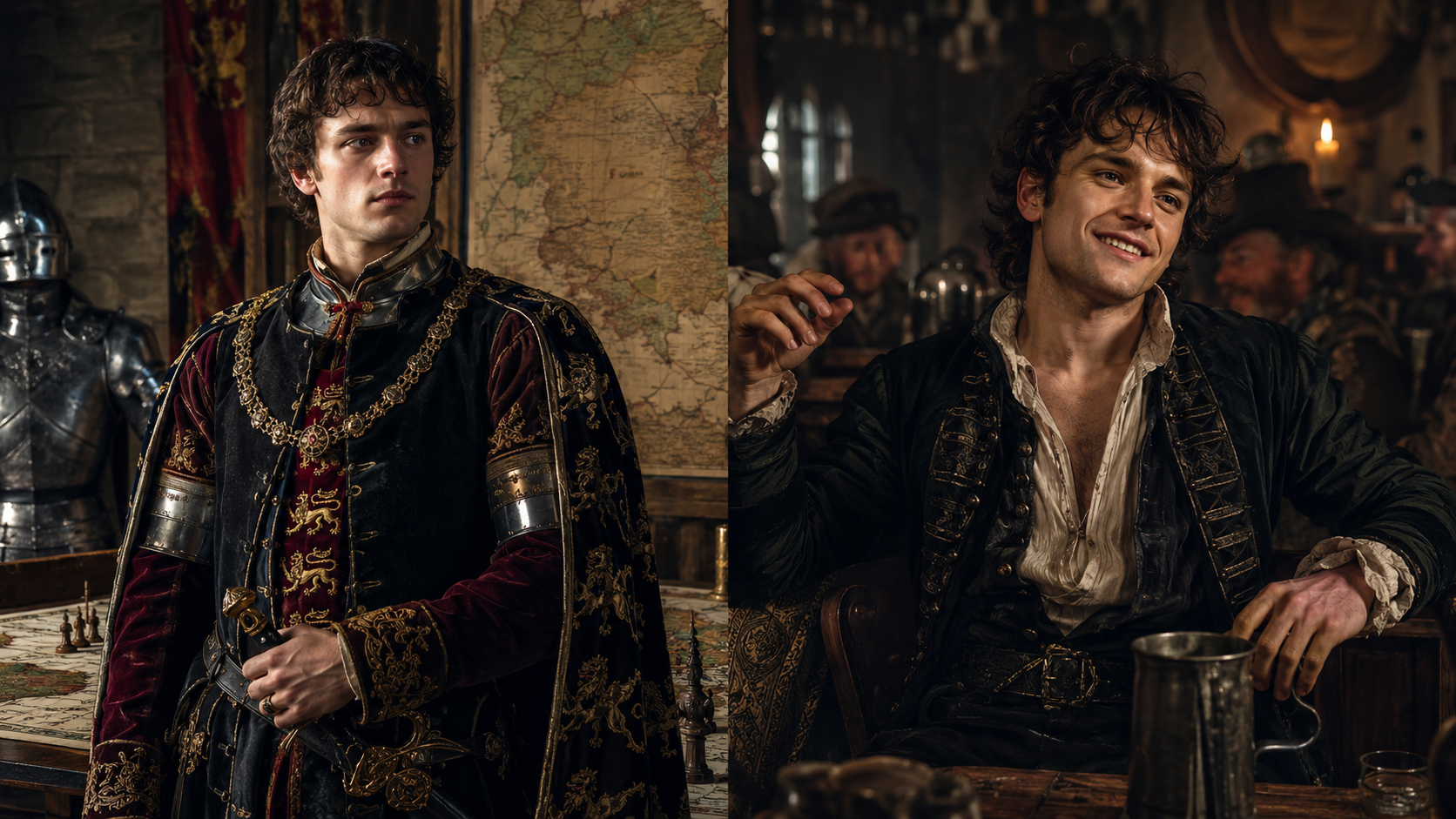
Contemporary chroniclers noted his seriousness and sense of duty rather than tavern debauchery. The “wild youth” stories likely stem from political propaganda or later exaggerations during the Tudor era, when chroniclers like Raphael Holinshed amplified legends to create dramatic contrast for the heroic king. Shakespeare drew heavily from Holinshed’s Chronicles and earlier anonymous plays like The Famous Victories of Henry V, but he amplified the youthful indiscretions for theatrical effect.
Shakespeare’s Creative Liberties
Shakespeare transformed the historical Henry into a psychologically rich character. In the plays, Prince Hal (often called Harry or Hal by friends) deliberately cultivates a reputation for idleness. This allows him to observe human nature across social classes while setting the stage for a spectacular reformation. The playwright blended history with invention, creating a prodigal son arc that resonates with Elizabethan audiences familiar with morality plays.
Why the “Wild Prince” Legend Persisted
In Elizabethan England, portraying a monarch’s youth as wayward made his later triumphs more impressive and reinforced ideas of divine providence and personal growth. It also allowed Shakespeare to critique and celebrate monarchy simultaneously, navigating the sensitivities of writing under a Tudor queen whose own dynasty rested on contested legitimacy.
Prince Hal in Henry IV, Part 1: The Prodigal Son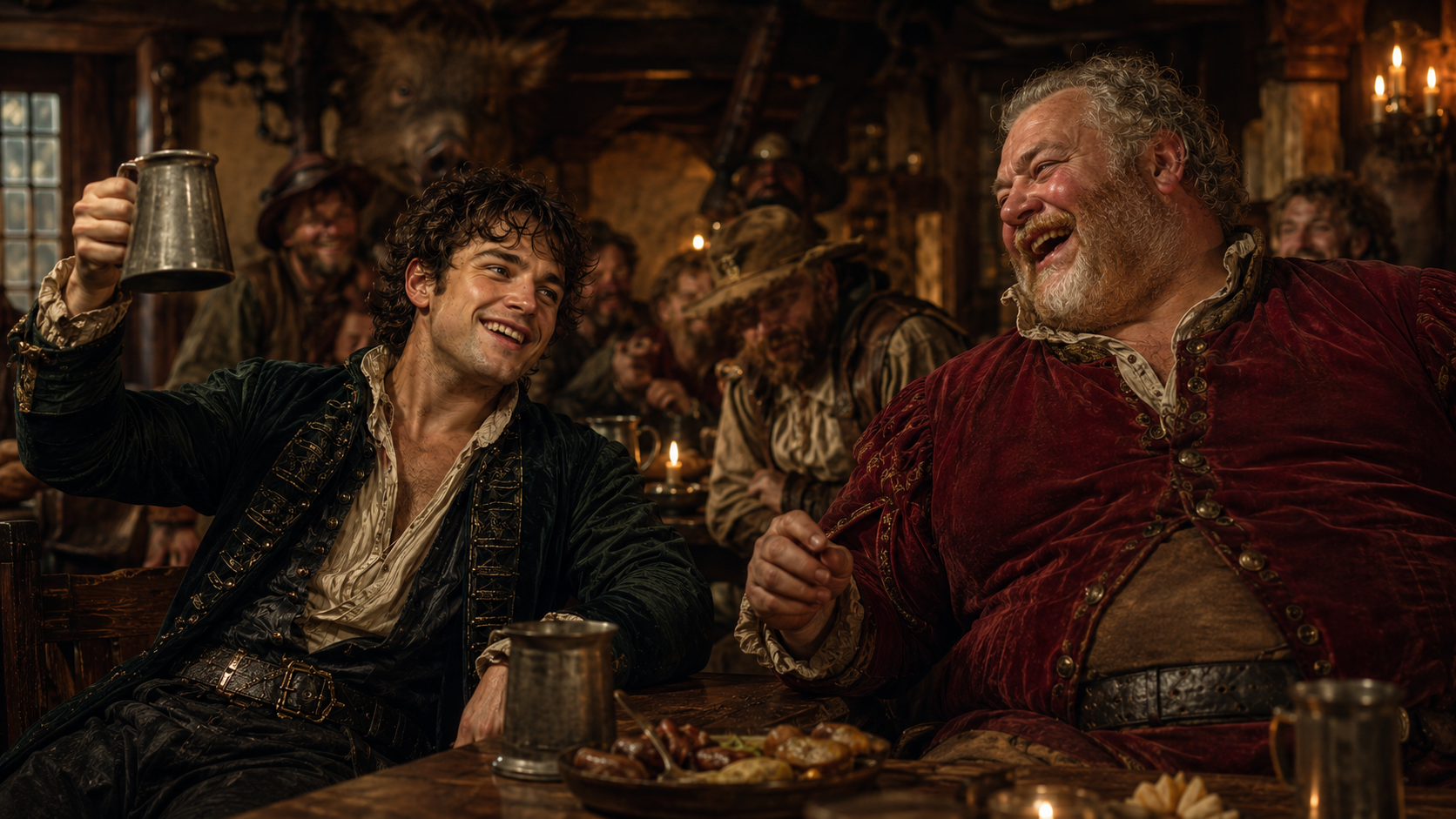
The Famous Soliloquy – “I Know You All”
Early in Henry IV, Part 1 (Act 1, Scene 2), after bantering with Falstaff and Poins, Prince Hal delivers a pivotal soliloquy that reveals his calculated mind:
“I know you all, and will awhile uphold The unyoked humour of your idleness… So, when this loose behavior I throw off And pay the debt I never promised, By how much better than my word I am, By so much shall I falsify men’s hopes…”
This speech is crucial. It shows Hal is not truly lost but strategically “imitating the sun” obscured by clouds, so his eventual brilliance shines brighter. Literary critics debate its tone—cynical Machiavellianism or pragmatic self-awareness? It establishes Hal’s agency and foreshadows his arc, addressing audience expectations directly.
The Relationship with Falstaff
Falstaff, one of Shakespeare’s greatest comic creations, serves as Hal’s surrogate father, drinking companion, and foil. Their banter is hilarious and profound. Falstaff represents carefree excess, wit without responsibility, and the pleasures of the flesh. Hal’s affection is genuine, yet tempered by his awareness of future duties. This dynamic drives much of the play’s humor and emotional depth.
Key Events and Character Traits
Hal participates in the Gad’s Hill robbery (more as a prank on Falstaff than genuine crime), redeems himself by fighting bravely at the Battle of Shrewsbury, and famously kills the rebellious Hotspur—his rival in honor and chivalry. These moments showcase Hal’s versatility: equally at home in the tavern’s prose and the battlefield’s verse.
Expert Insight: Hal subverts the traditional prodigal son by controlling his “fall” from the start, turning potential vice into a tool for growth.
Prince Hal’s Evolution in Henry IV, Part 2: Trials of Kingship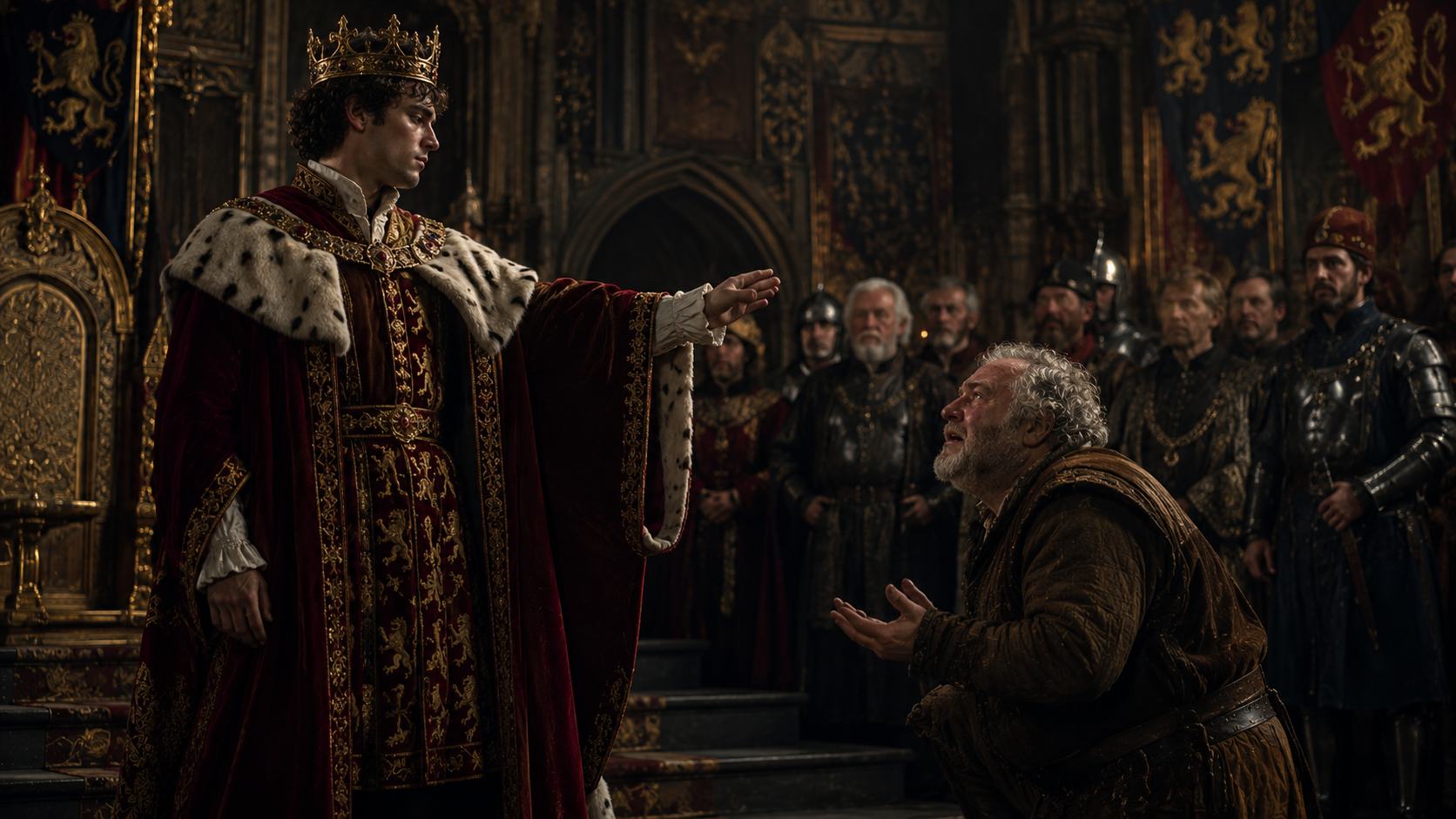
Deepening Internal Conflict
In Henry IV, Part 2, the tavern world feels increasingly distant. Hal grapples with his father’s declining health and the weight of impending responsibility. His visits to the Boar’s Head Tavern carry melancholy undertones as he prepares to leave his youth behind.
The Rejection of Falstaff
The coronation scene is one of Shakespeare’s most powerful and controversial moments. As the newly crowned Henry V, Hal publicly rejects Falstaff: “I know thee not, old man.” Is this necessary political ruthlessness or heartbreaking betrayal? Scholars like Harold Bloom have highlighted the emotional cost, while others see it as essential for stable rule. This act marks the definitive end of Prince Hal and the birth of King Henry V.
Themes of Time, Honor, and Responsibility
Recurring imagery of time (“Redeeming time when men think least I will”) underscores Hal’s urgency to fulfill his destiny.
The Transformation: From Prince Hal to King Henry V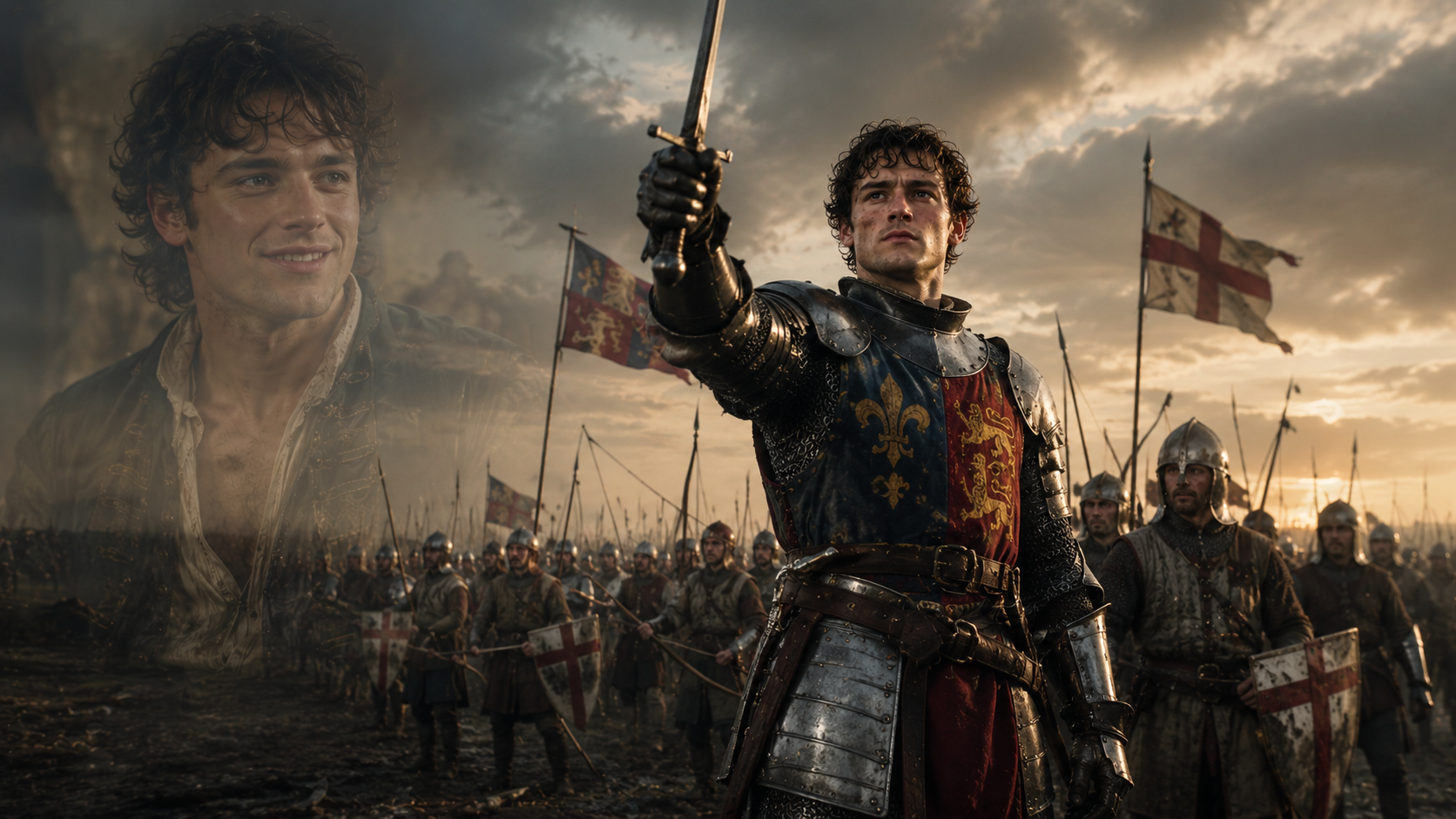
The Mirror of Kingship
Hal’s experiences among commoners give him empathy and insight that pure courtly upbringing could not. He learns rhetoric, psychology, and the value of diverse perspectives—skills vital for leadership.
Henry V – The Once and Future King
In Henry V, the transformation is complete. The king is charismatic, strategic, and inspirational. He uncovers plots, motivates his troops, and claims victory against the odds. Yet echoes of Hal remain in his moments of doubt and humanity (e.g., his prayer before battle acknowledging his father’s usurpation).
The Agincourt Hero
The St. Crispin’s Day speech exemplifies Hal’s evolved leadership. By invoking brotherhood and shared glory, he forges unity. Historically, Agincourt was a stunning victory; Shakespeare amplifies its mythic status.
Major Themes Explored Through Prince Hal
Redemption and Reformation
At its core, Prince Hal’s story is a profound meditation on redemption. Unlike many morality tales where the wayward son repents after hitting rock bottom, Hal engineers his own reformation with foresight. His soliloquy in Henry IV, Part 1 explicitly frames his tavern days as a deliberate strategy—“I’ll so offend to make offence a skill”—allowing him to later “pay the debt I never promised.” This calculated redemption resonates with Elizabethan audiences steeped in Protestant ideas of grace and personal transformation, while offering modern readers insights into intentional self-improvement. Shakespeare avoids simplistic moralizing; Hal’s growth involves genuine loss and moral ambiguity.
The Nature of Leadership and Machiavellianism
Prince Hal embodies Renaissance political thought, particularly Machiavellian principles from The Prince. He understands that effective rule requires mastering both appearance and reality. His time among the common people equips him with authentic knowledge of his subjects, yet he remains willing to manipulate perceptions for the greater good of the realm. This duality raises timeless questions: Can a good king also be a shrewd politician? Shakespeare presents Hal/Henry V as both admirable and unsettling, inviting readers to grapple with the ethics of power.
Friendship, Loyalty, and Power
The poignant relationship with Falstaff highlights the personal cost of kingship. Falstaff’s plea after the coronation—“My King! My Jove! I speak to thee, my heart!”—is met with cold rejection. This moment forces audiences to confront whether true leadership demands sacrificing personal bonds. Hal’s other companions, like Poins, also fade into the background, underscoring the isolating nature of the throne.
Father-Son Relationships
The Henriad is rich with father-son dynamics. Hal’s strained bond with the guilt-ridden Henry IV contrasts with his rivalry with the honor-obsessed Hotspur. Later, as Henry V, he reflects on his father’s usurpation and prays for divine forgiveness before Agincourt. These relationships explore inheritance, expectation, and the cycle of history—central concerns in Shakespeare’s history plays.
Literary Techniques and Shakespeare’s Craft
Language and Rhetoric
One of Shakespeare’s masterstrokes is Hal’s linguistic versatility. In the taverns, he excels in lively prose and witty repartee, matching Falstaff’s verbal agility. On the battlefield and in court, he commands majestic blank verse. This shift mirrors his internal transformation and demonstrates Shakespeare’s command of language as a tool of power. The St. Crispin’s Day speech, with its rhythmic repetition and inclusive “we,” is a rhetorical triumph that has inspired leaders for centuries.
Dramatic Structure and Foreshadowing
The two parts of Henry IV function as a carefully constructed bildungsroman within the larger Henriad. Early scenes plant seeds—Hal’s promise of reformation, his observation of his father’s political struggles—that bloom in Henry V. Shakespeare masterfully balances comic subplots with serious historical action, creating a dynamic pace that keeps audiences engaged across three plays.
Comic and Tragic Elements
Falstaff provides comic relief while serving as a tragic figure whose rejection evokes pathos. The blend of genres in these history plays allows Shakespeare to explore the full spectrum of human experience, making Prince Hal’s journey feel authentic rather than didactic.
Prince Hal in Performance and Popular Culture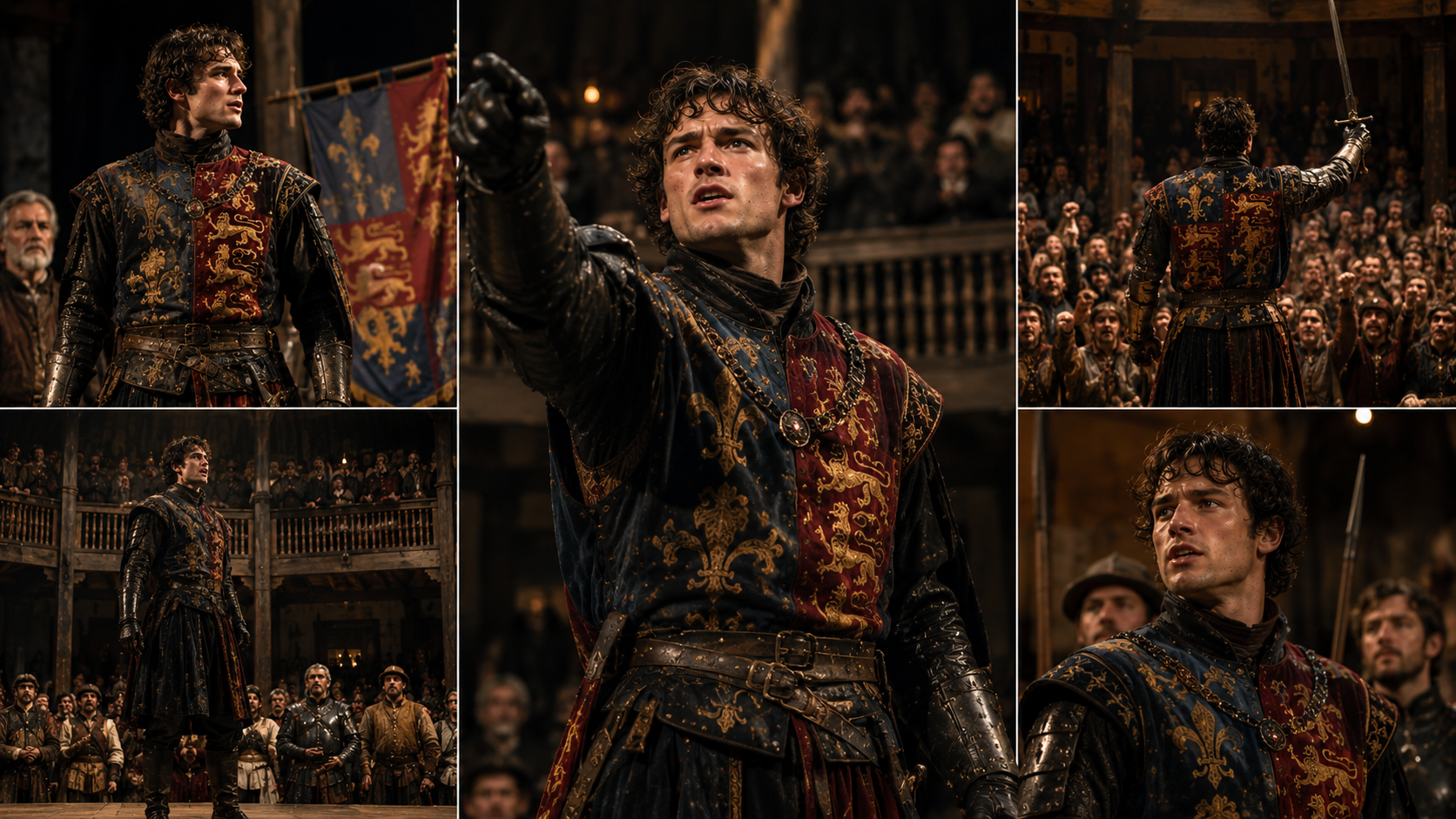
Notable Stage and Film Interpretations
The role of Prince Hal/Henry V has attracted legendary actors. Laurence Olivier’s 1944 film Henry V portrayed a heroic, patriotic king during wartime Britain. Kenneth Branagh’s 1989 adaptation brought emotional depth and cinematic flair, emphasizing Hal’s internal conflicts. Tom Hiddleston’s nuanced performance in the 2012 BBC The Hollow Crown series highlighted the character’s vulnerability and charisma. Modern productions often explore darker interpretations, questioning the glory of war and the price of Hal’s transformation.
The Henry Cycle on Stage
The Royal Shakespeare Company and Shakespeare’s Globe frequently stage the Henriad as a cycle, allowing audiences to experience Prince Hal’s full arc in one theatrical marathon. These productions emphasize the plays’ relevance to contemporary issues like political legitimacy and leadership succession.
Influence on Modern Media
Prince Hal’s archetype—the reformed rogue turned leader—appears in countless stories, from historical fiction to films like The King (2019) starring Timothée Chalamet. His strategic self-presentation influences discussions in business leadership books and political analysis. References abound in popular culture, from television series to video games that draw on Shakespearean themes of power and identity.
Why Prince Hal Still Matters Today
In an era obsessed with personal branding, public image, and leadership, Prince Hal offers valuable lessons. His journey illustrates that past mistakes—or strategically embraced flaws—can become assets when paired with genuine growth and self-awareness. For students and young professionals, Hal models the navigation of expectations, the balance between authenticity and performance, and the courage to evolve.
Leaders in business and politics can study Hal’s ability to connect with diverse groups while maintaining strategic vision. His story also prompts reflection on accountability: When is rejection of old influences necessary, and when does it border on cruelty?
Shakespeare scholar Stephen Greenblatt notes in Will in the World how Hal’s calculated performance reflects the playwright’s own navigation of social worlds. This depth makes Prince Hal not merely a historical or literary figure, but a mirror for examining our own transformations.
Common Questions About Prince Hal (FAQ Section)
Was Prince Hal really a wild youth or was it all calculated? Shakespeare portrays it as largely calculated, though the plays allow room for genuine enjoyment of tavern life. Historically, the real Henry V showed few signs of debauchery.
Did Shakespeare invent the Falstaff relationship? Yes, largely. While earlier plays had a similar character (Sir John Oldcastle), Shakespeare developed Falstaff into the iconic figure we know, transforming the narrative.
How historically accurate is Shakespeare’s portrayal? Shakespeare took significant liberties for dramatic effect. The real Henry V was a capable soldier and administrator from a young age, but the “wild prince” legend enhanced the redemption narrative.
What happens to Falstaff after rejection? In Henry V, we learn Falstaff dies offstage, heartbroken. A brief scene with his former companions highlights the emotional fallout.
Best starting point for reading the Henry plays? Begin with Henry IV, Part 1 for its energy and humor, then proceed chronologically. Annotated editions from Folger or Arden are excellent.
Recommended editions, adaptations, and further reading?
- The Norton Shakespeare or Arden Third Series for scholarly depth.
- Film adaptations by Branagh and The Hollow Crown.
- Further reading: Harold Bloom’s Shakespeare: The Invention of the Human, and the British Library’s Shakespeare resources.
Prince Hal’s journey from the taverns of Eastcheap to the fields of Agincourt stands as one of William Shakespeare’s greatest achievements in character development. Through this wild prince who became King Henry V, Shakespeare explores the complexities of leadership, the pain of growth, and the enduring human capacity for change. His story continues to captivate because it speaks to universal experiences: the tension between youthful freedom and adult responsibility, the demands of power, and the hope of redemption.
As you read or watch the plays, pay attention to Hal’s carefully chosen words and actions. You may find, as countless audiences have, that Prince Hal not only illuminates Shakespeare’s world but also offers wisdom for our own. Whether you are a longtime Shakespeare devotee or discovering the Henriad for the first time, this multifaceted character rewards deep engagement.
What are your thoughts on Prince Hal’s transformation? Share your favorite moment from the plays in the comments, or explore more Shakespeare analyses on this site. “Once more unto the breach, dear friends” — the journey of understanding awaits.