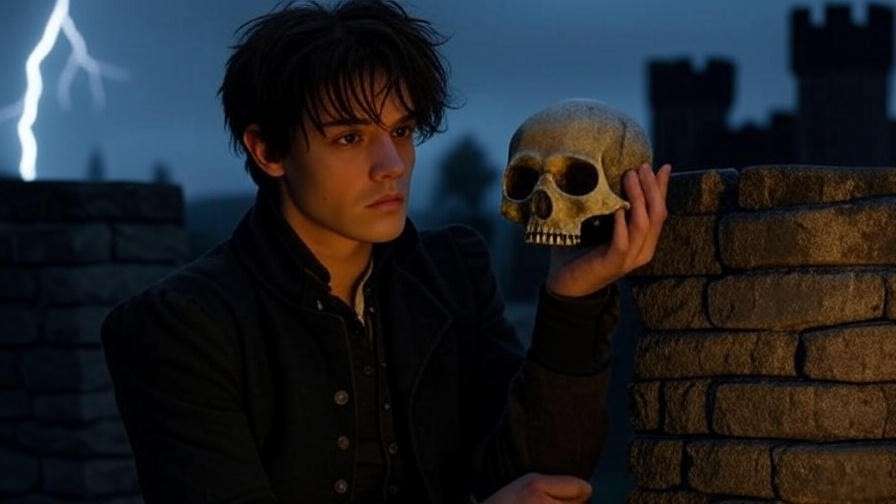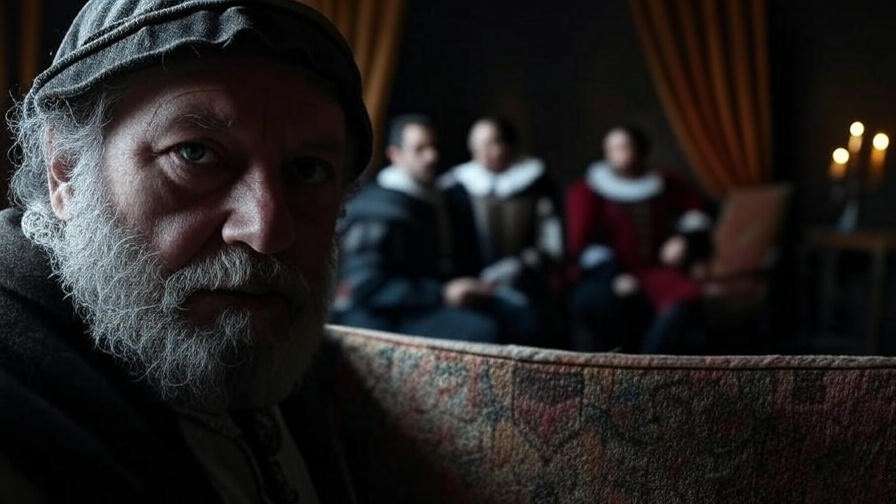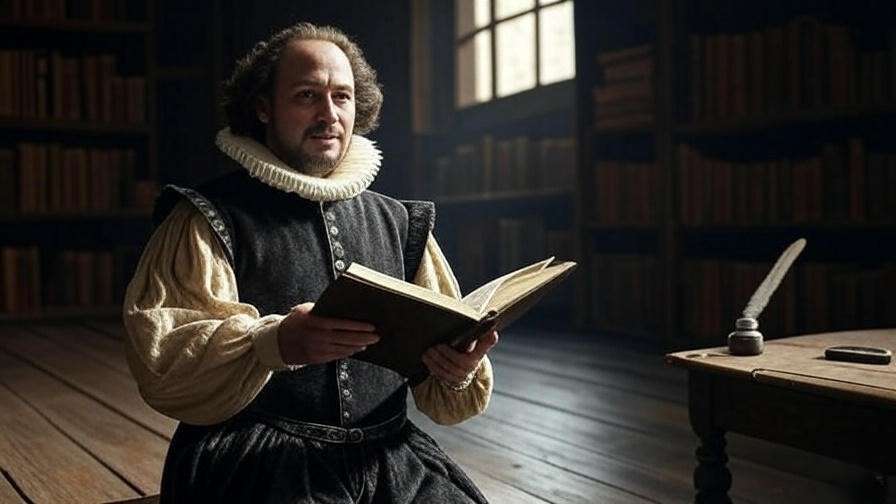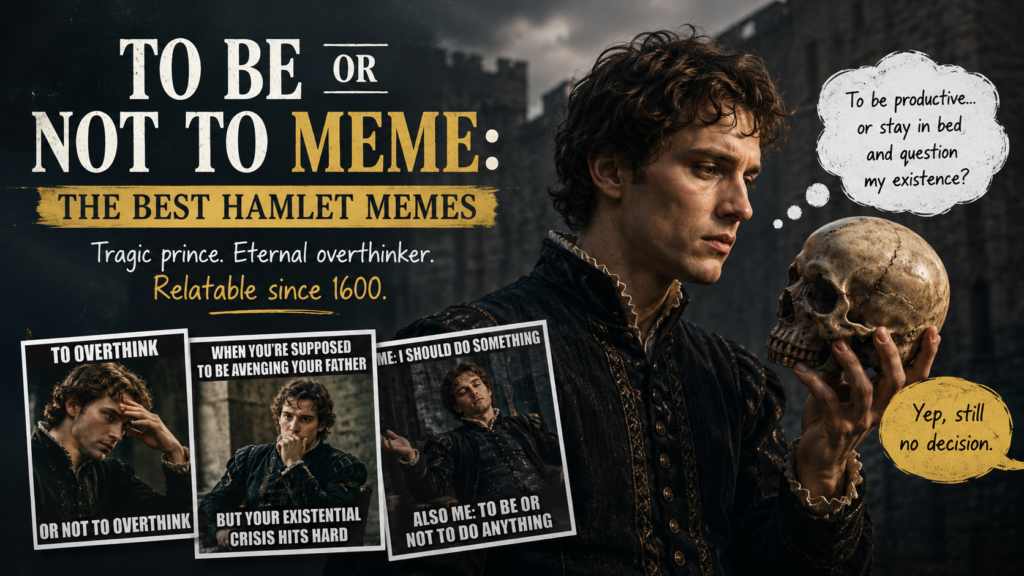
The groundlings of the Globe Theatre didn’t have smartphones, image macros, or Reddit threads, but they understood the viral power of a good burn just as well as any modern internet user scrolling through hamlet memes. When Shakespeare’s tragic prince contemplates the infinite jest of human existence while cradling a literal skull, he is capturing a timeless brand of existential dread. Today, digital creators have unlocked what literature professors have known for centuries: Prince Hamlet is the internet’s original overthinker. From TikTok audios to X (formerly Twitter) reaction images, classical literature and modern shitposting have formed a surprisingly cohesive alliance.
If you have ever found yourself staring blankly at your ceiling at 3 AM replaying an awkward interaction from five years ago, you already share a brain cell with the brooding Dane of Elsinore. This comprehensive exploration examines why Shakespeare’s most psychological tragedy remains an endless goldmine for digital humor, how Renaissance performance culture mirrors modern viral loops, and how educators and creators are leveraging literary irony to decode the canon.
The Elizabethan Ancestors of Modern Internet Culture
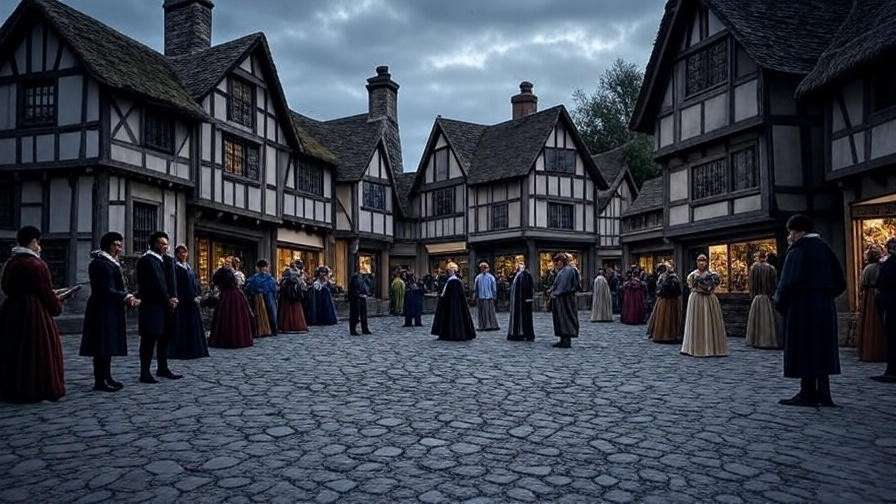
To understand why Hamlet dominates modern digital spaces, we have to look backward at how Renaissance audiences actually consumed theatre. The popular misconception of Elizabethan drama paints it as a solemn, hushed affair attended only by elite scholars sipping wine. In reality, a performance at the Globe was loud, interactive, messy, and intensely participatory.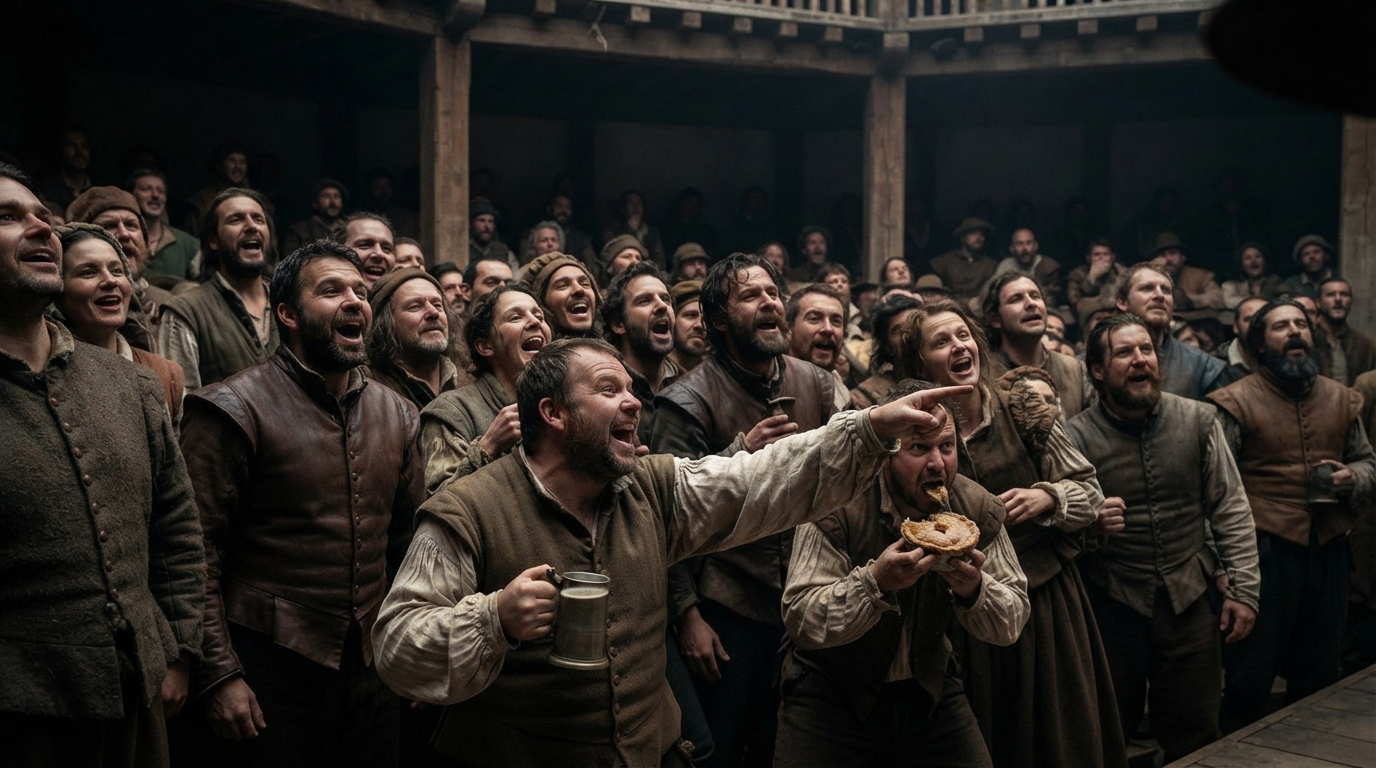
The groundlings—the working-class theatergoers who paid a penny to stand in the yard—were the original internet comment section. They heckled actors, cheered for blood, booed villains, and consumed broadside ballads the way modern users consume viral TikTok trends. Popular culture during the late 16th and early 17th centuries relied heavily on repeatable catchphrases, jestbooks, and satirical pamphlets that circulated through London streets like viral copy-pastas.
Shakespeare himself was a master of meta-commentary and gallows humor. In Hamlet, the prince directs a troupe of traveling actors (The Mousetrap) specifically to trap his uncle’s conscience, turning a theatrical production into a literal psychological trap. This self-aware layering of reality and performance mirrors the multi-ironic, deeply recursive nature of modern meme culture. When Hamlet plays the fool while harboring dark, obsessive thoughts, he is essentially executing the 17th-century equivalent of “it’s just a joke, bro” while actively plotting a royal regicide.
Why Hamlet is the Ultimate Meme Template
Literary texts survive across centuries only when their core human conflicts remain adaptive. While plays like Coriolanus or The Merry Wives of Windsor remain hyper-specific to their historical moments, Hamlet tackles themes that map with terrifying accuracy onto 21st-century neuroses.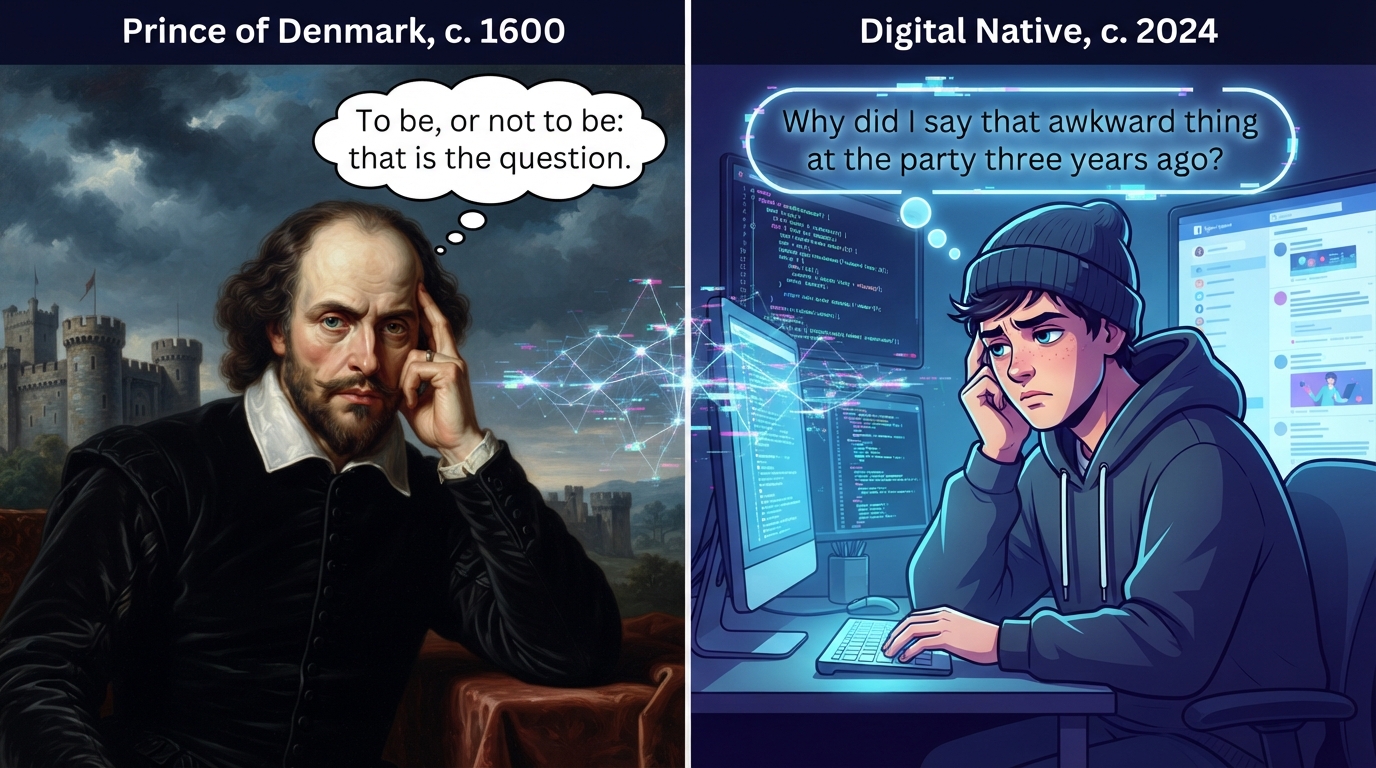
-
Universal Overthinking and Analysis Paralysis: Hamlet’s fatal flaw is not a lack of courage, but an excess of cognition. He has concrete proof that his uncle murdered his father, yet he spends five acts agonizing over the moral, theological, and logistical implications of revenge. This is the exact psychological blueprint for modern decision fatigue, whether you are debating which email response to send or spiraling over a text message.
-
The Toxic Royal Family Dynamic: Elsinore is effectively a deeply dysfunctional corporate board meeting combined with a toxic family group chat. Gertrude married her dead husband’s brother in record time, Polonius is the ultimate micromanaging helicopter parent, and Rosencrantz and Guildenstern are corporate yes-men who cannot be trusted. Anyone who has navigated toxic family holidays or chaotic workplace politics immediately recognizes the exhausted energy of Elsinore.
-
Existential Nihilism as Comedy: “To be or not to be” is the foundational text of human despair, but when filtered through modern absurdism, it becomes the ultimate punchline. Modern humor thrives on taking deep, crushing existential dread and packaging it into bite-sized, ironic formats. Hamlet looking at a skull and realizing that Alexander the Great eventually ended up stopping a bun-hole is peak absurdism.
Anatomy of a Viral Shakespeare Meme: A Comparative Breakdown
The evolution of a literary joke into a viral internet phenomenon relies on visual recognition and emotional resonance. Several specific templates stand out across social media platforms for their ability to synthesize complex dramatic irony into split-second punchlines.
| Meme Format / Template | Source Material in Play | Modern Digital Translation |
| The Yorick Skull | Act 5, Scene 1 (Graveyard Scene) | Comparing ancient historical artifacts, mundane household objects, or minor inconveniences to the fragility of mortal existence. |
| “Get Thee to a Nunnery” | Act 1, Scene 1 / Act 3, Scene 1 | Using hyper-aggressive, archaic Shakespearean vocabulary to shut down annoying online discourse or unwanted DMs. |
| The Mousetrap Play | Act 3, Scene 2 (The Play-Within-A-Play) | Layered, multi-ironic shitposting used to test someone’s knowledge or subtly call out bad behavior in a group setting. |
| “Alas, Poor Ghost” | Act 1, Scene 5 (Ramparts Encounter) | Reacting to unexpected responsibilities, past mistakes, or intrusive thoughts appearing out of nowhere. |
When creators use the skull format, they are bridging a 400-year gap. The juxtaposition of high-art solemnity with low-brow everyday complaints creates a comedic tension that is irresistible to digital audiences.
The Psychology of Academic Humor: Why Students Weaponize Hamlet Online
The proliferation of literary humor is driven largely by students, teachers, and literature enthusiasts who spend months dissecting canonical texts in academic settings. High school and undergraduate English classes often force students through intense structural analysis of Shakespearean verse, creating a shared cultural experience—and occasional academic trauma—that naturally breeds coping mechanisms through comedy.
Platforms like TikTok and BookTok have transformed literary analysis into peer-to-peer entertainment. Instead of dry essays, students use viral audio trends,POV sketches, and fast-paced editing to critique Hamlet’s terrible communication skills or mock Ophelia’s lack of agency. This phenomenon democratizes high art. By stripping away the elitist pretense that often surrounds classical literature, memes make Shakespeare feel immediate, gritty, and deeply human.
Far from being disrespectful to the text, this kind of engagement demonstrates a high level of literary literacy. You cannot successfully satirize a five-act tragedy without deeply understanding its character motivations, thematic arcs, and historical subtext. Modern educators are taking note, increasingly incorporating meme analysis into syllabi to test comprehension and encourage creative engagement with classical texts.
The Ultimate Guide to Creating Ethical, High-Value Literary Memes
For content creators, writers, and educators looking to enter this niche, crafting a successful literary meme requires striking a balance between intellectual accuracy and internet-native humor.
-
Maintain Structural Text Integrity: A weak joke misinterprets the plot. If your meme suggests Hamlet was just lazy rather than philosophically paralyzed, literary purists will call out the inaccuracy. Ground your humor in actual textual evidence—such as Hamlet’s frequent soliloquies or his erratic treatment of Ophelia.
-
Look Beyond the Obvious Punchlines: While “To be or not to be” is universally recognized, it is also oversaturated. Dig deeper into the text. Pull from Act 4’s chaotic political fallout, Fortinbras’ sudden off-stage invasion, or the darkly comedic banter of the gravediggers. Deep-cut literary references build stronger authority within niche communities.
-
Leverage Visual Irony: Pair classical oil paintings—like John Everett Millais’ iconic depiction of Ophelia—with absurd contemporary captions. The visual contrast between 19th-century Pre-Raphaelite romanticism and modern burnout culture creates an instantly shareable piece of digital art.
Frequently Asked Questions
Why are there more memes about Hamlet than any other Shakespeare play?
Hamlet features the most internal monologue of any Shakespearean protagonist. Because the audience spends five acts trapped inside Hamlet’s overthinking, anxious, and deeply philosophical brain, his internal struggles translate seamlessly to modern psychological anxieties and internet self-deprecation.
Did William Shakespeare use internet-style humor in his original plays?
While the internet didn’t exist, Elizabethan theatre relied heavily on rapid-fire puns, low-brow double entendres, satirical slapstick, and meta-theatrical jokes that broke the fourth wall. Shakespeare wrote plays designed to appeal to both illiterate groundlings and aristocratic intellectuals simultaneously.
How can teachers use Shakespeare memes effectively in the classroom?
Educators can use student-generated memes as a diagnostic tool to assess reading comprehension. Asking students to translate a complex soliloquy into a modern meme template requires them to synthesize character motivation, tone, and subtext into a single visual summary.
Where can I find the most active communities for classic literature shitposting?
Subreddits like r/Shakespeare and specialized communities on TikTok and X under tags like #BookTok and #LitMemes host active, highly engaged networks of scholars and readers sharing literary humor daily.
The enduring legacy of Hamlet proves that human nature remains fundamentally unchanged across centuries. Whether we are dealing with royal conspiracies in 17th-century Denmark or managing modern corporate burnout in the digital age, our core anxieties—fear of mortality, the weight of indecision, and the chaos of family dynamics—remain identical. We may have traded blank verse and doublet trousers for image macros and oversized hoodies, but the instinct to laugh through the existential dread is timeless.