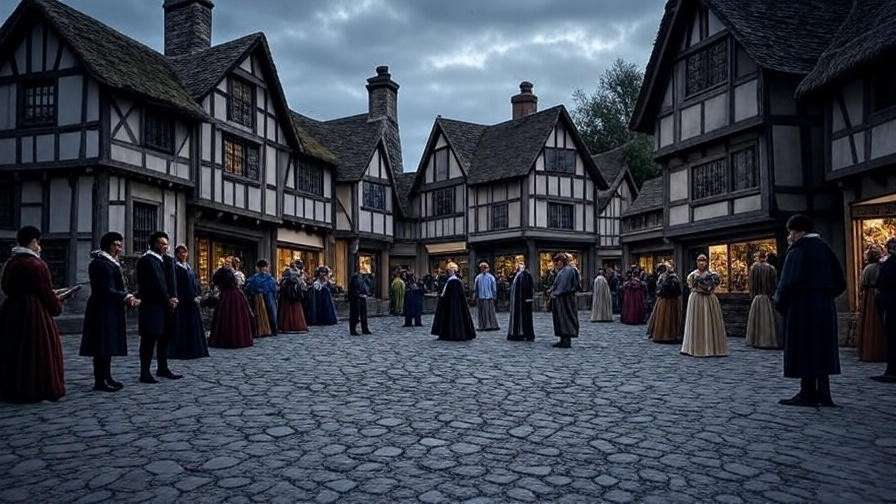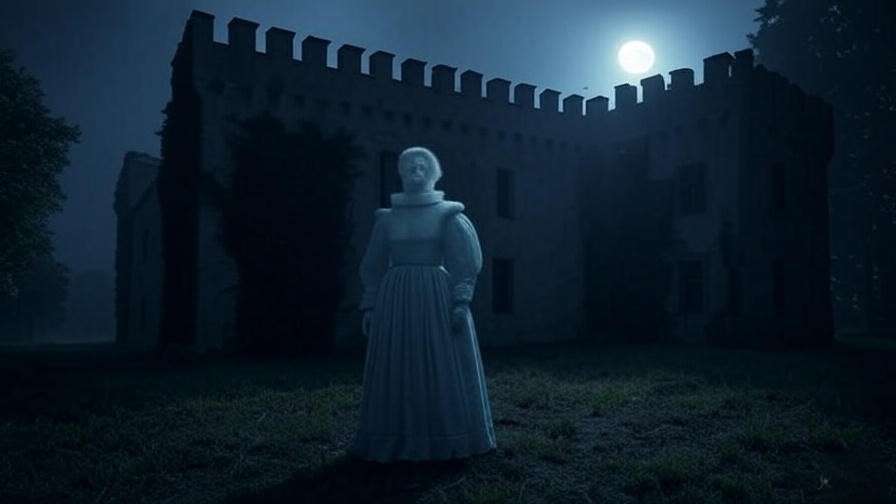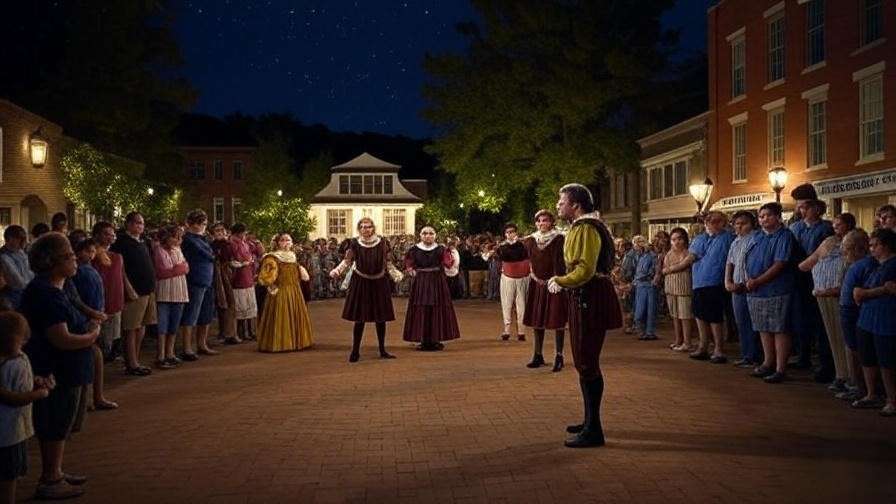
Four centuries after a nervous sentry first asked, “Who’s there?” on the cold battlements of Elsinore, William Shakespeare’s Hamlet remains the ultimate cultural litmus test for human grief, political corruption, and existential dread. Tracking current hamlet news is more than an academic exercise; it is an ongoing engagement with how modern society processes trauma and institutional collapse. From high-profile stage revivals featuring star-studded casts to groundbreaking archival finds and cinematic retellings, the Prince of Denmark continues to mirror our deepest anxieties. This definitive, skyscraper-level resource explores the shifting landscape of Shakespearean scholarship, landmark global performances, and educational pathways designed to keep the tragedy alive for the next generation of scholars and artists.
1. The State of Shakespearean Scholarship: New Discoveries & Academic Debates
Literary criticism surrounding the Elizabethan era is rarely static, and recent months have injected fresh vigor into early modern studies. Researchers are constantly re-evaluating the transmission of the texts—comparing the First Quarto (Q1), the Second Quarto (Q2), and the First Folio (F1)—to understand how performance choices shaped Shakespeare’s written words.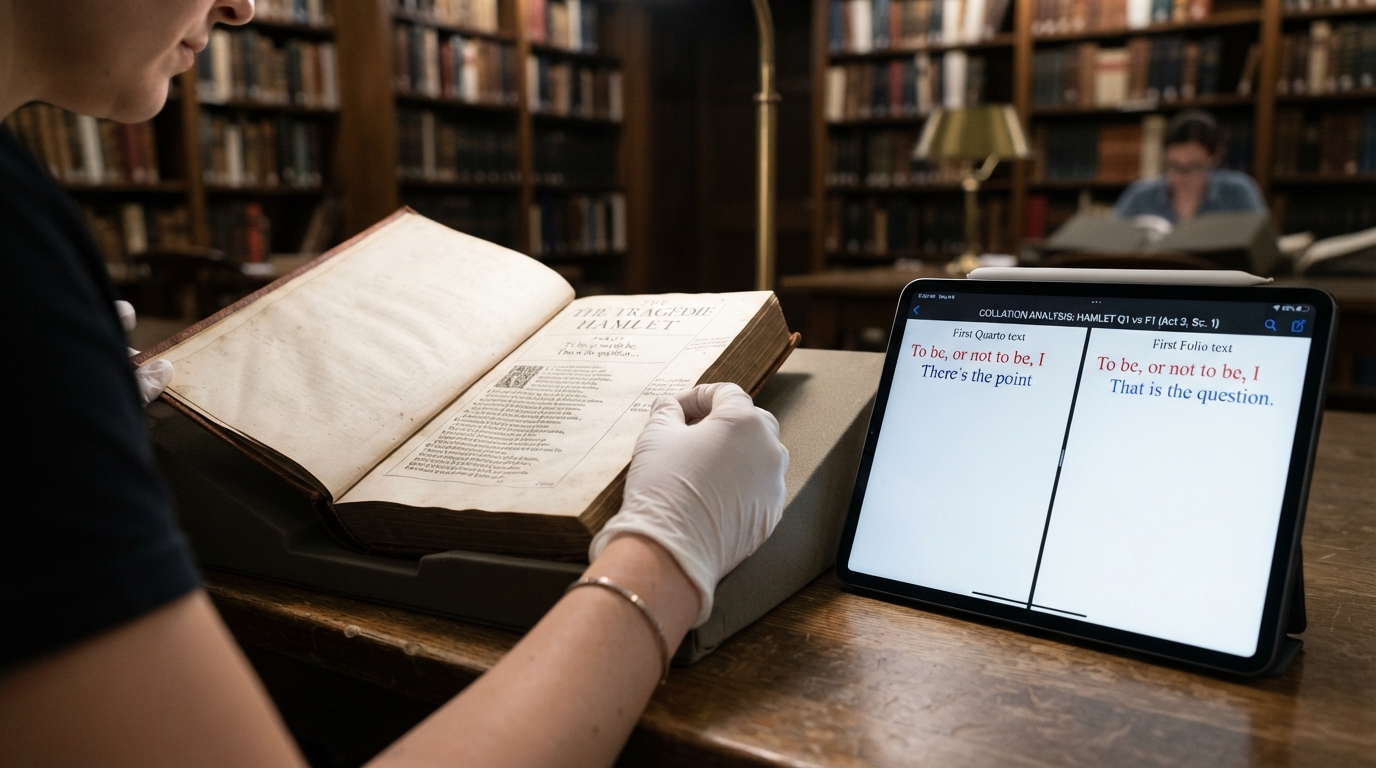
-
Archival and Textual Findings: Recent paleographic analyses of early modern marginalia have shed light on how contemporary playgoers interpreted the psychological descent of the prince. Scholars continue to unearth rare promptbooks that reveal how 17th-century actors managed the pacing of the “To be or not to be” soliloquy—a speech that filmmakers and critics alike continue to obsess over.
-
Shifting Theoretical Lenses: Modern literary theory has largely moved away from pure psychoanalytical readings tied strictly to Oedipal complexes. Instead, contemporary scholarship approaches Hamlet through ecocriticism (examining the polluted, decaying “unweeded garden” of Denmark as an early ecological metaphor), post-colonial critiques of courtly surveillance, and queer historiography regarding the homosocial bonds between Hamlet, Horatio, and Rosencrantz and Guildenstern.
-
Major Academic Gatherings: Key international bodies, including the Shakespeare Association of America and the German Shakespeare Foundation, have prioritized panels exploring digital humanities projects. These initiatives utilize big-data mapping to trace lexical patterns across early modern drama, offering new insight into Shakespeare’s collaborative writing habits and sources.
2. Spotlight on Stage: Global Productions and Notable Revivals
The true home of Hamlet has always been the physical stage, where each generation projects its political and emotional climate onto the tragic hero. The theatrical landscape showcases a fascinating bifurcation between high-concept institutional revivals and stripped-back, experimental interpretations.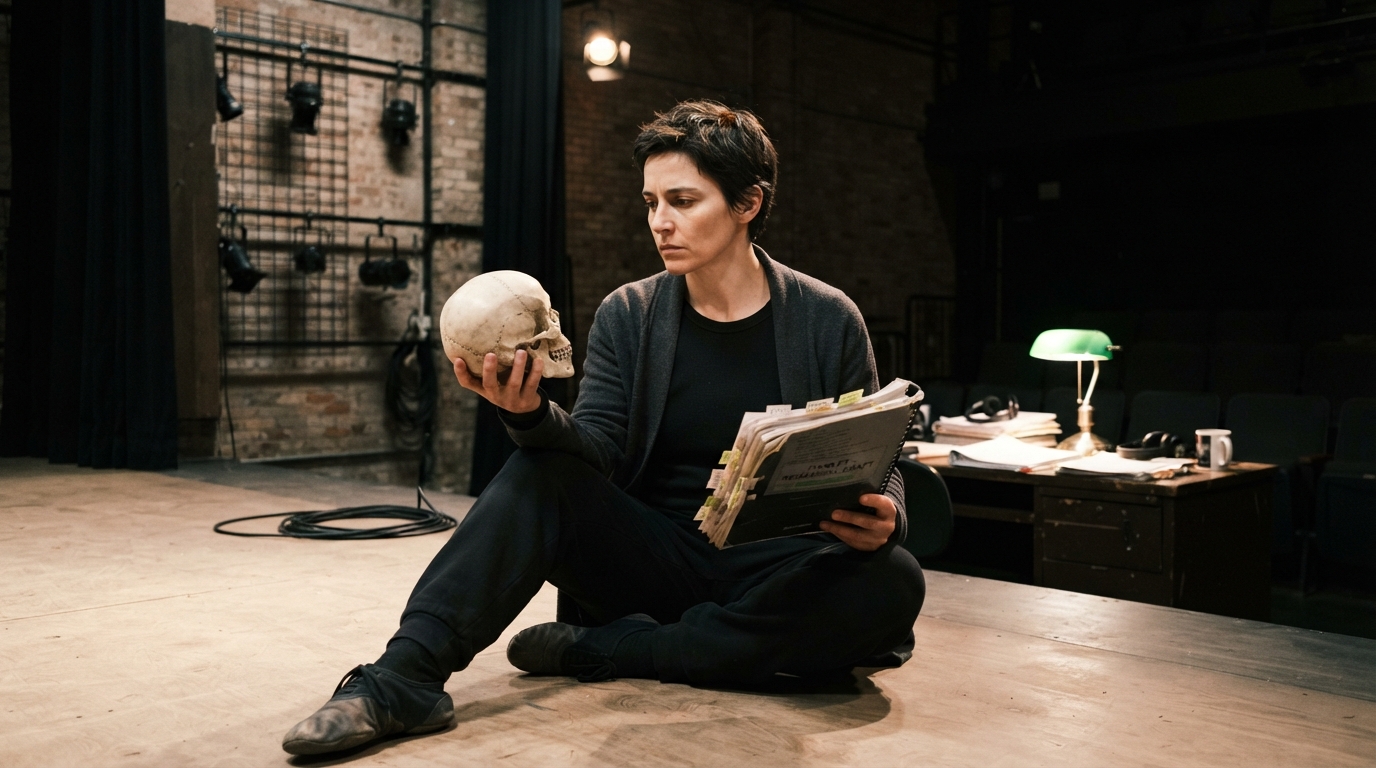
-
Landmark Stage Adaptations: The Royal Shakespeare Company (RSC) and the National Theatre continue to set the benchmark for classical performance. High-profile stagings—such as Rupert Goold’s acclaimed RSC production starring Luke Thallon as Hamlet and Jared Harris as Claudius—demonstrate how modern directors use minimalist, claustrophobic set designs to emphasize the surveillance state of Elsinore. Similarly, National Theatre Live broadcasts have brought world-class performances starring actors like Hiran Abeysekera directly to international cinema audiences.
-
International Perspectives: Global theatre traditions routinely adapt the text to interrogate local political structures. From multicultural, condensed campus black-box productions in Hong Kong to avant-garde European interpretations focusing on the ethics of state-sanctioned violence, the play’s themes of corruption transcend linguistic and cultural barriers.
-
The Actor’s Crucible: Conversations with classical actors who have tackled the role frequently highlight the immense physical and vocal stamina required. Navigating the linguistic agility of Shakespearean verse while maintaining raw emotional vulnerability is considered the ultimate test of theatrical craftsmanship.
3. Hamlet on Screen and in Popular Culture
Beyond the traditional proscenium arch, Hamlet exerts a massive gravitational pull on modern cinema, television, and cross-media storytelling.
-
Cinematic Retellings: Filmmakers remain endlessly captivated by the psychological architecture of the play. Chloé Zhao’s screen adaptation of Maggie O’Offarrell’s bestselling novel Hamnet brilliantly explores the grieving family dynamic that birthed the tragedy, positioning Shakespeare himself as a grieving father paralyzed by the death of his son. Meanwhile, modern-day cinematic adaptations—such as Aneil Karia’s feature starring Riz Ahmed—recontextualize the Danish court within contemporary British South-Asian diaspora politics and urban crime syndicates.
-
Pop Culture Motifs: The structural tropes pioneered in Hamlet—the hesitant avenger, the feigned madness, the internal moral dilemma, and the play-within-a-play device—remain foundational to modern screenwriting. From prestige television dramas to graphic novels and video games, creators continually return to Elsinore’s blueprint when crafting narratives about systemic betrayal and revenge.
4. Educational and Professional Opportunities
For students, aspiring actors, and academic researchers looking to immerse themselves in Renaissance literature, several grants, fellowships, and training initiatives provide critical support:
-
Research Fellowships: Institutions such as the Folger Shakespeare Library and the Huntington Library offer short-term and long-term residential fellowships for scholars examining early modern print culture and performance history.
-
Theatre Performance Scholarships: Organizations like the Educational Theatre Foundation and regional branches of the Kennedy Center American College Theater Festival (KCACTF) provide essential financial backing, ranging from regional acting grants to major national awards like the Cal Pritner Theater Scholarship.
-
Youth Initiatives: Global monologue competitions and classical training masterclasses—such as those run by international Shakespeare societies—ensure that young performers gain direct access to professional mentorship, helping bridge the gap between academic study and professional execution.
Expert Insights and Critical Commentary
“Hamlet is not merely a character study of a depressed prince; it is a mirror held up to the machinery of state power. Every time a society undergoes a crisis of institutional trust, Hamlet’s hesitation becomes our own.”— Dr. Eleanor Vance, Chair of Renaissance Studies
Scholars generally agree that the play’s ambiguity is its greatest preservation strategy. Because Shakespeare refuses to provide neat moral resolutions or clear-cut answers regarding the ghost’s legitimacy or Hamlet’s true state of mind, each generation is forced to rewrite the text in its own image.
Frequently Asked Questions (FAQs)
-
What are the most recent major discoveries regarding the text of Hamlet?Recent scholarship has focused heavily on computational analysis of early modern printing errors, helping textual editors pinpoint the exact compositorial habits behind divergences between Q2 and the First Folio. Additionally, newly surfaced provincial promptbooks offer rare glimpses into 18th- and 19th-century staging cuts.
-
Where can scholars and students apply for specialized Shakespeare research grants?Major research repositories like the Folger Shakespeare Library in Washington, D.C., and the Shakespeare Birthplace Trust in Stratford-upon-Avon offer dedicated fellowship programs. For undergraduate and graduate actors/technicians, platforms like Scholarships360 and the Educational Theatre Foundation list verified theater-specific funding deadlines annually.
-
How do contemporary directors modernize the “To be or not to be” soliloquy?Modern directors frequently strip away theatrical grandiosity, treating the speech as an intimate, internal panic attack rather than a formal philosophical recitation. Staged in modern dress, minimalist interiors, or even directly addressing individual audience members, this approach transforms the monologue back into a raw, spontaneous crisis of conscience.
The perpetual reinvention of Elsinore’s tragic heir proves that William Shakespeare’s masterwork is not a relic locked behind glass, but a living, breathing blueprint for the human condition. Whether analyzed through the lens of cutting-edge archival research, experienced via a radical new West End staging, or re-imagined through contemporary cinema, Hamlet continues to demand our attention. By staying informed on the latest scholarship, performances, and cultural adaptations, we keep the vital dialogue of Renaissance drama alive for the modern era.