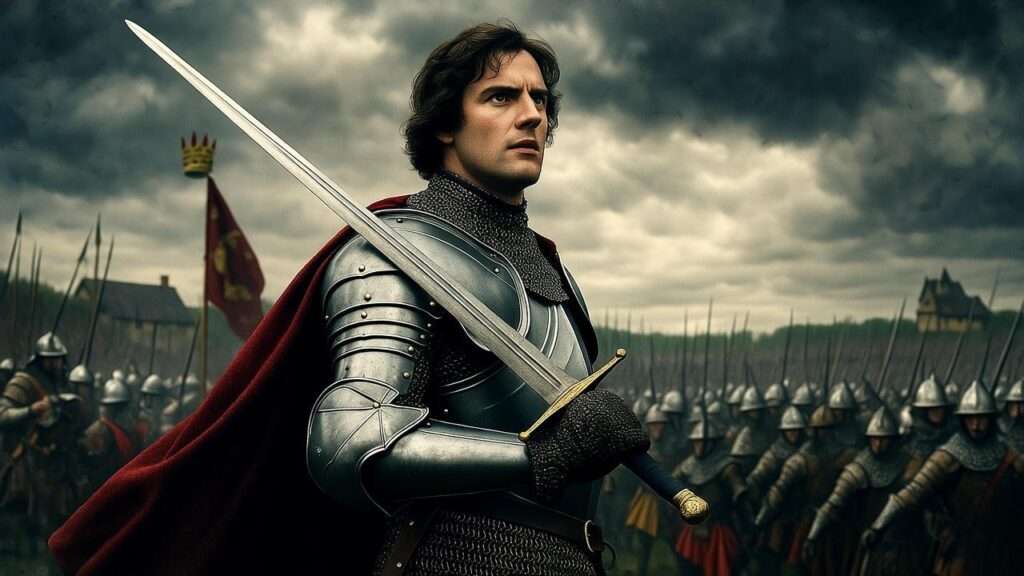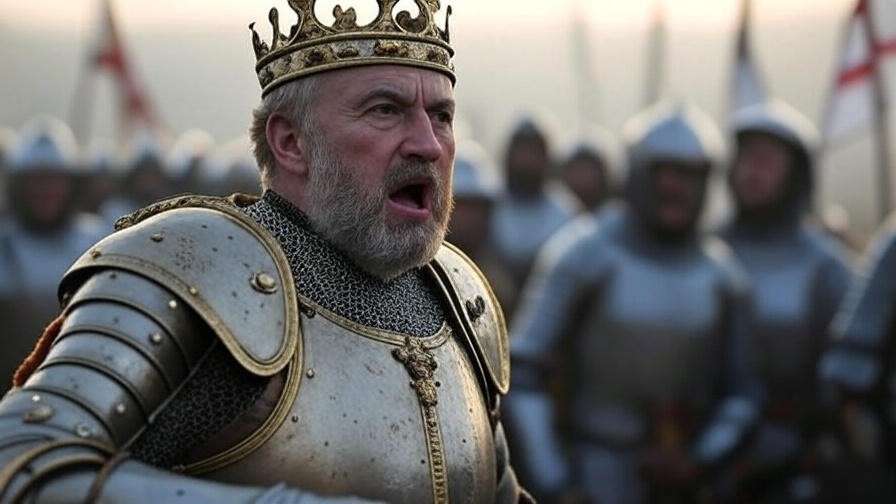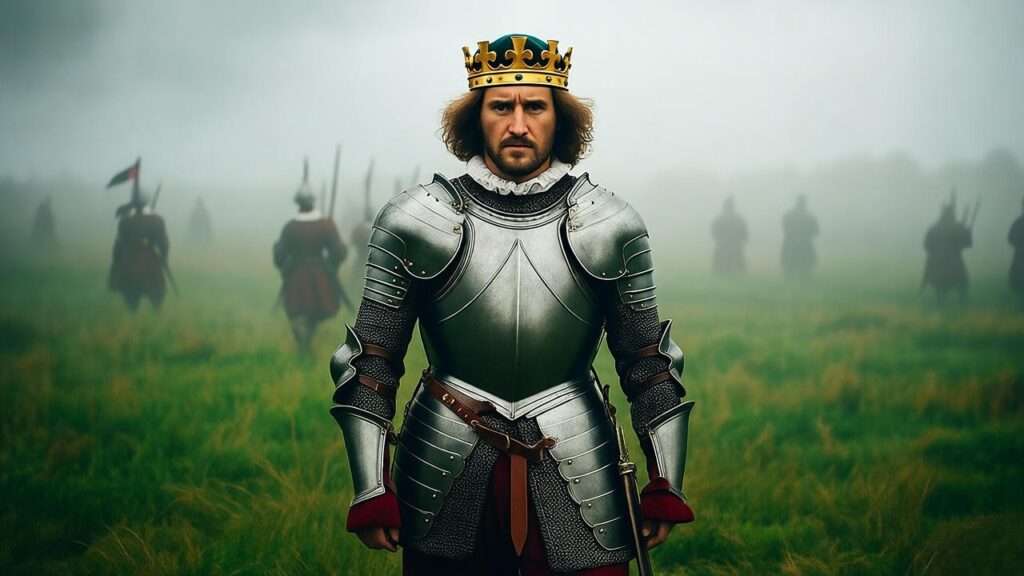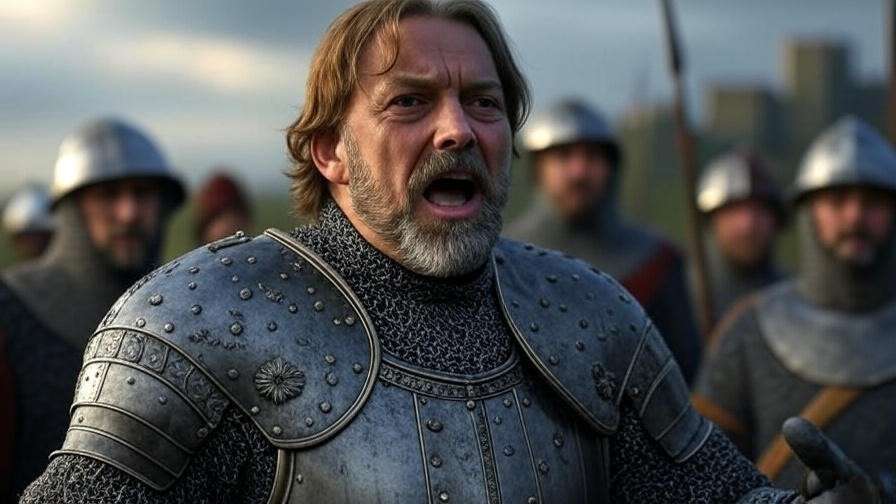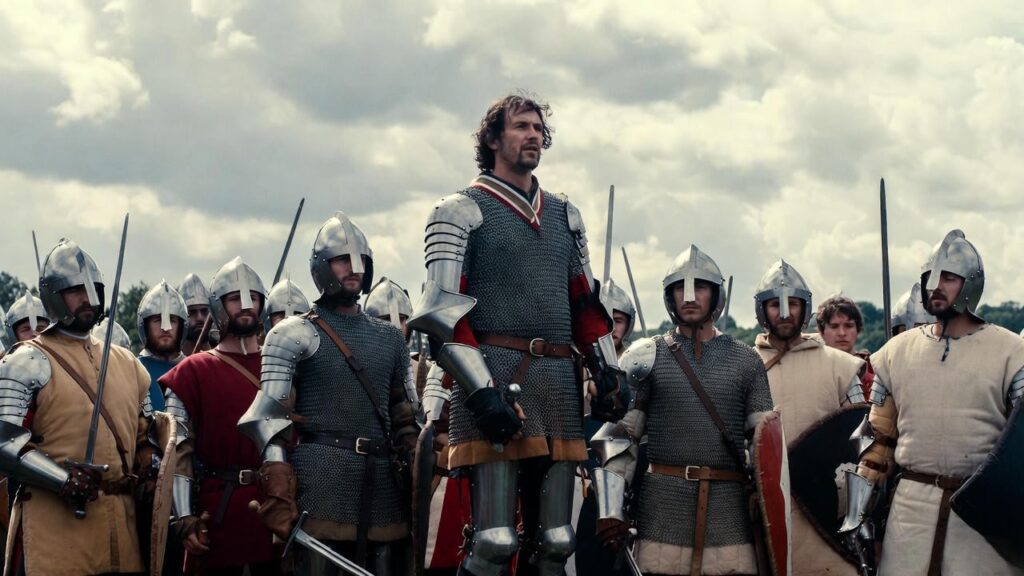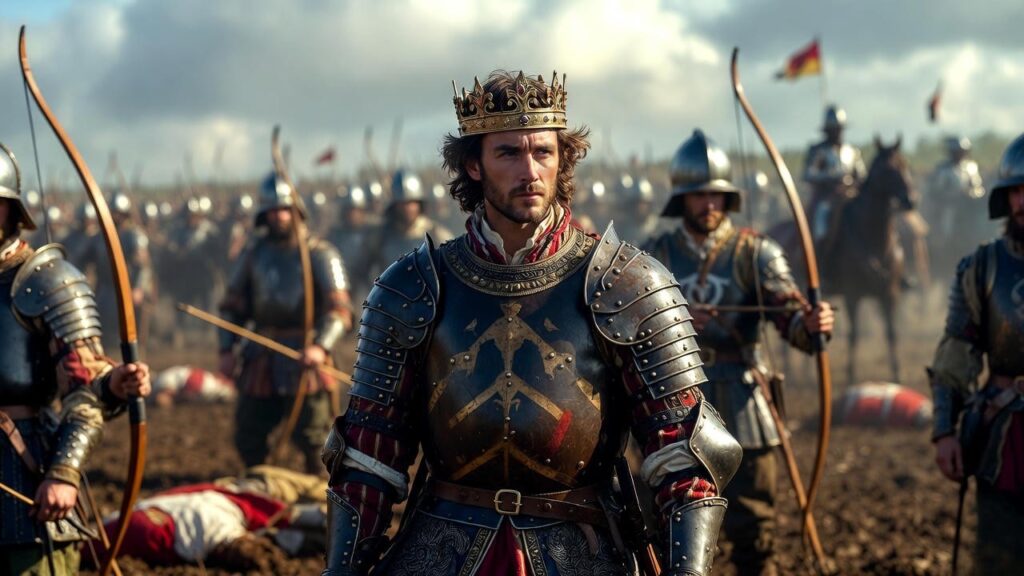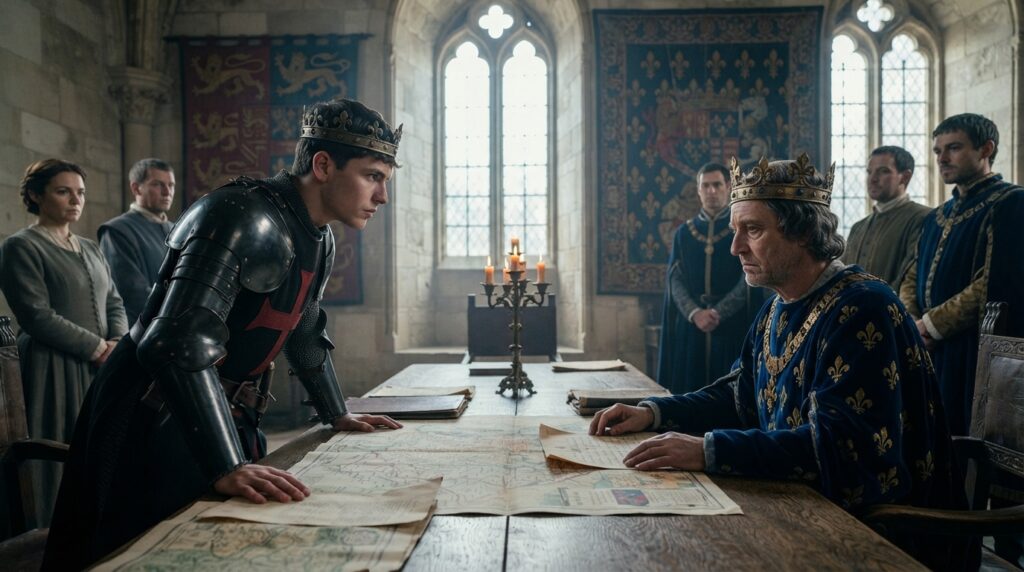
When William Shakespeare dramatized the Hundred Years’ War in Henry V, he created a sweeping geopolitical canvas defined by national ambition, strategic posturing, and the psychological weight of sovereignty. At the epicenter of this conflict stand two pivotal monarchs: henry and charles—King Henry V of England and King Charles VI of France. While traditional scholarship frequently frames the play as a one-sided celebration of English military exceptionalism, a closer examination of the friction between these two rulers reveals a complex study in contrasting leadership styles.
Understanding how Shakespeare constructs this trans-channel rivalry requires moving past the bombast of battle to analyze statecraft, legitimacy, and the heavy burdens of crown and country.
The Geopolitical Chessboard: Establishing the Conflict
The confrontation between England and France does not begin on the muddy fields of Agincourt; it begins in the tense, formal atmosphere of the English court through diplomatic provocation. The catalyst for the war—the infamous gift of tennis balls sent by the French Dauphin—directly implicates the French crown in underestimating English resolve. However, King Charles VI occupies a vastly different psychological and political space than his impulsive son.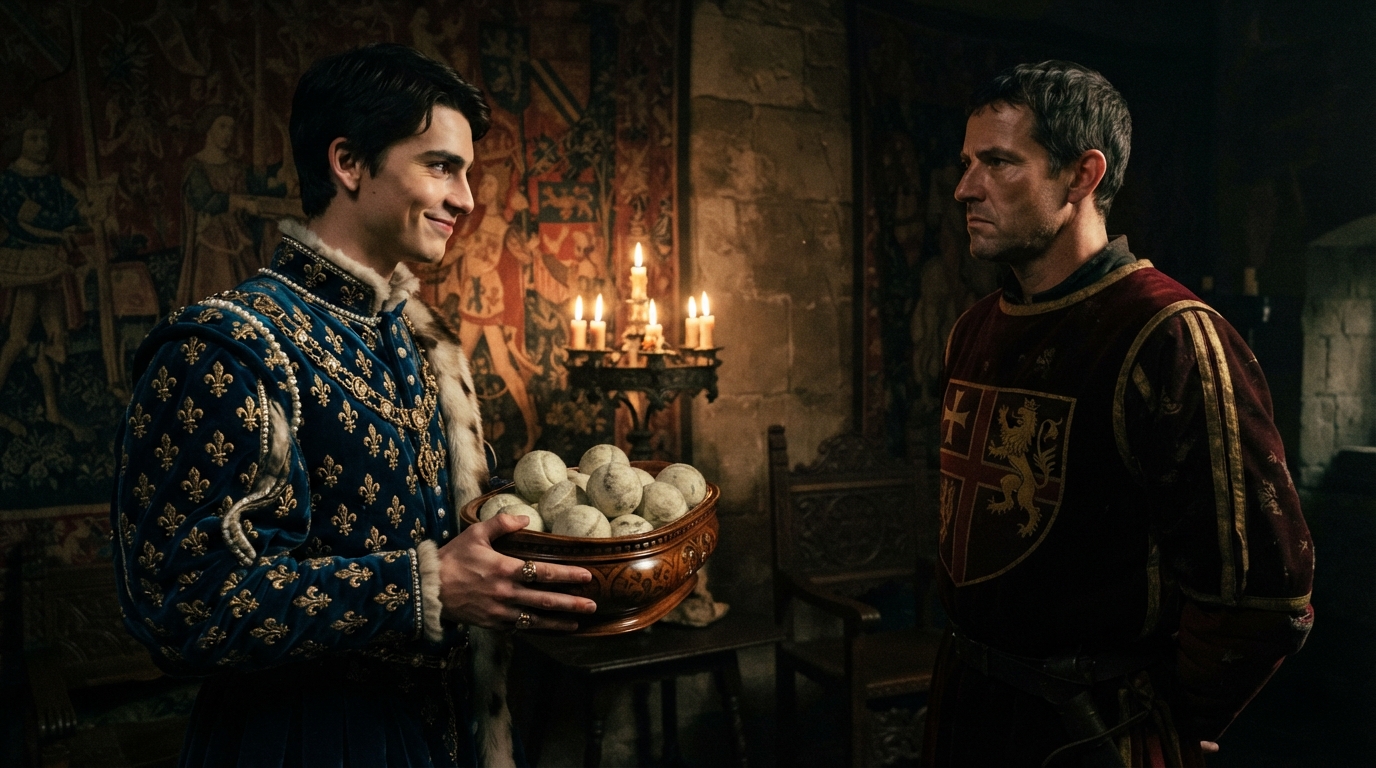
-
The Salic Law Argument: The English claim rests on a meticulous legal foundation provided by the Archbishop of Canterbury, navigating complex genealogies to challenge French legitimacy.
-
The French Sovereign’s Stance: Unlike the hot-headed Dauphin, Charles VI remembers the historical devastation inflicted by English ancestors and approaches the impending conflict with calculated caution.
-
The Weight of Inheritance: Both leaders are bound by the actions of their predecessors, forced to justify bloodshed through the abstract principles of dynastic right.
Shakespeare uses this preliminary diplomatic chess match to establish a vital thematic contrast. Henry must project absolute, unyielding self-confidence to unify a fractured English nobility and erase memories of his reckless youth as “Prince Hal”. Conversely, Charles VI must defend an ancient kingdom while managing internal court factions and the reckless arrogance of his heir.
Contrasting Leadership: Charismatic Pragmatism vs. Institutional Authority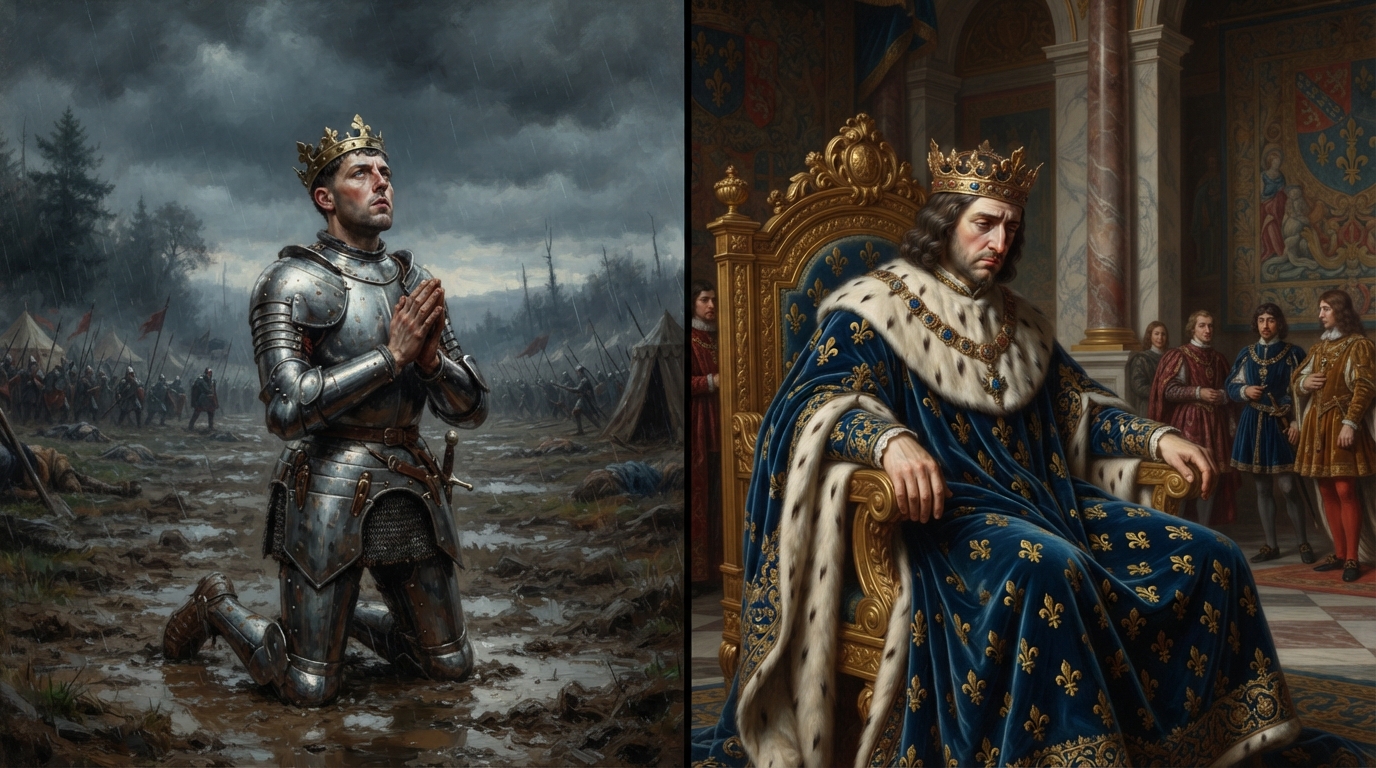
The juxtaposition of henry and charles highlights two distinct archetypes of early modern kingship. Shakespeare evaluates how sovereign power is exercised, maintained, and tested under extreme duress.
+------------------------+-----------------------------------------+-----------------------------------------+
| Feature                | King Henry V (England)                  | King Charles VI (France)                |
+------------------------+-----------------------------------------+-----------------------------------------+
| Primary Leadership Style| Charismatic, mobile, and hands-on      | Deliberate, institutional, and cautious |
+------------------------+-----------------------------------------+-----------------------------------------+
| Approach to Conflict   | Aggressive expansion and legal certainty| Defensive preservation and calculation  |
+------------------------+-----------------------------------------+-----------------------------------------+
| Relationship with Army | Close psychological bond ("band of      | Distant command structure relying on    |
|                        | brothers")         | nobles and the Dauphin                  |
+------------------------+-----------------------------------------+-----------------------------------------+
| Ultimate Objective     | Securing the French crown and eternal   | Stabilizing the realm and mitigating    |
|                        | martial glory                           | catastrophic territorial loss           |
+------------------------+-----------------------------------------+-----------------------------------------+
Henry’s leadership relies heavily on performative populism. On the eve of Agincourt, his nocturnal walk among his soldiers in disguise demonstrates a calculated effort to absorb the anxieties of his common men while maintaining ultimate psychological control. He is a king who leads from the front, utilizing masterclasses in rhetoric—such as the St. Crispin’s Day speech—to transform military desperation into sacred duty.
Charles VI, on the other hand, operates from a position of institutional gravity. While historical records note Charles’s severe mental vulnerabilities, Shakespeare presents a composed, dignified monarch who treats the English threat with sober gravity. Charles recognizes that the “kindred of [Henry] hath been fleshed upon us”, warning his court not to repeat the historical errors of Crécy and Poitiers. His authority is structural, relying on a network of dukes, constables, and heralds to project power.
The Rhetoric of War and the Rhetoric of Peace
The dialogue exchanged between the English and French camps shifts dynamically as the military balance of power evolves. Through intermediaries like the French herald Montjoy, the dialogue maps the changing psychological landscape of the war.
-
Pre-Battle Defiance: The French court treats the English invasion as a localized nuisance, sending messages laden with aristocratic condescension.
-
The Turning Point of Agincourt: The catastrophic loss of French nobility forces a radical reassessment in Paris, shifting Charles VI’s strategy from military confrontation to diplomatic preservation.
-
The Treaty of Troyes: The ultimate convergence of the two rulers occurs in Act 5, where statecraft merges with matrimonial alliance.
In their final interactions, the enmity between England and France is ostensibly resolved through the betrothal of Henry to Princess Katherine. Henry’s famous wooing scene—where he presents himself as a blunt, honest soldier rather than a polished courtier—masks a ruthless geopolitical annexation. Charles VI, acting through necessity, signs away his son’s inheritance to secure peace for a bleeding nation, naming Henry heir to the French throne.
Thematic Legacy: What the Dynamic Reveals Today
Examining the interplay between henry and charles offers modern readers a profound lesson in the transactional nature of political power. Shakespeare refuses to present a simplistic morality play. Instead, he exposes the human cost borne by populations when two elite rulers negotiate borders, bloodlines, and sovereignty.
Henry’s victory is absolute, yet the epilogue of the historical tetralogy reminds audiences of its fragility—the hard-won empire constructed by Henry V would famously slip away under his less capable successors. By balancing the charismatic drive of England’s monarch with the dignified resilience of France’s king, Shakespeare constructs a timeless meditation on the burdens of leadership, proving that history is shaped not just by victors, but by the complex friction between opposing sovereign wills.
The Burden of Crown and Conscience: Psychological Realism in Shakespeare’s Monarchs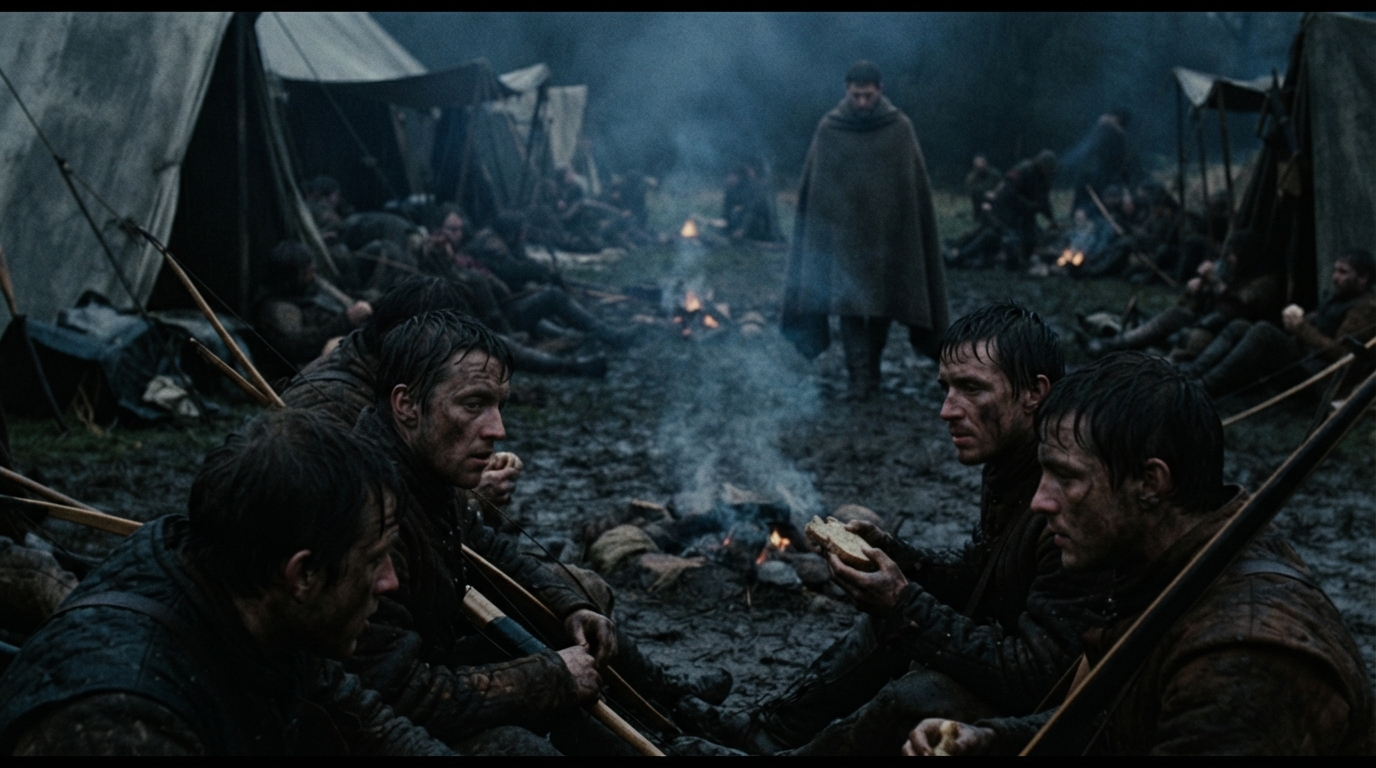
Beneath the grand rhetoric of divine right and martial glory, Shakespeare invests both English and French leadership with deep psychological vulnerability. The collision between King Henry V and King Charles VI is not merely a political contest over French territories; it is an exploration of how individual conscience fractures under the weight of state-mandated violence.
While Henry projects an aura of untouchable confidence, his soliloquies and private encounters reveal a man deeply haunted by the moral responsibility of his enterprise. On the night before the Battle of Agincourt, moving incognito among his encamped troops, Henry confronts the harsh human cost of his war. Soldiers like Michael Williams openly challenge the king’s moral authority, questioning whether a sovereign who initiates an unjust or politically motivated conflict will bear the ultimate spiritual burden for the limbs lost and lives ended. Henry’s defensive theological arguments—insisting that a king is not responsible for the wicked backgrounds of his soldiers or the state of their souls when they die in battle—reveal a leader desperately rationalizing the machinery of statecraft.
Conversely, Charles VI carries a different psychological cross. Operating in the shadow of historical disasters and managing an unstable court, Charles’s leadership is defined by the preservation of institutional continuity against impossible odds. Unlike the hot-blooded French nobility—personified by the Dauphin and the Constable of France, who view war through the archaic, romantic lens of chivalric sport—Charles views combat through the lens of structural survival. He remembers the generational trauma of English invasions. When he counsels his lords to respect the English threat, he acts as a sobering voice of institutional memory:
“Think we King Harry strong; And princes, look you strongly arm to meet him. The kindred of him hath been fleshed upon us; And he is bred out of that bloody strain That haunted us in our familiar paths.”
This contrast underscores Shakespeare’s broader critique of early modern warfare. The English monarch drives his campaign forward through sheer force of will, charismatic manipulation, and a mastery of public relations. The French monarch attempts to restrain a fragmented aristocracy that is blinded by feudal pride. Shakespeare exposes how systemic power often outlasts or betrays the individuals who wield it, rendering both kings prisoners of a geopolitical machine they cannot fully control.
The Role of Courtly Diplomacy and Intelligence Networks
Statecraft in Henry V is sustained as much by intelligence, espionage, and psychological warfare as it is by the clash of broadswords. The diplomatic exchanges between Henry and Charles rely heavily on symbolic messaging, where every herald, gift, and treaty negotiation functions as a test of nerve.
-
The Southampton Plot: Before crossing the Channel, Henry must neutralize internal treason—uncovered through surveillance and swift justice—proving that domestic security is a prerequisite for foreign conquest.
-
Heralds as Psychological Weapons: The French use the Dauphin’s tennis balls and Montjoy’s formal warnings to undermine English morale, attempting to shrink Henry’s psychological footprint before a single arrow is fired.
-
The Economics of Ransom: Following Agincourt, the staggering death toll among the French nobility transforms the geopolitical calculus, shifting the war from a contest of territorial conquest to an economic and dynastic negotiation.
When Montjoy returns to the English camp after the battle, his posture shifts from arrogant condescension to supplication. This transformation mirrors the declining fortunes of Charles VI’s court, where the sheer attrition of leadership forces the French monarchy to sue for terms. Shakespeare meticulously illustrates that war is an accounting exercise: every tactical miscalculation by the French elite costs them not just soldiers, but their sovereign bargaining power.
The Treaty of Troyes: The Irony of Dynastic Union
The culmination of the conflict at the Treaty of Troyes represents a masterclass in political pragmatism masking deep subjugation. The physical meeting between henry and charles in Act 5 brings the two sovereigns face-to-face in a structured, formal environment designed to codify English victory. Yet, the terms of the treaty reveal the tragic paradox of dynastic politics.
Charles VI, acting as both a father and a broken king, signs away the traditional birthright of his son, the Dauphin, to secure an uneasy peace. The marriage of Henry to Princess Katherine is framed as a romantic comedy of cross-cultural courtship, but its subtext is brutally transactional. Katherine becomes a geopolitical pawn, a living bridge meant to legitimize an invading monarch’s hold over a hostile population.
Shakespeare undercuts the apparent triumph of this union with the final Chorus of the play:
“Small time, but in that small time most greatly lived This star of England: Fortune made his sword; By which the world’s best garden he achieved, And of it left his son imperial lord.”
The audience is instantly reminded that the hard-won peace negotiated between Henry and Charles is ephemeral. The infant son who inherits both crowns—Henry VI—will preside over the catastrophic loss of France and the descent into the Wars of the Roses. By framing the summit between England and France within this grand, cyclical historical framework, Shakespeare transforms a nationalist celebration into a sobering meditation on the transience of human empire.