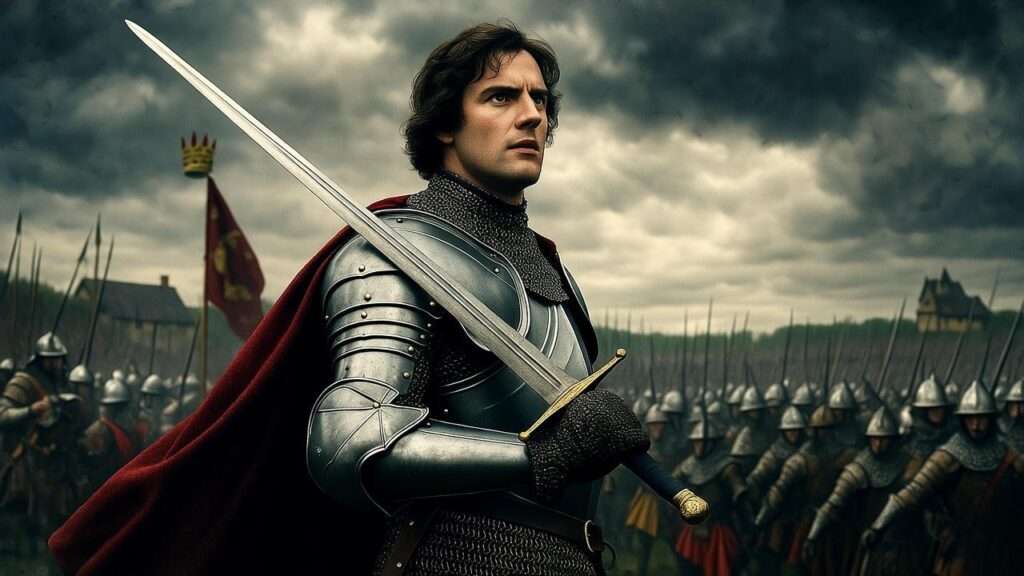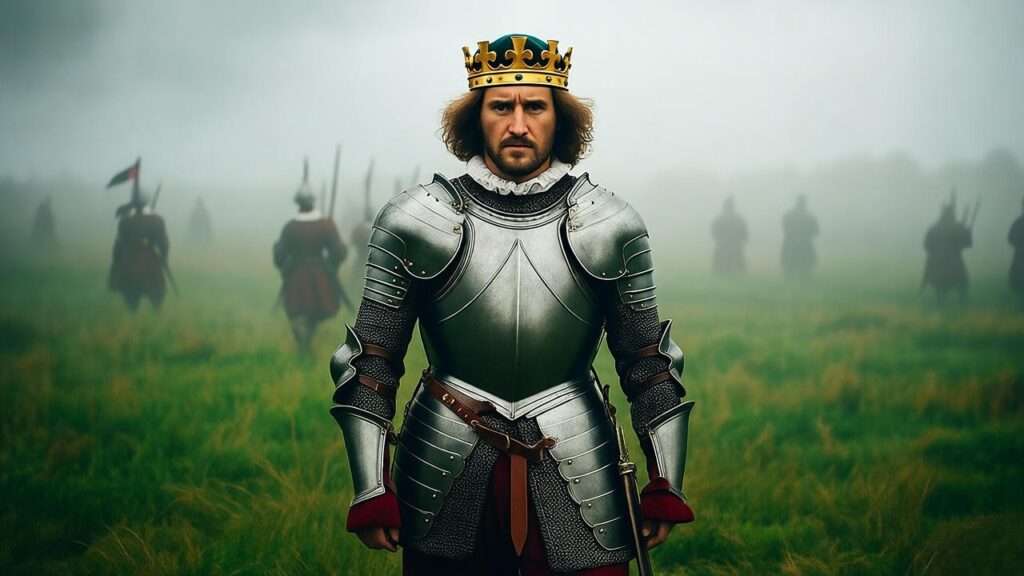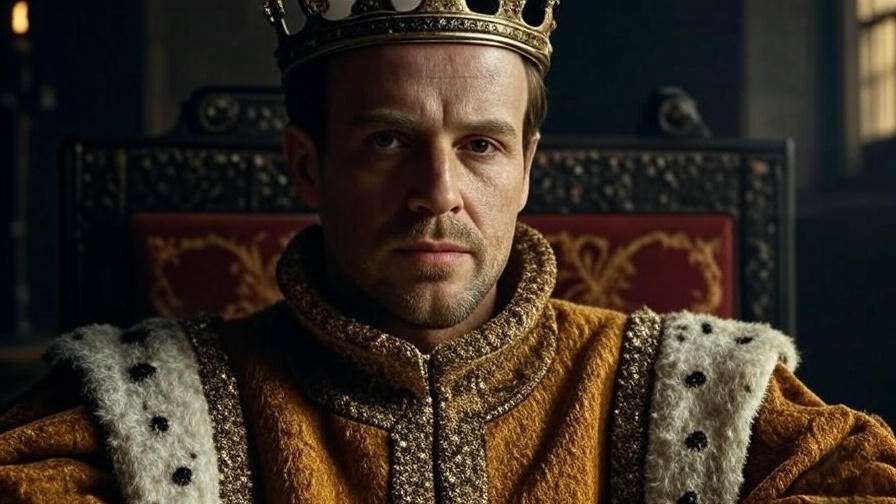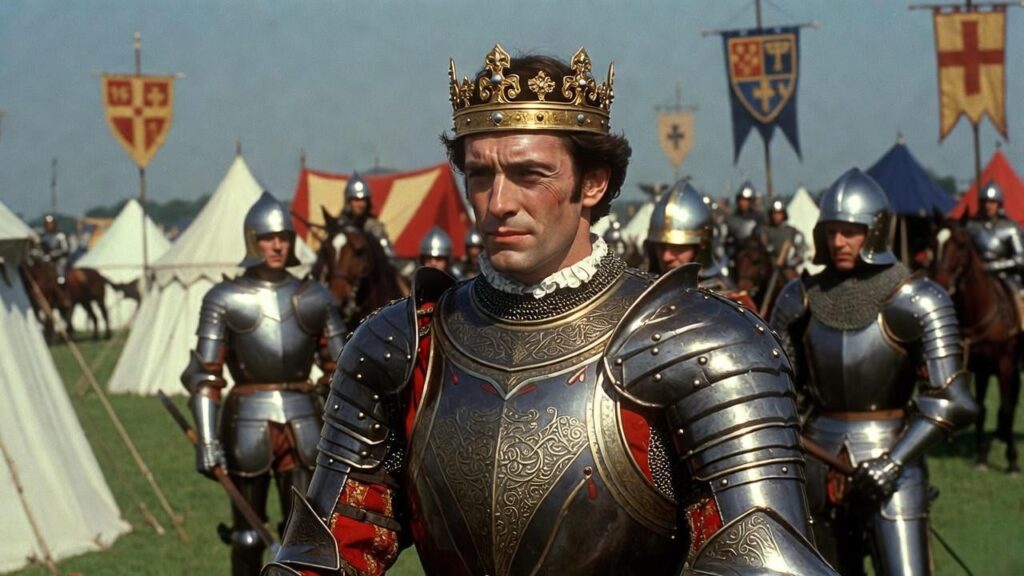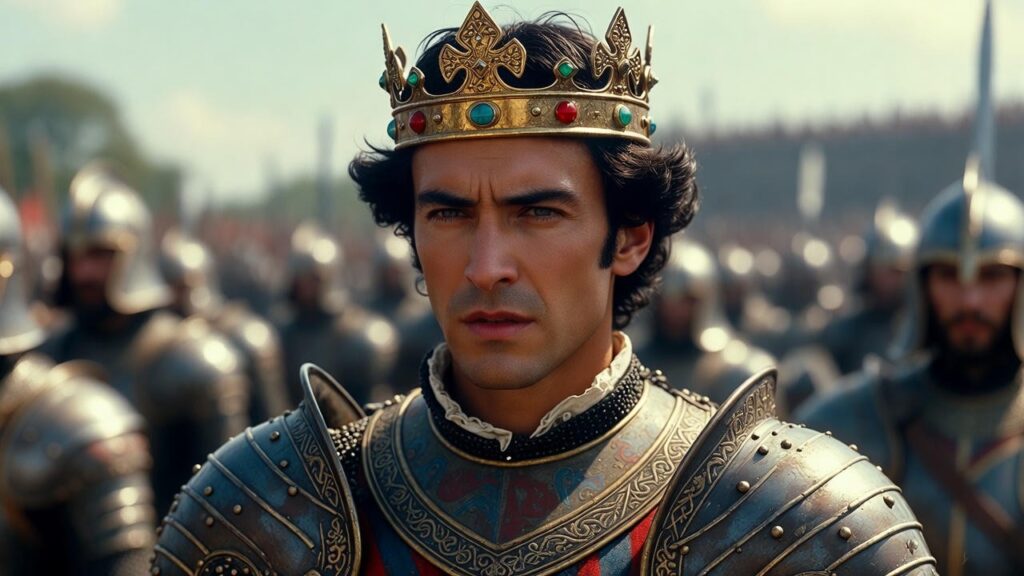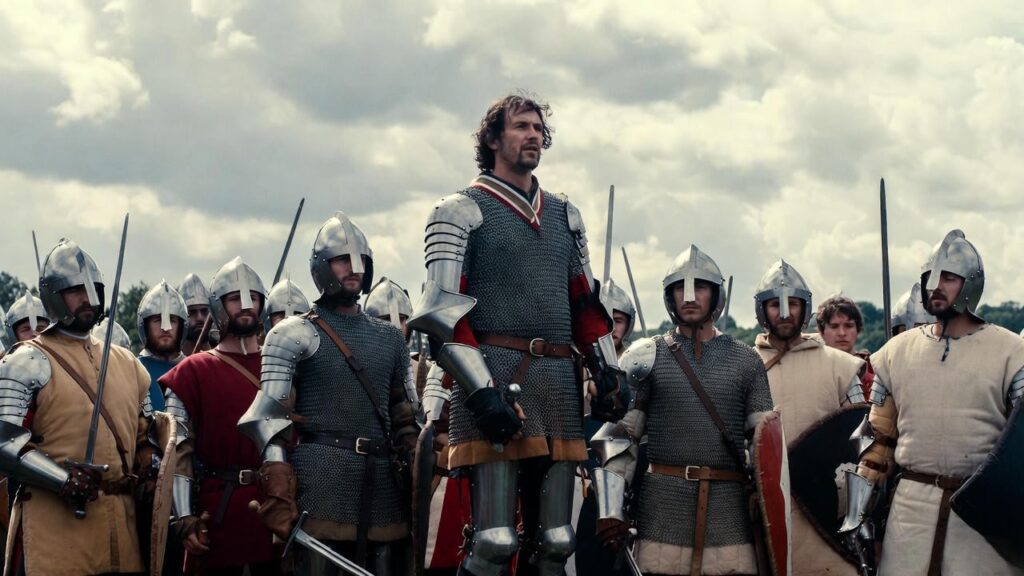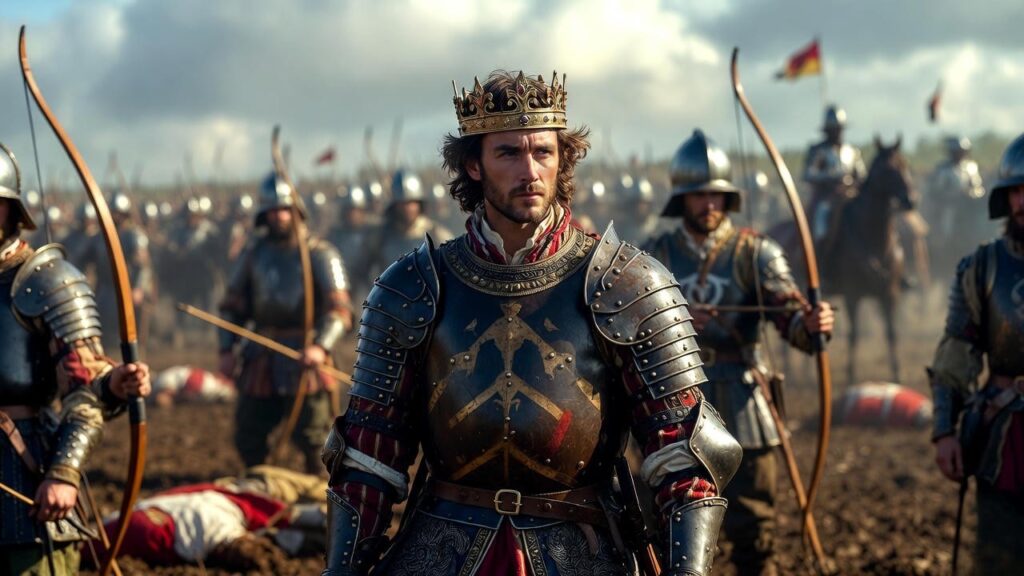
In an era when the average 15th-century English male stood roughly 5 feet 8 inches tall, King Edward IV towered over his contemporaries at an astonishing 6 feet 4 inches (1.93 meters). This incredible physical stature makes him not only a fascinating historical anomaly, but specifically edward iv height serves as a vital key to understanding his political dominance, martial presence, and enduring legacy. Long before William Shakespeare immortalized him on the Renaissance stage, Edward’s body was a walking political manifesto. In a society that closely linked physical perfection with divine right, standing nearly a foot above the national average was a potent asset during the brutal dynastic struggles of the Wars of the Roses.
The Historical Evidence: Uncovering Edward IV’s True Stature
The mythos surrounding Edward IV’s towering frame is not a product of later romanticized folklore; it is thoroughly documented by contemporaries who stood in his physical presence. Mainstream medieval chronicles paint a vivid picture of a monarch whose body commanded immediate attention.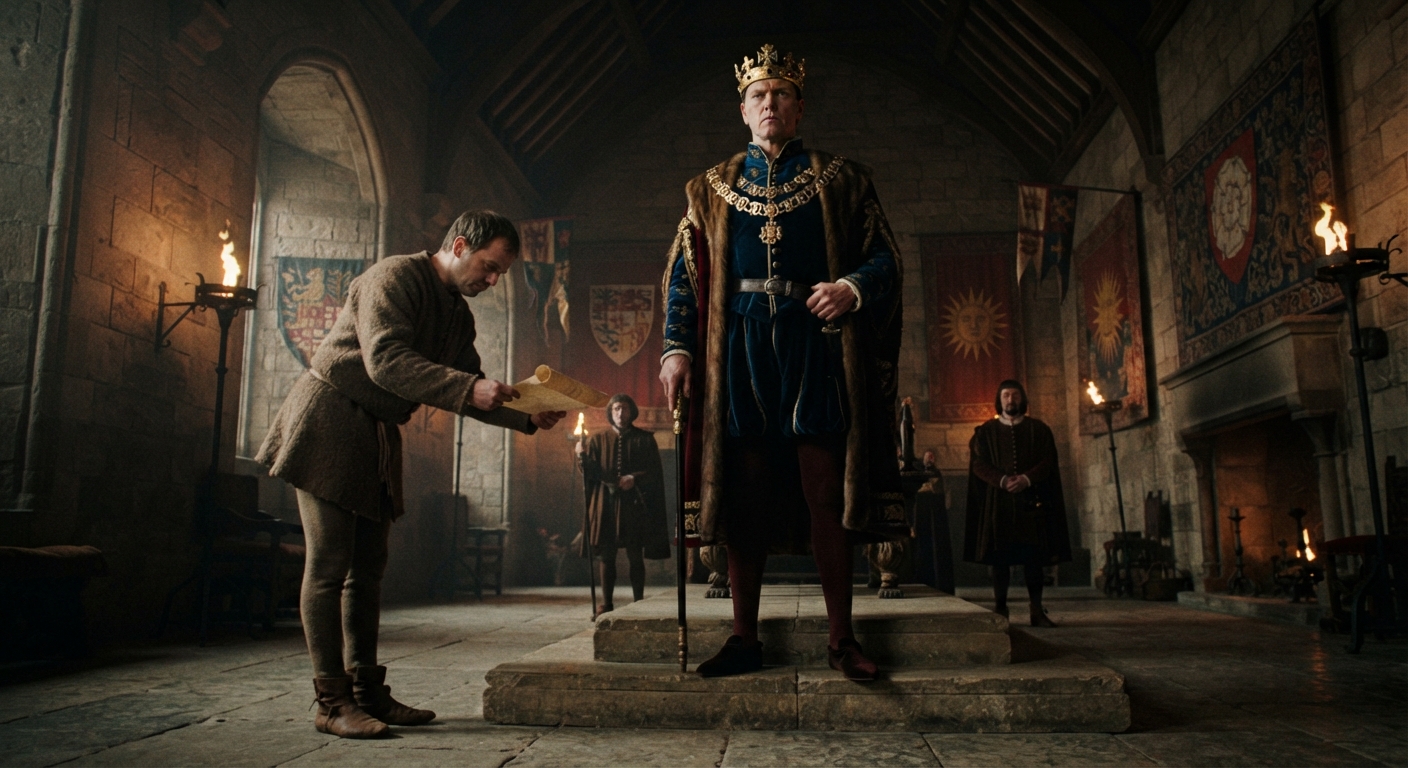
The Croyland Chronicler praised the young king as a person of “most elegant appearance,” while the Burgundian diplomat Philip de Commynes noted that Edward was not only exceptionally tall, but possessed a handsome countenance that matched his physical majesty. Similarly, the Italian observer Dominic Mancini remarked upon his striking physique and magnetic public appeal, noting that Edward’s grand stature made him look every inch the sovereign.
Centuries later, physical evidence would permanently validate these written accounts. In 1789, workmen accidentally broke into the royal vault of Edward IV at St. George’s Chapel, Windsor. Subsequent antiquarian and medical inspections of his skeletal remains revealed a length of approximately 6 feet 3¾ inches. When accounting for cartilage wear and post-mortem skeletal contraction, modern anatomists confirm that Edward stood a true 6 feet 4 inches tall in life.
This exceptional height placed him well outside the biological norm of late-medieval England. Elite nutrition, good health during youth, and genetic traits inherited through the Plantagenet and Mortimer lineages combined to produce a monarch who literally looked down upon his peers, peers who were frequently malnourished or stunted by childhood illnesses and endemic poverty.
The Body Politic: Physical Majesty and Kingship in Medieval England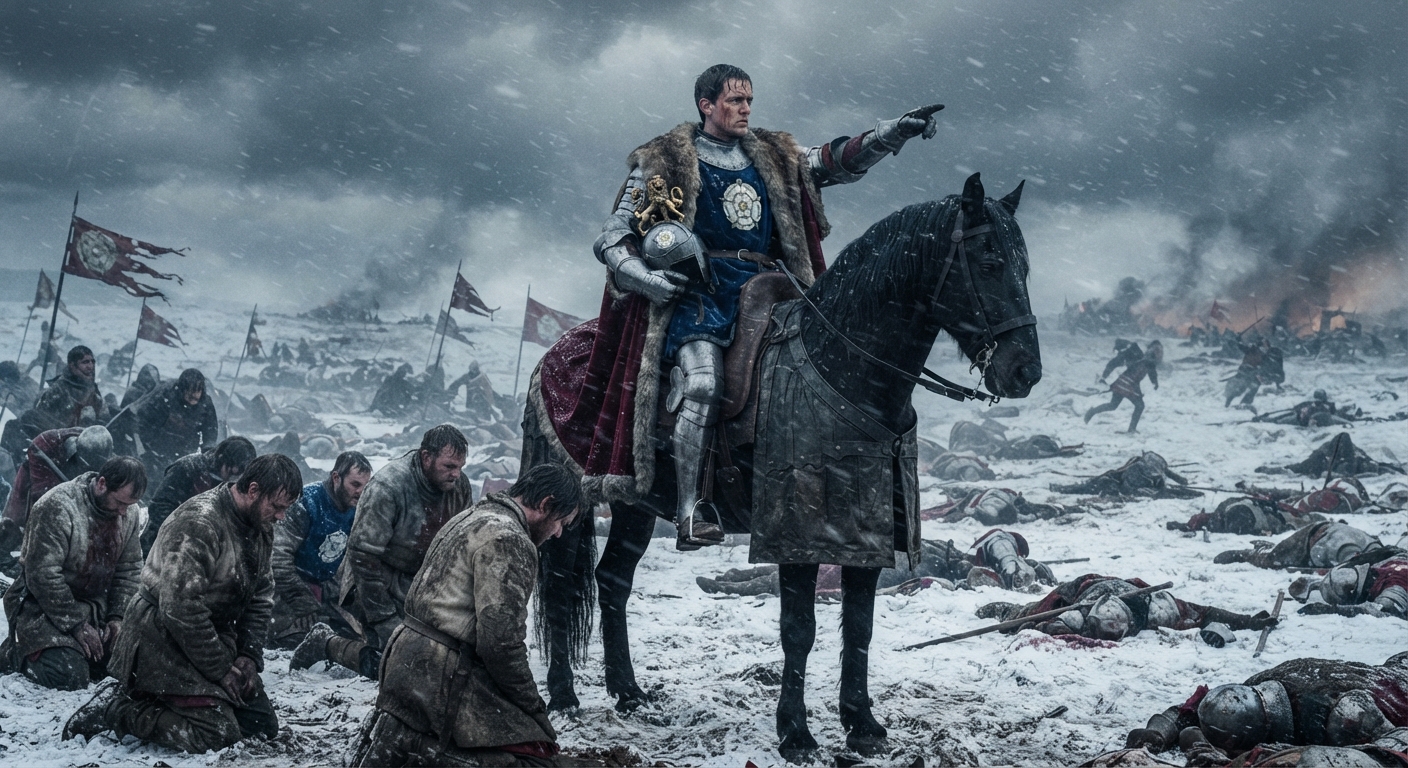
In medieval political theology, the king’s body was understood in dual terms: the physical body (corpus naturale) and the symbolic body politic (corpus mysticum). Physical attributes were rarely viewed as neutral traits; instead, they were interpreted as signs of divine favor. This concept, known as rex idealis (the ideal king), dictated that a sovereign should ideally be handsome, strong, and physically imposing.
Edward IV weaponized his height to project stability and authority. During the height of the Wars of the Roses, political loyalty was notoriously fickle. When Edward rode into battle or processed through the streets of London, his height made him an unmissable beacon of leadership. At the devastating Battle of Towton in 1461—the bloodiest battle fought on English soil—Edward’s physical presence on the front lines rallied demoralized Yorkist troops. He was a literal and figurative pillar of strength amidst chaos.
This physical supremacy also formed a stark psychological contrast with his Lancastrian rival, King Henry VI. Where Henry was frequently depicted as frail, pious, detached, and easily manipulated, Edward was the embodiment of martial vigor. His towering frame translated complex political legitimacy into a visceral, easily digestible visual language that ordinary subjects and hardened nobles alike could instantly respect and fear.
Edward IV on the Stage: Shakespeare’s Literary Construction of the York King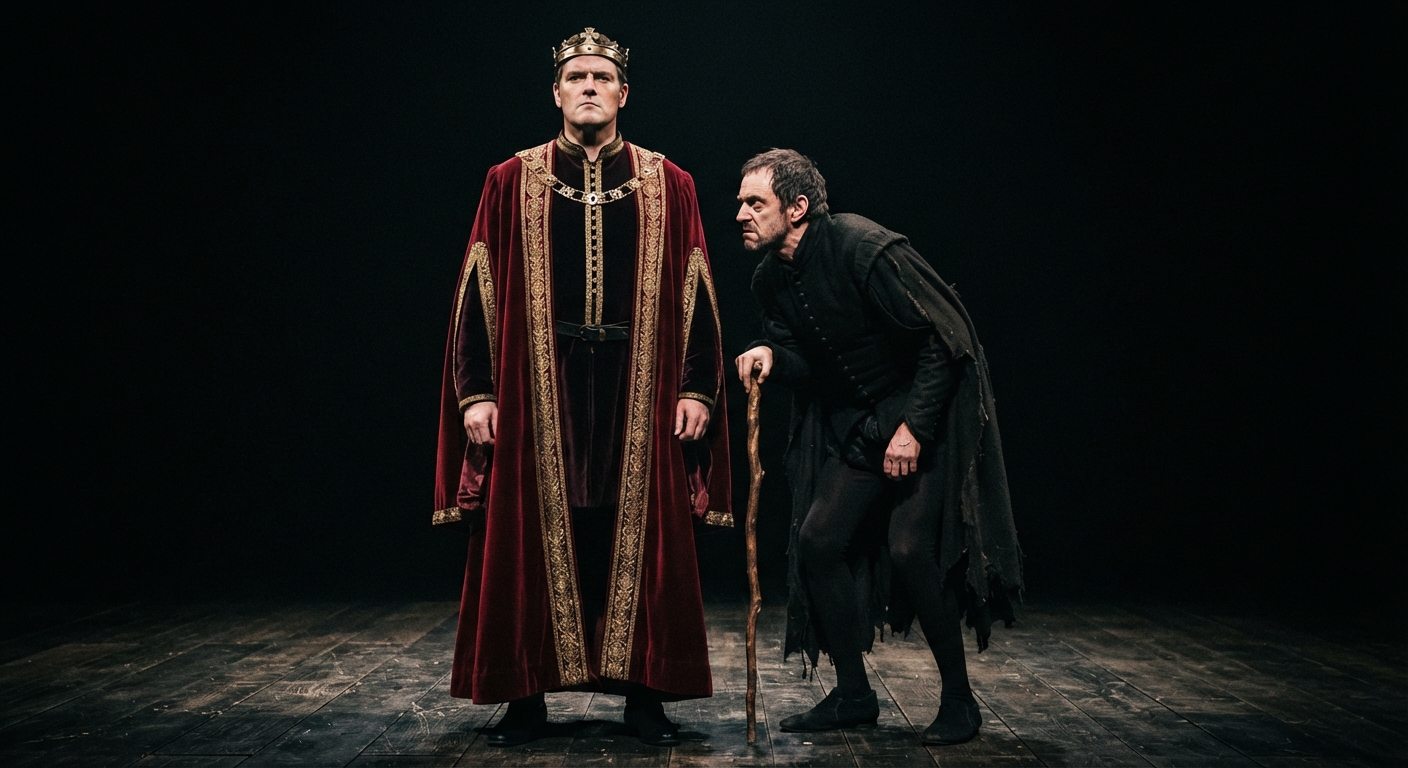
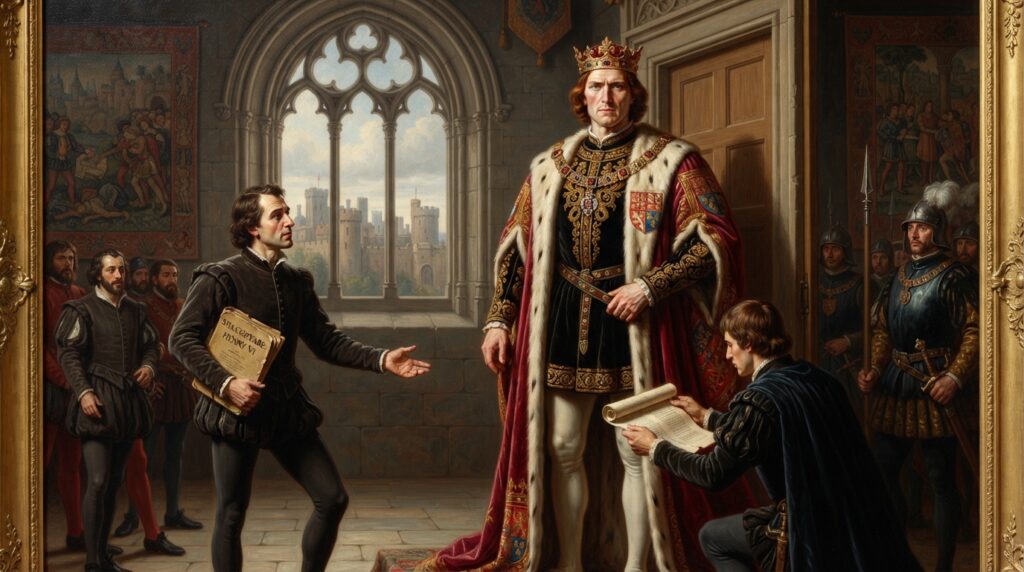
For enthusiasts of William Shakespeare, Edward IV’s physical presence takes on an entirely new dimension. Shakespeare, writing during the Elizabethan era under the political shadow of the Tudors, keenly understood how to use physical descriptions to shape audience perceptions. In Henry VI, Part 3, Edward’s transition from an ambitious, handsome youth into a formidable sovereign is heavily tied to his physical carriage and size.
Shakespeare uses Edward’s body to establish momentum. Where Lancastrian leaders fade under the weight of civil war, Edward steps into the vacuum as a commanding physical force. His height and athleticism underline his agency, transforming him into a Renaissance archetype of the powerful prince—charismatic, dangerous, and overwhelmingly masculine.
Furthermore, Shakespeare uses Edward’s towering stature as a dramatic foil for his younger brother, Richard, Duke of Gloucester (later Richard III). In both Henry VI, Part 3 and Richard III, Richard’s theatricalized physical deformity—his hunched back and withered arm—contrasts sharply with Edward’s magnificent, athletic build. This familial juxtaposition allows Shakespeare to explore deep thematic currents: the relationship between bodily form and moral character, the psychological impact of feeling physically marginalized, and the volatile nature of power within a fractured ruling dynasty. When Edward towers over the court, Richard’s plotting from the margins feels all the more subversive and claustrophobic.
From Athletic Warrior to Late-Life Corpulence: The Later Years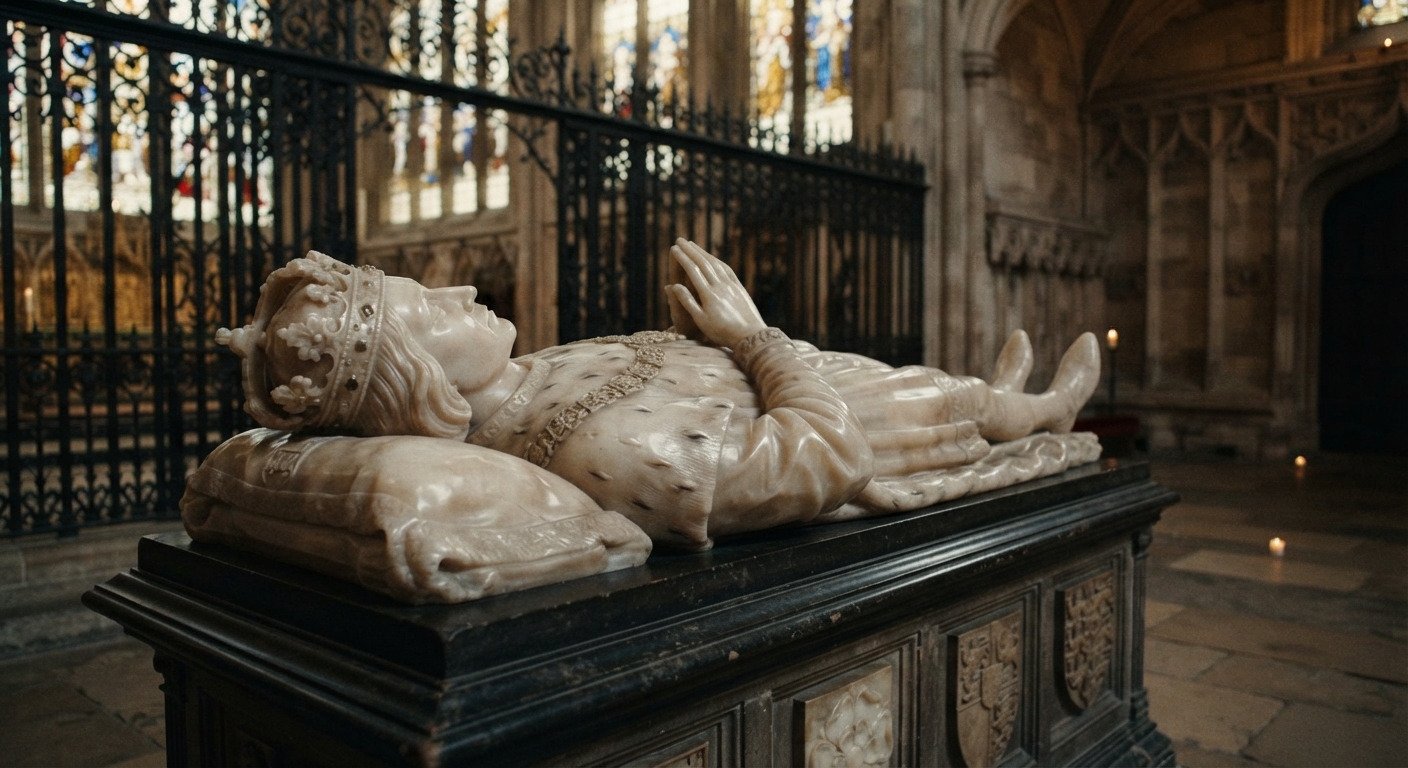
The physical trajectory of Edward IV did not remain frozen in his athletic youth. As he consolidated power and enjoyed relative peace during the 1470s and early 1480s, his lifestyle changed dramatically. Contemporary writers, including Sir Thomas More, observed that the king’s later years were marked by a shift in habits.
More noted that Edward indulged in an “over liberal diet,” leading the once-lean warrior to become “somewhat corpulent and burly” by his late thirties. While his height remained constant, his body composition shifted, introducing new physical vulnerabilities. This sudden transition from an active, campaign-hardened commander to a sedentary, heavy-living monarch likely contributed to his sudden and mysterious death in April 1483 at the premature age of 40. Whether struck down by a stroke, pneumonia, or poison, the sudden collapse of the realm’s literal giant sent shockwaves through England, directly paving the way for the usurpation of Richard III and the eventual rise of the Tudors.
Frequently Asked Questions
-
How tall was Edward IV compared to other English monarchs? Edward IV stands as the tallest monarch in recorded English history at 6 feet 4 inches. He surpassed even modern royals, standing taller than King Charles III and Prince William.
-
What did contemporary witnesses write about Edward IV’s physical appearance? Chronicles from figures like Philip de Commynes and Dominic Mancini consistently praised his exceptional height, elegant proportions, and striking facial features, emphasizing that he looked every bit the warrior-king.
-
Did Shakespeare exaggerate Edward IV’s physical attributes for dramatic effect? While Shakespeare dramatized his character, Edward’s actual physical dominance was well-documented by historical contemporaries, meaning the playwright was leaning into a genuine historical reality rather than inventing a myth.
-
What caused the premature death of Edward IV at age 40? While the exact medical cause remains debated by modern historians, his sudden death in 1483 was likely accelerated by a combination of a sedentary lifestyle, heavy diet, and the cumulative physical toll of years spent campaigning in heavy armor.
The Genetic and Medical Mystery Behind the Yorkist Giant
To fully appreciate the historical and biological phenomenon of Edward IV’s stature, one must examine the broader medical and genetic context of the Plantagenet and Mortimer bloodlines. Standing at 6 feet 4 inches in the 15th century was an extraordinary statistical outlier. While nutritional factors played a role—members of the royal household enjoyed uninhibited access to proteins, fresh produce, and clean provisions that shielded them from the chronic stunting experienced by the peasantry—genetics were undeniably the primary driver.
Edward inherited towering ancestry through both his mother, Cecily Neville, and his paternal lineage tracing back to Lionel of Antwerp and Edward III. Several members of the Yorkist family possessed striking physical presence. His youngest brother, George, Duke of Clarence, and his eldest son, Edward V, were noted for robust builds. However, Edward IV was the genetic zenith of this trend.
Modern medical historians have occasionally speculated on whether Edward’s height—coupled with his late-life weight gain and sudden, premature death at age 40—might point toward a specific endocrine or pituitary condition, such as mild acromegaly or a familial growth variant. While no concrete evidence confirms a pathological cause like gigantism (as his proportions were famously well-balanced and classically handsome, rather than distorted), his body remains one of the most thoroughly documented anatomical puzzles of the English medieval monarchy.
The Cultural Legacy of Royal Statues and Stature in Renaissance England
The physical body of Edward IV did not fade quietly into the annals of bureaucratic history; it cast a long shadow over how Tudor and Stuart subjects conceptualized leadership. In a pre-modern world devoid of instantaneous mass media, photographs, or digital portraits, a king’s physical attributes served as the primary medium of public relations.
When commoners looked upon Edward, his height functioned as a non-verbal argument for his right to rule. It was a physical manifestation of order imposed upon chaos. This dynamic explains why Shakespeare and his contemporaries found the Yorkist king such a compelling subject. By the time Shakespeare was writing Henry VI, Part 3 and Richard III in the 1590s, England was navigating its own anxieties surrounding royal succession, aging leadership, and political stability under Queen Elizabeth I.
By portraying Edward as a towering, charismatic force of nature, Renaissance drama explored how great historical events are often shaped by the literal and figurative weight of individual leaders. Edward’s height served as a theatrical shorthand for ambition, dominance, and the fleeting nature of mortal strength. He was a man who literally embodied the turbulence of an entire epoch.
Final Thoughts: Why Edward IV’s Height Still Captivates Us
The enduring fascination with edward iv height transcends simple historical trivia. It bridges the gap between cold political maneuvering and the raw, biological reality of human existence. In Edward IV, we see a rare historical figure whose physical self matched the monumental events of his lifetime.
From the blood-soaked snows of Towton to the dramatic pages of Shakespeare’s history plays, his 6-foot-4-inch frame remains an indelible symbol of 15th-century kingship. He was a monarch who literally and figuratively stood head and shoulders above his world—leaving a legacy that continues to command our attention more than five centuries later.