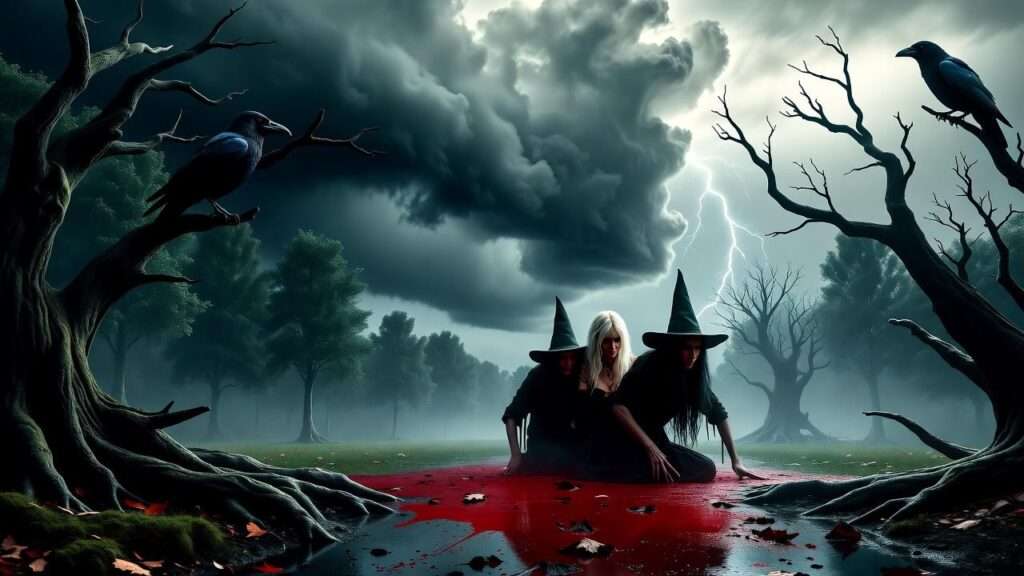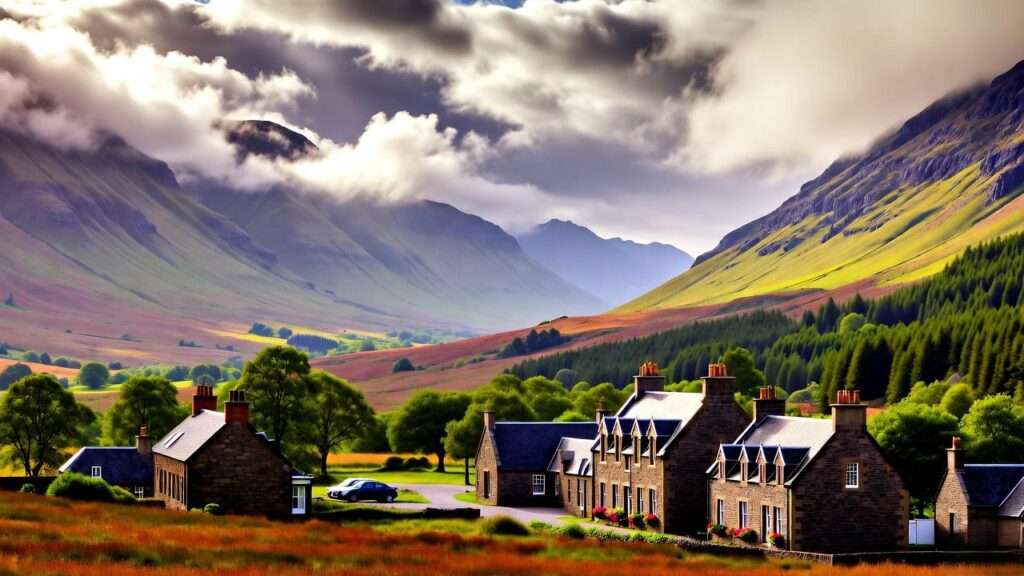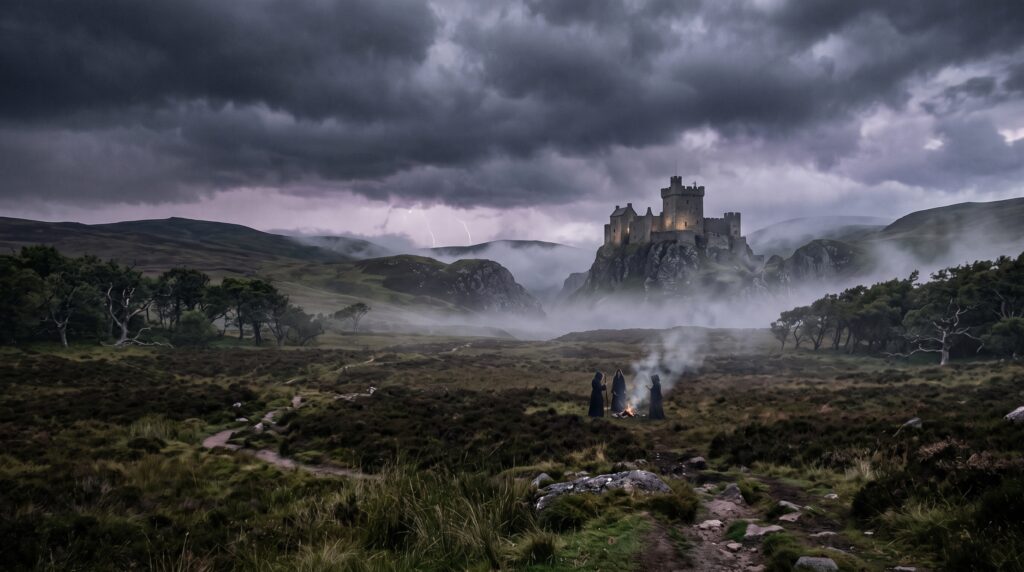
Thunder crashes over a barren, fog-drenched moor. Three witches materialize from the gloom, waiting to intercept a victorious soldier on his way home from a brutal war. This bleak, supernatural wasteland isn’t just a theatrical backdrop; the macbeth setting is arguably one of the most vital, active forces in William Shakespeare’s darkest play.
Set primarily in 11th-century Scotland (between 1040 and 1057), with a brief but critical shift to the English court, the environment of Macbeth does more than tell us where the characters are. It serves as a psychological mirror reflecting the protagonist’s descent into tyranny, paranoia, and madness. For students, educators, and theater enthusiasts, understanding the physical and historical landscape of this tragedy is the key to unlocking its deepest themes of unnatural ambition and moral corruption.
In this comprehensive guide, we will explore exactly how the rugged geography of feudal Scotland, combined with the political anxieties of the Jacobean era, created the perfect storm for Shakespeare’s masterpiece.
The Real vs. The Play: 11th-Century Scotland in Historical Context
To fully grasp the world Shakespeare built, we must first separate historical fact from Jacobean fiction. The Scotland depicted in the play is a fractured, violent nation defined by bloody clan warfare, shifting loyalties, and existential threats from foreign invaders like Norway.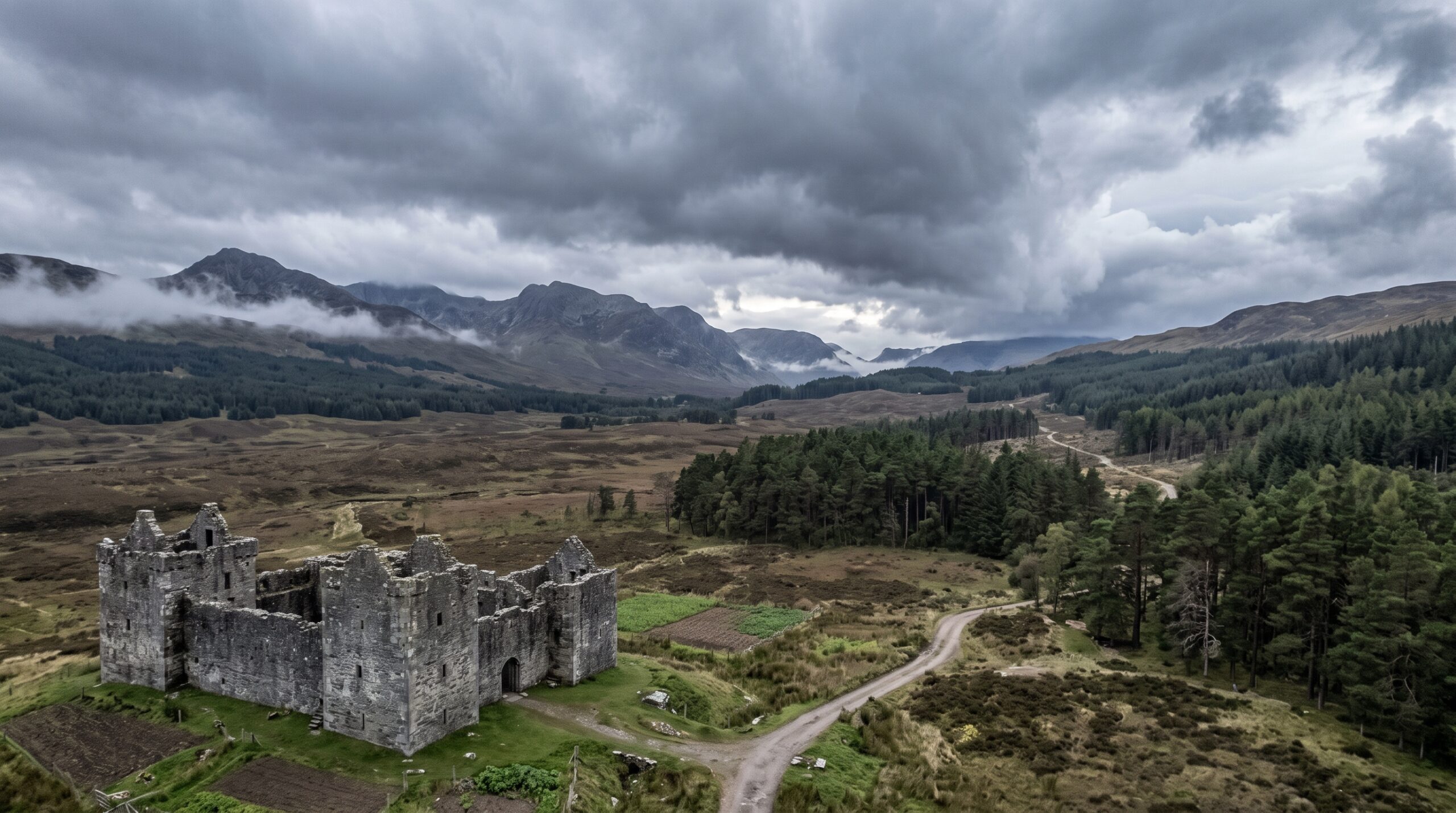
The Brutal Reality of Feudal Scotland
In the real 11th century, Scotland was a precarious place to be a king. The historical figure behind the play—Mac Bethad mac Findlaích—actually existed and took the throne from King Duncan in 1040. However, unlike Shakespeare’s tyrannical villain, the real Macbeth was considered a relatively successful and generous ruler who reigned for 17 years and even made a peaceful pilgrimage to Rome.
Shakespeare’s Scotland, by contrast, is a land plagued by disease, darkness, and unnatural occurrences. Why the drastic change? The answer lies not in the 11th century, but in the early 17th century.
The Jacobean Influence: Writing for King James I
When Shakespeare wrote Macbeth around 1006, the political landscape of England had just undergone a seismic shift. Queen Elizabeth I had died, and King James VI of Scotland had taken the English throne, becoming King James I of England.
Shakespeare’s acting company, previously the Lord Chamberlain’s Men, was taken under the new king’s patronage and renamed the King’s Men. Consequently, the setting of Macbeth was highly calculated political flattery:
-
The Lineage of Banquo: James I traced his royal ancestry back to the historical figure of Banquo. Therefore, Shakespeare transformed Banquo from a co-conspirator in Duncan’s murder (as he was in historical texts) into a noble, tragic victim whose descendants would rightfully inherit the throne.
-
The Witchcraft Obsession: King James I was famously terrified of, and obsessed with, witches. He even wrote a book on the subject called Daemonologie. By placing the weird sisters on the Scottish heath, Shakespeare preyed directly on his new patron’s greatest fears, ensuring the play would be a royal hit.
Mapping the Madness: Key Locations and Their Significance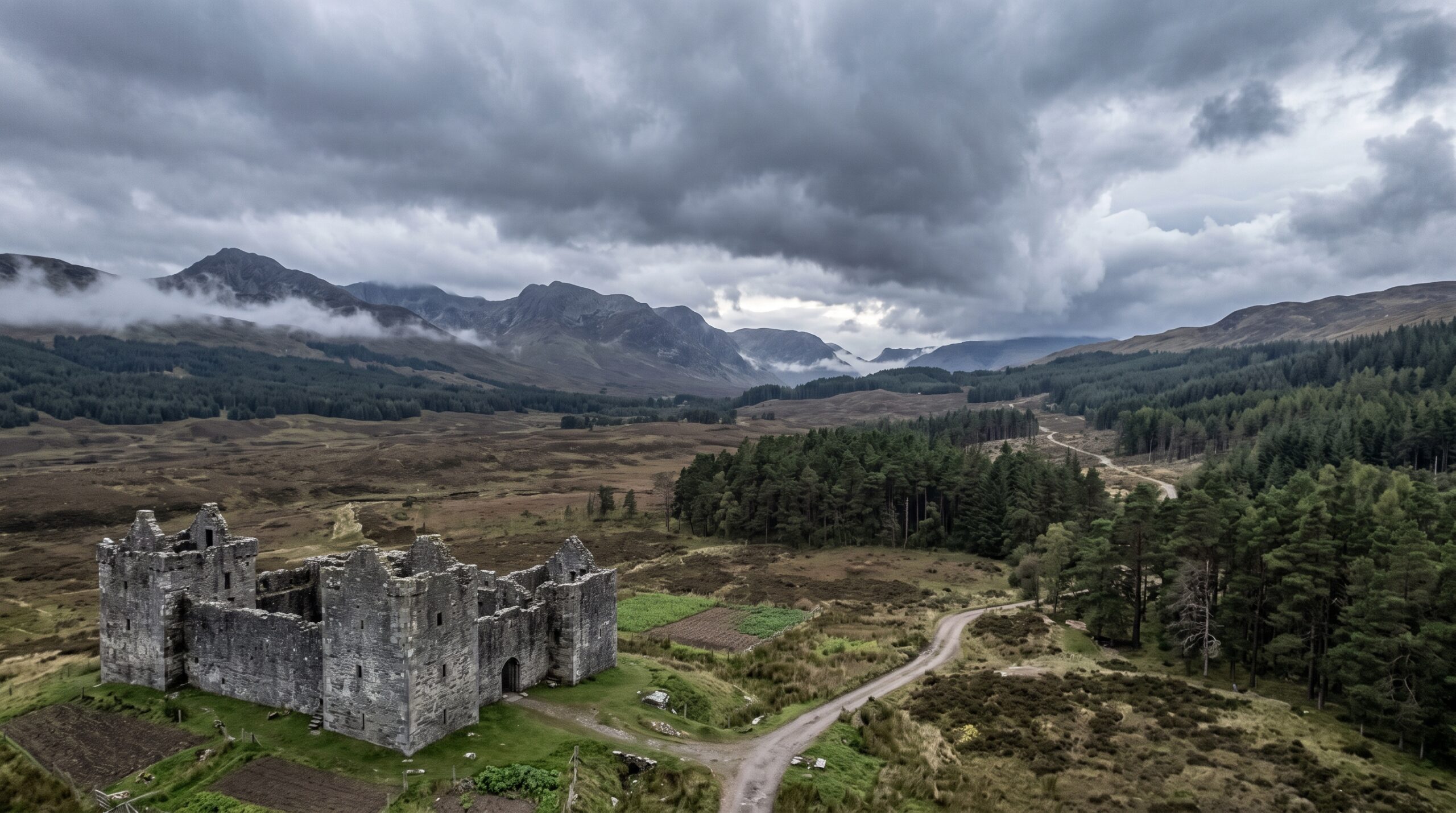
Macbeth is a play of motion and displacement. The characters move from the untamed wilderness to fortified castles, and eventually across borders. Each location carries profound symbolic weight.
Explore the map below to understand the geographical relationships between the pivotal locations in 11th-century Scotland:
The Heath: A Liminal Space of Chaos
The play opens on a “blasted heath”—an open, uncultivated, and desolate stretch of land.
In literature, a heath is often a liminal space—a threshold between the civilized world and the unknown. For Shakespeare, the Scottish moors represent a domain outside the laws of God and man. It is here, far from the rules of the court and the warmth of the hearth, that the Witches operate. When Macbeth and Banquo cross this heath, they step out of their rational, military reality and into a psychological trap where “fair is foul, and foul is fair.”
Inverness and Glamis: The Illusion of Safety
Early in the play, Macbeth inherits the title of Thane of Cawdor, adding to his original title as Thane of Glamis. However, the most crucial architectural setting in the first act is his castle at Inverness.
When King Duncan arrives at Inverness, he looks up at the stone walls and remarks on the “pleasant” location and the sweet air. This is a masterclass in tragic irony. To Duncan, the castle represents civilized safety, hospitality, and divine order. To Lady Macbeth, however, the thick stone walls provide the perfect cover for regicide.
Pro Tip for Literary Analysis: Contrast the wildness of the heath with the architecture of Inverness. The heath looks dangerous but is physically harmless to Macbeth. The castle looks safe, but it is the exact place where his soul is damned and the King is slaughtered. The setting actively deceives its inhabitants.
Dunsinane Hill and Birnam Wood: The Architecture of Paranoia
By Act 5, Macbeth has abandoned Inverness and retreated to his heavily fortified castle at Dunsinane Hill. This shift in the Macbeth setting is deeply symbolic of his psychological deterioration. He is no longer a host welcoming kings; he is a besieged tyrant hiding behind thick stone walls.
Dunsinane is situated on a high crag, providing a tactical advantage but also emphasizing Macbeth’s complete isolation from his people and reality. He has locked himself away in a monument to his own paranoia.
The genius of Shakespeare’s geographic plotting is fully realized with the inclusion of Birnam Wood. The witches prophecy that Macbeth will not be defeated until Great Birnam Wood marches to high Dunsinane Hill. When Malcolm’s English army cuts down the boughs of the trees to camouflage their numbers, the physical landscape of Scotland literally appears to rise up against the unnatural tyrant. The setting itself rejects Macbeth, as the natural world marches to purge the kingdom of its disease.
Scone and Colmekill (Iona Abbey): The Divine Right of Kings
While the heath and the castles represent chaos and murder, Shakespeare anchors the play with two real-world locations that represent sacred order and the legitimate, divine right of kings.
-
Scone: The ancient crowning place of Scottish Kings. After Duncan’s murder, Macbeth rushes to Scone to be invested. Later, when the tyrant is defeated, Malcolm heads to Scone to restore rightful order to the throne.
-
Colmekill (Iona): The sacred island burial ground where King Duncan’s body is taken.
By referencing Colmekill, Shakespeare taps into the contemporary belief in the Great Chain of Being—the idea that a monarch is divinely appointed by God. Duncan is laid to rest in sacred earth, whereas Macbeth’s severed head is ultimately placed on a pike, denied the peace of a holy resting place.
The Weather as a Character: “Fair is Foul, and Foul is Fair”
In William Shakespeare’s play, the geographic locations are only half of the equation; the atmospheric conditions are equally vital to the Macbeth setting. The weather is so pervasive and oppressive that it essentially functions as an active character in the tragedy.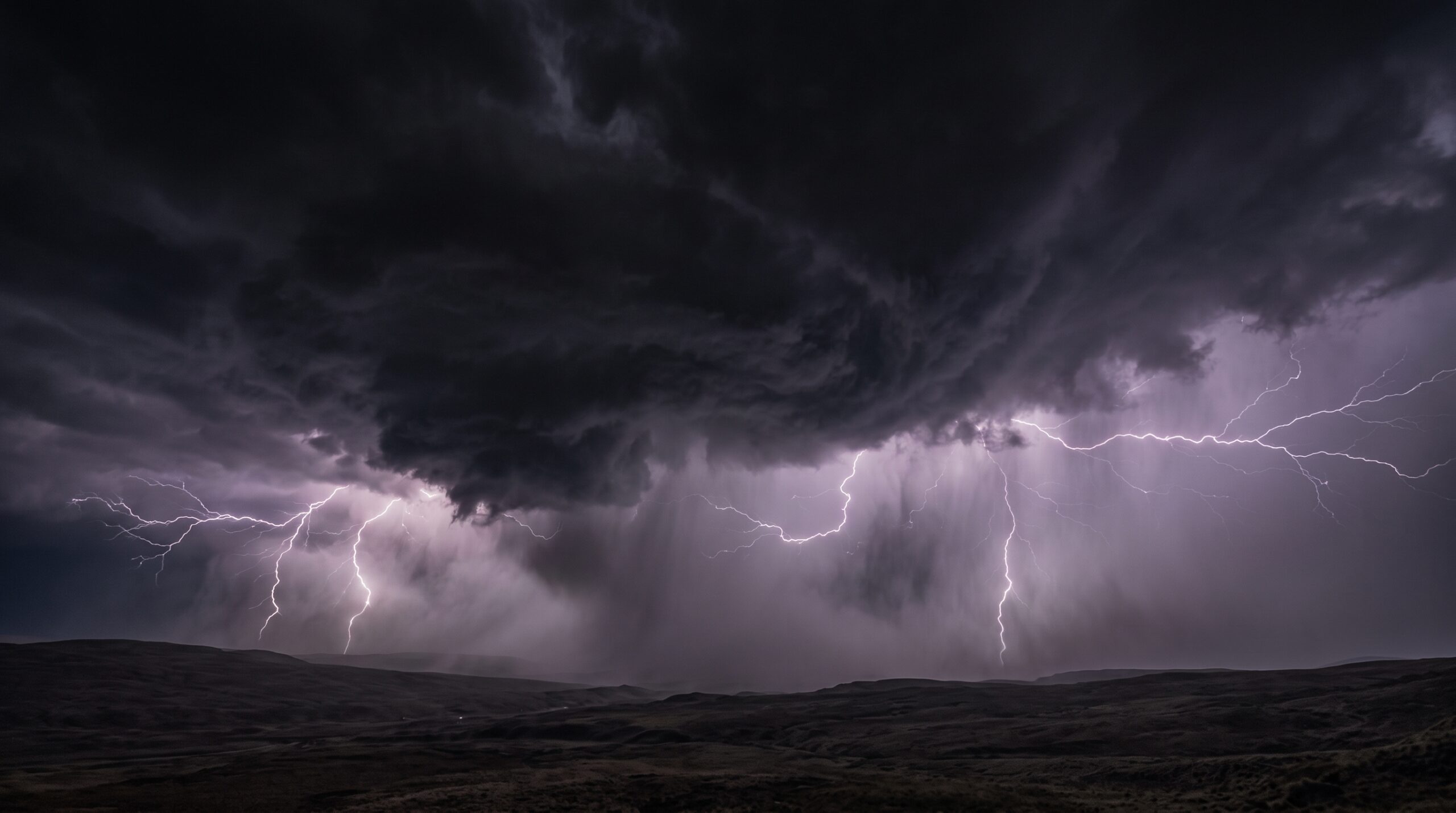
The Pathetic Fallacy in Macbeth
Shakespeare employs a literary device known as the pathetic fallacy—where the natural environment reflects the emotional or moral state of the human world. In 11th-century Scotland as imagined by Shakespeare, the sun rarely shines. The play is dominated by thunder, lightning, heavy fog, and perpetual midnight.
When the natural order of the universe is violated by regicide, the weather violently responds. On the night of King Duncan’s murder, Lennox reports that “the night has been unruly,” with fierce winds blowing down chimneys, strange screams of death echoing in the air, and the earth itself shaking in a fever.
The darkness of the setting is specifically summoned by the characters to obscure their evil deeds. Lady Macbeth explicitly begs the night to come wrapped in the “dunnest smoke of hell,” so that heaven cannot see her knife and intervene. The thick Scottish fog is the physical manifestation of moral blindness—hiding the truth from the characters and allowing treason to flourish.
Contrasting Worlds: Scotland vs. England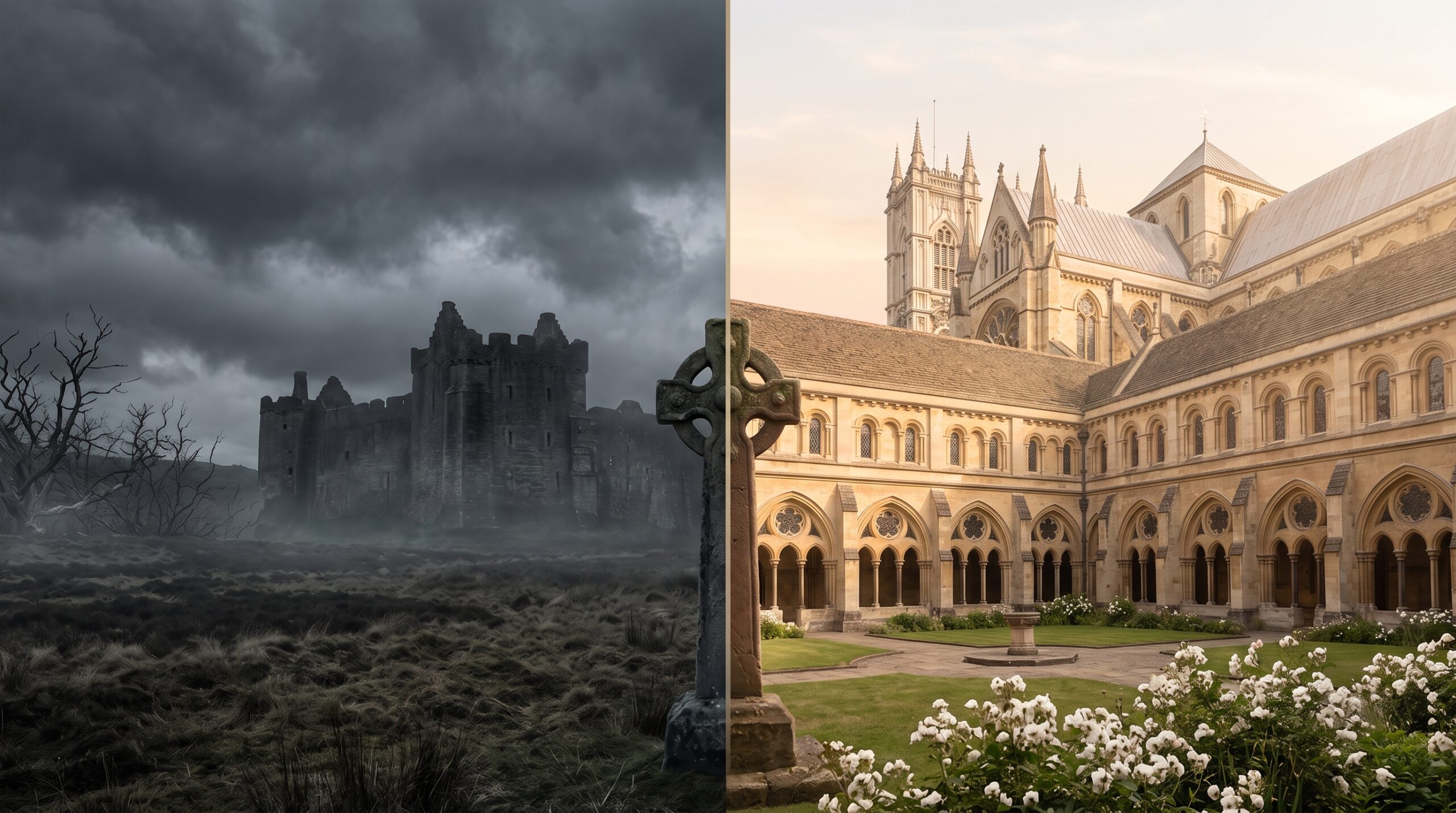
To highlight the depths to which Macbeth’s Scotland has fallen, Shakespeare provides a stark contrast by shifting the setting to the English court in Act 4, Scene 3. This geographic pivot serves as both a thematic counterweight and brilliant political propaganda.
The Sanctity of the English Court
When Macduff flees across the border to England, the audience is introduced to a fundamentally different world. Scotland is repeatedly described as a bleeding, diseased body suffering under a butcher’s knife. It is a land of suspicion, where widows howl and orphans cry.
England, ruled by King Edward the Confessor, is presented as a realm of holy healing. Edward is depicted as a pious monarch with the divine power to cure disease (the “King’s Evil”) simply by touching his subjects. This peaceful, ordered, and sanctified environment throws the horrors of Macbeth’s Scotland into sharp relief. By establishing England as a beacon of holy justice that eventually aids in overthrowing the Scottish tyrant, Shakespeare once again flatters King James I, championing the unification of the Scottish and English crowns under a divinely appointed ruler.
The world of Macbeth is far more than a stage direction indicating “a Scottish moor.” From the suffocating stone walls of Inverness to the creeping branches of Birnam Wood, the 11th-century Scottish landscape actively participates in the narrative. The setting manipulates the characters, obscures their treachery in fog, and ultimately rebels against their unnatural reigns. By understanding the deep historical, political, and geographical contexts of the play, modern readers can fully appreciate how Shakespeare turned the rugged moors of Scotland into the ultimate theater of human ambition and despair.
Frequently Asked Questions (FAQ)
What is the main setting of Macbeth? The play is primarily set in 11th-century Scotland, featuring key locations such as the uncultivated heath, Macbeth’s castles at Inverness and Dunsinane, and the ancient royal sites of Scone and Fife. A brief but significant portion of Act 4 is set in the English royal court.
When does Macbeth take place? The narrative is based on historical events that occurred during the mid-11th century, roughly between 1040 and 1057. However, the play infuses this era with the political anxieties and supernatural obsessions of the early 17th-century Jacobean period when it was written.
Why did Shakespeare set Macbeth in Scotland? Shakespeare chose this specific setting to honor and flatter his new patron, King James I of England (who was also James VI of Scotland). The Scottish setting allowed Shakespeare to trace the King’s supposed noble lineage back to Banquo and explore the King’s personal fascination with witchcraft.
Where is Macbeth’s castle located in real life? In the play, Macbeth initially resides at Inverness, a real city in the Scottish Highlands. Later, he fortified his position at Dunsinane Hill, located near the village of Collace in Perthshire. Today, only the earthworks of the ancient hill fort remain at Dunsinane.
What is the significance of the weather in the play’s setting? The weather acts as a moral barometer for the universe of the play. Thunder, lightning, and unnatural darkness accompany moments of evil, witchcraft, and murder, signifying that Macbeth’s treason has severely disrupted the natural order of the world.