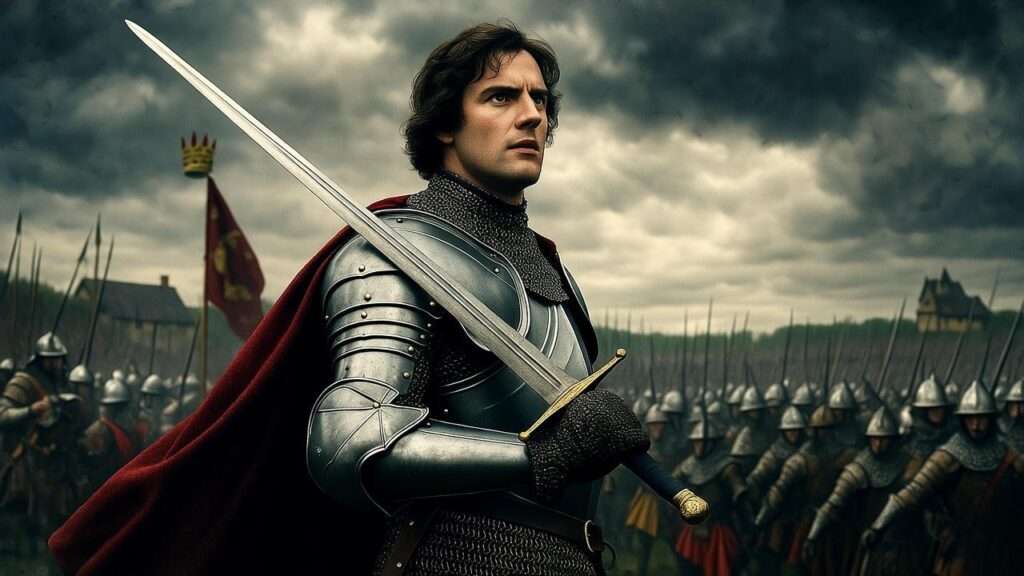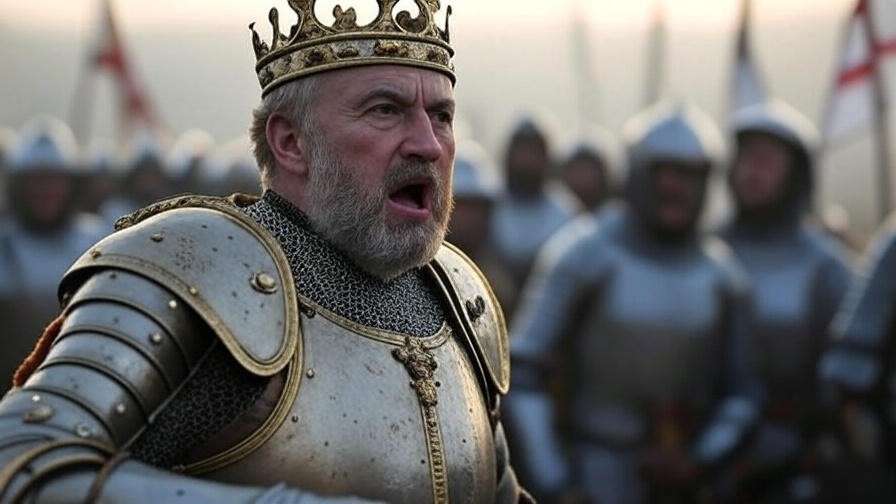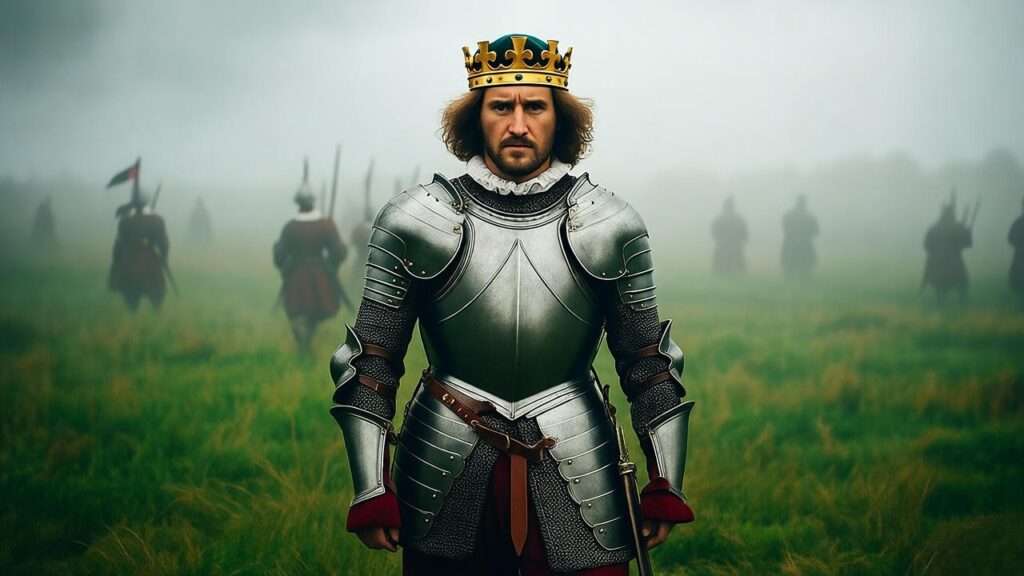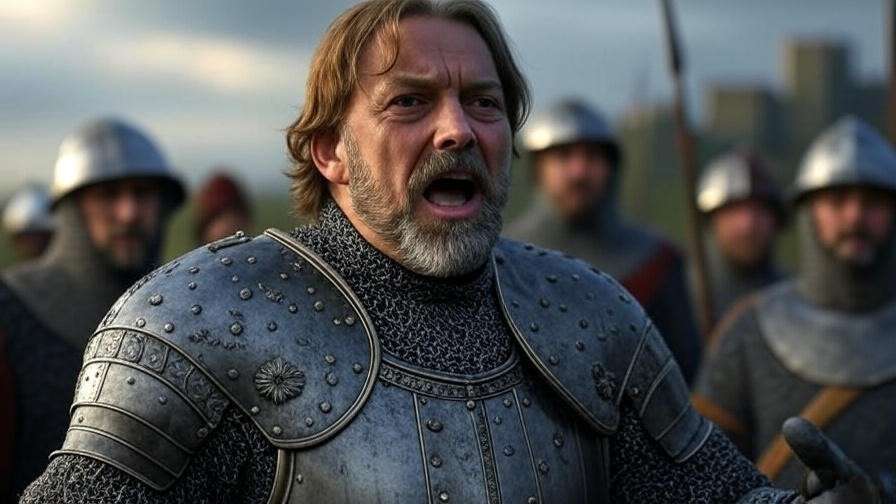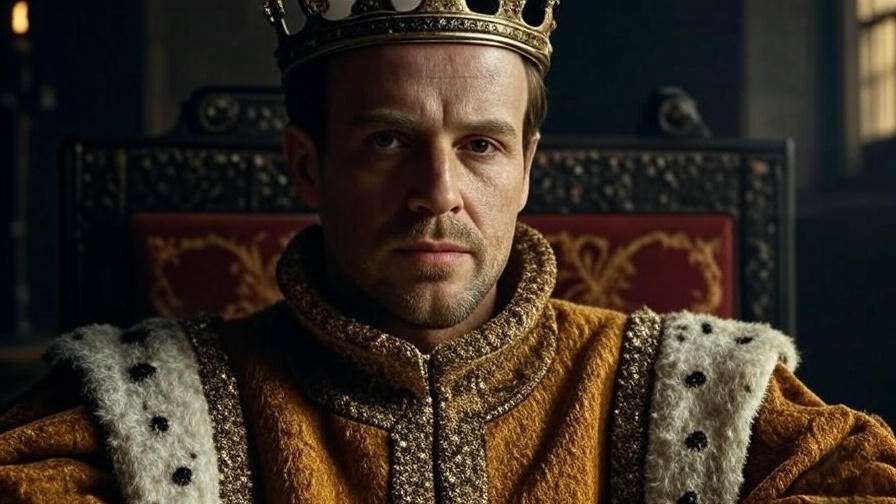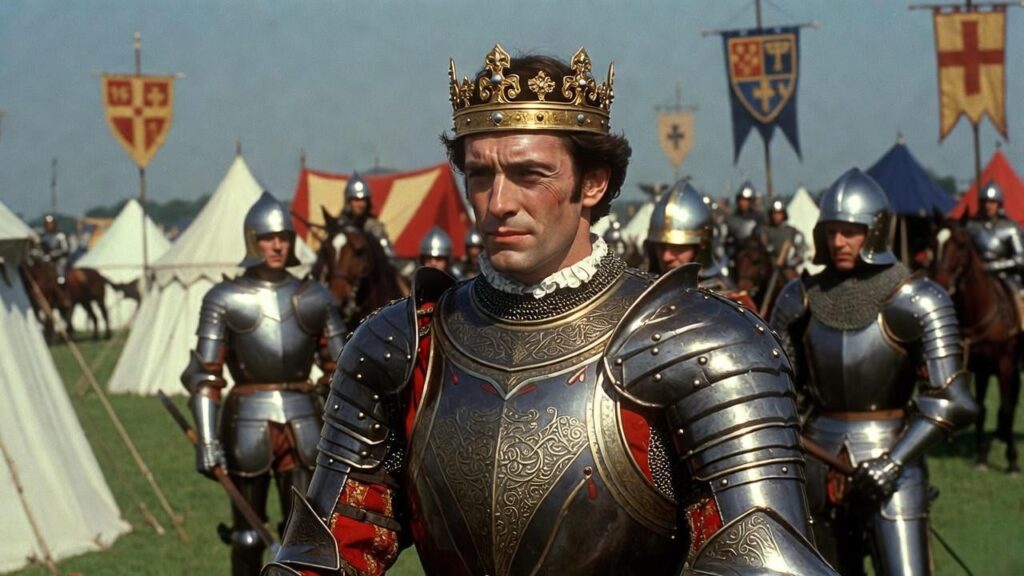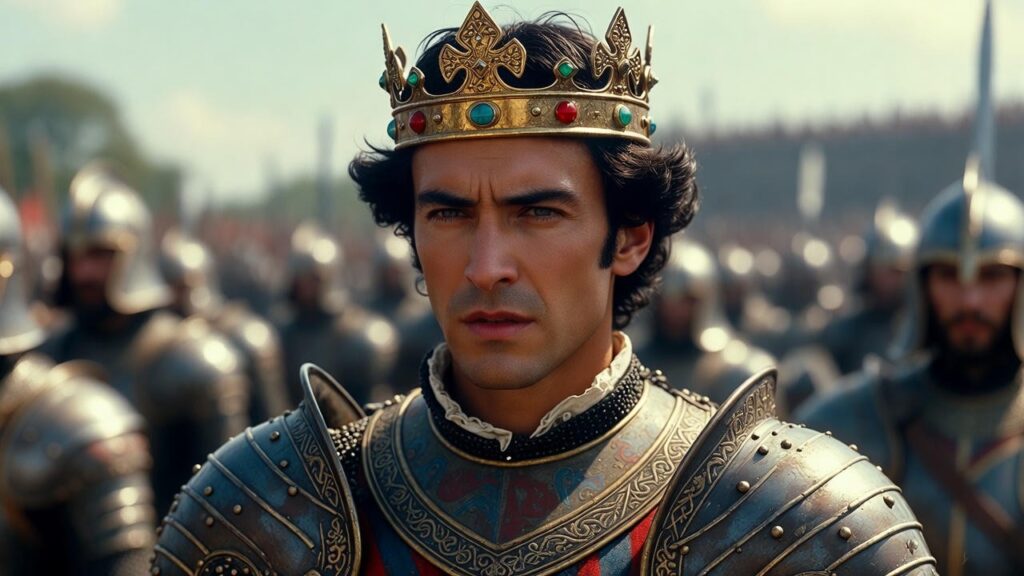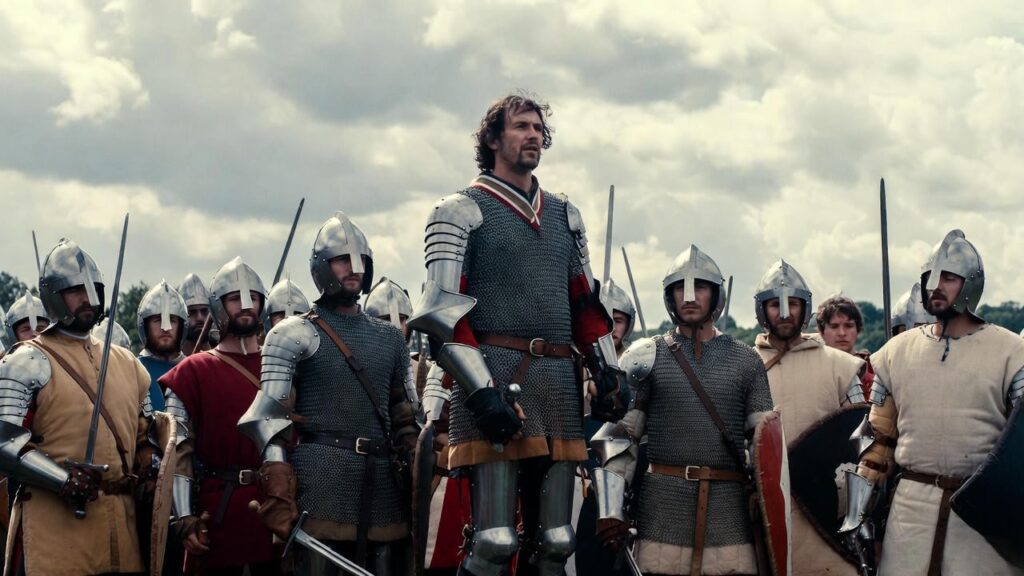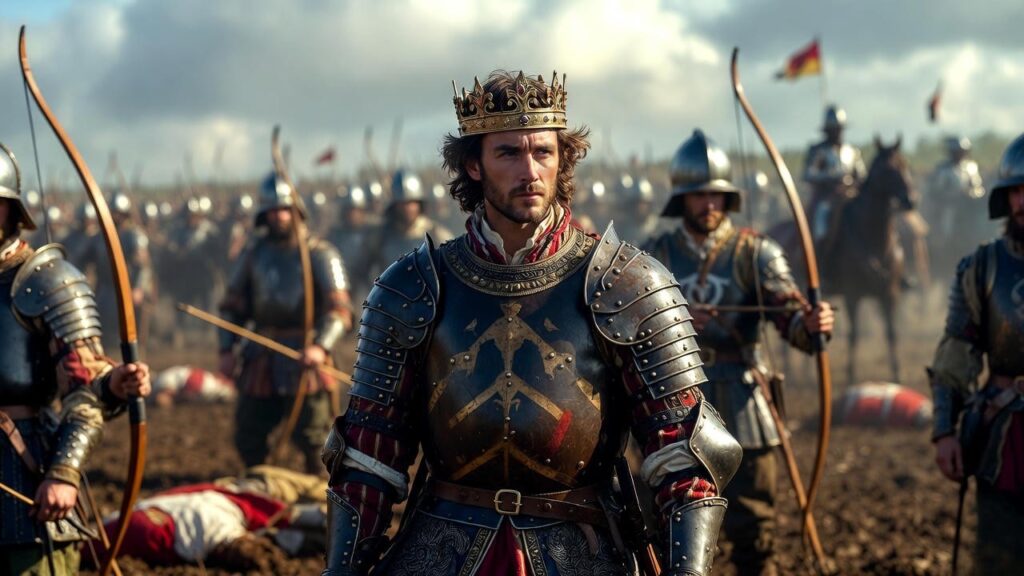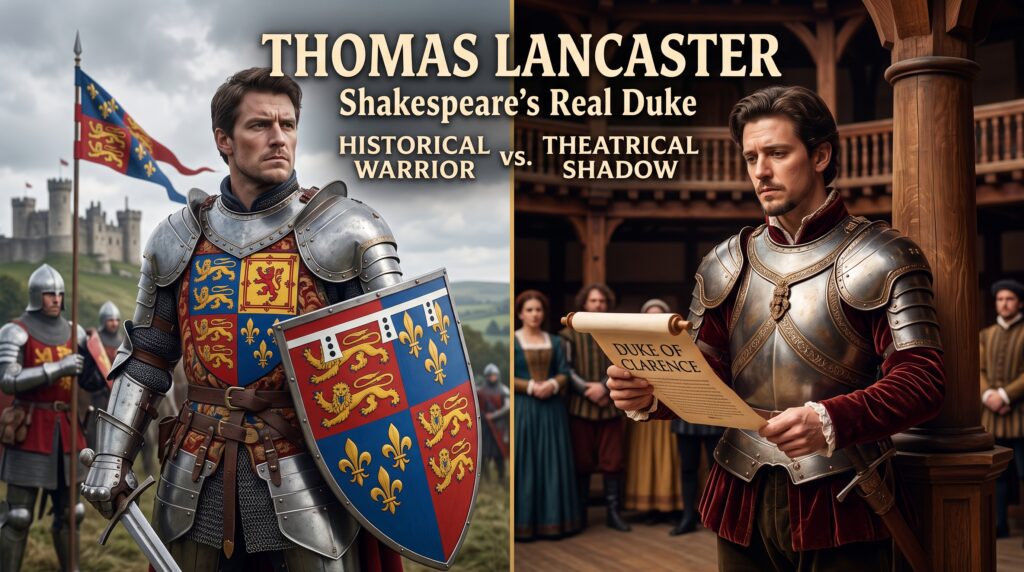
Audiences around the world are captivated by the legendary transformation of Prince Hal into the warrior-king Henry V. Yet, hidden in the shadow of this golden boy of English history and Shakespearean legend lies a fiercely capable, militarily aggressive younger brother who almost inherited the throne himself. For students, dramaturgs, and history enthusiasts navigating the complex Plantagenet family trees, Thomas Lancaster remains one of the most misunderstood figures in classical literature.
While William Shakespeare reduced him to a minor, obedient sibling in Henry IV, Part 2 and Henry V, the historical Thomas of Lancaster, Duke of Clarence, was a central power player in the Lancastrian dynasty. He was a seasoned military commander whose real-life rivalry with his older brother threatened to tear the English crown apart, and whose tragic death on a French battlefield altered the course of the Hundred Years’ War.
This definitive guide will untangle the real Thomas of Lancaster from the shadowy role Shakespeare assigned him, exploring his true impact on the English throne, his violent end, and why the Bard chose to alter his legacy.
1. Who Was the Real Thomas of Lancaster?
To understand how Shakespeare manipulated history for dramatic effect, we must first look at the real man behind the title. Born in the autumn of 1387, Thomas was the second son of Henry Bolingbroke (the future King Henry IV) and his first wife, Mary de Bohun.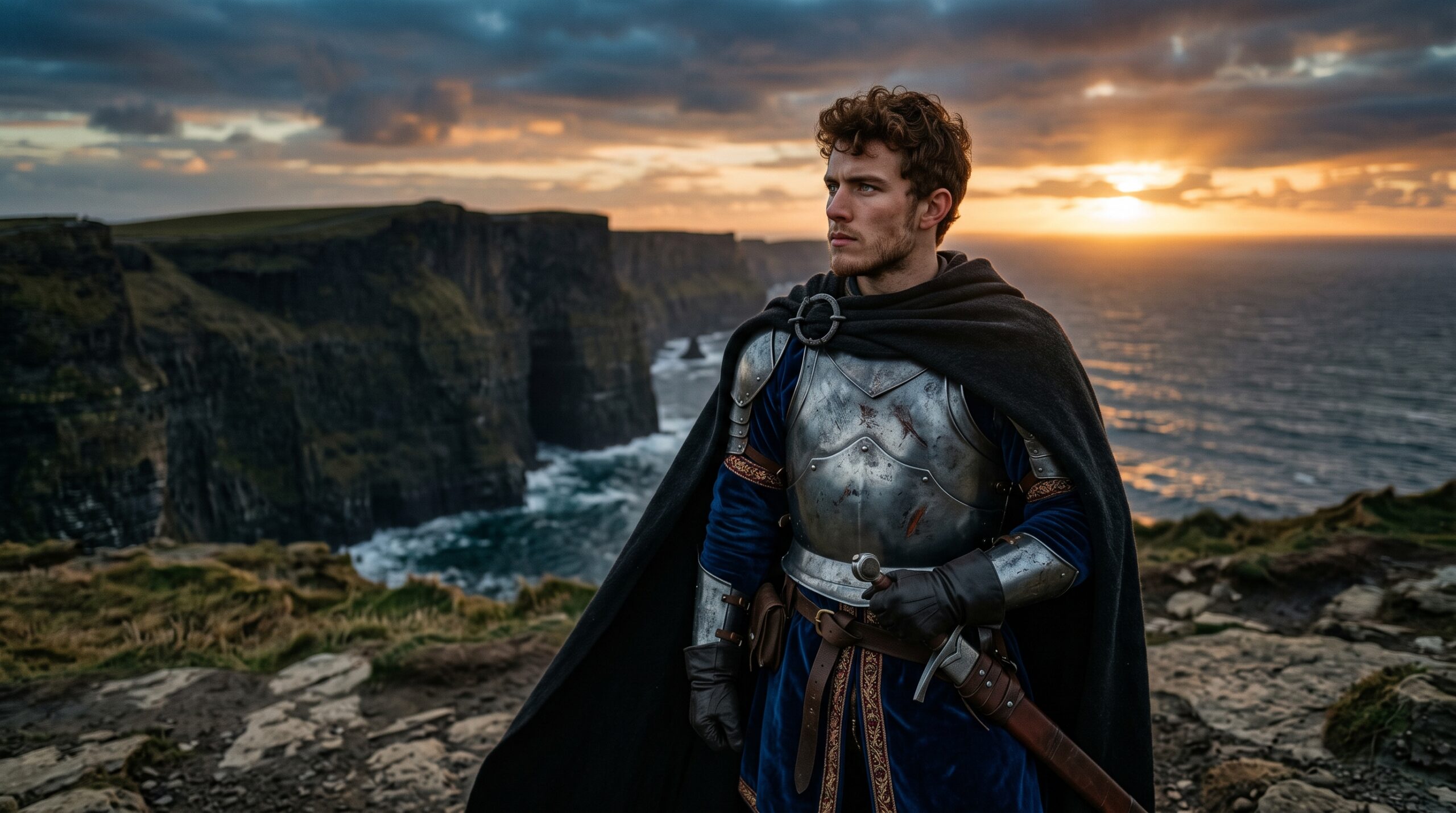
The Precarious “Spare” to the Throne
Thomas grew up in a highly unstable political environment. In 1399, his father usurped the English throne from King Richard II, establishing the House of Lancaster. Because the Lancastrian claim to the throne was contested by rival noble factions, the royal court was highly militarized. From a very young age, Thomas and his older brother, Prince Henry (Hal), were raised not just as royals, but as warlords expected to defend their father’s usurped crown.
Titles, Power, and Early Commands
Unlike the stereotypical pampered royal, Thomas was thrust into military leadership early. In 1401, at just 14 years old, he was sent to Ireland as the nominal Lord Lieutenant, a brutal testing ground for a young prince.
By 1412, King Henry IV, suffering from severe declining health, officially elevated Thomas to the title of Duke of Clarence. This was not merely an honorary title; it came with immense wealth, lands, and a designated role as a senior military commander for the English crown. During his father’s illnesses, Thomas often acted as the King’s right hand, executing royal policy and leading English forces into France to exploit the ongoing Armagnac-Burgundian civil war.
2. Thomas Lancaster in Shakespeare’s Text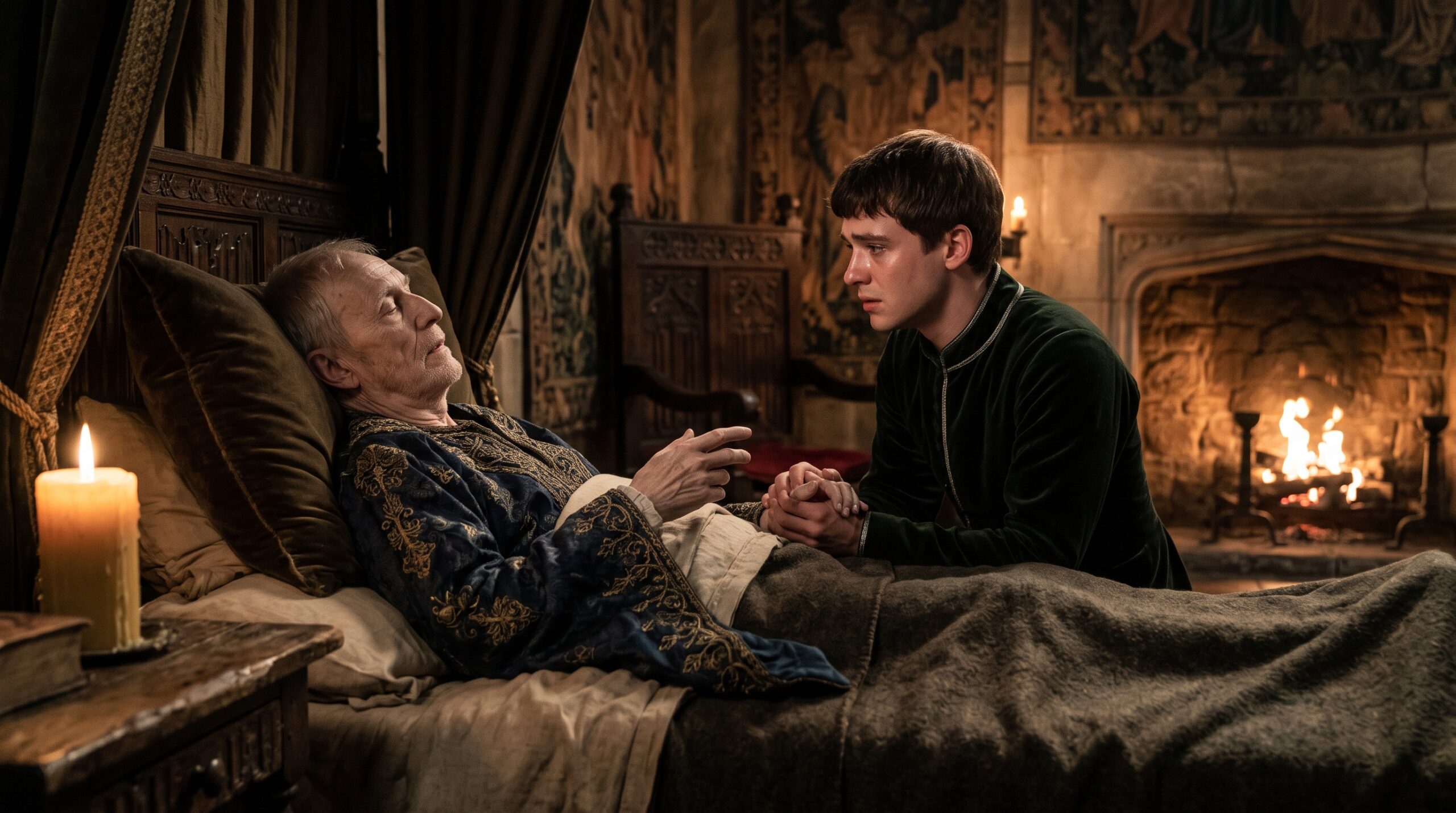
If the real Duke of Clarence was such a prominent military and political figure, why do audiences barely remember him? The answer lies in Shakespeare’s specific narrative goals for his history plays, collectively known as the Henriad.
The “Good Son” in Henry IV, Part 2
In Henry IV, Part 2, Shakespeare introduces Thomas primarily to serve as a foil to Prince Hal. While Hal is out drinking in the taverns of Eastcheap with Sir John Falstaff, Thomas remains at court, fulfilling his duties.
The most famous scene involving Thomas occurs in Act 4, Scene 4. A dying King Henry IV summons Thomas and begs him to act as a moral anchor for his wayward older brother once Hal takes the throne:
“Chide him for faults, and do it reverently, / When you perceive his blood inclined to mirth…”
In the play, Thomas is depicted as the dutiful, gentle sibling. Shakespeare uses him to emphasize the King’s anxiety about Hal’s fitness to rule. The textual Thomas is loyal, passive, and entirely subservient to the narrative arc of his older brother’s eventual redemption.
The Shadowy Figure in Henry V
By the time the narrative reaches Henry V, Thomas’s character is reduced almost entirely to background dressing. He appears in the text during the famous Siege of Harfleur (Act 3, Scene 1) and is given minor lines and stage directions during the Battle of Agincourt.
Shakespeare strips Thomas of his historical agency, turning him into a generic nobleman whose only purpose on stage is to stand behind Henry V and nod approvingly as the King delivers his legendary “St. Crispin’s Day” speech.
3. History vs. The Bard: What Shakespeare Changed (and Why)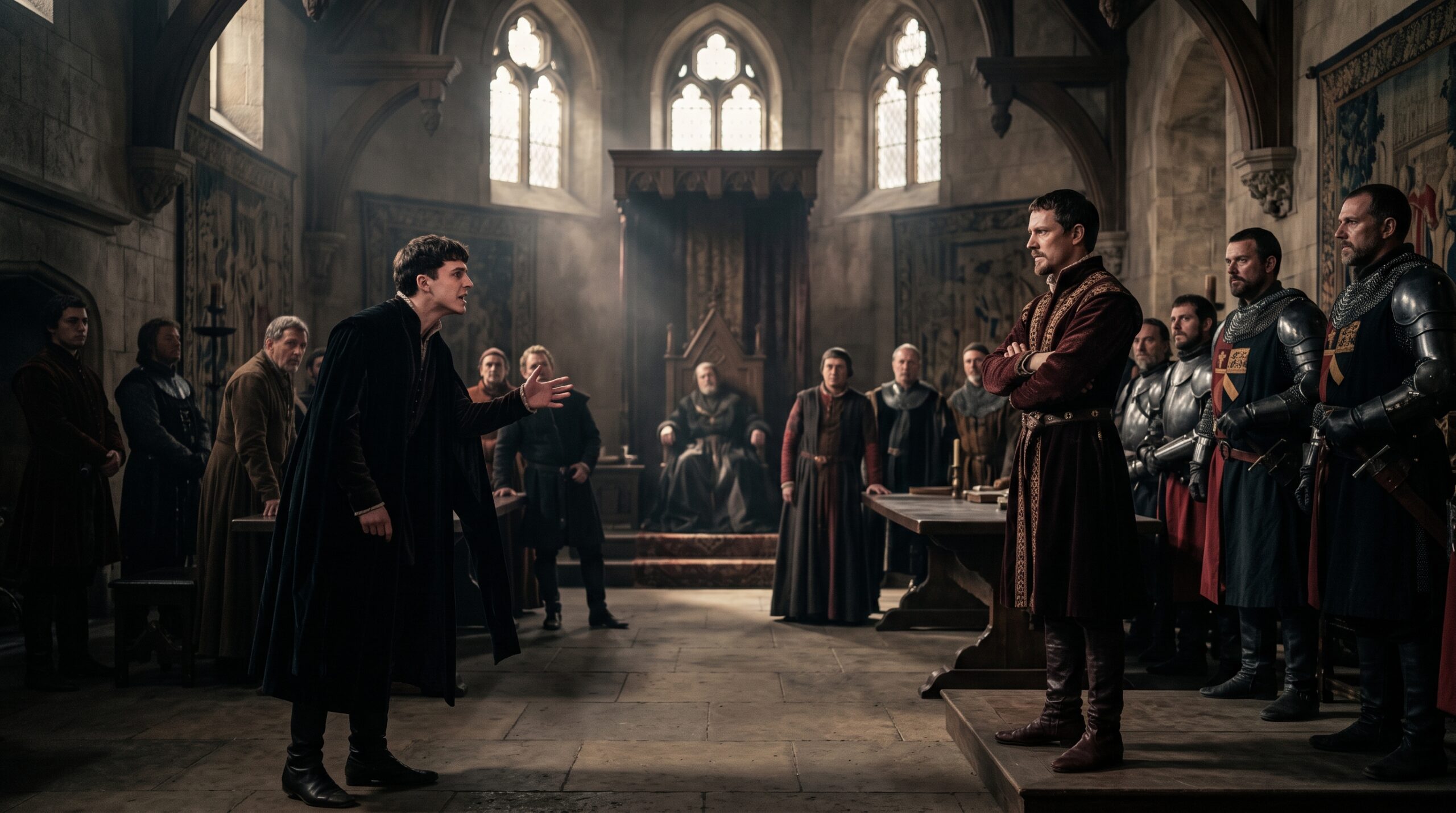
Shakespeare was not a historian; he was a dramatist writing propaganda for the Tudor dynasty (who traced their legitimacy back through the Lancastrians). To make Henry V the ultimate hero-king of English myth, Shakespeare had to sanitize the messy, cutthroat reality of the Plantagenet brothers.
The Erased Sibling Rivalry
The most glaring omission in Shakespeare’s plays is the bitter, highly toxic rivalry between Thomas and Henry. During King Henry IV’s prolonged illness, the royal court split into two hostile political factions.
-
Prince Henry’s Faction: Allied with the powerful Beaufort family, pushing for the King to abdicate so Hal could take over.
-
Thomas’s Faction: Allied with the King and Archbishop Thomas Arundel, fiercely opposing Hal’s attempts to seize power.
At one point in 1411, Prince Henry was actually dismissed from the King’s royal council, and Thomas was installed in his place. The two brothers fundamentally disagreed on foreign policy, particularly regarding which side to support in the French civil war. Shakespeare entirely erases this tension. Acknowledging that the “hero king” almost went to war with his own brother would have severely damaged the idealized portrait of Henry V.
The Agincourt Myth
Shakespeare’s timeline in Henry V contains a massive historical inaccuracy regarding Thomas. The play places the Duke of Clarence at the Battle of Agincourt in 1415, standing shoulder-to-shoulder with the King.
The Historical Reality: Thomas Lancaster was never at Agincourt. He successfully led the vanguard during the Siege of Harfleur earlier that year, but he contracted dysentery (the “bloody flux” that ravaged the English army) and had to be invalided back to England before the famous battle even took place. Shakespeare included him in the scene simply because it felt dramatically appropriate for the King’s brother to be present at his greatest triumph.
Expert Insight: Shakespeare frequently compressed timelines and omitted the achievements of siblings to streamline his narrative. By keeping Thomas in the background, Shakespeare ensured that all the glory of the French campaigns rested solely on Henry V’s shoulders, rather than acknowledging that the Lancastrian military machine was a family effort.
4. The Battle of Baugé and His Tragic End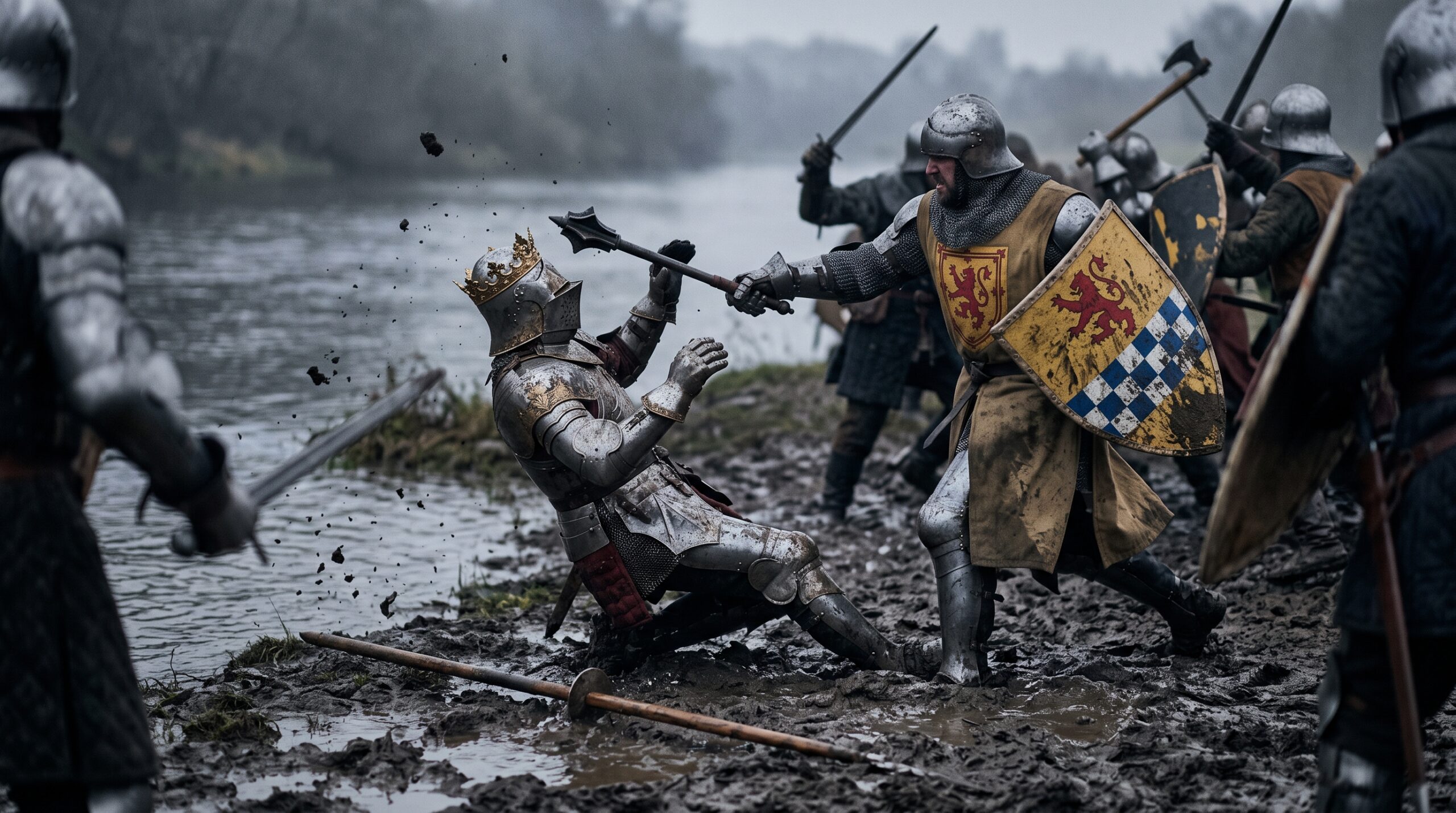
While Shakespeare leaves Thomas’s ultimate fate unsaid, the real Duke of Clarence met a highly dramatic, violent end that severely impacted the English war effort.
In 1421, King Henry V returned to England to introduce his new French queen, Catherine of Valois, leaving Thomas in France as the acting Regent and supreme commander of the English army. Thomas, eager to step out of his older brother’s shadow and secure a glorious victory of his own, embarked on a raiding campaign through Anjou.
The Fatal Mistake
On March 22, 1421, Thomas’s forces were resting near the town of Baugé. English scouts reported a large Franco-Scots army gathering nearby. The Scottish army, led by John Stewart, Earl of Buchan, had allied with the French Dauphin against the English.
Ignoring the advice of his seasoned captains, Thomas made a catastrophic tactical error. Instead of waiting for his slow-moving archers—the backbone of English military supremacy—to catch up, he rashly ordered his cavalry to charge the enemy immediately. He believed the element of surprise would win the day.
The Death of a Duke
The Battle of Baugé was a slaughter. Thomas and his cavalry charged blindly into a well-prepared trap. According to historical chronicles, Thomas was identifiable on the battlefield by the magnificent jeweled coronet on his helmet. He was unhorsed and struck down.
While historians debate exactly who delivered the fatal blow (Scottish knights Sir John Carmichael and Sir Alexander Buchanan both claimed the honor), the result was undeniable. Thomas of Lancaster, the Duke of Clarence, was dead at the age of 33.
His death sent shockwaves across Europe. It was the first major English defeat in years and shattered the aura of invincibility that Henry V had carefully constructed. Henry was forced to rush back to France to stabilize the situation, but the King himself would die of dysentery just a year later.
5. The Legacy of the Duke of Clarence in Modern Performance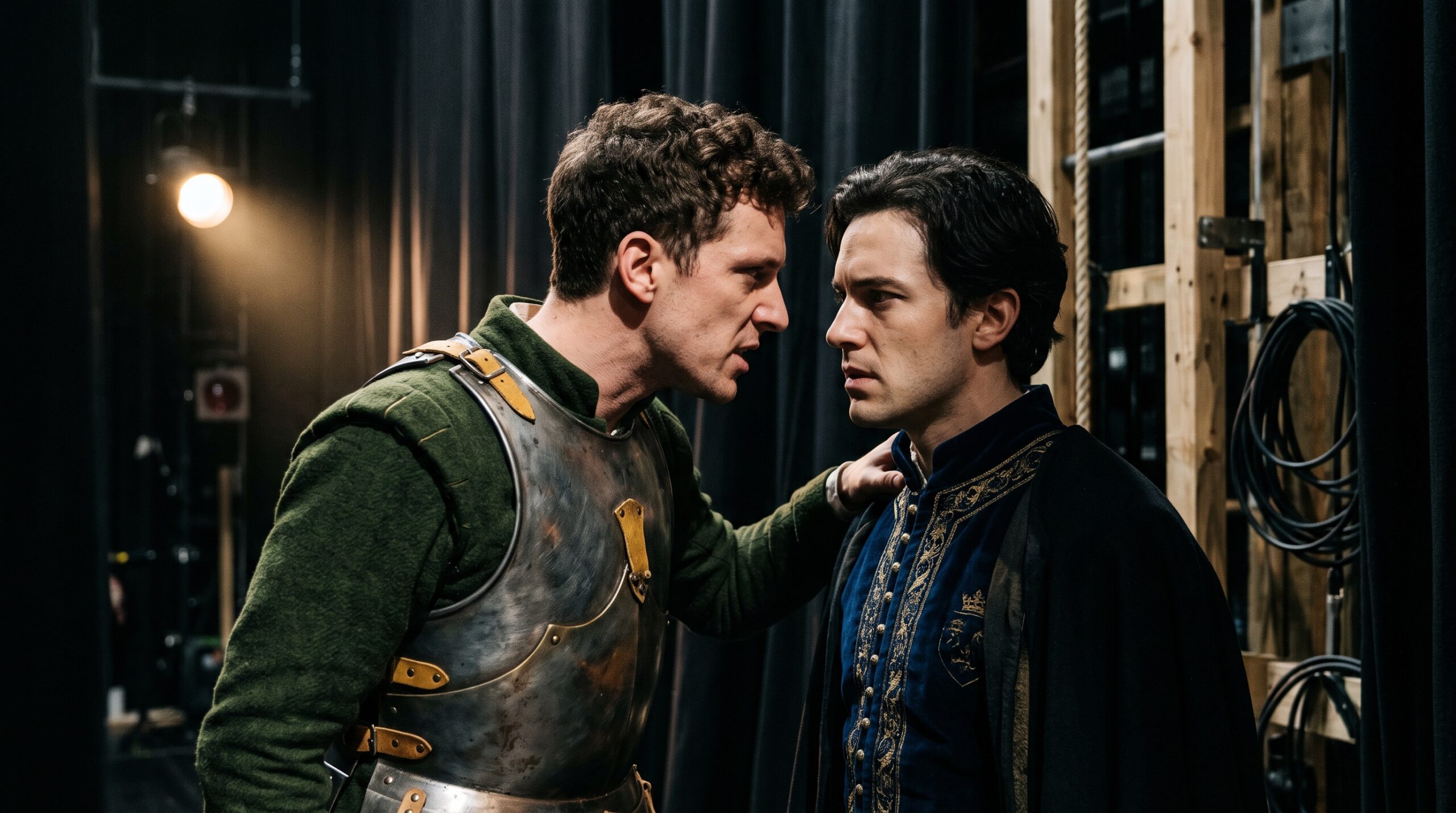
For modern theater professionals, historians, and literary critics, understanding the real Thomas Lancaster completely changes how one approaches his character on stage.
Directorial Choices
When staging the Henriad, modern directors face a choice: do they play Thomas exactly as written—a bland, loyal subservient—or do they inject some of the historical rivalry back into the subtext? In adaptations like the BBC’s The Hollow Crown, you can often spot subtle, tense glances between the brothers, hinting at the true historical friction. Directors who know the history often direct the actor playing Thomas to carry an air of resentment or aggressive ambition, adding a layer of psychological depth that Shakespeare left off the page.
The Actor’s Challenge
For an actor cast as the Duke of Clarence, the challenge is finding depth in a character with limited stage time but a massive historical footprint. Understanding that Thomas was actually an experienced warlord who resented his brother’s ascent to power allows an actor to deliver lines in the deathbed scene of Henry IV, Part 2 not with pure innocence, but with calculated political awareness.
6. Frequently Asked Questions (FAQ)
Was Thomas of Lancaster older than Henry V?
No. Thomas was born in 1387, roughly a year after his older brother, Prince Henry (Hal), who was born in 1386. Thomas was the second son of King Henry IV, meaning he was always the “spare” to Hal’s heir.
Did Thomas of Lancaster fight at the Battle of Agincourt?
In Shakespeare’s Henry V, Thomas is depicted as being present at the battle. In historical reality, he was not there. He fell ill with dysentery during the earlier Siege of Harfleur and was sent back to England to recover before the army marched to Agincourt.
Who killed Thomas, Duke of Clarence?
Thomas was killed at the Battle of Baugé in 1421 by the allied Franco-Scots army. While medieval sources conflict, the killing blow is traditionally attributed to Scottish knights, either Sir John Carmichael, who allegedly unhorsed him, or Sir Alexander Buchanan, who is said to have struck him down with a mace.
Is Thomas of Lancaster the same person as the Duke of Clarence in Richard III?
No, this is a common point of confusion. The Duke of Clarence in Richard III is George Plantagenet (the one famously drowned in a butt of Malmsey wine). George was the brother of King Edward IV and Richard III, living decades after Thomas of Lancaster.
William Shakespeare’s Henriad remains one of the greatest achievements in Western literature, but it is a work of dramatic fiction, not a historical textbook. By molding Thomas Lancaster into a quiet, dutiful younger brother, Shakespeare sacrificed the messy, fascinating reality of the Lancastrian dynasty to elevate the myth of King Henry V.
The real Thomas of Lancaster was a proud, aggressive, and highly capable Duke who vied for power in a cutthroat royal court and died a soldier’s death leading a doomed charge. Understanding his true history does not diminish Shakespeare’s plays; rather, it enriches them. It reminds us that behind every minor character on the Bard’s stage, there is often a real, blood-and-bone historical figure whose true story was simply too complicated for a single play to hold.