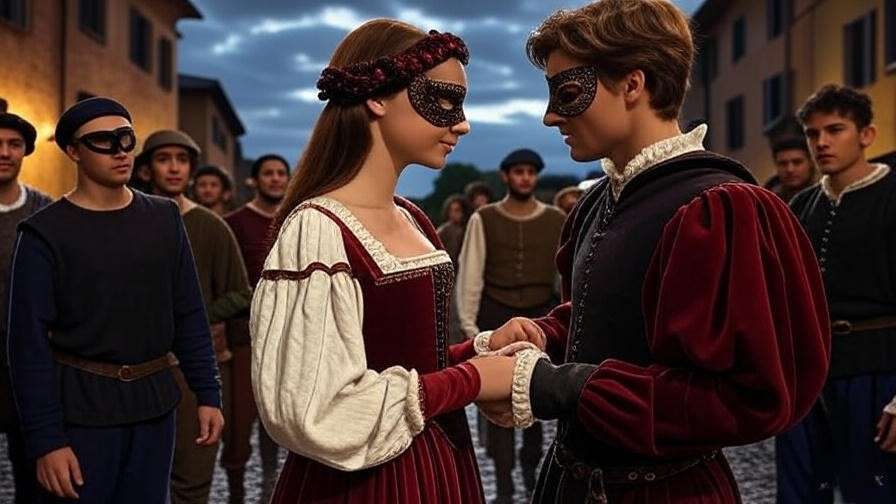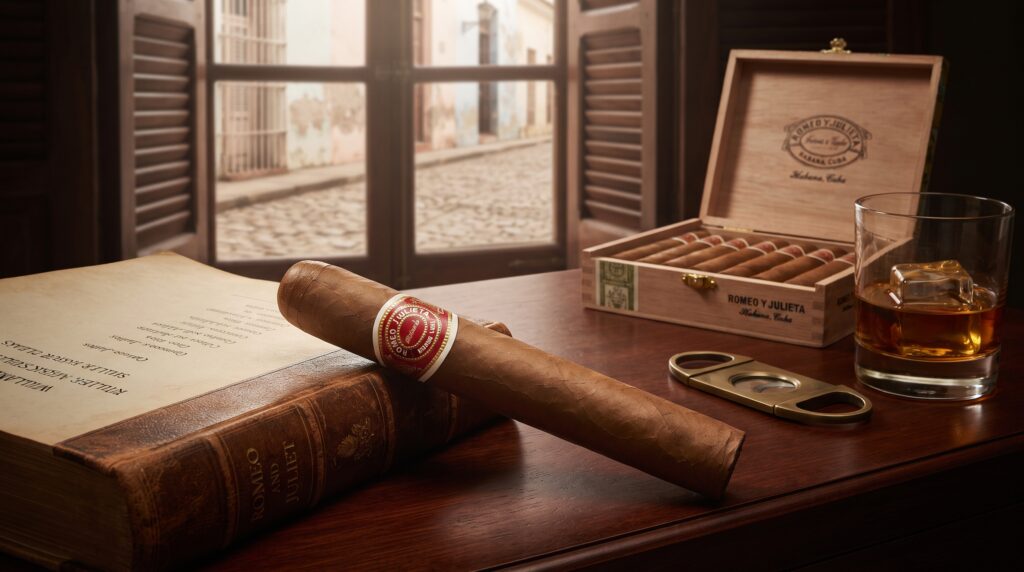
Step into the sultry, sun-drenched valleys of Vuelta Abajo in Pinar del Río, Cuba, and you will find a world governed by patience, rich soil, and centuries of agricultural heritage. Yet, the story of one of Cuba’s most revered tobacco icons begins not in the Caribbean fields, but in the stone-paved, tragic streets of Elizabethan Verona. When literary drama collides with master craftsmanship, legends are born. For over a century, the romeo and juliet havana cuba cigar has stood as a towering monument to this union, capturing the imagination of statesmen, artists, and discerning connoisseurs alike.
Whether you are a devoted aficionado seeking historical nuance or a reader fascinated by how William Shakespeare’s tragic romance became immortalized in a cedar box, this guide explores every facet of the world’s most famous literary vitola.
From the Globe Theatre to the Caribbean: The Origins of Romeo y Julieta in Havana (1875)
To truly understand why a 16th-century English theatrical masterpiece became synonymous with Cuban tobacco, we must turn back the clock to 1875. In the heart of Havana, two entrepreneurs—Inocencio Alvarez and Manín García—recognized that premium cigar making was no longer just about agriculture; it was about storytelling, emotion, and identity.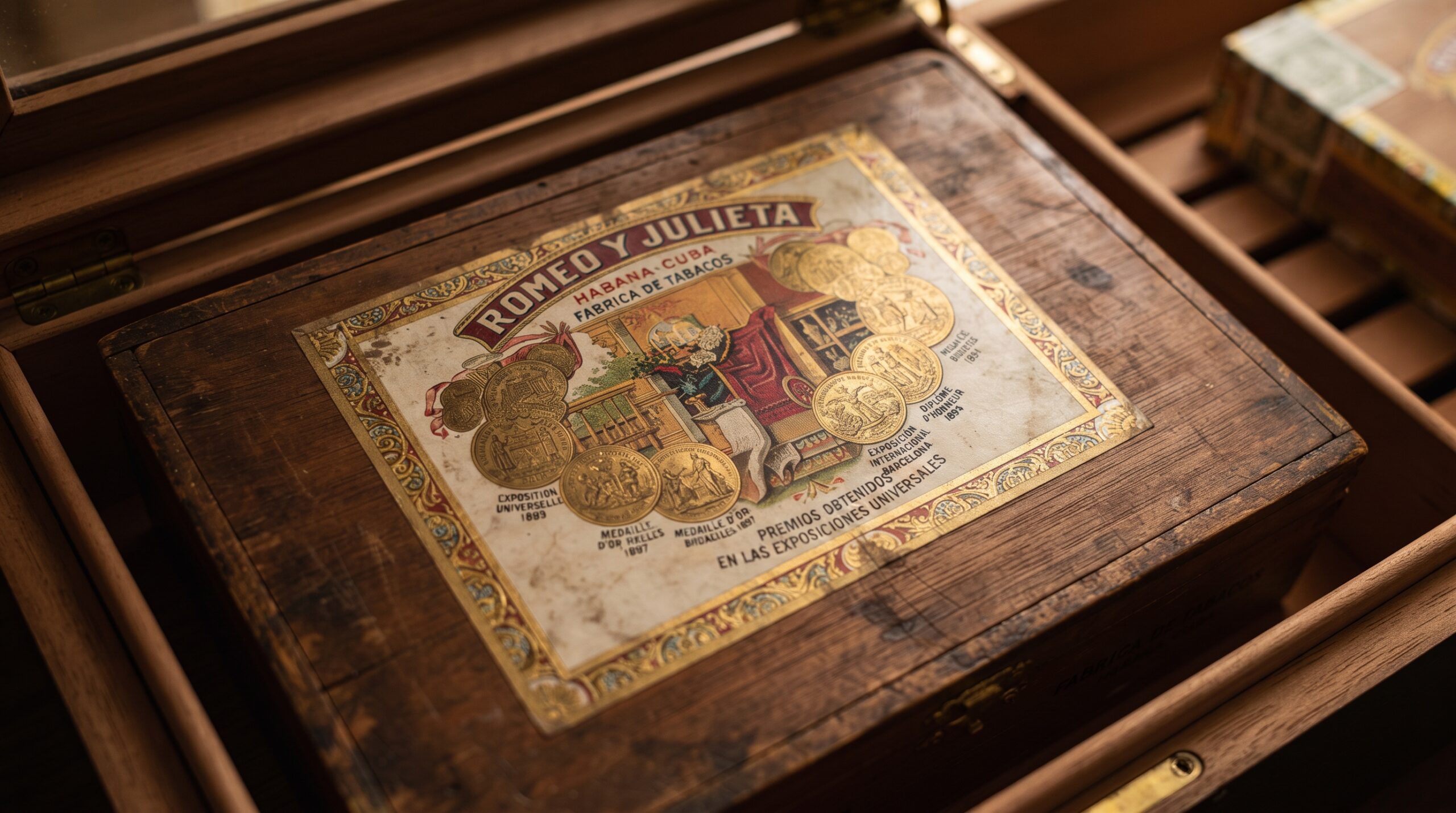
They chose to name their fledgling brand Romeo y Julieta. Why Shakespeare? The timeless themes of Romeo and Juliet—intense passion, dramatic flair, high emotion, and elite romance—mirrored the devotion required to cultivate, cure, and roll a luxury Habano. In an era when Havana’s tobacco industry was expanding rapidly, branding had to transcend mere utility. The name immediately evoked a sense of elegance and high drama that resonated with European aristocracy.
During the late 19th century, Havana was a bustling epicenter of global trade. Alvarez and García’s dedication to quality quickly paid off. At various international tasting exhibitions throughout the late 1800s, the brand secured numerous prestigious gold medals. To this day, those historic medals remain emblazoned on the brand’s iconic lithographed box dressings, serving as a silent testament to its early triumphs.
The Golden Age: Don “Pepín” Rodríguez Fernández and the Global Cult Following
While the brand was founded in 1875, its metamorphosis into a global luxury titan is credited to one man: José “Pepín” Rodríguez Fernández, who took over the company in 1903 after serving as the head of the Cabañas factory.
Pepín was a marketing genius decades ahead of his time. He understood that ultra-luxury goods thrive on exclusivity and personalized engagement. Under his leadership, the factory cultivated an obsessive following among the world’s elite.
-
Personalized Bands: In a stroke of brilliant public relations, Pepín went so far as to create upwards of 20,000 personalized cigar bands for wealthy clientele, royalty, aristocrats, and high-society figures who wanted their own names or crests wrapped around their private smokes.
-
The Sporting Connection: Pepín’s flair for drama extended beyond tobacco; he even owned a champion racehorse named “Romeo” that competed and won across European circuits, further intertwining the brand with high-stakes luxury and prestige.
-
The Winston Churchill Obsession: No figure is more closely linked to the brand’s golden era than Sir Winston Churchill. Following his visit to Havana in 1946, Churchill became an ardent devotee, smoking the brand’s robust vitolas through some of the 20th century’s most critical geopolitical moments. This lifelong patronage ultimately led to the creation of the legendary “Churchill” size (7 inches by 47 ring gauge), cementing a permanent bridge between British statesmanship and Cuban heritage.
Anatomy of a Legend: Crafting the Authentic Havana Cult-Classic
What separates an ordinary smoke from an authentic Havana masterpiece? The answer lies in an uncompromising devotion to terroir, tradition, and hand-rolling artistry.
The Terroir of Vuelta Abajo
Tobacco is a delicate expression of its environment. The authentic Cuban release relies entirely on leaf harvested from the Vuelta Abajo region in the Pinar del Río province. Widely considered the premier tobacco-growing terroir in the world, Vuelta Abajo benefits from a unique microclimate, mineral-rich soils, and ideal humidity levels. The combination gives the tobacco its characteristic complexity, depth, and aging potential.
The Art of the Torcedor
Inside historic Havana factories—such as the famous Briones Montoto factory—master rollers (torcedores) execute techniques passed down through generations. Crafting a premium Habano is a rigorous geometric and tactile discipline:
-
Filler Selection: A careful blend of ligero (strength and flavor), seco (aroma), and volado (combustion) leaves are folded to ensure an even, cool draw.
-
The Binder: Secures the bunch, locking in the aromatic oils.
-
The Wrapper: The aesthetic crown of the cigar. Smooth, silky, and meticulously applied, it dictates the initial visual and tactile impression.
Signature Flavor Profile and Aroma
A properly aged Havana classic offers a medium-to-full-bodied experience that evolves gracefully on the palate. Connoisseurs frequently note distinct tasting notes of:
-
Rich cedar wood and earthy undertones
-
Roasted nuts (particularly almonds and cashews)
-
Subtle leather and espresso bean nuances
-
A delicate, creamy finish with faint floral hints reminiscent of its literary namesake’s romantic garden scenes.
The Geopolitical Pivot: The Split Between Cuban and Non-Cuban Legacies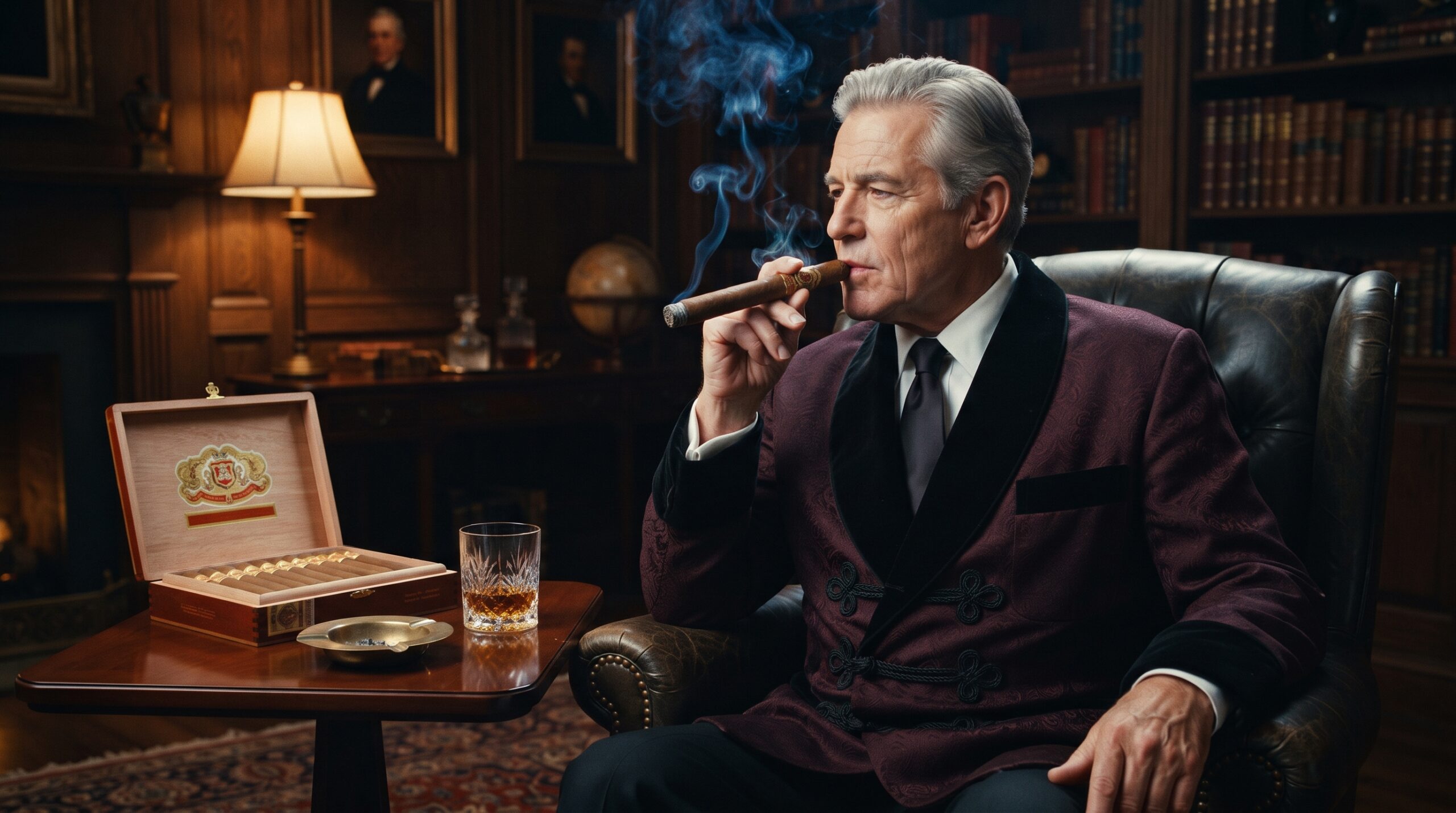
No discussion of this iconic brand is complete without addressing its modern, bifurcated existence. The 1959 Cuban Revolution and the subsequent nationalization of the island’s tobacco industry fundamentally altered the global cigar landscape.
Today, the market features two distinct iterations:
-
The Cuban Version (Habanos S.A.): Produced exclusively on the island using 100% Cuban tobacco from Vuelta Abajo. These are globally coveted by collectors and connoisseurs, though subject to strict trade regulations and import embargoes in specific jurisdictions like the United States.
-
The Non-Cuban Version (Altadis U.S.A.): Produced primarily in the Dominican Republic and Honduras, utilizing alternative seed profiles (such as Connecticut shade wrappers and Honduran/Nicaraguan fillers) to deliver classic lines like the 1875 and Reserva Real to markets where Cuban goods cannot legally be sold.
Understanding this distinction is vital for modern enthusiasts. While non-Cuban releases offer smooth, accessible everyday profiles, the authentic Havana release carries the historic weight, distinct terroir, and deep aromatic complexity rooted in 19th-century Cuban soil.
Essential Vitolas and Collector’s Editions to Know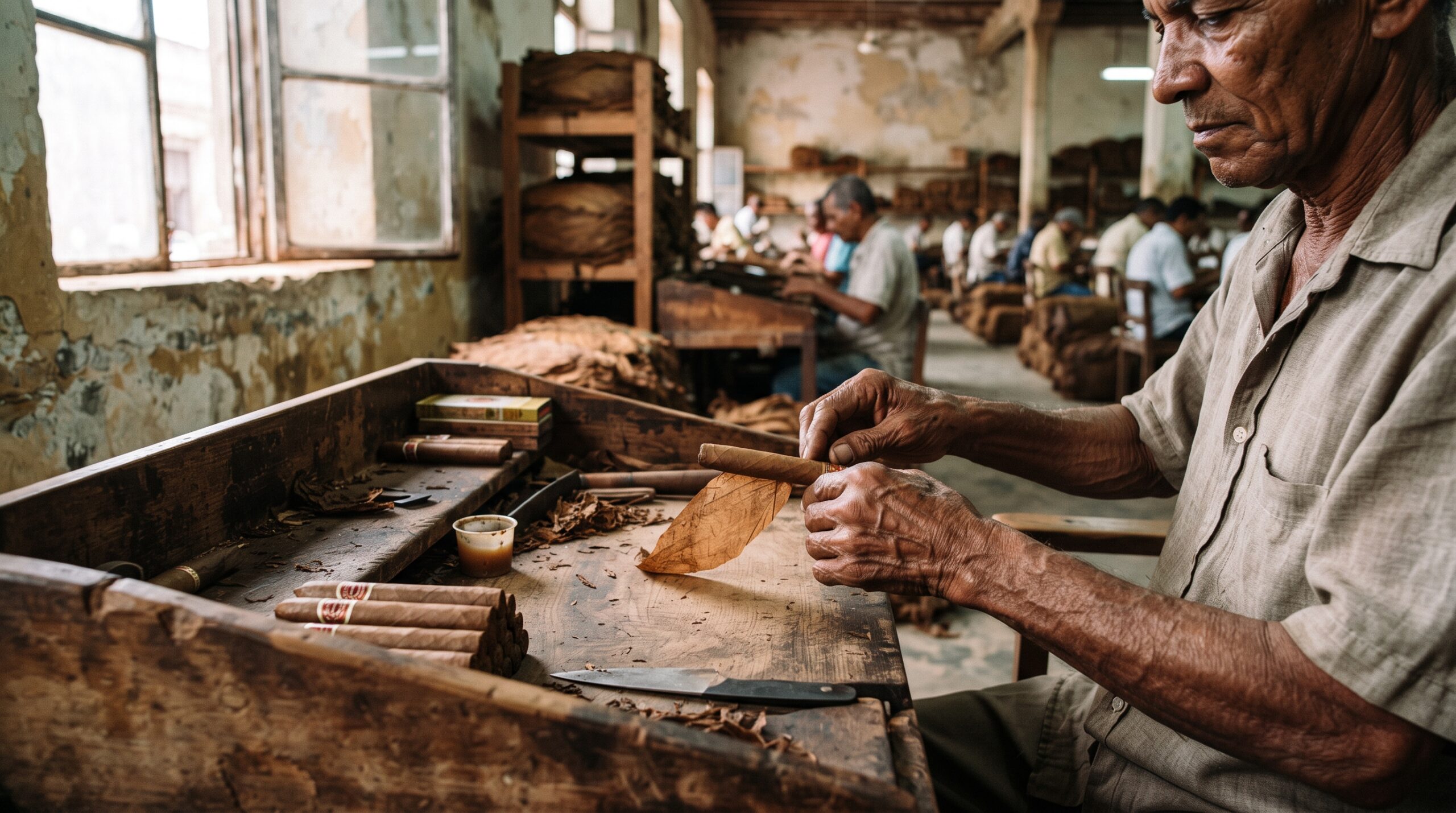
The brand boasts a diverse catalog ranging from traditional parejos to modern ring gauges designed for contemporary palates.
-
The Churchill: The undisputed flagship. Measuring 7 inches with a 47 ring gauge, it offers a leisurely 90-to-120-minute smoking journey characterized by a shifting flavor profile from mild cedar to rich, leathery spice in the final third.
-
Short Churchill: A modern classic designed for smokers who want the signature flavor profile in a more approachable 4 7/8 inch by 50 ring gauge format.
-
Wide Churchill: Catering to the contemporary preference for thicker ring gauges (55 ring gauge by 5 1/8 inches), this vitola allows a cooler, voluminous smoke that highlights the sweeter notes of the blend.
-
Ediciones Limitadas (Limited Editions): Periodically released by Habanos S.A., these rare items feature wrapper, binder, and filler leaves that have been aged for a minimum of two years, highly prized at international auctions and private lounges.
Expert Tasting & Pairing Guide: Elevating the Experience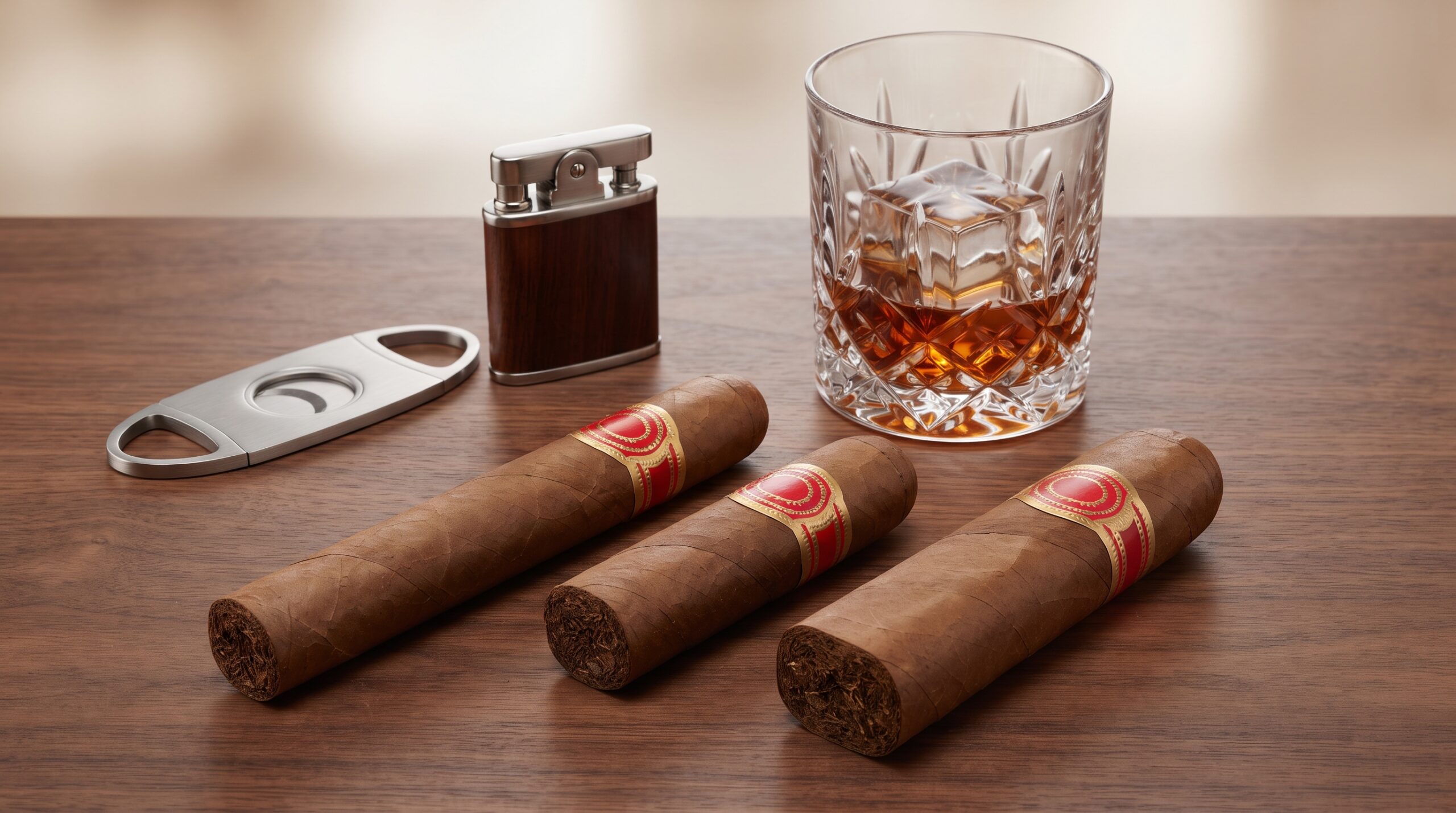
Enjoying an authentic Havana classic is a ritual that demands respect and mindfulness.
The Connoisseur’s Ritual
-
The Cut: Use a sharp double-blade guillotine or a V-cutter to ensure a clean draw without fracturing the cap.
-
The Toast: Gently toast the foot using a soft-flame butane lighter or wooden matches, avoiding direct, harsh torch flames that can scorch the delicate wrapper leaf.
-
The Pace: Draw slowly—roughly once every minute. Overheating the cigar destroys the subtle aromatic compounds and leads to bitterness.
Ideal Pairings
To truly honor the duality of literature and tobacco, pair your smoke thoughtfully:
-
Spirits: An aged Cuban rum (such as a 15-year reserve) mirrors the natural sweetness and oaky finish of the tobacco. Alternatively, a smooth Highland single-malt Scotch enhances the cedar and leather notes.
-
Literary Companion: For the ultimate thematic experience, keep a copy of Shakespeare’s Romeo and Juliet nearby, letting the tragic romance unfold in your mind as the ash burns down in slow, contemplative rhythm.
Frequently Asked Questions
-
Q: Is the correct name Romeo and Juliet or Romeo y Julieta?
-
A: While the English translation is “Romeo and Juliet,” the official cigar brand name is correctly spelled Romeo y Julieta, honoring its Spanish-speaking Cuban roots.
-
-
Q: What is the connection between William Shakespeare and Havana cigars?
-
A: The 19th-century founders were inspired by Shakespeare’s tragic romance, aiming to infuse the passion, drama, and timeless elegance of the play into the art of premium cigar blending.
-
-
Q: Can you buy authentic Cuban Romeo y Julieta cigars everywhere?
-
A: No. Due to trade restrictions and local regulations (such as the U.S. embargo), authentic Cuban-made cigars are unavailable in certain regions, where non-Cuban alternatives manufactured in the Dominican Republic and Honduras are sold instead.
-
A Legacy That Burns Eternal
The fusion of English literature and Cuban agricultural mastery created something far greater than a mere consumer product. The romeo and juliet havana cuba cigar remains a testament to human craftsmanship, storytelling, and the pursuit of excellence. Whether savored in a quiet private study or shared among fellow aficionados in a bustling Havana lounge, it bridges centuries of artistic passion into a single, glowing spark of timeless luxury.