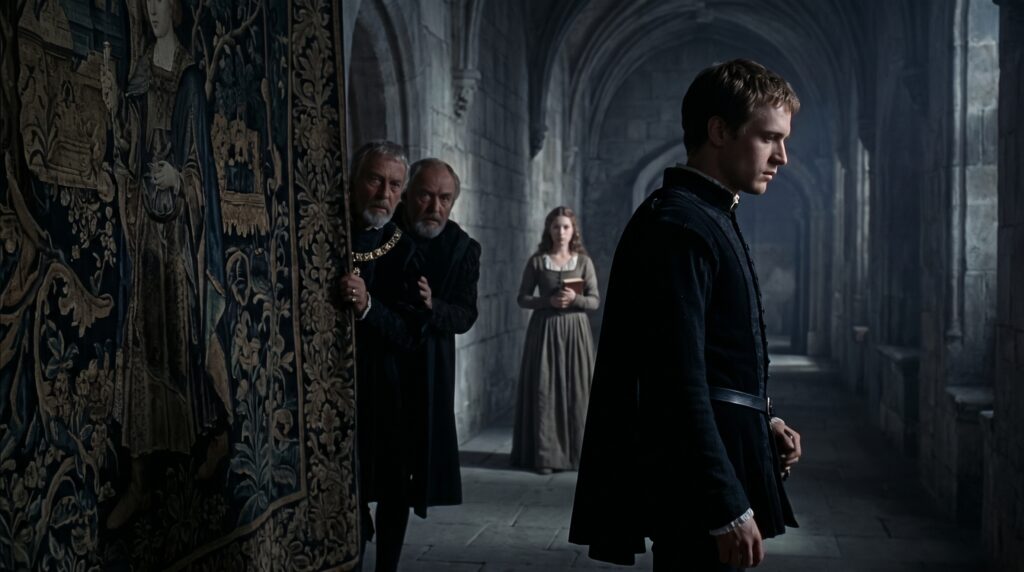
Suggested Featured Image Prompt (16:9): A wide, cinematic shot of a vast, dimly lit medieval stone corridor in a Danish castle. A solitary nobleman stands in deep thought in the foreground, bathed in a single ray of cold light. In the background, the shadowy silhouettes of two older men hide behind an ornate, heavy tapestry. No text. 8k resolution, photorealistic, cinematic lighting.
The air in Elsinore Castle has grown thick with paranoia. A grieving prince contemplates the very nature of human existence, unaware—or perhaps acutely aware—that his murderous uncle and a scheming advisor are hiding just feet away behind a heavy tapestry, waiting to trap him. Welcome to the most famous, heavily analyzed, and frequently misunderstood moment in all of English literature. For students, actors, and literature enthusiasts seeking a comprehensive Hamlet Act 3 Scene 1 summary, understanding this pivotal scene requires looking beyond the famous quotes.
This scene is a masterclass in dramatic tension. It seamlessly bridges the gap between Hamlet’s profound internal philosophical struggles and the brutal, external psychological warfare he wages against the people around him. In this guide, we will break down the plot step-by-step, decode the true meaning of the “To be, or not to be” soliloquy, and analyze the devastating psychological abuse of the subsequent “Nunnery Scene.”
Key Takeaways: Act 3, Scene 1 at a Glance
-
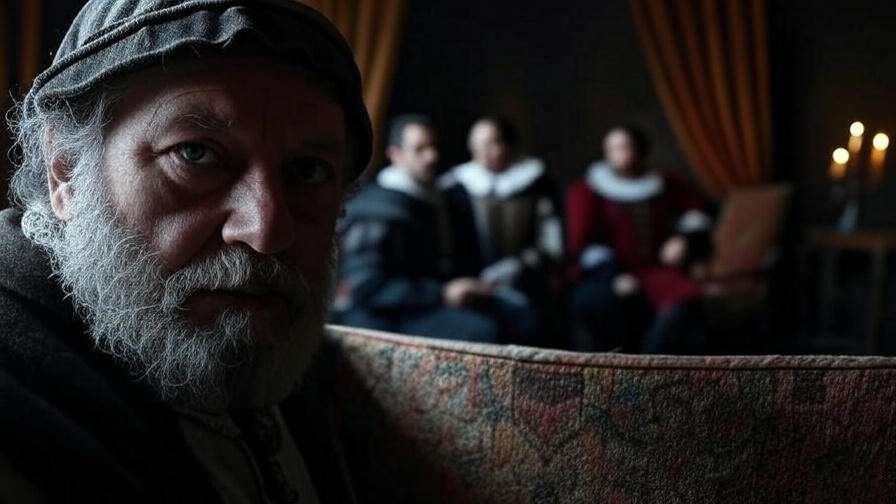
The Spies: King Claudius and Polonius hide behind an arras (tapestry) to secretly observe Hamlet’s behavior toward Ophelia.
-
The Soliloquy: Hamlet delivers his famous “To be, or not to be” speech, weighing the agonizing burdens of life against the terrifying mysteries of death.
-
The Trap: Ophelia attempts to return Hamlet’s love letters, acting as bait for her father and the King.
-
The Rejection: Hamlet verbally attacks Ophelia, denying his love and ordering her to a “nunnery.”
-
The Realization: Claudius realizes Hamlet is not mad with love, but is harboring a dangerous secret. He decides to exile Hamlet to England.
Setting the Stage: Context Before the Climax
To fully grasp the weight of Act 3, Scene 1, we must briefly look at the pieces moving across the chessboard of Elsinore just before this moment.
The Spies Report Back
The scene opens with King Claudius, Queen Gertrude, Polonius, Ophelia, and the courtiers Rosencrantz and Guildenstern. Claudius is desperate to uncover the root of his nephew’s erratic, “antic disposition.” He questions Rosencrantz and Guildenstern, who were specifically summoned to spy on the prince. They report a complete failure; they admit that while Hamlet was civil, he skillfully evaded their questions and refused to reveal what is weighing on his mind.
They do, however, mention that a troupe of traveling actors has arrived at the castle, and Hamlet seemed genuinely excited by their presence. Claudius, relieved that something is bringing the prince joy, agrees to attend the play that Hamlet has arranged for that evening. He does not know that Hamlet is secretly using this play—”The Mousetrap”—to test the ghost’s claims and catch Claudius’s guilt.
Hamlet Act 3 Scene 1 Summary: A Step-by-Step Breakdown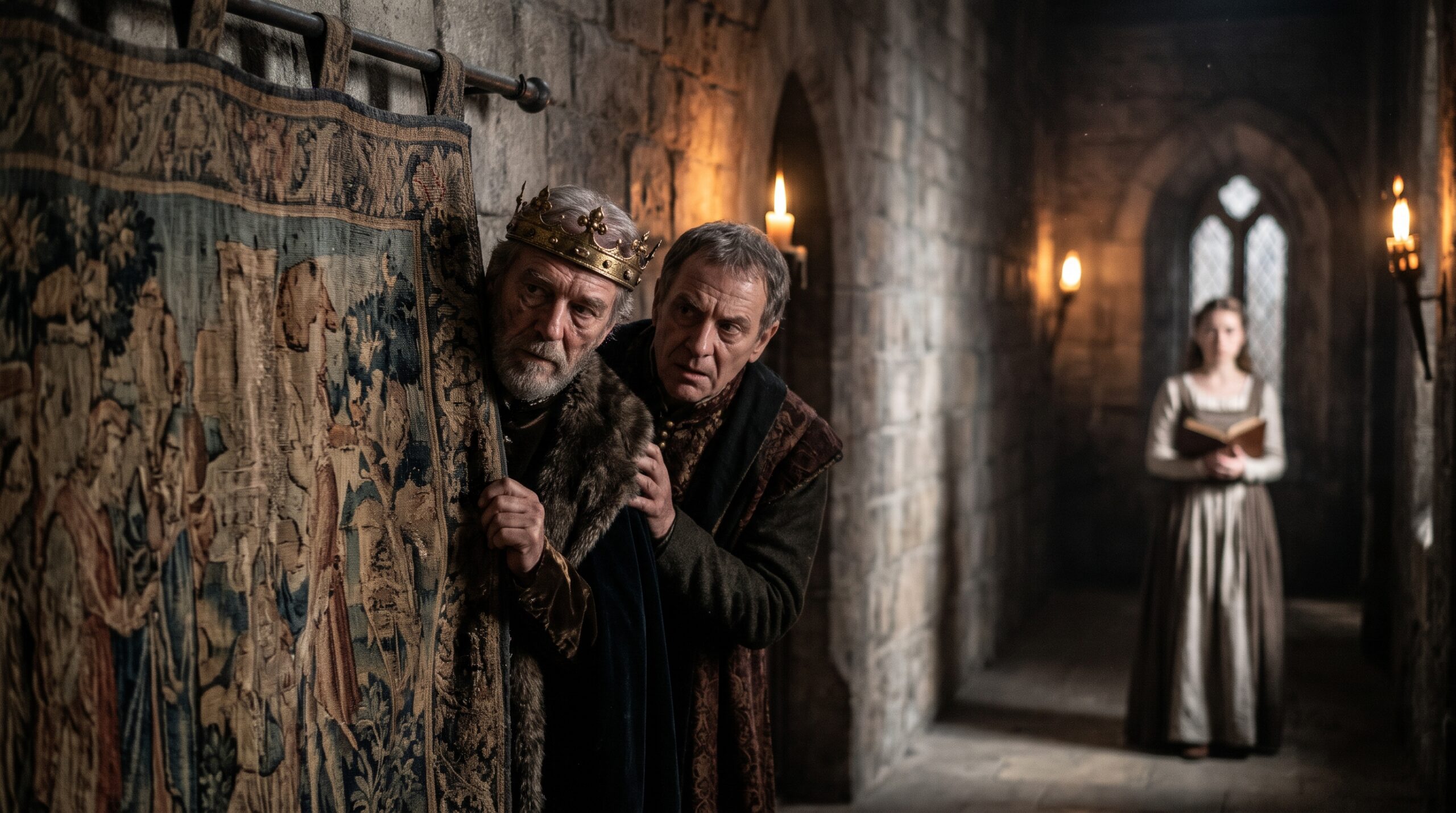
With the courtiers dismissed, the true business of the scene begins. This section breaks down the narrative action into clear, chronological events.
The Trap is Set: Polonius and Claudius Hide
Polonius, the chief counselor, is still utterly convinced that Hamlet’s madness is a direct result of unrequited love for his daughter, Ophelia. To prove his theory to the King, Polonius orchestrates a trap. He places Ophelia in the castle lobby, instructing her to read from a prayer book so her solitary presence seems natural.
“Read on this book, That show of such an exercise may color Your loneliness.”
Polonius and Claudius then conceal themselves behind an arras to eavesdrop on the impending encounter. It is in this brief transitional moment that Shakespeare gives the audience a massive revelation. Hearing Polonius speak of using religious devotion to mask dark deeds, Claudius is struck by a pang of conscience. In an aside (a line spoken to the audience), Claudius confesses his own guilt regarding King Hamlet’s murder for the very first time. He compares his dark deed, covered up by fine words, to a harlot’s cheek covered in makeup.
Enter Hamlet: The Soliloquy
Hamlet enters the lobby, seemingly entirely alone. He is entirely consumed by dark, existential thoughts. He delivers the “To be, or not to be” soliloquy, a profound meditation on the value of human life. He debates whether it is nobler to passively endure the endless suffering of existence or to take action against it—which, in the context of his speech, ultimately means choosing to end one’s own life. He concludes that the only reason humanity endures the miseries of life is out of the paralyzing fear of what comes after death: “the undiscovered country.”
The Nunnery Scene: Hamlet Confronts Ophelia
Hamlet’s philosophical reverie is broken when he notices Ophelia praying. At first, his tone is gentle, addressing her as a “nymph.” However, the atmosphere rapidly deteriorates. Following her father’s prior instructions, Ophelia attempts to return the “remembrances” (love letters and gifts) that Hamlet had given her in the past.
Hamlet instantly goes on the defensive. He denies ever giving her anything. When Ophelia insists that he did, and that their value is lost because the giver has proven unkind, Hamlet’s demeanor violently shifts. He begins a brutal psychological assault. He questions her honesty and her chastity, claiming that beauty corrupts virtue. In a devastating blow, he tells her that he once loved her, only to immediately retract it, stating, “I loved you not.”
He repeatedly commands her to go to a “nunnery.”
“Get thee to a nunnery: why wouldst thou be a breeder of sinners? I am myself indifferent honest; but yet I could accuse me of such things that it were better my mother had not borne me.”
He unleashes a misogynistic tirade against women, condemning them for wearing makeup, acting foolishly, and making monsters out of their husbands. Leaving Ophelia sobbing and broken, he storms out with a terrifying final warning regarding marriage: “Those that are married already, all but one, shall live; the rest shall keep as they are.”
The Aftermath: Claudius’s Dark Realization
Ophelia is left utterly crushed, mourning the destruction of what she believes was a brilliant, noble mind. But the men in hiding emerge with a very different reaction.
Claudius, a shrewd and calculating politician, has seen through the facade. He definitively concludes that Hamlet is not suffering from the pangs of despised love, nor is he truly insane. Claudius recognizes a dangerous, brooding intellect at work, and more importantly, he heard the thinly veiled threat (“all but one, shall live”). Realizing his own life is in jeopardy, Claudius immediately resolves to send Hamlet away to England to demand neglected tribute, effectively exiling the threat. Polonius, stubbornly clinging to his original theory, agrees to the England plan but begs for one last chance to prove it is lovesickness, suggesting that Queen Gertrude speak privately with Hamlet after the play.
Deep Dive: Analyzing “To Be, or Not to Be”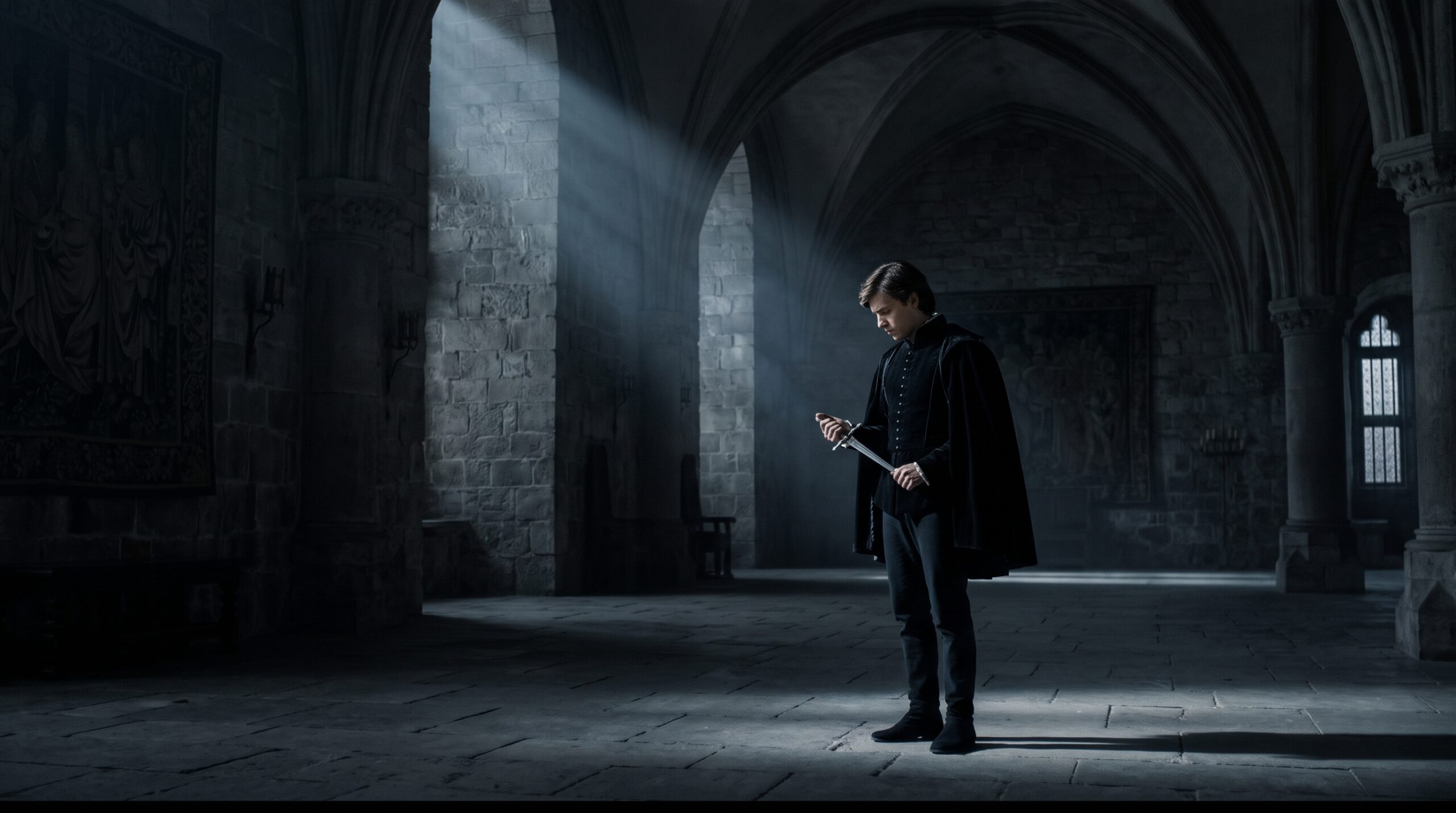
To understand Hamlet as a masterpiece of Shakespearean tragedy, one must look beyond the plot and dissect its poetry. The soliloquy in Act 3, Scene 1 is not merely a famous quote; it is the philosophical core of the play.
The Core Meaning: Action vs. Inaction
The opening line, “To be, or not to be: that is the question,” is fundamentally a debate about existence. But it is also a debate about the nature of endurance. Hamlet asks which is the “nobler in the mind”:
-
To suffer the slings and arrows of outrageous fortune (to live and passively endure misery).
-
To take arms against a sea of troubles, and by opposing end them (to fight back against a hopeless situation, knowing it will result in death, or to commit suicide outright).
Hamlet views life as a series of exhaustions—”the heartache and the thousand natural shocks that flesh is heir to.” Death, by contrast, is presented initially as a comforting, peaceful sleep.
The Fear of “The Undiscovered Country”
If death is just a peaceful sleep, why does anyone choose to live and suffer? Hamlet answers his own question. It is the fear of dreaming during that sleep of death. Because no one has ever returned from death (which is incredibly ironic, given that he literally spoke to his father’s ghost in Act 1), humanity has no idea what awaits them.
For an Elizabethan audience, this fear was palpable. The prevailing Christian theology of the time dictated that suicide was a mortal sin that guaranteed eternal damnation in hell. It is this “dread of something after death” that paralyzes human will. Our capacity to think, reason, and fear the consequences of the afterlife destroys our ability to take action. As Hamlet notes, “Thus conscience does make cowards of us all.”
Key Concepts and Original Paraphrased Translations
For students and actors working through this text, understanding the archaic language is often the biggest hurdle. Below is an original breakdown of the core concepts from the soliloquy, translating the heavy Elizabethan themes into clear, modern English.
V. The Psychology of the Nunnery Scene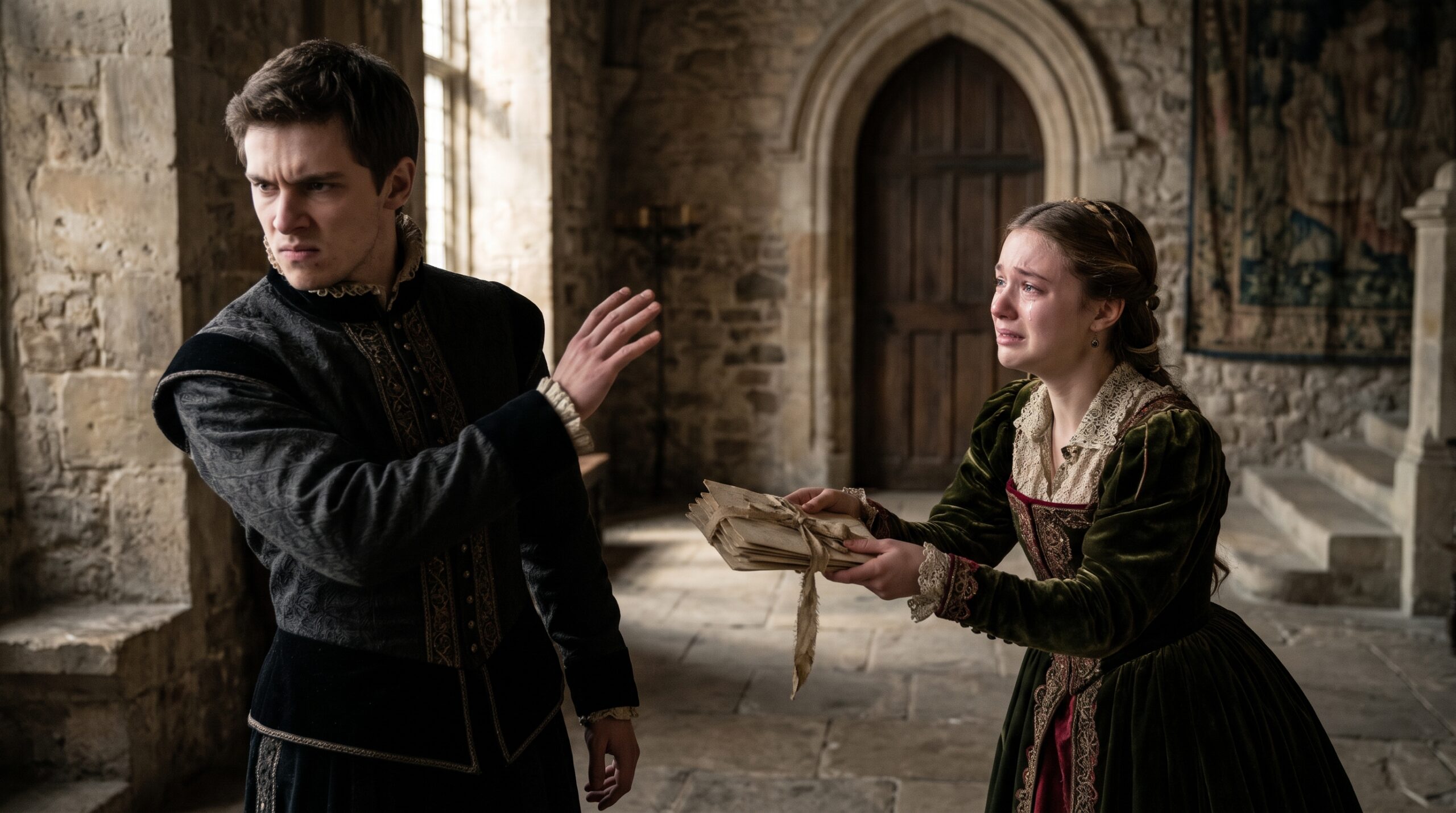
Once Hamlet finishes his solitary reflections, Ophelia approaches, and the scene transforms into a masterclass of psychological tension. This encounter is often referred to as the “Nunnery Scene,” and it contains some of the most debated character motivations in Shakespearean tragedy.
Does Hamlet Know He is Being Watched?
This is the ultimate question for any director staging Hamlet. Does the prince know that Claudius and Polonius are hiding behind the tapestry? Shakespeare leaves this ambiguous in the text, but there is a distinct, violent shift in Hamlet’s behavior midway through his conversation with Ophelia.
He asks her a very sudden, pointed question: “Where’s your father?”
When Ophelia lies and says Polonius is at home, Hamlet’s rage explodes. Many scholars and actors interpret this moment as the exact second Hamlet hears a noise behind the arras or spots a shifting shadow. If he realizes he is being spied upon, his brutal treatment of Ophelia becomes a dual performance: he is lashing out at her for participating in the deception, while simultaneously screaming threats for the hidden King to hear.
Why a “Nunnery”? (Historical & Thematic Context)
Hamlet’s repeated command for Ophelia to go to a “nunnery” carries a bitter, dual meaning in Elizabethan slang.
-
A Convent: On a literal level, Hamlet is telling her to lock herself away in a religious house to preserve her purity, ensuring she never marries or breeds more “sinners” into a corrupt world. He is utterly disgusted by humanity, including himself.
-
A Brothel: In the slang of the time, “nunnery” was also a sarcastic euphemism for a brothel. Hamlet is accusing Ophelia of prostituting her honesty and acting as a pawn for the manipulative men in her life.
By attacking women for wearing makeup and deceiving men, Hamlet projects his deep-seated disgust for his mother, Queen Gertrude, onto Ophelia. The betrayal he feels from his mother’s hasty marriage has poisoned his view of all women and the institution of marriage itself.
VI. Character Intentions in Act 3 Scene 1
To truly master the nuances of this scene, it is vital to understand what every character wants versus what they actually achieve. This mobile-friendly breakdown highlights the conflicting goals colliding in the castle lobby.
VII. Why Act 3, Scene 1 is the Turning Point of the Play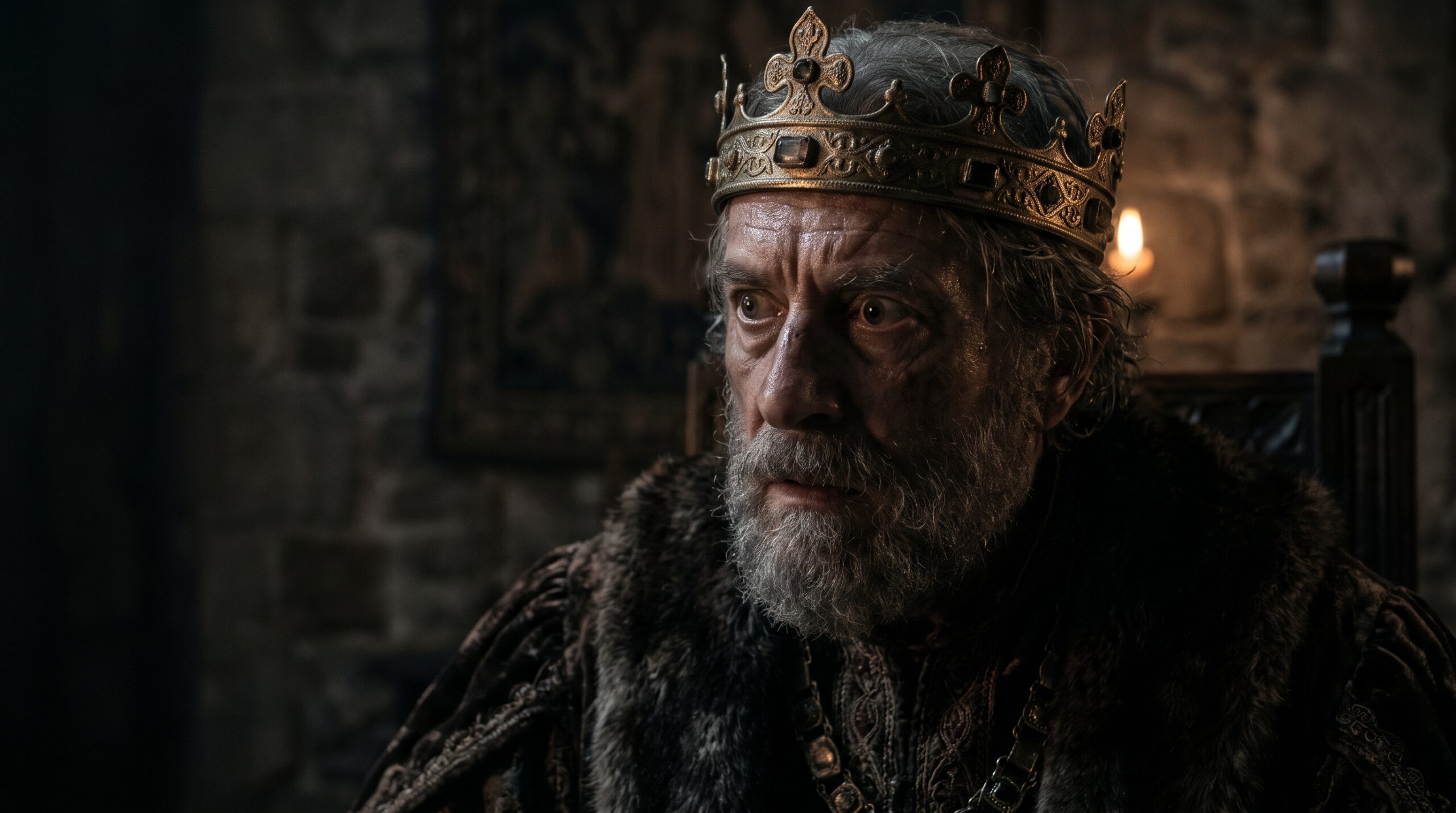
In dramatic structure, Act 3 is almost always the climax or major turning point. This scene perfectly exemplifies why.
Before this moment, the conflict was largely internal. Hamlet was battling his own melancholy, and Claudius was passively trying to gather information. However, Act 3, Scene 1 forces their hands. Because Hamlet makes a thinly veiled threat against Claudius’s life, the King realizes he can no longer sit back and watch. He immediately formulates the plot to send Hamlet to England, marking his shift from a passive observer to an active, deadly antagonist. The psychological chess match is over; the physical battle for survival has begun.
VIII. Frequently Asked Questions (FAQs)
What is the main point of Hamlet’s “To be, or not to be” speech? The main point is a philosophical debate on the value of life versus the peace of death. Hamlet questions whether it is more noble to endure life’s endless suffering or to take action to end it, ultimately concluding that the fear of the unknown afterlife is what forces humans to keep living.
Why is Ophelia reading a book when Hamlet finds her? Polonius gives Ophelia a devotional or prayer book to read so that her presence in the lobby alone seems natural and pious, rather than suspicious, while he and the King hide to eavesdrop.
Why does Claudius decide to send Hamlet to England? After overhearing the conversation with Ophelia, Claudius realizes Hamlet is not crazy for love. He senses a brooding danger in his nephew and fears for his own safety. Sending Hamlet to England is a political maneuver to remove the threat from the Danish court.
How does Act 3 Scene 1 connect to the overarching theme of surveillance in Elsinore? Elsinore is a court built on spying, paranoia, and deception. This scene highlights that theme perfectly, as the King and his chief advisor literally hide behind a tapestry to manipulate a young woman into baiting the prince. It proves to Hamlet that he is constantly being watched and has no allies left.
Act 3, Scene 1 of Hamlet perfectly encapsulates the dual nature of Shakespeare’s greatest tragedy. It gives audiences the highest peaks of introspective philosophy, immediately followed by the devastating lows of human cruelty and paranoia. By understanding the profound dread of the “undiscovered country” and the psychological warfare of the Nunnery scene, we unlock the true tragedy of the play: a brilliant mind trapped in a deeply corrupt world.
Whether you are analyzing the text for a university essay or preparing to perform the soliloquy on stage, mastering this scene is essential to mastering the Prince of Denmark himself.