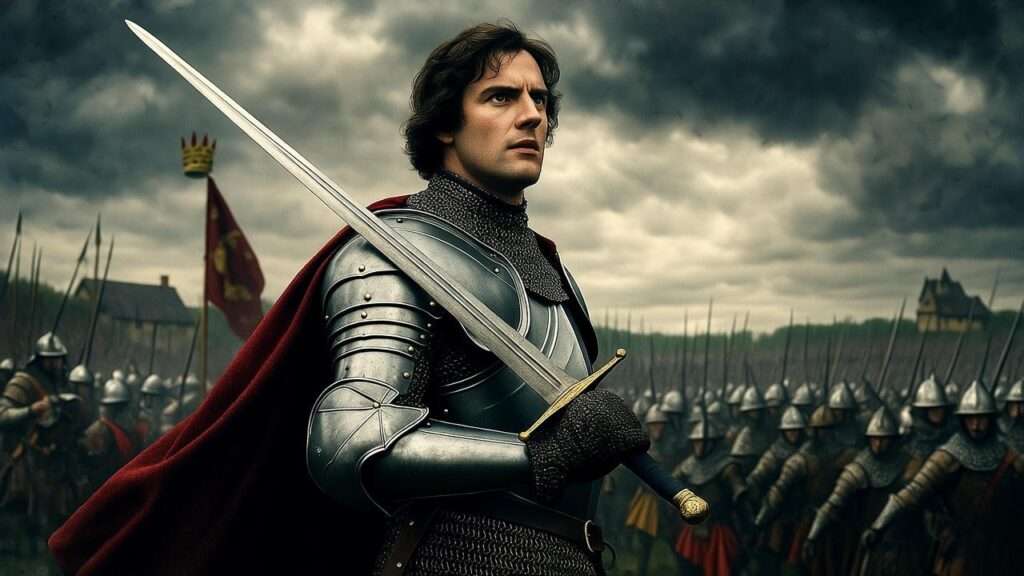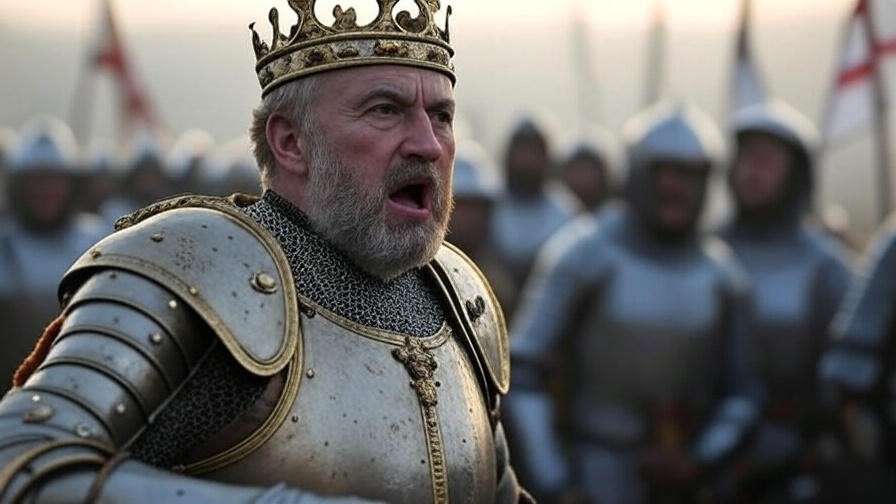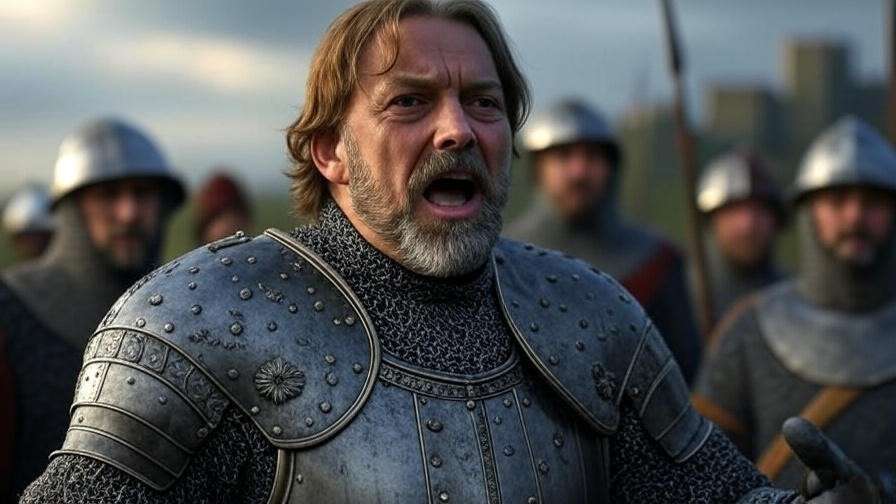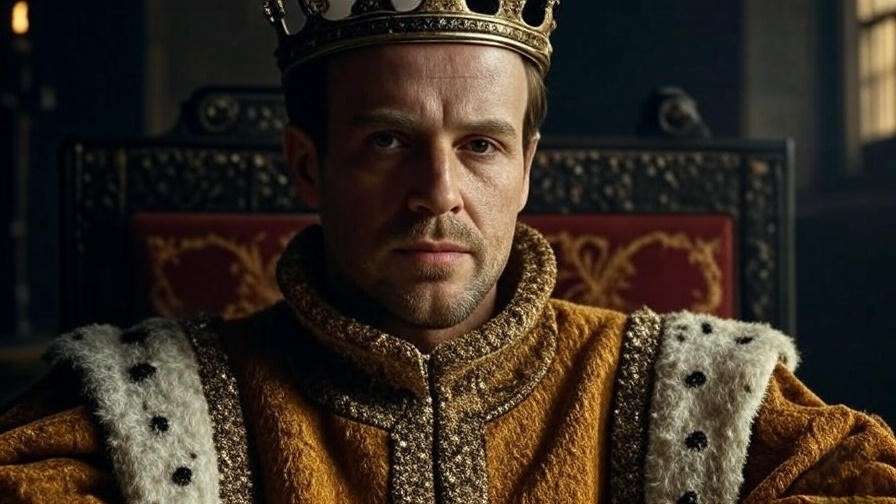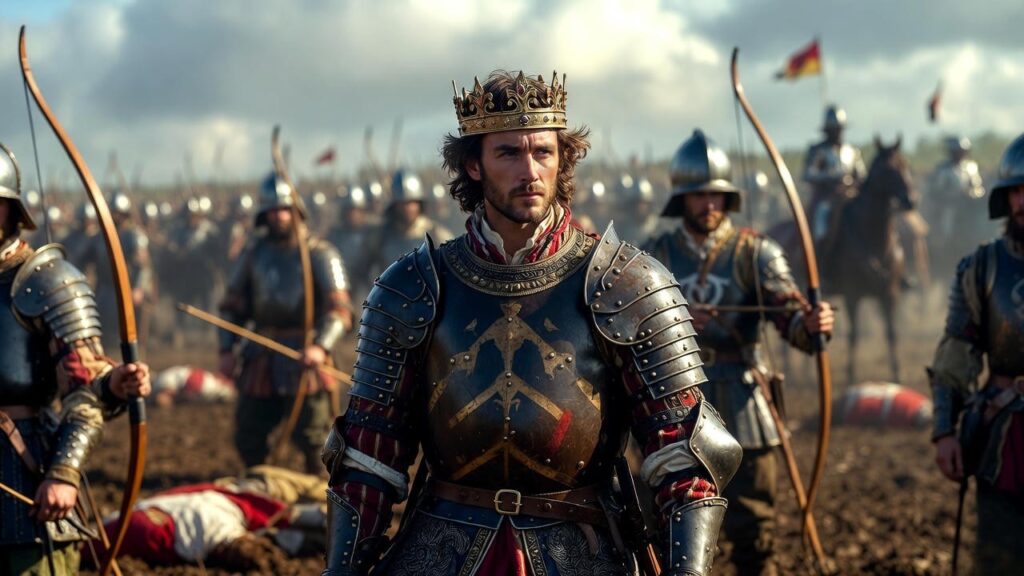

Picture the classic protector in modern media: the battle-worn holy warrior from your favorite RPG, or the fiercely protective television father who will tear the world apart to shield his child. We call this modern archetype the paladin dad—a guardian figure driven by a strict moral code, unwavering honor, and an intense, sometimes overbearing desire to shield their children from the dangers of a corrupt world. While pop culture treats this character as a contemporary invention, the truth is that William Shakespeare practically invented the trope over 400 years ago.
For modern readers, actors, and literature students, connecting with Shakespeare’s patriarchal figures can be notoriously difficult. Viewed through a 21st-century lens, characters like Prospero, Leonato, and Capulet often scan merely as patriarchal tyrants or unreasonable authoritarian figures. However, this one-dimensional reading strips away the rich psychological depth of the texts. By viewing these characters through the modern framework of the “paladin dad,” we can bridge the gap between Elizabethan sensibilities and contemporary character analysis, unlocking a deeper, more empathetic understanding of their complex—and often tragic—motivations.
What is a “Paladin Dad”? Bridging Modern Tropes and Classic Theater
To understand how this concept applies to Shakespearean literature, we first need to define the archetype.
The Gaming and Fantasy Origin
In tabletop role-playing games and fantasy literature, a “Paladin” is a holy warrior bound by a sacred oath. They are defined by their rigid alignment to lawful good, their protective auras, and their tendency to see the world in absolute black and white. When this character class evolved into a parenting trope—the “paladin dad”—it came to describe a father who treats parenting as a sacred crusade. He is deeply loving, but his love is heavily armored.
The Elizabethan Context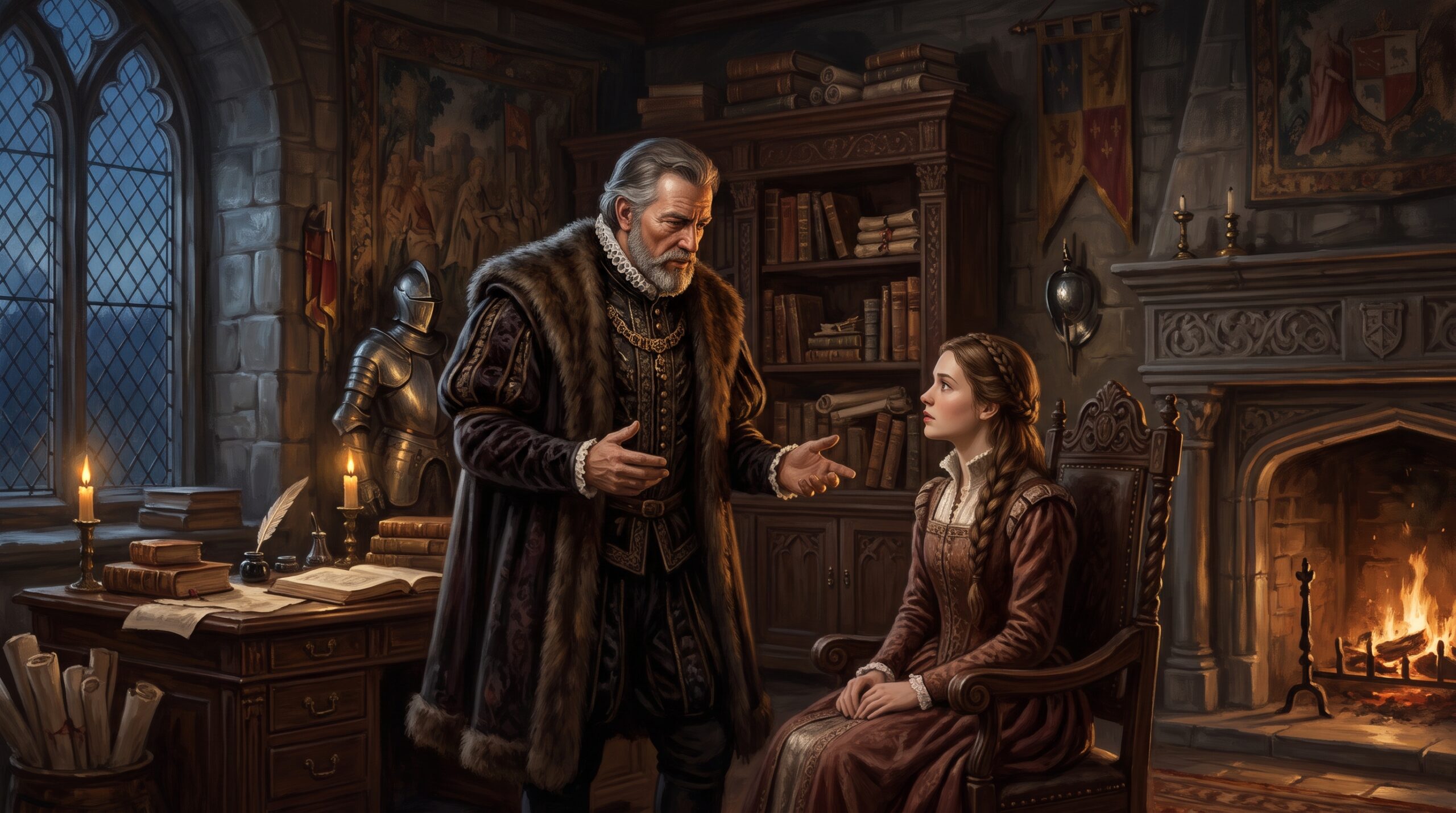
In Shakespearean and Jacobean England, the concept of a father’s duty was inextricably linked to legal, social, and spiritual obligations. Under the laws of coverture and societal expectations of the era, a father was legally responsible for his family’s standing and spiritually responsible for their moral purity. In this context, the overbearing nature of Shakespeare’s fathers wasn’t just a character flaw; it was a societal mandate. They were the designated paladins of their households, expected to defend their family’s honor against the encroaching chaos of the outside world.
Key Traits to Look For in the Text
When analyzing Shakespeare’s plays, a true paladin dad exhibits three distinct hallmarks:
-
Unshakeable Moral or Social Codes: They operate on a strict internal logic based on honor, virtue, or survival.
-
The “Us vs. The World” Mentality: They harbor a deep suspicion of the outside world, viewing external influences as direct threats to their child’s innocence.
-
The Tragic Flaw: Their ultimate downfall, or the source of the play’s central conflict, stems from confusing control with protection.
Prospero (The Tempest): The Magical Protector and Ultimate Paladin
If we are searching for the quintessential paladin dad in the Shakespearean canon, we must begin with Prospero from The Tempest. Exiled to a mystical island with his infant daughter, Miranda, Prospero’s entire existence is defined by his role as her guardian and his quest to restore their rightful place in the world.
Shielding Miranda from the World
Prospero takes the concept of the protective father to supernatural extremes. He uses his mastery of magic not just to command the elements, but as a literal shield to preserve Miranda’s innocence. For twelve years, he curates her reality, ensuring she remains untouched by the political betrayals of Milan. His magic acts as the ultimate paladin’s aura—a localized domain where his moral authority is absolute, and his daughter is kept pristine.
The Threat of Caliban
A paladin is often defined by how they respond to perceived evil. In The Tempest, the primary physical threat to Miranda’s purity is Caliban. Prospero’s reaction to Caliban’s attempted assault on Miranda is swift, brutal, and permanently punishing. He strips Caliban of his autonomy and reduces him to a slave, acting as the righteous judge, jury, and executioner. This reflects the darker side of the paladin archetype: an uncompromising, punishing wrath directed at anything that threatens their sacred charge.
The Fine Line Between Protection and Control
The central tension of Prospero’s character lies in his transition from protector to puppet master. He genuinely wants the best for Miranda, which eventually includes securing her future through a marriage to Ferdinand. However, he cannot simply let the romance blossom; he must micromanage it. He orchestrates their meeting, tests Ferdinand’s resolve through forced labor, and monitors their interactions. Prospero’s struggle to relinquish his magical control mirrors the universal struggle of the paladin dad learning to let his child face the world unarmored.
Expert Insight for Performers and Analysts: When approaching the role of Prospero, it is vital not to play him simply as a vengeful sorcerer. The core of his magic—and his anger—stems from a place of profound paternal terror. He lost his dukedom once because he failed to protect his borders; on the island, he overcompensates by fortifying everything. Playing Prospero as a “paladin dad” infuses his harsher actions with a desperate, underlying warmth and vulnerability.
Leonato (Much Ado About Nothing): Honor, Virtue, and the Righteous Defender
In the sun-drenched, politically charged world of Messina, reputation is the ultimate currency. Here, we meet Leonato, the Governor of Messina and the father of Hero. At first glance, Leonato appears to be a genial, welcoming host, but beneath this affable exterior beats the heart of a paladin dad whose moral code is strictly tied to societal honor.
The “Paladin” Code—When Reputation is Everything
For a Shakespearean patriarch like Leonato, a daughter’s virtue is not just a personal matter; it is the cornerstone of the family’s social survival. In the Elizabethan framework, a woman’s chastity was deeply intertwined with her father’s public standing. Leonato’s fierce love for Hero is genuine, but it is heavily armored by this societal code. He operates as the righteous defender of his household, ensuring that Hero’s arranged marriage to Claudio goes perfectly, viewing it as the ultimate fulfillment of his protective duty.
The Fall from Grace
The true test of the paladin dad archetype occurs when the established moral code is breached. In Act 4, Scene 1—the infamous wedding scene—Don John’s slanderous plot convinces the congregation that Hero is unchaste. Modern audiences are often horrified by Leonato’s reaction. Rather than defending his daughter against her accusers, he turns on her, wishing her dead.
Why does the protective father suddenly become the aggressor? Because the paladin’s oath has been compromised. Leonato’s rigid adherence to his society’s “code of honor” temporarily blinds him to his parental instincts. He believes the public evidence over his daughter’s private truth. His ensuing rage is not born of a lack of love, but of the catastrophic shattering of his worldview. He has failed in his duty to protect his house’s purity, and the resulting cognitive dissonance manifests as explosive grief and anger.
The Redemption Arc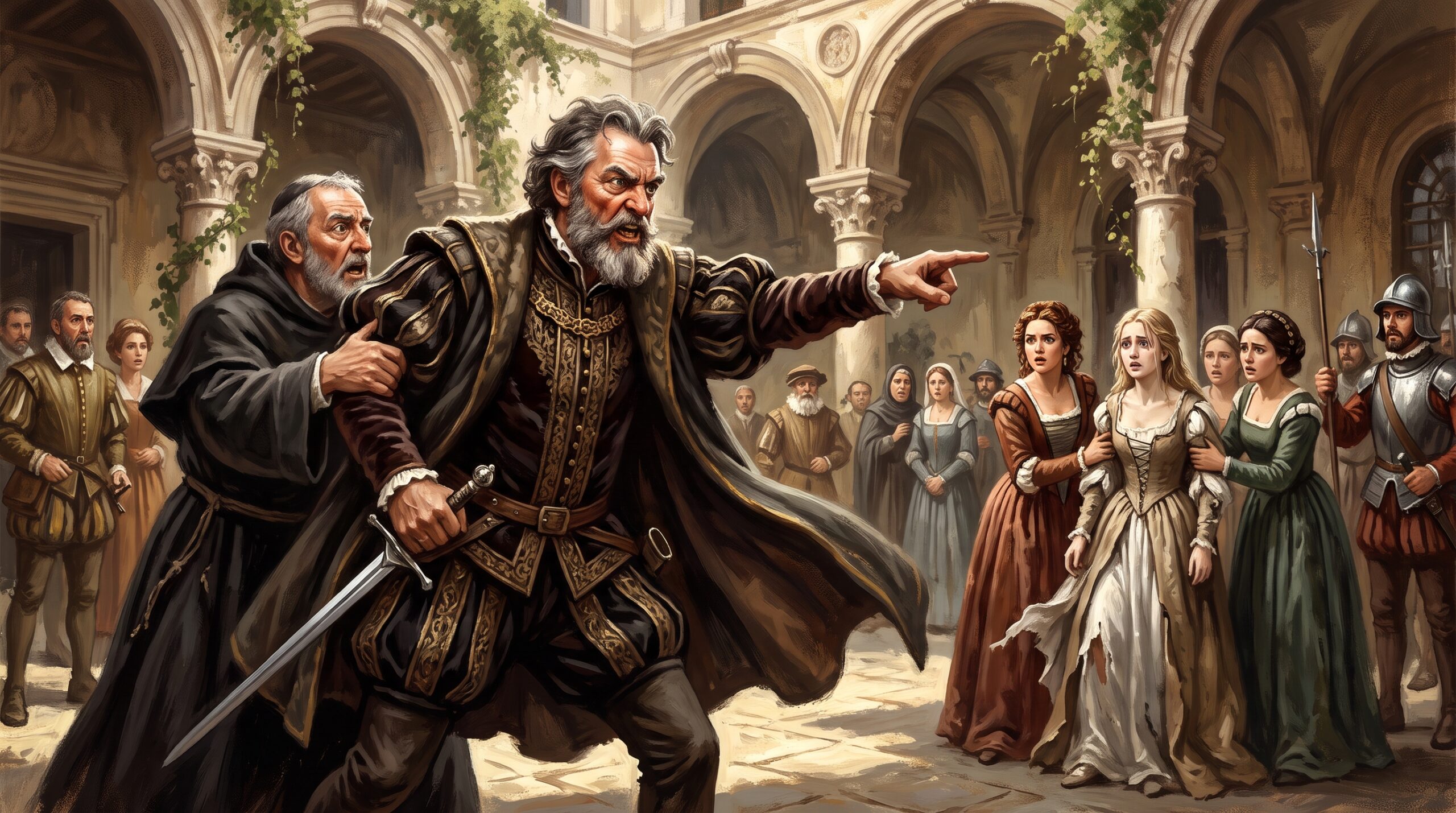
What cements Leonato’s status as a paladin dad, rather than a mere tyrant, is his redemption arc. Once the Friar hatches a plan and Leonato begins to realize Hero’s innocence, his protective instincts violently snap back into focus. He does not cower; he takes up arms. In Act 5, the aging governor literally challenges the young, war-hardened Claudio to a duel. He is willing to sacrifice his own life to restore his daughter’s name and avenge her perceived death. This willingness to physically fight for his child’s honor is the ultimate realization of the paladin’s vow.
Lord Capulet (Romeo and Juliet): The Misguided Guardian
Lord Capulet is perhaps the most misunderstood father in the Shakespearean canon. Frequently portrayed as a screaming, abusive dictator, this surface-level character analysis misses the desperate, protective engine driving his actions. To truly understand Capulet, we must view him as a paladin dad frantically trying to keep his family alive in a war zone.
Securing Juliet’s Future (A Father’s Crusade)
Verona is a city bleeding out from generational violence. The Capulet and Montague feud is claiming lives in the streets. When we first meet Capulet, he is actually remarkably progressive for an Elizabethan father. When Count Paris asks for Juliet’s hand, Capulet urges him to wait, noting she is not yet fourteen, and insists that Paris must win her heart (“My will to her consent is but a part”).
Capulet’s primary motivation is securing a safe, stable future for his only surviving child (he mentions the earth has swallowed all his other hopes). A marriage to Paris—a wealthy, powerful kinsman to the Prince—is his ultimate protection plan. It is a strategic alliance designed to pull Juliet out of the crossfire of the family feud.
When the Paladin Becomes the Tyrant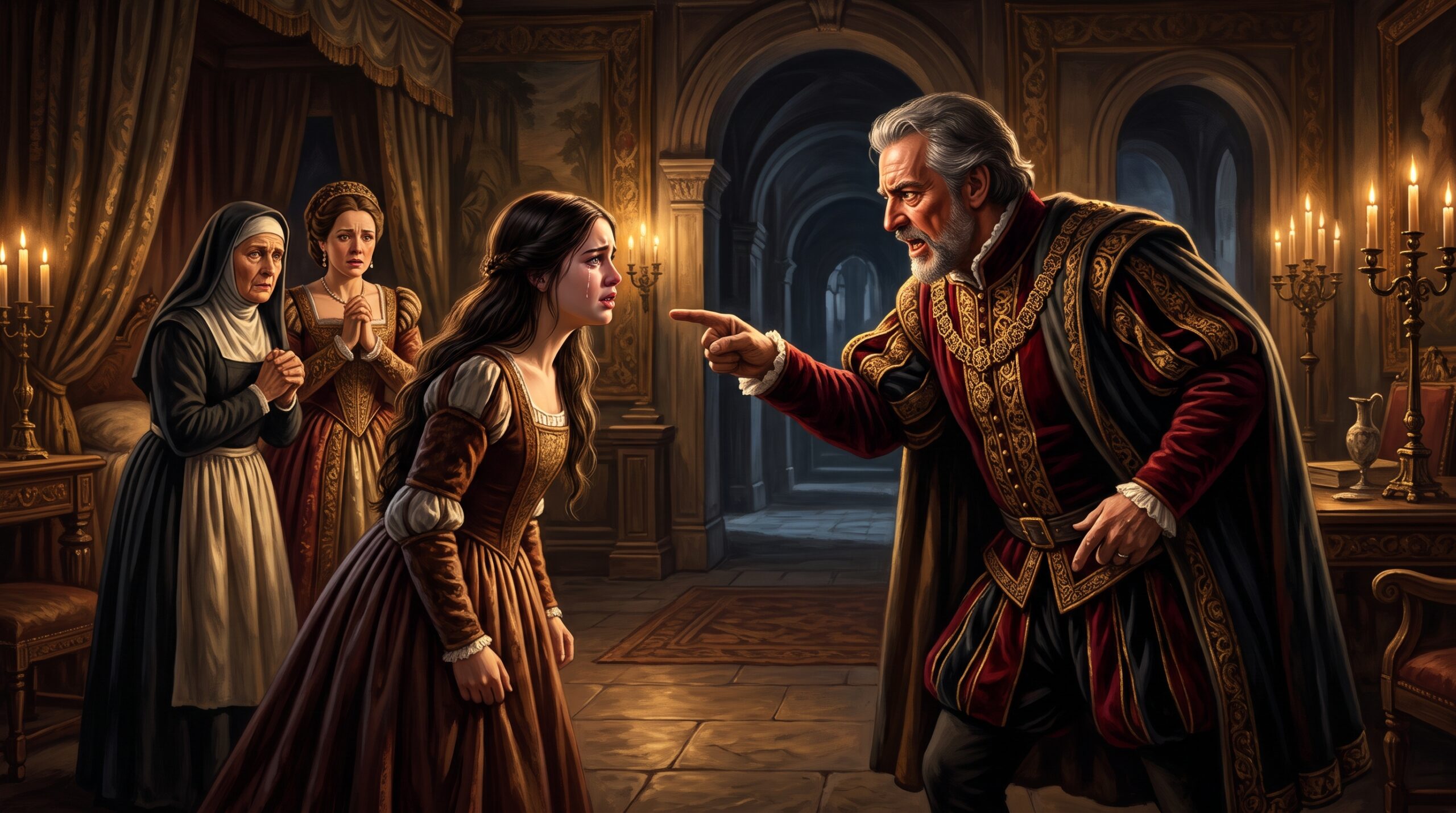
The tragic shift occurs in Act 3. Following the death of Tybalt, Capulet panics. Recognizing that the violence of Verona has breached his own family, he accelerates the marriage timeline, believing a wedding will bring joy to a grieving household and secure Juliet’s safety immediately.
When Juliet defies this plan in Act 3, Scene 5, Capulet explodes in a terrifying rage. Through the lens of the paladin dad, this is not just the anger of a disobeyed master; it is the sheer panic of a protector whose carefully constructed armor has been rejected by the person he is trying to save. He views her refusal not just as insolence, but as a suicidal rejection of the only lifeline available to her. The rigidity of his archetype prevents him from seeing why she is refusing; he only sees that his holy crusade to save her is failing.
Textual Evidence of the Protector’s Burden
Capulet’s dialogue reveals his twisted sense of guardianship. He screams, “Day, night, hour, tide, time, work, play, / Alone, in company, still my care hath been / To have her match’d.” This reveals the exhaustion of the paladin dad. He has spent every waking hour trying to secure her future, and her rejection of that effort breaks his sanity, turning the protective father into an unwitting architect of her tragedy.
Polonius (Hamlet): The Helicopter Paladin
If Prospero uses magic and Capulet uses arranged marriages, Polonius uses espionage and rhetoric. As the Lord Chamberlain to King Claudius, Polonius is a man who survives through cunning, observation, and political maneuvering. He brings this exact same toolkit to his parenting, functioning as the ultimate “helicopter paladin dad.“
Advice as Armor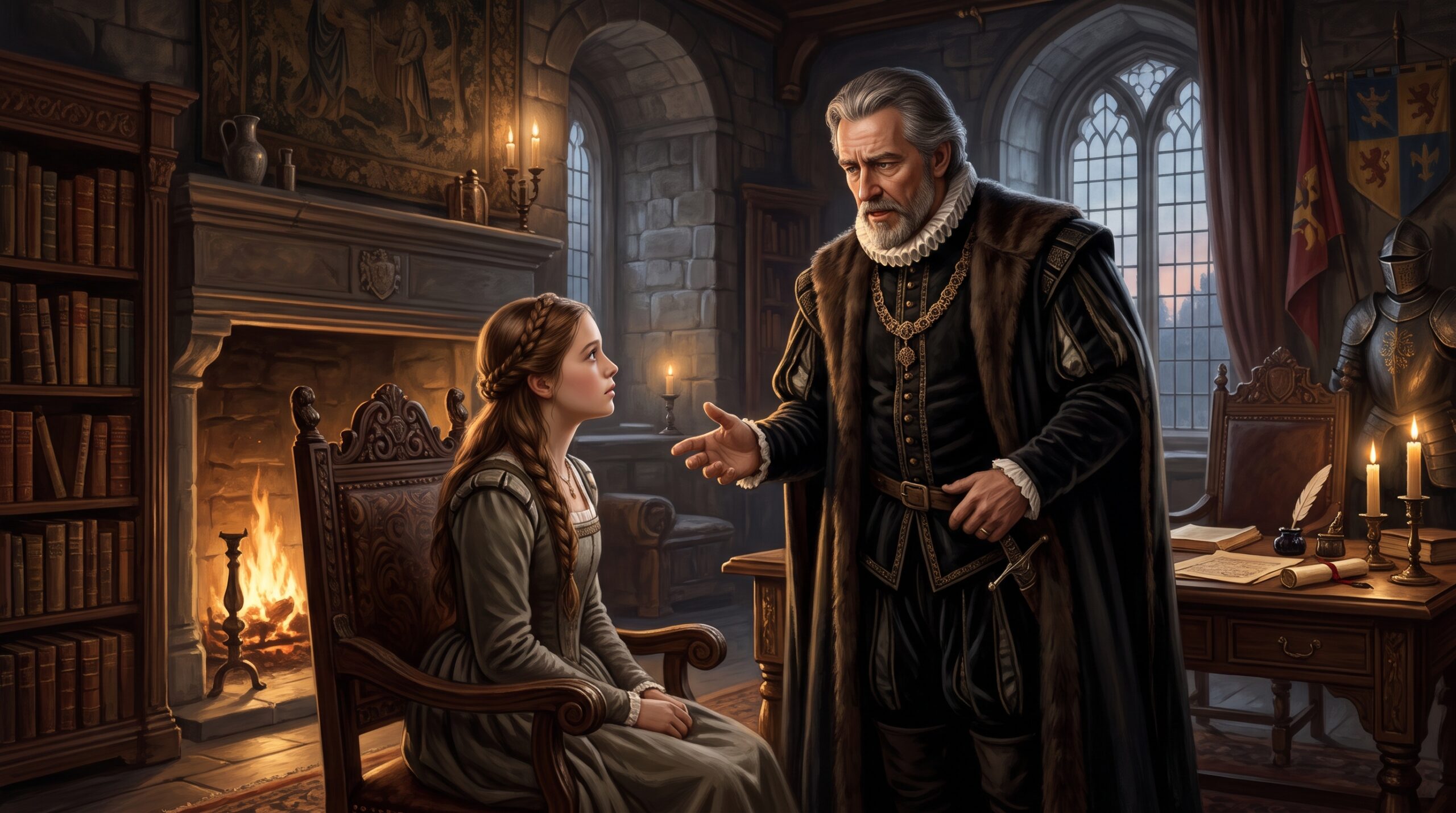
Polonius’s famous speech to his son, Laertes, in Act 1, Scene 3 (“Neither a borrower nor a lender be… This above all: to thine ownself be true”) is frequently played for laughs, framed as the rambling of a tedious old man. However, analyzing this through our modern archetype reveals a father desperately trying to armor his son with worldly wisdom before sending him into the dangers of Paris. To Polonius, words and maxims are literal shields.
Shielding Ophelia
Polonius’s relationship with Ophelia is far more restrictive and ultimately devastating. He is acutely aware of the dangerous political reality of Elsinore. When he discovers Hamlet has been courting Ophelia, Polonius immediately assumes the worst. He views the Prince’s affections not as genuine love, but as a predatory threat to his daughter’s virtue and his own political standing.
He commands Ophelia to lock herself away and return Hamlet’s letters. Polonius genuinely believes he is saving her from a manipulative, unhinged royal. His tragic flaw is his over-calculating nature; he treats his daughter like a pawn on a chessboard to protect the king, completely underestimating the emotional destruction this forced isolation will have on her. He is a paladin who successfully shields his daughter from a perceived physical threat, only to cause her psychological demise.
Compare and Contrast: The Paladin Dad Spectrum
To synthesize this literary analysis, let’s break down how these different patriarchal figures manifest the same core archetype through entirely different methodologies.
How Understanding the “Paladin Dad” Enhances Your Study and Performance
This framework isn’t just a clever modernization; it is a highly practical tool for engaging with classical texts.
For Students Writing Essays and Literary Analyses
Professors and graders read hundreds of essays detailing how Shakespearean men are oppressive. While true, this thesis is heavily saturated. By utilizing the “paladin dad” concept, you introduce a nuanced, SEO-friendly, and modern framework to your thesis. It allows you to explore the intersection of love and control, proving that these characters are dangerous precisely because they believe they are doing the right thing.
-
Actionable Tip: When writing your essay, use this framework to explore dramatic irony. The audience often sees how the father’s “protective” actions are actually sealing the child’s tragic fate, highlighting the inherent flaw in the paladin’s rigid worldview.
For Actors and Directors Enhancing Stage Performance
For theater practitioners, playing a one-note villain or a screaming tyrant is boring for both the actor and the audience. The paladin dad archetype gives actors a playable, positive objective: I must save my child at all costs.
-
Actionable Tip: If you are cast as Capulet, don’t play the anger in Act 3 as malice; play it as terrified panic. If you are playing Polonius, deliver your advice to Laertes not as a boring lecture, but as a desperate attempt to keep him alive. Anchoring your performance in fierce, misguided love makes the inevitable tragedy far more compelling and devastating to watch.
Frequently Asked Questions (FAQs)
Why are fathers so controlling in Shakespeare’s plays? During the Elizabethan and Jacobean eras, fathers operated under strict patriarchal laws and social customs. A father was legally and morally responsible for his family. Women had very little legal autonomy, meaning a daughter’s reputation and marriage prospects were directly tied to the father’s management. Shakespeare dramatized these extreme societal pressures, showing how the burden of total control often warped paternal love into tyranny.
Is King Lear considered a “paladin dad”? Generally, no. While King Lear is a famous Shakespearean father, his motivations differ fundamentally from the paladin archetype. A paladin dad’s toxic behavior is rooted in a misguided desire to protect the child. Lear’s actions in the opening act of his tragedy are driven almost entirely by ego, vanity, and a demand for performative adoration from Goneril, Regan, and Cordelia. He is less concerned with protecting his daughters than he is with being worshipped by them.
Who is the most protective father in Shakespeare? Prospero from The Tempest is widely considered the most protective father in Shakespeare’s canon. He utilizes his god-like magical abilities to completely isolate his daughter, Miranda, from the outside world for twelve years, orchestrating every aspect of her reality and romantic future to ensure she remains untainted by the political betrayals of his past.