

Paul’s letter to the Ephesians contains some of the most profound theology on grace, identity, and the church in the entire New Testament. Unpacking its riches is a deeply rewarding endeavor, but with hundreds of study resources available, choosing the right one can feel like navigating a theological minefield. If you are searching for the best 10 commentaries on ephesians, you are in exactly the right place.
Every year, pastors, seminary students, and dedicated lay readers waste money and valuable study time on commentaries that simply don’t fit their needs. You might purchase a highly recommended volume only to find it drowning in untranslated Greek syntax, making it far too dense and academic for weekly sermon prep. Conversely, you might buy a popular devotional book that completely lacks the exegetical depth necessary to answer your toughest textual questions. The frustration of buying the wrong study tool is a real problem that can derail your prep.
That is exactly why we created this ultimate buying guide. We have done the heavy lifting to thoroughly evaluate and rank the best 10 commentaries on ephesians available today. By comparing their theological stances, technical requirements, and practical applications side-by-side, this comprehensive guide will help you cut through the noise. Whether you are preparing a 12-week preaching series, writing an academic paper, or deepening your personal study, keep reading to confidently invest in the perfect resource for your library.
II. Buying Guide: How to Choose the Right Ephesians Commentary
Before diving into the reviews, it is crucial to understand that not all commentaries are built for the same audience. To make an informed buying decision and get the highest return on your investment, evaluate your needs against these three criteria:
-
Determine Your Technical Level: Commentaries range from highly technical (requiring a working knowledge of biblical Greek and Hebrew) to purely expositional (based entirely on the English text). If you cannot read Greek, avoid heavy technical volumes unless they explicitly translate original words.
-
Identify Your Purpose: Are you preparing a lengthy expository sermon series, writing an academic thesis, or looking for personal devotional reading? Sermon prep usually requires a blend of historical background and modern application, while academic papers demand rigorous linguistic exegesis.
-
Understand the Theological Stance: Every author brings a theological framework to the text. It helps to know whether a commentary is Reformed, Arminian, or Dispensational, as well as where the author stands on Pauline authorship (some critical scholars argue Paul did not write Ephesians, which drastically shifts how they interpret it).
III. Detailed Product Reviews: The Best 10 Commentaries on Ephesians
1. Ephesians: An Exegetical Commentary by Harold W. Hoehner
Product Description: Harold W. Hoehner’s magnum opus is a massive, 900-plus page evangelical masterpiece that is widely considered the gold standard for studying Ephesians. Hoehner spent over 30 years teaching and researching this epistle, and it shows on every page. He meticulously chases down every textual, linguistic, and historical issue, and provides one of the most robust defenses of Pauline authorship in modern scholarship. It is an exhaustive, encyclopedic resource that leaves absolutely no stone unturned.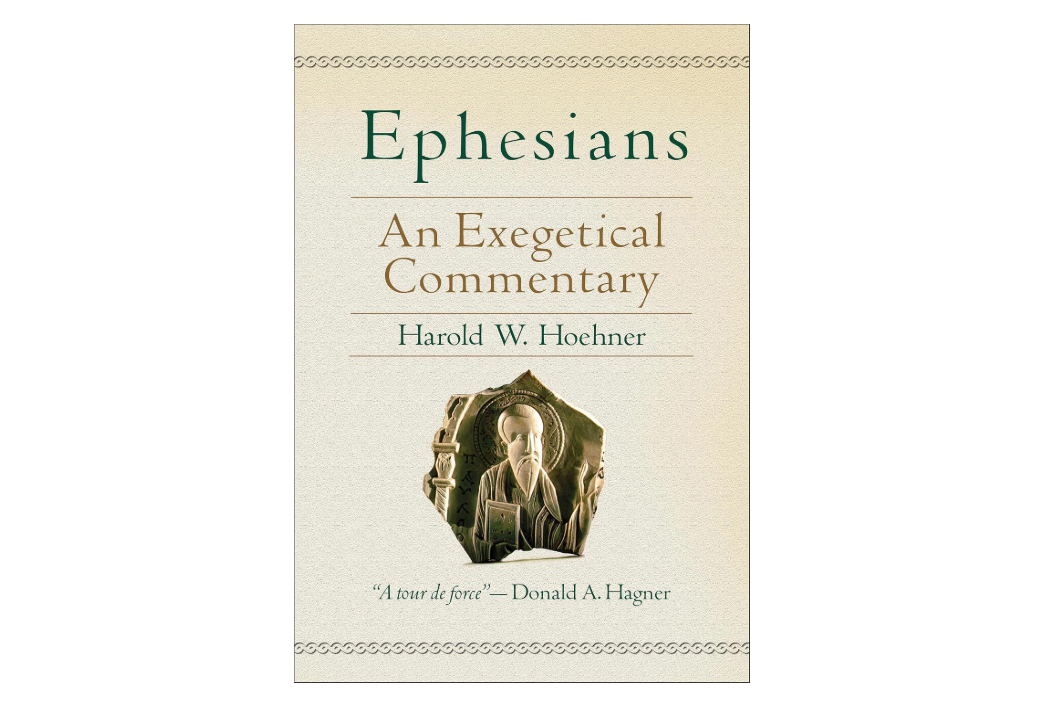
Price:
Key Features & Benefits:
-
In-depth verse-by-verse and word-by-word analysis.
-
Over 130 pages dedicated purely to the introduction, authorship, and historical background.
-
Original Greek text is provided alongside English translations.
-
Extensive bibliography for further academic research.
Pros and Cons:
-
Pros: Unsurpassed depth and detail; acts as the ultimate reference standard for conservative evangelical exegesis.
-
Cons: The sheer volume of information (and reliance on Greek syntax) can be overwhelmingly technical for casual readers or busy pastors looking for quick answers.
Amazon Ratings and Reviews: Typically rated 4.8 out of 5 stars. Reviewers consistently praise its encyclopedic nature, often quoting renowned scholar D.A. Carson, who labeled it a “best buy” for serious students.
Why it’s a Good Choice: If you only have the budget for one exhaustive reference book that will answer every conceivable grammatical and historical question about Ephesians, this is it. It prevents you from needing to buy multiple smaller technical commentaries.
Ideal Use Case: Seminary students, academic scholars, and pastors who are trained in biblical Greek and have the time to digest deep exegetical arguments.
2. Ephesians (Word Biblical Commentary, Vol. 42) by Andrew T. Lincoln
Product Description: Part of the heavily respected Word Biblical Commentary (WBC) series, Andrew T. Lincoln’s volume is a classic technical commentary that offers expert guidance through the flow of the letter. Lincoln emphasizes textual, literary, and structural evidence to uncover the meaning of the text. He is particularly brilliant at demonstrating how the theology of Ephesians connects to the broader scope of the New Testament.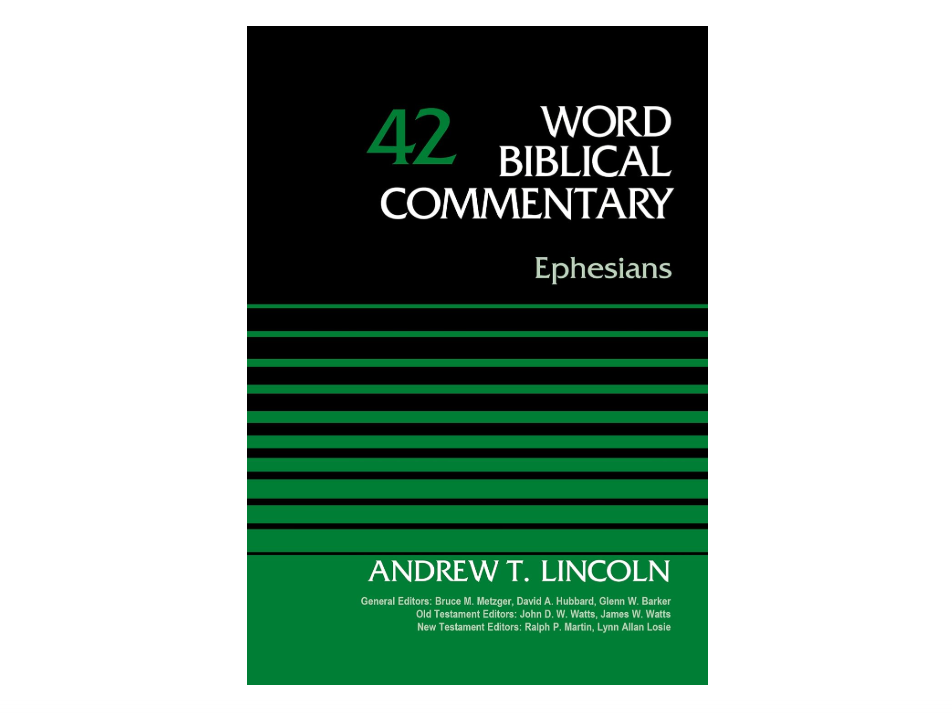
Price: $38.03
Key Features & Benefits:
-
Follows the signature WBC format: Bibliography, Translation, Notes, Form/Structure/Setting, Comment, and Explanation.
-
Exceptional “Explanation” sections that brilliantly synthesize the detailed exegesis into readable theology.
-
Thorough linguistic and structural analysis of the text.
Pros and Cons:
-
Pros: Masterful structural analysis; the “Explanation” sections are goldmines for understanding the forward thrust of the author’s thought.
-
Cons: Lincoln rejects Pauline authorship in favor of pseudonymity, which influences his interpretation and may frustrate conservative readers. The WBC layout can also feel disjointed to new users.
Amazon Ratings and Reviews: Typically rated 4.6 out of 5 stars. Users note that despite differing views on authorship, the exegetical insights are too valuable to ignore.
Why it’s a Good Choice: It delivers top-tier, critical biblical scholarship. Even if you disagree with his conclusions on authorship, Lincoln forces you to grapple with the text deeply, sharpening your own theological conclusions.
Ideal Use Case: Professional theologians, university students, and progressive or moderate pastors looking for rigorous critical scholarship.
3. The Letter to the Ephesians (Pillar New Testament Commentary) by Constantine R. Campbell
Product Description: A modern and highly accessible addition to the esteemed Pillar series, Constantine R. Campbell brings fresh scholarship and an extensive knowledge of the Greek language to Ephesians. Replacing an older volume in the series, Campbell’s work is characterized by its up-to-date engagement with current scholarship, exceptionally clear exposition, and a relentless focus on the intersection of deep theology and everyday pastoral practice.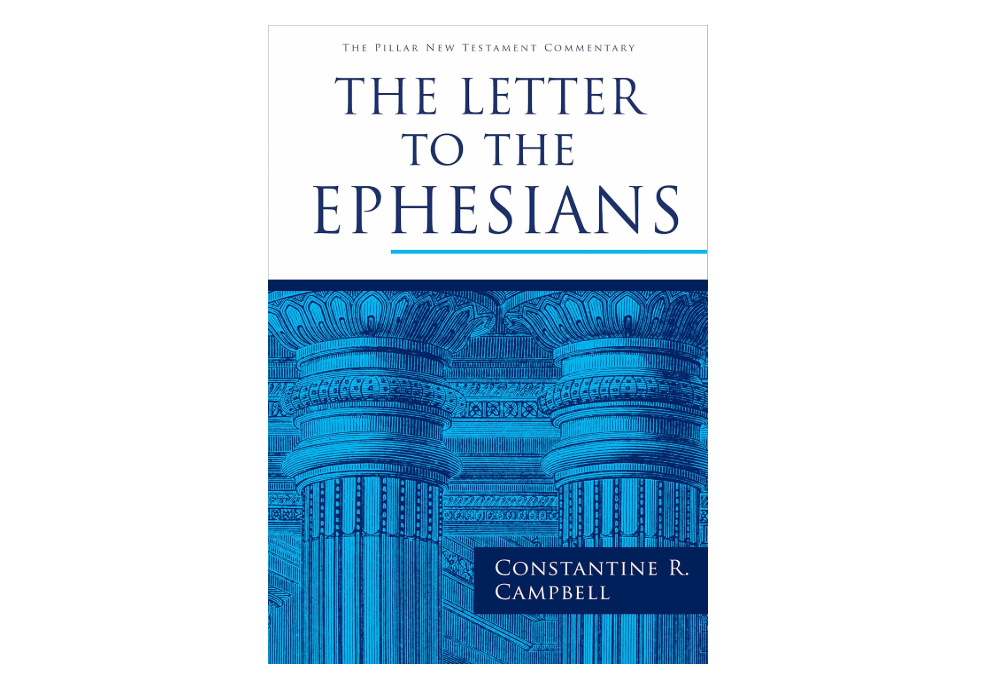
Price:
Key Features & Benefits:
-
Fresh, modern translation of the text by the author.
-
Updated historical context reflecting the latest archaeological and sociological findings.
-
A strong emphasis on the concept of “union with Christ,” a central theme in Ephesians.
Pros and Cons:
-
Pros: Strikes a nearly perfect balance between academic rigor and pastoral warmth; highly readable prose.
-
Cons: Being a newer release, it lacks the decades of established legacy of older, classic commentaries.
Amazon Ratings and Reviews: Typically rated 4.8 out of 5 stars. It frequently lands on top recommendation lists, including those from The Gospel Coalition, for its reliable and balanced approach.
Why it’s a Good Choice: It provides a safe, highly readable, and pastorally sensitive alternative to heavier academic tomes. It translates complex Greek concepts into easily digestible English without losing the profound weight of the text.
Ideal Use Case: Pastors, Bible teachers, and serious lay leaders looking for a reliable, mid-level pastoral commentary for sermon preparation.
4. Ephesians (Evangelical Exegetical Commentary) by S.M. Baugh
Product Description: S.M. Baugh’s contribution to the Evangelical Exegetical Commentary series is currently ranked by many experts as one of the best technical commentaries available on the market today. Baugh leverages his deep expertise in first-century Greco-Roman culture—specifically the culture of ancient Ephesus—to illuminate Paul’s arguments. He pairs this historical background with judicious, measured scholarship wrapped in surprisingly readable prose.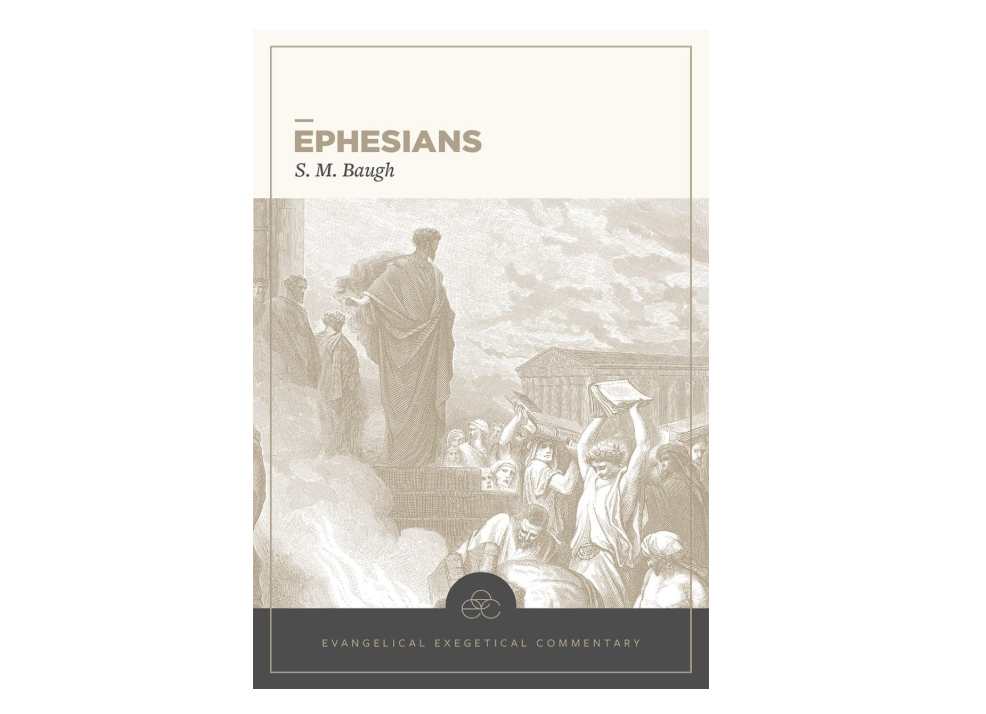
Price:
Key Features & Benefits:
-
Deeply rooted in a conservative evangelical framework.
-
Incredible engagement with First-Century historical context, especially regarding the Artemis cult and Ephesian magic.
-
Meticulous exegesis based on the original Greek.
Pros and Cons:
-
Pros: D.A. Carson explicitly calls it “unquestionably the best technical commentary on Ephesians.” The historical background provided is unparalleled.
-
Cons: It is heavily detailed and footnotes are extensive, requiring a serious commitment of time to read cover-to-cover.
Amazon Ratings and Reviews: Typically rated 4.9 out of 5 stars. Customers rave about how Baugh brings the ancient city of Ephesus to life, making the text feel incredibly relevant.
Why it’s a Good Choice: It successfully merges elite-level Greek scholarship with an accessible writing style. You get the academic depth of Hoehner but with a more engaging narrative flow and richer historical context.
Ideal Use Case: Expository preachers, academic scholars, and students studying the text in the original languages who want rich historical background.
5. Ephesians (Zondervan Exegetical Commentary on the New Testament) by Clinton E. Arnold
Product Description: Clinton E. Arnold’s commentary is an exceptional resource that excels at shedding light on the religious landscape of Asia Minor. Arnold is a recognized expert on ancient magic, spiritual warfare, and power dynamics in the first century, making him the perfect guide for Ephesians (which relies heavily on themes of spiritual forces and armor). The commentary uses a highly visual layout to trace the flow of Paul’s arguments.
Price:
Key Features & Benefits:
-
Graphical display of the text showing the exact flow of the argument.
-
Dedicated “Theology in Application” sections for every passage.
-
Unique, expert insights into spiritual warfare, the occult, and first-century Ephesian culture.
Pros and Cons:
-
Pros: The structural outlines (graphical displays) are incredibly helpful for outlining sermons; the background on spiritual warfare is brilliant.
-
Cons: The unique graphical layouts and structured format of the ZECNT series can be confusing for those not used to it.
Amazon Ratings and Reviews: Typically rated 4.8 out of 5 stars. Reviewers constantly highlight how the “Application” sections directly feed into their weekly sermons.
Why it’s a Good Choice: If you want to understand why Paul talked about principalities, powers, and the armor of God, Arnold provides the best cultural background. Furthermore, the format is practically tailored for sermon outlining.
Ideal Use Case: Preachers and teachers focused on historical context, structural outlining, and themes of spiritual warfare.
6. The Epistles to the Colossians, to Philemon, and to the Ephesians (NICNT) by F.F. Bruce
Product Description: F.F. Bruce is a titan of 20th-century biblical scholarship, and this trusted, classic work offers section-by-section commentary based on an in-depth study of the Greek texts. Published as part of the New International Commentary on the New Testament (NICNT), this volume is unique because it covers three epistles in one, allowing Bruce to draw brilliant parallels between the companion letters of Ephesians and Colossians.
Price:
Key Features & Benefits:
-
Covers three New Testament epistles in a single volume.
-
Strong emphasis on the geography and early church history of Asia Minor.
-
Translates complex Greek into elegant, readable English exposition.
Pros and Cons:
-
Pros: Incredible value for money (three books in one); bears all the hallmarks of Bruce’s legendary, balanced scholarship. Gets to the point quickly.
-
Cons: Represents an older generation of scholarship (published in 1984); it does not engage with more recent theological controversies or newer sociological perspectives.
Amazon Ratings and Reviews: Typically rated 4.7 out of 5 stars. Theologian Keith Mathison notes that “Bruce is always worth consulting,” a sentiment echoed by hundreds of positive customer reviews.
Why it’s a Good Choice: It is a foundational text that has stood the test of time. Bruce’s clear, authoritative exegesis provides a bedrock of traditional evangelical understanding that is essential for any theological library.
Ideal Use Case: Church elders, pastors, and serious students looking to build a core theological library with proven, classic scholarship.
7. The Letter to the Ephesians (NICNT) by Lynn H. Cohick
Product Description: Lynn H. Cohick’s volume is the newer replacement for Bruce in the NICNT series, offering a cogent exposition that brilliantly situates Paul within the Jewish and Greco-Roman world. Cohick brings a desperately needed modern sociological lens to the text, expertly navigating the complex cultural dynamics of the first century, particularly regarding the household codes, women, and slavery found in the latter half of the epistle.
Price:
Key Features & Benefits:
-
Expert analysis of first-century household codes (marriage, parenting, slavery).
-
Strong theological integration focusing on the church as a unified body.
-
Highly readable prose that bridges ancient history and modern issues.
Pros and Cons:
-
Pros: Superb, sensitive, and historically accurate handling of the often-controversial passages in Ephesians 5 and 6 regarding submission and household dynamics.
-
Cons: Because it replaces the beloved Bruce volume in the series, some traditionalists resist it, and it can occasionally feel heavily weighted toward sociological analysis.
Amazon Ratings and Reviews: Typically rated 4.8 out of 5 stars. Readers appreciate her ability to make the ancient cultural context feel vibrantly alive and highly relevant to modern cultural debates.
Why it’s a Good Choice: Cohick brings a fresh historical perspective to the practical application half of Ephesians (chapters 4-6) that many older commentaries lack. It is indispensable for preaching on marriage and family today.
Ideal Use Case: Modern expositors, students, and counselors looking for cultural clarity on the practical and relational commands in Ephesians.
8. Ephesians (Baker Exegetical Commentary on the New Testament) by Frank S. Thielman
Product Description: Frank S. Thielman provides a Reformed, highly accessible technical commentary that excels in tracing Paul’s theology of the Law and his use of the Old Testament. Published in the user-friendly Baker Exegetical (BECNT) format, Thielman manages to offer deep interaction with the Greek text without losing sight of the broader redemptive-historical narrative of the Bible.
Price: $34.99
Key Features & Benefits:
-
In-depth interaction with the Greek text, yet Greek words are transliterated and explained for non-Greek readers.
-
Strong redemptive-historical focus, tracing Old Testament quotes and allusions.
-
Excellent, clean layout with helpful chapter summaries.
Pros and Cons:
-
Pros: It is remarkably accessible for a technical commentary. Thielman’s tone is irenic, and his logic is always easy to follow.
-
Cons: While accessible, it still requires a basic understanding of theological concepts to get the absolute most out of it; heavily leans into Reformed theology, which may deter some readers.
Amazon Ratings and Reviews: Typically rated 4.8 out of 5 stars. D.A. Carson highly recommends it, and Amazon reviewers frequently praise the BECNT format for being easy on the eyes during long study sessions.
Why it’s a Good Choice: It provides a rigorous, scholarly Reformed perspective without being bogged down in unnecessarily dense academic jargon. The layout is designed specifically for ease of use.
Ideal Use Case: Reformed pastors, scholars, and seminary students looking for a user-friendly technical commentary.
9. Ephesians (NIV Application Commentary) by Klyne Snodgrass
Product Description: Klyne Snodgrass focuses heavily on bridging the ancient context with modern application. While many commentaries tell you what the text meant then, the NIV Application Commentary series is designed specifically to tell you what the text means now. Snodgrass highlights what it means to be fundamentally changed and seated with Christ in the heavenly realms, translating high theology into everyday living.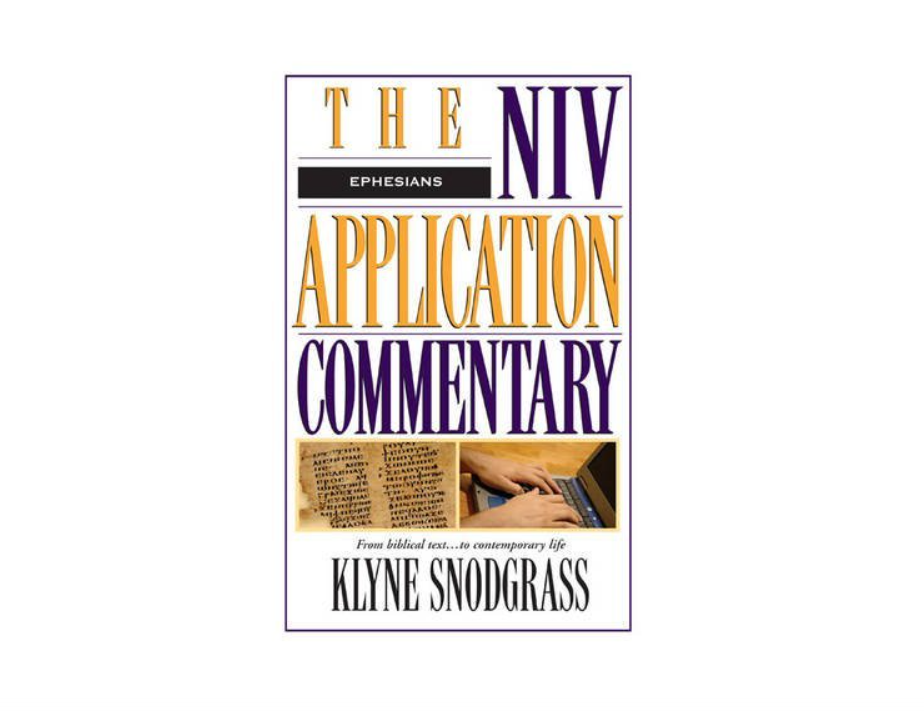
Price:
Key Features & Benefits:
-
Every passage is divided into three sections: Original Meaning, Bridging Contexts, and Contemporary Significance.
-
Provides culturally relevant examples and modern analogies.
-
Focuses on the corporate nature of the church and believer identity.
Pros and Cons:
-
Pros: Easily the best commentary on the market for actionable, contemporary sermon application and small group discussion.
-
Cons: Skips heavy Greek exegesis; some readers may disagree with his specific Arminian theological leanings or his strong pitch for corporate election over individual election.
Amazon Ratings and Reviews: Typically rated 4.7 out of 5 stars. Pastors frequently review this book stating it is the first one they pull off the shelf on Saturday night when they are stuck on how to apply a text.
Why it’s a Good Choice: It solves the preacher’s hardest problem: application. If you have the exegesis done but don’t know how to make it matter to a modern congregation, Snodgrass connects the dots brilliantly.
Ideal Use Case: Busy pastors, small group leaders, and Sunday school teachers focused on practical application.
10. The Message of Ephesians (The Bible Speaks Today) by John R.W. Stott
Product Description: John R.W. Stott was one of the most gifted Bible communicators of the last century, and this volume is a classic, beloved non-technical exposition. It brings the text of Ephesians to life for the everyday believer. Stott doesn’t just dissect the text; he preaches it to the reader’s heart, emphasizing the unsearchable riches of Christ and the breathtaking unity of the church.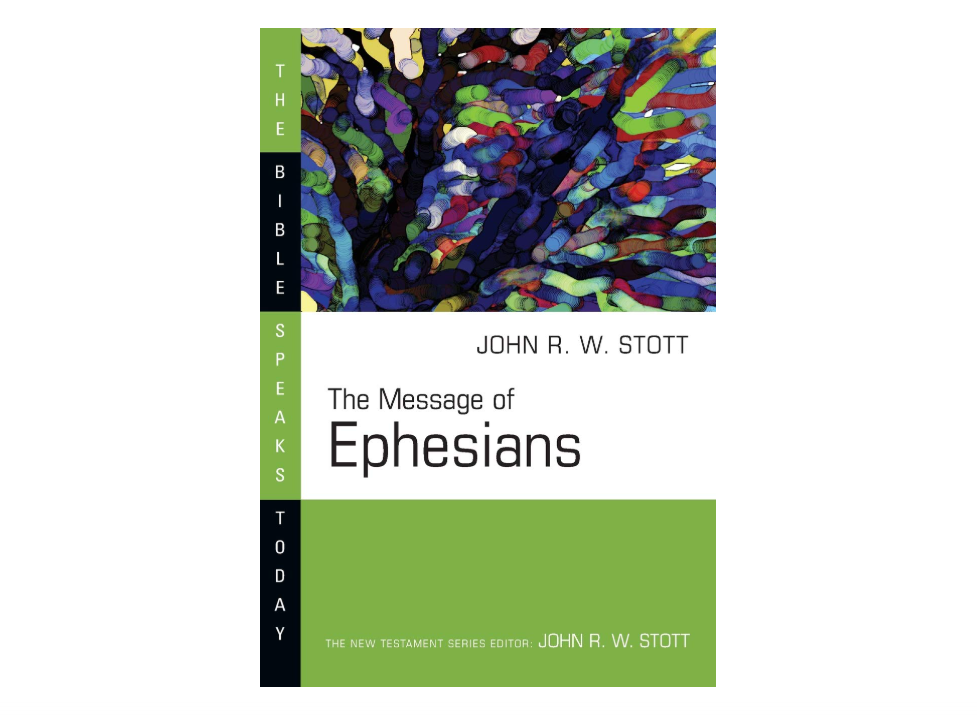
Price:
Key Features & Benefits:
-
Immensely pastoral warmth and deep reverence for the text.
-
Incredibly clear, memorable, and highly preach-able outlines.
-
Short, readable chapters suitable for daily devotions.
Pros and Cons:
-
Pros: Universally praised as the best commentary for the general reader; Stott’s prose is beautiful and heart-stirring.
-
Cons: It is not suitable for academic research, deep linguistic study, or resolving highly technical debates regarding Greek syntax.
Amazon Ratings and Reviews: Typically rated 4.9 out of 5 stars. It has thousands of ratings, with readers calling it life-changing, accessible, and spiritually nourishing.
Why it’s a Good Choice: Stott’s ability to distill complex Pauline theology into beautiful, heart-stirring English is unmatched. It is affordable, inspiring, and requires no prior theological training to understand.
Ideal Use Case: General readers, daily devotional study, lay teachers, and pastors looking for inspiration and clean outlines.
IV. Summary Comparison Table
For a quick overview to help you make your final buying decision, we’ve organized our top recommendations in this mobile-friendly, three-column comparison table.
| Commentary (Author) | Best For (Target Audience) | Standout Feature |
| Hoehner (Exegetical) | Scholars & Greek Students | Unmatched encyclopedic depth |
| Lincoln (WBC) | Academics & Theologians | Masterful structural analysis |
| Campbell (Pillar) | Pastors & Bible Teachers | Balance of rigor & pastoral tone |
| Baugh (EEC) | Expository Preachers | Rich first-century historical context |
| Arnold (ZECNT) | Preachers & Teachers | Graphical layout & spiritual warfare insights |
| Bruce (NICNT) | Core Library Builders | 3-in-1 value with classic scholarship |
| Cohick (NICNT) | Modern Expositors | Sociological clarity on household codes |
| Thielman (BECNT) | Reformed Pastors | User-friendly technical layout |
| Snodgrass (NIVAC) | Small Group Leaders | Exceptional modern application |
| Stott (BST) | Devotions & Lay Leaders | Beautiful, heart-stirring prose |
V. Final Verdict
Choosing from the best 10 commentaries on ephesians ultimately comes down to your personal study goals, theological background, and technical abilities.
-
Best Overall for Pastors: We highly recommend Constantine R. Campbell (Pillar) or Clinton E. Arnold (ZECNT). Both commentaries offer the perfect blend of rigorous scholarship, historical context, and pastoral insight without drowning the reader in overly dense jargon.
-
Best for Deep Exegesis: If you are tackling the original Greek and want no stone left unturned, Harold W. Hoehner and S.M. Baugh (EEC) are unparalleled in their exhaustive detail.
-
Best for Lay Leaders & Devotions: For those who want their hearts stirred as much as their minds, you simply cannot beat the classic warmth of John R.W. Stott (BST).
Ready to start your study? Evaluate your specific needs based on this guide, and click through to Amazon using the links provided to secure the commentary that will best equip your journey through the unsearchable riches of Ephesians!