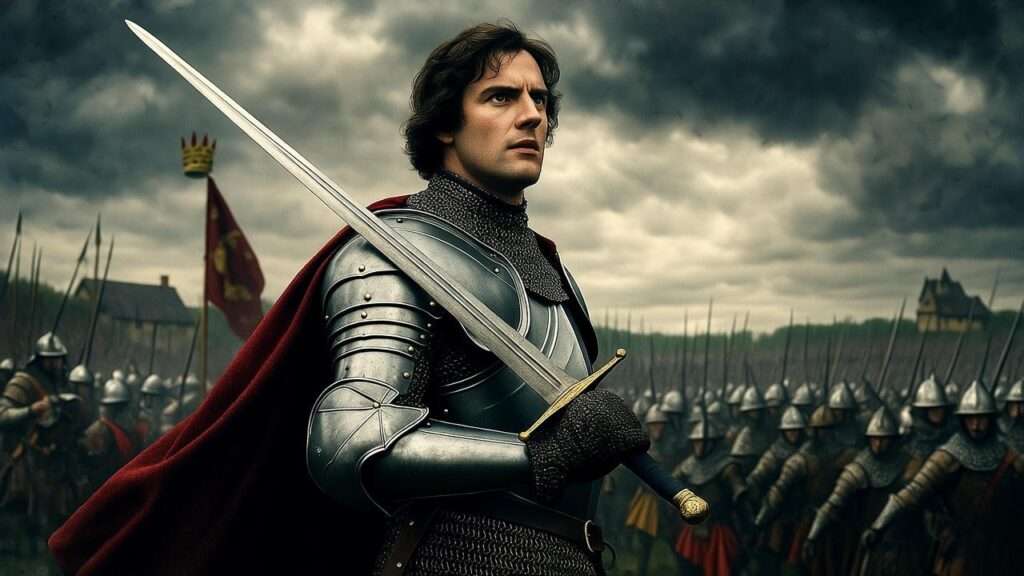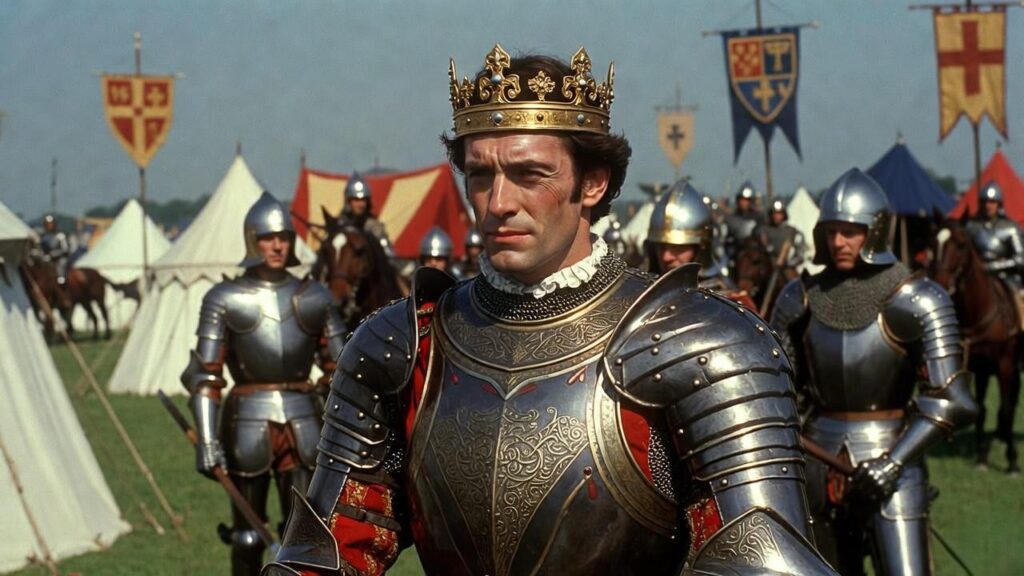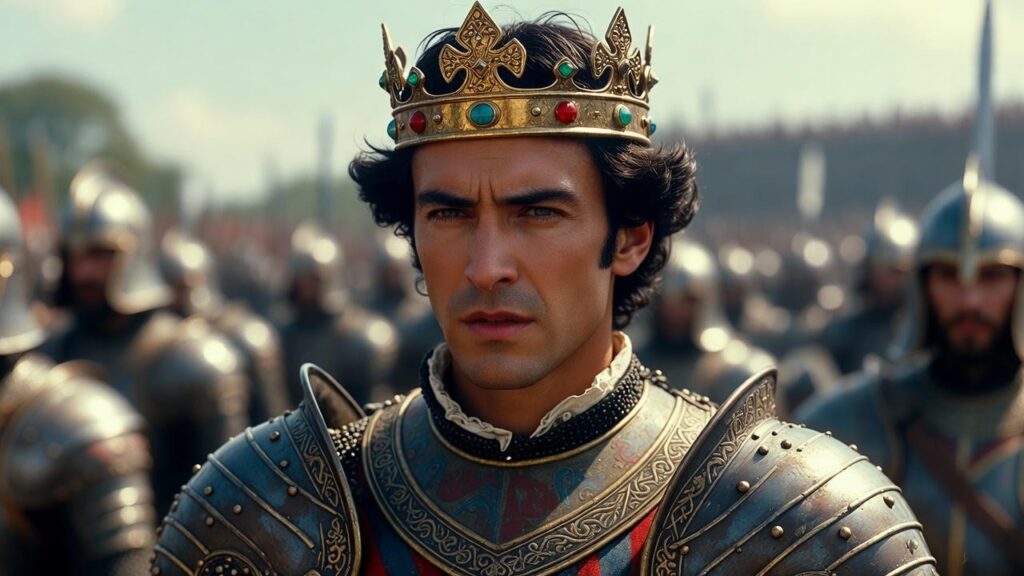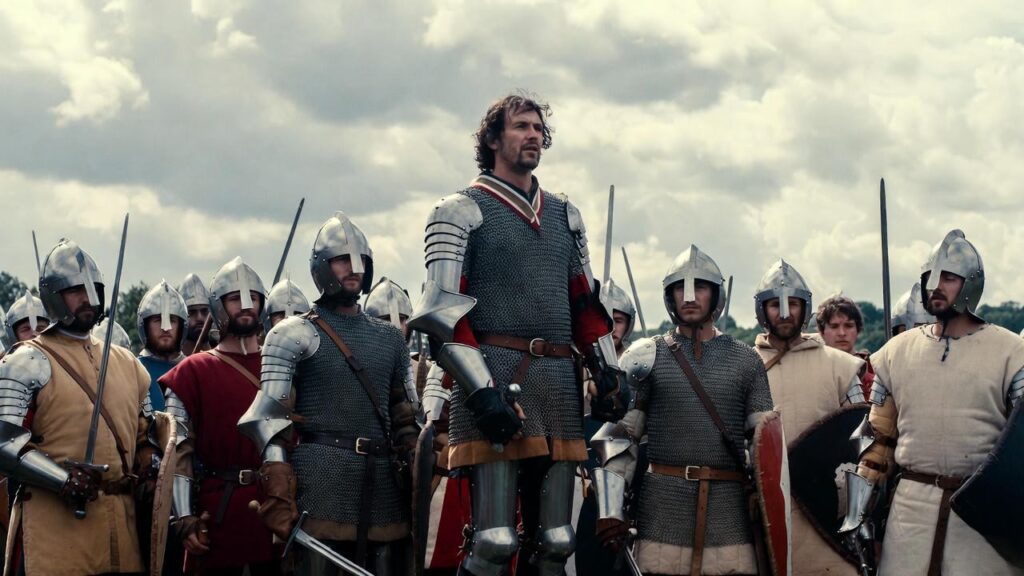
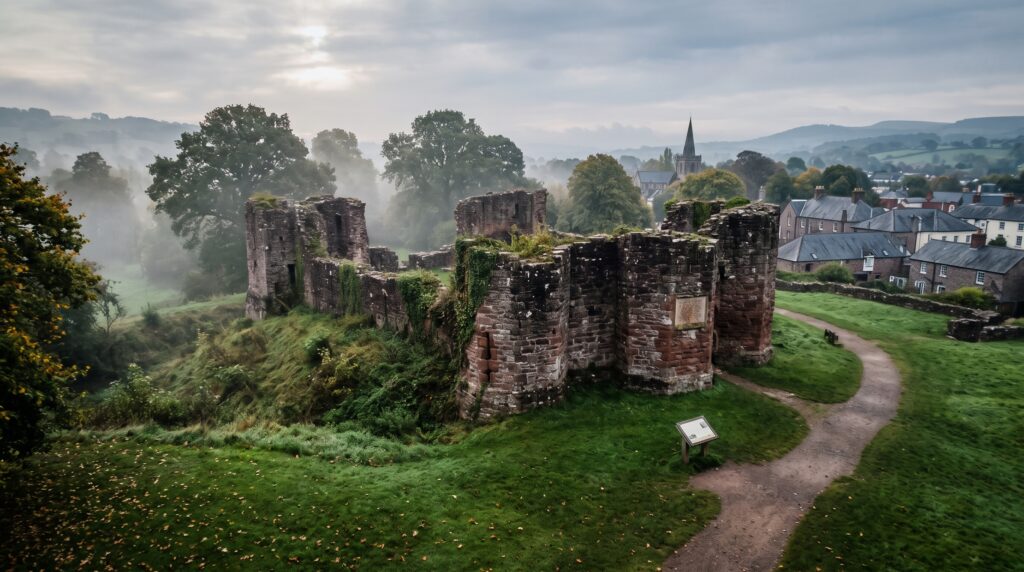
Nestled within the breathtaking beauty of the Wye Valley, the modern landscape of Monmouthshire offers a tranquil escape, dotted with striking historical properties and rolling green hills. Yet, beneath the serene surface of these legacy estates monmouth lies a tumultuous, royal medieval past that forever altered the course of English history and literature. For many exploring the region’s heritage, tourism, or property markets, the deep literary soil they stand upon remains an untold story. This landscape is the exact birthplace of King Henry V, a monarch famously immortalized by William Shakespeare as “Harry of Monmouth.”
This comprehensive guide bridges the gap between the quiet elegance of the modern Welsh borders and the region’s most legendary son. We will explore the historical realities of Henry V’s birth at Monmouth Castle, analyze how Shakespeare transformed a local prince into a global theatrical icon, and reveal how this rich 15th-century heritage continues to define the cultural and historical allure of the region today.
Who Was Harry of Monmouth?
Why is King Henry V called Harry of Monmouth? King Henry V is known as “Harry of Monmouth” because he was born at Monmouth Castle in Wales on September 16, 1386. William Shakespeare famously popularized this moniker in his historical plays, forever linking the English monarch to this Welsh border town. By consistently using this regional title, Shakespeare anchored the legendary King’s identity to his rural Welsh birthplace long before his historic victory at the Battle of Agincourt.
The Birth of a Legend: Monmouth Castle and the Welsh Borders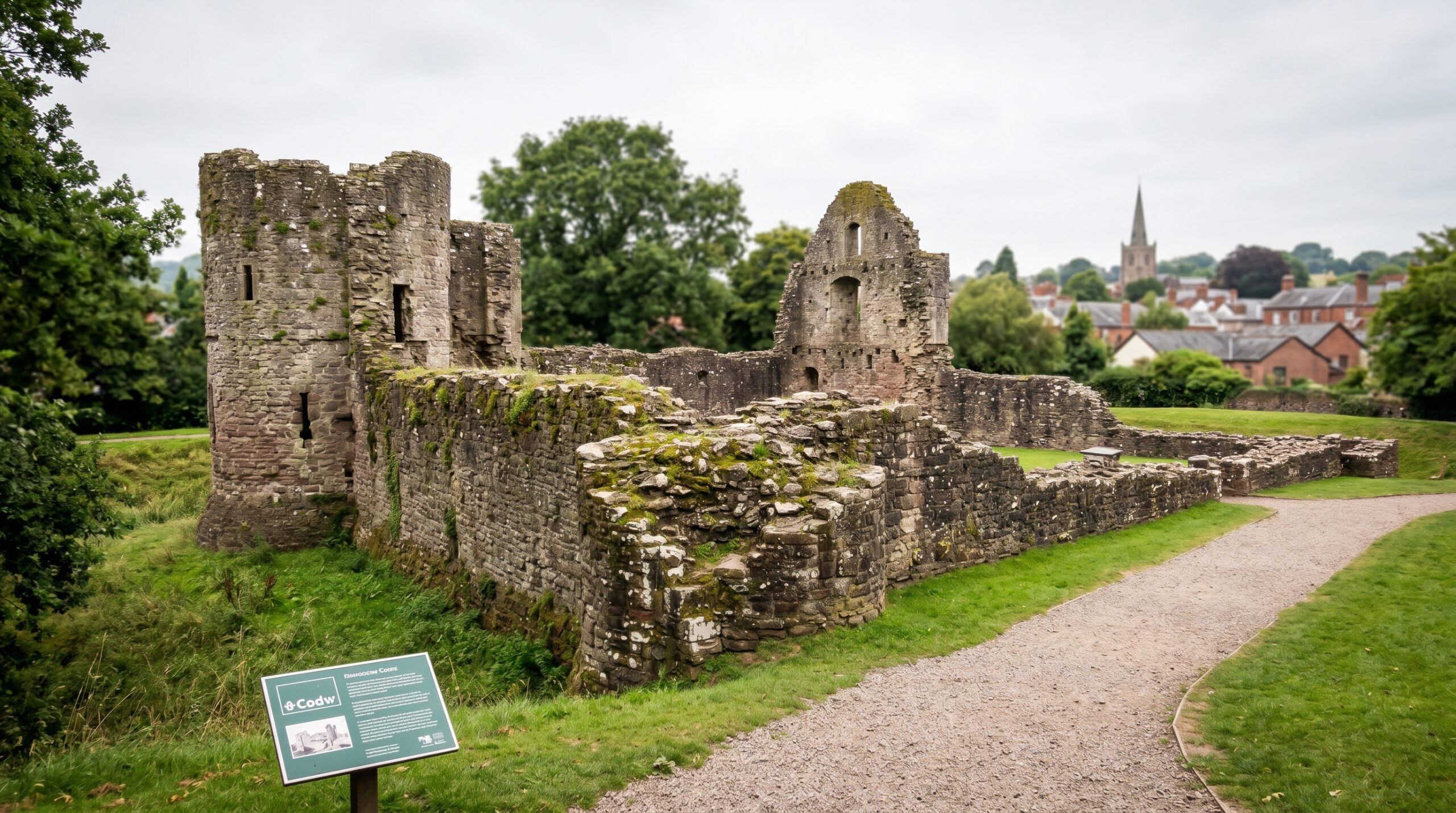
To understand the literature, one must first uncover the stones of history. Long before the region became known for peaceful country living, Monmouth was a heavily fortified frontier.
The Historical Reality of 1386
During the late 14th century, the Welsh Marches—the borderlands between England and Wales—were a volatile region defined by power struggles, military campaigns, and imposing stone fortresses. Monmouth Castle stood as a vital strategic stronghold overlooking the River Wye and the River Monnow. It was within these formidable walls on September 16, 1386, that Mary de Bohun, the young wife of Henry Bolingbroke (who would later usurp the throne to become King Henry IV), gave birth to a son.
At the time of his birth, young Henry was not in the direct line of succession. He was merely the grandson of John of Gaunt, destined for a life of nobility but not necessarily the crown. The atmosphere of his birth was not one of immediate royal pageantry, but of localized noble power. The castle, now a picturesque ruin surrounded by modern development, was a bustling epicenter of medieval administration and military readiness.
Growing Up on the Marches
The geography of Monmouthshire did more than just provide a birthplace; it fundamentally shaped the future king’s military mind. When his father seized the throne in 1399, young “Harry” was abruptly elevated to Prince of Wales. He did not spend his youth lounging in London palaces. Instead, he was sent back to the rugged Welsh borders to suppress the massive rebellion led by the fiercely patriotic Welsh leader, Owain Glyndŵr.
Historical consensus notes that Henry’s time commanding troops in the Welsh mountains was his true crucible. He learned the harsh realities of siege warfare, supply chain logistics, and guerilla combat. At the Battle of Shrewsbury in 1403, a sixteen-year-old Henry took an arrow to the face, a horrific injury that he miraculously survived thanks to the pioneering surgery of John Bradmore. The boy who emerged from the Welsh borders was not a pampered prince, but a battle-hardened veteran.
Shakespeare’s “Harry”: From Tavern Knave to Warrior King
When William Shakespeare turned to the chronicles of English history to write his tetralogy of plays (frequently called the Henriad), he faced a dramatic challenge. A king who was highly competent and uniformly successful from his teenage years makes for a rather flat theatrical narrative. Shakespeare needed an arc, a hero’s journey. To achieve this, he fundamentally altered the timeline and character of the boy from Monmouth.
Prince Hal and the Eastcheap Tavern (Henry IV, Parts 1 & 2)
In Henry IV, Part 1 and Part 2, Shakespeare introduces audiences to “Prince Hal”—a rebellious, wayward youth who actively shuns his royal duties. Instead of fighting in the Welsh hills, Shakespeare’s Hal spends his days drinking in the dingy taverns of Eastcheap, London, surrounded by a cast of rogues, petty thieves, and the magnificently gluttonous fictional knight, Sir John Falstaff.
This brilliant literary invention creates a stark contrast between Hal’s royal birthright and his chosen companions. The “Harry of Monmouth” in the plays uses his tavern days as a calculated political strategy. By lowering the public’s expectations of him, his eventual transformation into a noble king will seem all the more miraculous. It is a masterful stroke of character development, though completely divorced from the historical reality of the teenage prince fighting for his life against Welsh insurgents.
“The Star of England” (Henry V)
The culmination of Shakespeare’s historical epic occurs in Henry V, where the tavern knave completes his metamorphosis into the ultimate warrior king. It is in this play that the moniker “Harry of Monmouth” is utilized to its greatest dramatic effect.
Shakespeare masterfully leverages Henry’s birthplace to humanize the king, particularly during the grueling Agincourt campaign. In one of the play’s most memorable interludes, Henry converses with Fluellen, a fiercely proud and comically pedantic Welsh captain. When Fluellen speaks of the military glory of Edward the Black Prince and his Welsh troops, Henry replies warmly, “For I am Welsh, you know, good countryman.”
Through these interactions, Shakespeare’s Harry claims his Monmouth heritage not as a distant royal footnote, but as a badge of gritty authenticity. He is a king capable of delivering the soaring, aristocratic rhetoric of the St. Crispin’s Day speech (“We few, we happy few, we band of brothers”), while remaining deeply grounded in the soil of his birth. Shakespeare transformed the Welsh border town into a symbol of common humanity within an anointed monarch.
The Heritage of Legacy Estates Monmouth Today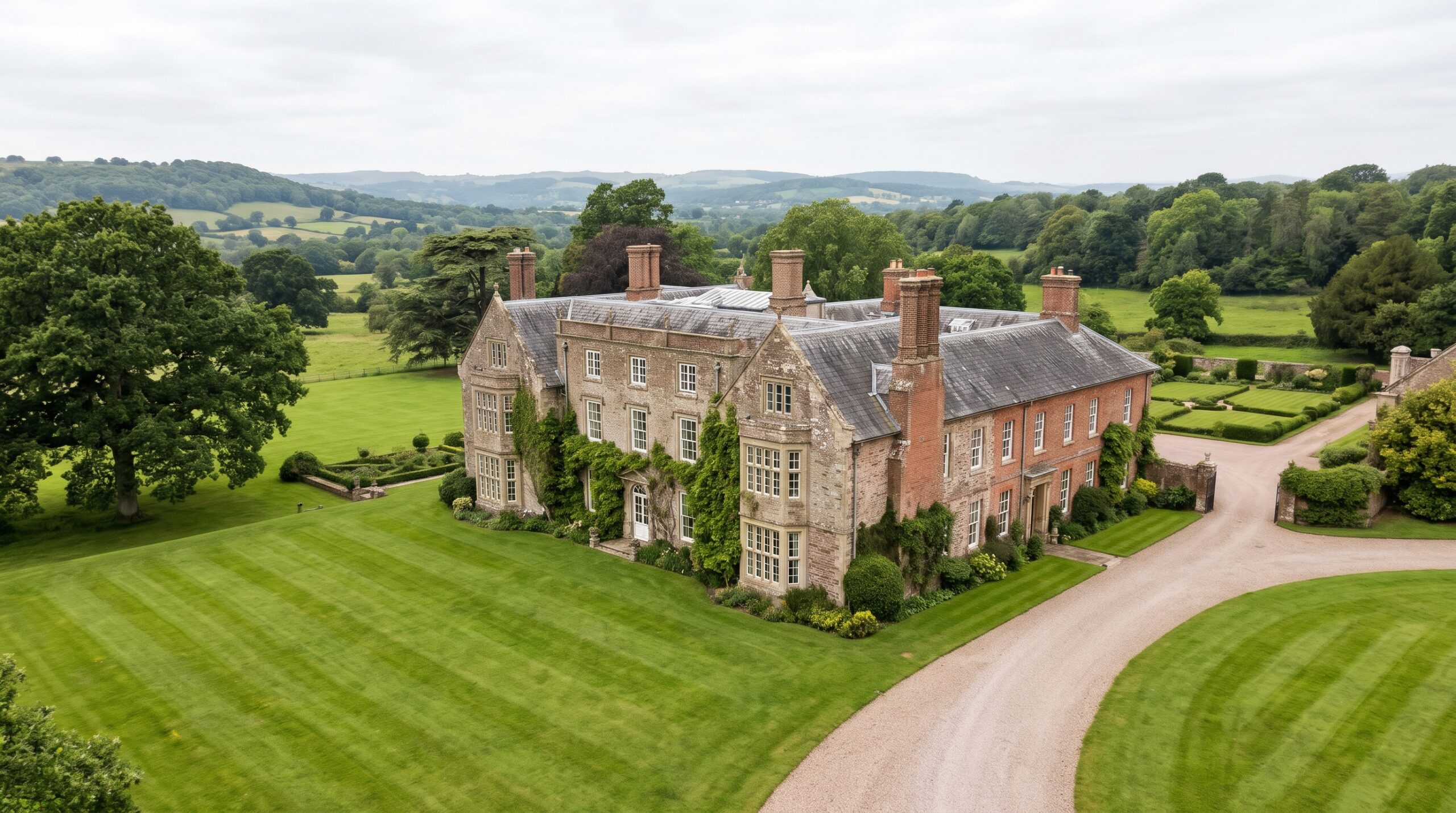
The transition from a bloody medieval frontier to a highly sought-after destination for luxury countryside living is a remarkable historical pivot. Today, the concept of legacy estates monmouth extends far beyond simple property boundaries or acreage. To own, restore, or even visit a heritage property in this region is to actively participate in a centuries-old narrative that William Shakespeare himself helped construct.
Standing on Historic Ground
Modern Monmouthshire is celebrated for its sweeping views of the Wye Valley Area of Outstanding Natural Beauty (AONB). However, the buyers, conservationists, and historical tourism planners who flock to this region are drawn by more than just the topography. The legacy estates scattered across the Welsh borders—ranging from sprawling Georgian manors to meticulously restored Tudor-era farmhouses—are intrinsically linked to the royal aura of the region.
When you walk the grounds of these period homes, you are treading the same earth where a young Prince Hal learned to ride, command, and survive. The deep literary and historical roots of the “Agincourt King” provide an invisible but deeply felt layer of prestige to the local landscape. It transforms a beautiful countryside home into a tangible piece of British heritage.
Architecture and Preservation
The enduring fame of Harry of Monmouth has significantly influenced how the town and its surrounding estates are preserved today. The local government and heritage organizations (such as Cadw) enforce strict conservation laws to maintain the historical integrity of the region. This commitment to preservation ensures that the architectural aesthetic remains deeply respectful of its medieval and post-medieval roots.
For owners of legacy estates, this means navigating a complex but rewarding landscape of Grade I and Grade II listed building regulations. The restoration of original stone masonry, the preservation of ancient timber framing, and the protection of historical sightlines all serve to maintain an atmosphere that the 15th-century monarch might still recognize. This rigorous dedication to history is precisely what gives Monmouth real estate its enduring financial and cultural value.
Shakespeare’s Monmouth vs. Modern Monmouth
To fully appreciate the evolution of the region, it is helpful to look at how the landscape has transformed since the days of King Henry V, while still retaining its core identity.
A Shakespeare Lover’s Guide to Exploring Monmouth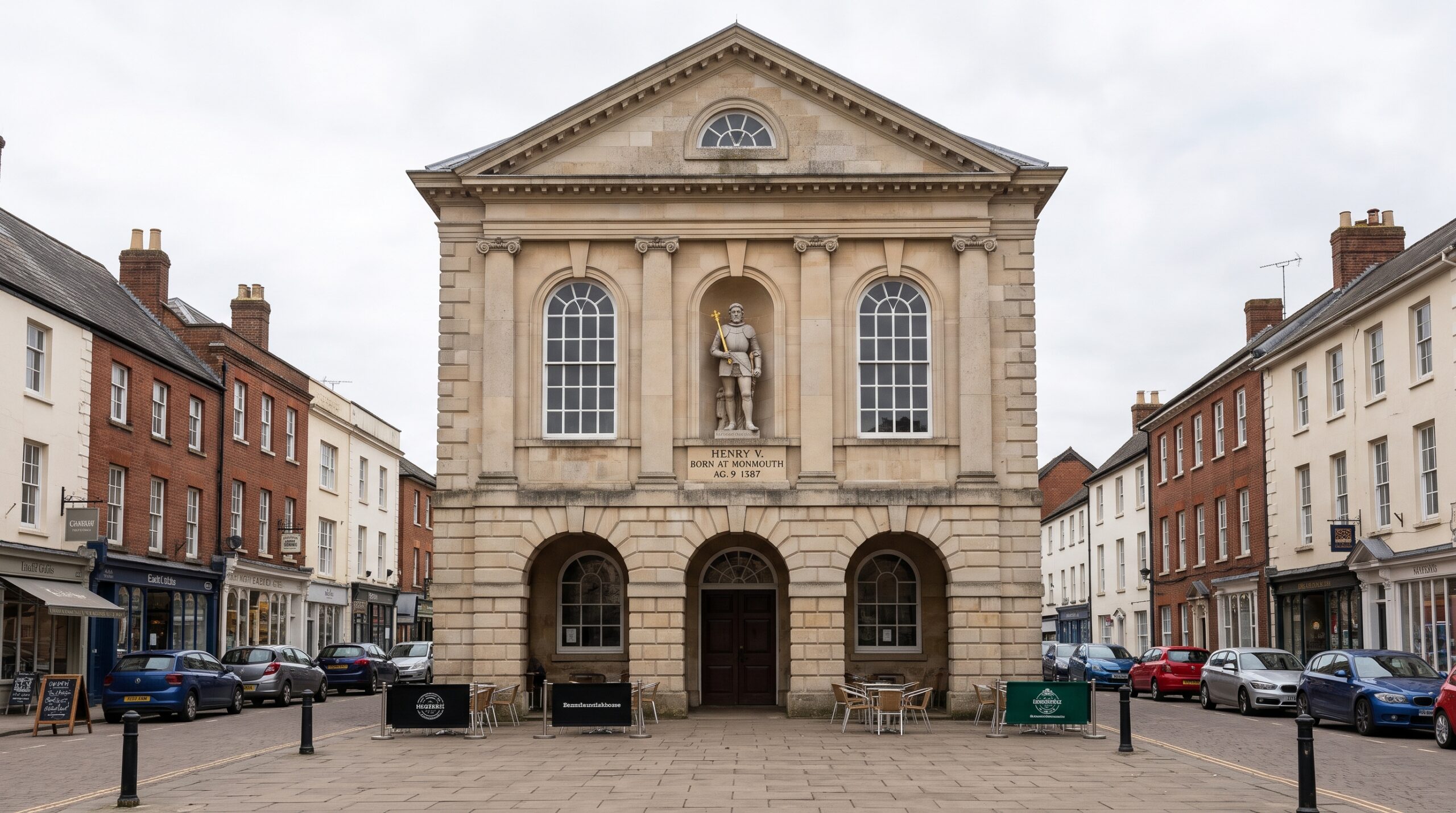
For theater enthusiasts and history buffs, a pilgrimage to the Welsh borders offers a unique opportunity to bridge the gap between text and reality. If you are exploring the region—whether scouting heritage properties or simply enjoying a weekend getaway—here is how to immerse yourself in the world of Shakespeare’s favorite king.
Must-Visit Landmarks
-
Monmouth Castle Ruins: Located just off the main commercial streets, the remains of the castle are surprisingly modest today, but they are hallowed ground. Managed by Cadw, you can stand near the exact remnants of the Great Tower where Henry V was born in 1386.
-
Agincourt Square: It is impossible to visit Monmouth without feeling the echo of Henry’s greatest triumph. The town’s central square was named Agincourt Square in the early 19th century to commemorate his legendary 1415 victory over the French.
-
The Shire Hall: Dominating Agincourt Square is the stunning Shire Hall (built in 1724). Embedded in its grand façade is a prominent statue of King Henry V, placed there in 1792. Below the statue, an inscription proudly notes his birth in the town, cementing his role as Monmouth’s eternal patron.
Integrating Literature with Local Travel
To elevate your visit from a simple sightseeing tour to a deeply resonant literary experience, bring a copy of Shakespeare’s Henry V. We highly recommend walking down to the banks of the River Wye or sitting on the grassy banks near the castle ruins to read Act 4, Scene 7.
In this scene, the Welsh captain Fluellen compares Monmouth to the great ancient city of Macedon, noting humorously that both have rivers, and “there is salmons in both.” Reading this spirited defense of Welsh pride while listening to the actual rushing waters of the River Monnow or the Wye provides a profound connection between Shakespeare’s enduring art and the enduring landscape.
Frequently Asked Questions (FAQ)
Did William Shakespeare ever visit Monmouth?
There is no definitive historical documentation proving that William Shakespeare ever visited Monmouth or the Welsh borders personally. While his acting company, The Lord Chamberlain’s Men (later The King’s Men), occasionally toured provincial towns when plague closed the London theaters, no records place them in Monmouth. Shakespeare’s rich portrayal of Welsh characters like Fluellen, and his knowledge of the region’s geography, were likely gleaned from reading Raphael Holinshed’s Chronicles and from interacting with the large population of Welsh immigrants living in Elizabethan London.
How accurate is Shakespeare’s portrayal of Harry of Monmouth?
Thematically, Shakespeare captures the inspiring, authoritative nature of Henry V’s kingship brilliantly. Historically, however, the playwright took massive liberties. The real Prince Henry was never a tavern-dwelling slacker who shirked his duties. From his early teenage years, the historical Harry of Monmouth was a serious, bookish, and battle-tested military commander who spent years fighting a grueling war against Welsh insurgents. The “Prince Hal” of the plays is a dramatic invention designed to create a compelling redemption arc for the theater.
What remains of Monmouth Castle today?
Today, Monmouth Castle is a Grade I listed ruin. Visitors can explore the remnants of the Great Tower and the Hall. Interestingly, the site remains inextricably linked to the military; the Great Castle House, built on the site in 1673, serves as the headquarters of the Royal Monmouthshire Royal Engineers (Militia), making it one of the oldest continuous military sites in Britain. The ruins are free to visit and offer a quiet, evocative glimpse into the 14th century.
The story of “Harry of Monmouth” is a testament to the enduring power of place in both history and literature. Before he was the victor of Agincourt, and long before he was immortalized in iambic pentameter by the Bard of Avon, Henry V was a boy molded by the rugged, beautiful landscapes of the Welsh Marches.
Today, this rich heritage is the lifeblood of the region. The legacy estates monmouth that dot the Wye Valley are not just beautiful homes; they are custodians of a narrative that has captivated audiences for over four centuries. By preserving the architecture, the landscapes, and the history of this remarkable border town, modern Monmouth ensures that the “Star of England” continues to shine brightly over the place of his birth.
Whether you are studying the text of Henry IV, visiting the ruins of the Great Tower, or looking to invest in a piece of British heritage, Monmouth offers a rare, tangible connection to one of the greatest character arcs in all of Western literature.