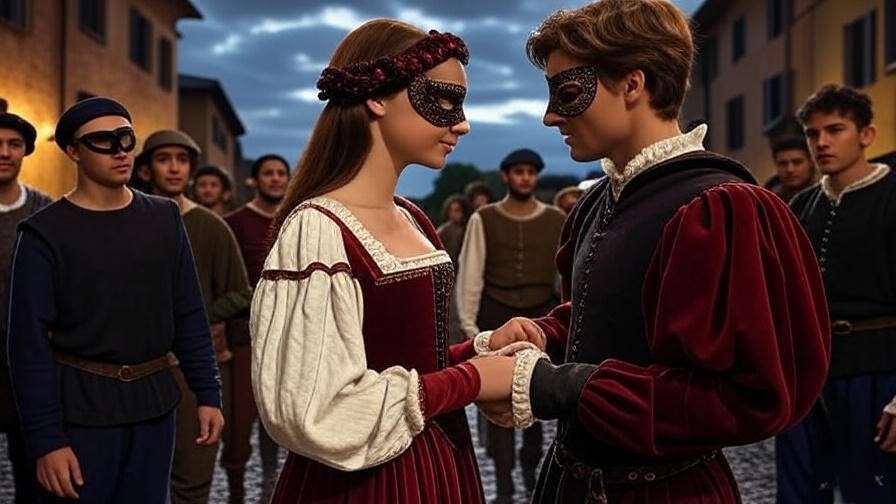
Inside a cavernous 19th-century Havana cigar factory, the air was thick with the earthy perfume of cured Cuban tobacco and the rhythmic scrape of chavetas—crescent-shaped steel blades slicing wrapper leaves on wooden rolling tables. Hundreds of torcedores sat in neat, silent rows, their hands moving with practiced speed. Yet the room was anything but quiet. Seated on an elevated wooden platform at the front of the hall, a well-dressed man cleared his throat, opened a leather-bound volume, and projected his voice across the factory floor. He was reading William Shakespeare’s Romeo and Juliet.
That unlikely intersection of Elizabethan tragedy and Cuban craftsmanship gave birth to one of the most recognizable luxury brands in the world. Today, aficionados who light up a Romeo and Julieta Reserva Real are holding far more than a meticulously blended Dominican cigar; they are participating in a 150-year-old literary tribute. While the official marque carries the Spanish spelling Romeo y Julieta, its identity has always been rooted in the star-crossed lovers of Verona.
Whether you landed here looking to understand what sets the Reserva Real apart in your humidor or you are a Shakespeare enthusiast curious about how a 1590s London play conquered the Caribbean tobacco trade, this guide covers both worlds. Below, we break down the blend, construction, and flavor profile of the modern Reserva Real before tracing its extraordinary lineage—from the factory readers of Havana and an eccentric tycoon who tried to buy Juliet’s balcony to the subtle Shakespearean details hidden on every cigar band.
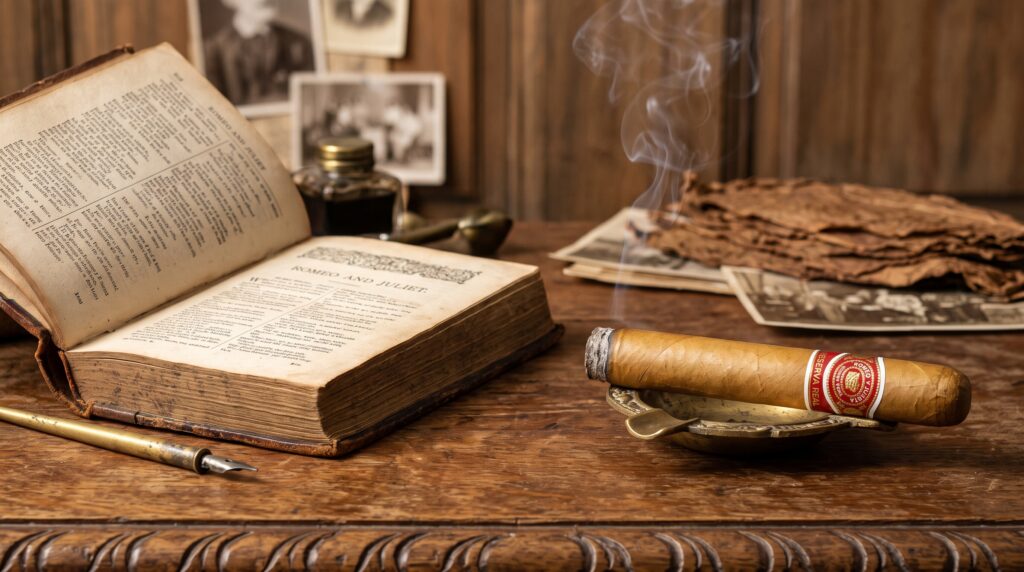
What Is the Romeo and Julieta Reserva Real? (Quick Overview)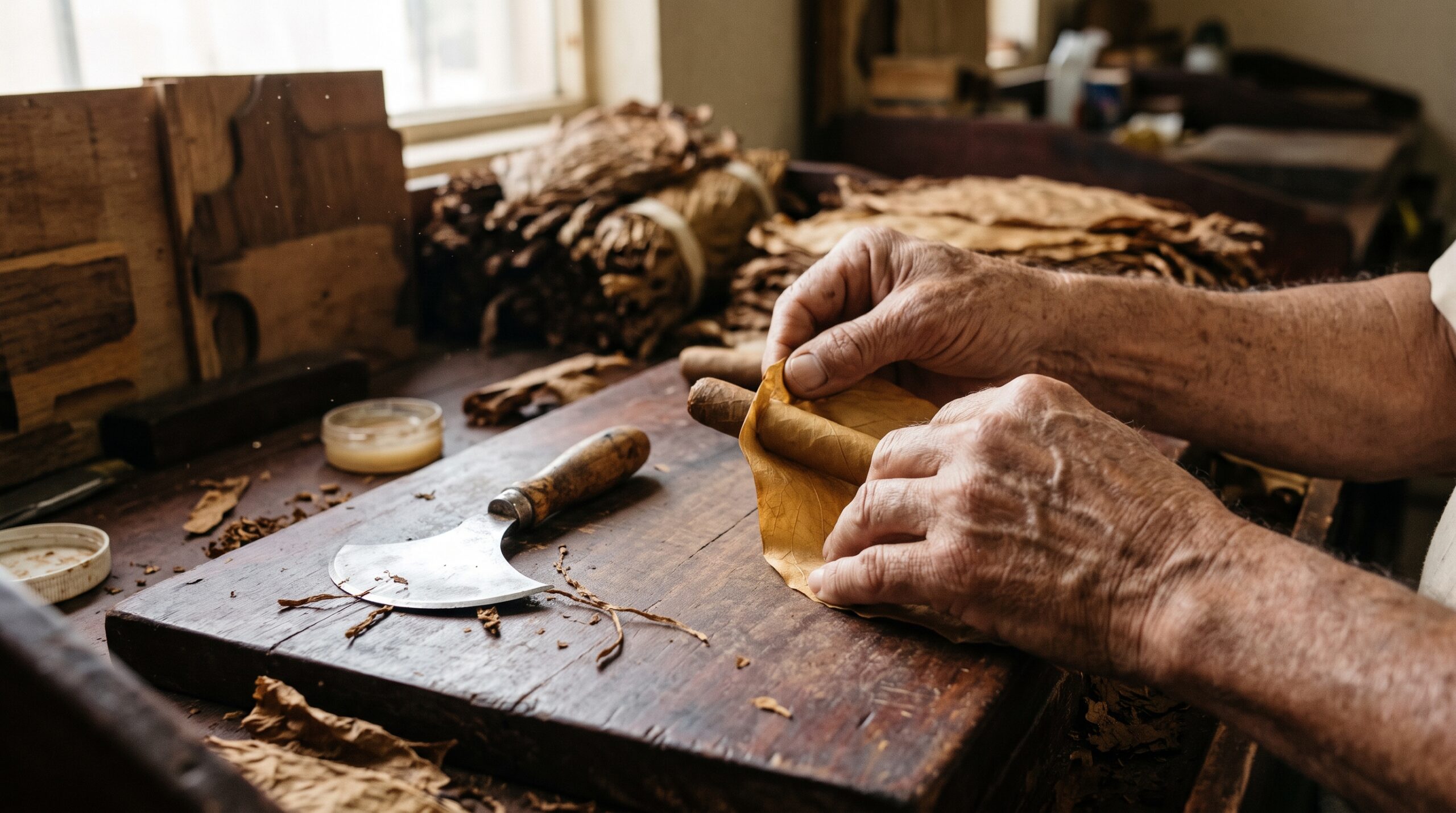
Before diving into the 19th-century archives, it helps to clarify exactly what the Romeo and Julieta Reserva Real is today. In the modern cigar market, the Reserva Real is one of the flagship non-Cuban expressions of the brand, crafted specifically for the U.S. market by Altadis U.S.A. While the heritage name conjures images of old Havana, this particular blend is a masterclass in contemporary Dominican cigar-making—engineered to deliver refined complexity without overwhelming the palate.
Blend, Origin, and Craftsmanship
Every Reserva Real is hand-rolled at the famed Tabacalera de García factory in La Romana, Dominican Republic—one of the largest and most respected premium cigar facilities in the world. Rather than relying on a single-origin puro approach, the master blenders at Altadis assembled a multi-country recipe designed for balance, draw consistency, and aromatic smoothness:
-
Wrapper: Ecuadorian Connecticut Shade. Grown beneath natural cloud cover in the volcanic soils of Ecuador, this silky, golden-tan leaf delivers natural creaminess and subtle sweetness without the bitterness sometimes found in sun-grown wrappers.
-
Binder: Nicaraguan. The binder adds structural integrity and a gentle backbone of warm spice to prevent the cigar from tasting flat.
-
Filler: A carefully aged combination of Dominican and Nicaraguan long-fillers, balancing Dominican smoothness with Nicaraguan earthiness and depth.
-
Strength Profile: Mellow to medium-bodied.
On the palate, the Reserva Real opens with an approachable bouquet of toasted almonds, sweet cedar, and light cream. As the cigar progresses into the second third, subtle notes of white pepper, baking spice, and roasted coffee bean emerge from the Nicaraguan tobacco, keeping the experience engaging without tipping into harshness. Its approachable strength and flawless construction make it a staple recommendation for newcomers stepping into premium cigars, as well as a reliable morning or afternoon smoke for seasoned enthusiasts.
How Reserva Real Differs from the Classic 1875 and Cuban Lines
One of the most common points of confusion among both readers and cigar buyers is the relationship between the Dominican Reserva Real, the Dominican 1875, and the original Cuban Romeo y Julieta.
Following the Cuban Revolution in 1959, the Cuban government nationalized the island’s tobacco industry, placing domestic production under state control (today managed by Habanos S.A.). Many historic Cuban cigar families fled to the Dominican Republic, Nicaragua, and Honduras, re-establishing their trademarks for the U.S. market where the trade embargo prohibited Cuban imports. As a result, two distinct parallel lineages of Romeo y Julieta exist today.
| Feature | Romeo y Julieta Reserva Real | Romeo y Julieta 1875 | Cuban Romeo y Julieta |
| Manufacturer | Altadis U.S.A. | Altadis U.S.A. | Habanos S.A. |
| Country of Origin | Dominican Republic | Dominican Republic | Cuba |
| Wrapper Leaf | Ecuadorian Connecticut Shade | Indonesian TBN (Shade-grown) | Cuban (Vuelta Abajo) |
| Binder & Filler | Nicaraguan binder; Dominican & Nicaraguan fillers | Dominican binder & fillers | 100% Cuban (Vuelta Abajo) |
| Strength Profile | Mellow to Medium | Medium | Medium |
| Primary Tasting Notes | Cream, toasted nuts, cedar, mild spice | Oak, roasted chestnuts, leather, sweet tobacco | Floral earth, cherry, cedar, toasted baking spice |
| Availability | Widely available in the U.S. | Widely available in the U.S. | International markets (restricted in the U.S.) |
While the 1875 line honors the brand’s founding year with a slightly nuttier, woodier Indonesian wrapper, the Reserva Real leans into velvety elegance—a modern interpretation of luxury that still carries the romantic DNA of its 19th-century namesake.
The Literary Origin: How Shakespeare’s Tragedy Named a Cigar Empire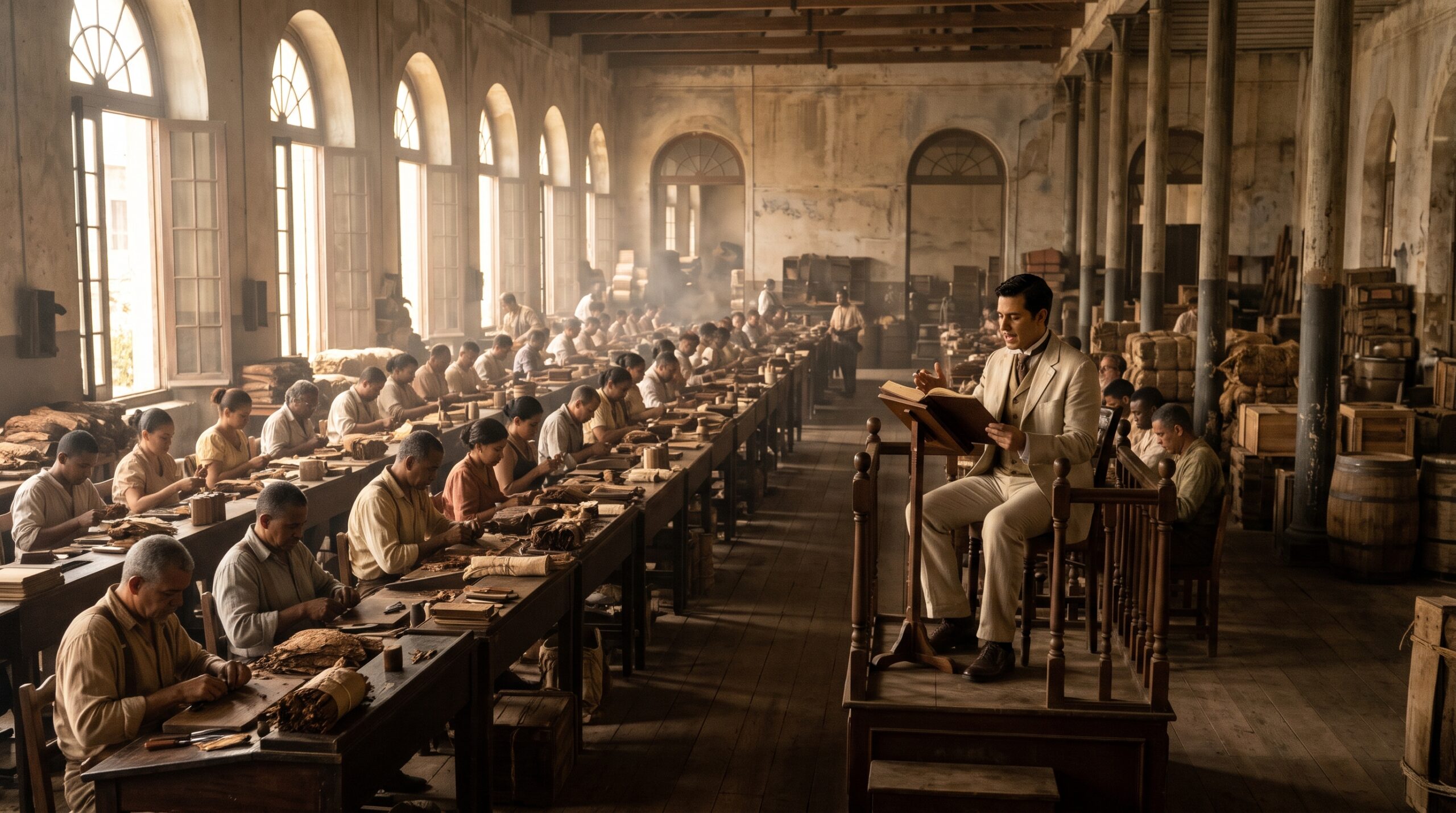
To understand why a Dominican cigar in the 21st century bears the names of two fictional Italian teenagers from the 16th century, you have to step back into the cultural ecosystem of colonial Havana. The connection was neither an accident nor a cynical corporate branding exercise; it grew organically out of the working-class literary culture of Cuba’s cigar factories.
The Tradition of the Lectores in 19th-Century Havana
In December 1865, a quiet revolution began inside Havana’s El Fígaro cigar factory. Tobacco rolling was repetitive, dexterous work that required total focus of the hands while leaving the mind restless. To combat monotony and educate the workforce, the rollers pooled a small portion of their weekly wages to hire a professional reader—known as el lector.
Sitting on a raised podium in the center of the galera (the rolling hall), the lector served as the factory’s living radio, newspaper, and theater troupe combined. In the mornings, he read local news, international dispatches, and political essays. In the afternoons, he turned to literature: Victor Hugo’s Les Misérables, Alexandre Dumas’s The Count of Monte Cristo (which also inspired a legendary cigar brand), Miguel de Cervantes’s Don Quixote, and—above all—the plays of William Shakespeare.
Among the torcedores, no work commanded the room quite like Romeo and Juliet. Even in Spanish translation, the play’s heightened emotional stakes, sweeping romantic declarations, and sharp comic relief from Mercutio and the Nurse held workers spellbound. Rollers reportedly cheered during the duels in the streets of Verona, hushed one another during the balcony dialogue, and wept openly during the final tomb scene.
Literary Insight: From the Globe to the Galera
It is no coincidence that Shakespeare’s tragedy thrived in a bustling Cuban factory. Unlike modern novels written for silent, solitary reading, Romeo and Juliet was composed in the mid-1590s to be heard aloud by a noisy, largely working-class audience standing in the yard of London’s open-air playhouses. Shakespeare built his verse with acoustic rhythm, dramatic pauses, and vivid verbal imagery so listeners could follow the action by ear alone. Three centuries later, the Havana lectores unknowingly recreated the exact oral conditions for which Shakespeare wrote.
Because the rollers paid the lector themselves, they voted on what he read. Time and again, the ballot boxes inside Havana’s factories returned the same request: read Romeo and Juliet again.
1875: Inocencio Alvarez and Manin García Make It Official
Two observant entrepreneurs, Inocencio Alvarez and Manin García, recognized the extraordinary hold Shakespeare’s play had over their artisans. In 1875, they officially registered a new cigar marque in Havana: Romeo y Julieta.
Naming a luxury export after the rollers’ favorite tragedy was both a tribute to the factory floor and a stroke of commercial intuition. In the late 19th century, European and North American buyers prized sophistication and cultural prestige. A cigar associated with the world’s greatest dramatist instantly communicated refinement.
The gamble paid off rapidly. Between 1885 and 1900, Romeo y Julieta swept gold medals at international expositions across Europe and the Americas—including prestigious awards in Antwerp, Brussels, Paris, and Chicago. If you examine a traditional Romeo y Julieta box or band closely today, you will still spot miniature renderings of those 19th-century gold medallions flanking the Shakespearean crest, a visual record of the brand’s meteoric rise.
The Man Who Tried to Buy Juliet’s Balcony: Don José “Pepín” Rodríguez Fernández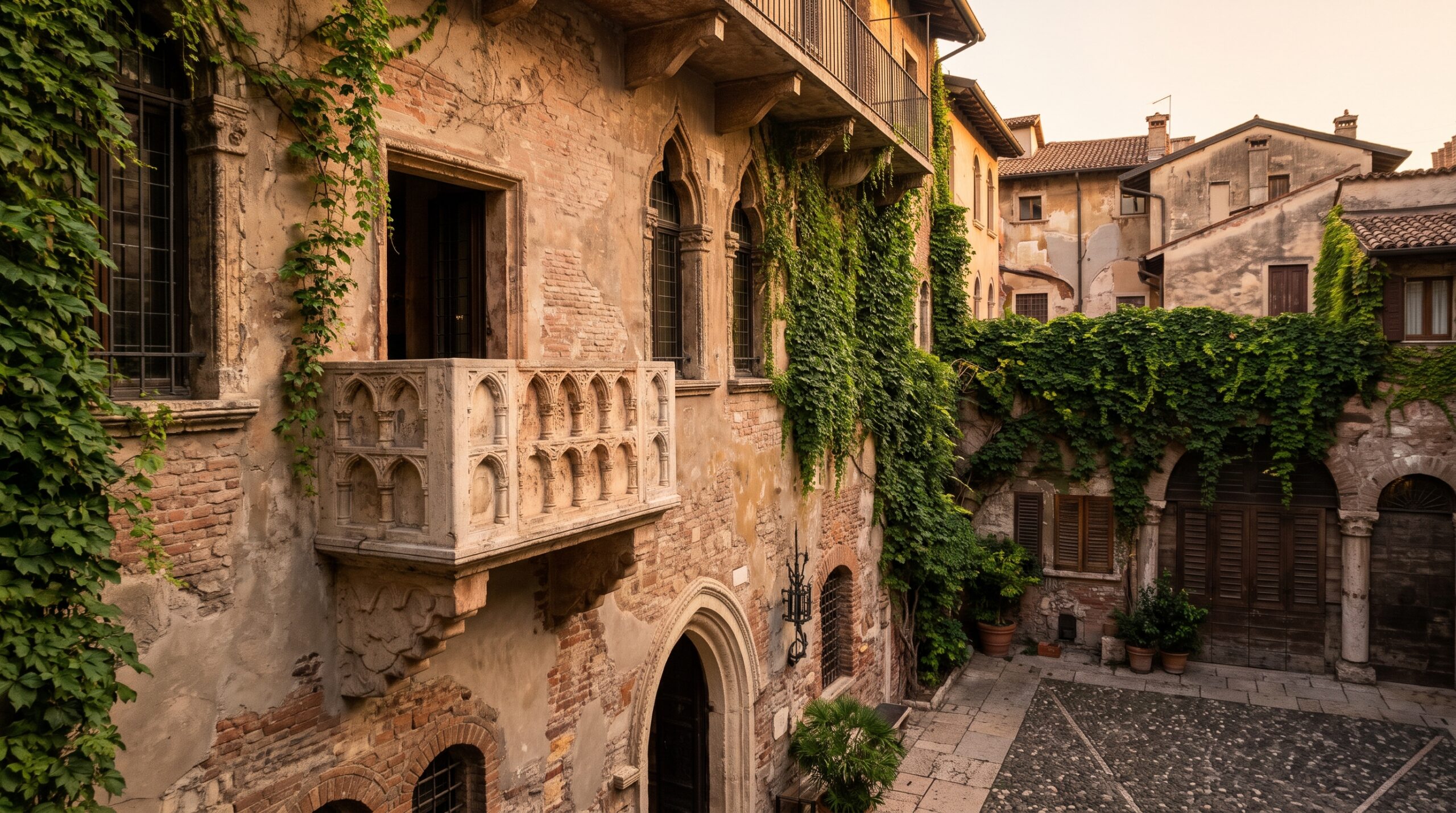
If Alvarez and García gave Romeo y Julieta its name, one flamboyant visionary turned its Shakespearean identity into a global mythology: Don José “Pepín” Rodríguez Fernández.
Turning a Literary Brand into a Global Luxury Icon
In 1903, Rodríguez Fernández—the former head of the prestigious Cabañas factory—acquired the Romeo y Julieta brand. He was a cosmopolitan showman who understood marketing decades before the term entered business textbooks. Recognizing that wealthy European aristocrats, diplomats, and industrialists loved exclusivity, he pioneered the widespread use of personalized cigar bands. At the peak of his production, the Romeo y Julieta factory produced more than 2,000 bespoke bands featuring the crests, monograms, and portraits of elite clients.
Rodríguez Fernández traveled incessantly across Europe and the Americas, never letting his audience forget the romantic tragedy behind his cigars. He didn’t merely license Shakespeare’s prestige; he lived it with theatrical enthusiasm.
The Verona Obsession and the Havana Replica
Nowhere was Rodríguez Fernández’s devotion to Romeo and Juliet more evident than in his personal eccentricities. A passionate horse-racing enthusiast, he named his prized thoroughbred racehorse Julieta and entered her in prestigious races across Europe, ensuring the name appeared in society pages from Paris to Madrid.
His boldest stunt, however, took place in Verona, Italy—the setting of Shakespeare’s play. During a visit to the city, Rodríguez Fernández opened a Romeo y Julieta boutique inside Verona’s Hotel Capulet and set his sights on the ultimate piece of literary real estate: the Palazzo Capuleti (Casa di Giulietta), the medieval Gothic house traditionally—though romantically—associated with the Capulet family.
Rodríguez Fernández formally offered to purchase the historic palazzo from the city of Verona, intending to transform the site of “Juliet’s balcony” into a grand Romeo y Julieta cigar lounge and museum. Unsurprisingly, Italian authorities politely but firmly declined to sell one of Verona’s most treasured cultural landmarks to a Cuban tobacco magnate.
Undeterred, Rodríguez Fernández did the next most extravagant thing possible. He commissioned architects to study the medieval facade and built a lavish replica of the Palazzo Capuleti—complete with Juliet’s balcony—in Havana to serve as his company’s headquarters and residence. It was an audacious architectural love letter to Shakespeare, cementing the bond between Verona’s fictional tragedy and Havana’s tobacco aristocracy.
Decoding the Shakespearean Imagery on the Cigar Band and Box
For literature lovers, some of the most fascinating aspects of the Romeo and Julieta Reserva Real and its sister lines are hiding in plain sight. Cigar box art—known in the trade as habilitaciones or vistas—reached its golden age in late-19th-century Havana, where master German and Cuban lithographers created miniature oil-painting-style prints embossed with gold leaf.
The Balcony Scene (Act 2, Scene 2) in Lithography
The centerpiece of Romeo y Julieta’s classic box art is an instantly recognizable depiction of Act 2, Scene 2: Romeo climbing a rope ladder up a moonlit stone wall toward Juliet, who leans gracefully over an ornate balustrade.
From a Shakespearean scholar’s perspective, this iconic artwork reveals a delightful historical quirk. Look through the earliest printed texts of Romeo and Juliet—both the 1599 Second Quarto and the 1623 First Folio—and you will discover something surprising: William Shakespeare never once wrote the word “balcony.”
In fact, the English word balcony (borrowed from the Italian balcone) did not enter common English usage until around 1618, two years after Shakespeare’s death. In Shakespeare’s script, the stage direction simply reads “Enter Juliet above,” and Romeo famously asks:
“But soft, what light through yonder window breaks?
It is the east, and Juliet is the sun.”
The romanticized image of the carved Italian balcony was popularized centuries later by Victorian stage designers, 19th-century painters like Frank Dicksee, and—crucially—mass-produced cultural artifacts like Romeo y Julieta’s lithographed cigar boxes. In a subtle twist of cultural history, the cigar brand helped solidify the visual shorthand of Juliet’s balcony in the global imagination.
From “Capulet” to “Reserva Real”: Literary Naming Conventions
That theatrical lineage extends directly into how Altadis U.S.A. and Habanos S.A. name their modern releases and vitolas (sizes):
-
Capulet: A dedicated line paying homage to Juliet’s noble household, wrapped in a silky Ecuadorian Connecticut leaf that mirrors the refined, aristocratic tone of the Capulet ball in Act 1, Scene 5.
-
Julieta & Romeo: Individual vitolas within the portfolio directly invoke the lovers by name, preserving the intimate character of the original 1875 catalog.
-
Reserva Real (“Royal Reserve”): While “Reserva Real” is a Spanish tobacco designation signaling select, aged leaves, it also harmonizes naturally with the regal atmosphere of Shakespeare’s Verona—a city governed by Prince Escalus, where civic order, noble lineage, and courtly honor drive the plot’s tension. Even the Reserva Real’s crisp white, gold, and crimson band evokes the heraldic colors of Renaissance Italian nobility.
Famous Admirers: From Winston Churchill to Literary Figures
No account of Romeo y Julieta’s cultural footprint is complete without mentioning its most famous devotee: Sir Winston Churchill.
Churchill’s twin passions for Cuban cigars and William Shakespeare were legendary. Throughout his political career, Churchill routinely quoted Shakespeare from memory in Parliamentary debates and wartime speeches, drawing rhetorical cadence from Henry V, Macbeth, and Romeo and Juliet. When he visited Havana in 1946 following World War II, he made a celebrated stop at the Romeo y Julieta factory.
So closely was the British statesman associated with the brand’s 7-inch by 47-ring-gauge Julieta No. 2 vitola that the size was unofficially—and then officially—christened the “Churchill.” Today, virtually every major cigar manufacturer in the world produces a Churchill size, including the Romeo and Julieta Reserva Real Churchill, which remains one of the line’s bestselling formats.
Churchill’s endorsement underscores a broader cultural phenomenon: for over four centuries, Shakespeare’s name has operated as a universal shorthand for enduring craftsmanship. Just as bookbinders, theaters, and watchmakers invoke the Bard to signal timeless artistry, tobacco blenders found in Romeo and Juliet a story whose emotional balance—passion tempered by elegance, intensity balanced by lyricism—mirrors the exact qualities sought in a finely rolled cigar.
Pairing Shakespeare with the Romeo and Julieta Reserva Real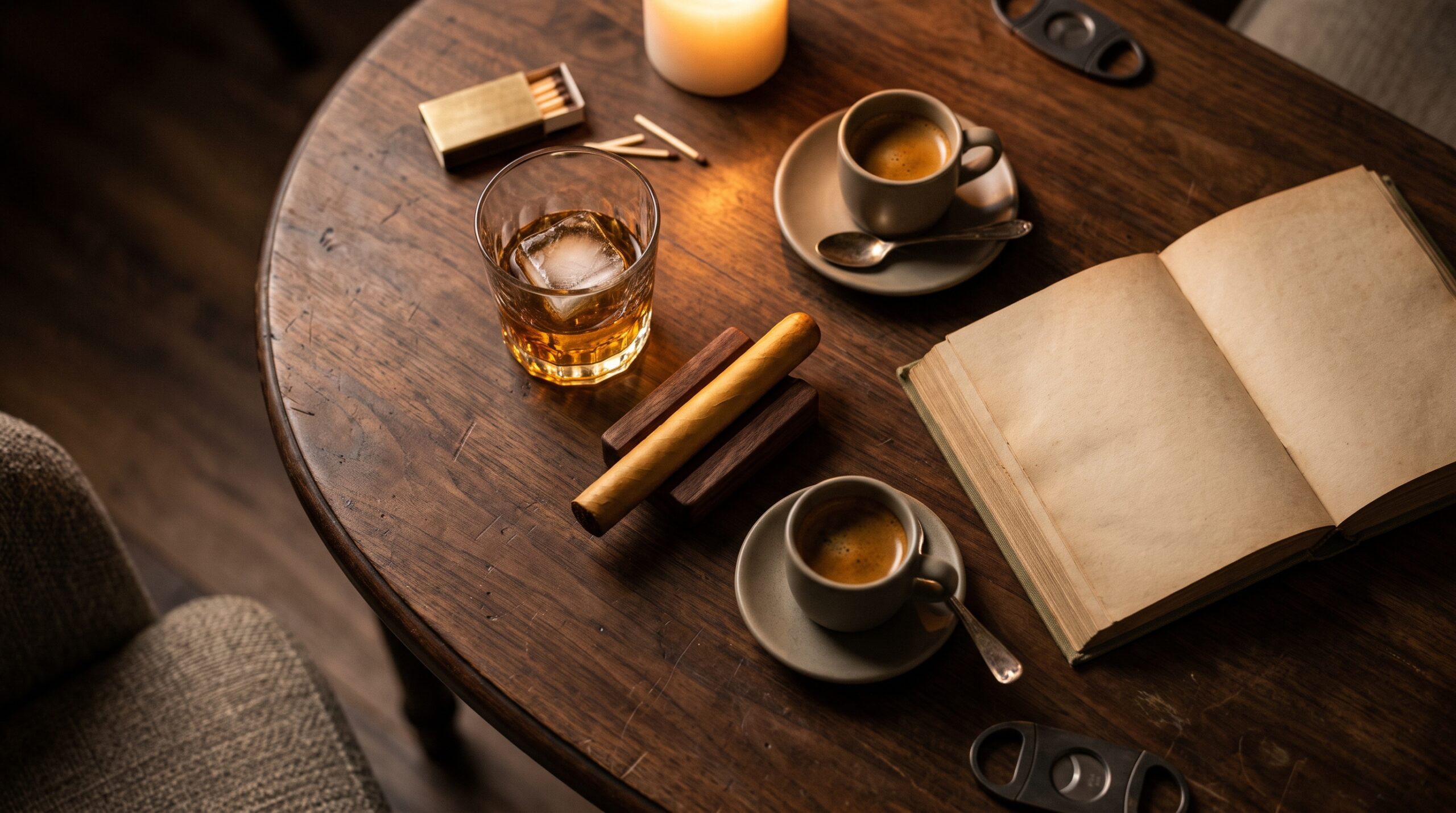
If you want to experience the Romeo and Julieta Reserva Real in the spirit of its literary origins, think of it as an unhurried evening of sensory storytelling. Depending on the vitola you choose—such as a Robusto (5″ x 52) or a Churchill (7″ x 47)—you can expect anywhere from 60 to 90 minutes of smoking time.
Ideal Beverage Pairings
Because the Reserva Real features a mellow-to-medium body with creamy, nutty, and cedary nuances, heavy peated Scotches or intensely bitter IPAs can easily overpower its subtleties. Instead, opt for pairings that complement its smooth Ecuadorian Connecticut wrapper:
-
Morning or Afternoon: A lightly sweetened café con leche, cappuccino, or cold brew with a splash of cream. The roasted coffee notes amplify the cigar’s toasted almond and cedar profile.
-
Evening: A wheated bourbon, a smooth Speyside single malt, or a crisp Belgian blonde ale. For a non-alcoholic evening option, spiced ginger beer or oolong tea cleanses the palate cleanly between draws.
Screen and Reading Pairings
To bridge the cigar lounge and the library, pair your Reserva Real with a fresh look at the play that started it all:
-
For Classic Romanticism: Put on Franco Zeffirelli’s 1968 film adaptation of Romeo and Juliet. Its lush Italian locations, Renaissance costumes, and sweeping Nino Rota score match the warm, traditional elegance of the Reserva Real.
-
For Bold Contrast: Watch Baz Luhrmann’s 1996 William Shakespeare’s Romeo + Juliet—its sun-drenched, theatrical coastal energy pairs surprisingly well with a slow, mellow smoke.
-
For the Purist: Follow in the footsteps of the Havana torcedores and listen to a full-cast audio production (such as the Arkangel Shakespeare or BBC Radio recording) while you smoke. Hearing the iambic pentameter aloud while the cedar smoke curls upward is the closest modern equivalent to sitting on the 1875 Havana factory floor.
Frequently Asked Questions (FAQ)
Why is the cigar brand called Romeo y Julieta?
The brand was founded in Havana, Cuba, in 1875 by Inocencio Alvarez and Manin García and named after William Shakespeare’s tragedy Romeo and Juliet. During the 19th century, Cuban cigar factories employed professional readers (lectores) to read literature aloud to workers as they rolled cigars, and Romeo and Juliet was overwhelmingly the rollers’ favorite story.
Is the Romeo and Julieta Reserva Real a Cuban cigar?
No. While the Romeo y Julieta brand originated in Cuba, the Romeo and Julieta Reserva Real is a non-Cuban cigar handcrafted at the Tabacalera de García factory in La Romana, Dominican Republic, and distributed by Altadis U.S.A. It uses an Ecuadorian Connecticut Shade wrapper, a Nicaraguan binder, and a blend of Dominican and Nicaraguan long-fillers.
What does the Romeo and Julieta Reserva Real taste like?
The Reserva Real offers a smooth, mellow-to-medium flavor profile dominated by creamy toasted nuts, sweet cedar, light earth, and subtle hints of white pepper and baking spice. Its balanced construction and gentle strength make it popular among both beginners and experienced smokers.
Did William Shakespeare ever smoke tobacco?
Historians still debate this intriguing question. Tobacco arrived in England from the Americas during Shakespeare’s lifetime and became wildly fashionable in Elizabethan London. In 2001, anthropologists examining 17th-century clay pipe fragments excavated from Stratford-upon-Avon—including soil near Shakespeare’s home at New Place—detected traces of tobacco and other botanicals, though there is no conclusive proof that Shakespeare himself owned those pipes. Remarkably, unlike contemporaries such as Ben Jonson and Thomas Dekker, Shakespeare never mentions tobacco once in his entire body of plays or poems.
From Elizabethan London to the Modern Humidor
Few stories illustrate the unpredictable afterlife of great literature quite like this one. When William Shakespeare dipped his quill in London in the mid-1590s to write a fast-paced tragedy about two feuding families in Verona, he could never have imagined his verse echoing across a sunlit factory floor in colonial Cuba three centuries later—let alone inspiring a tycoon to replicate Juliet’s balcony in Havana or lending its name to a bestselling Dominican cigar.
Yet that is precisely what gives the Romeo and Julieta Reserva Real its quiet magic. Every band, every golden-tan wrapper leaf, and every unhurried draw carries a thread that stretches back to the oral storytelling of the lectores and the timeless emotional power of Shakespeare’s words.
What is the most unexpected place you have ever encountered a William Shakespeare reference? Share your favorite literary surprises in the comments below—and if you want to explore more of Verona’s real-world legacy, check out our deep dive into the true history of Juliet’s balcony and our complete guide to Romeo and Juliet’s themes and language.