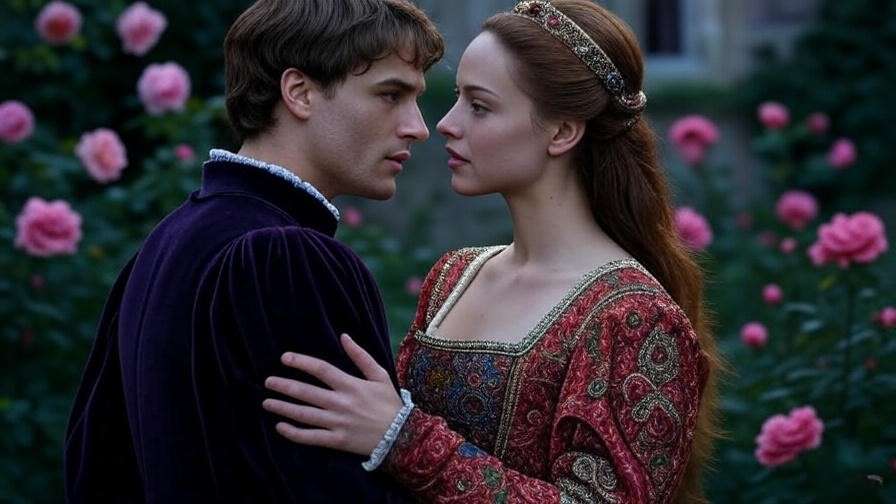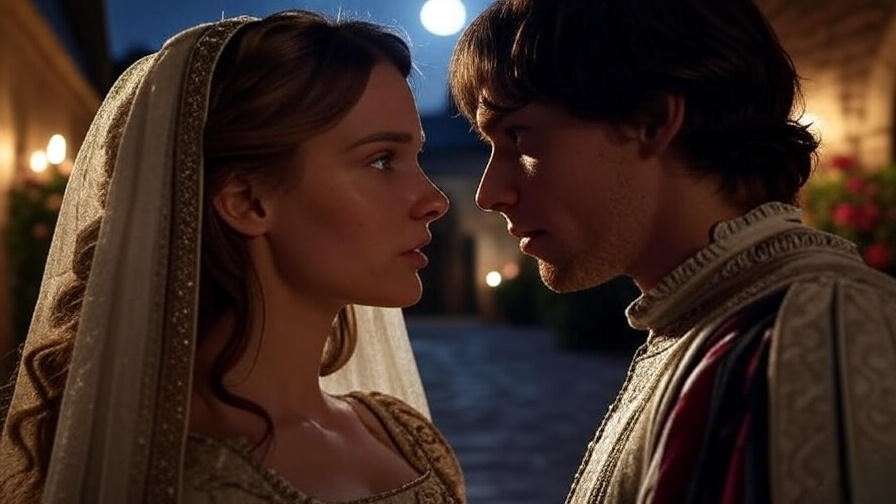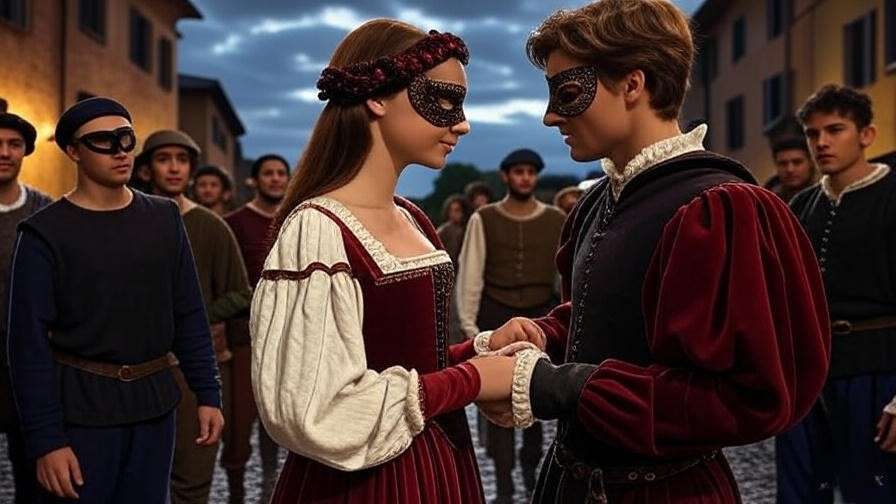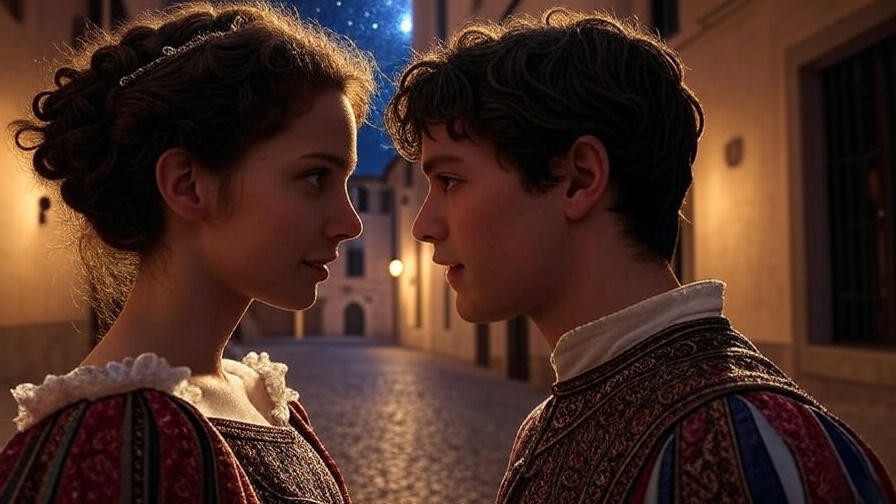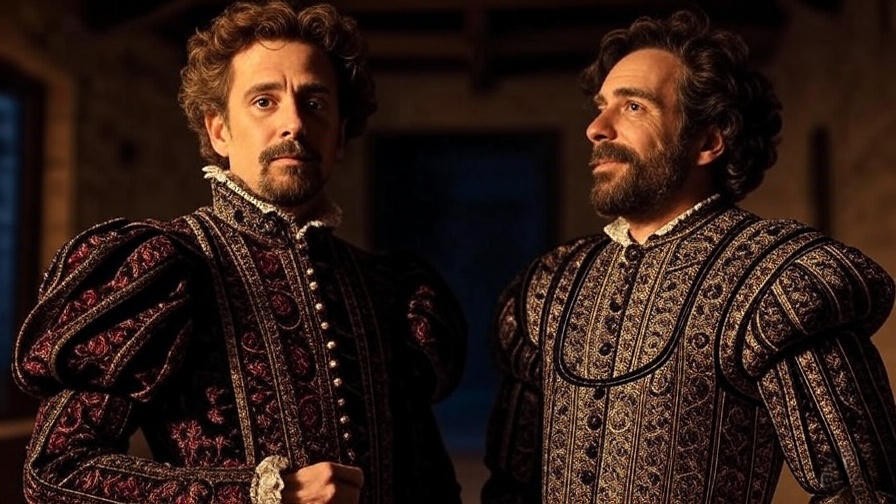
In the sun-drenched streets of Verona, a city still reeling from a deadly family brawl, a quiet conversation in a noble household quietly sets in motion one of literature’s greatest tragedies. Act 1 Scene 2 of Romeo and Juliet serves as the subtle yet explosive pivot point: it bridges the public violence of Scene 1 and the fateful masquerade ball of Scene 5, where the star-crossed lovers first lay eyes on each other. In fewer than 110 lines, Shakespeare plants the seeds of arranged marriage, youthful impulsiveness, comic coincidence, and inescapable fate—elements that will entwine to destroy two young lives.
With over 15 years of close study of the First Folio, Arden, Folger, and Oxford editions of Shakespeare’s works, plus extensive analysis of major stage and screen productions, I have come to view Act 1 Scene 2 of Romeo and Juliet as one of the play’s most masterfully efficient scenes. Often dismissed by students as simple exposition, it actually establishes character motivations, social pressures, and dramatic irony with remarkable economy. This in-depth guide provides a complete line-by-line summary, detailed character and thematic analysis, original-text key quotes with modern translations and explanations, literary devices, historical context, performance history, practical study tools, and FAQs—everything needed to transform basic understanding into profound appreciation. Whether you are preparing for an exam, designing a lesson, directing a scene, or simply deepening your enjoyment of Shakespeare, this comprehensive resource delivers far more value than standard plot summaries.
Where Does Act 1 Scene 2 Fit in the Play? (Quick Recap of Act 1 So Far)
Act 1 Scene 2 of Romeo and Juliet cannot be fully appreciated in isolation. The play opens with the chaotic street fight in Act 1 Scene 1, where servants of the rival Capulet and Montague families brawl, escalating into a full confrontation that draws in Tybalt, Benvolio, and ultimately the Prince of Verona. The Prince issues a stern decree: further public disturbance will be punished by death. The feud—labeled an “ancient grudge”—is no distant backstory; it is immediate, bloody, and all-consuming.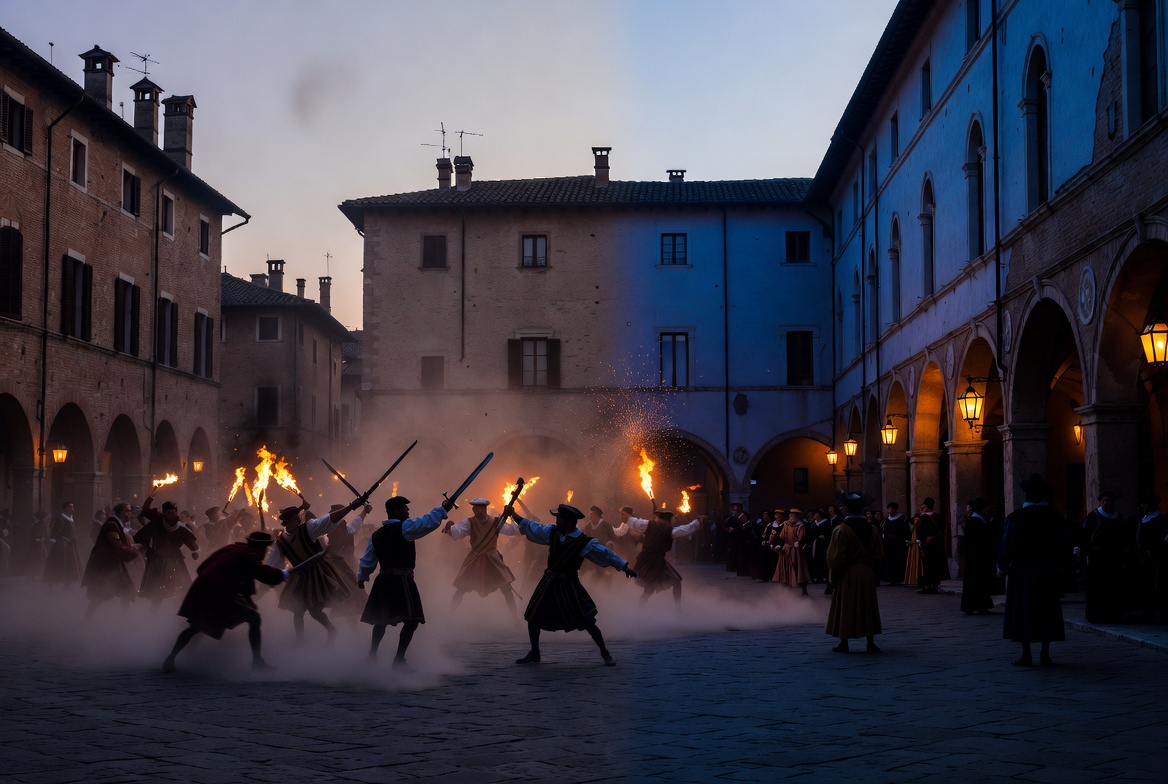
Right after this explosive opening, Act 1 Scene 2 of Romeo and Juliet shifts the dramatic focus indoors to the Capulet household. The tone moves from public chaos to private negotiation, yet the feud’s shadow lingers. Capulet references the Prince’s penalty, reminding us that even domestic decisions are shaped by the larger conflict. By the scene’s end, Romeo and Benvolio resolve to attend the Capulet feast in disguise, directly setting up the lovers’ meeting.
This structural placement is intentional. Scene 2 functions as the dramatic hinge of Act 1: it transitions from enmity to opportunity, from the city’s macro-level violence to the micro-level machinery of courtship and family alliance. By its conclusion, parental authority, youthful desire, and the hand of fate are all activated and poised for collision.
Simple Timeline of Early Act 1
- Scene 1: Street brawl and Prince’s warning
- Scene 2: Capulet home – Paris’s suit and guest list
- Scenes 3–4: Juliet’s nurse and the Montagues’ plan to crash the party
- Scene 5: The ball – “Did my heart love till now?”
Complete Summary of Act 1 Scene 2 of Romeo and Juliet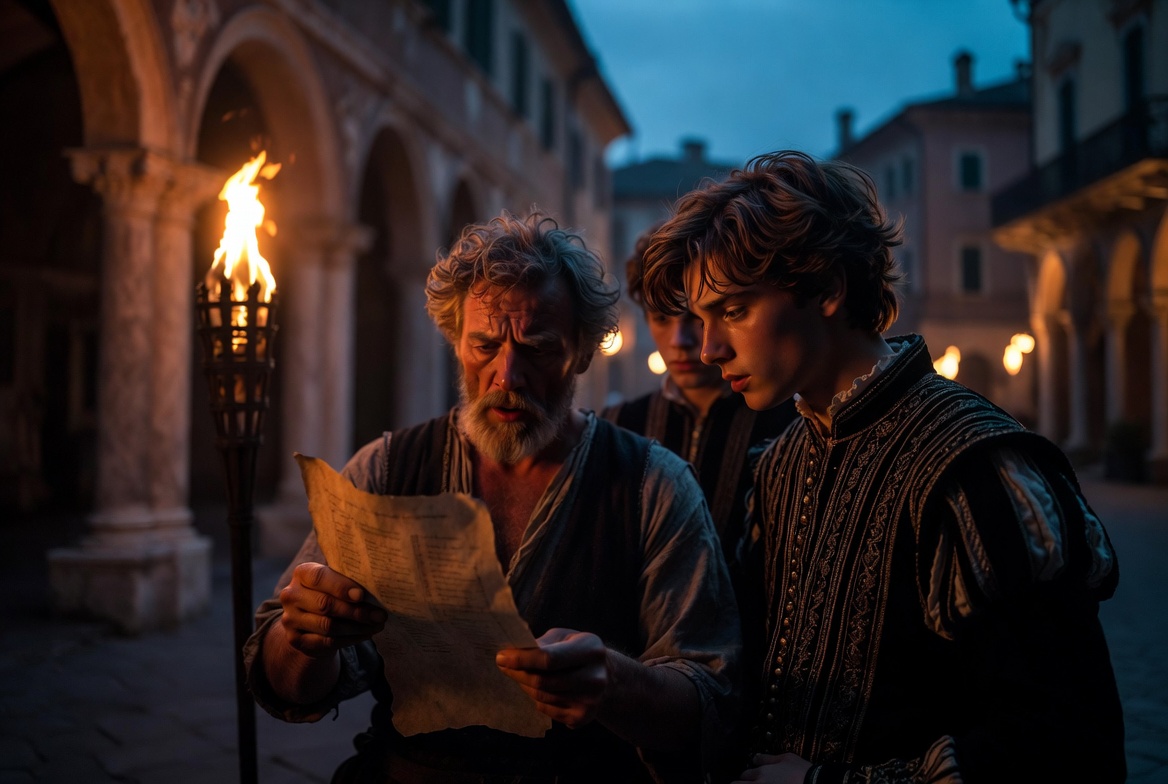
The scene is set in a Verona street, likely near the Capulet residence. It unfolds in three clear movements.
Scene Setting and Opening Action (Lines 1–37 approx.) Count Paris, a noble kinsman of the Prince, earnestly seeks Lord Capulet’s permission to marry his daughter Juliet. Capulet responds cautiously. He acknowledges the recent violence and the Prince’s decree (“But Montague is bound as well as I, / In penalty alike”), noting that men of their age should find it easy to keep the peace. Turning to the marriage proposal, Capulet emphasizes Juliet’s youth: “My child is yet a stranger in the world; / She hath not seen the change of fourteen years.” He suggests waiting two more summers before she is “ripe to be a bride,” adding the memorable caution, “And too soon marr’d are those so early made.”
Capulet then reveals a more affectionate side, lamenting that Juliet is his only surviving child: “Earth hath swallow’d all my hopes but she; / She is the hopeful lady of my earth.” He invites Paris to woo Juliet and, crucially, states that her own consent will weigh heavily: “My will to her consent is but a part.” To sweeten the invitation, Capulet extends an immediate welcome to his household’s traditional feast that very night, where “Earth-treading stars that make dark heaven light” (lovely young women) will be present. Paris is encouraged to compare all the beauties and judge for himself.
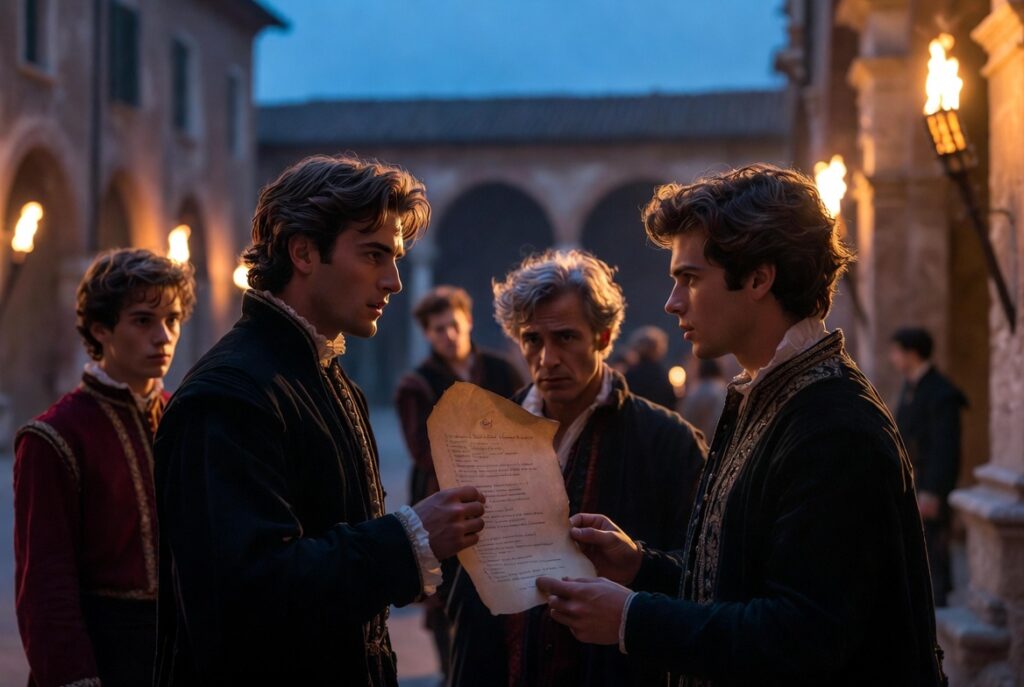
The Servant and the Guest List (Lines 38–80 approx.) As Capulet and Paris exit, Capulet hands his servant a list of invited guests and instructs him to deliver invitations around Verona. The servant, who is illiterate, laments his predicament in a humorous soliloquy: “I am sent to find those persons whose names are here writ, and can never find what names the writing person hath here writ.” He compares himself to tradesmen who know their tools but feels helpless with the written page.
Enter Romeo (still lovesick over Rosaline) and his cousin Benvolio. The servant seizes the opportunity and asks if they can read. Romeo agrees and reads the list aloud, discovering it includes “my fair niece Rosaline” and many other Capulet kinsmen and friends. The servant reveals the feast is at his master’s house—Capulet’s—and invites them (assuming they are not Montagues) to “crush a cup of wine.”
Romeo’s Decision and the Masquerade Plan (Lines 81–end) Benvolio sees a perfect chance to cure Romeo’s melancholy. He urges his friend to attend the feast, compare Rosaline to other beauties “with unattainted eye,” and realize she is merely a “swan” among “crows.” Romeo protests passionately, swearing his devotion and declaring that no other woman could eclipse Rosaline. Yet he ultimately agrees to go—not to seek new love, but “to rejoice in splendor of mine own.” The irony is profound: the audience knows Romeo will meet Juliet and forget Rosaline instantly. The two young men exit, masks in hand, heading unwittingly toward destiny.
This summary, grounded in the authoritative Second Quarto and First Folio texts, highlights how a domestic conversation and a chance street encounter propel the entire tragedy forward.
In-Depth Character Analysis – Who’s Really Speaking in Act 1 Scene 2?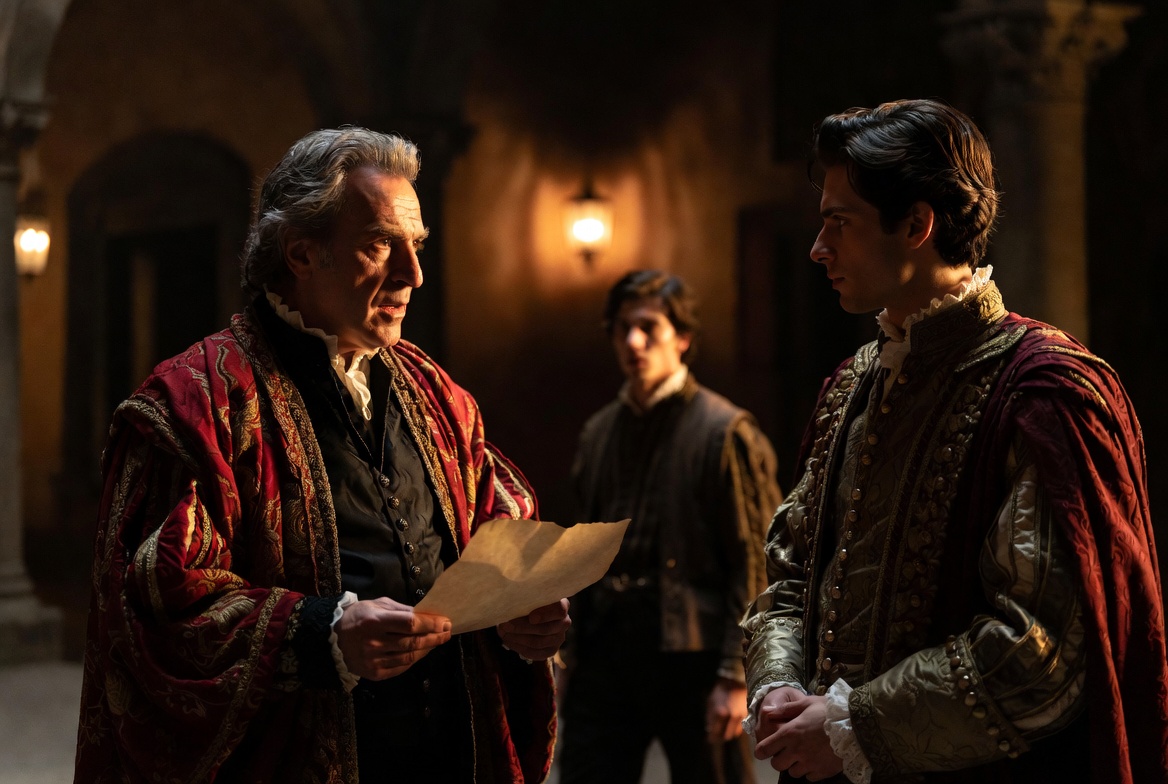
Lord Capulet – Protective Father or Pragmatic Patriarch? In his first appearance, Capulet presents as reasonable and affectionate. He worries about Juliet’s tender age and lost siblings, and he publicly defers to her consent. However, his language reveals underlying control: Juliet remains “my child” and “the hopeful lady of my earth.” This early reasonableness makes his later explosive rage in Act 3 all the more shocking. Shakespeare uses the scene to establish Capulet as a complex figure—loving yet authoritarian—whose parenting will ultimately fail both his daughter and the social order.
Count Paris – The “Ideal” Suitor Shakespeare Subtly Questions Paris appears polite, persistent, and socially ideal: wealthy, connected, and eager. Yet Shakespeare plants subtle doubts. His willingness to marry a girl not yet fourteen, despite Capulet’s caution, hints at self-interest over genuine care. Paris functions as a foil to Romeo—conventional and approved versus passionate and forbidden—highlighting the play’s critique of arranged unions.
Romeo Montague – From Rosaline to Destiny Romeo enters still immersed in Petrarchan melancholy over Rosaline. His willingness to help the servant shows basic decency, while his final decision reveals impulsiveness beneath the poetry. The line “I’ll go along, no such sight to be shown, / But to rejoice in splendor of mine own” is drenched in dramatic irony. Romeo believes he controls his romantic fate; events will prove otherwise.
Benvolio – The Voice of Reason Benvolio remains the steady counselor, offering practical advice to “take thou some new infection to thy eye” as a cure for lovesickness. His rationality contrasts sharply with Romeo’s excess, underscoring the theme of youthful passion versus measured counsel—a counsel Romeo will repeatedly ignore.
The Anonymous Servant (often called Peter or the Clown) This minor figure provides essential comic relief while driving the plot. His illiteracy creates the coincidental meeting with Romeo, illustrating how fate operates through humble, everyday instruments. Shakespeare frequently uses such low-status characters to propel high tragedy, adding layers of social commentary.
Character Comparison Table
| Character | Primary Motivation in Scene | Key Trait Shown | Foreshadowing for Later Play |
|---|---|---|---|
| Capulet | Secure suitable alliance for Juliet | Affectionate yet controlling | Shift to tyrannical demands in Act 3 |
| Paris | Marry into powerful Capulet family | Polite persistence | Unsuitability as a match for spirited Juliet |
| Romeo | See Rosaline / escape melancholy | Passionate impulsiveness | Instant shift of affection to Juliet |
| Benvolio | Cure friend’s lovesickness | Rational loyalty | Advice consistently overruled by passion |
| Servant | Deliver invitations | Illiteracy and humor | Fate working through ordinary coincidence |
This table, derived from close textual reading, reveals Shakespeare’s skill in balancing comedy and tragedy within a single short scene.
Major Themes Introduced or Advanced in Act 1 Scene 2
Arranged Marriage vs. Personal Desire Act 1 Scene 2 of Romeo and Juliet introduces one of the play’s central conflicts: the tension between societal expectations of arranged marriage and the individual’s right to choose. Capulet’s negotiation with Paris reflects Elizabethan norms where noble marriages were strategic alliances to strengthen family status and wealth. Although Capulet claims “My will to her consent is but a part,” the scene subtly questions this system. Juliet has no voice here, and her future is being decided by men. This early setup makes her later defiance in the balcony scene and her desperate resistance to Paris all the more powerful and tragic.
Youth, Age, and the Passage of Time Capulet’s repeated emphasis on Juliet’s youth (“She hath not seen the change of fourteen years”) and his own advancing age (“We are men so old as we”) brings the theme of time into sharp focus. His warning “And too soon marr’d are those so early made” carries both literal advice against premature marriage and a deeper philosophical resonance about the fragility of life. The entire play compresses into just five days, making this early meditation on timing profoundly ironic—youthful haste will indeed lead to ruin.
Social Class and the Power of the Guest List The guest list itself becomes a powerful symbol of social hierarchy and exclusion. Only the elite are invited to Capulet’s “old accustom’d feast,” reinforcing class boundaries that Romeo, a Montague, will violate by attending in disguise. The servant’s illiteracy adds another layer: high society’s rituals depend on the labor of the uneducated lower classes, yet those same lower classes can inadvertently disrupt the plans of the powerful. Shakespeare uses this to comment on how rigid class structures are both maintained and accidentally challenged.
Fate vs. Free Will Perhaps the most potent theme advanced in Act 1 Scene 2 of Romeo and Juliet is the interplay between human choice and predestined fate. The seemingly random encounter between the illiterate servant and Romeo is no accident in dramatic terms. What looks like coincidence is Shakespeare’s way of showing fate at work through ordinary people. Romeo chooses to attend the feast thinking he is exercising free will to honor his love for Rosaline, yet every step draws him closer to Juliet and ultimate destruction. This tension—choice appearing free but leading inexorably to tragedy—permeates the whole play.
Expert Insight: Shakespeare scholar Stephen Greenblatt has observed that in such moments, minor characters function as unwitting agents of destiny, reminding audiences that great events often hinge on the smallest, most overlooked actions.
Key Quotes from Act 1 Scene 2 – With Original Text, Modern Translation, and Analysis
The following quotes represent the most important and frequently studied lines from Act 1 Scene 2 of Romeo and Juliet. Each includes the original text, a clear modern translation, and detailed analysis to support students and educators.
- “My child is yet a stranger in the world, / She hath not seen the change of fourteen years” (Capulet, lines 8–9) Modern Translation: My daughter is still so young and inexperienced; she has not even turned fourteen. Analysis: This line establishes Juliet’s extreme youth and Capulet’s initial protective stance. It humanizes him while highlighting the vulnerability of young noblewomen in a patriarchal society. The word “stranger” suggests Juliet is not yet fully part of the adult world, foreshadowing her rapid and painful initiation into love and loss.
- “Earth hath swallow’d all my hopes but she; / She is the hopeful lady of my earth” (Capulet, lines 14–15) Modern Translation: The earth has buried all my other children; she is my only remaining hope and heir. Analysis: The swallowing-earth imagery is darkly prophetic, anticipating the tomb that will claim Juliet. It also reveals Capulet’s deep emotional investment in his only surviving child, making his later willingness to disown her even more devastating.
- “And too soon marr’d are those so early made” (Capulet, line 13) Modern Translation: Girls who are married too young are often ruined or damaged by it. Analysis: A surprisingly cautious and almost progressive statement for an Elizabethan father. It shows Capulet’s initial reasonableness, yet he will later pressure Juliet into an immediate marriage with Paris, creating powerful dramatic contrast.
- “I am sent to find those persons whose names are here writ, and can never find what names the writing person hath here writ” (Servant, lines 56–58) Modern Translation: I’ve been sent to invite the people whose names are written here, but I can’t read what the writer has put down. Analysis: This comic moment provides relief after the serious marriage discussion. More importantly, the servant’s illiteracy creates the crucial coincidence that brings Romeo into the Capulet orbit, demonstrating how fate uses humble instruments.
- “I’ll go along, no such sight to be shown, / But to rejoice in splendor of mine own” (Romeo, lines 99–100) Modern Translation: I’ll go with you, not to see any other beauty, but to delight in the splendor of my own love (Rosaline). Analysis: One of the scene’s most heavily ironic lines. Romeo believes he is being loyal to Rosaline; the audience knows he will fall instantly for Juliet. This dramatic irony heightens tension and underscores the theme of fate overriding human intention.
- “Earth-treading stars that make dark heaven light” (Capulet, line 25) Modern Translation: Beautiful young women who walk the earth and brighten the dark heavens with their light. Analysis: Beautiful celestial imagery that introduces the play’s light/dark motif, which will culminate in Romeo’s famous “O she doth teach the torches to burn bright” in Scene 5.
These quotes are essential for essays, exams, and performances. Many productions highlight Capulet’s warmth in these lines to make his later anger more shocking.
Literary Devices and Dramatic Techniques Shakespeare Masters Here
Shakespeare demonstrates remarkable technical skill in Act 1 Scene 2 of Romeo and Juliet through several key devices:
- Foreshadowing: References to the feast, masks, Rosaline’s name, and early marriage all point forward to the lovers’ meeting and the rushed timeline of the tragedy.
- Dramatic Irony: The audience understands the significance of Romeo attending the Capulet feast long before the characters do, creating delicious tension.
- Comic Relief: The servant’s illiteracy provides humorous contrast to the serious discussion of marriage, preventing the early acts from feeling overwhelmingly heavy while still advancing the plot.
- Imagery and Motif: Light and dark imagery (“Earth-treading stars,” “dark heaven light”) establishes a pattern that runs throughout the play, symbolizing love, beauty, and eventual darkness.
- Rhetorical Style: Capulet speaks in balanced, controlled couplets reflecting his measured personality, while Romeo’s language grows more passionate and irregular as emotion overtakes him.
- Contrast: The shift from the violent street brawl in Scene 1 to this domestic negotiation highlights how the feud infiltrates every level of life.
These techniques show Shakespeare’s economy of craft: every element serves multiple purposes—plot advancement, character revelation, and thematic enrichment.
Historical and Cultural Context – Why This Scene Resonated in 1595
When Romeo and Juliet was first performed around 1595–1596, arranged marriages among noble families were standard practice in England. Daughters of wealthy households were often betrothed in their early teens to secure political or financial alliances. Juliet’s age of thirteen was realistic, though Shakespeare made her slightly younger than in his primary source, Arthur Brooke’s 1562 poem The Tragical History of Romeus and Juliet, to heighten the sense of lost innocence.
Masquerade balls were popular social events where masks allowed limited interaction across normal social boundaries—making Romeo’s intrusion dramatically plausible. Capulet’s cautious response to Paris mirrors real noble negotiations, where families weighed status, wealth, and reputation carefully.
Shakespeare transformed Brooke’s moralistic poem into a psychologically rich tragedy. The addition of the illiterate servant is largely original to Shakespeare, adding humor and emphasizing that fate works through ordinary people—an idea that resonated with Elizabethan audiences familiar with both classical concepts of destiny and Christian ideas of providence.
How Act 1 Scene 2 Has Been Staged and Adapted (From Stage to Screen)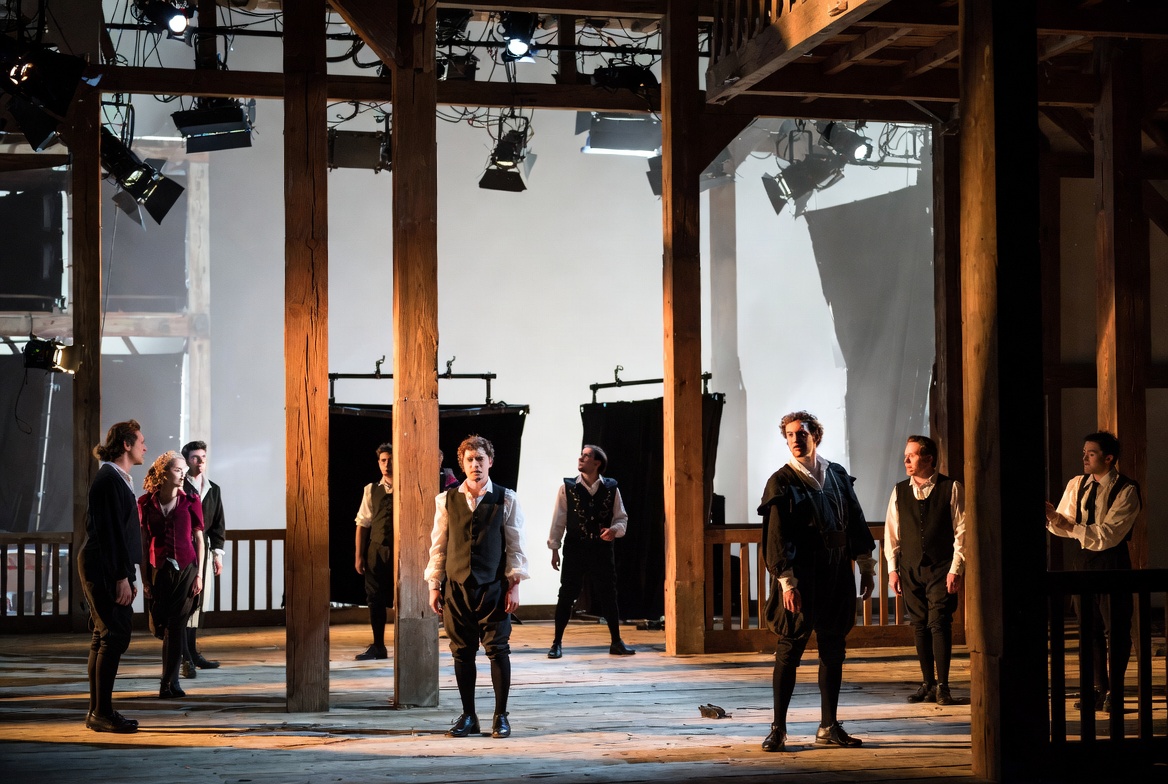
Directors have interpreted Act 1 Scene 2 of Romeo and Juliet in diverse ways across centuries:
- In Franco Zeffirelli’s 1968 film, the scene is warm and lively, with Capulet portrayed as affectionately paternal and the servant’s comedy broadly played.
- Baz Luhrmann’s 1996 modern adaptation sets the conversation in a sleek, wealthy household, presenting Paris as a polished, corporate-style suitor to emphasize class and superficiality.
- Contemporary Globe and Royal Shakespeare Company productions often expand the servant’s physical comedy, using it to connect with modern audiences while highlighting themes of literacy, class, and social exclusion.
- Recent adaptations sometimes shorten or stylize the scene to accelerate pacing toward the ball, but strong productions retain its full ironic weight.
Across versions, the scene consistently functions as the calm before the storm, with lighting, music, and staging choices signaling the shift from domestic normalcy to impending chaos.
Study Guide and Essay Tips for Students and Teachers
Discussion Questions
- How does Capulet’s attitude toward Juliet’s marriage in Scene 2 contrast with his behavior in Act 3? What does this reveal about his character?
- In what ways does the servant’s illiteracy serve as a catalyst for the tragedy?
- Analyze the dramatic irony in Romeo’s closing lines. How does it affect the audience’s experience?
Thesis Statement Templates
- “Through Lord Capulet’s dialogue in Act 1 Scene 2 of Romeo and Juliet, Shakespeare explores the conflict between paternal affection and patriarchal control.”
- “The chance encounter with the illiterate servant demonstrates that fate in the play operates through seemingly insignificant events and ordinary people.”
Common Exam Pitfalls to Avoid
- Treating the scene as mere plot summary instead of analyzing its dramatic function.
- Ignoring the irony and foreshadowing embedded in seemingly straightforward dialogue.
- Overlooking the servant’s thematic importance.
Key Shakespearean Vocabulary from the Scene
- Accustom’d – customary, traditional
- Marr’d – ruined, spoiled
- Propagate – to continue or increase
- Splendor – magnificent beauty
- Unattainted – unbiased, clear-sighted
Frequently Asked Questions About Act 1 Scene 2 of Romeo and Juliet
What happens in Act 1 Scene 2 of Romeo and Juliet? Paris asks for Juliet’s hand in marriage. Capulet advises waiting because of her young age but invites Paris to the family feast. An illiterate servant asks Romeo to read the guest list, leading Romeo and Benvolio to plan to attend the Capulet ball disguised.
Why does Capulet tell Paris to wait two years? He cites Juliet’s tender age and warns that early marriage can be harmful (“too soon marr’d are those so early made”), presenting himself as a cautious father early in the play.
How does the servant’s illiteracy advance the plot? It creates the coincidental meeting with Romeo, who reads the list, learns about the feast at the Capulets’, and decides to attend—without this moment, the lovers would never meet.
What does Romeo mean by “rejoice in splendor of mine own”? He means he will attend the feast not to admire other women, but to enjoy the beauty of his current love, Rosaline. The line is richly ironic because he will meet Juliet instead.
Is this the first mention of the feast? Yes. Scene 2 introduces the masquerade ball that becomes the setting for Romeo and Juliet’s first meeting in Scene 5.
Are there significant differences between the early printed texts? The Second Quarto (Q2, 1599) is considered the most authoritative and contains fuller dialogue and stage directions than the shorter First Quarto (Q1, 1597).
Act 1 Scene 2 of Romeo and Juliet may seem like a quiet domestic interlude, but it is one of Shakespeare’s most brilliantly constructed scenes. In just over 100 lines, the playwright activates every major force of the tragedy: parental control, youthful passion, social ritual, comic coincidence, and the invisible hand of fate.
By the time Romeo and Benvolio exit with masks in hand, the machinery of the play is fully engaged. What begins as a routine marriage discussion and a chance street encounter ends with two young men stepping unknowingly toward their destiny at the Capulet feast. Shakespeare reminds us that the greatest stories often turn on ordinary moments—a father’s cautious words, a servant’s simple request for help, and a lovesick youth’s impulsive decision.
For students, teachers, actors, and lovers of Shakespeare, mastering Act 1 Scene 2 of Romeo and Juliet provides the key to unlocking the deeper emotional and thematic power of the entire play. Return to the original text often, compare different productions, and you will continue to discover new layers with each reading.