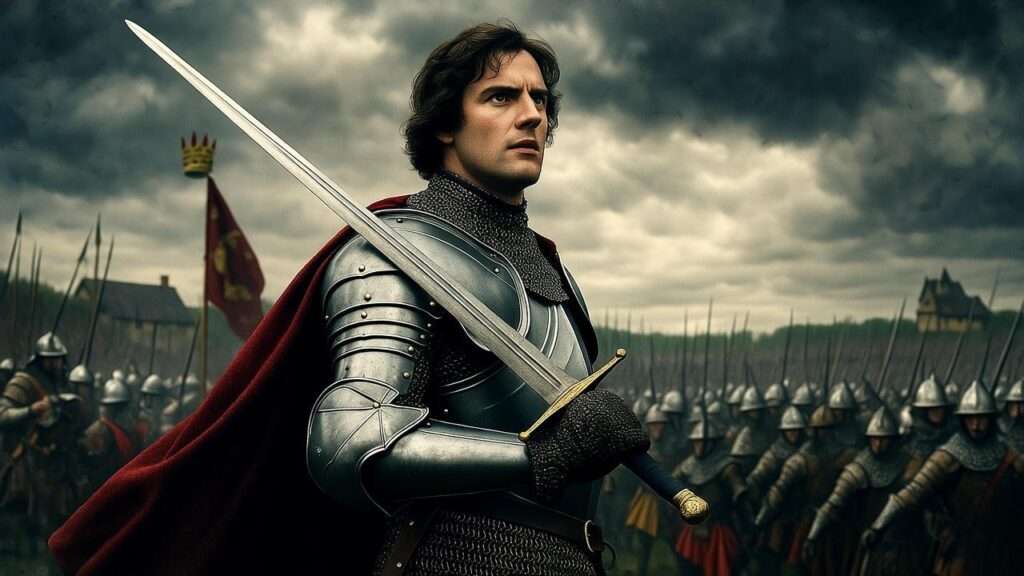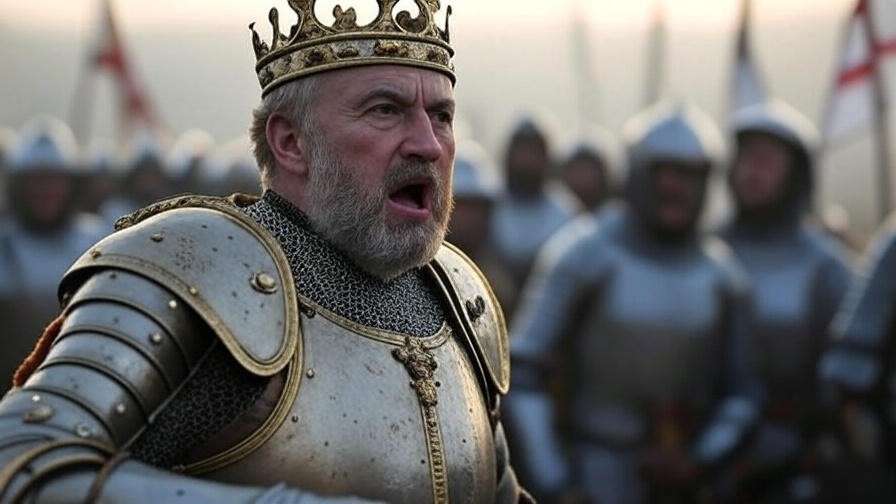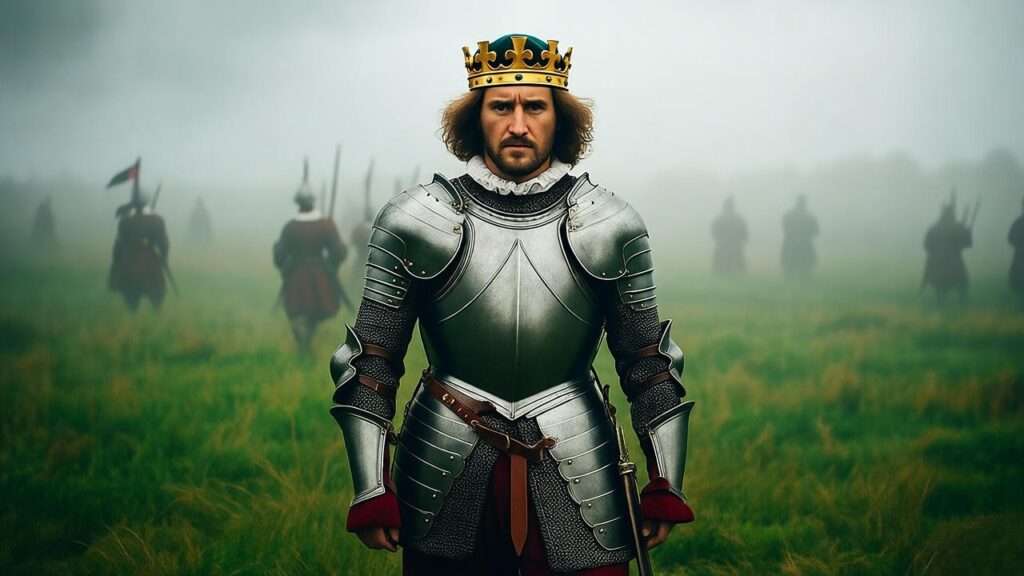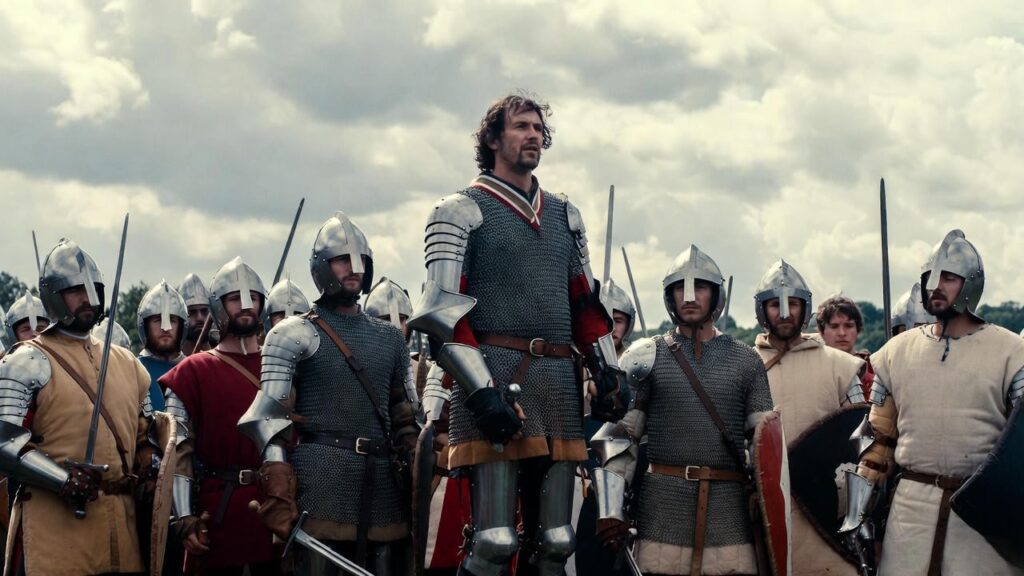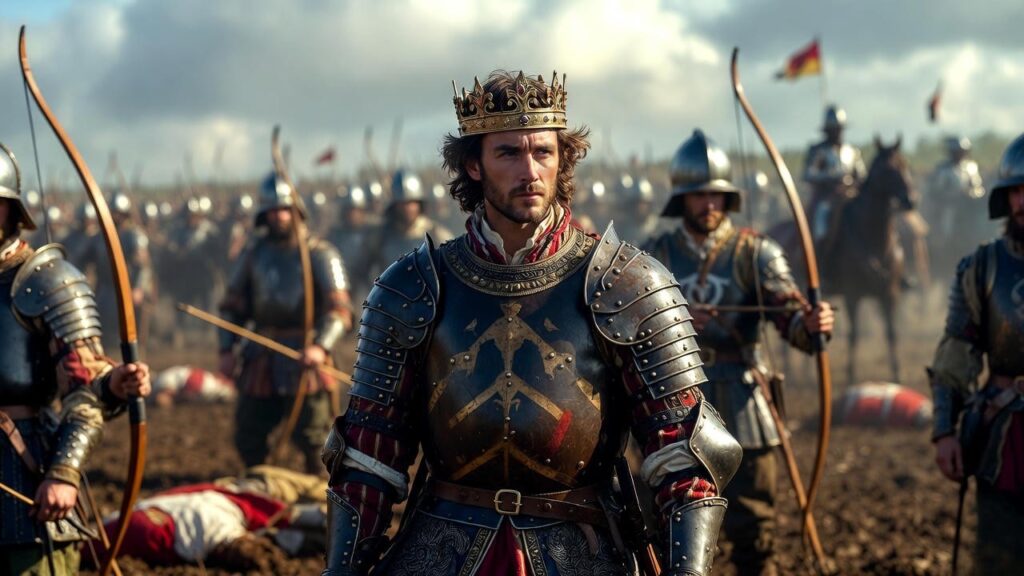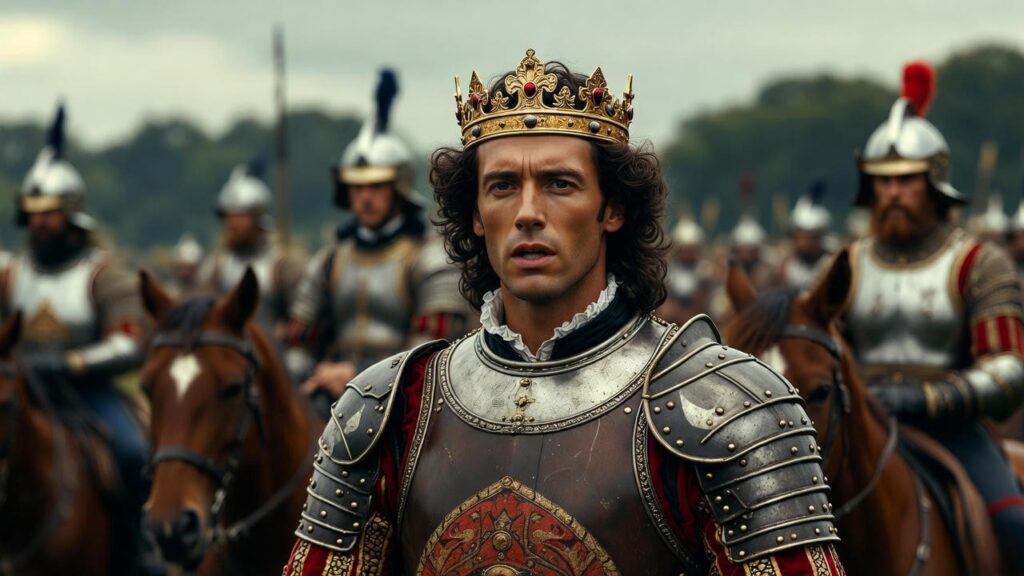
“We few, we happy few, we band of brothers…”
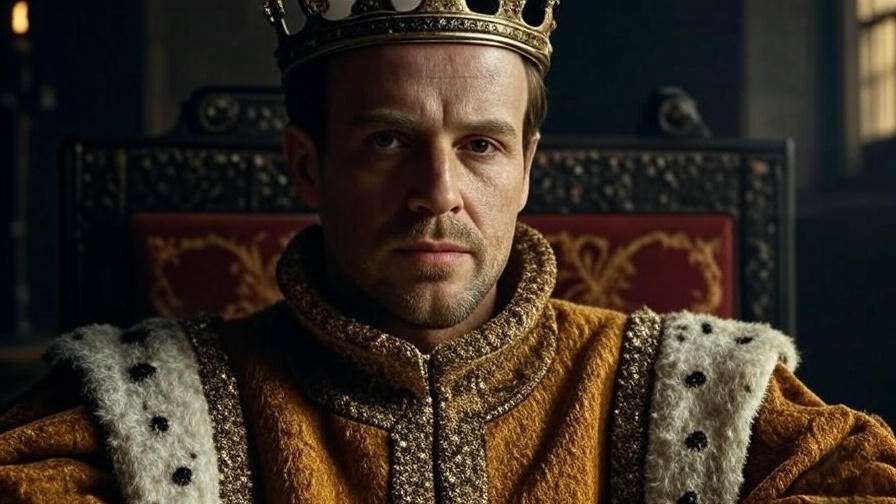
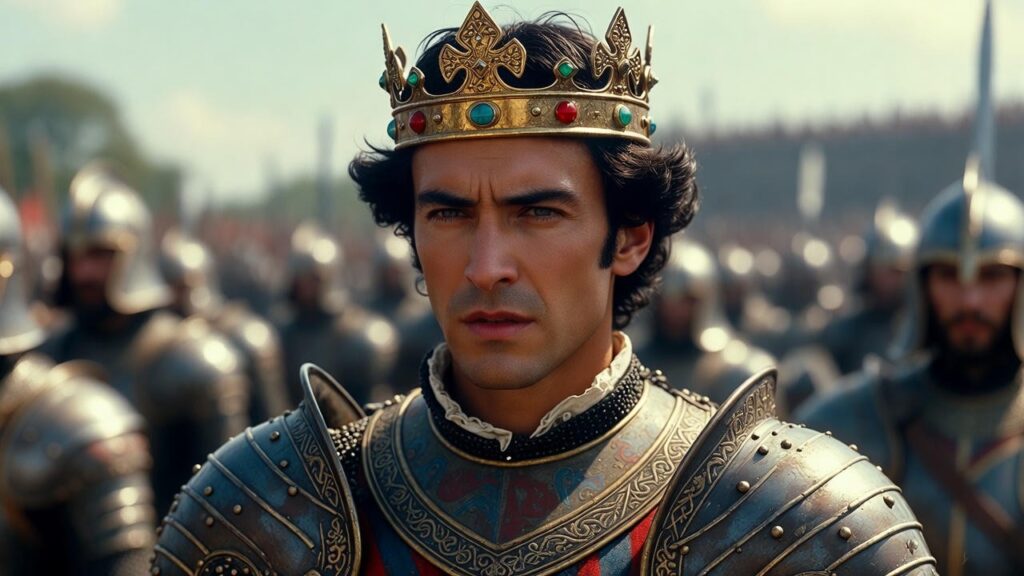
These words, spoken by King Henry V on the eve of the Battle of Agincourt, have echoed through centuries, inspiring soldiers, leaders, and ordinary people facing impossible odds. The iconic “band of brothers” Henry V speech—formally known as the St. Crispin’s Day speech—from William Shakespeare’s Henry V (Act 4, Scene 3) is widely regarded as one of the greatest pieces of motivational rhetoric in the English language. Whether you’ve encountered it in a history class, a wartime film, or a modern leadership seminar, its emotional power remains undiminished.
In this comprehensive exploration, we’ll dive deep into the historical roots of the speech, examine its full text with a modern translation, unpack its masterful rhetoric line by line, survey landmark performances on stage and screen, and trace its profound legacy in popular culture and leadership thinking today. By the end, you’ll not only understand why this speech endures but also how its timeless themes of brotherhood, courage, and shared legacy continue to resonate in our own lives.
Historical Context: The Real Battle of Agincourt and Shakespeare’s Sources
To fully appreciate Shakespeare’s genius, we must first separate fact from dramatic invention.
The Hundred Years’ War and Henry V’s Campaign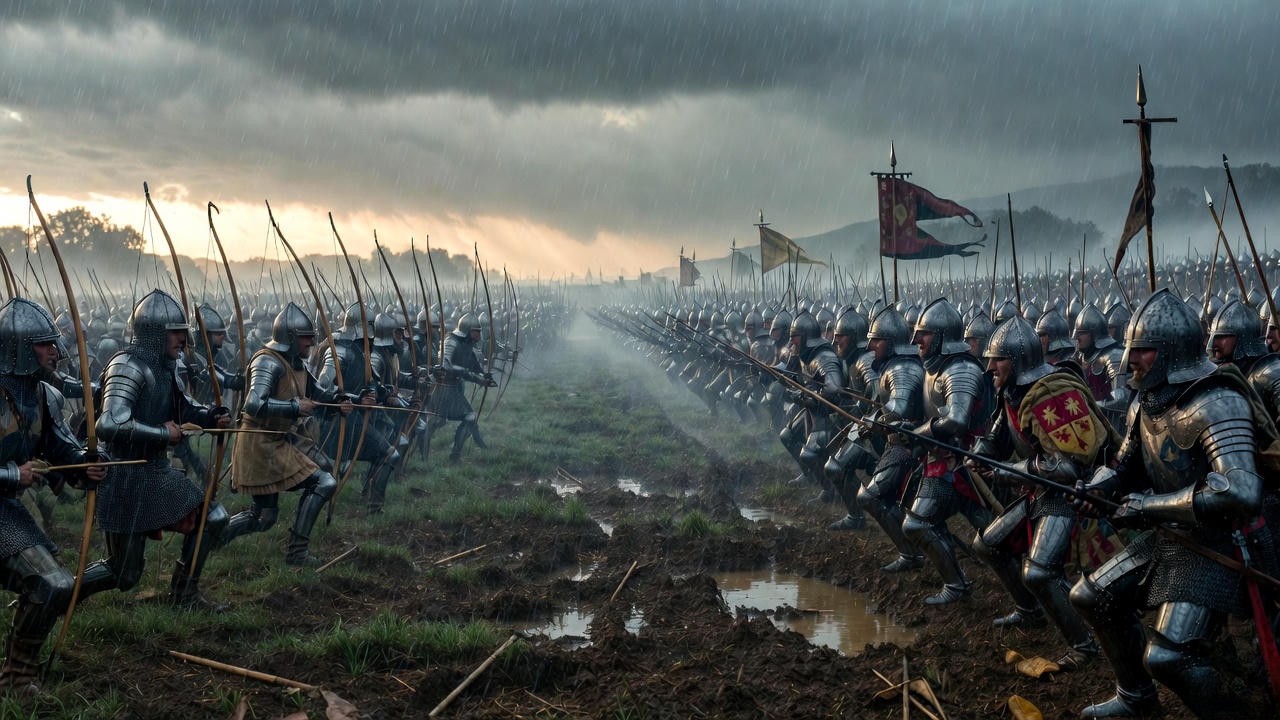
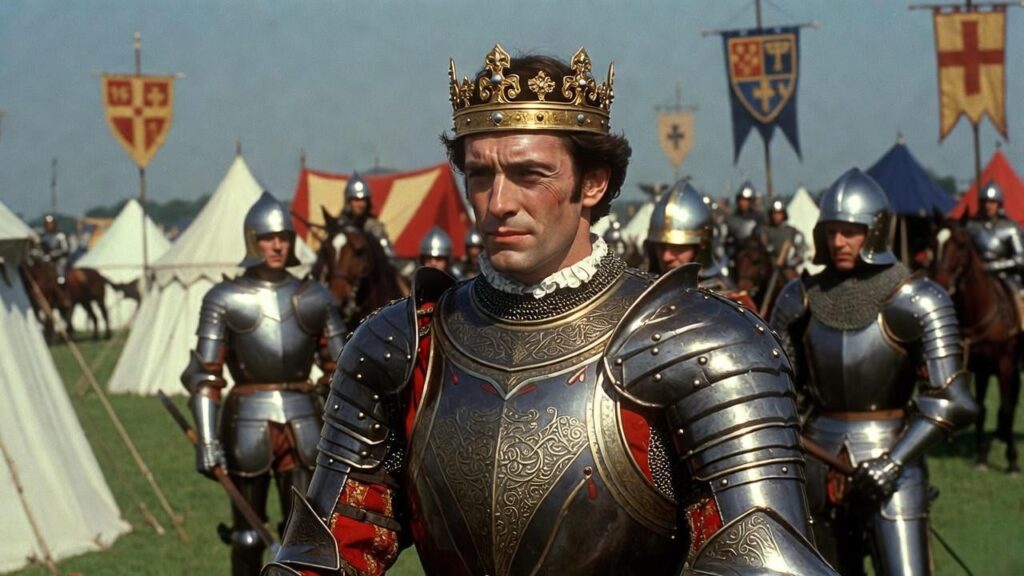
The Battle of Agincourt took place on October 25, 1415, during the Hundred Years’ War between England and France. King Henry V, having revived England’s claim to the French throne, landed at Harfleur in August 1415. After a costly siege that left his army ravaged by dysentery and exhaustion, Henry marched toward Calais with roughly 6,000–9,000 men—mostly longbowmen and men-at-arms—hoping to reach English-held territory.
Heavy rains turned the fields into mud, and the English were intercepted near Agincourt by a French army that outnumbered them perhaps five to one (modern estimates suggest 12,000–36,000 French against the English force). Starving, diseased, and soaked, Henry’s men faced annihilation.
Yet, against all odds, the English won a decisive victory, largely due to the devastating effectiveness of the longbow in the narrow, muddy terrain and French tactical errors, including overconfident charges by heavily armored knights.
Fact vs. Fiction: How Accurate Is Shakespeare’s Portrayal?
Shakespeare, writing around 1599, drew primarily from Holinshed’s Chronicles (1577, revised 1587) and possibly earlier accounts. While the battle’s broad outline is historical—English longbows, muddy ground, French overconfidence—the St. Crispin’s Day speech itself is entirely Shakespeare’s creation. No contemporary chronicle records Henry delivering such an oration.
Historical sources do, however, praise Henry’s leadership. The chaplain who accompanied the army wrote that the king moved among his men, encouraging them. The Gesta Henrici Quinti notes Henry’s pre-battle speech emphasizing God’s will and just cause, but nothing approaching Shakespeare’s poetic eloquence.
Shakespeare compresses events and heightens drama for the Elizabethan stage. He portrays an underdog English army united under an ideal king—a narrative that served both artistic and patriotic purposes during England’s tensions with Spain in the 1590s.
St. Crispin’s Day: The Saints Behind the Feast
October 25 is the feast day of Saints Crispin and Crispinian, twin brothers martyred around 286 AD for preaching Christianity while working as shoemakers. Tradition holds they gave shoes to the poor, making them patron saints of cobblers, tanners, and leatherworkers.
Shakespeare cleverly uses the saints’ obscurity to Henry’s rhetorical advantage: few will remember the day except those who survive to tell the tale. The historical battle did indeed fall on their feast day, a detail Shakespeare exploits for dramatic irony and memorability.
The Full Text of the St. Crispin’s Day Speech
Here is the speech as it appears in the First Folio (1623) and modern scholarly editions such as the Folger Shakespeare Library: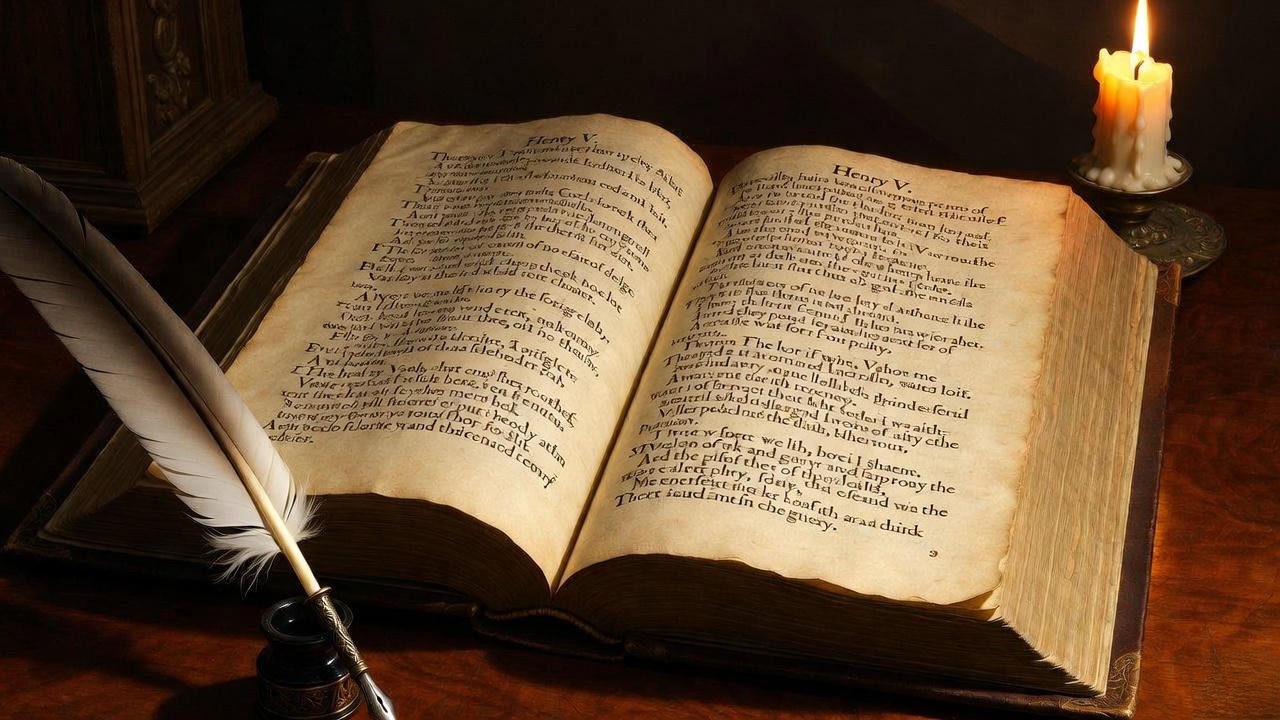
WESTMORLAND. O that we now had here But one ten thousand of those men in England That do no work to-day!
KING HENRY. What’s he that wishes so? My cousin Westmorland? No, my fair cousin: If we are mark’d to die, we are enough To do our country loss; and if to live, The fewer men, the greater share of honour. God’s will! I pray thee, wish not one man more. By Jove, I am not covetous for gold, Nor care I who doth feed upon my cost; It yearns me not if men my garments wear; Such outward things dwell not in my desires. But if it be a sin to covet honour, I am the most offending soul alive. No, faith, my coz, wish not a man from England. God’s peace! I would not lose so great an honour As one man more methinks would share from me For the best hope I have. O, do not wish one more! Rather proclaim it, Westmorland, through my host, That he which hath no stomach to this fight, Let him depart; his passport shall be made, And crowns for convoy put into his purse; We would not die in that man’s company That fears his fellowship to die with us. This day is call’d the feast of Crispian. He that outlives this day, and comes safe home, Will stand a tip-toe when this day is nam’d, And rouse him at the name of Crispian. He that shall live this day, and see old age, Will yearly on the vigil feast his neighbours, And say “To-morrow is Saint Crispian.” Then will he strip his sleeve and show his scars, And say “These wounds I had on Crispian’s day.” Old men forget; yet all shall be forgot, But he’ll remember, with advantages, What feats he did that day. Then shall our names, Familiar in his mouth as household words— Harry the King, Bedford and Exeter, Warwick and Talbot, Salisbury and Gloucester— Be in their flowing cups freshly rememb’red. This story shall the good man teach his son; And Crispin Crispian shall ne’er go by, From this day to the ending of the world, But we in it shall be remembered— We few, we happy few, we band of brothers; For he to-day that sheds his blood with me Shall be my brother; be he ne’er so vile, This day shall gentle his condition; And gentlemen in England now a-bed Shall think themselves accurs’d they were not here, And hold their manhoods cheap whiles any speaks That fought with us upon Saint Crispin’s day.
Modern English Translation and Paraphrase
For modern readers, here is a clear prose paraphrase (adapted from respected sources including the Folger and RSC editions):
Westmorland wishes they had ten thousand more men from England. Henry replies: No, cousin—if we are marked to die, we are enough to be a loss to our country; if to live, the fewer men, the greater share of honor. I wouldn’t wish for one more man. I’m not covetous of wealth or careless who enjoys my expenses; outward things don’t matter to me. But if coveting honor is a sin, I’m the greatest sinner alive.
Instead, proclaim throughout the army that anyone without the stomach for this fight may leave—we’ll even give him money to go home. We don’t want to die beside someone afraid to die with us.
This day is called the feast of Crispian. Whoever survives and returns home will stand on tiptoe when the day is named and rouse himself at the name of Crispian. In old age, he will feast his neighbors on the eve and say, “Tomorrow is Saint Crispian,” then roll up his sleeve to show his scars and say, “These wounds I had on Crispin’s day.”
Old men forget, yet he will remember (with embellishments) the feats of that day. Then our names—Harry the King, Bedford, Exeter, Warwick, Talbot, Salisbury, Gloucester—will be familiar in their toasts, freshly remembered.
The good man will teach this story to his son, and Crispin Crispian will never pass from this day to the end of the world without us being remembered: we few, we happy few, we band of brothers. For whoever sheds his blood with me today shall be my brother; however low-born, this day shall raise his status. And gentlemen now in bed in England will consider themselves cursed they weren’t here, and hold their manhood cheap whenever anyone speaks who fought with us on Saint Crispin’s day.
Line-by-Line Literary Analysis: Unpacking the Rhetoric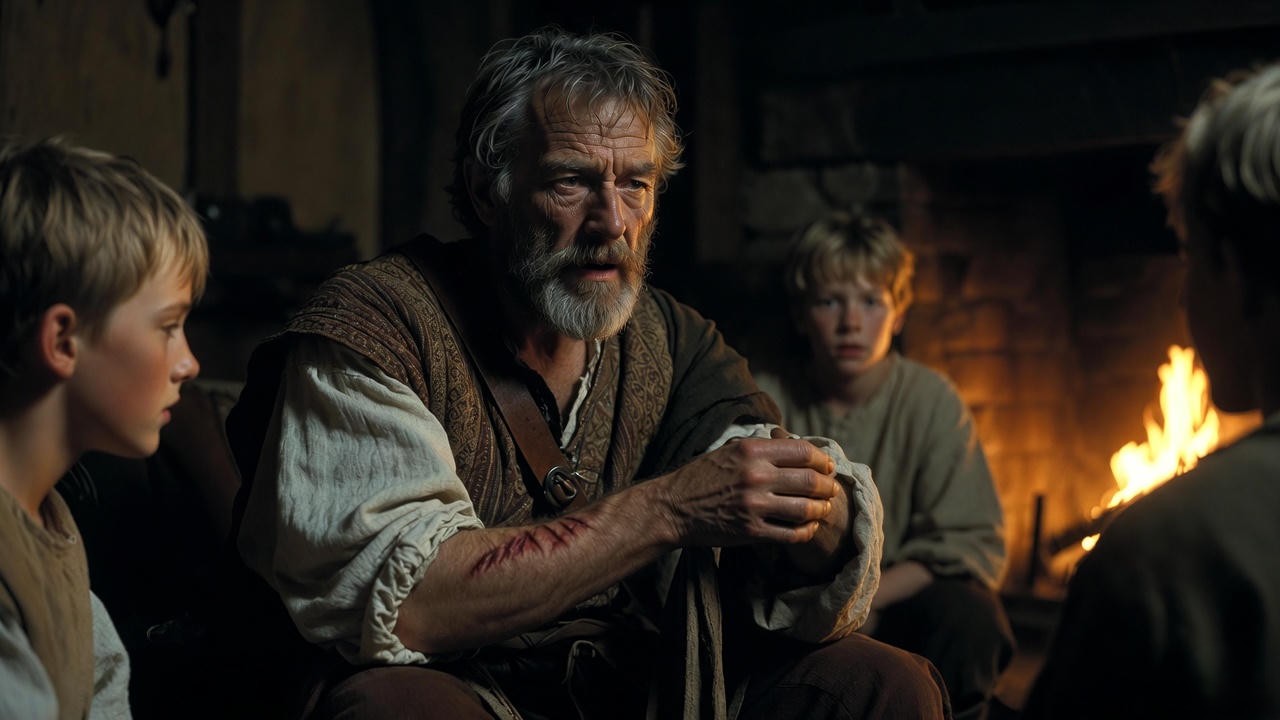
Shakespeare’s St. Crispin’s Day speech is a masterclass in persuasive oratory. Henry transforms despair into determination, fear into pride, and numerical disadvantage into spiritual privilege. Let us examine its rhetorical architecture and thematic depth.
Structure and Rhetorical Devices
The speech unfolds in three clear movements:
- Rebuke and Reframing (response to Westmorland’s wish for more men) Henry immediately rejects the premise. By repeating and inverting Westmorland’s desire (“wish not one man more”), he employs antithesis—turning lack into abundance.
- Offer of Departure In a bold stroke, Henry offers safe passage to any fainthearted soldier. This procatalepsis (anticipating and refuting objection) removes doubt from the remaining force while elevating their commitment.
- Vision of Future Glory The emotional crescendo shifts from present peril to eternal remembrance, using anaphora (“He that…”, “And…”, “Then…”) to build rhythmic momentum.
Key devices include:
- Repetition and parallelism: “We few, we happy few, we band of brothers” – the triple structure creates memorability and unity.
- Imagery: Veterans standing “a tip-toe,” stripping sleeves to show scars, names toasted in “flowing cups.”
- Hyperbole: Remembrance “from this day to the ending of the world.”
- Inclusive pronouns: “we,” “us,” “our” forge emotional solidarity between king and commoner.
Key Themes: Brotherhood, Honor, and Immortality
The phrase “we band of brothers” has become synonymous with unbreakable camaraderie, but its full meaning is richer.
- Brotherhood Across Class Henry declares: “For he to-day that sheds his blood with me / Shall be my brother; be he ne’er so vile, / This day shall gentle his condition.” In feudal England, birth rigidly determined status. Shakespeare’s Henry temporarily dissolves hierarchy: shared danger and sacrifice ennoble everyone equally. This democratic impulse—radical for 1599—resonates with modern ideals of merit and teamwork.
- Honor Redefined Henry reframes scarcity as privilege: “The fewer men, the greater share of honour.” Honor is not diluted by numbers but concentrated. This psychological reversal is a classic motivational technique still taught in leadership training.
- Immortality Through Story Henry promises survivors a form of eternal life through memory. Their scars become badges, their names “household words.” This reflects Renaissance fascination with fame (kleos in classical terms) and prefigures modern concepts of legacy.
Henry’s Transformation: From Prince Hal to Inspirational Leader
Readers familiar with the Henriad (Richard II, Henry IV Parts 1 and 2, Henry V) recognize Henry’s growth. The reckless Prince Hal who caroused with Falstaff has matured into a king capable of profound eloquence. The speech marks the culmination of his journey toward responsible rule. Shakespeare subtly contrasts Henry’s genuine inspiration with the political calculation seen earlier (e.g., his cold rejection of Falstaff). Scholars debate whether the speech reveals sincere belief or masterful manipulation—Shakespeare leaves room for both interpretations.
Iconic Performances: Bringing the Speech to Life on Stage and Screen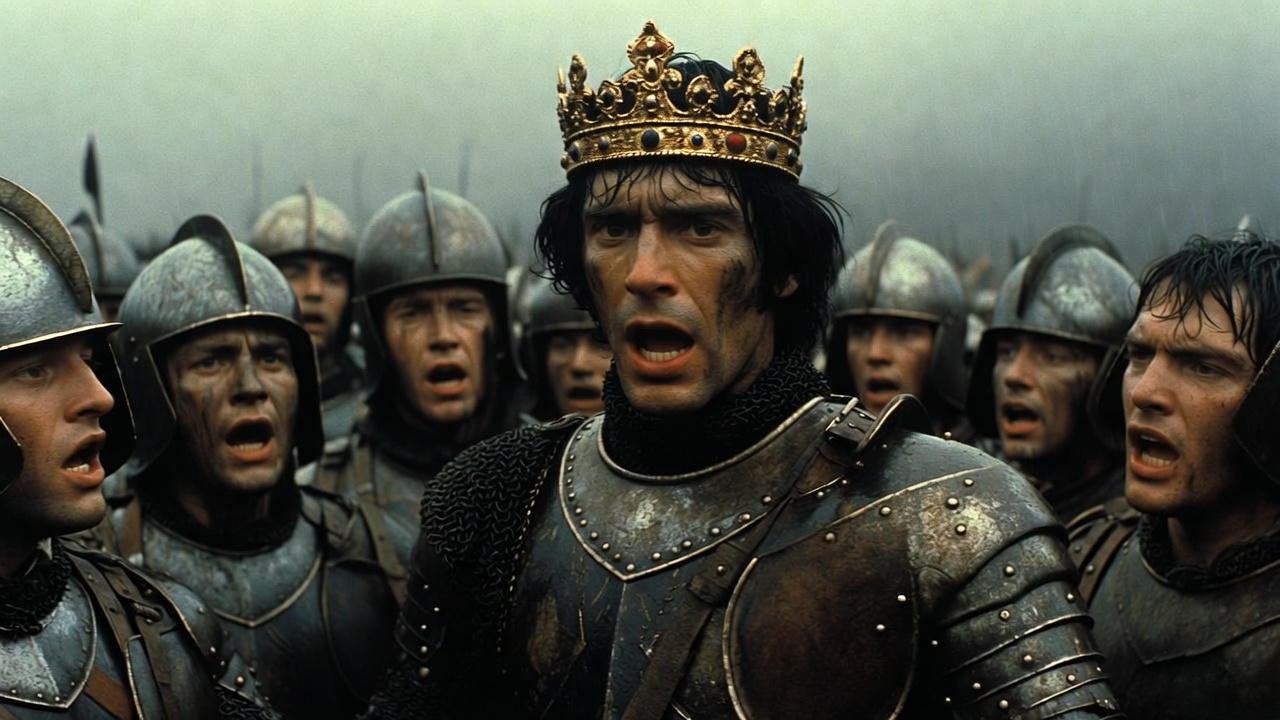
The power of the St. Crispin’s Day speech depends heavily on delivery. Different actors have emphasized different facets—patriotic fervor, quiet resolve, or raw emotion.
Laurence Olivier’s 1944 Film Version
Filmed during World War II and dedicated to the Commandos, Olivier’s rendition is stirring and theatrical. He delivers the speech from horseback in bright armor against a stylized medieval backdrop. The tone is heroic and uplifting, designed to boost British morale during the war. Olivier’s crisp diction and soaring cadence made it propaganda as art.
Kenneth Branagh’s 1989 Adaptation
Branagh’s film presents a grittier, more human Henry. Mud-soaked and battle-weary, Branagh begins quietly, almost conversationally, building to passionate intensity. His voice cracks with emotion on “we band of brothers,” and tears glisten in his eyes. The camera lingers on soldiers’ faces, emphasizing shared humanity over glory. Many critics and viewers consider this the definitive cinematic interpretation.
Other Notable Interpretations
- Tom Hiddleston in the BBC’s The Hollow Crown (2012) offers a youthful, earnest Henry—thoughtful and introspective, yet commanding.
- Stage productions often experiment: Jude Law (West End, 2013) delivered it with intimate urgency; Jamie Parker (RSC) emphasized rhetorical precision.
- Countless school and amateur performances worldwide keep the speech alive in education.
Each interpretation highlights different layers: Olivier the myth-maker, Branagh the psychologist, Hiddleston the idealist.
The Speech’s Enduring Legacy in Popular Culture
Few Shakespearean passages have permeated culture as deeply as this one.
“Band of Brothers” in Literature and Media
- Stephen E. Ambrose’s 1992 book Band of Brothers about Easy Company, 506th Parachute Infantry Regiment, drew its title directly from the speech. The 2001 HBO miniseries (produced by Tom Hanks and Steven Spielberg) ends its finale with Major Richard Winters quoting the lines over footage of veterans.
- Films such as Renaissance Man (1994), Independence Day (1996, Bill Pullman’s presidential speech echoes structure), and Braveheart (1995) borrow its motivational template.
- Sports coaches frequently invoke it in locker-room talks; military units adopt “band of brothers” as motto.
Influence on Modern Leadership and Motivation
Leadership experts cite the speech for its timeless principles:
- Reframing adversity as opportunity
- Building team cohesion through shared purpose
- Emphasizing intrinsic over extrinsic rewards (honor over gold)
- Creating a narrative of legacy
Business seminars and TED-style talks often reference it when discussing inclusive leadership and resilience.
Criticisms and Nuances: Propaganda or True Inspiration?
Balanced analysis requires acknowledging complexities. Some scholars view the speech as war propaganda glorifying violence. Henry’s invasion of France was aggressive; his later order to kill prisoners (depicted elsewhere in the play) undercuts moral purity. Post-colonial and pacifist readings highlight jingoism.
Yet Shakespeare includes counter-voices: the common soldiers’ fear, the cynicism of Williams and Bates earlier in Act 4. The play refuses simplistic patriotism. The speech’s power lies partly in this ambiguity—celebrating courage while subtly questioning war’s cost.
Why the Speech Still Resonates Today: Lessons for Modern Readers
In an era of division, the vision of a “band of brothers” united across difference remains aspirational. Whether in workplaces, communities, or families, we seek connection forged in shared struggle.
Practical takeaways:
- Public speaking tip: Use repetition and vivid imagery to make messages memorable.
- Leadership lesson: Acknowledge fear openly, then redirect toward shared purpose.
- Personal reflection: Consider what “scars” you carry from challenges—and how telling those stories creates meaning.
Frequently Asked Questions (FAQs)
What is the full “band of brothers” quote from Henry V? The key passage: “We few, we happy few, we band of brothers; / For he to-day that sheds his blood with me / Shall be my brother…”
Is the St. Crispin’s Day speech historically accurate? No contemporary record exists. It is Shakespeare’s dramatic invention, though inspired by accounts of Henry’s encouragement.
What does “we few, we happy few” really mean? It celebrates the small English army’s privilege: fewer survivors mean greater individual honor and remembrance.
How has the speech been used in movies and TV? Iconically in Olivier (1944) and Branagh (1989) adaptations of Henry V, and referenced in Band of Brothers (HBO), Independence Day, and many others.
Where can I read or watch the speech? Read in any reputable edition of Henry V (Folger, Arden, RSC). Watch Branagh’s 1989 film or clips from The Hollow Crown.
Why is it called the St. Crispin’s Day speech? The battle occurred on October 25, the feast day of Saints Crispin and Crispinian.
Did Henry V really say “band of brothers”? Almost certainly not—Shakespeare coined the phrase.
What is the main message of the speech? Courage in adversity, equality through shared sacrifice, and immortality through collective memory.
Embracing Our Own “Band of Brothers”
Nearly 600 years after Agincourt and over 400 years since Shakespeare wrote these lines, the St. Crispin’s Day speech continues to move us because it speaks to fundamental human needs: belonging, purpose, and legacy.
Whether facing professional challenges, personal trials, or collective crises, we all seek our own “band of brothers”—those who stand beside us when odds are long. Shakespeare reminds us that true honor is not won by numbers or birthright, but by commitment shared in the crucible of difficulty.
Revisit Henry V, watch a favorite adaptation, or simply reflect on the words next October 25. Let them inspire you to stand a little taller, remember your own scars with pride, and recognize the brothers and sisters who fought alongside you.