
II. Understanding the Torah: Why These Words Still Matter
III. The Core Showcase: The Best 10 Quotes from the Torah
1. On Human Dignity and Creation (Genesis 1:27)
-
The Concept: The affirmation that every human being is created in the divine image (Imago Dei).
-
Context & Breakdown: Positioned at the pinnacle of the creation narrative, this verse establishes an egalitarian baseline for humanity. Regardless of social status, race, or background, individual worth is intrinsically tied to a divine reflection.
-
Modern Takeaway: Serving as a powerful reminder against dehumanization, this verse champions inherent human rights and mutual respect in daily interactions.
2. On Responsibility and Community (Leviticus 19:18)
-
The Concept: The famous commandment to love your neighbor as yourself.
-
Context & Breakdown: Often referred to by ancient sages as a core pillar of biblical law, this verse shifts focus from insular survival to collective empathy.
-
Modern Takeaway: True ethical living requires radical empathy—extending the same care, protection, and grace to others that we naturally reserve for ourselves.
3. On Justice and Integrity (Deuteronomy 16:20)
-
The Concept: The pursuit of justice (“Justice, justice shalt thou pursue”).
-
Context & Breakdown: The doubling of the word “justice” (tzedek, tzedek) emphasizes urgency and moral integrity. Legal and social fairness cannot be passive; it requires active, unyielding pursuit.
-
Modern Takeaway: Integrity demands that we stand up against systemic inequality and maintain ethical uprightness in both professional and personal realms.
4. On Free Will and Choice (Deuteronomy 30:19)
-
The Concept: Choosing life and moral agency.
-
Context & Breakdown: At the culmination of Moses’s final addresses, the community is presented with a clear dichotomy between blessings and consequences, ultimately urged to choose life.
-
Modern Takeaway: Human beings are endowed with moral agency. Every day presents conscious choices that shape our character and legacy.
5. On Compassion for the Stranger (Leviticus 19:34)
-
The Concept: Empathy for the immigrant and outsider.
-
Context & Breakdown: Grounded in the historical narrative of the Israelites having been strangers in the land of Egypt, this command mandates treating the outsider as a native-born citizen, driven by shared vulnerability.
-
Modern Takeaway: Our treatment of refugees, newcomers, and marginalized individuals serves as a true measure of our collective morality.
6. On Humility and Striving (Genesis 18:27)
-
The Concept: Abraham framing himself as “dust and ashes.”
-
Context & Breakdown: During his dialogue regarding Sodom, Abraham balances bold moral advocacy with profound humility before the divine presence.
-
Modern Takeaway: True leadership and moral conviction must be anchored in humility, recognizing our limitations while striving to do what is right.
7. On Ethical Speech and Truth (Leviticus 19:11)
-
The Concept: Prohibition against deceit and false dealings.
-
Context & Breakdown: This verse warns against lying, stealing, or deceiving one’s neighbor, establishing trust as the currency of a healthy society.
-
Modern Takeaway: Trust is difficult to rebuild once broken; cultivating honesty in speech and business safeguards communal harmony.
8. On Environmental Stewardship (Genesis 2:15)
-
The Concept: Humanity’s mandate to “tend and to keep” the garden.
-
Context & Breakdown: Placed in Eden, humankind is given a dual mandate: active cultivation (le’avdah) and protective preservation (le’shomrah).
-
Modern Takeaway: We are caretakers, not absolute owners, of the natural world, bearing responsibility for sustainable ecological practices.
9. On Collective Responsibility (Exodus 19:8)
-
The Concept: “We will do and we will hear” (Na’aseh ve-nishma).
-
Context & Breakdown: The Israelite community accepts the covenantal framework collectively, prioritizing commitment to ethical action alongside intellectual understanding.
-
Modern Takeaway: Growth often requires active commitment and participation first, allowing deeper wisdom and understanding to follow through experience.
10. On Healing and Restoration (Exodus 15:26)
-
The Concept: The covenant of well-being and restoration.
-
Context & Breakdown: Following the exodus and trials at Marah, this verse introduces healing as an alignment with ethical and spiritual guidelines.
-
Modern Takeaway: Physical healing, mental resilience, and spiritual restoration are deeply interconnected facets of human wholeness.
IV. How to Choose the Right Torah Commentary & Study Guides
-
Scholarship Level: Determine whether you prefer academic source-criticism, historical archaeology, or traditional devotional commentary.
-
Translation Style: Decide if you want a literal, word-for-word rendering of ancient Hebrew idiom or a smooth, literary English translation.
-
Format & Binding: Consider whether you need a portable reader edition for travel or a comprehensive hardcover volume for a home library.
V. Detailed Product Comparison & Review Section (Top Amazon Recommendations)
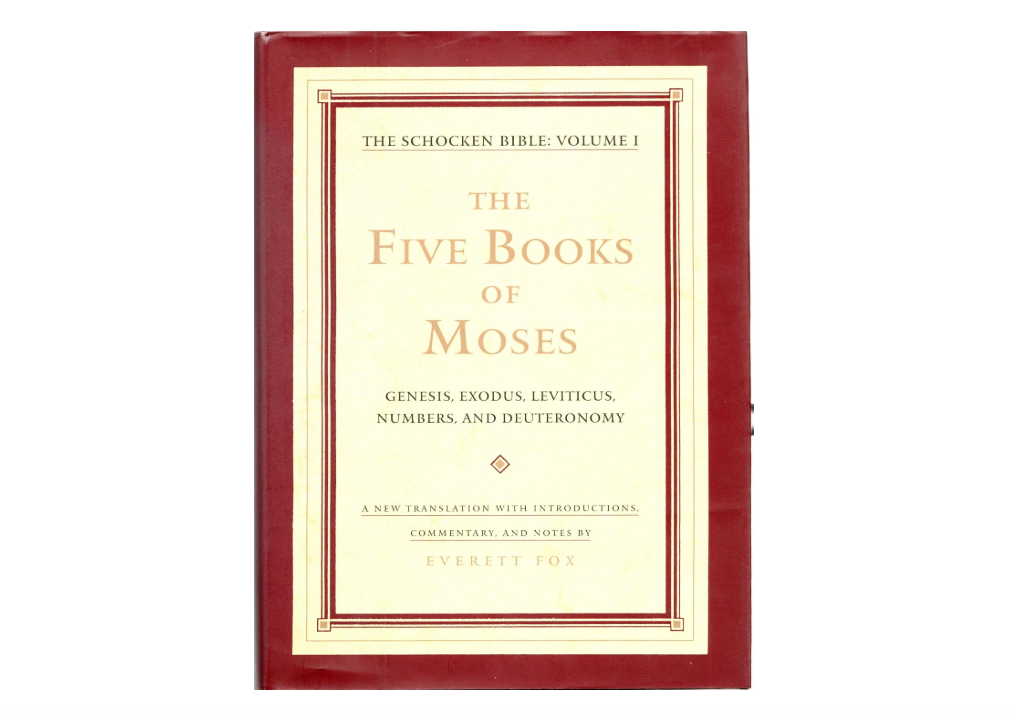
Product 1: The Five Books of Moses: The Schocken Bible, Volume 1 (by Everett Fox)
-
Compelling Product Description: Everett Fox’s acclaimed translation preserves the rhythm, oral style, and poetic properties of the original Hebrew text, allowing English readers to hear the cadence of ancient verse.
-
Price Range:
-
Key Features & Benefits: Formatted to reflect traditional poetic structures; includes extensive literary and historical commentary notes; accurately captures Hebrew idioms.
-
Pros & Cons:
-
Pros: Incredibly faithful to linguistic roots; stunning typographical layout.
-
Cons: Dense reading style that may require patience for absolute beginners.
-
-
Amazon Customer Ratings & Reviews Overview: Holds a stellar 4.8/5-star average across thousands of reviews, praised heavily for its literary elegance.
-
Why It’s a Good Choice: Best for readers who want to experience the exact textual texture and poetic power behind foundational verses.
-
Ideal Use Case / Who Should Buy It: Serious students of literature, history, and sacred text poetry.
Product 2: Commentary on the Torah (by Richard Elliott Friedman)
-
Compelling Product Description: A masterpiece of modern biblical scholarship offering clear, illuminating insights into the historical, literary, and archaeological context of the Pentateuch.

-
Price Range: $18.99
-
Key Features & Benefits: Verse-by-verse modern commentary; source-critical breakdowns written in accessible, lucid prose.
-
Pros & Cons:
-
Pros: Exceptional clarity; bridges ancient context with modern thought seamlessly.
-
Cons: Substantial physical book weight makes it less ideal for casual travel.
-
-
Amazon Customer Ratings & Reviews Overview: Earns exceptional ratings (Avg. 4.7/5 stars) for readability, intellectual depth, and clarity.
-
Why It’s a Good Choice: Empowers readers to understand why these texts were written and how their historical weight gives power to individual verses.
-
Ideal Use Case / Who Should Buy It: Readers looking for a scholarly yet approachable translation and commentary bundle.
Product 3: Etz Hayim: Torah and Commentary (Jewish Publication Society)
-
Compelling Product Description: Widely recognized as a premier study companion, offering dual layers of commentary (Peshat and Derash) alongside inspiring contemporary essays on Jewish thought.

-
Price Range:
-
Key Features & Benefits: Dual commentary structure; complete Haftarah inclusions; modern ethical essays attached to every weekly portion.
-
Pros & Cons:
-
Pros: Comprehensive community standard; deep multi-generational wisdom in one volume.
-
Cons: Higher price point relative to paperback commentaries.
-
-
Amazon Customer Ratings & Reviews Overview: Enjoys cult-favorite status with stellar praise (Avg. 4.9/5 stars) from study groups and scholars alike.
-
Why It’s a Good Choice: Offers complete communal, historical, and spiritual commentary traditions in a single authoritative package.
-
Ideal Use Case / Who Should Buy It: Lifelong learners and spiritual seekers wanting an exhaustive desktop study companion.
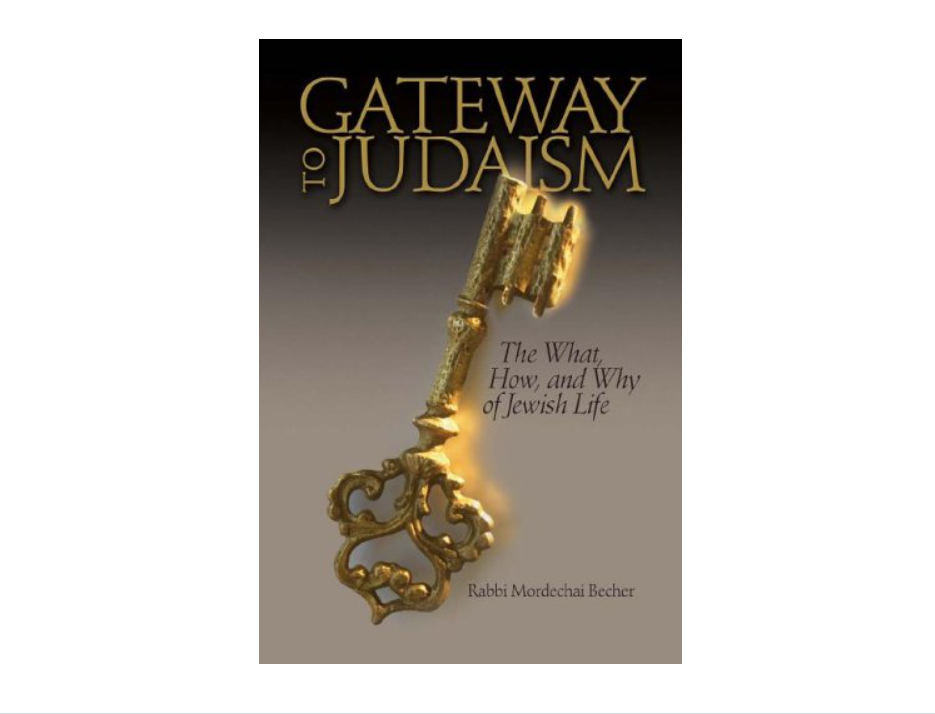
Product 4: Gateway to Judaism: The What, How, and Why of Jewish Life (by Mordechai Becher)
-
Compelling Product Description: An inviting, highly readable introduction that decodes the foundational laws, ethics, and philosophical roots underpinning Biblical quotes.
-
Price Range: $29.29
-
Key Features & Benefits: Clear explanatory chapters, thematic organization, and engaging modern Q&A formatting.
-
Pros & Cons:
-
Pros: Extremely accessible for beginners; highly engaging and structured.
-
Cons: Less focus on a continuous line-by-line verse translation.
-
-
Amazon Customer Ratings & Reviews Overview: Highly rated fan-favorite entry resource (Avg. 4.8/5 stars).
-
Why It’s a Good Choice: Acts as a perfect stepping stone for readers trying to contextualize quotes within broader tradition.
-
Ideal Use Case / Who Should Buy It: Beginners or students looking for an easy-to-digest foundation of biblical ethics.
Product 5: The Torah: A Modern Commentary (by W. Gunther Plaut)
-
Compelling Product Description: A monumental achievement in modern Jewish scholarship, this comprehensive single-volume work pairs the traditional Hebrew text with a contemporary English translation and extensive sociological, historical, and literary commentaries.

-
Price Range: $29.99
-
Key Features & Benefits: Features both traditional and liberal contemporary commentary on every portion; includes specialized essays on major theological and ethical themes; side-by-side Hebrew and English layout.
-
Pros & Cons:
-
Pros: Invaluable for understanding progressive and historical-critical perspectives; exceptionally thorough.
-
Cons: Large and heavy textbook format.
-
-
Amazon Customer Ratings & Reviews Overview: Highly favored (Avg. 4.8/5 stars) by study groups, clergy, and independent researchers.
-
Why It’s a Good Choice: It directly bridges ancient scriptural quotes with modern social justice, gender equality, and ethical dilemmas.
-
Ideal Use Case / Who Should Buy It: Readers and students looking for a comprehensive, pluralistic commentary that addresses modern cultural questions.
Product 6: The Jewish Study Bible (Edited by Adele Berlin and Marc Zvi Brettler)
-
Compelling Product Description: Built upon the renowned Jewish Publication Society (JPS) translation, this landmark volume features introductory essays and annotations from leading secular and academic biblical scholars.

-
Price Range:
-
Key Features & Benefits: Groundbreaking academic notes; maps, timelines, and essays contextualizing the Ancient Near East; clear, neutral scholarly tone.
-
Pros & Cons:
-
Pros: Exceptional historical context; highlights literary structures clearly.
-
Cons: Focuses heavily on historical-critical analysis rather than homiletic or devotional application.
-
-
Amazon Customer Ratings & Reviews Overview: Exceptional acclaim (Avg. 4.9/5 stars) for academic accuracy and clear formatting.
-
Why It’s a Good Choice: Essential for readers who want to understand the objective historical backdrop behind the text of the Torah.
-
Ideal Use Case / Who Should Buy It: College students, history buffs, and interfaith readers seeking an academic reference standard.
Product 7: The Stone Edition Chumash (ArtScroll Series, by Nosson Scherman)
-
Compelling Product Description: A powerhouse in traditional Orthodox publishing, this volume offers a classic window into centuries of rabbinic commentary (Rashi, Ramban, and others) presented in polished modern English.

-
Price Range: $0.99
-
Key Features & Benefits: Includes the full Five Books of Moses, Haftarot, and Megillot; anthologized classical commentaries printed directly beneath the text; clear layout.
-
Pros & Cons:
-
Pros: Unmatched window into traditional rabbinic thought and commentary streams.
-
Cons: Strictly adheres to traditional orthodox perspectives, omitting critical-historical source theories.
-
-
Amazon Customer Ratings & Reviews Overview: Massive popularity and stellar praise (Avg. 4.9/5 stars across thousands of reviews).
-
Why It’s a Good Choice: The absolute gold standard for readers seeking traditional, time-tested faith commentary on scriptural verses.
-
Ideal Use Case / Who Should Buy It: Traditional learners, synagogue attendees, and those seeking orthodox commentary depth.
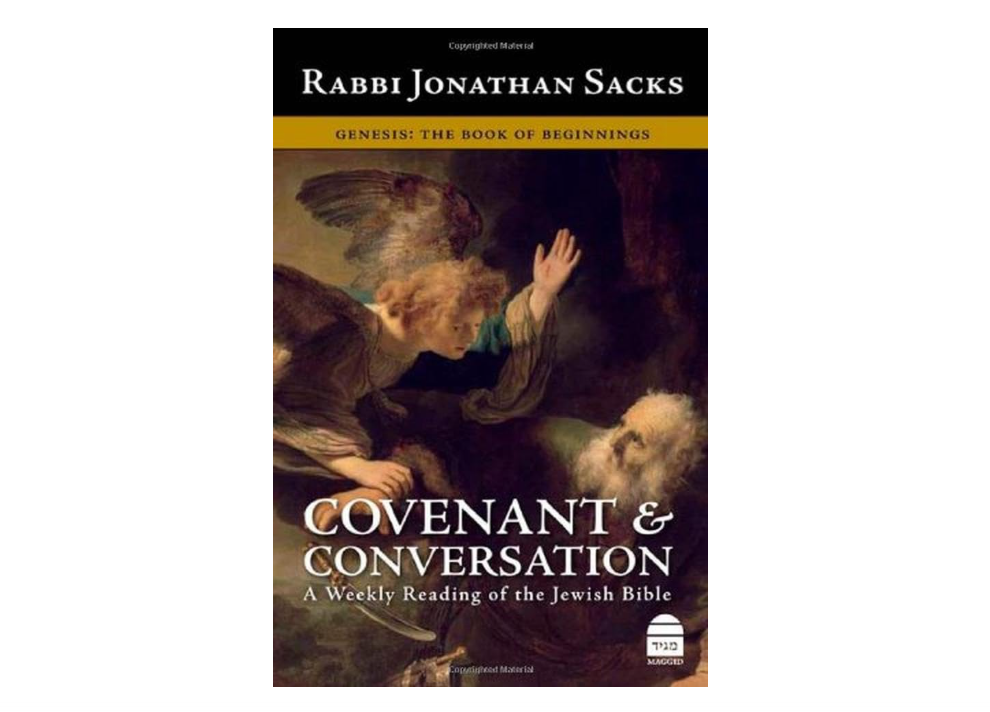
Product 8: Covenant & Conversation: A Weekly Reading of the Jewish Bible (Genesis & Exodus sets) (by Rabbi Lord Jonathan Sacks)
-
Compelling Product Description: Written by one of the greatest moral philosophers of our time, these volumes translate ancient biblical text into breathtaking essays on human dignity, leadership, and Western values.
-
Price Range:
-
Key Features & Benefits: Deep philosophical frameworks; elegant literary style; connects ancient biblical motifs directly to modern psychology and ethics.
-
Pros & Cons:
-
Pros: Incredibly inspiring, beautifully written prose that reads like elite literature.
-
Cons: Split across multiple volumes if purchasing the complete set.
-
-
Amazon Customer Ratings & Reviews Overview: Universally loved (Avg. 4.9/5 stars) for intellectual brilliance and emotional resonance.
-
Why It’s a Good Choice: Perfect for finding deep, essay-length expansions on individual verses and quotes.
-
Ideal Use Case / Who Should Buy It: Lovers of deep philosophy, ethics, and masterclass-level modern writing.
Product 9: The Five Books of Moses (The Translation & Commentary by Robert Alter)
-
Compelling Product Description: Translated by renowned literary critic Robert Alter, this work treats the Torah as a supreme work of narrative art, capturing Hebrew wordplay, irony, and stylistic nuance.

-
Price Range:
-
Key Features & Benefits: Masterful literary translation notes; focuses on how Hebrew syntax and narrative art shape meaning.
-
Pros & Cons:
-
Pros: Unrivaled literary appreciation of the Bible’s narrative architecture.
-
Cons: Less focus on legalistic rabbinic code, focusing primarily on narrative art.
-
-
Amazon Customer Ratings & Reviews Overview: Critically acclaimed favorite (Avg. 4.8/5 stars).
-
Why It’s a Good Choice: Reveals the aesthetic and literary genius hiding inside biblical phrasing.
-
Ideal Use Case / Who Should Buy It: Literature enthusiasts, writers, and poetry lovers.
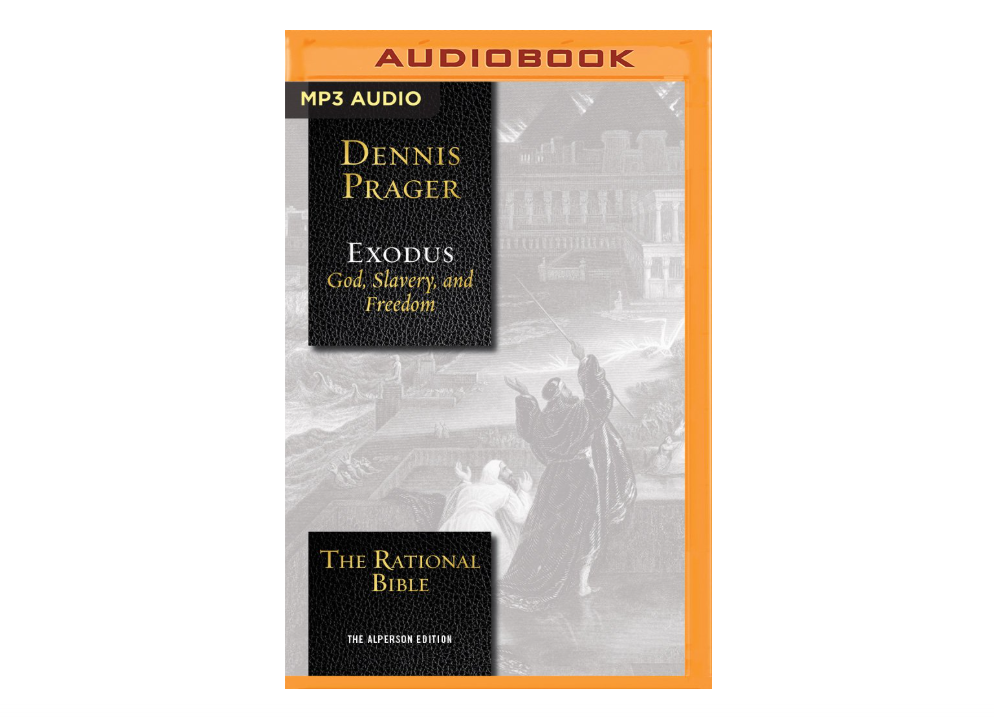
Product 10: The Rational Bible: Exodus / Genesis (by Dennis Prager)
-
Compelling Product Description: A commentary designed specifically for people—religious and secular alike—who want to make sense of the Bible as a cohesive moral blueprint for humanity.
-
Price Range:
-
Key Features & Benefits: Highly readable, conversational layout; focuses heavily on universal moral lessons rather than obscure linguistic trivia.
-
Pros & Cons:
-
Pros: Highly engaging, clear, and practical for daily life discussions.
-
Cons: Selective commentary style that bypasses granular Hebrew philology.
-
-
Amazon Customer Ratings & Reviews Overview: Bestselling status with strong reviews (Avg. 4.8/5 stars).
-
Why It’s a Good Choice: Makes complex moral and ethical arguments immediately understandable to any reader.
-
Ideal Use Case / Who Should Buy It: Everyday readers and book clubs seeking clear, value-driven moral lessons from scripture.
Expanded Comparison Table (All 10 Products)
VI. Quick Comparison Table
| Product Name | Best For | Avg. Rating |
| The Schocken Bible | Poetic & Linguistic Fidelity | 4.8 / 5 Stars |
| Commentary on the Torah | Historical & Academic Depth | 4.7 / 5 Stars |
| Etz Hayim: Torah and Commentary | Exhaustive Study & Community Insight | 4.9 / 5 Stars |
| Gateway to Judaism | Beginners & Foundational Context | 4.8 / 5 Stars |
VII. How to Apply Torah Wisdom in Daily Modern Life
-
Journaling Favorites: Write down your favorite verses and reflect on how their core message applies to your current career or personal relationships.
-
Paired Study (Chevruta): Engage a study partner to discuss interpretations, debating the nuances of ancient verses to stimulate critical thinking.
-
Actionable Intentions: Turn abstract philosophical appreciation into active personal growth by choosing one virtue per week (such as compassion, truth, or environmental mindfulness) to practice actively.
VIII. Final Verdict
IX. Frequently Asked Questions (FAQ)
-
Q1: What are the five books included in the Torah?The Torah consists of Genesis, Exodus, Leviticus, Numbers, and Deuteronomy, collectively known as the Pentateuch.
-
Q2: How are Torah quotes different from general Hebrew Bible passages?While the entire Hebrew Bible (Tanakh) includes prophets and writings, the Torah specifically refers to the foundational legal and narrative core contained within the first five books.
-
Q3: Which English translation is closest to the original Hebrew?Translations like Everett Fox’s The Schocken Bible prioritize linguistic and rhythmic proximity to the original Hebrew, whereas other editions focus on fluid readability.
-
Q4: How can I start studying the Torah as a complete beginner?Beginners benefit greatly from starting with accessible introductory guides or verse commentaries (such as Gateway to Judaism) before diving into heavy verse-by-verse academic translations.